PEPTIDES • COMPOUNDS • PURITY •PEPTIDES • COMPOUNDS • PURITY •PEPTIDES • COMPOUNDS • PURITY •PEPTIDES • COMPOUNDS • PURITY •
Our Catalog
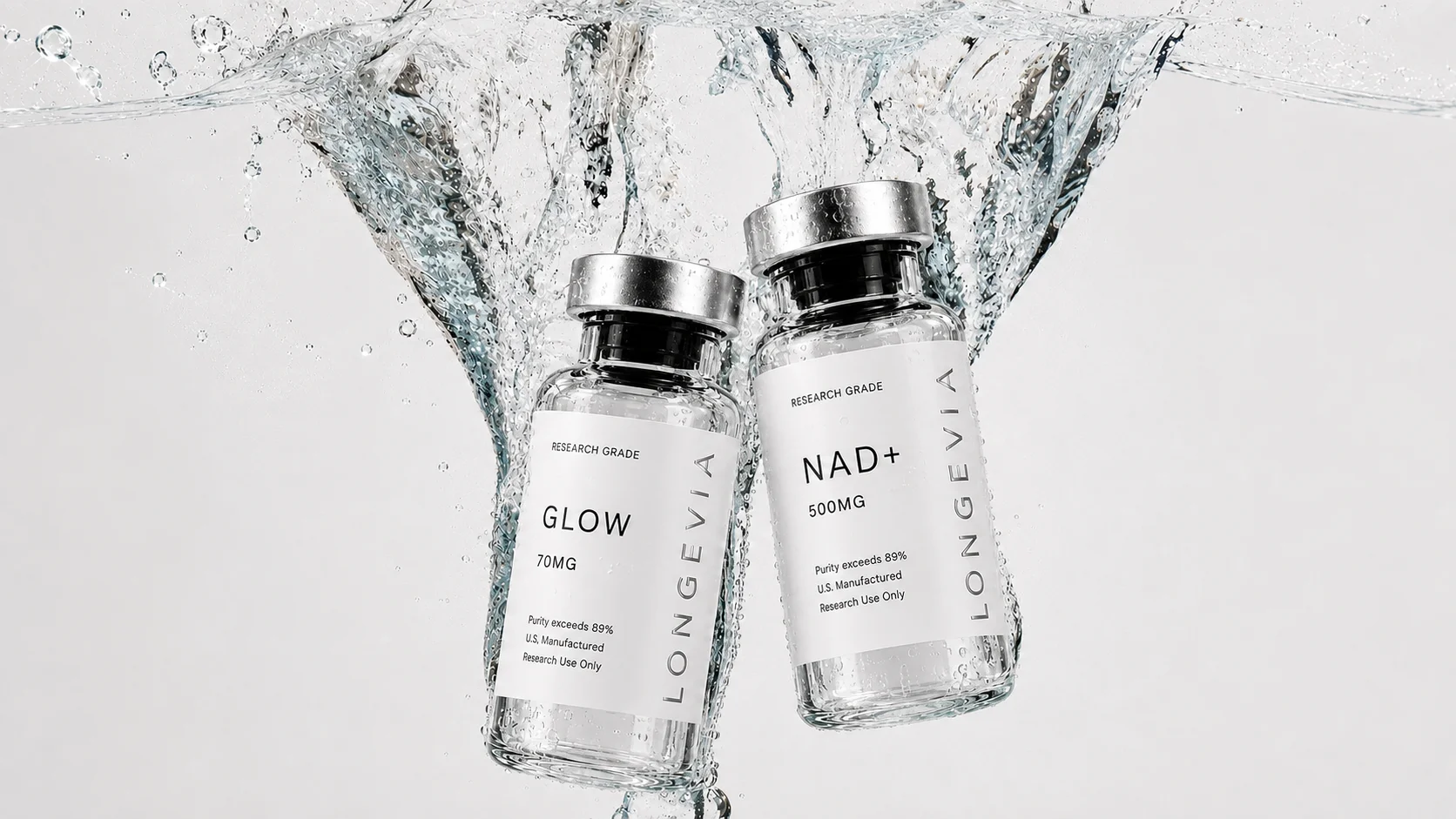
THE COMPLETE COLLECTION — Research Peptides from Longevia Research
Explore our complete catalog of research-grade peptides and compounds. Filter by category, purity, and availability to find exactly what your guideline requires.
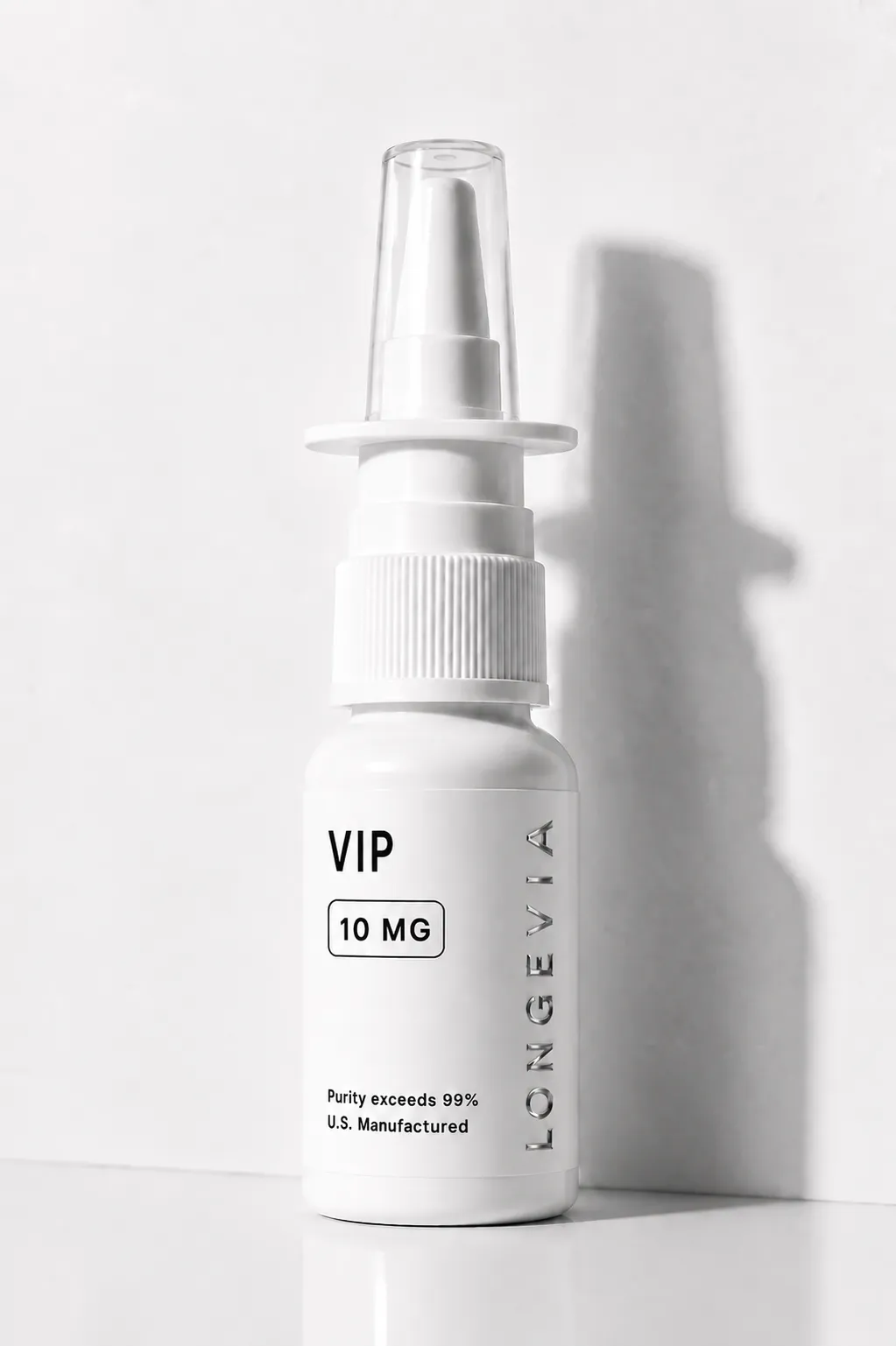
VIP Spray
VIP — vasoactive intestinal peptide — is a naturally occurring 28-amino-acid endogenous neuropeptide and member of the secretin peptide superfamily, first isolated from porcine intestinal tissue by Said and Mutt in 1970. It carries a defining C-terminal primary amide (-NH₂), required for full biological activity at its receptors, and is widely distributed across the central and peripheral nervous systems, the enteric nervous system, and a range of peripheral tissues including the gastrointestinal tract, pancreas, respiratory system, immune organs, and vasculature. VIP exerts its biological effects primarily through two Class B1 G protein-coupled receptors — VPAC1 and VPAC2 — both coupled predominantly to Gαs, adenylyl cyclase stimulation, and intracellular cAMP elevation. Research into VIP biology spans gastrointestinal neuropharmacology, vascular smooth-muscle physiology, neuroendocrine signaling, immunology, circadian biology, and respiratory physiology — making it one of the more extensively studied endogenous neuropeptides in peptide pharmacology. Longevia Research supplies VIP as 10mg per bottle in a liquid spray format — 90 sprays per bottle — for qualified laboratory and scientific research purposes only.
$211.50
Slide to add
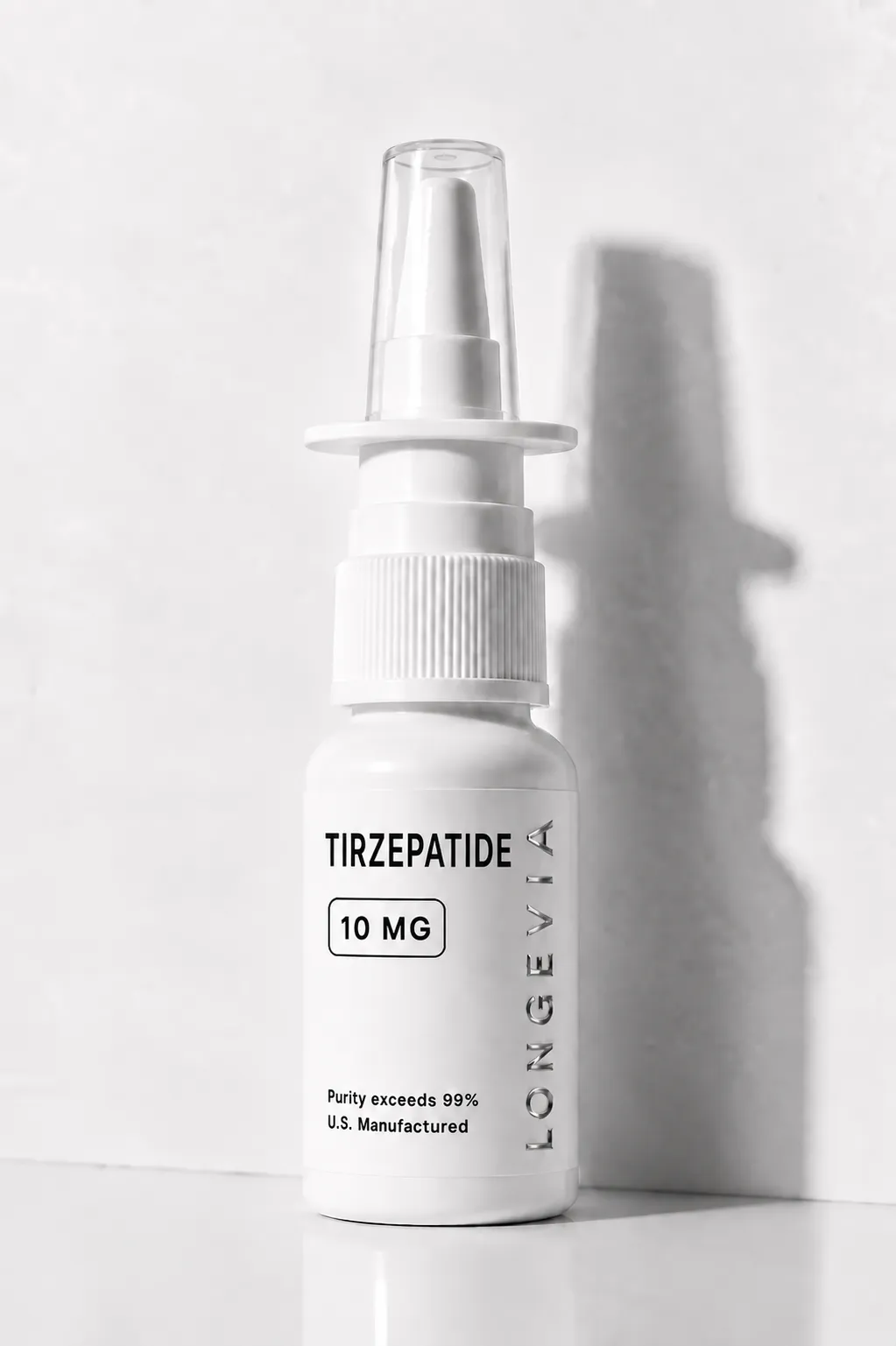
Tirzepatide — Spray
Tirzepatide (development code LY3298176, CAS 2023788-19-2) is a synthetic 39-amino-acid research compound and unimolecular dual agonist at both the glucose-dependent insulinotropic polypeptide receptor (GIPR) and the glucagon-like peptide-1 receptor (GLP-1R) — the first approved unimolecular dual GIP/GLP-1 receptor agonist. Its primary sequence is derived from the endogenous GIP sequence and incorporates two non-standard α-aminoisobutyric acid (Aib) residues at positions 2 and 13, conferring resistance to DPP-IV-mediated proteolysis, and a C20 fatty diacid moiety attached via a hydrophilic linker at lysine-20, promoting albumin binding and extending plasma half-life to approximately 5 days in pharmaceutical subcutaneous injection formulations. Both receptor targets are Class B1 Gαs-coupled GPCRs whose activation promotes adenylyl cyclase stimulation, intracellular cAMP elevation, and glucose-dependent insulin secretion from pancreatic beta cells. In pharmacological characterization studies, Tirzepatide demonstrates balanced agonist activity at both receptor targets, with EC50 values of approximately 18.2 nM at GIPR and 18.1 nM at GLP-1R. Tirzepatide has a substantial pharmaceutical and regulatory history. Under the brand name Mounjaro®, it received FDA approval in May 2022 for glycemic control in adults with type 2 diabetes — the first dual GIP/GLP-1 receptor agonist approved for any indication. Under the brand name Zepbound®, it received FDA approval in November 2023 for chronic weight management in adults with obesity or overweight with at least one weight-related comorbidity, and an additional December 2024 approval for moderate-to-severe obstructive sleep apnea in adults with obesity. The European Commission granted approval in September 2022. These pharmaceutical approvals apply exclusively to the specific Mounjaro® and Zepbound® subcutaneous injection formulations and do not extend to the Longevia Research Tirzepatide spray, which is a separately supplied research compound without pharmaceutical approval, clinical validation, or equivalence to any approved product. Longevia Research supplies Tirzepatide in four stated quantity variants — 10mg, 20mg, 30mg, and 60mg — each in a liquid spray format containing 45 sprays per bottle, for qualified laboratory and scientific research purposes only.
From $144.00
Options
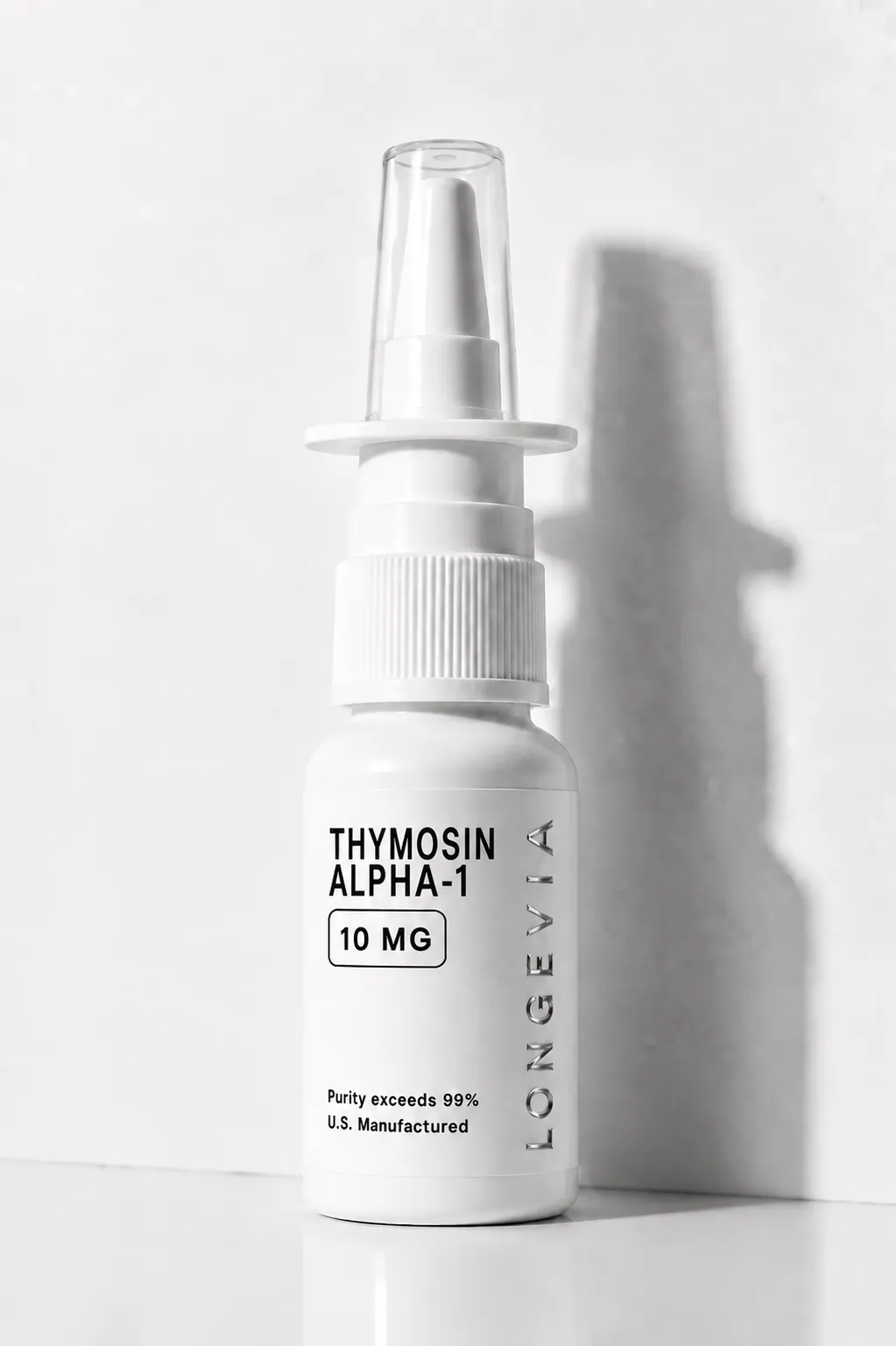
Thymosin Alpha-1 — Spray
Thymosin Alpha-1 (Tα1, TA-1) is a synthetic 28-amino-acid research compound corresponding to the N-terminal region of prothymosin alpha — a 113-amino-acid nuclear protein encoded by the PTMA gene. Tα1 carries a defining Nα-acetylation at its N-terminal serine residue (Ac-Ser¹) and was first isolated from calf thymus tissue and characterized by Allan Goldstein and colleagues in 1977. It has been among the most extensively studied synthetic immunomodulatory compounds in the scientific literature, with research spanning four decades across innate immune signaling, adaptive immune responses, Toll-like receptor biology, dendritic cell function, T-cell maturation, cytokine and interferon-associated signaling, and multiple clinical research programmes. Research interest centers primarily on Tα1's investigated interactions with TLR9 and TLR2 on dendritic cells, with downstream signaling through MyD88-dependent pathways and a dual profile characterized by Romani and colleagues — Th1-polarizing dendritic cell activation alongside IDO-mediated tryptophan catabolism providing an immunoregulatory counterbalance. Longevia Research supplies Thymosin Alpha-1 as 10mg per bottle in a liquid spray format — 45 sprays per bottle — for qualified laboratory and scientific research purposes only.
$189.00
Slide to add
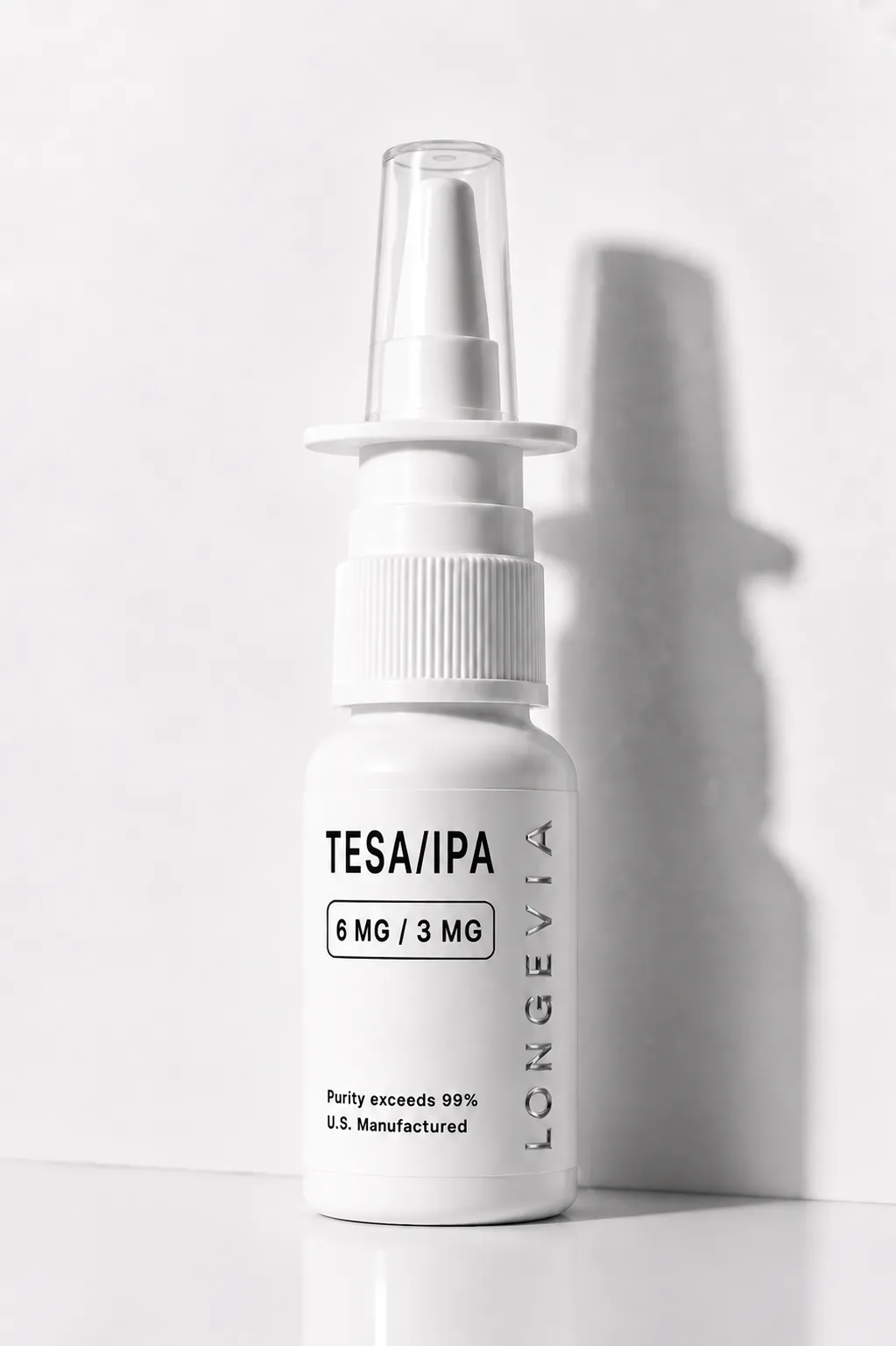
Tesa/IPA — Spray
Tesa/IPA is a two-component research formulation from Longevia Research containing two distinct synthetic compounds — Tesamorelin and Ipamorelin — each with its own molecular identity, receptor target, signaling mechanism, and independent research literature. Tesamorelin is a synthetic 44-amino-acid GHRH analogue with an N-terminal trans-3-hexenoyl modification conferring DPP-IV resistance, acting as a GHRH receptor (GHRHR) agonist at anterior pituitary somatotroph cells through the Class B Gαs/cAMP/PKA signaling cascade. Ipamorelin is a synthetic pentapeptide (Aib-His-D-2-Nal-D-Phe-Lys-NH₂) acting as a selective growth hormone secretagogue receptor 1a (GHS-R1a) agonist through the Class A Gαq/PLC/Ca²⁺ pathway — the ghrelin receptor system, which is mechanistically distinct from the GHRH receptor. Both compounds participate in the physiological regulation of growth hormone secretion from pituitary somatotrophs but engage entirely different receptor families, activate different intracellular signaling cascades, and have separate research and regulatory histories; they are not pharmacologically interchangeable and neither is a version of the other. Evidence for Tesamorelin and Ipamorelin individually does not automatically establish properties of their combination; individual-compound studies do not constitute direct evidence for the Tesa/IPA formulation as a combined preparation. Longevia Research supplies Tesa/IPA in two stated composition variants — 6mg Tesamorelin/3mg Ipamorelin and 13mg Tesamorelin/3mg Ipamorelin — each in a liquid spray format containing 45 sprays per bottle, for qualified laboratory and scientific research purposes only.
From $225.00
Options
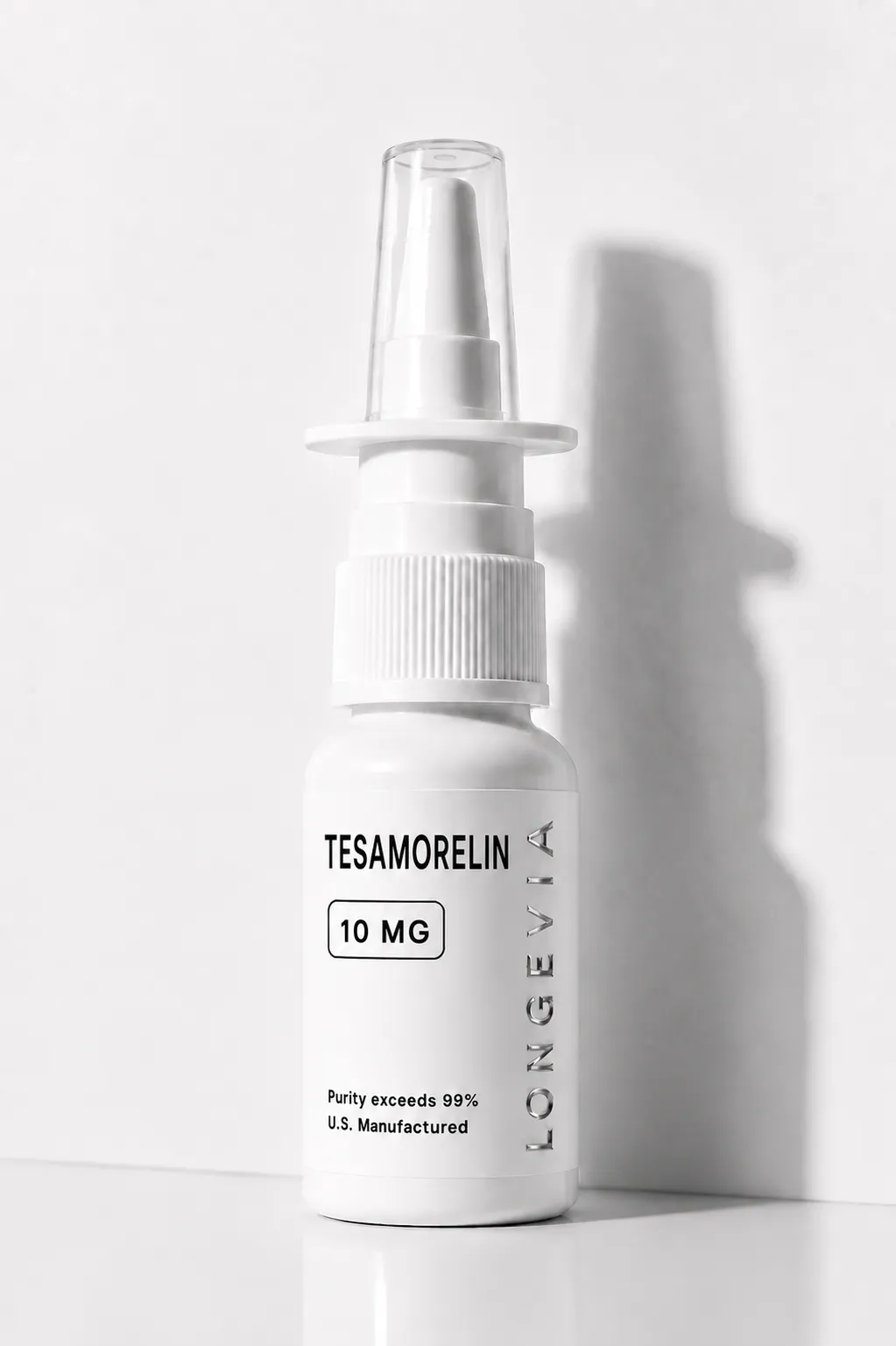
Tesamorelin Spray
Tesamorelin is a synthetic 44-amino-acid research compound corresponding to the full-length sequence of human growth hormone-releasing hormone (GHRH), distinguished from endogenous GHRH by a single N-terminal structural modification: the addition of a trans-3-hexenoic acid moiety to the N-terminal tyrosine residue (position 1). This modification was designed to confer resistance to dipeptidyl peptidase IV (DPP-IV) — the enzyme primarily responsible for rapid proteolytic inactivation of native GHRH at the Tyr¹–Ala² bond — thereby extending metabolic stability in biological systems relative to the unmodified parent peptide. Tesamorelin retains full receptor fidelity as a GHRH receptor (GHRHR) agonist, engaging the Class B Gαs-coupled GPCR expressed on anterior pituitary somatotroph cells and activating the canonical adenylate cyclase/cAMP/PKA signaling cascade that drives GH secretory granule exocytosis. This distinguishes tesamorelin structurally and pharmacokinetically from truncated GHRH analogs such as sermorelin — which comprises only the N-terminal 29 residues — and from modified analogs such as CJC-1295, which is based on a 30-residue sequence with amino acid substitutions rather than a full-length stabilizing modification. Tesamorelin has a substantial pharmaceutical development history. Developed by Theratechnologies Inc. under the designation TH9507, the compound received FDA approval in November 2010 as Egrifta® (tesamorelin acetate for subcutaneous injection) for the reduction of excess abdominal fat in adults with HIV-associated lipodystrophy — the first GHRH analog to receive FDA approval for any therapeutic indication. This approval applies to the specific pharmaceutical formulation, dose, and patient population established in clinical trials and does not extend to the Longevia Research tesamorelin spray, which is a separately supplied research compound without pharmaceutical approval, clinical validation, or bioequivalence to Egrifta®. Longevia Research supplies Tesamorelin in two stated quantity variants — 10mg and 20mg — each in a liquid spray format containing 45 sprays per bottle, for qualified laboratory and scientific research purposes only.
From $270.00
Options
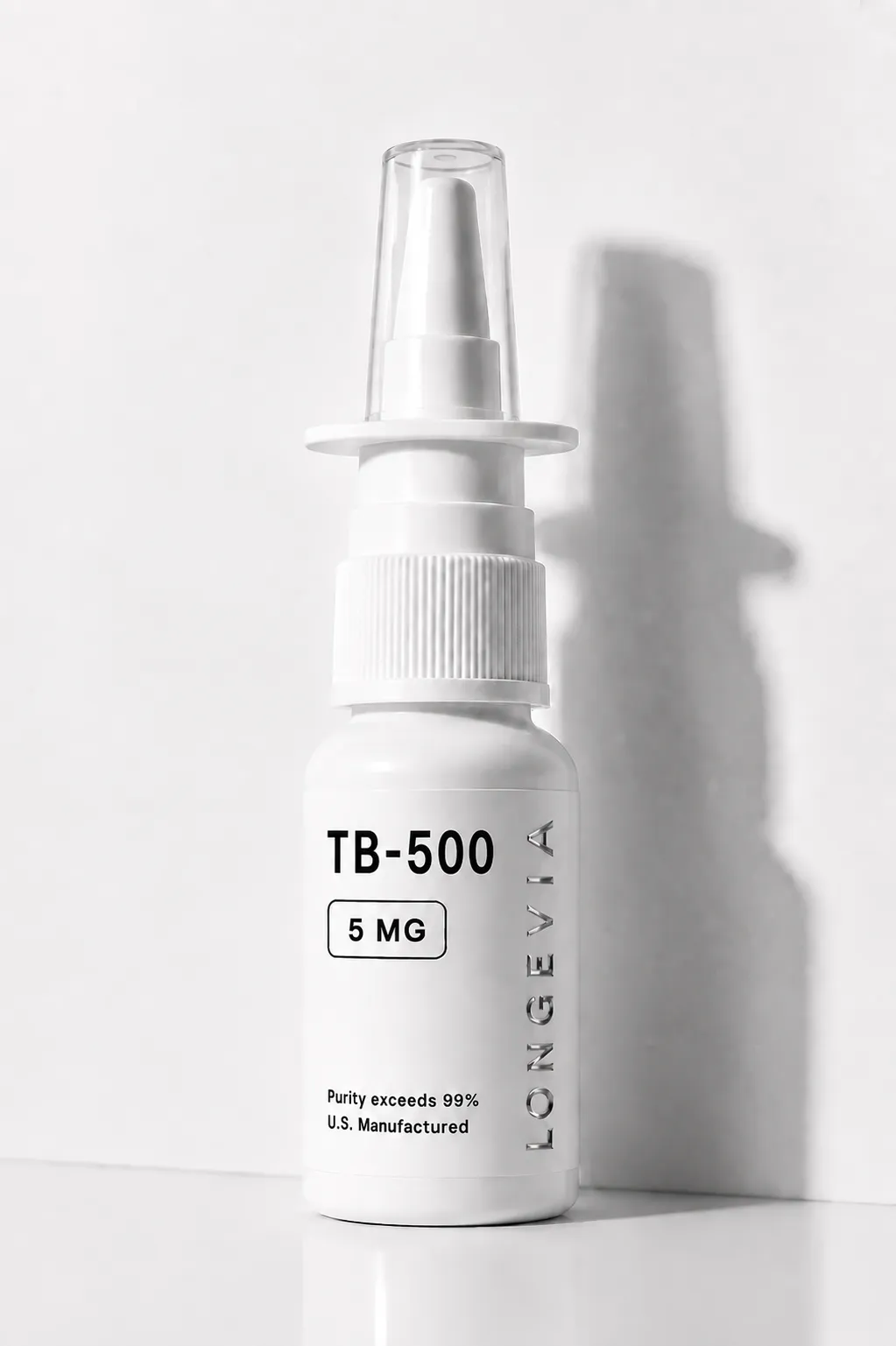
TB-500 — Spray
TB-500 is the research designation for the synthetic acetylated heptapeptide Ac-LKKTETQ (CAS 885340-08-9), corresponding to amino acids 17–23 of thymosin beta-4 (Tβ4) — the seven-residue actin-binding domain responsible for the G-actin sequestration activity that drives research interest in thymosin beta-4 and its derived fragments. The LKKTETQ sequence is the region of thymosin beta-4 through which the parent protein binds monomeric actin (G-actin), with downstream consequences for actin polymerization dynamics, cytoskeletal organization, and cell motility. Research on TB-500 spans biochemical actin-binding characterization, cell-based migration and proliferation assays, and preclinical models investigating tissue-biology endpoints. A critical terminological distinction defines this research area: the designation "TB-500" is applied inconsistently in the scientific and commercial literature to two chemically distinct entities — the defined synthetic heptapeptide Ac-LKKTETQ (CAS 885340-08-9, MW 889.01 g/mol) and, in some contexts, full-length synthetic thymosin beta-4 (CAS 77591-33-4, MW 4,963.44 g/mol). These differ by approximately 4,074 Da, differ in functional domain content, and are not interchangeable research reagents; the Certificate of Analysis CAS number is the definitive means of confirming which entity is present. The majority of the broader Tβ4 biological literature — wound biology, cardiac research, corneal models, and the human ophthalmic clinical programme — concerns the full-length 43-amino-acid protein and should not be automatically attributed to the isolated LKKTETQ fragment. Longevia Research supplies TB-500 in two stated quantity variants — 5mg and 10mg — each in a liquid spray format containing 45 sprays per bottle, for qualified laboratory and scientific research purposes only.
From $189.00
Options
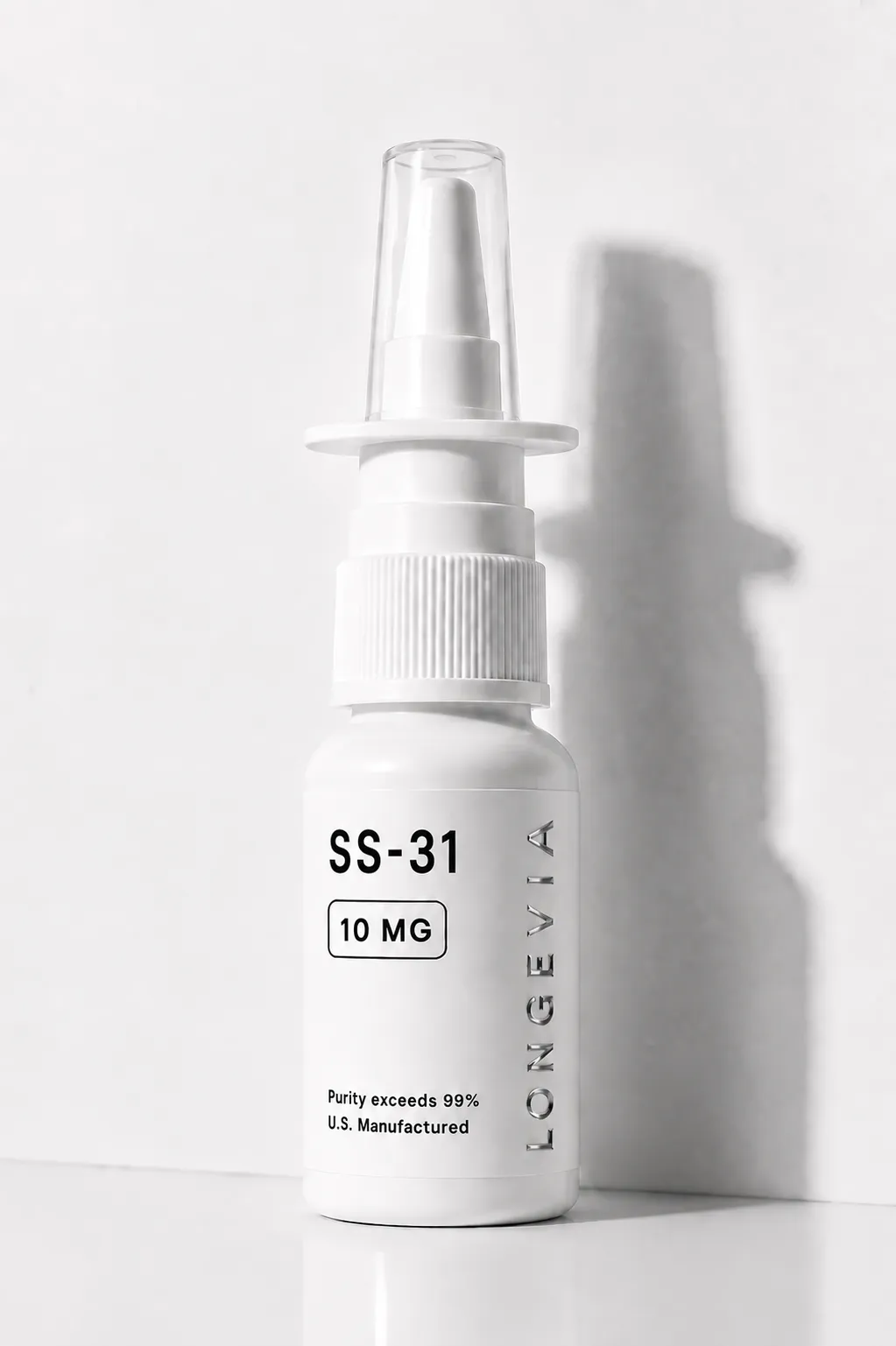
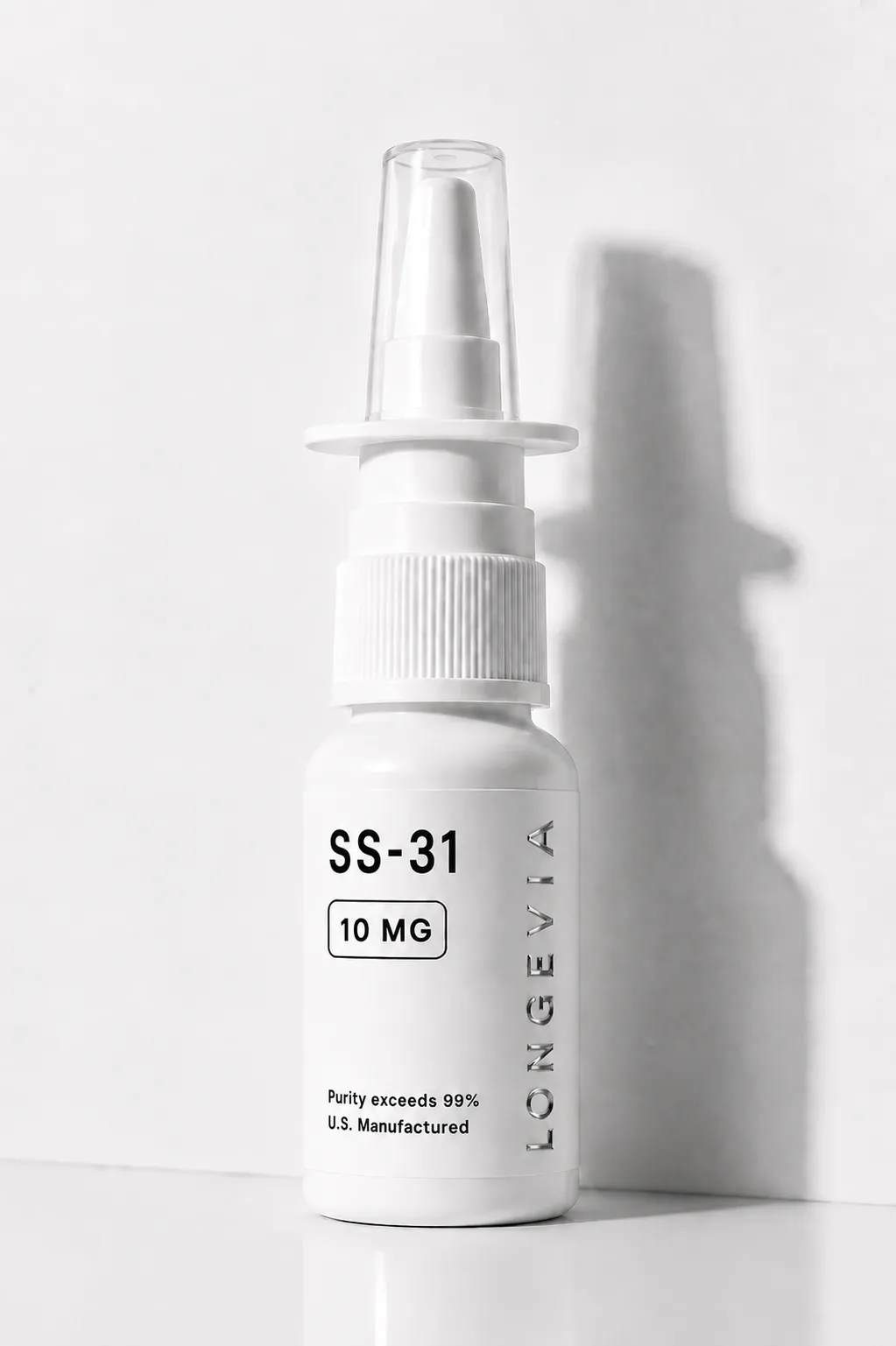
SS-31 — Spray
SS-31 is a synthetic mitochondria-targeted tetrapeptide — also designated MTP-131, elamipretide, and in earlier pharmaceutical development literature, Bendavia — investigated primarily in research concerning mitochondrial membrane biology, cardiolipin, and mitochondrial bioenergetics. Developed as part of the Szeto-Schiller (SzPep) family of aromatic-cationic compounds by Hazel Szeto and Peter Schiller at New York Medical College, SS-31 incorporates a designed alternating aromatic-cationic sequence — D-Arg-Dmt-Lys-Phe-NH₂, where Dmt is the non-standard residue 2′,6′-dimethyl-L-tyrosine — proposed to support preferential accumulation at the inner mitochondrial membrane through interactions with cardiolipin, the distinctive anionic phospholipid enriched in that membrane, rather than through the conventional membrane-potential-dependent accumulation mechanism used by other cationic mitochondria-targeting agents. Research on SS-31 has examined its molecular interactions with cardiolipin and the downstream consequences for mitochondrial membrane organization, respiratory-chain supercomplex stability, oxidative phosphorylation, and mitochondrial reactive oxygen species in cell-based and preclinical model systems. Elamipretide — the INN designation for SS-31 — has been evaluated in human clinical trials by Stealth BioTherapeutics using subcutaneous injection formulations; the PROGRESS-HF trial (Phase 2, heart failure with reduced ejection fraction) and the MMPOWER-3 trial (mitochondrial myopathy) did not meet their primary endpoints, and elamipretide has not received regulatory approval from the FDA, EMA, or any major regulatory authority for any indication. These clinical findings should be accurately understood when characterizing the state of SS-31's clinical research record. Longevia Research supplies SS-31 in two stated quantity variants — 10mg and 50mg — each in a liquid spray format containing 45 sprays per bottle, for qualified laboratory and scientific research purposes only.
From $198.00
Options
SNAP-8 — Spray
SNAP-8 — designated in cosmetic-ingredient nomenclature as Acetyl Octapeptide-3 — is a synthetic acetylated octapeptide with the sequence Ac-Glu-Glu-Met-Gln-Arg-Arg-Ala-Asp, corresponding to the N-terminal region of SNAP-25 (synaptosomal-associated protein 25), a core component of the neuronal SNARE (soluble NSF attachment protein receptor) complex involved in synaptic vesicle fusion and neurotransmitter release. The SNARE complex — formed by SNAP-25, syntaxin-1, and synaptobrevin/VAMP — mediates the membrane fusion events underlying regulated exocytosis of neurotransmitters at synaptic terminals. Research investigating SNAP-8 has examined its potential molecular interactions with the SNARE-assembly system, with proposed mechanisms involving competition with or modulation of SNAP-25 interactions within the complex — mechanisms that remain under active scientific investigation and should not be conflated with the established enzymatic cleavage mechanisms of botulinum neurotoxins, which are entirely distinct from SNAP-8 at both the molecular and mechanistic levels. SNAP-8's published research profile is primarily associated with cosmetic-science investigations examining topical formulations containing this compound in the context of facial-muscle biology and appearance-related endpoints; these cosmetic-science findings are specific to the formulations studied and do not characterize the biological properties of the isolated synthetic compound or the Longevia Research spray preparation. Longevia Research supplies SNAP-8 in two stated quantity variants — 10mg and 20mg — each in a liquid spray format containing 45 sprays per bottle, for qualified laboratory and scientific research purposes only.
From $198.00
Options
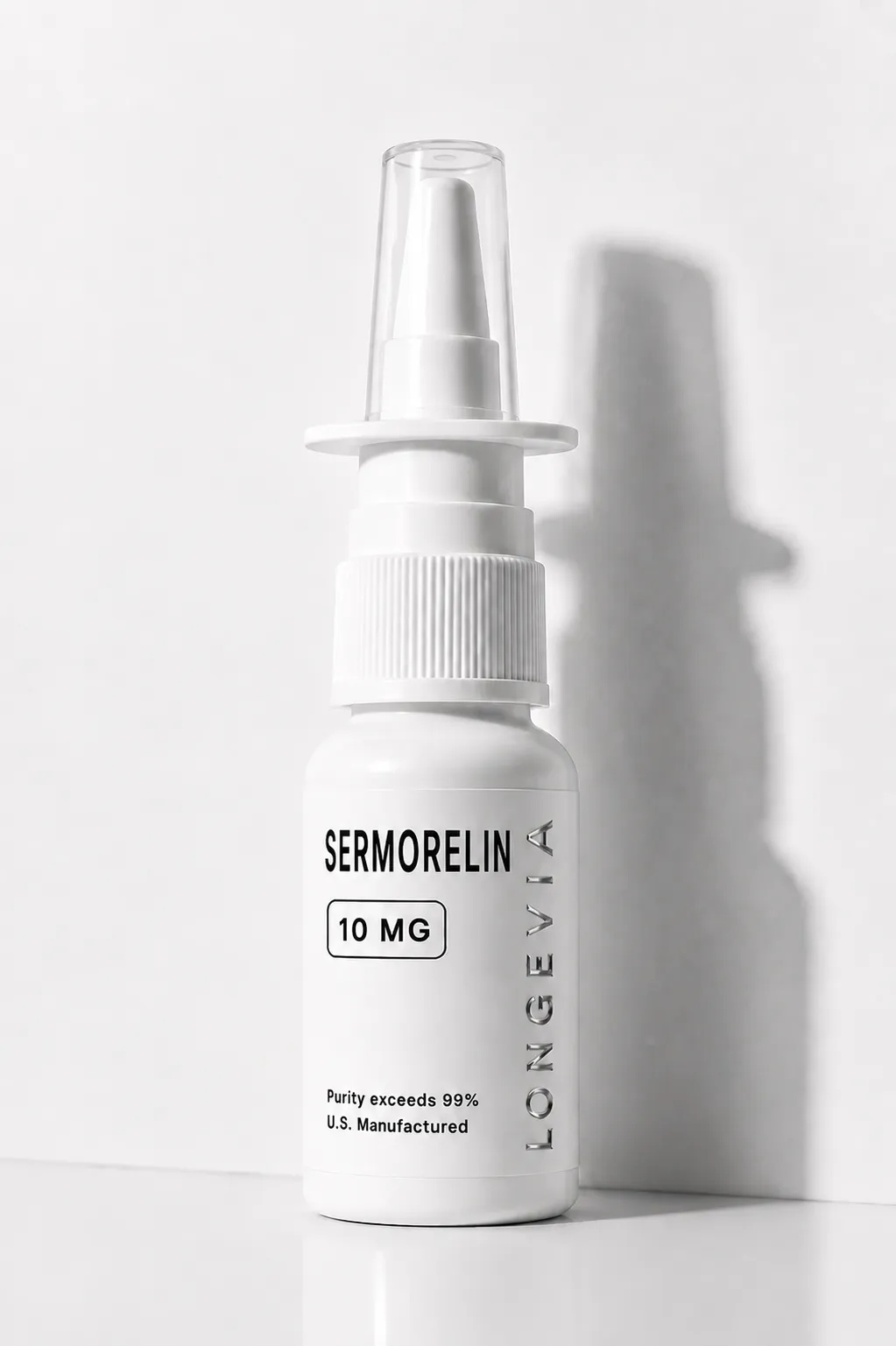
Sermorelin — Spray
Sermorelin is a synthetic 29-amino-acid research compound corresponding to the N-terminal 1–29 residues of endogenous human growth hormone-releasing hormone (GHRH) — the minimal biologically active sequence of GHRH capable of engaging the GHRH receptor (GHRHR) and initiating downstream signaling in pituitary somatotroph cells. The GHRH(1–29) region represented by Sermorelin has been characterized through structure-activity research as sufficient for full GHRHR binding and activation, with the C-terminal amide of position 29 (Arg-NH₂) identified as critical for receptor engagement. This positions Sermorelin as a research tool for investigating GHRH receptor pharmacology, cAMP-mediated pituitary signaling, and growth hormone secretion as an experimental endpoint. Sermorelin should not be confused with GHRP-2, GHRP-6, or Ipamorelin — which are growth hormone secretagogues engaging the ghrelin receptor (GHS-R) through a mechanistically distinct pathway — nor with CJC-1295, which is a modified long-acting GHRH analogue with different pharmacokinetic characteristics. A pharmaceutical form of Sermorelin — sermorelin acetate (Geref, Serono) — was formerly FDA-approved for growth hormone deficiency in children and was voluntarily withdrawn from the U.S. market approximately in 2008 for commercial rather than safety reasons; no currently approved commercial sermorelin preparation is marketed in the United States, and this historical approval context does not apply to the Longevia Research spray. Longevia Research supplies Sermorelin in two stated quantity variants — 10mg and 20mg — each in a liquid spray format containing 45 sprays per bottle, for qualified laboratory and scientific research purposes only.
From $189.00
Options
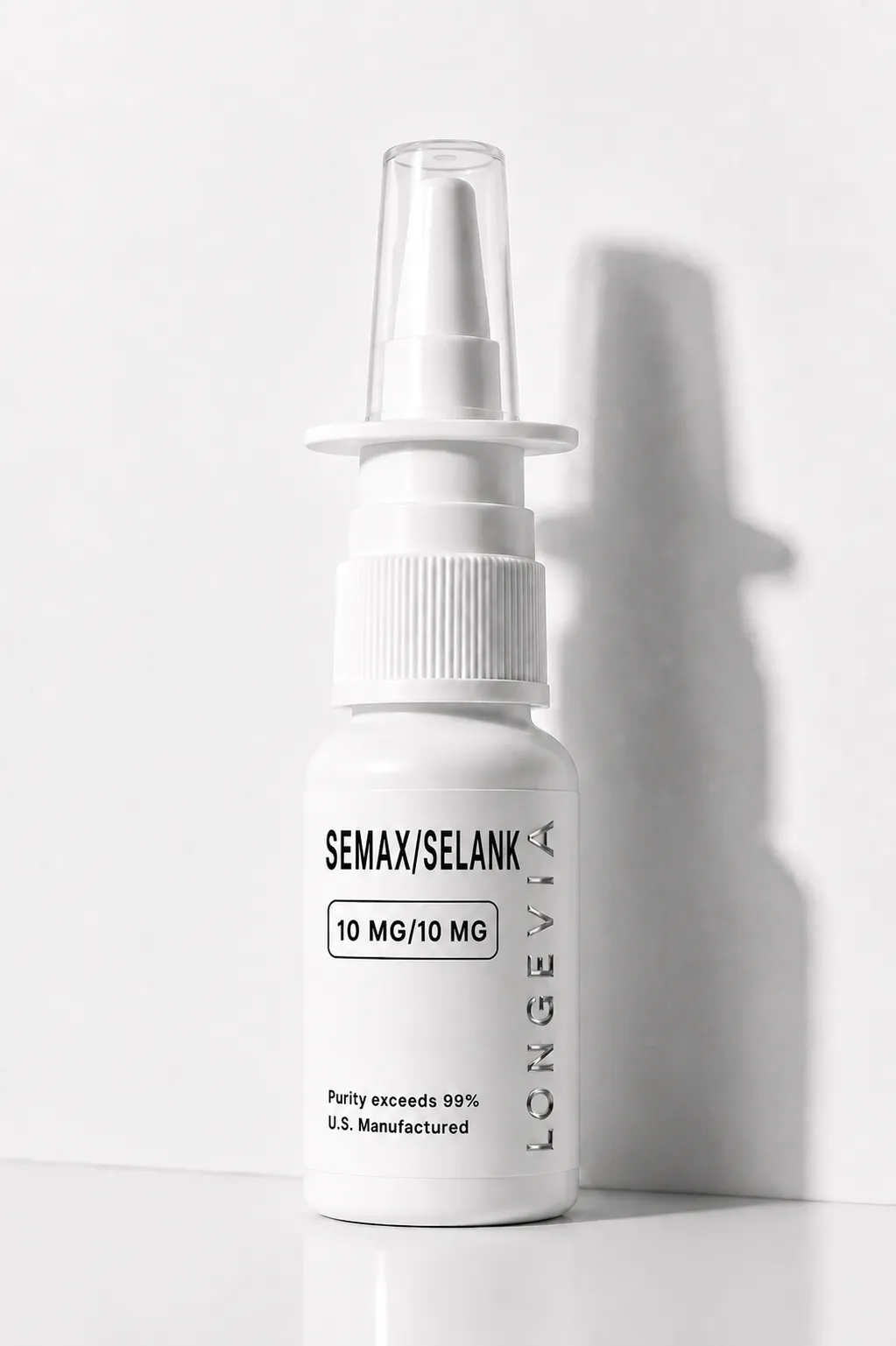
Semax/Selank — Spray
The Semax/Selank research formulation supplied by Longevia Research contains two structurally and scientifically distinct synthetic heptapeptides — Semax and Selank — each with its own molecular identity, biological origin, and independent research literature. Semax (Met-Glu-His-Phe-Pro-Gly-Pro) is derived from the ACTH(4–7) fragment of adrenocorticotropic hormone, with research interests spanning neurobiological signaling, neurotrophic factor biology, neurotransmitter systems, neuroinflammation, oxidative stress, and cerebral ischemia models. Selank (Thr-Lys-Pro-Arg-Pro-Gly-Pro) is related to the endogenous immunomodulatory tetrapeptide tuftsin, with research interests encompassing neuroimmune signaling, GABAergic and enkephalin-related neurotransmitter biology, cytokine-related pathways, and stress-related behavioral neuroscience. Both compounds incorporate a C-terminal Pro-Gly-Pro stabilizing extension reflecting the same design strategy, but their entirely different N-terminal sequences — derived from different biological origins — mean they engage different biological signaling contexts and have been studied for different primary research questions. Longevia Research supplies this preparation as 10mg Semax and 10mg Selank per bottle in a liquid spray format — 90 sprays per bottle — for qualified laboratory and scientific research purposes only.
$184.50
Slide to add
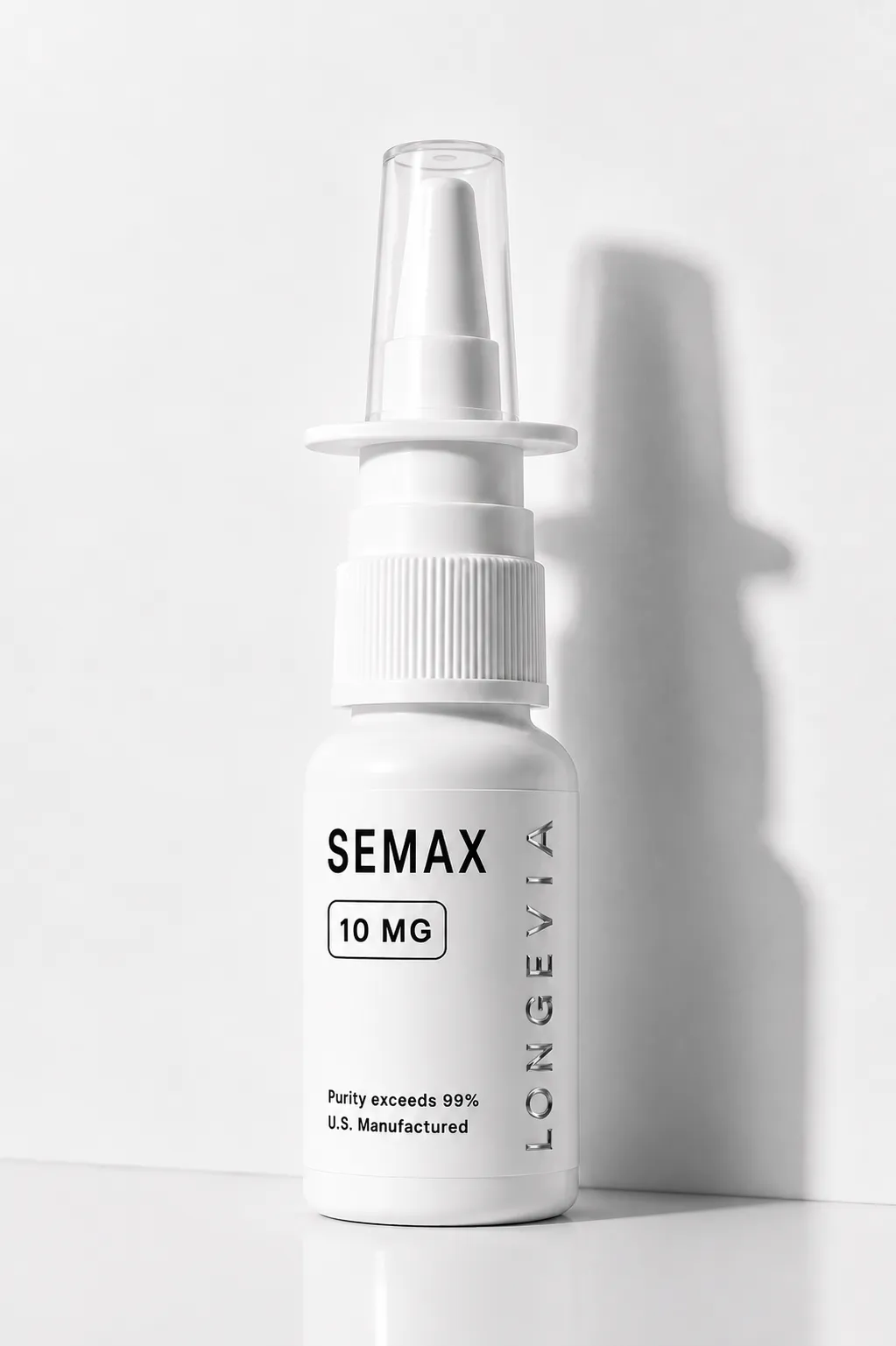
Semax — Spray
Semax is a synthetic heptapeptide derived from the adrenocorticotropic hormone (ACTH) fragment ACTH(4–7), extended with a C-terminal Pro-Gly-Pro tripeptide to improve resistance to enzymatic degradation in experimental systems. Its seven-residue sequence — Met-Glu-His-Phe-Pro-Gly-Pro — retains the tetra-amino-acid core of the ACTH(4–7) fragment while the appended Pro-Gly-Pro extension confers greater metabolic stability than the more rapidly degraded parent fragment. Developed at the Institute of Molecular Genetics of the Russian Academy of Sciences, Semax has been investigated across several experimental biological domains — including neuronal signaling, neurotrophic factor biology, neurotransmitter system research, cerebral ischemia models, neuroinflammation, oxidative stress, and gene-expression studies — primarily through preclinical research in cell-based and animal systems, with a body of human clinical literature originating predominantly from Russian scientific institutions. Longevia Research supplies Semax in two stated quantity variants — 10mg and 30mg — each in a liquid spray format containing 90 sprays per bottle, for qualified laboratory and scientific research purposes only.
From $148.50
Options
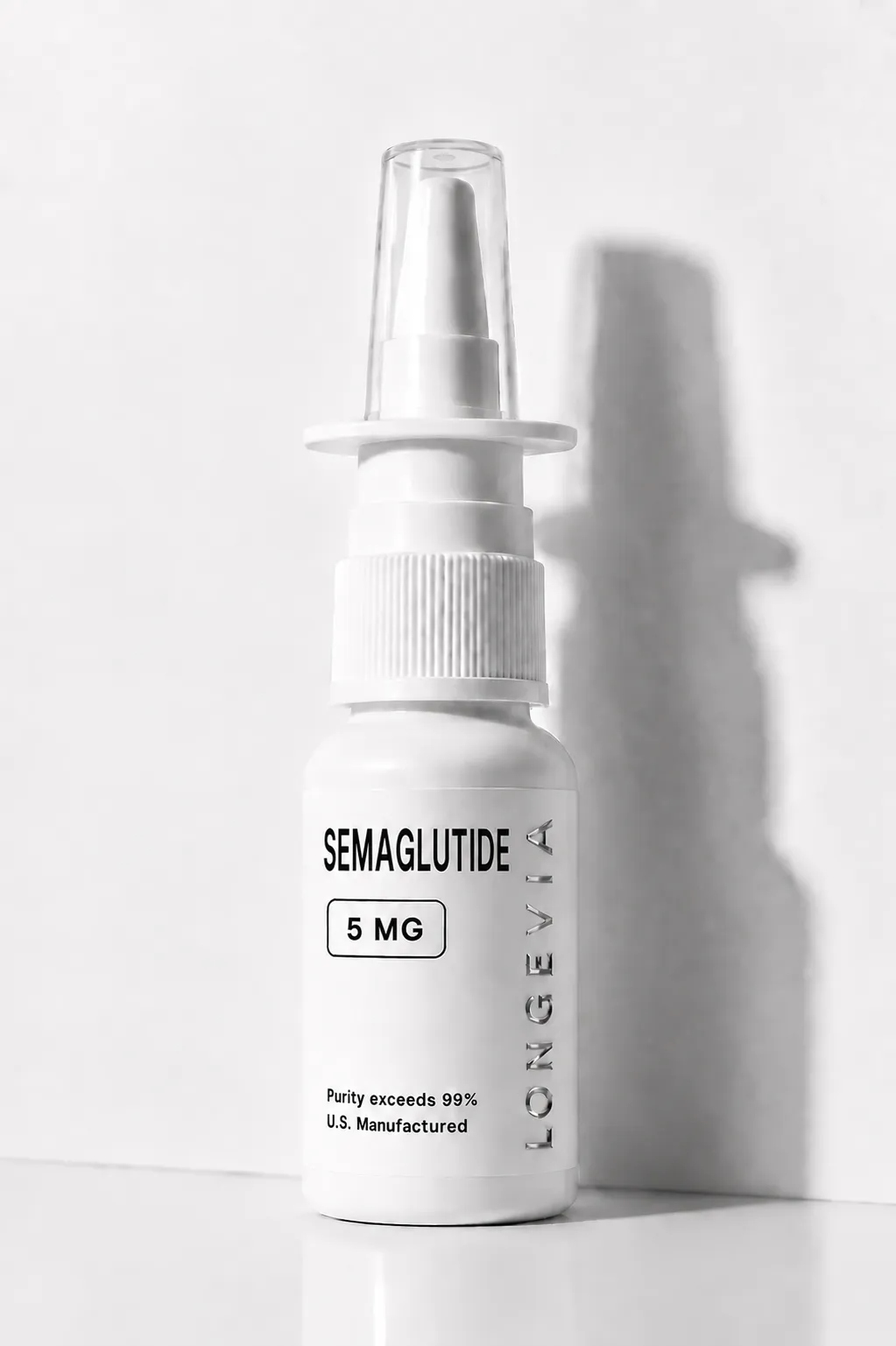
Semaglutide — Sprays
Semaglutide is a synthetic peptide-based glucagon-like peptide-1 (GLP-1) receptor agonist — a structurally modified analogue of the endogenous incretin hormone GLP-1 designed to engage the GLP-1 receptor (GLP-1R) with prolonged biological exposure. Unlike endogenous GLP-1, which is rapidly inactivated by dipeptidyl peptidase-4 (DPP-4) with a plasma half-life of approximately 2 minutes, semaglutide incorporates specific structural modifications — an alpha-aminoisobutyric acid (Aib) substitution at position 8 for DPP-4 resistance and a C18 fatty diacid moiety attached via a mini-PEG linker to lysine at position 26 for albumin-mediated half-life extension — that dramatically extend its pharmacological activity window in the studied pharmaceutical formulations. Semaglutide is the active ingredient in FDA-approved pharmaceutical medicines developed by Novo Nordisk — including Ozempic® (subcutaneous injection, type 2 diabetes and cardiovascular risk reduction), Wegovy® (subcutaneous injection, chronic weight management), and Rybelsus® (oral tablet, type 2 diabetes). These approved products represent distinct regulatory entities from the Longevia Research semaglutide spray: the approved medicines carry full FDA approval for their studied formulations and indications; the Longevia Research preparation is a separately supplied research compound without pharmaceutical approval, clinical validation, or bioequivalence to any approved formulation. Longevia Research supplies semaglutide in four stated quantity options — 5mg, 10mg, 20mg, and 30mg — each in a liquid spray format containing 45 sprays per bottle, for qualified laboratory and scientific research purposes only.
From $135.00
Options
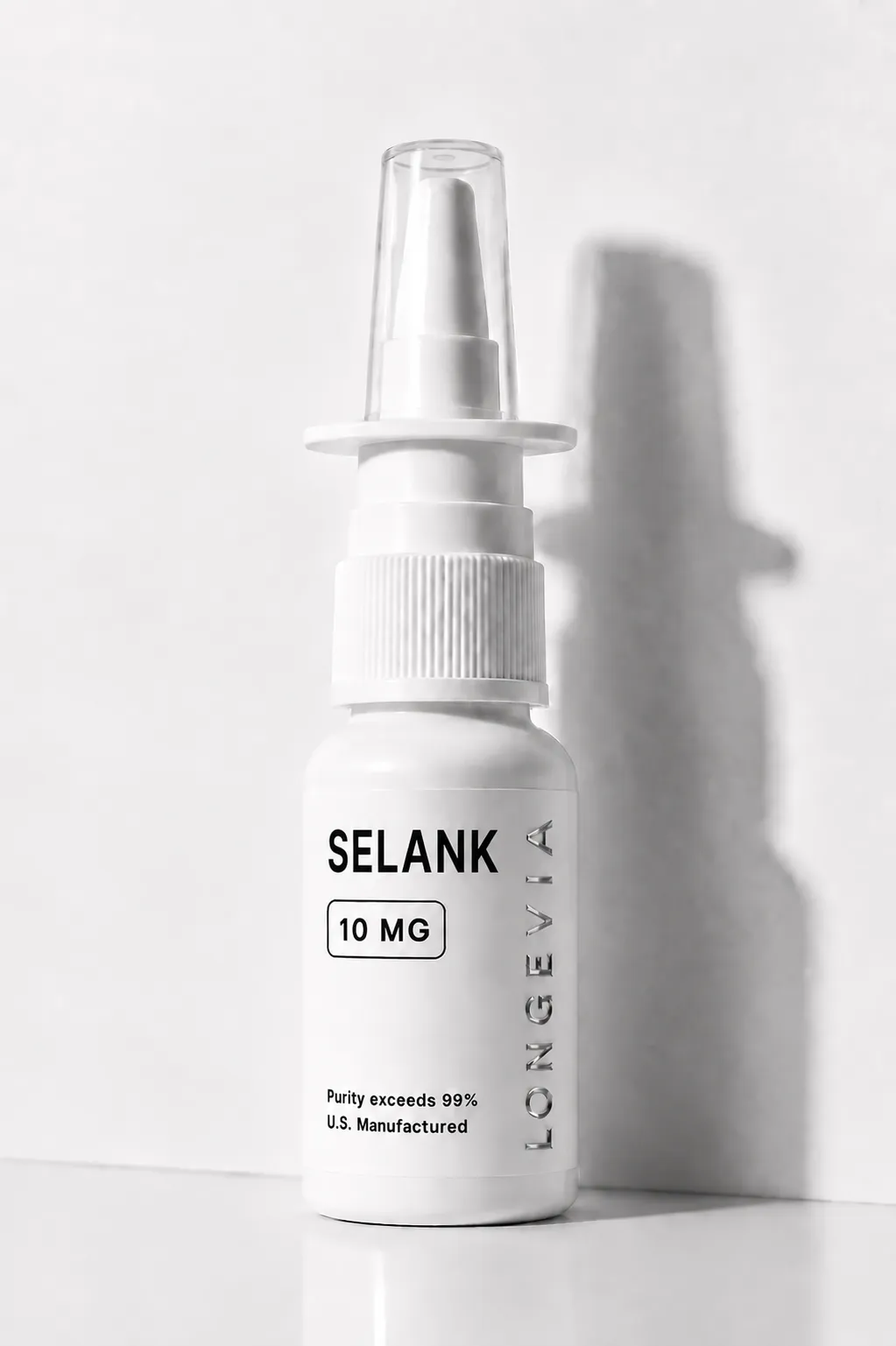
Selank — Spray
Selank is a synthetic heptapeptide analogue related to tuftsin — a naturally occurring immunomodulatory tetrapeptide derived from the Fc region of immunoglobulin G (IgG). Selank retains the four-amino-acid tuftsin core sequence (Thr-Lys-Pro-Arg) and extends it with a C-terminal Pro-Gly-Pro tripeptide that confers greater resistance to peptidase degradation in experimental systems relative to the rapidly degradable tuftsin parent sequence. Originally developed at the Institute of Molecular Genetics of the Russian Academy of Sciences, Selank has been investigated across several experimental biological domains — including neurobiological signaling, GABAergic and enkephalin-related neurotransmitter research, neuroimmune interactions, cytokine-related biology, stress-related behavioral neuroscience, and gene-expression studies — primarily in biochemical, cell-based, and animal model systems, with a more limited human research literature originating predominantly from the Russian scientific community. No single definitive mechanism has been established for Selank, and experimental findings should be understood as research observations in specific model systems rather than validated effects in humans. Longevia Research supplies Selank as 10mg per bottle in a liquid spray format — 90 sprays per bottle — for qualified laboratory and scientific research purposes only.
$148.50
Slide to add
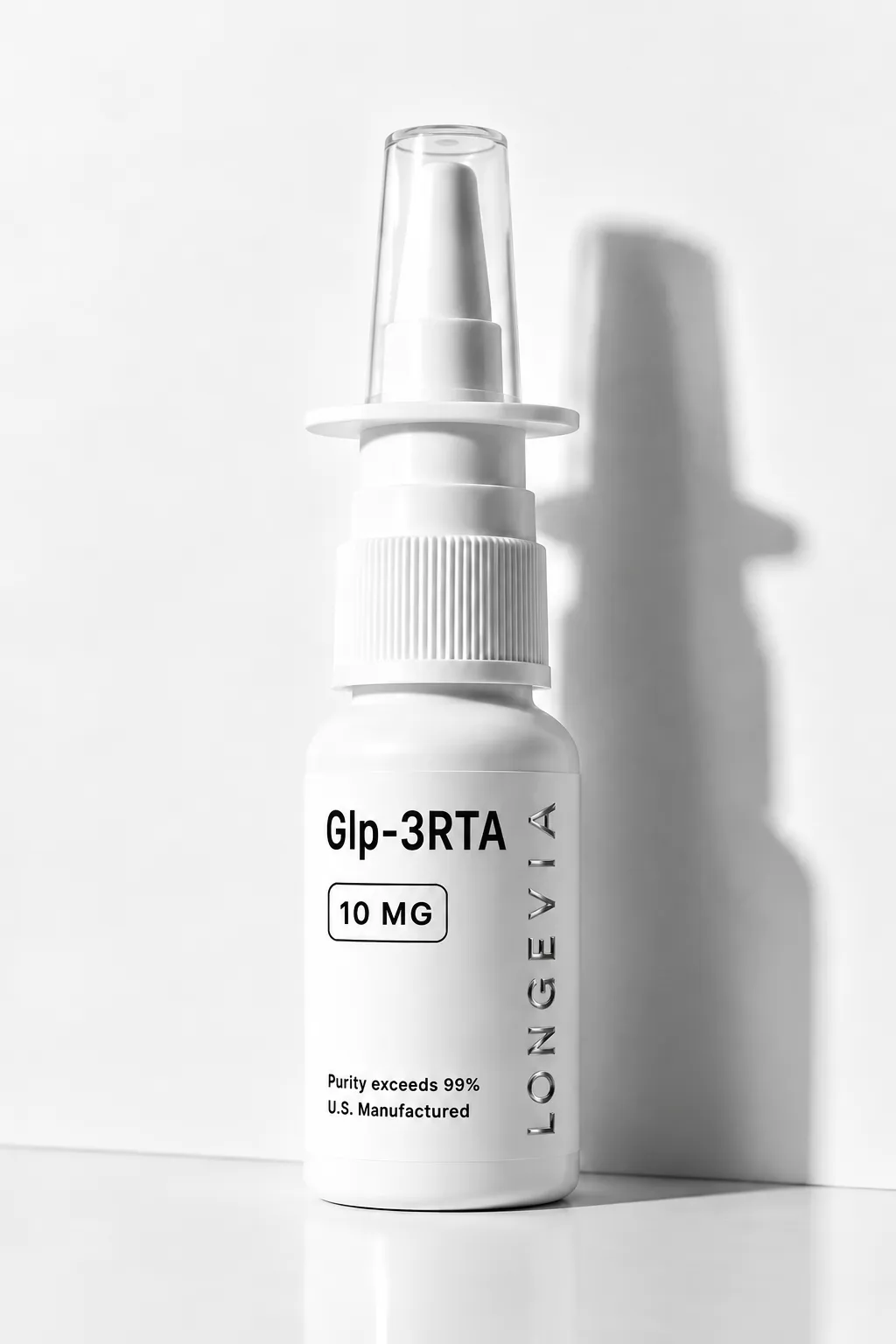
Glp-3RTA — Spray
Glp-3RTA (Eli Lilly development code LY3437943) is an investigational synthetic peptide-based triple receptor agonist designed to simultaneously engage three metabolic hormone receptor systems: the glucose-dependent insulinotropic polypeptide receptor (GIPR), the glucagon-like peptide-1 receptor (GLP-1R), and the glucagon receptor (GCGR). This combined receptor targeting profile — described in the scientific literature as a "triple agonist" or "triple-G" mechanism — distinguishes Glp-3RTA from single or dual agonist compounds studied in metabolic research. The scientific rationale for the triple-receptor design involves the distinct and complementary roles of each receptor system: GLP-1R and GIPR agonism engage overlapping and distinct incretin-related pathways including insulin secretion and appetite-related CNS signaling; GCGR agonism contributes hepatic metabolic, lipid-regulatory, and energy-expenditure effects not associated with incretin-only approaches. As of September 2026, Glp-3RTA has not received regulatory approval from the FDA, EMA, or any other regulatory body; it remains under active clinical development, with Eli Lilly announcing in July 2026 its intention to file a Biologics License Application with the FDA in Q1 2027. Clinical research findings reported for Glp-3RTA describe outcomes in specific studied trial populations using pharmaceutical subcutaneous injection formulations under controlled conditions — they do not constitute evidence that this or any research-grade preparation produces equivalent effects. Longevia Research supplies Glp-3RTA in four stated quantity options — 10mg, 20mg, 30mg, and 60mg — each in a liquid spray format containing 45 sprays per bottle, for qualified laboratory and scientific research purposes only.
From $166.50
Options
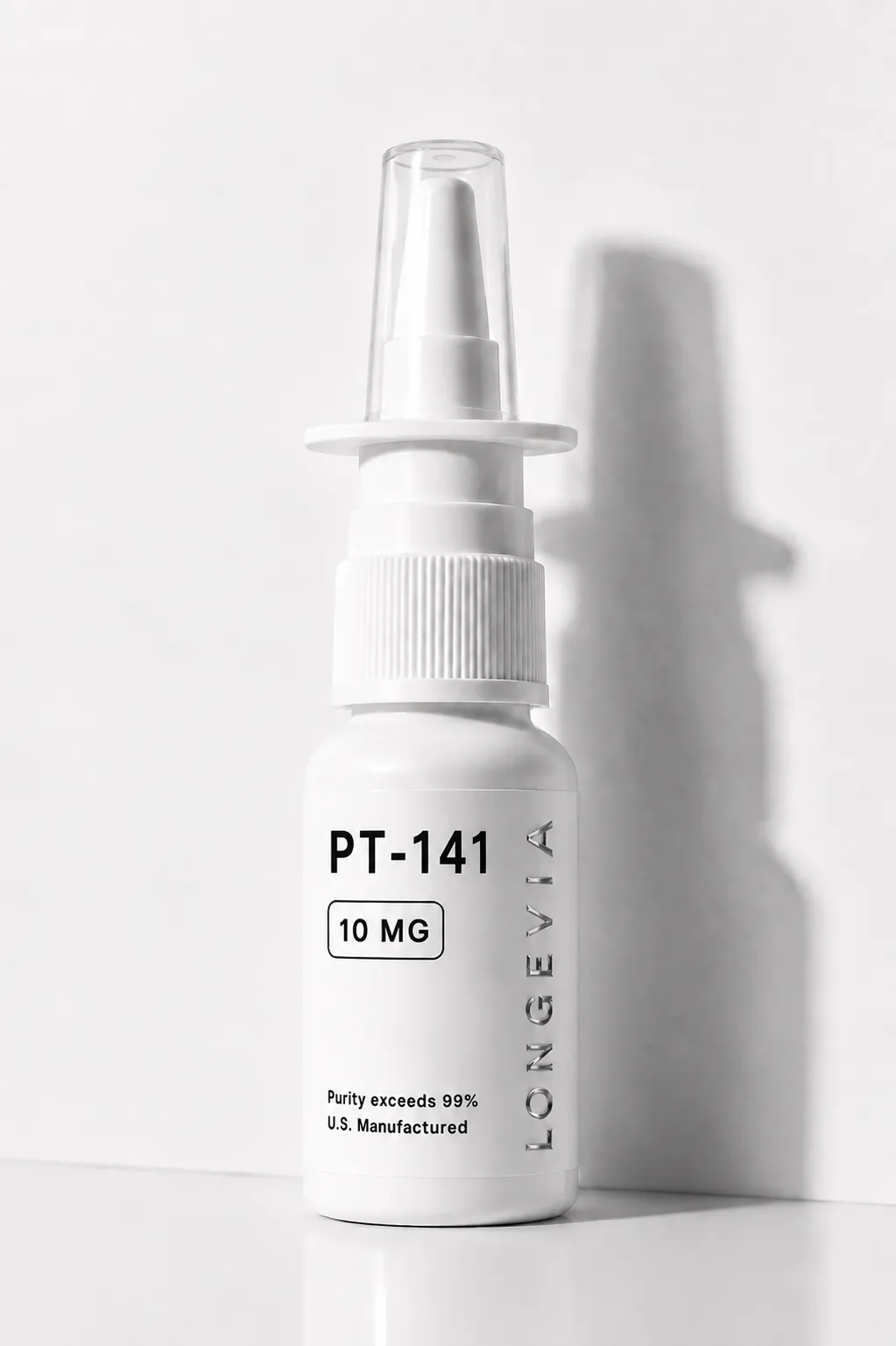
PT-141 — Spray
PT-141, identified by the International Nonproprietary Name bremelanotide, is a synthetic cyclic heptapeptide and melanocortin receptor agonist developed from melanocortin-system research. It is a seven-residue cyclic lactam compound closely related to Melanotan-II — from which it is distinguished by a C-terminal free acid (Gly-OH) rather than C-terminal amide (Gly-NH₂), a modification that arose during metabolite characterization studies and results in a distinct molecular identity. PT-141 has been investigated for agonist activity at multiple melanocortin receptor subtypes — MC1R, MC3R, MC4R, and MC5R — with particular research interest in MC4R-mediated signaling in central nervous-system circuits. Research spanning receptor pharmacology, animal behavioral models, and human clinical studies has examined bremelanotide's pharmacological profile; findings from each domain are model-specific and must be considered in their appropriate experimental context. Longevia Research supplies PT-141 as 10mg per bottle in a liquid spray format — 45 sprays per bottle — for qualified laboratory and scientific research purposes only.
$180.00
Slide to add
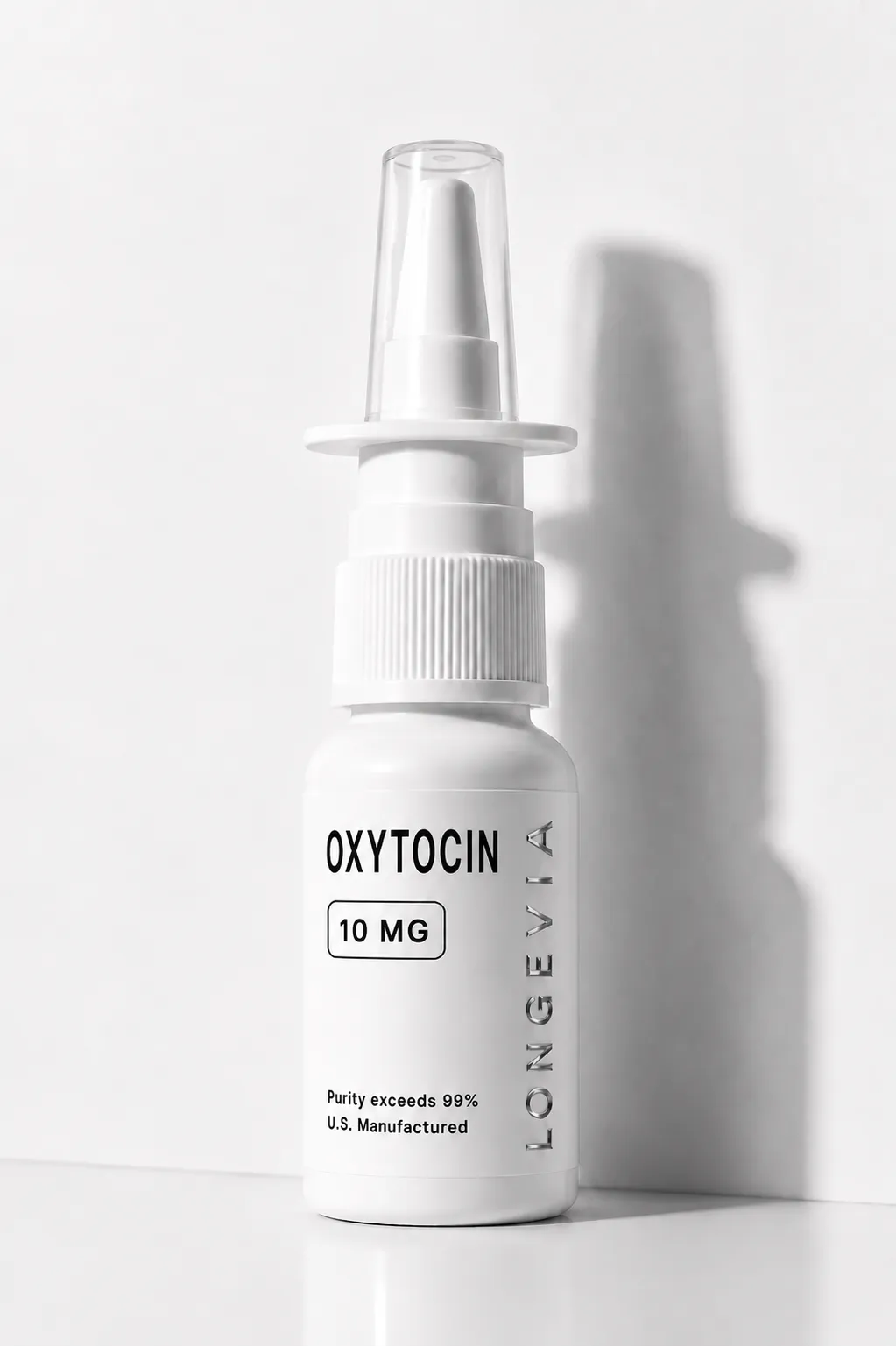
Oxytocin — Spray
Oxytocin is a naturally occurring nine-amino-acid cyclic peptide hormone and neuropeptide synthesized primarily in magnocellular neurons of the paraventricular nucleus (PVN) and supraoptic nucleus (SON) of the hypothalamus. It operates principally through the oxytocin receptor (OXTR) — a Gq/11-coupled GPCR expressed in uterine smooth muscle, mammary myoepithelial cells, and multiple brain regions. Its established biological roles include mediating uterine contractility during parturition and the milk-ejection reflex during lactation; research has additionally investigated its participation in neuroendocrine regulation, social behavior, affective processing, and stress-related signaling — areas in which findings are often context-dependent and subject to ongoing scientific investigation. Longevia Research supplies Oxytocin as 10mg per bottle in a liquid spray format — 90 sprays per bottle — for qualified laboratory and scientific research purposes only.
$180.00
Slide to add
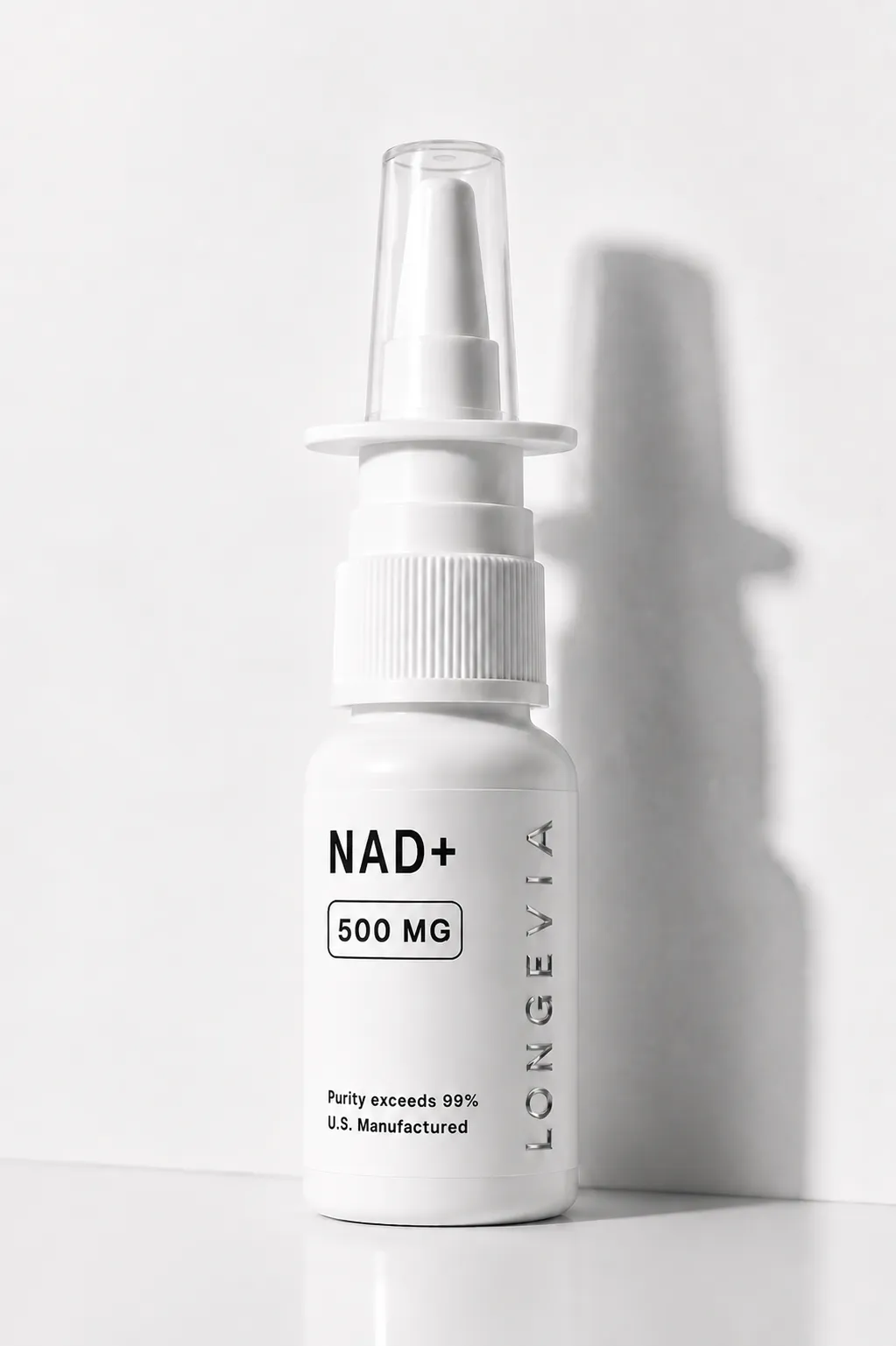
NAD+ Spray
NAD+ (nicotinamide adenine dinucleotide, oxidized form) is a naturally occurring dinucleotide coenzyme and pyridine nucleotide that functions as a central redox-active cofactor in cellular metabolism. It is not a peptide, hormone, growth factor, or steroid. NAD+ participates in oxidation-reduction reactions across glycolysis, the tricarboxylic acid (TCA) cycle, fatty-acid oxidation, and oxidative phosphorylation by cycling between its oxidized form (NAD+) and its reduced form (NADH). Beyond its role in metabolic electron transfer, NAD+ also serves as a substrate for several enzyme families involved in cellular signalling — including sirtuins (NAD+-dependent deacylases), poly(ADP-ribose) polymerases (PARPs), and CD38/CD157 — making NAD+ biology relevant to research in metabolic regulation, DNA-damage signaling, and cellular stress responses. Longevia Research supplies NAD+ in two stated quantity variants — 500mg and 1000mg — each in a liquid spray format containing 45 sprays per bottle, for qualified laboratory and scientific research purposes only.
From $162.00
Options
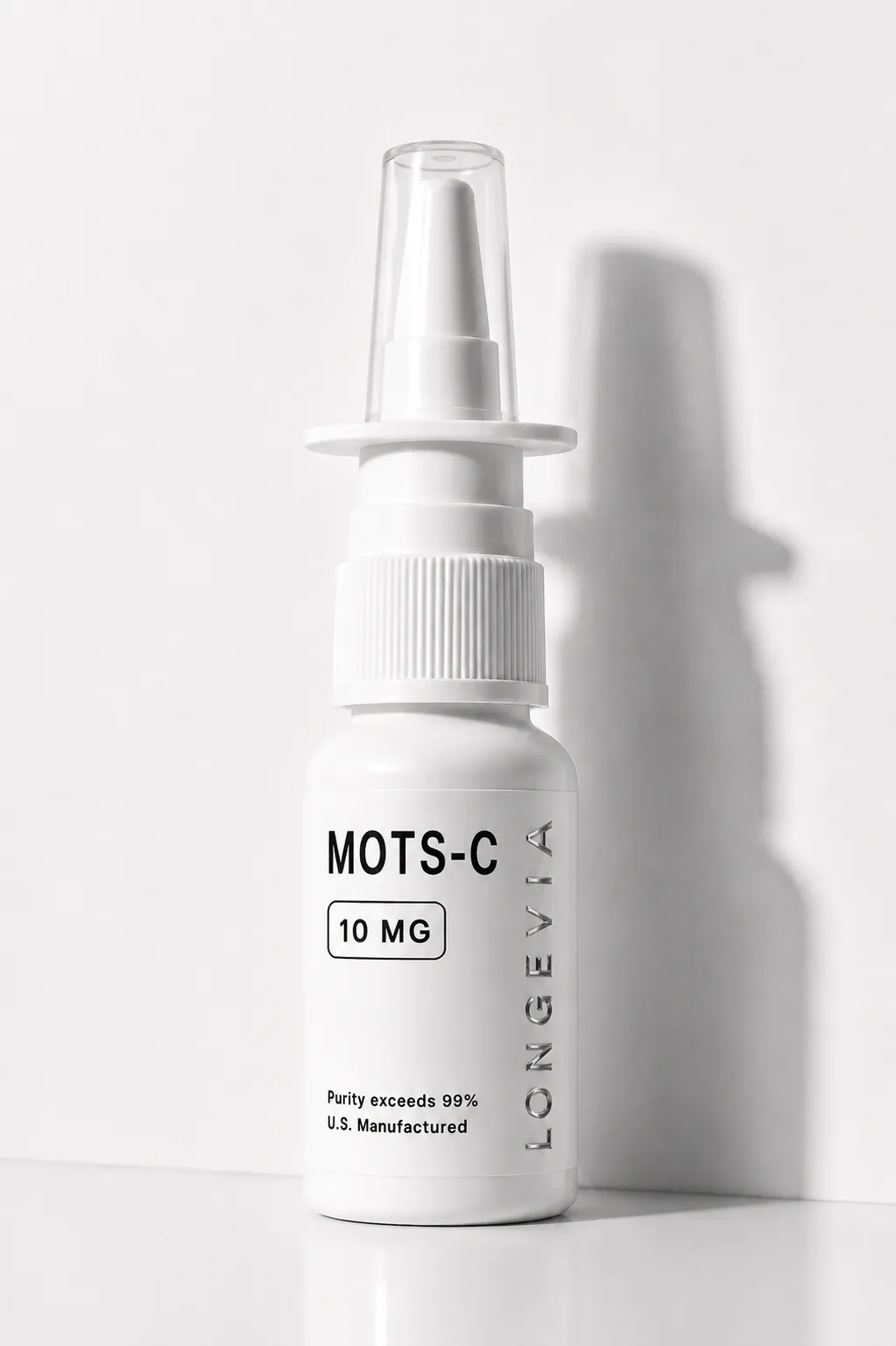
MOTS-C Spray
MOTS-C (Mitochondrial Open Reading Frame of the 12S rRNA-C) is a mitochondrial-derived peptide (MDP) encoded within a short open reading frame located in the 12S rRNA gene region of the human mitochondrial genome. Unlike nuclear-genome-encoded compounds, MOTS-C is translated from mitochondrial DNA and has been investigated as a signaling molecule participating in cellular metabolic regulation and stress-response biology. Research on MOTS-C has examined its relationships with AMPK-associated cellular energy sensing, glucose and insulin-related metabolic pathways, mitochondrial-nuclear communication, and cellular adaptation to metabolic stress. MOTS-C belongs to an emerging class of mitochondrial-derived peptides — which also includes Humanin and small Humanin-like peptides (SHLPs) — that challenges earlier assumptions that the mitochondrial genome encodes only structural and respiratory chain proteins and rRNAs. Longevia Research supplies MOTS-C in two stated quantity variants — 10mg and 40mg — each in a liquid spray format containing 45 sprays per bottle, for qualified laboratory and scientific research purposes only.
From $162.00
Options
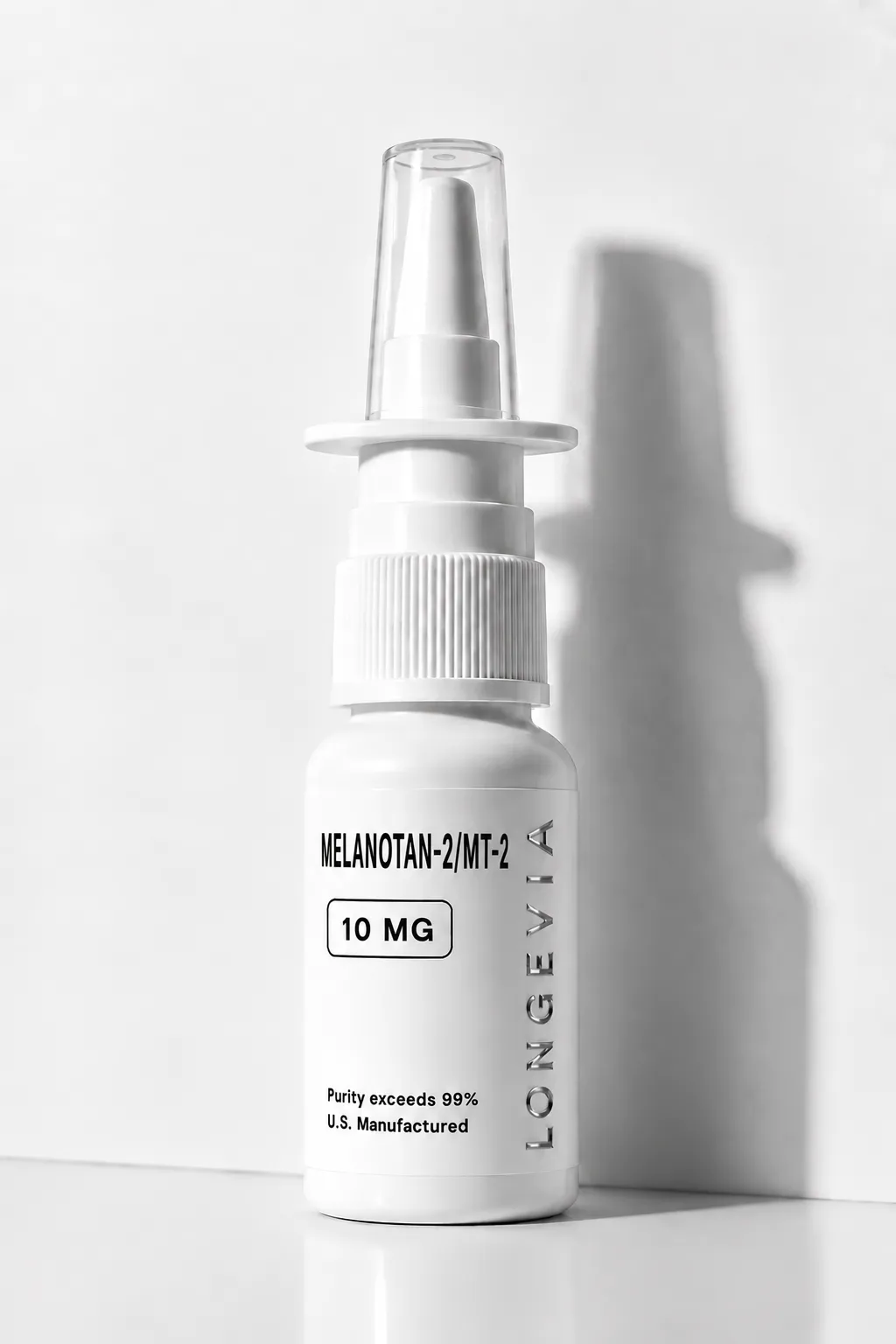
Melanotan-II — Spray
Melanotan-II (also designated Melanotan II, Melanotan 2, or MT-II) is a synthetic cyclic melanocortin research compound derived from structural research on alpha-melanocyte-stimulating hormone (α-MSH). Unlike the linear 13-amino-acid architecture of endogenous α-MSH and Melanotan-I, Melanotan-II is a shorter, structurally constrained seven-residue compound incorporating a cyclic lactam bridge between the side chains of Asp and Lys residues within the sequence. This cyclic architecture was developed through medicinal chemistry research aimed at investigating the relationship between compound conformation and melanocortin receptor pharmacology. Melanotan-II has been characterized as a broadly active melanocortin receptor agonist — with investigated activity at MC1R, MC3R, MC4R, and MC5R — and has been studied in receptor-binding assays, cell-based models, animal studies, and selected human research contexts across melanocyte biology, melanogenesis, and neuroendocrine physiology. Melanotan-II is chemically and pharmacologically distinct from Melanotan-I (a linear 13-amino-acid α-MSH analogue) and from afamelanotide (Scenesse, Clinuvel Pharmaceuticals) — the pharmaceutical compound sharing Melanotan-I's sequence, approved for specific indications in specific jurisdictions. Research findings from either compound should not be applied to Melanotan-II without scientific justification. Longevia Research supplies Melanotan-II as 10mg per bottle in a liquid spray format — 45 sprays per bottle — for qualified laboratory and scientific research purposes only.
$148.50
Slide to add
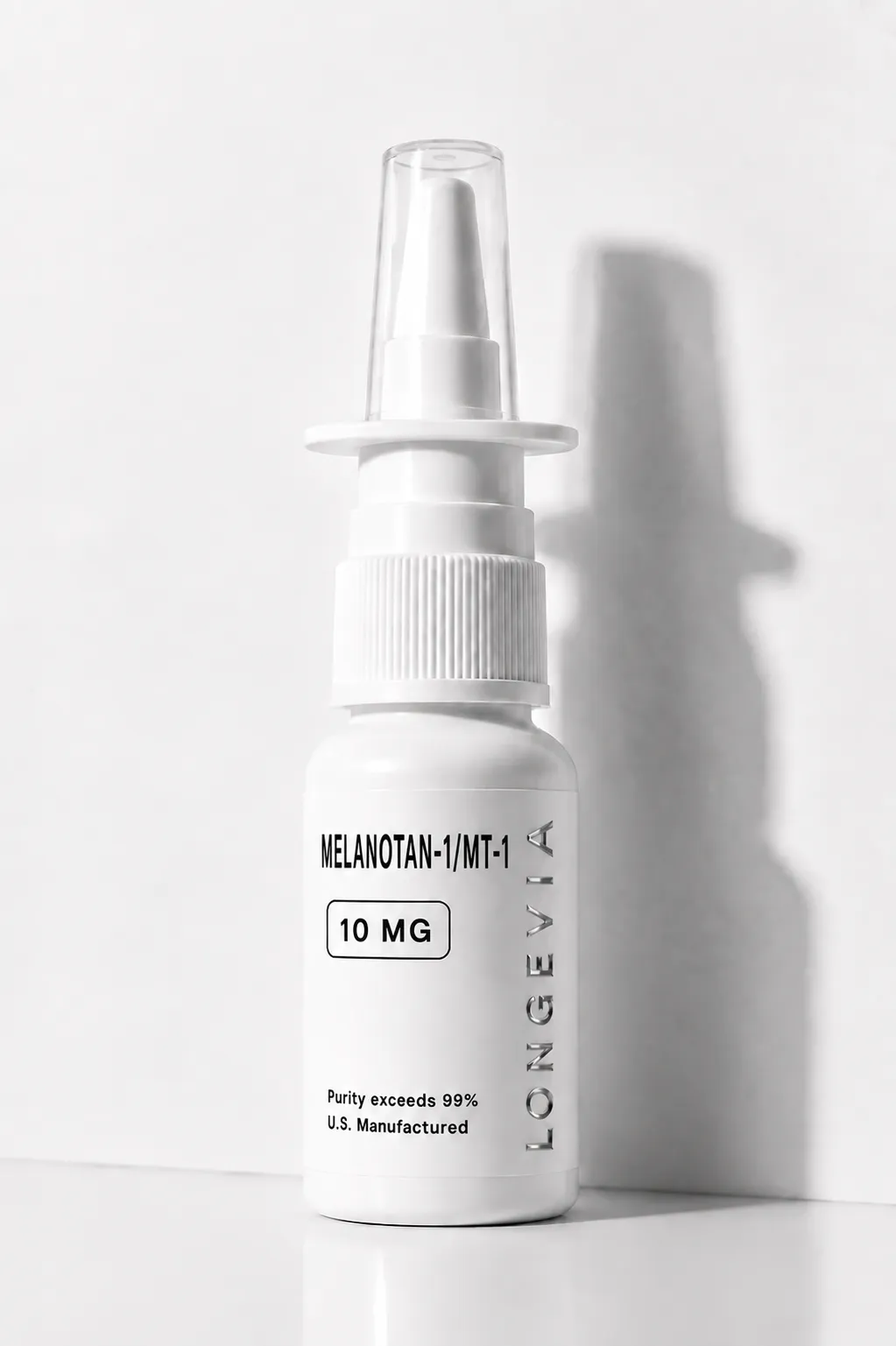
Melanotan-1 — Spray
Melanotan-1 (also designated Melanotan I or MT-1) is a synthetic 13-amino-acid analogue of alpha-melanocyte-stimulating hormone (α-MSH), incorporating two structural modifications relative to the endogenous hormone: substitution of norleucine (Nle) for methionine at position 4, and D-phenylalanine (D-Phe) for L-phenylalanine at position 7. These modifications improve resistance to oxidative degradation and enhance receptor binding affinity relative to native α-MSH in research models. Melanotan-1 has been investigated in relation to melanocortin receptor signaling — with particular research interest in its interaction with the melanocortin 1 receptor (MC1R) — and in studies of melanocyte biology, melanogenesis, and photobiology in cell-based and preclinical experimental systems. The pharmaceutical compound afamelanotide shares the same amino acid sequence as Melanotan-1 and holds regulatory approval in specific jurisdictions as a 16mg controlled-release subcutaneous implant (Scenesse, Clinuvel Pharmaceuticals) for the prevention of phototoxicity in adults with erythropoietic protoporphyria (EPP). This approval applies to the specific pharmaceutical product, formulation, and indication studied in clinical trials — it does not extend to the Longevia Research Melanotan-1 spray, which shares the amino acid sequence but is a separately supplied research compound without pharmaceutical approval or clinical validation. Longevia Research supplies Melanotan-1 as 10mg per bottle in a liquid spray format — 45 sprays per bottle — for qualified laboratory and scientific research purposes only.
$144.00
Slide to add
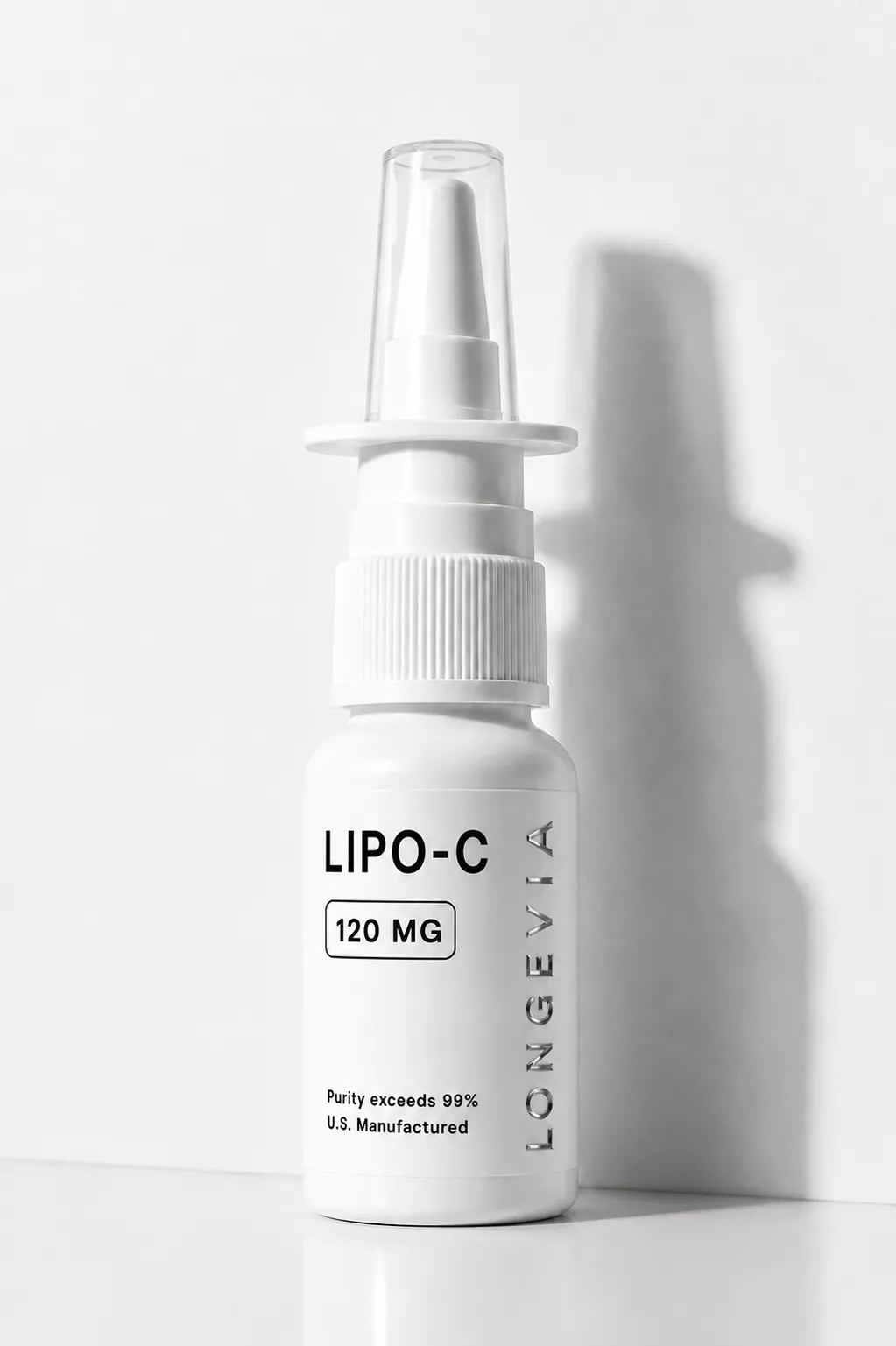
Lipo-C — Spray
Lipo-C is a formulation designation associated with lipotropic research — a category of scientific investigation concerned with compounds that participate in lipid metabolism, hepatic lipid handling, phospholipid biology, and related metabolic biochemistry. The term "lipotropic" is a functional descriptor rather than a defined chemical class: lipotropic compounds are a heterogeneous group of substances studied for their roles in cellular and tissue-level lipid handling, and the precise biological context of any Lipo-C preparation depends on the specific composition of the formulation in question. Because Longevia Research has not supplied the exact ingredient profile for this listing, no specific active compounds, molecular identities, or ingredient ratios are attributed to this product. Researchers should consult Longevia Research directly or refer to product documentation for formulation-specific details. Longevia Research supplies Lipo-C as 120mg per bottle in a liquid spray format — 45 sprays per bottle — for qualified laboratory and scientific research purposes only. This product is distinct from individually defined lipotropic substances — such as L-carnitine, choline, methionine, inositol, or methylcobalamin — which are separate compounds each with their own chemical identities, biological roles, and research literatures. Whether any of these compounds form part of this formulation is not established in the information provided for this listing. Researchers evaluating Lipo-C for a specific scientific application should verify the product's composition against their experimental requirements before use.
$90.00
Slide to add
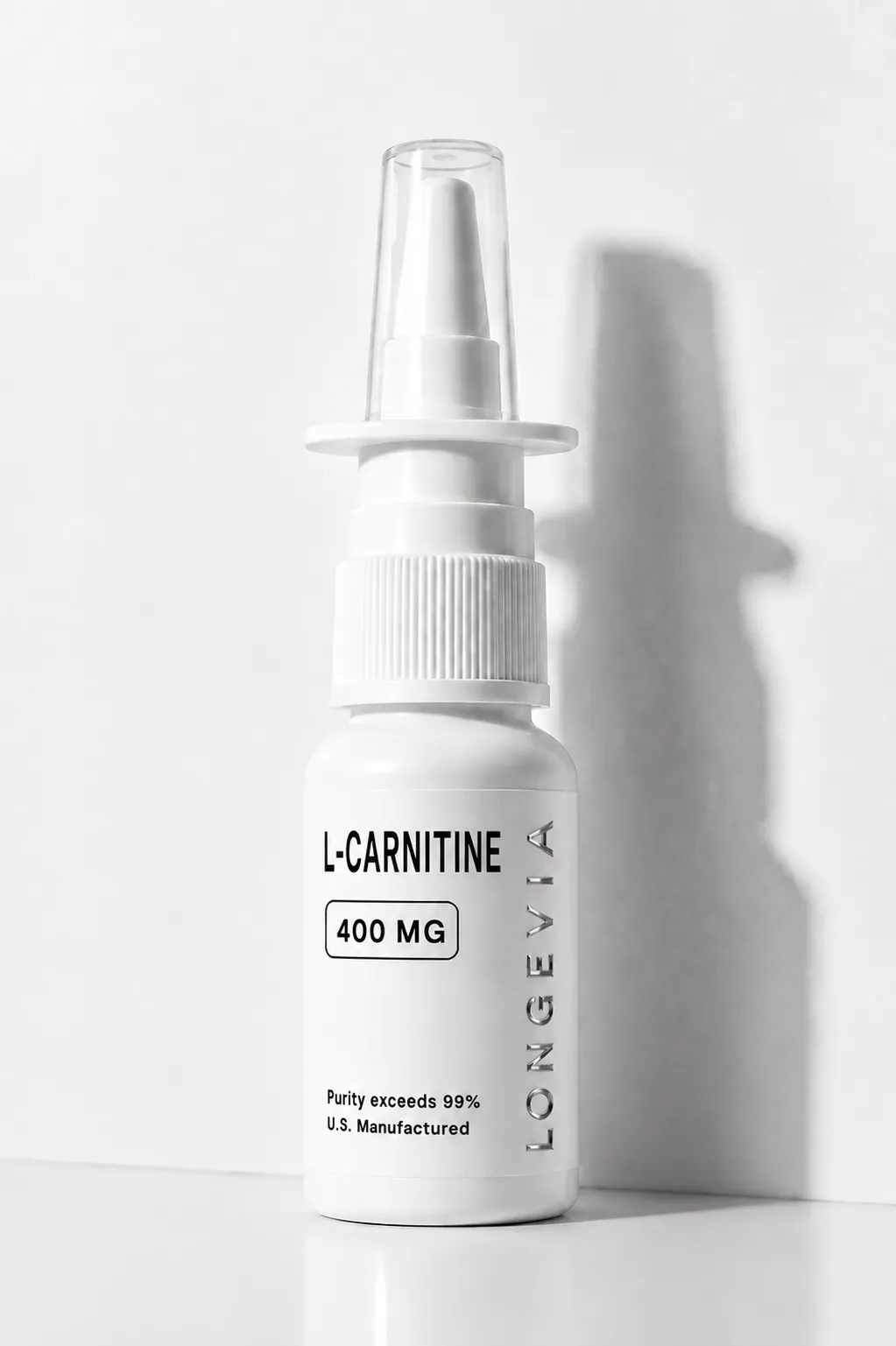
L-Carnitine — Spray
L-Carnitine (levocarnitine) is a naturally occurring quaternary ammonium compound synthesized endogenously from the amino acids lysine and methionine. Unlike research peptides or hormones, L-Carnitine is a small, water-soluble zwitterionic metabolite whose principal biochemical role involves facilitating the translocation of long-chain fatty-acyl groups across the inner mitochondrial membrane — a process central to mitochondrial fatty-acid metabolism and β-oxidation. This transport function is carried out through the carnitine shuttle, a coordinated enzymatic sequence involving carnitine palmitoyltransferase I (CPT1), the carnitine-acylcarnitine translocase (CACT), and carnitine palmitoyltransferase II (CPT2). L-Carnitine's role in this shuttle makes it a subject of sustained research interest across mitochondrial biochemistry, lipid metabolism, skeletal muscle physiology, cardiac energy metabolism, and nutritional biochemistry. L-Carnitine is the (R)-stereoisomer and the biologically active enantiomer found endogenously in human and mammalian tissues. It is distinct from D-carnitine, DL-carnitine, acetyl-L-carnitine (ALCAR), and propionyl-L-carnitine — each of which has a separate chemical identity and research profile. Research findings concerning those compounds should not be attributed to L-Carnitine without explicit scientific justification. Longevia Research supplies L-Carnitine as 400mg per bottle in a liquid spray format — 45 sprays per bottle — for qualified laboratory and scientific research purposes only.
$180.00
Slide to add
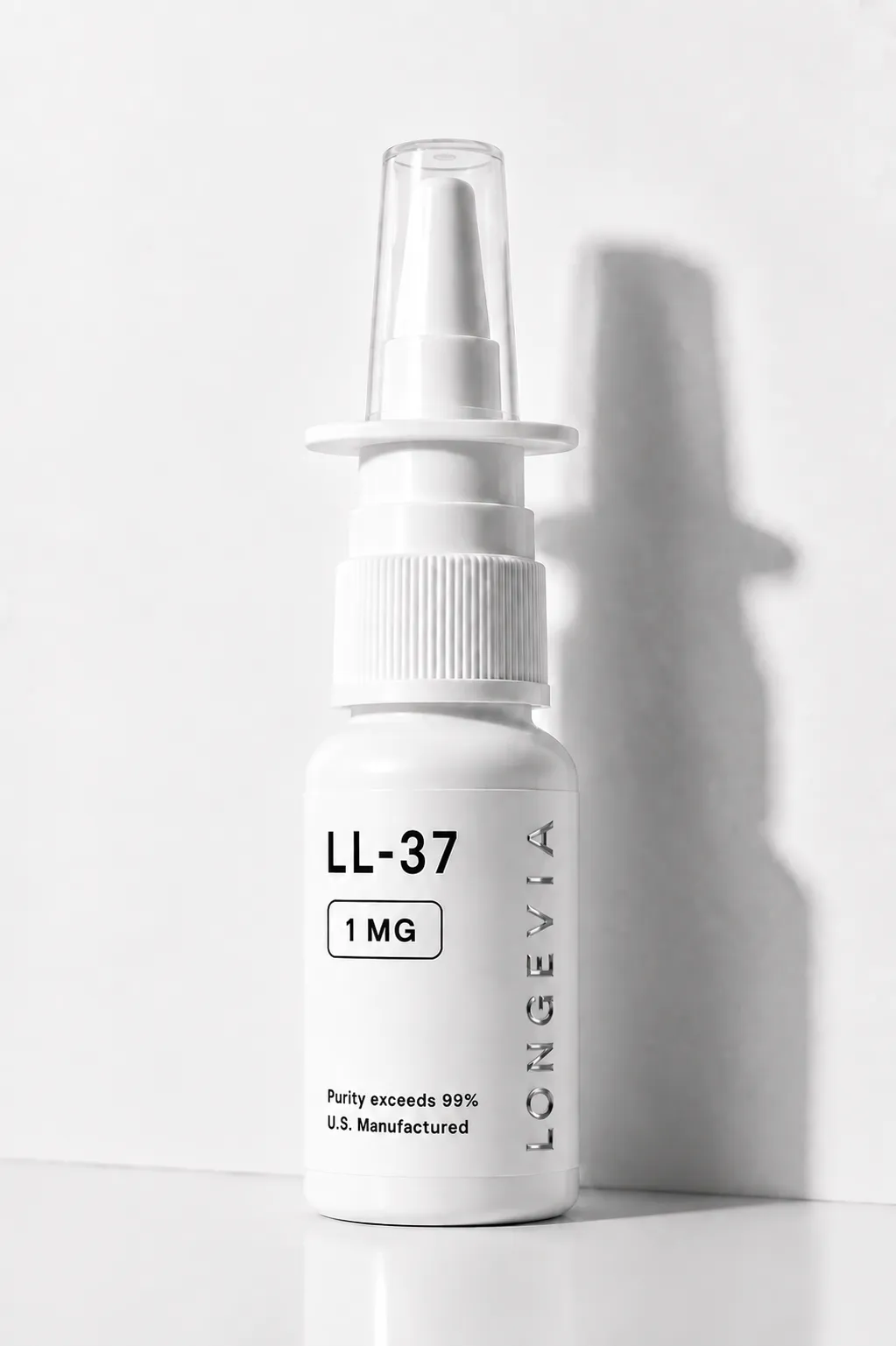
LL-37 — Spray
LL-37 is the mature antimicrobial compound released from hCAP18 — human cationic antimicrobial protein — the precursor protein encoded by CAMP, the only cathelicidin gene humans have. Cationic, amphipathic, and helical under specific solution conditions, LL-37 is a 37-residue host-defense compound that has been investigated across membrane biology, innate immune signaling, epithelial research, and antimicrobial compound chemistry in experimental systems ranging from biophysical characterization studies to controlled human trials. The name is also a specification: "LL" designates the two N-terminal leucines and "37" designates the total residue count — a material described as LL-37 that is not 37 residues beginning Leu-Leu is mislabelled. Three entities sit behind the name and are not interchangeable. CAMP is the gene. hCAP18 is the precursor protein. LL-37 is the mature 37-residue compound released by proteolytic cleavage of hCAP18, corresponding to residues 134–170 of the precursor. Research measuring hCAP18 has not necessarily measured mature LL-37, and research on CAMP transcription has measured neither. Longevia Research supplies LL-37 as 1mg per bottle in a liquid spray format — 45 sprays per bottle — for qualified laboratory and scientific research purposes only.
$157.50
Slide to add
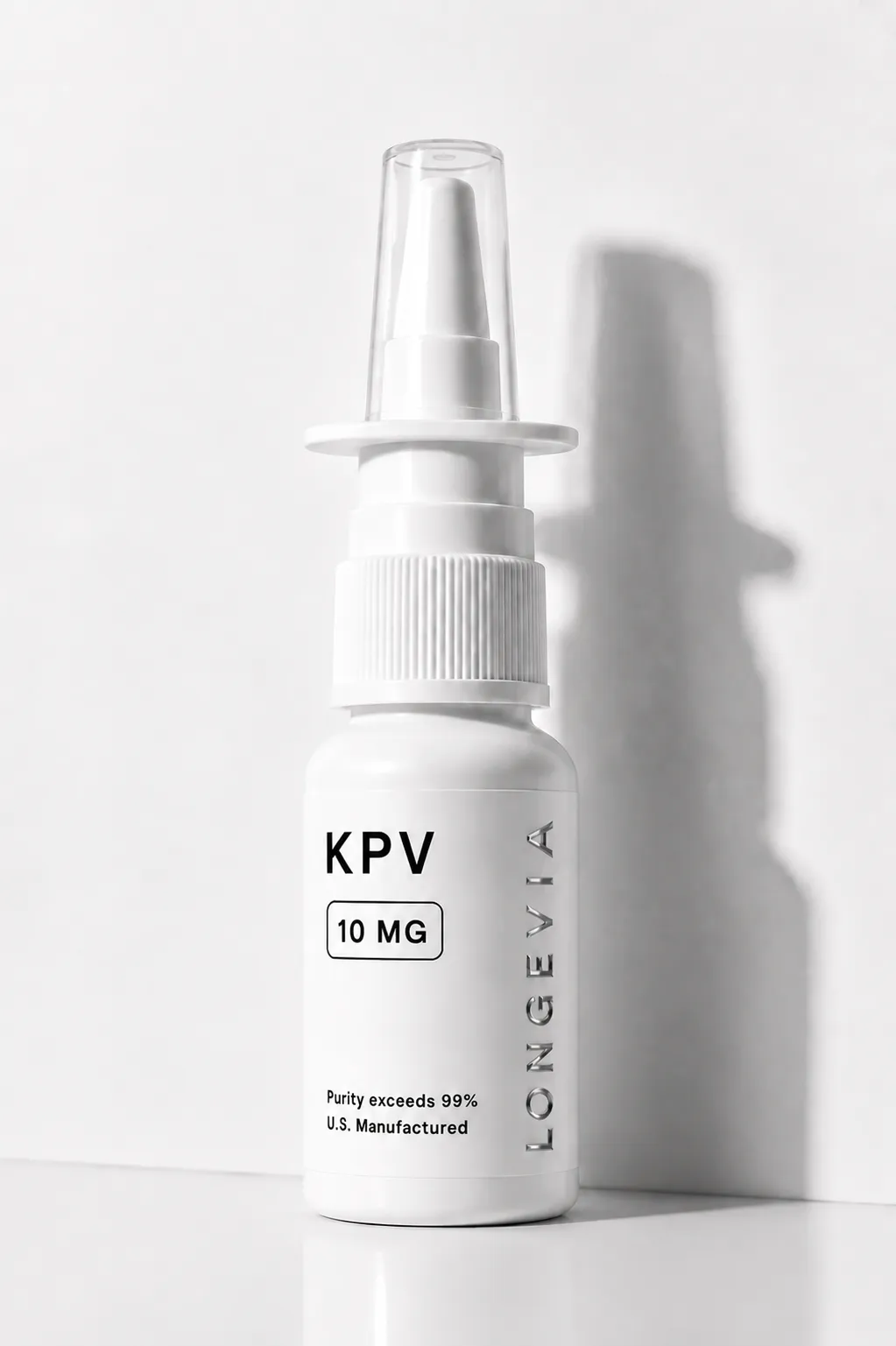
KPV — Spray
KPV (Lys-Pro-Val) is a synthetic three-residue compound corresponding to the C-terminal three amino acids (positions 11–13) of alpha-melanocyte-stimulating hormone (α-MSH), a 13-residue neuroendocrine signaling compound processed from proopiomelanocortin (POMC). KPV is distinct from and should not be equated with full-length α-MSH — the two compounds differ substantially in length, overall structure, and pharmacological profile. Research involving KPV has investigated its interactions with melanocortin-related signaling pathways — including potential engagement of melanocortin receptors MC1R and MC3R — as well as proposed receptor-independent effects on intracellular inflammatory signaling, with particular focus on NF-κB-associated pathways, cytokine-related biology, and gastrointestinal epithelial research in cell-based and animal model contexts. Longevia Research supplies KPV as 10mg per bottle in a liquid spray format — 45 sprays per bottle — for qualified laboratory and scientific research purposes only.
$157.50
Slide to add