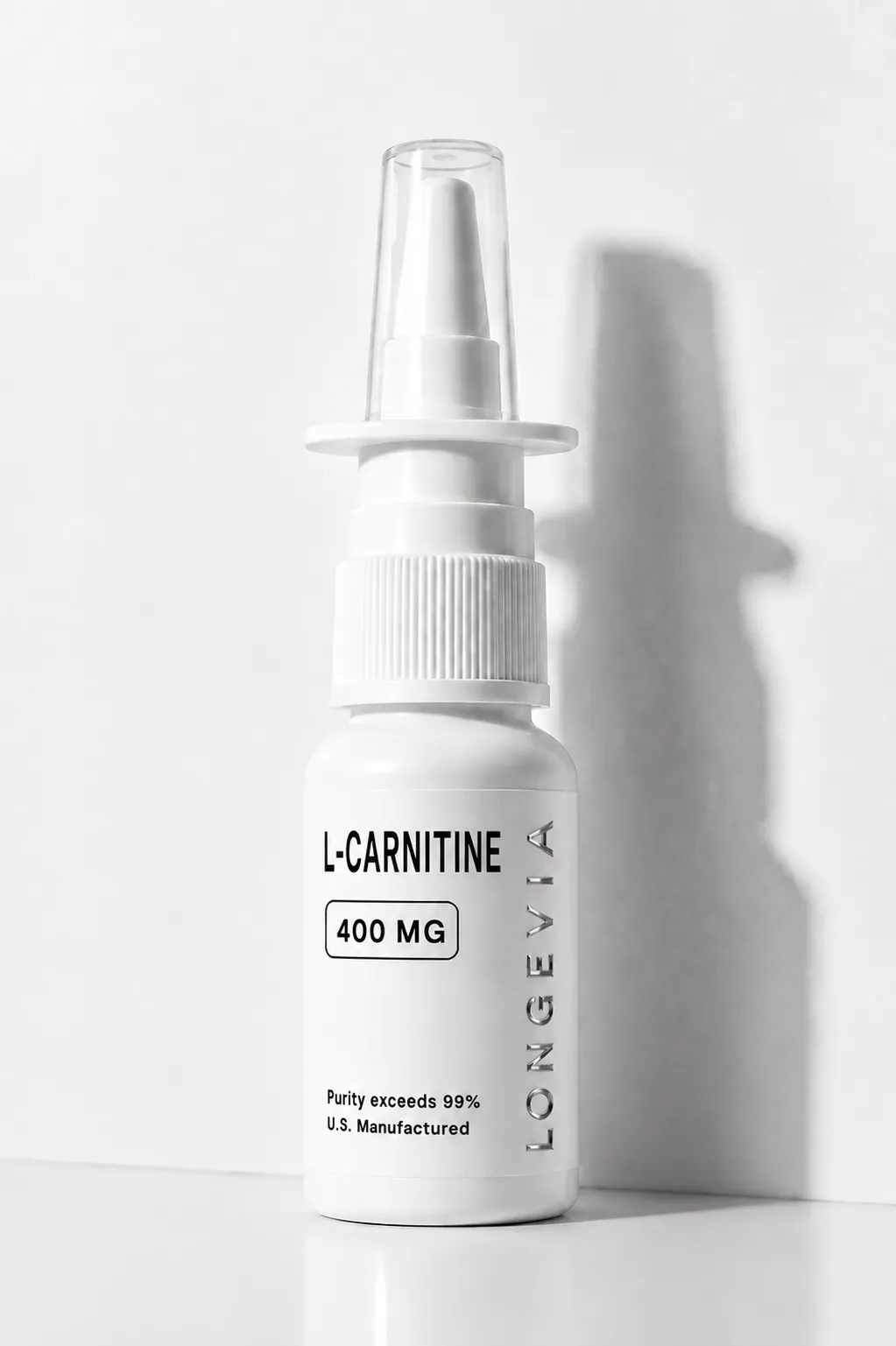
Mitochondrial & Cellular Energy
L-Carnitine 400mg — 45 Sprays
$180.00
1
Slide to Add
Purity≥99% Tested
TestingLC-MS Verified
LocationUS Based
L-Carnitine (levocarnitine) is a naturally occurring quaternary ammonium compound synthesized endogenously from the amino acids lysine and methionine. Unlike research peptides or hormones, L-Carnitine is a small, water-soluble zwitterionic metabolite whose principal biochemical role involves facilitating the translocation of long-chain fatty-acyl groups across the inner mitochondrial membrane — a process central to mitochondrial fatty-acid metabolism and β-oxidation. This transport function is carried out through the carnitine shuttle, a coordinated enzymatic sequence involving carnitine palmitoyltransferase I (CPT1), the carnitine-acylcarnitine translocase (CACT), and carnitine palmitoyltransferase II (CPT2). L-Carnitine's role in this shuttle makes it a subject of sustained research interest across mitochondrial biochemistry, lipid metabolism, skeletal muscle physiology, cardiac energy metabolism, and nutritional biochemistry. L-Carnitine is the (R)-stereoisomer and the biologically active enantiomer found endogenously in human and mammalian tissues. It is distinct from D-carnitine, DL-carnitine, acetyl-L-carnitine (ALCAR), and propionyl-L-carnitine — each of which has a separate chemical identity and research profile. Research findings concerning those compounds should not be attributed to L-Carnitine without explicit scientific justification. Longevia Research supplies L-Carnitine as 400mg per bottle in a liquid spray format — 45 sprays per bottle — for qualified laboratory and scientific research purposes only.
Standard Delivery3-4 Working Days
Free ShippingOn all orders above $300
Product Details
Scientific identity
L-Carnitine, approved INN levocarnitine, is a quaternary ammonium compound with systematic name (R)-3-hydroxy-4-(trimethylammonio)butanoate. CAS number 541-15-1; molecular formula C₇H₁₅NO₃; molecular weight 161.20 g/mol. It is the (R)-configuration stereoisomer and the sole biologically active enantiomer for carnitine shuttle function.
Compound class
Quaternary ammonium compound; amino-acid-derived metabolite. L-Carnitine is not a peptide, protein, or hormone. It is classified as a Research Use Only material in this context and is not supplied as a dietary supplement, pharmaceutical, or therapeutic agent.
Stereochemical distinction
L-Carnitine (R-configuration) is biologically and chemically distinct from D-carnitine ((S)-enantiomer, not biologically active in the carnitine shuttle) and from DL-carnitine (racemic mixture). These are not interchangeable in biochemical research contexts.
Distinction from carnitine derivatives
Acetyl-L-carnitine (ALCAR, CAS 3040-38-8) and propionyl-L-carnitine are chemically distinct esters with separate biochemical properties and independent research literatures. Findings from these compounds are not directly transferable to L-Carnitine.
Primary biochemical role
Obligate acyl-group carrier in the carnitine shuttle — the mechanism through which long-chain fatty-acyl groups are translocated across the inner mitochondrial membrane for entry into β-oxidation. The shuttle involves CPT1 (outer face of inner mitochondrial membrane), CACT (antiporter spanning the membrane), and CPT2 (matrix face), with free carnitine recycled via CACT to sustain the cycle.
Product content: 400mg per bottle; 45 sprays per bottle.
Physical form: Liquid research spray.
Purity: Research-grade.
Analytical documentation
A batch-specific Certificate of Analysis is available on the Longevia Research website, covering compound identity, purity, and lot traceability.
Research-use classification
Research Use Only. Not supplied as a pharmaceutical, dietary supplement, or therapeutic agent. Not intended for administration to humans or animals outside of qualified research contexts.
Research Focus & Mechanism Overview
Biochemical mechanism and mitochondrial function. L-Carnitine's foundational biochemical role is as the obligate acyl-group carrier in the carnitine shuttle — the mechanism through which long-chain fatty-acyl groups, activated as acyl-CoA thioesters in the cytoplasm, cross the otherwise-impermeable inner mitochondrial membrane for entry into β-oxidation. CPT1 catalyzes acyl transfer from long-chain acyl-CoA to carnitine, generating acylcarnitine; CACT transports acylcarnitine into the matrix in exchange for free carnitine; and CPT2 regenerates acyl-CoA within the matrix for β-oxidation. The ratio of acylcarnitine to free carnitine in tissues and plasma reflects mitochondrial acyl-group handling and has become a parameter of interest in metabolomics and the investigation of fatty-acid oxidation disorders, organic acidemias, and mitochondrial disease. Within the mitochondrial matrix, the carnitine acetyltransferase (CrAT)-generated acetylcarnitine pool has attracted research interest as a buffer of mitochondrial acetyl-CoA and an indicator of substrate oxidation status.
Key research areas. Biochemical studies using isolated mitochondria have characterized CPT1, CACT, and CPT2 kinetics, malonyl-CoA regulation of CPT1, and the influence of carnitine availability on fatty-acyl delivery to the β-oxidation pathway. Metabolomics research has examined acylcarnitine profiles in plasma and tissue as indices of mitochondrial substrate utilization under fasting, exercise, high-fat feeding, and metabolic perturbation. Skeletal muscle research has investigated the distribution of carnitine between free and acylated pools at rest and during exercise, with human studies noting that meaningful increases in skeletal muscle carnitine require sustained supplementation and, in some protocols, co-administration of insulin — indicating that muscle carnitine accumulation is regulated rather than a simple function of circulating carnitine concentration. Cardiac research has characterized CPT1 isoform expression in cardiomyocytes and examined carnitine's role in the balance between fatty-acid and glucose oxidation in the myocardium in biochemical, cell-based, and animal model systems. Nutritional and metabolic research has examined carnitine status in populations with reduced biosynthetic capacity or increased losses, including vegetarians and vegans, neonates, dialysis patients, individuals on long-term valproate therapy, and those with primary carnitine deficiency involving loss-of-function mutations in the OCTN2 carnitine transporter.
Human research and regulatory context. L-Carnitine has a substantially larger human research literature than most research compounds in this category, reflecting decades of investigation in defined clinical conditions. L-Carnitine is approved as a pharmaceutical (levocarnitine) in several jurisdictions — including FDA approval in the United States for primary systemic carnitine deficiency and secondary carnitine deficiency in dialysis patients. Several important distinctions apply when considering this literature in relation to the Longevia Research product. Human clinical studies have used oral supplementation (typically 1–3 g/day) or intravenous infusion; findings from these routes and formulations cannot be assumed to apply to the spray format of this product, for which no pharmacokinetic or bioavailability data are stated. Positive findings in carnitine-deficient or dialysis populations do not establish comparable effects in carnitine-replete individuals. The FDA-approved pharmaceutical status pertains to specific formulations, indications, and patient populations — it does not apply to the Longevia Research L-Carnitine spray, which is supplied for research use only and is not a pharmaceutical product or approved therapeutic agent. Research involving acetyl-L-carnitine, propionyl-L-carnitine, or other carnitine esters is not direct evidence for L-Carnitine and should not be attributed across these distinct compounds without independent justification.
Quality & Purity Standards
For a chemically defined small molecule such as L-Carnitine, research-grade quality depends on verified chemical identity, confirmed stereochemical integrity, and rigorous characterization of the supplied material. Because the carnitine family includes stereoisomers and acyl derivatives with distinct biological properties, establishing that the supplied compound is specifically the L-(R)-enantiomer — and not D-carnitine, DL-carnitine, or an acylated derivative — is a foundational quality requirement.
Quality assessment for L-Carnitine as a research compound appropriately involves:
Stereochemical identity confirmation: Verification that the compound is the (R)-configured L-enantiomer, distinguishing it from D-carnitine and racemic DL-carnitine. Optical rotation measurement and chiral HPLC analysis are relevant methods.
Chemical identity characterization: Nuclear magnetic resonance (NMR) spectroscopy, infrared (IR) spectroscopy, and mass spectrometry to confirm molecular structure and the absence of structural isomers or adulterants.
Molecular mass confirmation: High-resolution mass spectrometry (HRMS) or LC-MS to confirm the molecular formula C₇H₁₅NO₃ and molecular weight of 161.20 g/mol.
Purity assessment: HPLC or UHPLC with UV or charged aerosol detection to assess chemical purity and quantify related substances or degradation products.
Water content and counterion characterization: Where applicable, assessment of residual water (Karl Fischer) and identification of any salt form (e.g., L-carnitine inner salt vs. chloride salt).
Batch documentation and traceability: Provision of batch-specific records enabling traceability from synthesis to supply.
Longevia Research's quality approach is oriented toward providing researchers with well-characterized compounds supported by appropriate analytical documentation. Researchers should consult current product documentation and available certificates of analysis for batch-specific data.
No specific purity grade, third-party certification, cGMP status, or independent laboratory verification is stated for this listing. Researchers requiring documentation of specific quality parameters should contact Longevia Research directly.
Compliance Notice
FOR RESEARCH USE ONLY. NOT FOR HUMAN CONSUMPTION. NOT FOR VETERINARY USE.
L-Carnitine 400mg — 45 Sprays, as supplied by Longevia Research, is intended exclusively for qualified laboratory and scientific research conducted by trained professionals in appropriate research settings. This product is not a drug, dietary supplement, food, or cosmetic. It has not been evaluated or approved by the U.S. Food and Drug Administration, the European Medicines Agency, or any other regulatory authority for use as a therapeutic, prophylactic, or diagnostic agent in humans or animals.
This product is not intended to diagnose, treat, cure, or prevent any disease, condition, or health-related outcome.
Formulation distinction: Published research involving oral L-Carnitine, intravenous levocarnitine, or pharmaceutical-grade carnitine preparations does not establish the efficacy, safety, bioavailability, or pharmacokinetics of this spray formulation. Findings from those formulations and administration routes should not be automatically applied to this product.
Compound distinction: Research involving acetyl-L-carnitine (ALCAR), propionyl-L-carnitine, D-carnitine, or other carnitine derivatives should not be automatically attributed to L-Carnitine. These are chemically distinct compounds with separate research literatures.
No clinical validation: The existence of published human or clinical research on L-Carnitine does not constitute clinical validation of this Longevia Research product, which has not been the subject of clinical trials and is not approved for any therapeutic use.
Purchasers are solely responsible for ensuring that acquisition, possession, storage, handling, use, and disposal of this product comply with all applicable local, state, national, and international laws and regulations. Longevia Research makes no warranties regarding the suitability of this product for any specific research application. This product should be handled by qualified personnel following appropriate laboratory safety protocols.
By purchasing this product, the purchaser confirms that they are a qualified researcher or research professional acquiring this compound for legitimate scientific research purposes only.
Continue Exploring
Also Considered.
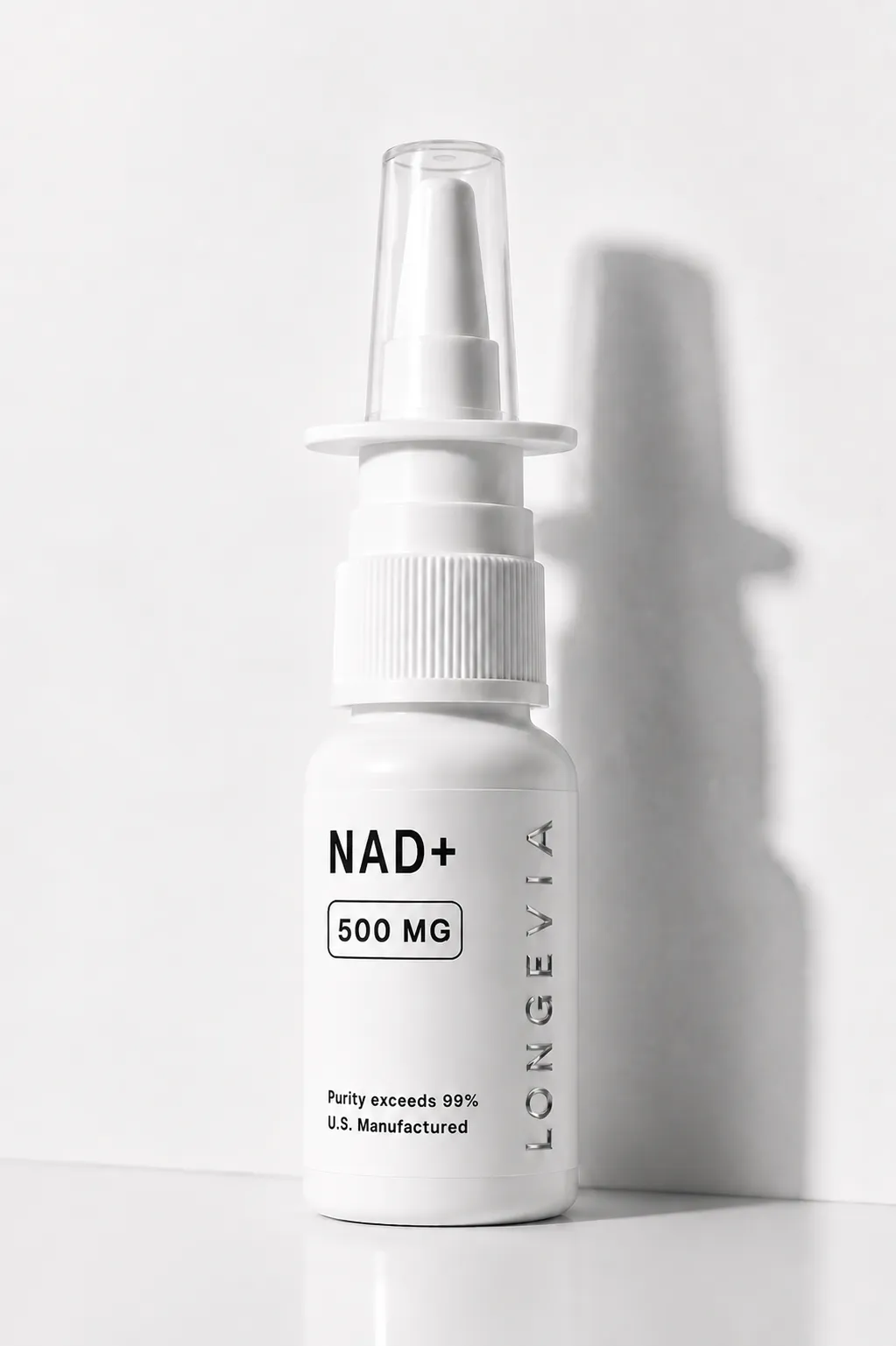
NAD+ 500mg and 1000mg Sprays
Longevia Research supplies NAD+ (nicotinamide adenine dinucleotide) in 500mg and 1000mg quantities, 45-spray format, for qualified laboratory research. NAD+ is a redox-active dinucleotide coenzyme central to cellular metabolism, mitochondrial biology, sirtuin and PARP research. Research Use Only.
$162.00
Slide to add
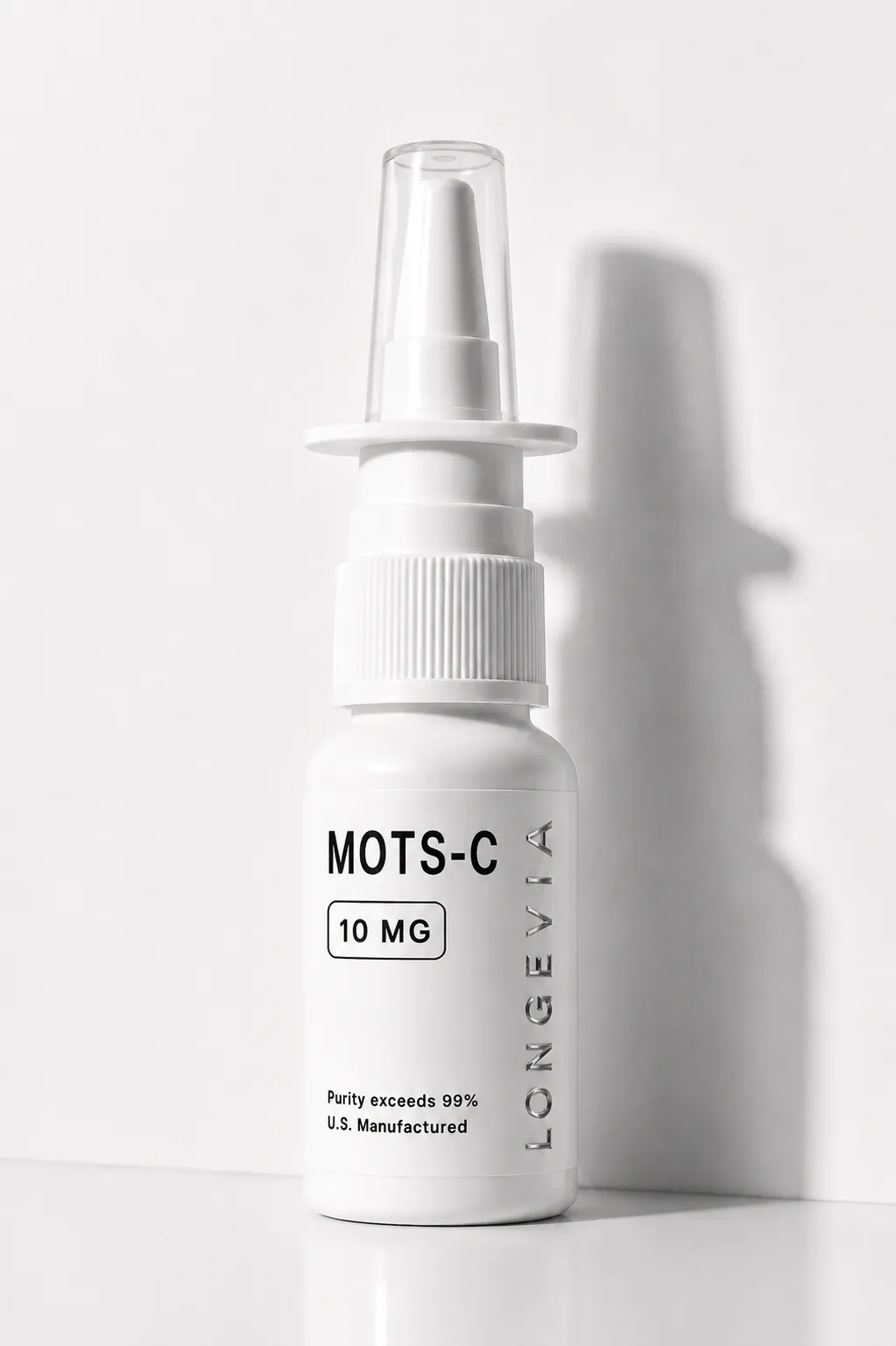
MOTS-C 10mg and 40mg Sprays
Longevia Research supplies MOTS-C in 10mg and 40mg quantities, 45-spray format, for qualified laboratory research. MOTS-C is a mitochondrial-derived peptide (MDP) investigated in research involving mitochondrial biology, cellular metabolism, AMPK-related signaling, and stress-response pathways. Research Use Only.
$162.00
Slide to add
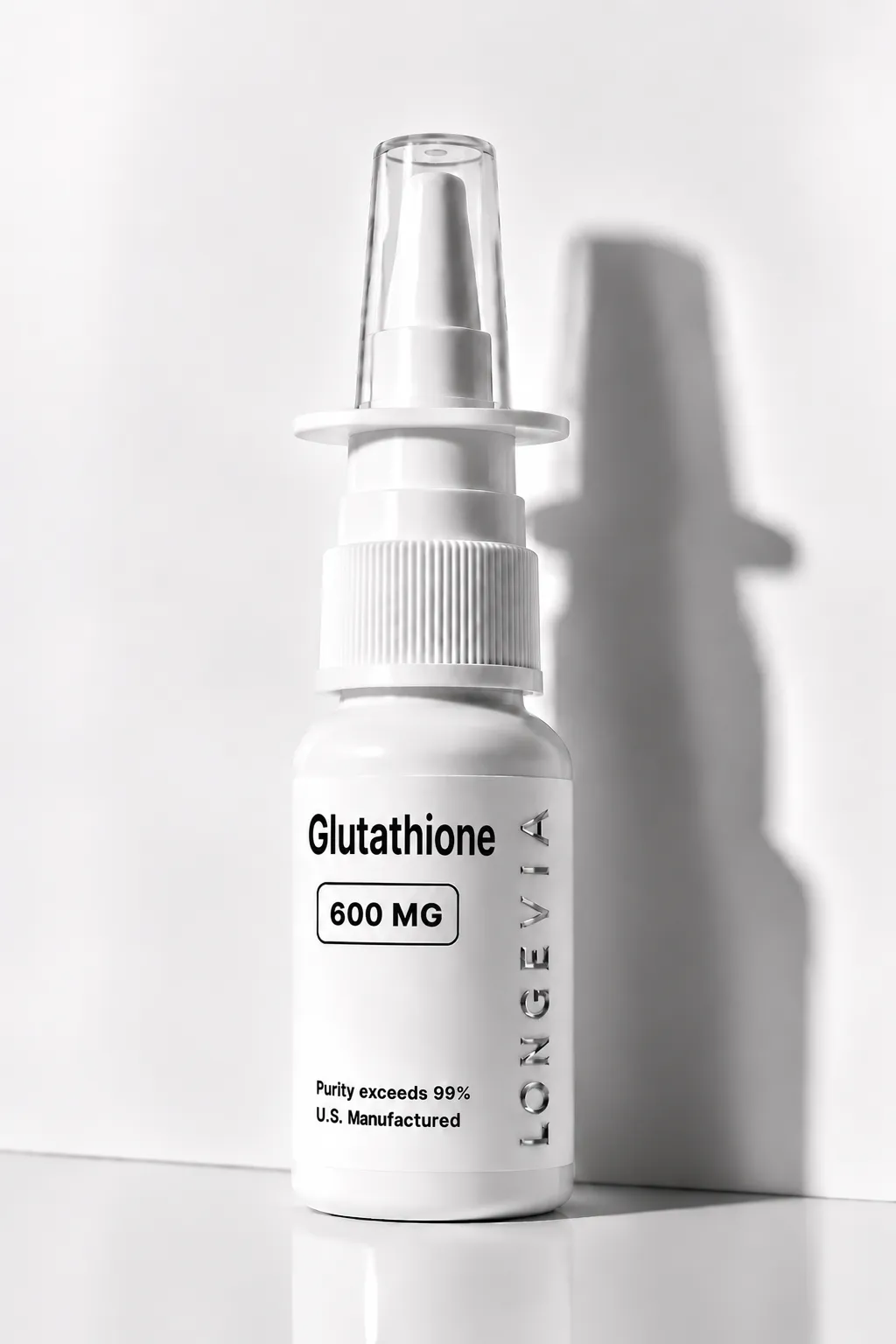
Glutathione 600mg / 1500mg — 45 Sprays
Glutathione 600mg and 1500mg spray — 45 sprays of reduced L-glutathione (GSH, CAS 70-18-8, ~307.32 Da). Supplied by Longevia Research for laboratory use only. Batch COA available.
$153.00
Slide to add
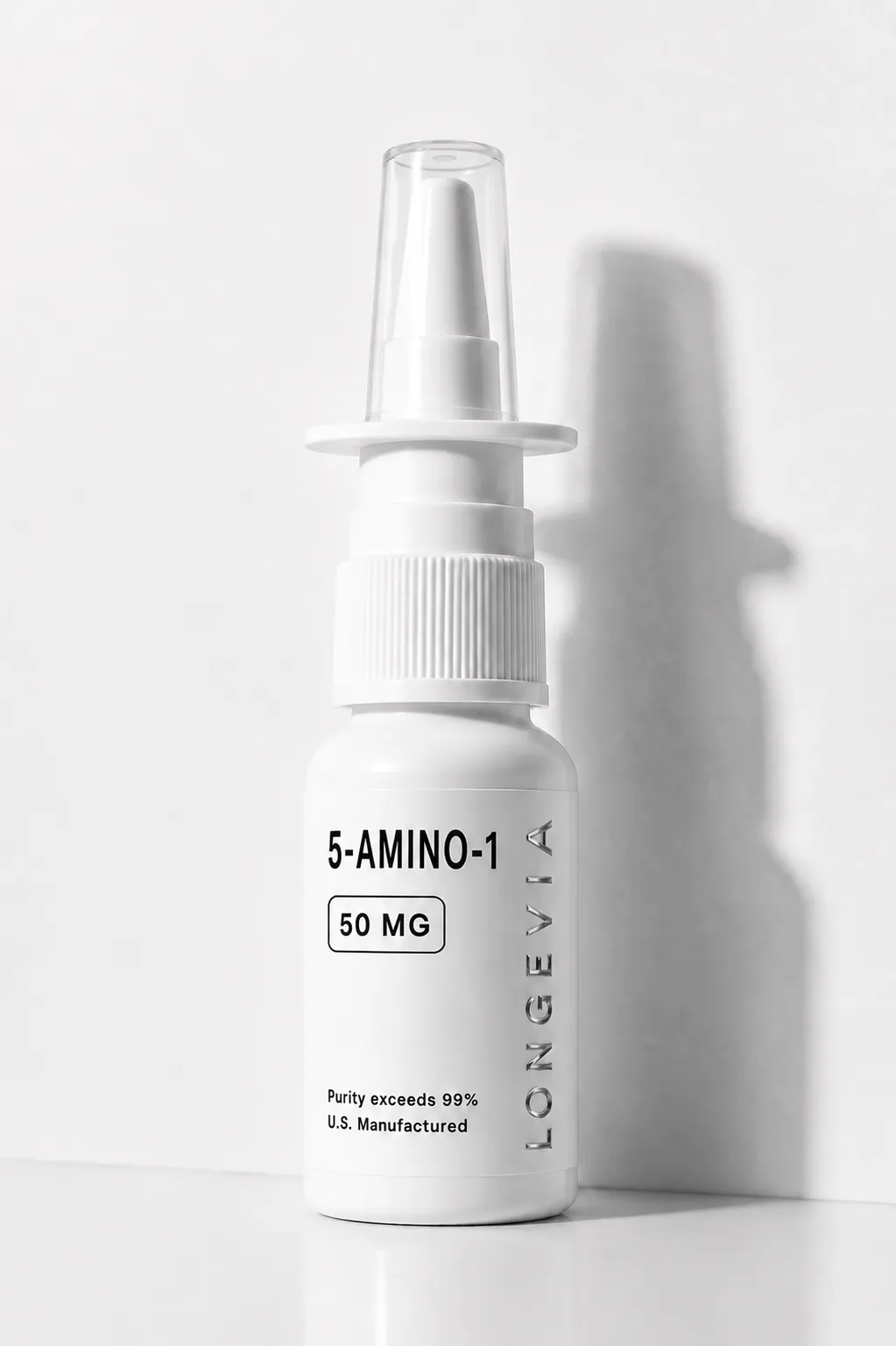
5-Amino-1 50mg — 45 Sprays
5-Amino-1MQ 50mg spray — 45 sprays of 5-amino-1-methylquinolinium, a small-molecule NNMT inhibitor. Supplied by Longevia Research for laboratory use only. Batch COA available.
$162.00
Slide to add
Product FAQs
Find answers to common questions regarding storage, reconstitution, and testing guidelines for this specific compound.