Mitochondrial & Cellular Energy
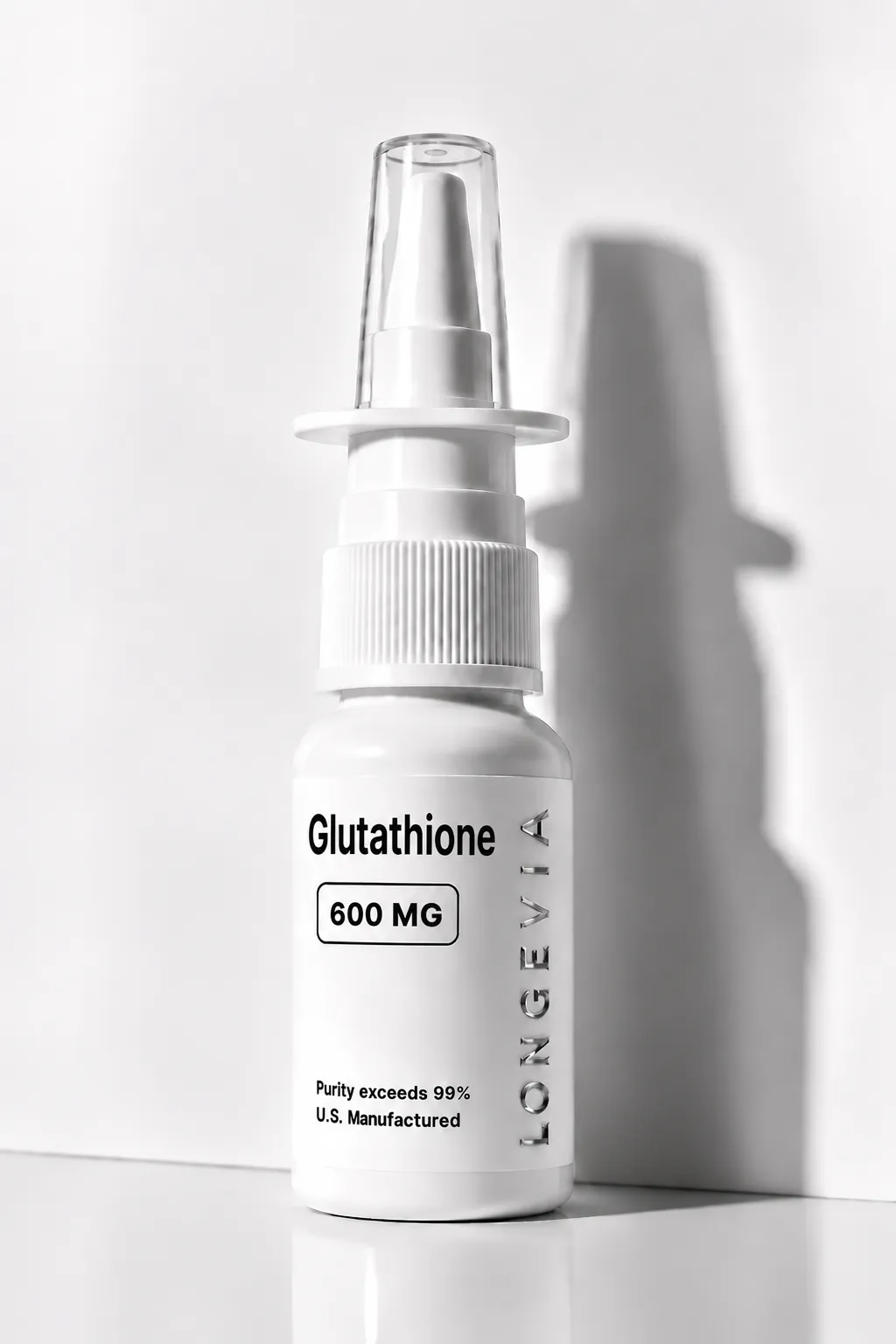
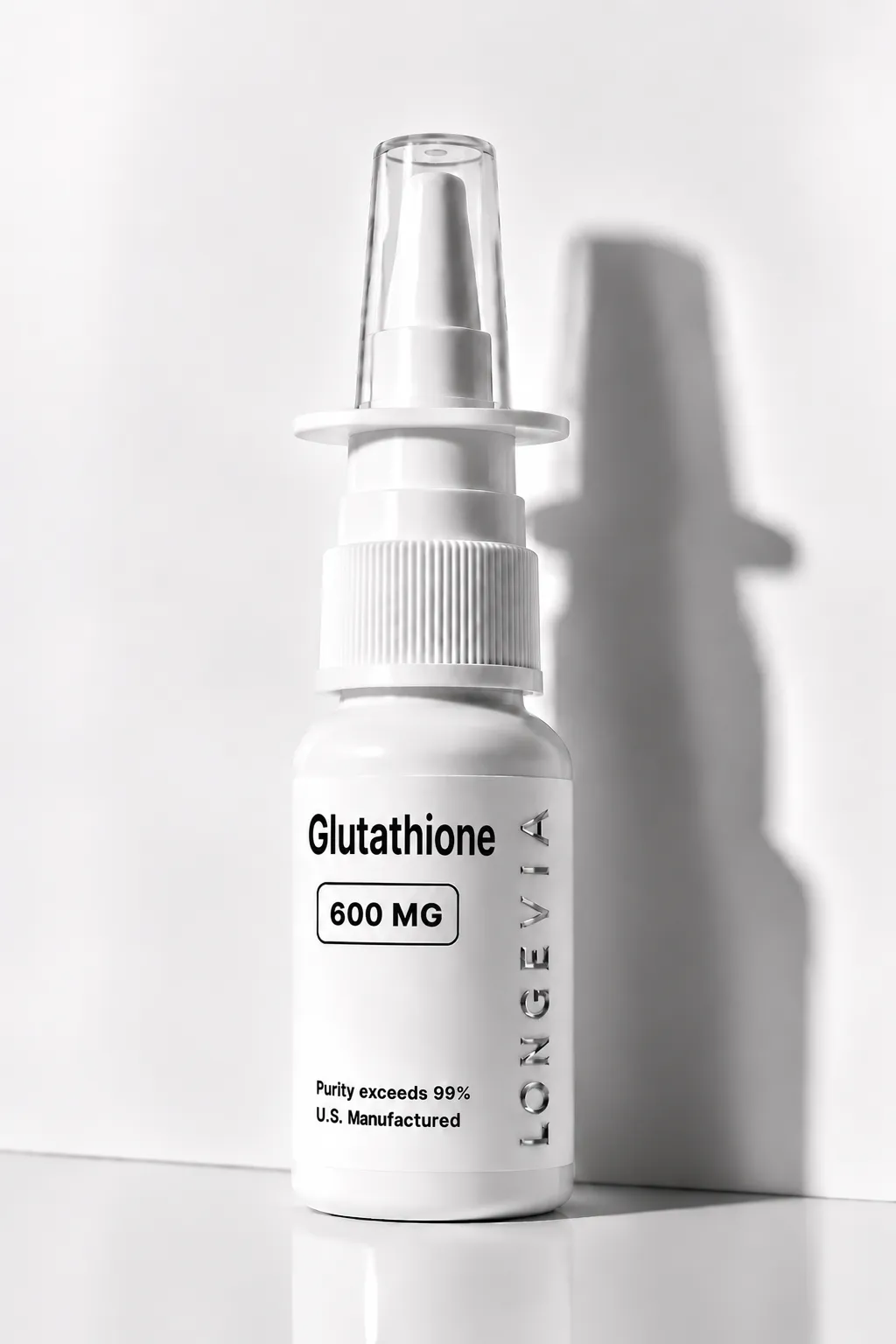
Glutathione 600mg / 1500mg — 45 Sprays
$153.00
1
Slide to Add
Purity≥99% Tested
TestingLC-MS Verified
LocationUS Based
Glutathione (reduced) is a naturally occurring tripeptide with the sequence γ-L-Glu-L-Cys-Gly — the most abundant low-molecular-weight thiol in mammalian cells, produced endogenously from L-glutamate, L-cysteine, and glycine by cytosolic biosynthesis. It functions as the central mediator of cellular redox homeostasis, reactive oxygen species (ROS) scavenging, glutathione peroxidase and glutathione reductase enzyme systems, and xenobiotic conjugation through glutathione S-transferases. An important structural note: the glutamate residue in glutathione is connected to cysteine through an unconventional gamma-peptide bond — formed via the glutamate side-chain carboxyl rather than the standard alpha-carboxyl — conferring resistance to most intracellular proteases and allowing glutathione to accumulate to millimolar concentrations within cells. The free thiol group on the cysteine residue is the chemically active site responsible for glutathione's reducing, nucleophilic, and ROS-scavenging properties. Longevia Research supplies the biologically active reduced form (GSH) — not the oxidized dimer GSSG — in two stated quantity variants: 600mg and 1500mg per bottle, each in a liquid spray format containing 45 sprays per bottle, for qualified laboratory and scientific research purposes only.
Standard Delivery3-4 Working Days
Free ShippingOn all orders above $300
Product Details
Scientific identity
Glutathione (reduced), also designated GSH and γ-L-Glutamyl-L-cysteinylglycine (CAS 70-18-8; PubChem CID 124886), is a naturally occurring tripeptide thiol. Its molecular formula is C₁₀H₁₇N₃O₆S and molecular weight is 307.32 g/mol.
Compound class
Naturally occurring tripeptide; low-molecular-weight thiol; glutathione redox system component; gamma-peptide. Glutathione is not a conventional alpha-linked peptide — its structural distinction is the gamma-peptide bond connecting L-glutamate to L-cysteine through the glutamate side-chain carboxyl. Classified as a Research Use Only material and is not a drug, dietary supplement, food, or cosmetic.
Reduced vs. oxidized form distinction
Glutathione exists in two physiologically relevant forms: reduced glutathione (GSH, CAS 70-18-8, MW 307.32 g/mol) — the biologically active thiol form — and oxidized glutathione (GSSG, CAS 27025-41-8, MW 612.63 g/mol) — the disulfide dimer produced upon ROS neutralization. This product supplies GSH exclusively. Mass spectrometric confirmation of the molecular weight (307.32 g/mol) immediately identifies the reduced form and distinguishes it from GSSG (612.63 g/mol) and from individual amino acid impurities.
Primary biochemical role
Central mediator of cellular redox homeostasis; electron donor for glutathione peroxidase (GPx) enzyme-mediated ROS neutralization; substrate for glutathione S-transferase (GST)-mediated xenobiotic conjugation; cofactor for glutaredoxin-mediated protein thiol reduction. The GSH/GSSG ratio is a widely used quantitative measure of intracellular oxidative stress in research.
Product content
Available in two variants: 600mg per bottle and 1500mg per bottle; 45 sprays per bottle for both variants.
Physical form: Liquid research spray.
Purity: Research-grade.
Analytical documentation
A batch-specific Certificate of Analysis is available on the Longevia Research website, covering compound identity, purity, and lot traceability.
Research-use classification
Research Use Only. Not approved for human or veterinary use. Not intended for administration to humans or animals.
Research Focus & Mechanism Overview
Glutathione redox biology
Glutathione is the principal non-enzymatic antioxidant in mammalian cells, maintained at intracellular concentrations of approximately 1–10 mM in most cell types — several orders of magnitude above typical plasma concentrations. In its reduced form, GSH donates electrons to neutralize reactive oxygen species including hydrogen peroxide, lipid peroxides, and peroxynitrite through reactions catalyzed by the glutathione peroxidase (GPx) enzyme family, producing GSSG. GSSG is regenerated to GSH by glutathione reductase (GR) using NADPH as the electron donor — a reaction connecting glutathione redox status directly to the pentose phosphate pathway and cellular NADPH availability. This functional connection means that glutathione redox biology and NAD⁺ metabolism are interconnected research domains: GR regenerates GSH using NADPH, which is itself produced by NADP⁺-dependent dehydrogenases, so investigators studying cellular antioxidant capacity frequently require parallel assessment of both GSH/GSSG status and NAD⁺/NADH ratios.
Glutathione enzyme systems
Glutathione is an essential cofactor for multiple enzyme families with distinct research relevance. Glutathione peroxidases (GPx1–8) reduce hydroperoxides using GSH as electron donor; GPx4 specifically reduces phospholipid hydroperoxides — a reaction central to ferroptosis biology research, where GPx4 activity and GSH availability are key experimental variables in ferroptosis induction and rescue designs. Glutathione S-transferases (GSTs) catalyze the conjugation of GSH to electrophilic substrates in xenobiotic detoxification research, requiring GSH as a necessary substrate for enzyme kinetics assays. Glutathione reductase (GR) regenerates GSH from GSSG using NADPH, with GR activity assays measuring cellular antioxidant regeneration capacity. Glutaredoxins (Grx) use the GSH/GSSG couple for protein thiol reduction and redox signal transduction, linking glutathione status to protein function regulation.
Key research areas
The mitochondrial glutathione pool (mGSH) is maintained separately from the cytosolic pool and is essential for mitochondrial ROS management at the electron transport chain; mGSH depletion is associated with mitochondrial oxidative stress, cytochrome c release, and apoptosis initiation in cell-based experimental systems. Human observational research has reported declining intracellular glutathione levels with aging in multiple tissues, providing biological context for glutathione's relevance in geroscience and aging biology research. Preclinical research has examined glutathione supplementation in cell-based and animal model systems relevant to Parkinson's disease models, HIV-associated oxidative stress, cystic fibrosis epithelial cell models, and aging-related cellular dysfunction; these are preclinical findings in defined experimental systems and do not establish therapeutic outcomes for glutathione administration in human disease. The distinction between endogenous glutathione as a biomarker of cellular redox status and administered glutathione as a research compound must be maintained when interpreting experimental findings.
Regulatory context
Pharmaceutical glutathione formulations hold approval for specific indications in Japan, and a pharmaceutical glutathione injectable product (Tathion) exists in certain jurisdictions. No current US FDA approval exists for injectable glutathione as a therapeutic, and the FDA has issued warnings regarding compounded injectable glutathione preparations reporting adverse events. These regulatory considerations are entirely separate from the Longevia Research research preparation, which is not a pharmaceutical product and is not supplied for any injectable, intravenous, or human-administration purpose.
Quality & Purity Standards
For reduced glutathione, analytical quality documentation centres on three parameters: chemical identity, stereochemical purity confirming the reduced thiol form rather than the GSSG dimer, and handling conditions that preserve the reduced state.
Identity confirmation. Each production lot of Longevia's Glutathione spray is characterised by mass spectrometric analysis, verifying the observed molecular ion against the expected mass for C₁₀H₁₇N₃O₆S at 307.32 g/mol (CAS 70-18-8). This immediately distinguishes reduced GSH from GSSG (612.63 g/mol) and from individual amino acid breakdown products.
Purity assessment. Chromatographic purity analysis quantifies reduced glutathione relative to all UV-absorbing species in the chromatogram — including GSSG and degradation products. Purity data is reported on the batch Certificate of Analysis.
Reduced form verification. The batch COA confirms the supplied material is the reduced GSH form at the stated purity. Researchers evaluating this material for GSH/GSSG ratio assays or enzyme kinetics work should verify reduced form status from the batch COA before use.
Batch traceability and Certificate of Analysis. Every production lot of Glutathione spray is traceable to a specific batch. A batch-specific Certificate of Analysis is accessible on the Longevia Research website. Researchers are encouraged to review current documentation before use.
Handling note. Glutathione is sensitive to oxidation — exposure to air, light, and moisture converts GSH to GSSG, altering the redox ratio of the supplied material. Researchers should handle this compound under conditions that minimise oxidative exposure, use the material promptly after opening, and store per the batch COA recommendations. Low-binding laboratory consumables are recommended to minimise surface adsorption losses in solution preparation.
Compliance Notice
Longevia Research supplies Glutathione 600mg — 45 Sprays and Glutathione 1500mg — 45 Sprays for laboratory and in-vitro research use only. The product is intended for qualified researchers and trained laboratory personnel working in appropriate controlled research environments.
Glutathione is a naturally occurring research compound supplied strictly as a laboratory research tool. It is not a drug, not a dietary supplement, not a food or food ingredient, and not a cosmetic. While pharmaceutical glutathione formulations hold approval for specific indications in certain jurisdictions, and while glutathione precursors are used in dietary supplements, no such designation applies to these Longevia Research spray products, which are not pharmaceutical products, dietary supplements, or food ingredients and have not been evaluated by any regulatory authority for safety or efficacy in this formulation.
This product is not supplied for injectable, intravenous, intramuscular, subcutaneous, or any other parenteral use. The FDA has issued warnings regarding compounded injectable glutathione preparations in clinical settings; this research product is entirely separate from those contexts. No dosing instructions, spray-frequency guidance, administration protocols, or experimental guidance is provided. The purchaser assumes full responsibility for lawful acquisition, handling, storage, use, and disposal of this material, and for compliance with all applicable local, state, federal, and institutional regulations.
Continue Exploring
Also Considered.
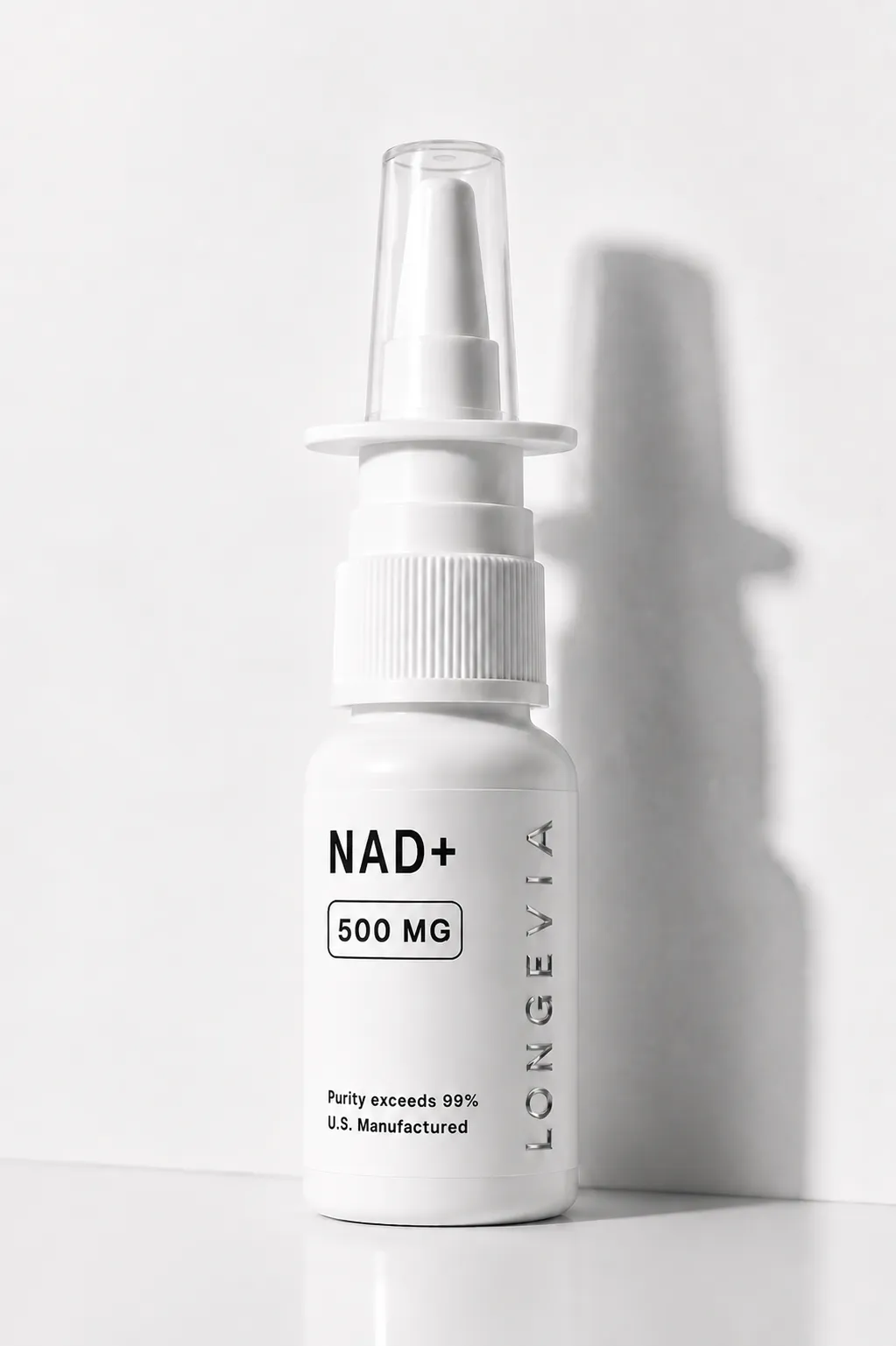
NAD+ 500mg and 1000mg Sprays
Longevia Research supplies NAD+ (nicotinamide adenine dinucleotide) in 500mg and 1000mg quantities, 45-spray format, for qualified laboratory research. NAD+ is a redox-active dinucleotide coenzyme central to cellular metabolism, mitochondrial biology, sirtuin and PARP research. Research Use Only.
$162.00
Slide to add
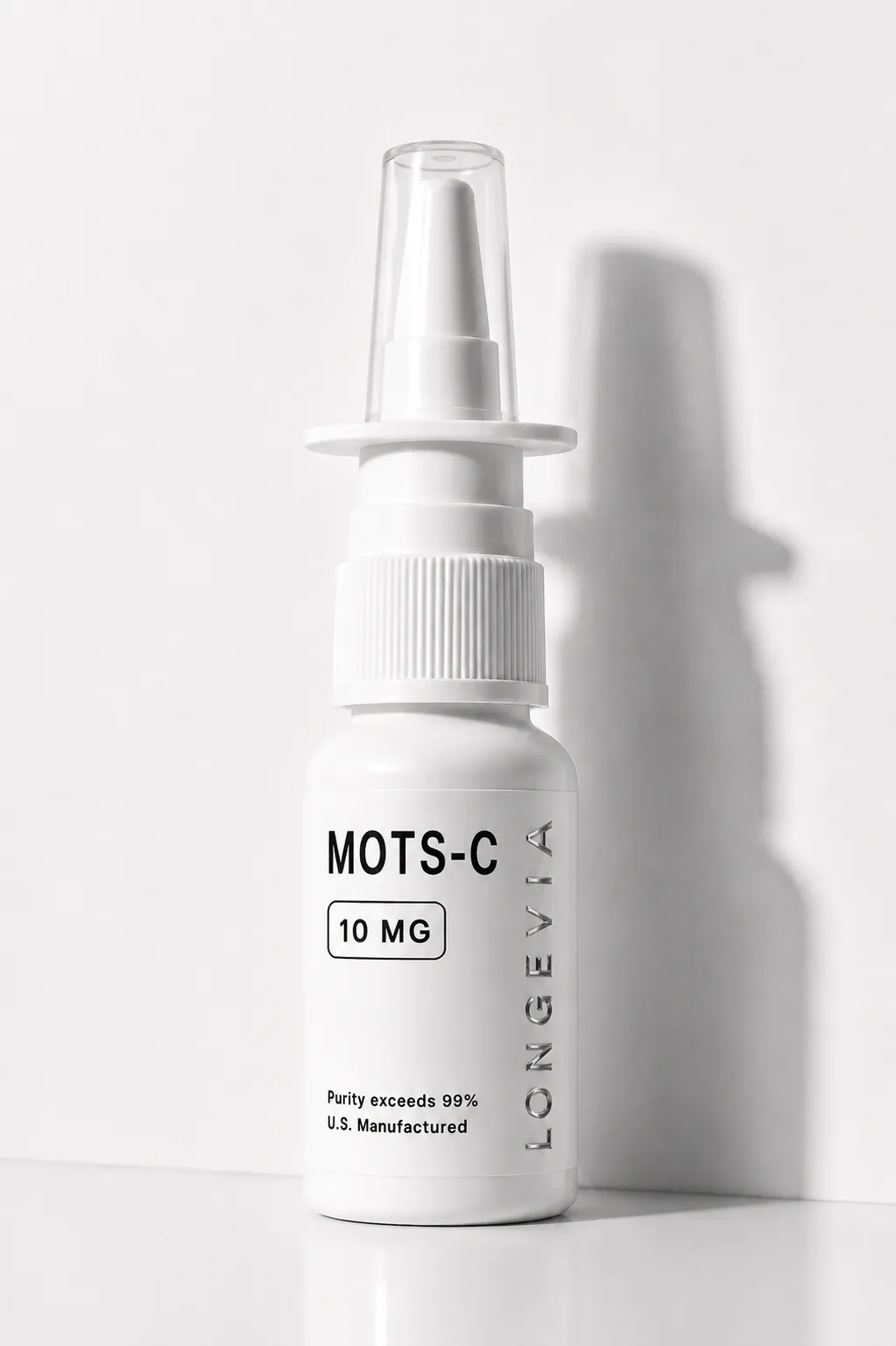
MOTS-C 10mg and 40mg Sprays
Longevia Research supplies MOTS-C in 10mg and 40mg quantities, 45-spray format, for qualified laboratory research. MOTS-C is a mitochondrial-derived peptide (MDP) investigated in research involving mitochondrial biology, cellular metabolism, AMPK-related signaling, and stress-response pathways. Research Use Only.
$162.00
Slide to add
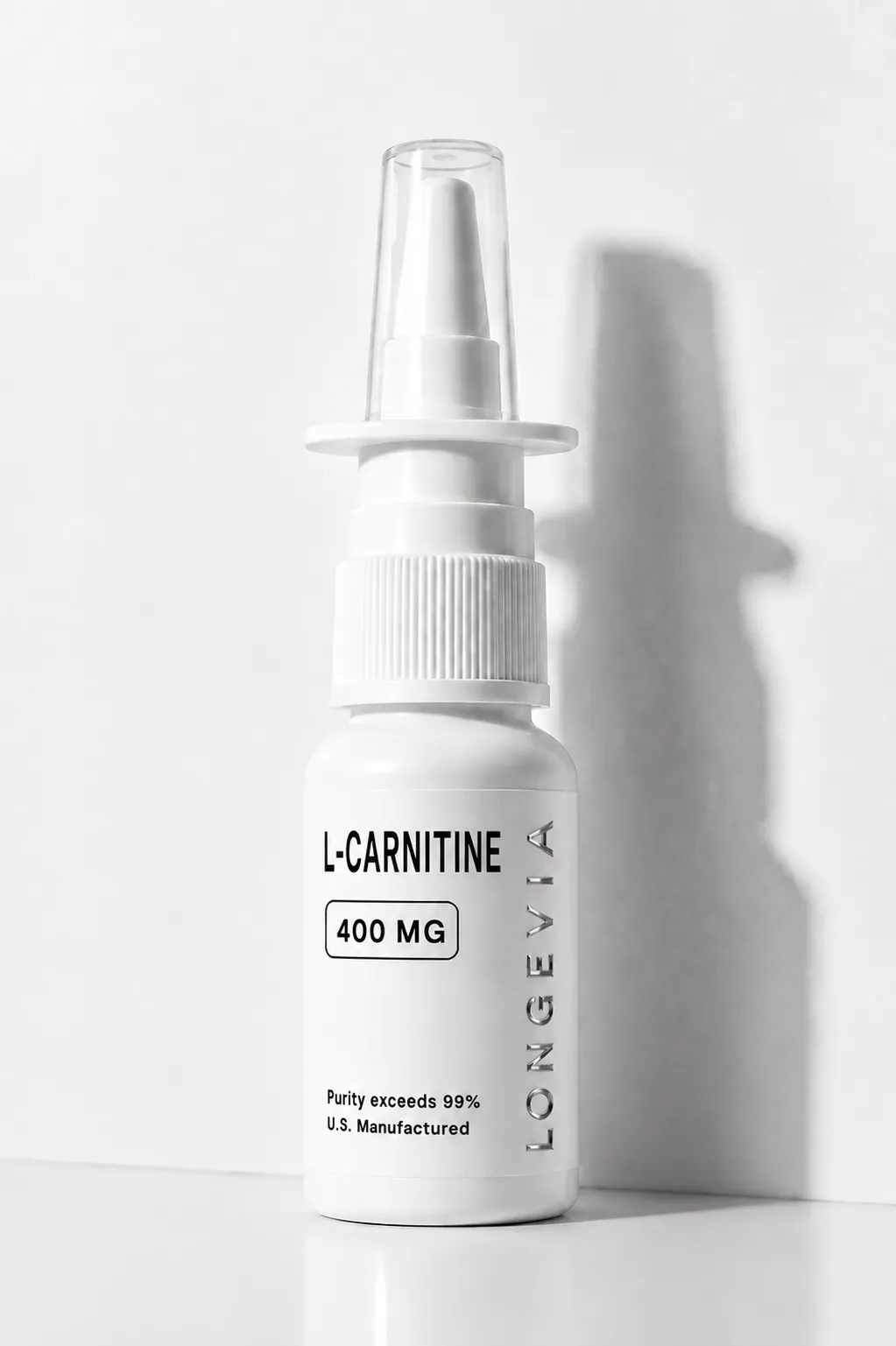
L-Carnitine 400mg — 45 Sprays
Longevia Research supplies L-Carnitine (levocarnitine) 400mg in a 45-spray format for qualified laboratory research. L-Carnitine is a quaternary ammonium compound central to the carnitine shuttle and mitochondrial fatty-acid transport. Research Use Only.
$180.00
Slide to add
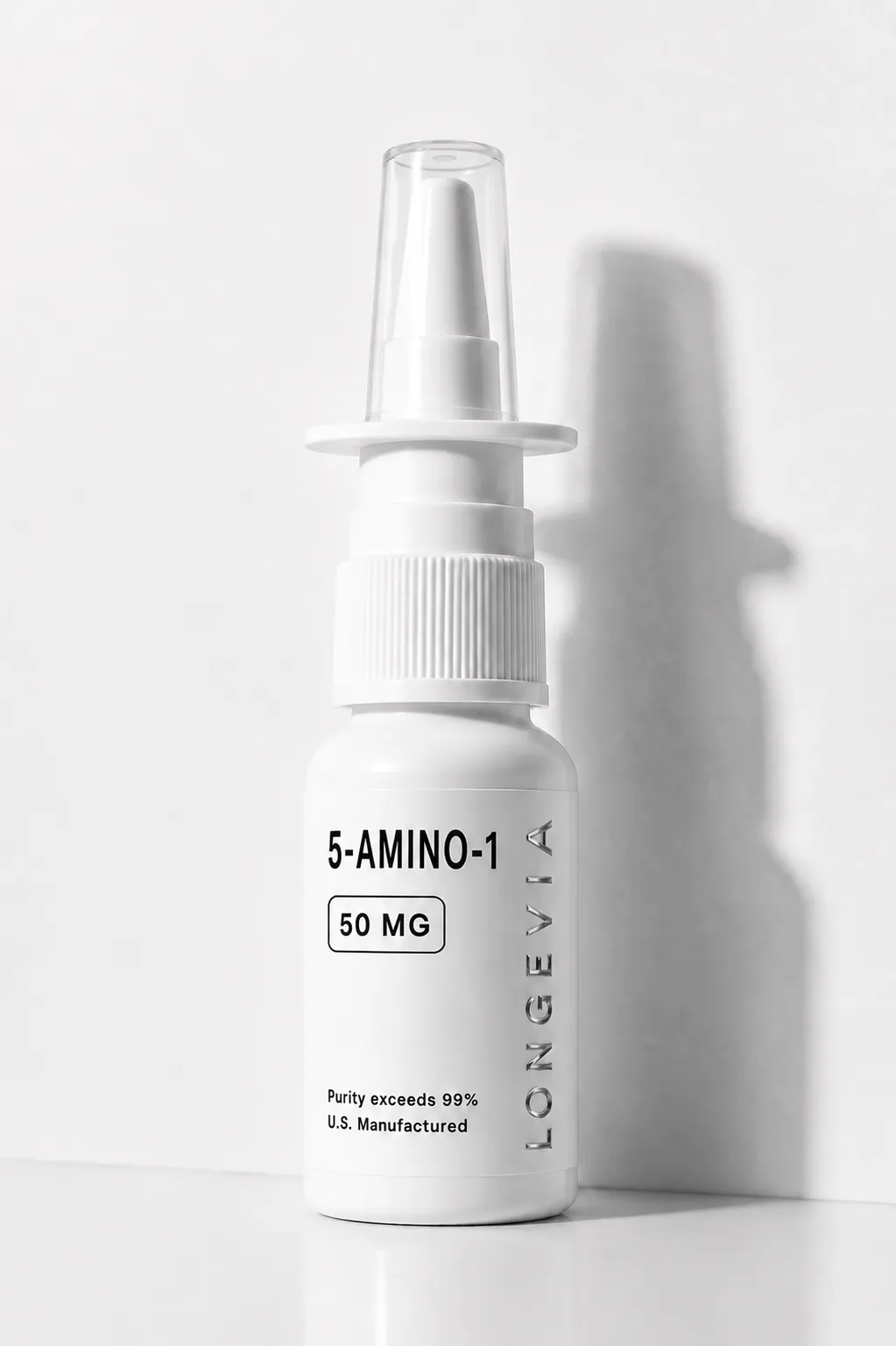
5-Amino-1 50mg — 45 Sprays
5-Amino-1MQ 50mg spray — 45 sprays of 5-amino-1-methylquinolinium, a small-molecule NNMT inhibitor. Supplied by Longevia Research for laboratory use only. Batch COA available.
$162.00
Slide to add
Product FAQs
Find answers to common questions regarding storage, reconstitution, and testing guidelines for this specific compound.