Mitochondrial & Cellular EnergyLongevity ResearchMetabolic Research
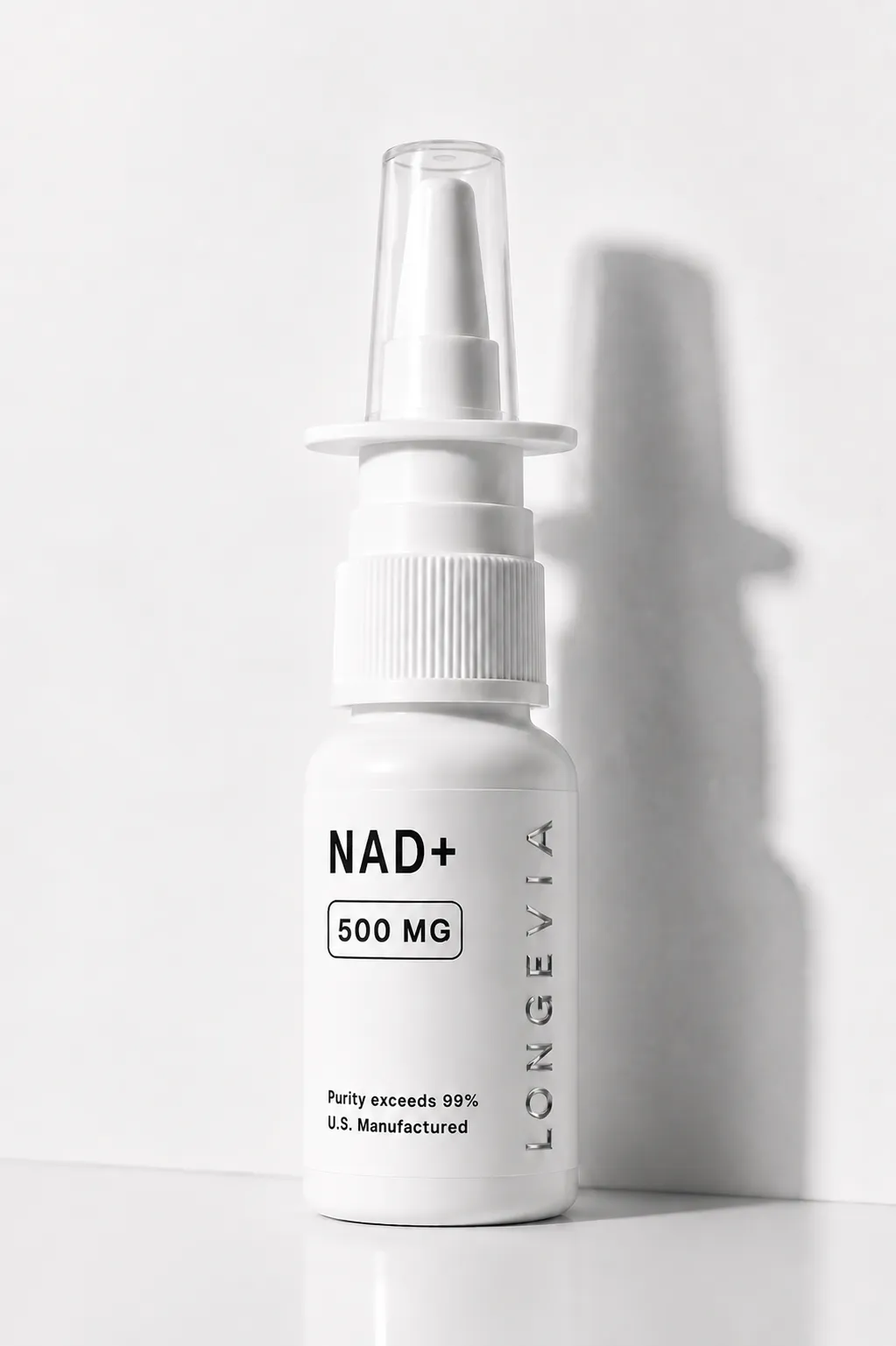
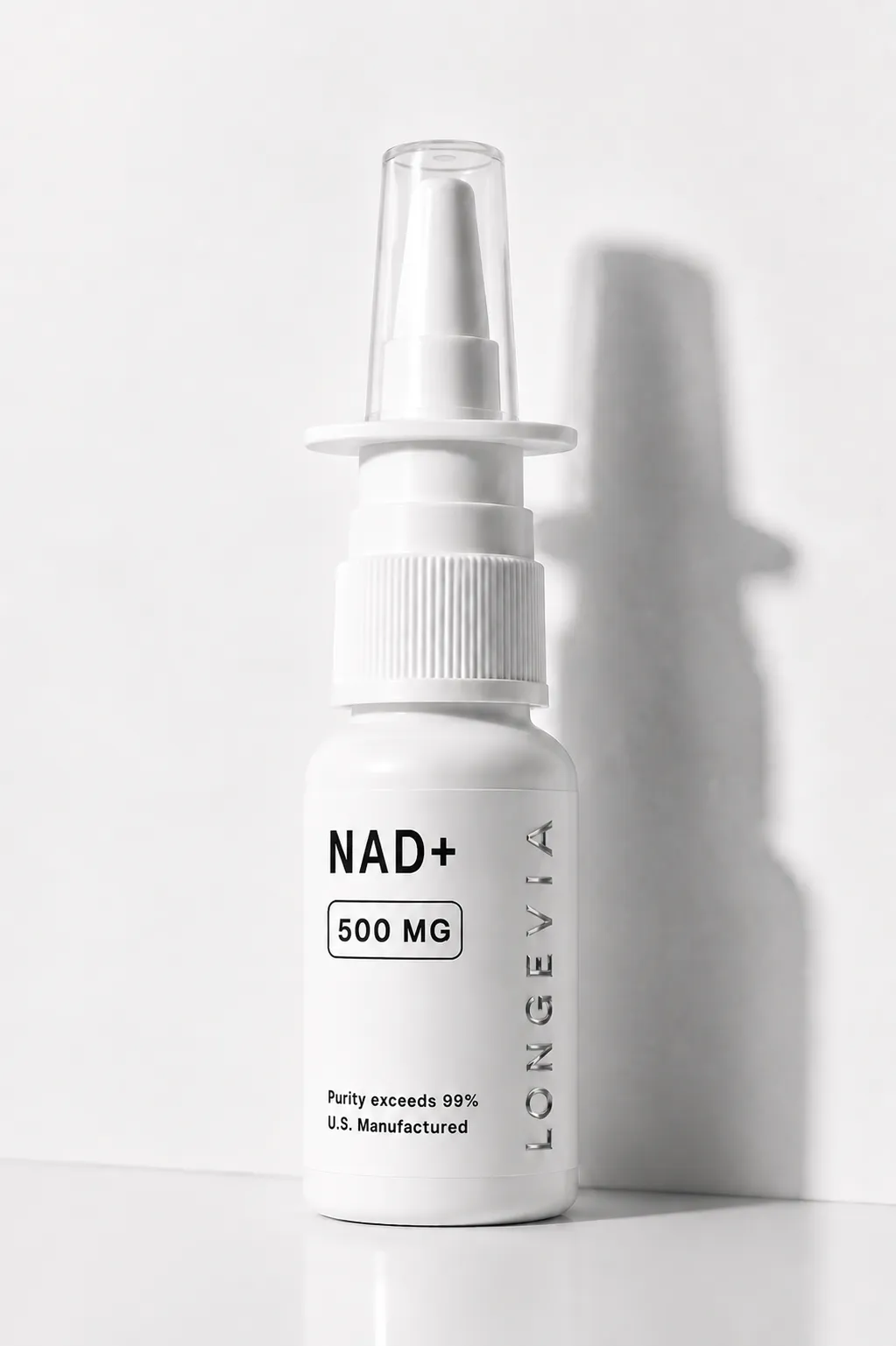
NAD+ 500mg and 1000mg Sprays
$162.00
1
Slide to Add
Purity≥99% Tested
TestingLC-MS Verified
LocationUS Based
NAD+ (nicotinamide adenine dinucleotide, oxidized form) is a naturally occurring dinucleotide coenzyme and pyridine nucleotide that functions as a central redox-active cofactor in cellular metabolism. It is not a peptide, hormone, growth factor, or steroid. NAD+ participates in oxidation-reduction reactions across glycolysis, the tricarboxylic acid (TCA) cycle, fatty-acid oxidation, and oxidative phosphorylation by cycling between its oxidized form (NAD+) and its reduced form (NADH). Beyond its role in metabolic electron transfer, NAD+ also serves as a substrate for several enzyme families involved in cellular signalling — including sirtuins (NAD+-dependent deacylases), poly(ADP-ribose) polymerases (PARPs), and CD38/CD157 — making NAD+ biology relevant to research in metabolic regulation, DNA-damage signaling, and cellular stress responses. Longevia Research supplies NAD+ in two stated quantity variants — 500mg and 1000mg — each in a liquid spray format containing 45 sprays per bottle, for qualified laboratory and scientific research purposes only.
Standard Delivery3-4 Working Days
Free ShippingOn all orders above $300
Product Details
Scientific identity
NAD+ (nicotinamide adenine dinucleotide, oxidized form); CAS 53-84-9 (free acid form); molecular formula C₂₁H₂₇N₇O₁₄P₂; molecular weight 663.43 g/mol (free acid form); consists of nicotinamide mononucleotide (NMN) linked to adenosine monophosphate (AMP) via a pyrophosphate bond.
Compound class: Dinucleotide coenzyme; pyridine nucleotide; redox-active cellular cofactor; Research Use Only — not a drug, dietary supplement, food, or cosmetic.
Chemical form note
The molecular formula, molecular weight, and CAS number above refer to the free acid form. Commercial research-grade NAD+ is frequently supplied as a salt form (e.g., disodium salt, CAS 606-68-8, MW ~707.39 g/mol); the specific chemical form of this Longevia Research product should be confirmed from product documentation.
NAD+/NADH distinction: NAD+ is the oxidized electron-accepting form; NADH is the reduced electron-donating form; the two are biochemically distinct and should not be used interchangeably — research on NADH does not automatically establish properties of NAD+ or vice versa; the NAD+/NADH ratio is a measurable indicator of cellular redox state used in metabolic research.
Primary research roles
NAD+ functions as a hydride-accepting coenzyme in glycolysis, the TCA cycle, and fatty-acid oxidation; as the obligate co-substrate consumed by sirtuins (SIRT1–SIRT7) in NAD+-dependent deacylation reactions; as the substrate consumed by PARPs in ADP-ribosylation reactions associated with DNA-damage response; and as the substrate hydrolyzed by CD38/CD157 to produce cyclic ADP-ribose and related calcium-signaling metabolites.
Product content: 500mg per bottle and 1000mg per bottle (two variants); 45 sprays per bottle for both.
Physical form: Liquid research spray.
Purity: Research-grade.
Analytical documentation
A batch-specific Certificate of Analysis is available on the Longevia Research website, covering compound identity, purity, and lot traceability; identity confirmation should include HRMS or LC-MS confirmation of molecular formula C₂₁H₂₇N₇O₁₄P₂ at 663.43 g/mol (free acid) and chemical form verification; purity assessment by reversed-phase or ion-exchange HPLC with UV detection (~259 nm) quantifying NADH, NMN, AMP, and related degradation products; and redox state confirmation that the compound is the oxidized NAD+ form rather than NADH.
Research-use classification
Research Use Only; not approved for human or veterinary use; not intended for administration to humans or animals.
Research Focus & Mechanism Overview
Research background
NAD+ has been central to biochemistry since its identification as a coenzyme in cellular oxidation reactions in the early twentieth century. Its dual role — as a hydride-transferring redox coenzyme in metabolism and as a consumed substrate in enzymatic signaling reactions — gives NAD+ an unusual breadth of biological relevance. The recognition that NAD+ serves as the obligate co-substrate for sirtuins and PARPs, and that cellular NAD+ availability can be a limiting factor for these enzymes, substantially expanded research interest from classical metabolic biochemistry into aging research, DNA-damage biology, and metabolic signaling. Contemporary NAD+ research spans biochemical enzyme characterization, cell-based studies of NAD+ flux and compartmentalization, animal model studies, and human research examining NAD+ levels and NAD+ precursor interventions — each domain involving distinct methods, endpoints, and biological complexity.
Redox biology and metabolism
In the forward direction of metabolic oxidation, NAD+ accepts a hydride ion from substrate metabolites during glycolysis, TCA cycle, and β-oxidation reactions, reducing to NADH; NADH then donates electrons to Complex I of the mitochondrial electron transport chain, re-oxidizing to NAD+ while driving ATP synthesis via the proton gradient. The NAD+/NADH ratio in different cellular compartments — cytoplasm, mitochondrial matrix, and nucleus — reflects the local redox state and metabolic activity of those compartments and is used as a research variable in bioenergetics and metabolic adaptation studies. These enzymatic reactions represent the mechanistic basis of NAD+'s cofactor role — they do not establish that supplying additional NAD+ from an external source drives increased metabolic flux, nor do they constitute clinical evidence for any metabolic benefit from this product.
Sirtuin and PARP research
Sirtuin activity depends directly on NAD+ availability: each deacylation reaction consumes NAD+, cleaving it to release nicotinamide — itself a feedback inhibitor of sirtuin activity — and an acyl-ADP-ribose product, creating a direct biochemical link between NAD+ metabolism and sirtuin function. The seven mammalian sirtuins (SIRT1–SIRT7) distributed across nuclear, cytoplasmic, and mitochondrial compartments have been studied in relation to metabolic gene regulation, fatty-acid oxidation, mitochondrial protein regulation, and DNA-damage signaling in cell and animal models. PARP1 — activated at sites of DNA strand breaks — can consume NAD+ substantially under conditions of extensive DNA damage, creating an intersection between NAD+ metabolic availability and cellular capacity for DNA-damage responses; cell-based research has examined how NAD+ availability modulates PARP-dependent cell survival under experimental genotoxic stress. CD38 — a multifunctional enzyme that hydrolyzes NAD+ to produce cyclic ADP-ribose — has been examined in preclinical murine models as a potential contributor to age-associated tissue NAD+ decline, though its contribution to NAD+ metabolism in human aging tissues is not established by preclinical data alone. All mechanistic findings are from specific experimental systems and should not be extrapolated to claims about NAD+ supplementation repairing DNA, improving sirtuin function, or producing other defined outcomes in humans.
Aging, geroscience, and human research context
Age-associated reductions in NAD+ concentrations have been reported in rodent tissues including skeletal muscle, liver, and brain, with proposed contributors including reduced NAMPT activity, increased PARP activation, and increased CD38 expression. Human observational research has examined plasma and blood cell NAD+ levels in relation to age in specific study populations; human intervention research has primarily investigated NAD+ precursor compounds (NMN, NR) rather than NAD+ directly, and findings from those studies are specific to the precursors studied and cannot be assumed to apply to this preparation. Intravenous NAD+ pharmacokinetic research characterizes that specific route and formulation and cannot be assumed to apply to the absorption or metabolic fate of NAD+ administered as a spray product. NAD+ biology represents a well-established domain of cellular biochemistry and an active area of translational research — but translation into validated human therapeutics remains incomplete, and no anti-aging, energy-enhancing, or metabolic enhancement claims are made for this product.
Quality & Purity Standards
For a chemically defined small-molecule coenzyme such as NAD+, research-grade quality centers on confirming correct chemical identity, the specific chemical form supplied, and the absence of structurally related impurities or degradation products. Because NAD+ participates in specific enzymatic reactions as a defined substrate, the integrity of its nicotinamide ring (responsible for the redox-active position), its adenine nucleotide moiety, and its pyrophosphate linkage are all relevant to its utility in biochemical and cell-based research applications.
Key quality considerations for research-grade NAD+ include:
Chemical identity confirmation: Verification that the supplied compound is NAD+ (nicotinamide adenine dinucleotide, oxidized form) and not NADH, NMN, or a related dinucleotide. High-resolution mass spectrometry (HRMS) or LC-MS can confirm the molecular formula C₂₁H₂₇N₇O₁₄P₂ and molecular weight of 663.43 g/mol (free acid form).
Chemical form verification: Confirmation of whether the supplied material is the free acid form (CAS 53-84-9) or a salt form (e.g., disodium salt, CAS 606-68-8), as these have different molecular weights and relevant properties for preparation of research solutions.
Purity assessment: Reversed-phase HPLC or ion-exchange HPLC with UV detection (NAD+ has characteristic UV absorbance at ~259 nm) to assess chemical purity and quantify NADH, NMN, AMP, and other related substances or degradation products.
Redox state verification: Confirmation that the compound is the oxidized form (NAD+) rather than NADH — analytically distinguishable by mass, UV absorbance, and electrochemical properties. NAD+ undergoes reduction to NADH readily in solution, making redox state a relevant stability parameter.
Absorbance verification: Enzymatic assay-based identity verification exploiting the characteristic NADH absorbance at 340 nm following reduction, using appropriate dehydrogenase reference reactions.
Batch documentation and traceability: Provision of batch-specific analytical records enabling traceability from synthesis or extraction through supply.
Longevia Research's quality approach is oriented toward providing researchers with well-characterized compounds supported by appropriate analytical documentation. Researchers should consult current product documentation and available certificates of analysis for batch-specific data.
No specific purity grade, third-party certification, cGMP status, or independent laboratory verification is stated for this listing. Researchers requiring documentation of specific quality parameters — including chemical form, redox purity, and absence of related compounds — should contact Longevia Research directly.
Compliance Notice
FOR RESEARCH USE ONLY. NOT FOR HUMAN CONSUMPTION. NOT FOR VETERINARY USE.
NAD+ 500mg and 1000mg — 45 Sprays, as supplied by Longevia Research, are intended exclusively for qualified laboratory and scientific research conducted by trained professionals in appropriate research settings. These products are not drugs, dietary supplements, food, or cosmetics. They have not been evaluated or approved by the U.S. Food and Drug Administration, the European Medicines Agency, or any other regulatory authority for use as therapeutic, prophylactic, or diagnostic agents in humans or animals.
These products are not intended to diagnose, treat, cure, or prevent any disease, condition, or health-related outcome.
NAD+ vs. NAD precursor distinction: Research involving NMN, NR, nicotinamide, nicotinic acid, or other NAD+ precursor compounds does not automatically establish the properties, efficacy, safety, or bioavailability of this NAD+ product. Each compound has distinct chemistry, metabolism, and research literature.
Formulation and route distinction: Research involving intravenous NAD+ administration, oral NAD+ supplementation, or other formulation-specific studies does not establish the bioavailability, pharmacokinetics, or biological activity of this spray formulation, for which no such data are stated.
NAD+ vs. NADH: This product is NAD+ (the oxidized form). Research on NADH does not automatically apply to NAD+ and vice versa.
Evidence scope — endogenous NAD+ vs. administered product: Research measuring endogenous tissue or plasma NAD+ levels in association with age or physiological variables does not establish the effects of administering exogenous NAD+ via this or any other route. Observational biomarker findings and intervention research represent distinct scientific questions.
No anti-aging, energy, or metabolic claims: Research involving NAD+ in the context of aging biology, cellular metabolism, mitochondrial function, sirtuin signaling, or PARP biology does not establish that these products produce anti-aging, energy-enhancing, metabolic, or therapeutic outcomes in human users.
Purchasers are solely responsible for ensuring that acquisition, possession, storage, handling, use, and disposal of these products comply with all applicable local, state, national, and international laws and regulations governing research compounds. Longevia Research makes no warranties regarding the suitability of these products for any specific research application. These products should be handled by qualified personnel following appropriate laboratory safety protocols.
By purchasing these products, the purchaser confirms that they are a qualified researcher or research professional acquiring this compound for legitimate scientific research purposes only.
Continue Exploring
Also Considered.
Sale
Tirzepatide - 10 Kits Bundle
High-purity research peptide for laboratory use.
$699.99$799.99
Slide to add
Sale
Tirzepatide - 5 Kits Bundle
High-purity research peptide for laboratory use.
$399.99$449.99
Slide to add
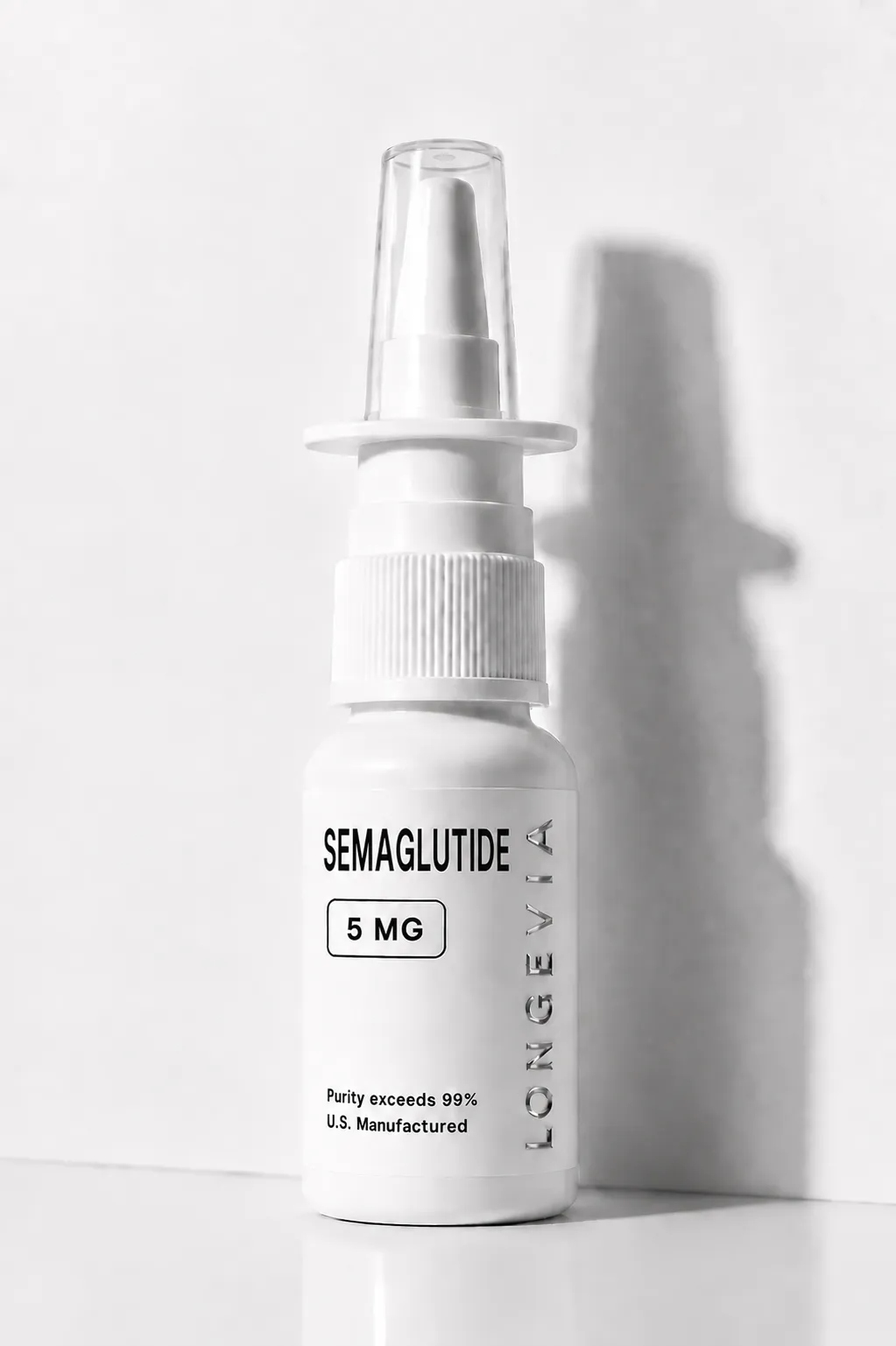
Semaglutide — Sprays
Longevia Research supplies Semaglutide in 5mg, 10mg, 20mg, and 30mg quantities, 45-spray format, for qualified laboratory research. Semaglutide is a synthetic modified GLP-1 analog and GLP-1 receptor agonist investigated in metabolic, endocrine, and incretin signaling research. Research Use Only.
$135.00
Slide to add
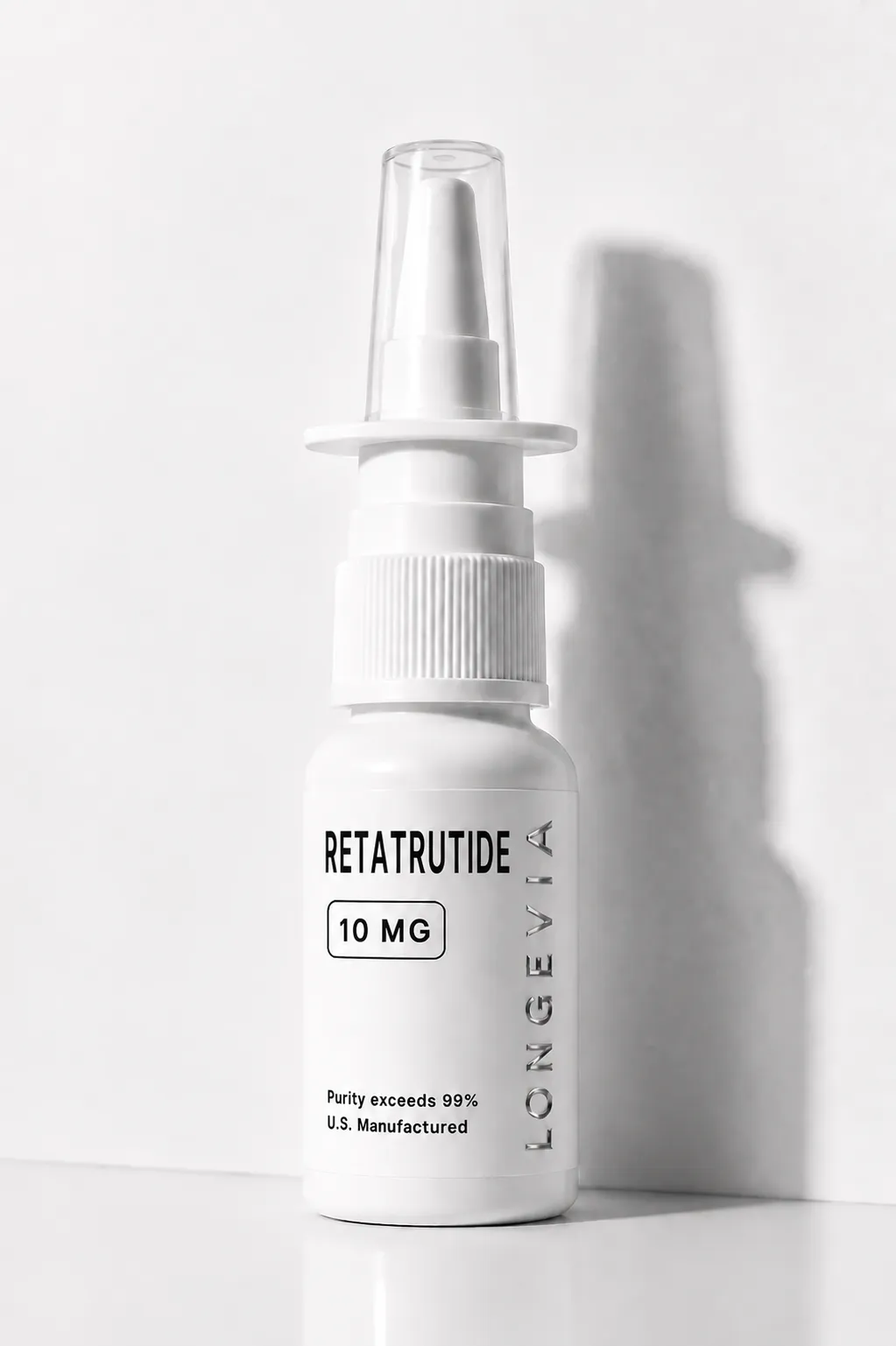
Retatrutide 10mg/20mg/30mg/60mg — 45 Sprays
Longevia Research supplies Retatrutide in 10mg, 20mg, 30mg, and 60mg quantities, 45-spray format, for qualified laboratory research. Retatrutide is an investigational synthetic peptide-based triple receptor agonist (GIPR/GLP-1R/GCGR) studied in metabolic signaling and clinical trials. Research Use Only.
$166.50
Slide to add
Product FAQs
Find answers to common questions regarding storage, reconstitution, and testing guidelines for this specific compound.