Metabolic Research
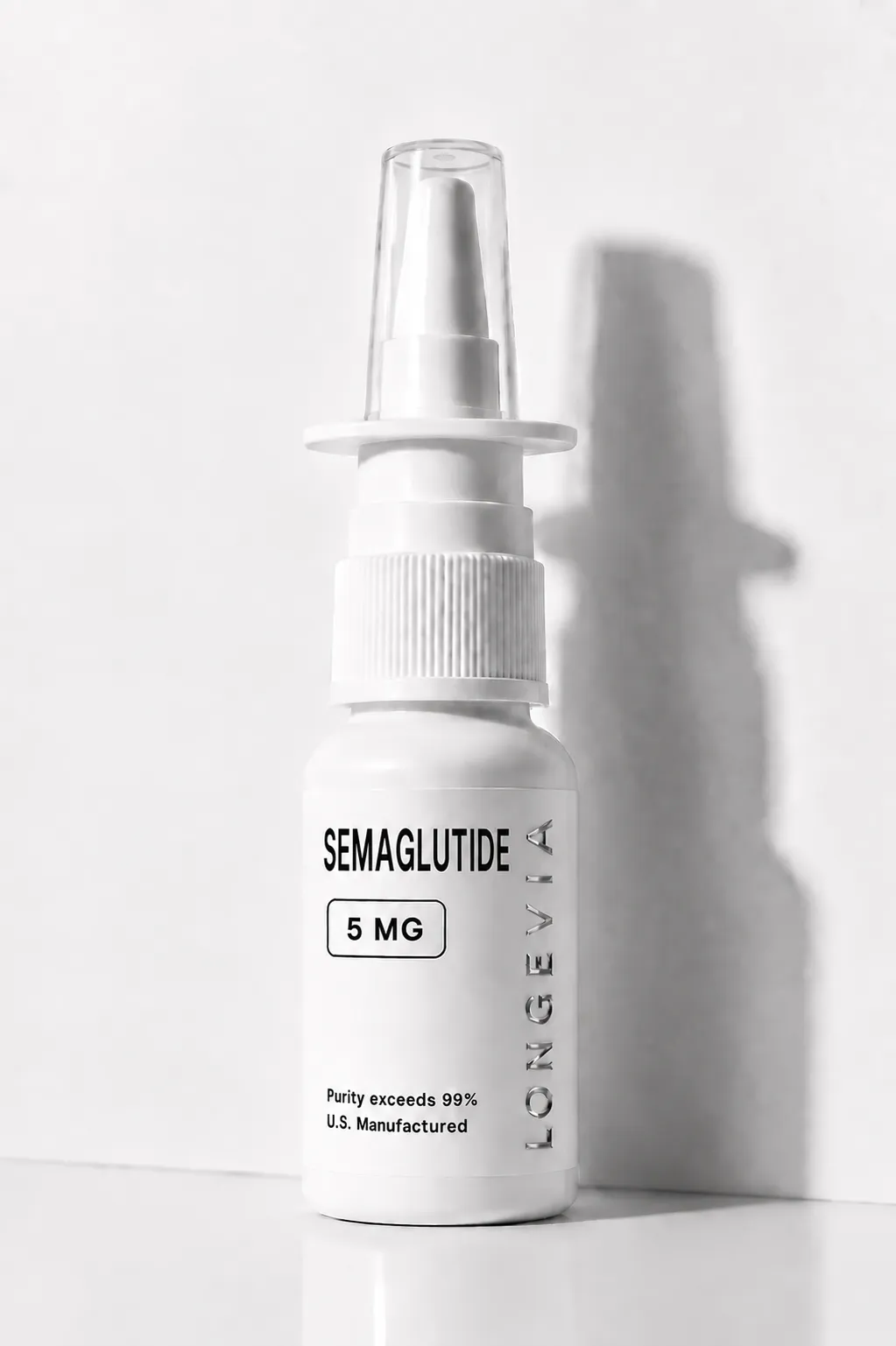
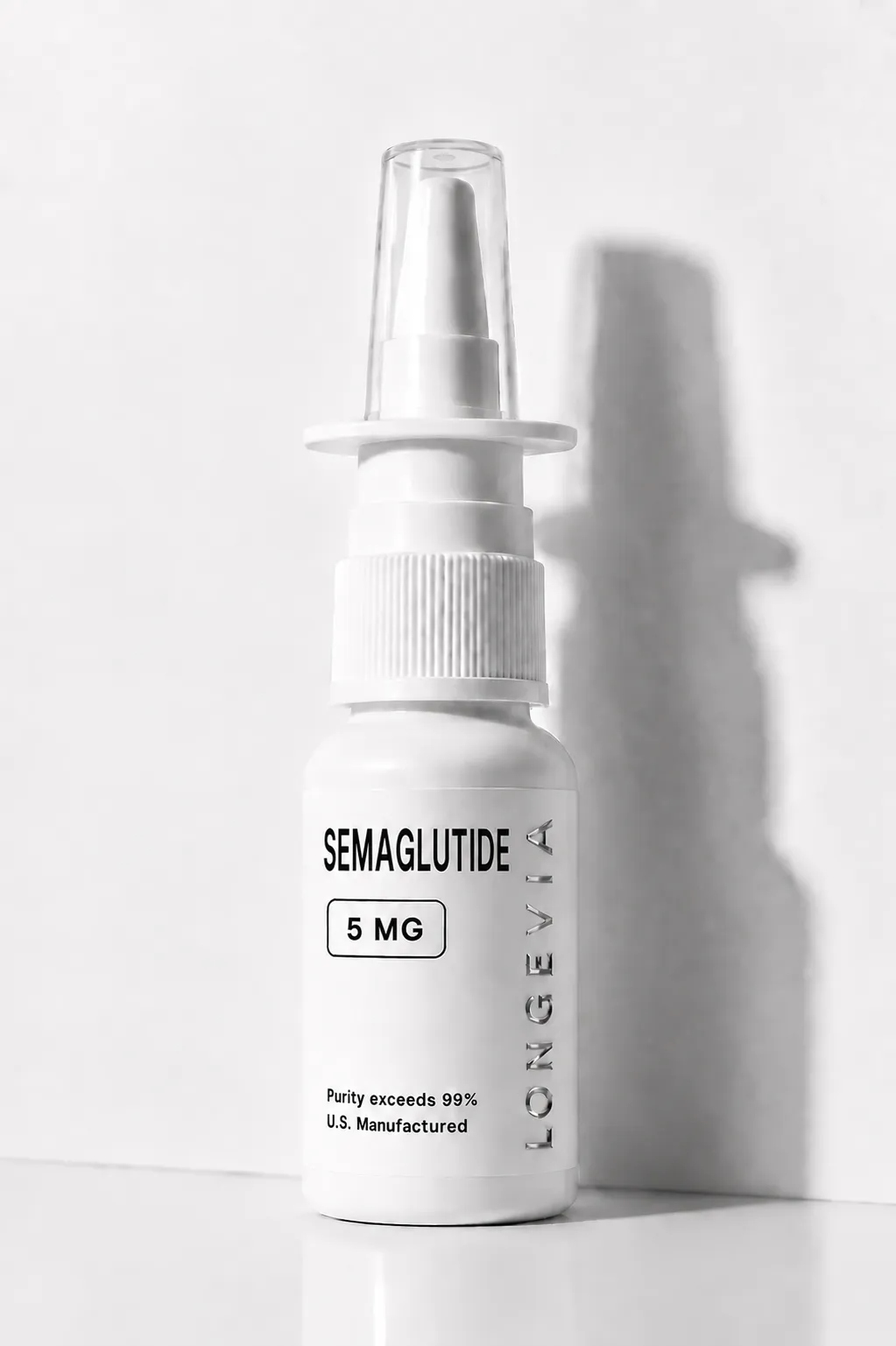
Semaglutide — Sprays
$135.00
1
Slide to Add
Purity≥99% Tested
TestingLC-MS Verified
LocationUS Based
Semaglutide is a synthetic peptide-based glucagon-like peptide-1 (GLP-1) receptor agonist — a structurally modified analogue of the endogenous incretin hormone GLP-1 designed to engage the GLP-1 receptor (GLP-1R) with prolonged biological exposure. Unlike endogenous GLP-1, which is rapidly inactivated by dipeptidyl peptidase-4 (DPP-4) with a plasma half-life of approximately 2 minutes, semaglutide incorporates specific structural modifications — an alpha-aminoisobutyric acid (Aib) substitution at position 8 for DPP-4 resistance and a C18 fatty diacid moiety attached via a mini-PEG linker to lysine at position 26 for albumin-mediated half-life extension — that dramatically extend its pharmacological activity window in the studied pharmaceutical formulations. Semaglutide is the active ingredient in FDA-approved pharmaceutical medicines developed by Novo Nordisk — including Ozempic® (subcutaneous injection, type 2 diabetes and cardiovascular risk reduction), Wegovy® (subcutaneous injection, chronic weight management), and Rybelsus® (oral tablet, type 2 diabetes). These approved products represent distinct regulatory entities from the Longevia Research semaglutide spray: the approved medicines carry full FDA approval for their studied formulations and indications; the Longevia Research preparation is a separately supplied research compound without pharmaceutical approval, clinical validation, or bioequivalence to any approved formulation. Longevia Research supplies semaglutide in four stated quantity options — 5mg, 10mg, 20mg, and 30mg — each in a liquid spray format containing 45 sprays per bottle, for qualified laboratory and scientific research purposes only.
Standard Delivery3-4 Working Days
Free ShippingOn all orders above $300
Product Details
Scientific identity: Semaglutide (CAS 910463-68-2); developer Novo Nordisk; molecular formula C₁₈₇H₂₉₁N₄₅O₅₉; molecular weight 4,113.58 g/mol; 34-amino-acid modified GLP-1 analogue based on GLP-1(7-37) framework.
Compound class: Synthetic peptide; modified GLP-1 analogue; GLP-1R agonist; Research Use Only — not a drug, dietary supplement, food, or cosmetic.
Key structural modifications
Three modifications distinguish semaglutide from endogenous GLP-1: Aib8 (α-aminoisobutyric acid at position 8) blocks DPP-4 recognition and cleavage at the primary enzymatic inactivation site; Arg34Lys substitution creates the attachment site for the fatty acid moiety; C18 fatty diacid chain attached via a two-unit mini-PEG spacer to Lys26 enables reversible non-covalent binding to serum albumin, extending plasma half-life to approximately 7 days in the studied injectable pharmaceutical formulations; these structural features have been characterized in pharmacological and pharmacokinetic studies specific to the injectable and oral pharmaceutical formulations and should not be assumed to determine the properties of the Longevia Research spray.
Primary molecular target: GLP-1R (glucagon-like peptide-1 receptor) — a Class B Gαs-coupled GPCR expressed on pancreatic beta cells, gastrointestinal smooth muscle, hepatocytes, cardiac tissue, renal tubular cells, and CNS neurons including hypothalamic and brainstem regions.
Approved pharmaceutical distinction
Ozempic® (semaglutide injection, 0.5mg/0.5mL, 1mg/0.5mL, 2mg/1.5mL): approved for glycemic control in type 2 diabetes and cardiovascular risk reduction; Wegovy® (semaglutide injection, 2.4mg/0.75mL): approved for chronic weight management; Rybelsus® (oral semaglutide, 3mg/7mg/14mg tablets): approved for glycemic control in type 2 diabetes; none of these approvals extend to the Longevia Research spray, which is not a pharmaceutical product, not manufactured to pharmaceutical-grade specifications, and not bioequivalent to any approved formulation.
Product content: Available in four variants — 5mg, 10mg, 20mg, and 30mg per bottle; 45 sprays per bottle for all variants.
Physical form: Liquid research spray.
Purity: Research-grade.
Analytical documentation
A batch-specific Certificate of Analysis is available on the Longevia Research website, covering compound identity, purity, and lot traceability; identity confirmation should include mass spectrometric verification of the intact molecule at 4,113.58 g/mol confirming the complete modified peptide including the fatty acid-PEG conjugate; chromatographic purity assessment separating semaglutide from sequence-related impurities and synthesis-related degradation products.
Research-use classification
Research Use Only; not approved for human or veterinary use; not intended for administration to humans or animals.
Research Focus & Mechanism Overview
Research background
The scientific interest in GLP-1R agonism developed from foundational work in incretin physiology — particularly the characterization of GLP-1 as a potent, glucose-dependent insulin secretagogue in the late 1980s and 1990s. The rapid enzymatic inactivation of native GLP-1 posed a fundamental challenge that motivated the development of progressively longer-acting GLP-1 analogues. Semaglutide's fatty-acid conjugation strategy combined with DPP-4 resistance modifications produced a 34-amino-acid compound with a pharmacokinetic profile supporting weekly dosing in the studied injectable formulations — making it one of the most extensively researched GLP-1R agonists, with a clinical trial programme spanning type 2 diabetes, obesity, cardiovascular outcomes, chronic kidney disease, and central nervous-system research contexts.
GLP-1R signaling
In the canonical signaling cascade, GLP-1R activation engages Gαs, stimulating adenylate cyclase and elevating intracellular cAMP; elevated cAMP activates PKA, which phosphorylates multiple targets including voltage-dependent potassium channels, leading to membrane depolarization and voltage-dependent calcium entry in pancreatic beta cells — with resulting calcium-triggered insulin vesicle exocytosis occurring in a glucose-dependent manner, distinguishing GLP-1R-mediated insulin secretion from glucose-independent secretagogues. GLP-1R also signals through EPAC (contributing to insulin secretion through distinct cAMP-dependent pathways), through Gαq-related calcium signaling in some cell contexts, and through β-arrestin-mediated pathways modulating receptor internalization and signaling durability. This signaling multiplicity makes GLP-1R biology context-dependent and richer than a simple cAMP cascade — a consideration relevant to research design.
Key research areas
Pancreatic endocrine research has examined GLP-1R-mediated insulin secretion from beta cells and glucagon suppression from alpha cells in isolated islet preparations, cell-based models, and animal models — noting that extrapolation of animal beta-cell biology findings to humans is complicated by species differences in pancreatic architecture. Appetite and energy-balance research has investigated GLP-1R expression in hypothalamic (arcuate and paraventricular nuclei), brainstem (nucleus tractus solitarius), and area postrema regions using central administration, knockout models, and pharmacological tools; gut-brain axis research has examined gastrointestinal GLP-1R signaling communication to central circuits via vagal and portal pathways, and gastric emptying effects have been characterized using scintigraphic and breath-test methodologies in clinical studies. Cardiometabolic research includes the SELECT trial — reporting a statistically significant 20% reduction in MACE with semaglutide 2.4mg in adults with established cardiovascular disease and obesity without type 2 diabetes — and the FLOW trial examining chronic kidney disease; these cardiovascular findings are specific to the studied pharmaceutical formulations and populations. Neurobiological research has used GLP-1R agonists in animal models of neuroinflammation, neurodegeneration, and addiction-related behavior, with human observational and secondary analyses examining neurological and psychiatric associations — areas of active investigation whose mechanistic basis and generalizability remain subjects of ongoing research.
Human clinical research and pharmacokinetics
The human clinical research programme for semaglutide is among the most extensive of any GLP-1R agonist, encompassing the SUSTAIN (injectable semaglutide in type 2 diabetes), STEP (semaglutide 2.4mg for obesity), PIONEER (oral semaglutide), SELECT (cardiovascular outcomes), and FLOW (chronic kidney disease) programmes. The STEP 1 landmark trial reported mean weight reduction of approximately 14.9% from baseline at 68 weeks versus approximately 2.4% for placebo in adults with obesity or overweight without type 2 diabetes using subcutaneous injection at defined doses. Pharmacokinetically, the injectable formulation's approximately 7-day half-life — established by in-vitro albumin binding studies and in-vivo pharmacokinetic analyses — is specific to the injectable pharmaceutical formulation; oral semaglutide (Rybelsus) has substantially different absorption kinetics requiring specific administration conditions. Neither injectable nor oral semaglutide pharmacokinetics apply to the Longevia Research spray, for which absorption kinetics, bioavailability, and systemic exposure would depend on the specific formulation and route — none of which are established. No clinical trial finding from pharmaceutical semaglutide programmes establishes the safety, efficacy, bioavailability, or therapeutic properties of the Longevia Research spray.
Quality & Purity Standards
For a structurally complex modified peptide such as semaglutide — which incorporates both a 34-amino-acid backbone with non-standard amino-acid substitutions and a covalently attached fatty acid side chain — research-grade quality assessment requires analytical methods capable of verifying both the peptide sequence and the integrity of the fatty acid conjugate. The presence of the C18 fatty diacid moiety and its attachment via the mini-PEG linker to a specific lysine residue are defining structural features; their absence or incorrect attachment would result in a compound with a substantially different pharmacological profile.
Research-grade quality assessment for semaglutide appropriately involves:
Peptide identity and sequence verification: Confirmation of the 34-residue sequence including the Aib8 and Lys34 (Arg34Lys) substitutions using LC-MS/MS tandem mass spectrometry capable of resolving non-standard amino-acid residues and the full sequence.
Molecular mass confirmation: High-resolution mass spectrometry (HRMS) to confirm the complete molecular formula C₁₈₇H₂₉₁N₄₅O₅₉ and molecular weight of 4113.58 g/mol, confirming the presence and integrity of the fatty acid conjugate.
Fatty acid conjugate verification: Specific analytical confirmation that the C18 fatty diacid moiety is present, correctly attached at Lys34, and chemically intact — as the conjugate is essential to semaglutide's albumin-binding pharmacokinetic properties in studied formulations.
Aib8 residue confirmation: Analytical verification of the non-standard α-aminoisobutyric acid residue at position 8 — a key distinction from native GLP-1 that confers DPP-4 resistance.
Purity assessment: Reversed-phase HPLC or UHPLC to evaluate chemical purity and identify related substances, synthesis-related impurities, or degradation products.
Batch documentation and traceability: Provision of batch-specific analytical records enabling traceability from synthesis through supply.
Longevia Research's quality approach is oriented toward providing researchers with well-characterized compounds supported by appropriate analytical documentation. Researchers should consult current product documentation and available certificates of analysis for batch-specific data.
No specific purity grade, third-party certification, cGMP status, or independent laboratory verification is stated for this listing. The Longevia Research spray is not manufactured to the pharmaceutical-grade specifications of any approved semaglutide medicine. Researchers requiring documentation of specific quality parameters should contact Longevia Research directly.
Compliance Notice
FOR RESEARCH USE ONLY. NOT FOR HUMAN CONSUMPTION. NOT FOR VETERINARY USE.
Semaglutide 5mg/10mg/20mg/30mg — 45 Sprays, as supplied by Longevia Research, are intended exclusively for qualified laboratory and scientific research conducted by trained professionals in appropriate research settings. These products are not drugs, dietary supplements, food, or cosmetics. They have not been evaluated or approved by the U.S. Food and Drug Administration, the European Medicines Agency, or any other regulatory authority for use as therapeutic, prophylactic, or diagnostic agents in humans or animals.
These products are not intended to diagnose, treat, cure, or prevent any disease, condition, or health-related outcome.
Critical distinction from approved pharmaceutical products: Semaglutide is the active ingredient in FDA-approved prescription medicines including Ozempic®, Wegovy®, and Rybelsus® (all trademarks of Novo Nordisk). These approved pharmaceutical products are distinct entities from the Longevia Research semaglutide spray in every relevant respect: they are manufactured to pharmaceutical-grade specifications; they have been evaluated in rigorous clinical trials establishing their safety and efficacy for defined indications in defined patient populations; they are approved by regulatory authorities for prescription medical use; and they are dispensed under medical supervision with established dosing regimens. The approval of these pharmaceutical products does not extend to the Longevia Research spray in any respect. The Longevia Research spray is not Ozempic, is not Wegovy, is not Rybelsus, is not a generic version of any approved semaglutide medicine, and makes no therapeutic claims of any kind.
Formulation and route distinction: Approved pharmaceutical semaglutide products use subcutaneous injection or oral tablet formulations with extensive pharmacokinetic characterization. Pharmacokinetic data, bioavailability, and clinical outcomes from those pharmaceutical formulations and routes do not apply to a spray product, for which no such data are stated.
Evidence scope: The extensive human clinical trial evidence base for pharmaceutical semaglutide — including the SUSTAIN, STEP, PIONEER, SELECT, and FLOW programs — characterizes specific pharmaceutical formulations in defined patient populations under clinical trial conditions. These findings do not establish the safety, efficacy, bioavailability, or therapeutic properties of the Longevia Research spray products.
Purchasers are solely responsible for ensuring that acquisition, possession, storage, handling, use, and disposal of these products comply with all applicable local, state, national, and international laws and regulations governing research compounds. Longevia Research makes no warranties regarding the suitability of these products for any specific research application. These products should be handled by qualified personnel following appropriate laboratory safety protocols.
By purchasing these products, the purchaser confirms that they are a qualified researcher or research professional acquiring this compound for legitimate scientific research purposes only.
Continue Exploring
Also Considered.
Sale
Tirzepatide - 10 Kits Bundle
High-purity research peptide for laboratory use.
$699.99$799.99
Slide to add
Sale
Tirzepatide - 5 Kits Bundle
High-purity research peptide for laboratory use.
$399.99$449.99
Slide to add
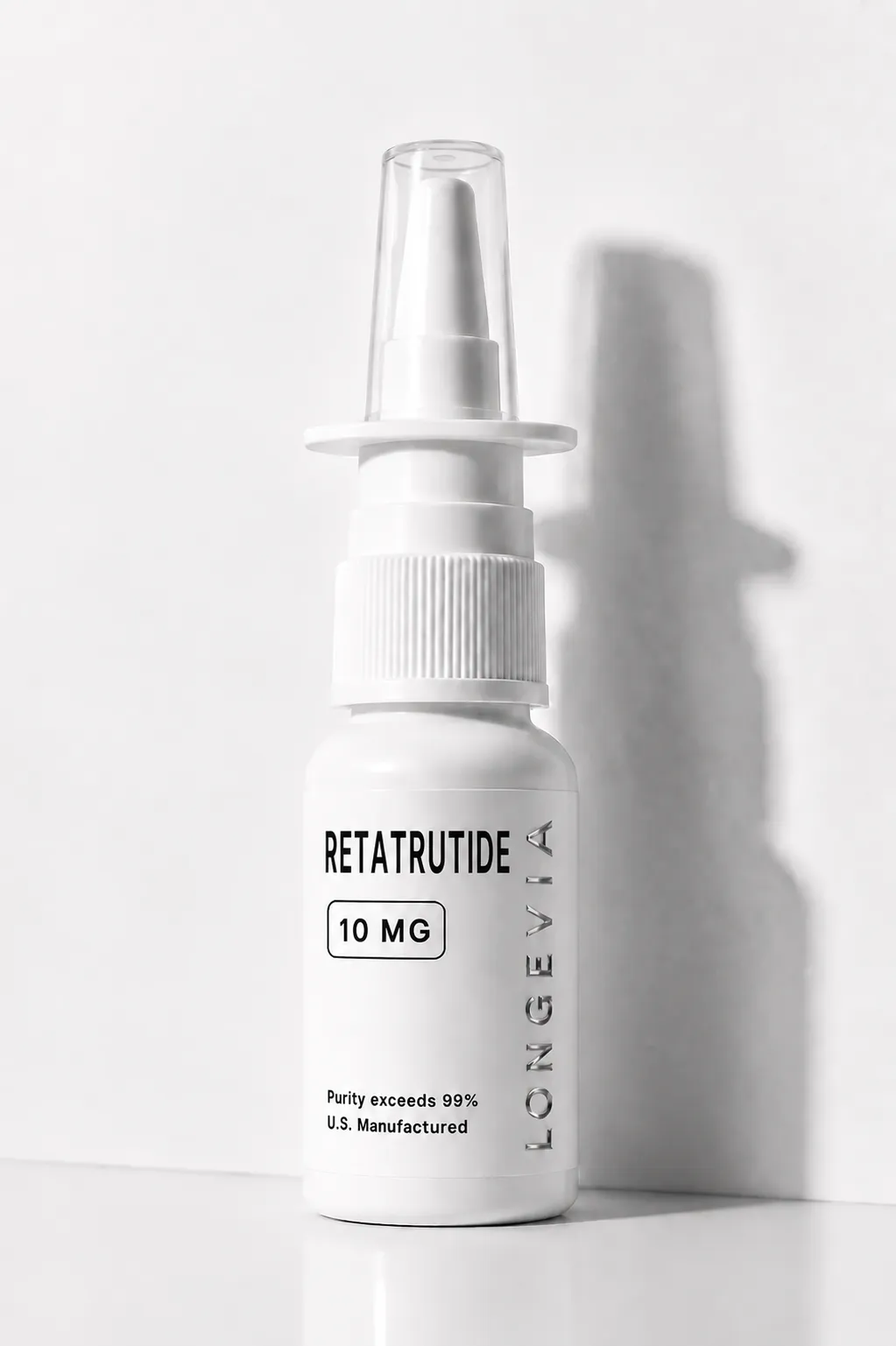
Retatrutide 10mg/20mg/30mg/60mg — 45 Sprays
Longevia Research supplies Retatrutide in 10mg, 20mg, 30mg, and 60mg quantities, 45-spray format, for qualified laboratory research. Retatrutide is an investigational synthetic peptide-based triple receptor agonist (GIPR/GLP-1R/GCGR) studied in metabolic signaling and clinical trials. Research Use Only.
$166.50
Slide to add
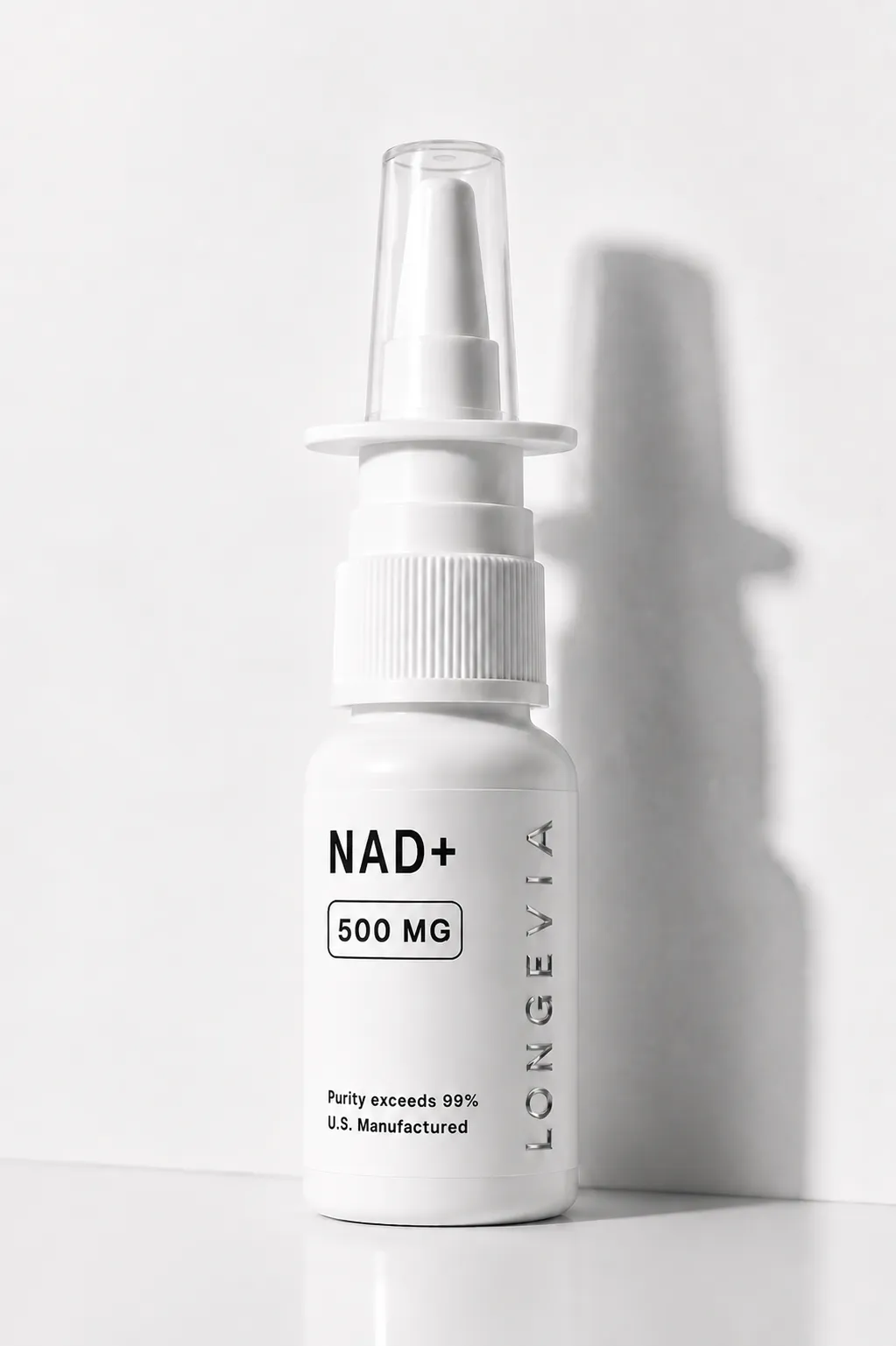
NAD+ 500mg and 1000mg Sprays
Longevia Research supplies NAD+ (nicotinamide adenine dinucleotide) in 500mg and 1000mg quantities, 45-spray format, for qualified laboratory research. NAD+ is a redox-active dinucleotide coenzyme central to cellular metabolism, mitochondrial biology, sirtuin and PARP research. Research Use Only.
$162.00
Slide to add
Product FAQs
Find answers to common questions regarding storage, reconstitution, and testing guidelines for this specific compound.