Metabolic Research
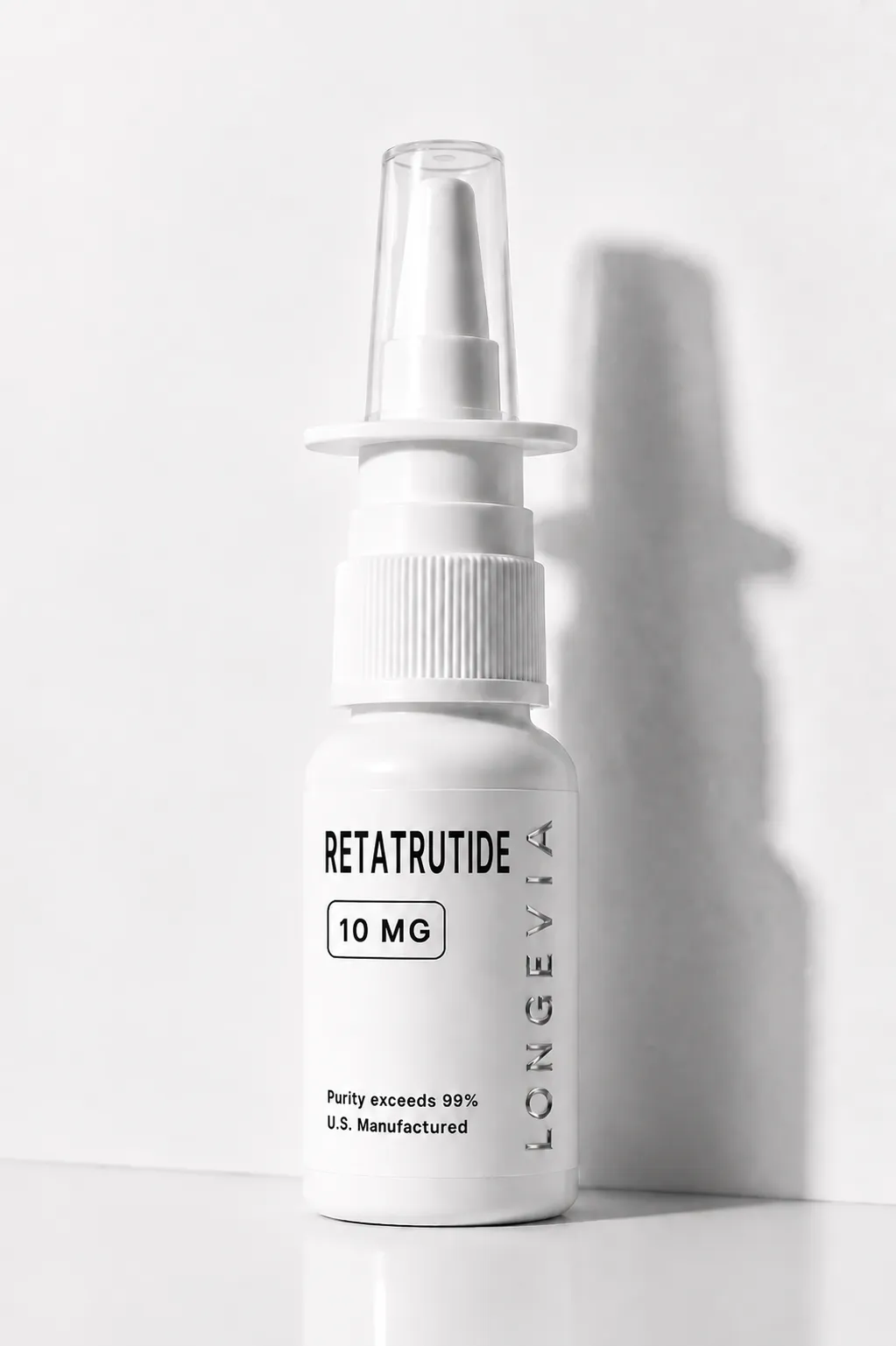
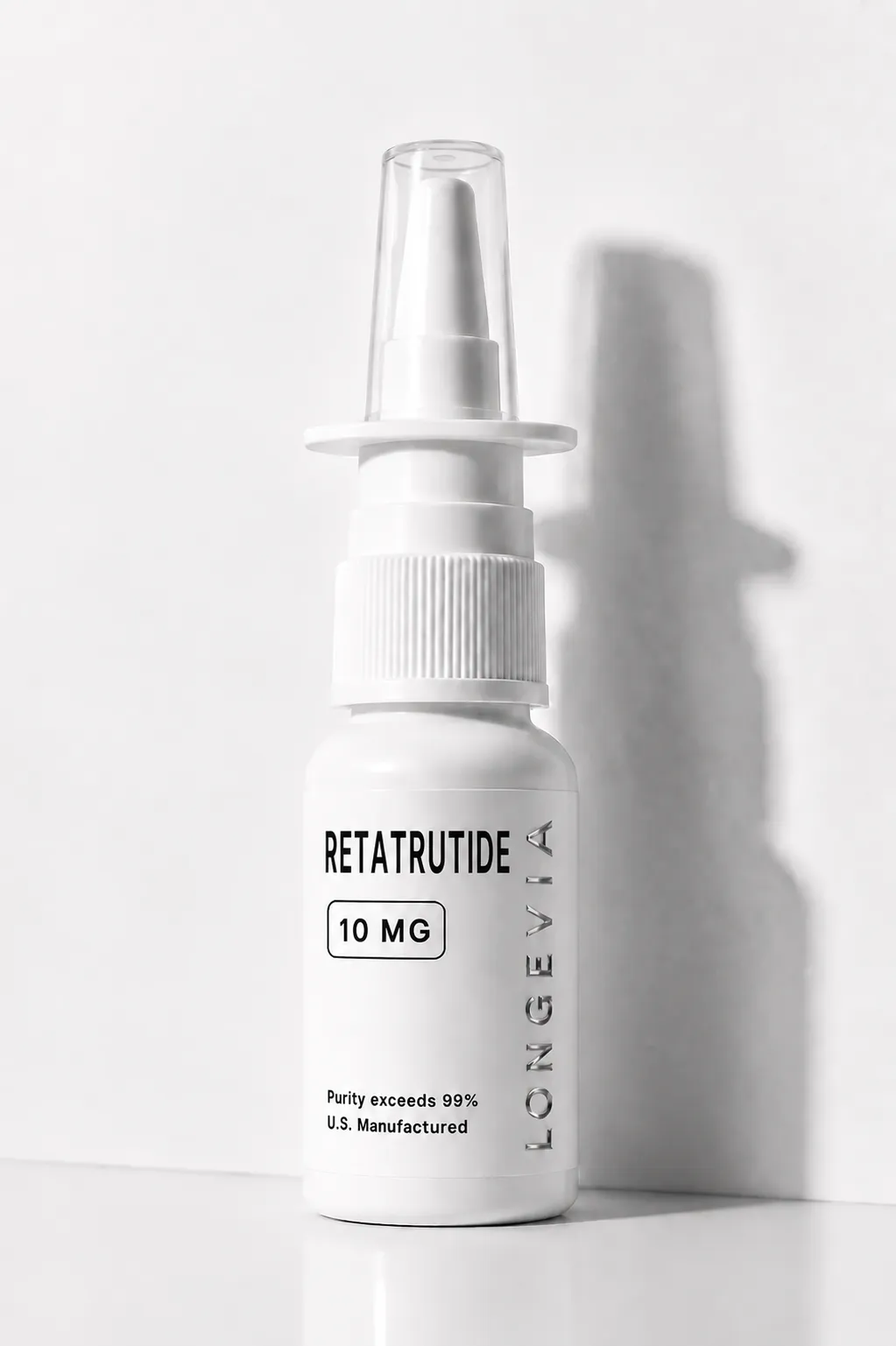
Retatrutide 10mg/20mg/30mg/60mg — 45 Sprays
$166.50
1
Slide to Add
Purity≥99% Tested
TestingLC-MS Verified
LocationUS Based
Retatrutide (Eli Lilly development code LY3437943) is an investigational synthetic peptide-based triple receptor agonist designed to simultaneously engage three metabolic hormone receptor systems: the glucose-dependent insulinotropic polypeptide receptor (GIPR), the glucagon-like peptide-1 receptor (GLP-1R), and the glucagon receptor (GCGR). This combined receptor targeting profile — described in the scientific literature as a "triple agonist" or "triple-G" mechanism — distinguishes retatrutide from single or dual agonist compounds studied in metabolic research. The scientific rationale for the triple-receptor design involves the distinct and complementary roles of each receptor system: GLP-1R and GIPR agonism engage overlapping and distinct incretin-related pathways including insulin secretion and appetite-related CNS signaling; GCGR agonism contributes hepatic metabolic, lipid-regulatory, and energy-expenditure effects not associated with incretin-only approaches. As of September 2026, retatrutide has not received regulatory approval from the FDA, EMA, or any other regulatory body; it remains under active clinical development, with Eli Lilly announcing in July 2026 its intention to file a Biologics License Application with the FDA in Q1 2027. Clinical research findings reported for retatrutide describe outcomes in specific studied trial populations using pharmaceutical subcutaneous injection formulations under controlled conditions — they do not constitute evidence that this or any research-grade preparation produces equivalent effects. Longevia Research supplies Retatrutide in four stated quantity options — 10mg, 20mg, 30mg, and 60mg — each in a liquid spray format containing 45 sprays per bottle, for qualified laboratory and scientific research purposes only.
Standard Delivery3-4 Working Days
Free ShippingOn all orders above $300
Product Details
Scientific identity: Retatrutide (LY3437943); investigational synthetic peptide-based triple receptor agonist; developer Eli Lilly and Company.
Note on molecular specifications: Specific molecular formula, molecular weight, and CAS number for retatrutide are not independently verified in publicly available registry databases at the level of precision required for definitive inclusion here; researchers requiring these specifications should consult Eli Lilly's published pharmaceutical documentation or the peer-reviewed literature, including Jastreboff et al. (NEJM, 2023).
Compound class: Investigational synthetic peptide-based triple GPCR agonist; Research Use Only — not a drug, dietary supplement, food, or cosmetic.
Structural design
Retatrutide incorporates sequence elements derived from and modified relative to endogenous metabolic hormone sequences (GLP-1: 30–31 AA; GIP: 42 AA; glucagon: 29 AA), specific amino-acid substitutions conferring metabolic stability and receptor selectivity, and a fatty acid moiety conjugated via a linker enabling non-covalent albumin binding and extended plasma half-life supporting weekly subcutaneous dosing in clinical trial formulations; it is structurally distinct from simpler cyclic melanocortin heptapeptide analogues and from the shorter endogenous peptide hormones whose receptor biology it engages.
Receptor targets
GIPR (glucose-dependent insulinotropic polypeptide receptor) — Gαs-coupled GPCR expressed on pancreatic β-cells, adipocytes, CNS neurons, and other tissues; mediates glucose-dependent potentiation of insulin secretion and is studied in adipose tissue energy handling and hypothalamic appetite research; GLP-1R (glucagon-like peptide-1 receptor) — Gαs-coupled GPCR expressed on pancreatic β-cells, gastrointestinal smooth muscle, hepatocytes, cardiac tissue, and CNS neurons; stimulates glucose-dependent insulin secretion, inhibits glucagon under hyperglycemia, delays gastric emptying, and engages central appetite-related signaling; GCGR (glucagon receptor) — Gαs-coupled GPCR expressed predominantly in liver, stimulating glycogenolysis and gluconeogenesis, and studied in relation to hepatic lipid metabolism, fatty-acid oxidation, and energy expenditure; GCGR agonism also stimulates hepatic glucose production — a key pharmacological consideration in the balance of triple-receptor activity.
Regulatory status: Investigational — not FDA-approved; BLA submission planned Q1 2027 (announced July 2026); pre-approval expanded access available through Eli Lilly's program.
Clinical trial programme: TRIUMPH (obesity/cardiovascular outcomes); TRANSCEND (type 2 diabetes); Phase 2 dose-finding study (Jastreboff et al., NEJM, 2023).
Product content: Available in four variants — 10mg, 20mg, 30mg, and 60mg per bottle; 45 sprays per bottle for all variants.
Physical form: Liquid research spray.
Purity: Research-grade.
Analytical documentation
A batch-specific Certificate of Analysis is available on the Longevia Research website, covering compound identity, purity, and lot traceability; the Longevia spray formulation is distinct from clinical-trial subcutaneous injection formulations and has not been studied in clinical trials.
Research-use classification
Research Use Only; not approved for human or veterinary use; not intended for administration to humans or animals.
Research Focus & Mechanism Overview
Research background
Retatrutide emerges from the scientific trajectory of incretin-based pharmacology, which progressed through the development of GLP-1R agonist drug classes and the subsequent recognition that GIP receptor agonism could complement GLP-1R agonism in metabolic experimental systems — leading to the first approved dual GIP/GLP-1R agonist, tirzepatide (Mounjaro/Zepbound). Retatrutide extends this dual-receptor strategy by incorporating glucagon receptor agonism, creating a novel triple-receptor pharmacological profile. The scientific hypothesis underlying this design — that GCGR-driven hepatic energy expenditure combined with incretin-pathway signaling would produce additive effects on metabolic endpoints — has been evaluated in preclinical studies and human clinical trials; whether the combined receptor activity produces effects beyond those of dual or single agonists is an empirical question whose answer depends on the studied system, population, dose-response relationship, and other experimental variables.
Receptor pharmacology
Preclinical pharmacology studies characterized retatrutide's receptor binding and functional agonist activity at GIPR, GLP-1R, and GCGR using in-vitro receptor assay systems, with cell-based functional assays examining cAMP accumulation and downstream second-messenger responses in receptor-expressing cell systems. In pancreatic β-cell models, GIPR and GLP-1R activation potentiate glucose-stimulated insulin secretion in a glucose-dependent manner — the mechanistic basis of the incretin effect. GCGR activation stimulates hepatic glycogenolysis and gluconeogenesis via cAMP/PKA signaling; in the context of triple-receptor agonism, the balance of GCGR-driven hepatic glucose production against GIPR/GLP-1R-driven insulin secretion is a key pharmacological consideration in research design and data interpretation. Central GIPR and GLP-1R expression in hypothalamic and brainstem regions has attracted research interest in relation to appetite-related signaling; research on GLP-1R agonists as an established drug class does not automatically establish the properties of retatrutide, whose overall pharmacological effects depend on the combined triple-receptor engagement profile.
Human clinical research programme
Key clinical research includes a Phase 2 randomized controlled trial (Jastreboff et al., NEJM, 2023) in adults with obesity or overweight without type 2 diabetes, evaluating retatrutide at multiple doses via weekly subcutaneous injection over 24 weeks — reporting dose-dependent reductions in body weight in the studied conditions, with the highest-dose group showing the largest weight-related changes versus placebo. The Phase 3 TRIUMPH program has evaluated retatrutide in adults with obesity and cardiovascular disease and in broader obesity/overweight populations; TRIUMPH-3 topline results were reported in July 2026 in adults with severe obesity and established cardiovascular disease, reporting improvements in body weight and cardiovascular risk factor measures including triglycerides and non-HDL cholesterol in the studied population. The TRANSCEND program has examined glycemic and metabolic endpoints in populations with type 2 diabetes. All clinical findings are specific to the studied populations, the pharmaceutical subcutaneous injection formulations, the dose-escalation protocols used, and the measured endpoints — they characterize the investigational pharmaceutical compound in controlled clinical trial conditions and do not establish the properties of the Longevia Research spray, which uses a different format and has not been studied in clinical trials.
Regulatory status
Retatrutide is not approved by the FDA, EMA, or any regulatory authority as of September 2026. Eli Lilly announced in July 2026 its intention to file a BLA with the FDA in Q1 2027; if the application proceeds, regulatory review typically takes approximately 10–12 months, placing a potential approval timeline in late 2027 or 2028 — though approval timelines and outcomes are inherently uncertain. The Longevia Research Retatrutide spray products are independently supplied research compounds without regulatory approval, clinical validation, or pharmaceutical equivalence to retatrutide in any clinical trial formulation.
Quality & Purity Standards
For a synthetic peptide-based research compound such as retatrutide — which incorporates a complex peptide sequence and fatty acid conjugation — research-grade quality assessment requires methods capable of verifying both the primary peptide sequence and the integrity of the conjugated moiety. Retatrutide's structural complexity, including its designed multi-receptor pharmacology, means that identity confirmation at the molecular level is a prerequisite for interpreting research results obtained using this compound.
Research-grade quality assessment for retatrutide appropriately involves:
Peptide identity and sequence verification: Confirmation of the primary amino-acid sequence using LC-MS/MS tandem mass spectrometry capable of resolving the full sequence and verifying sequence-level modifications including non-standard amino-acid substitutions.
Molecular mass confirmation: High-resolution mass spectrometry (HRMS) to confirm the molecular mass of the intact peptide, including the fatty acid conjugate, and to distinguish retatrutide from structurally related triple-agonist analogues or related peptides.
Fatty acid conjugate verification: Analytical confirmation that the fatty acid side chain is present, correctly attached, and chemically intact — given that hydrolysis of the fatty acid linker would alter the pharmacological profile and half-life in research systems.
Purity assessment: Reversed-phase HPLC or UHPLC to assess chemical purity and quantify related substances, synthesis-related impurities, truncation sequences, or degradation products.
Batch documentation and traceability: Provision of batch-specific analytical records enabling traceability from synthesis through supply.
Longevia Research's quality approach is oriented toward providing researchers with well-characterized compounds supported by appropriate analytical documentation. Researchers should consult current product documentation and available certificates of analysis for batch-specific data.
No specific purity grade, third-party certification, cGMP status, or independent laboratory verification is stated for this listing. Researchers requiring documentation of specific quality parameters should contact Longevia Research directly. The Longevia spray formulation is not equivalent to clinical-trial pharmaceutical formulations of retatrutide.
Compliance Notice
FOR RESEARCH USE ONLY. NOT FOR HUMAN CONSUMPTION. NOT FOR VETERINARY USE.
Retatrutide 10mg/20mg/30mg/60mg — 45 Sprays, as supplied by Longevia Research, are intended exclusively for qualified laboratory and scientific research conducted by trained professionals in appropriate research settings. These products are not drugs, dietary supplements, food, or cosmetics. They have not been evaluated or approved by the U.S. Food and Drug Administration, the European Medicines Agency, or any other regulatory authority for use as therapeutic, prophylactic, or diagnostic agents in humans or animals.
These products are not intended to diagnose, treat, cure, or prevent any disease, condition, or health-related outcome.
Investigational status of retatrutide: As of September 2026, retatrutide remains an investigational compound with no regulatory approval from any agency. Eli Lilly has announced plans to submit a Biologics License Application to the FDA in Q1 2027; approval, if granted, would apply to the specific pharmaceutical product, formulation, and indications reviewed — not to this or any other research-grade preparation. The Longevia Research products are not pharmaceutical retatrutide and carry no approval or clinical validation.
Evidence scope: Clinical trial findings concerning retatrutide characterize the studied pharmaceutical formulations in defined patient populations under controlled trial conditions. Those findings do not establish the safety, efficacy, bioavailability, or pharmacokinetics of the Longevia Research spray products, which use a different format, have an unstated formulation, and have not been evaluated in clinical trials. Animal model findings do not establish human outcomes. Research findings of any kind should not be interpreted as personal-use recommendations or as evidence for therapeutic self-administration.
Formulation and route distinction: Clinical trials studying retatrutide have used subcutaneous injection formulations. Pharmacokinetic data, bioavailability data, and clinical outcomes from those trials are specific to the injection formulation and cannot be assumed to apply to a spray product.
Purchasers are solely responsible for ensuring that acquisition, possession, storage, handling, use, and disposal of these products comply with all applicable local, state, national, and international laws and regulations governing research compounds. Longevia Research makes no warranties regarding the suitability of these products for any specific research application. These products should be handled by qualified personnel following appropriate laboratory safety protocols.
By purchasing these products, the purchaser confirms that they are a qualified researcher or research professional acquiring this compound for legitimate scientific research purposes only.
Continue Exploring
Also Considered.
Sale
Tirzepatide - 10 Kits Bundle
High-purity research peptide for laboratory use.
$699.99$799.99
Slide to add
Sale
Tirzepatide - 5 Kits Bundle
High-purity research peptide for laboratory use.
$399.99$449.99
Slide to add
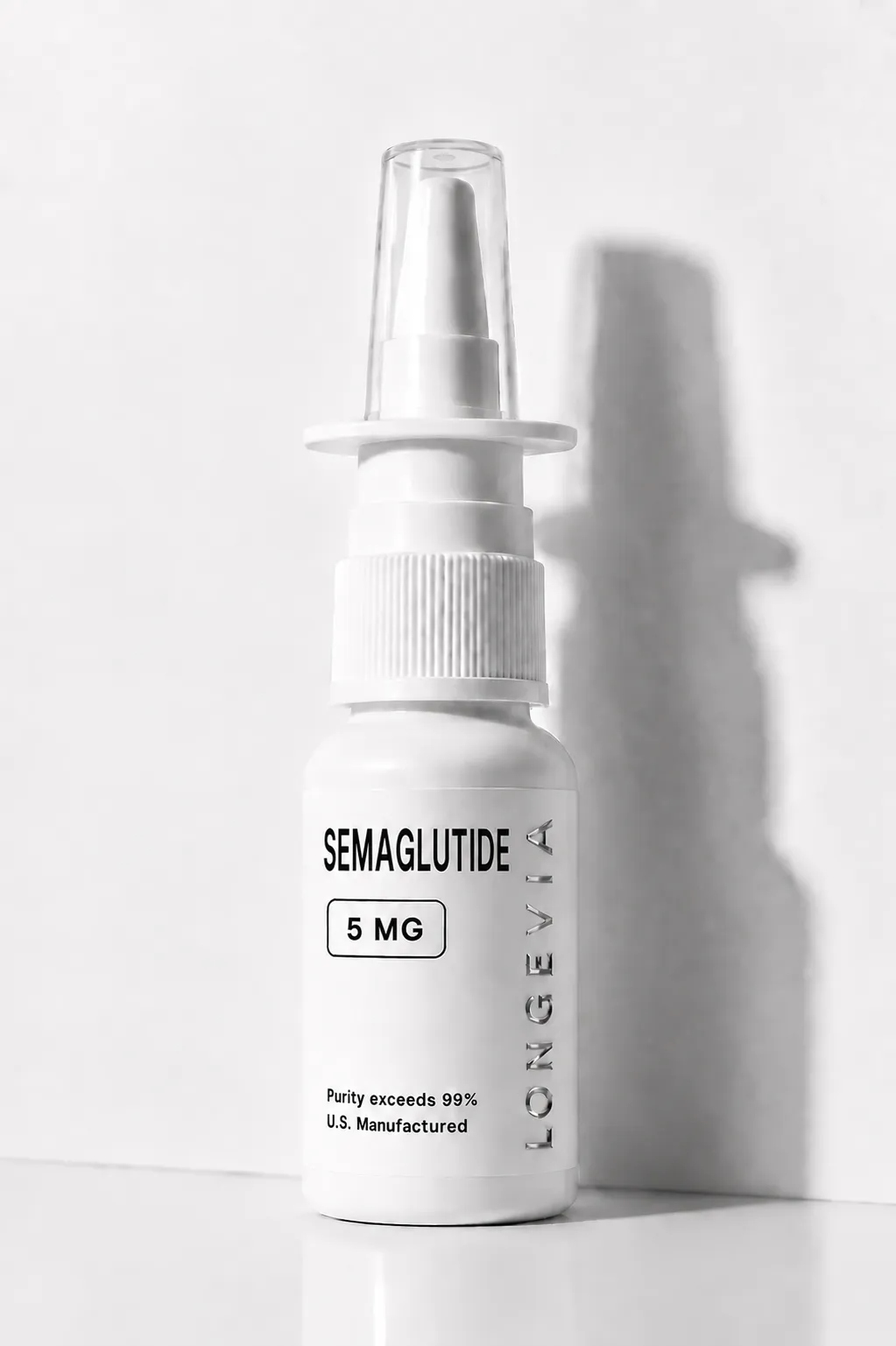
Semaglutide — Sprays
Longevia Research supplies Semaglutide in 5mg, 10mg, 20mg, and 30mg quantities, 45-spray format, for qualified laboratory research. Semaglutide is a synthetic modified GLP-1 analog and GLP-1 receptor agonist investigated in metabolic, endocrine, and incretin signaling research. Research Use Only.
$135.00
Slide to add
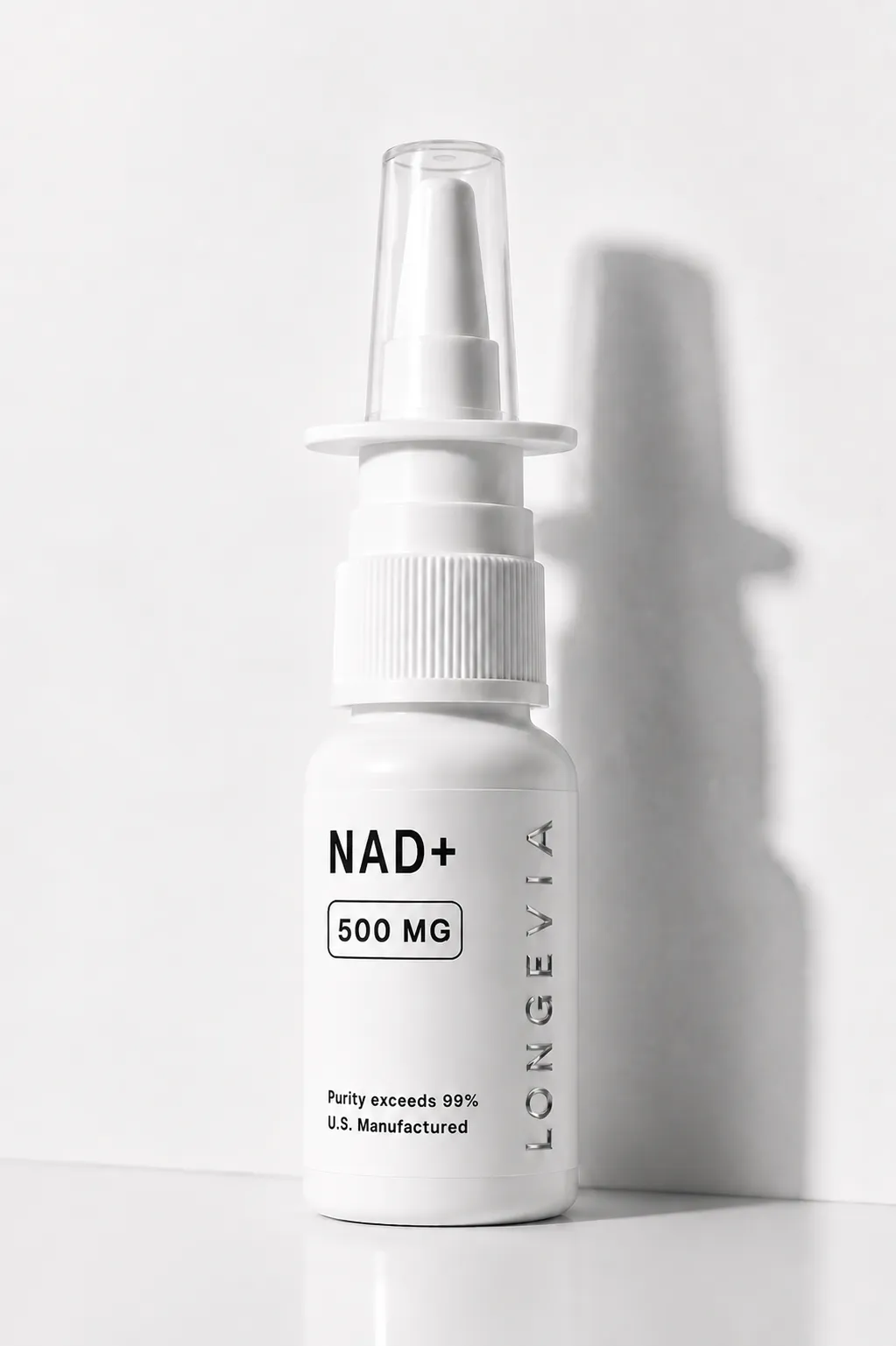
NAD+ 500mg and 1000mg Sprays
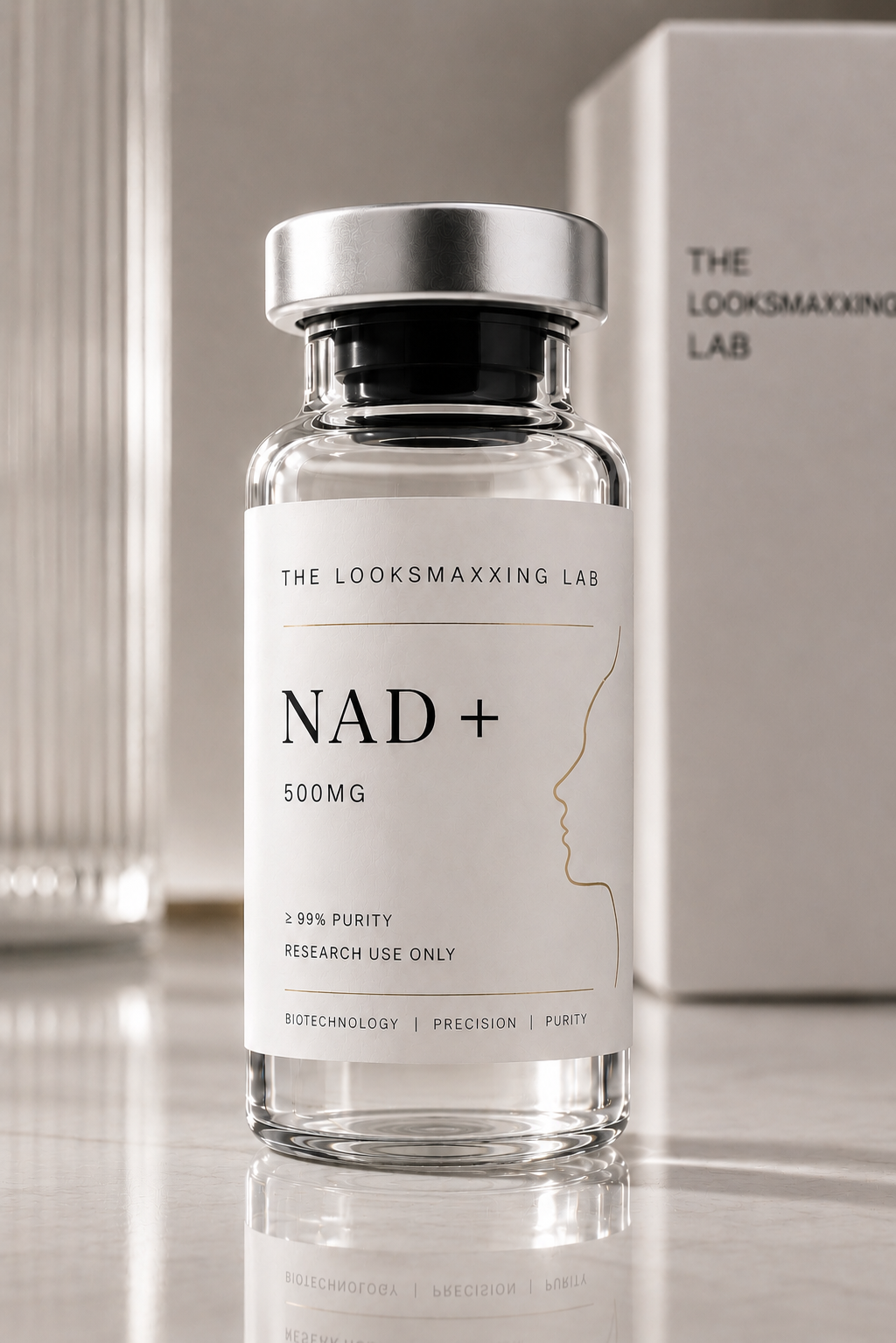
Longevia Research supplies NAD+ (nicotinamide adenine dinucleotide) in 500mg and 1000mg quantities, 45-spray format, for qualified laboratory research. NAD+ is a redox-active dinucleotide coenzyme central to cellular metabolism, mitochondrial biology, sirtuin and PARP research. Research Use Only.
$162.00
Slide to add
Product FAQs
Find answers to common questions regarding storage, reconstitution, and testing guidelines for this specific compound.