Growth Hormone Secretagogues
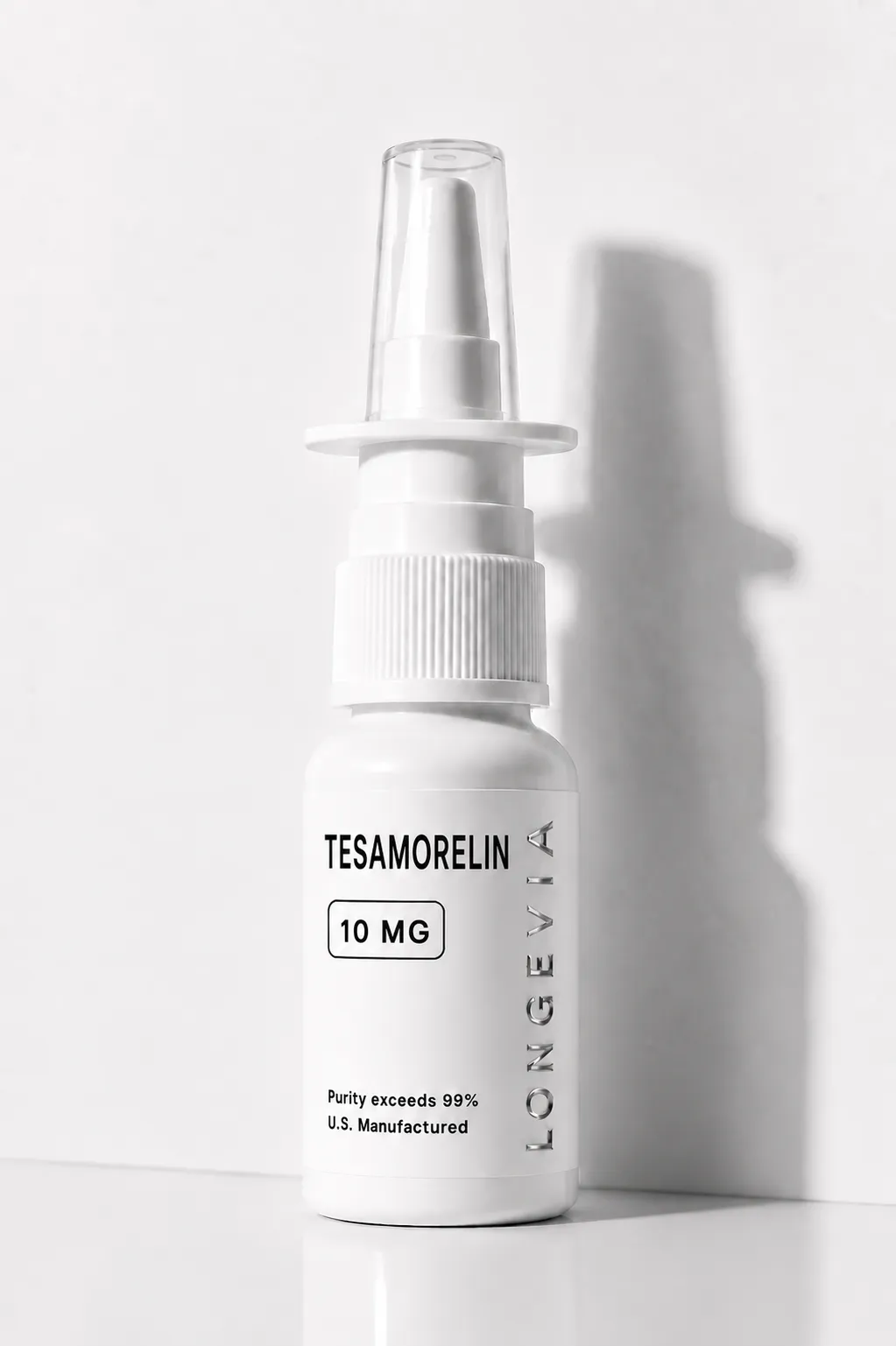
Tesamorelin Spray
$270.00
1
Slide to Add
Purity≥99% Tested
TestingLC-MS Verified
LocationUS Based
Tesamorelin is a synthetic 44-amino-acid research compound corresponding to the full-length sequence of human growth hormone-releasing hormone (GHRH), distinguished from endogenous GHRH by a single N-terminal structural modification: the addition of a trans-3-hexenoic acid moiety to the N-terminal tyrosine residue (position 1). This modification was designed to confer resistance to dipeptidyl peptidase IV (DPP-IV) — the enzyme primarily responsible for rapid proteolytic inactivation of native GHRH at the Tyr¹–Ala² bond — thereby extending metabolic stability in biological systems relative to the unmodified parent peptide. Tesamorelin retains full receptor fidelity as a GHRH receptor (GHRHR) agonist, engaging the Class B Gαs-coupled GPCR expressed on anterior pituitary somatotroph cells and activating the canonical adenylate cyclase/cAMP/PKA signaling cascade that drives GH secretory granule exocytosis. This distinguishes tesamorelin structurally and pharmacokinetically from truncated GHRH analogs such as sermorelin — which comprises only the N-terminal 29 residues — and from modified analogs such as CJC-1295, which is based on a 30-residue sequence with amino acid substitutions rather than a full-length stabilizing modification. Tesamorelin has a substantial pharmaceutical development history. Developed by Theratechnologies Inc. under the designation TH9507, the compound received FDA approval in November 2010 as Egrifta® (tesamorelin acetate for subcutaneous injection) for the reduction of excess abdominal fat in adults with HIV-associated lipodystrophy — the first GHRH analog to receive FDA approval for any therapeutic indication. This approval applies to the specific pharmaceutical formulation, dose, and patient population established in clinical trials and does not extend to the Longevia Research tesamorelin spray, which is a separately supplied research compound without pharmaceutical approval, clinical validation, or bioequivalence to Egrifta®. Longevia Research supplies Tesamorelin in two stated quantity variants — 10mg and 20mg — each in a liquid spray format containing 45 sprays per bottle, for qualified laboratory and scientific research purposes only.
Standard Delivery3-4 Working Days
Free ShippingOn all orders above $300
Product Details
Scientific identity: Tesamorelin (CAS 218949-48-5, free base; CAS 901758-09-6, acetate salt); USAN: tesamorelin; development designation TH9507; molecular formula C₂₂₁H₃₆₆N₇₂O₆₇S (free base); molecular weight 5,135.9 g/mol (free base, confirmed in FDA Chemistry Review for Egrifta); PubChem CID 16137828; UNII MQG94M5EEO (free base); 44-residue synthetic peptide with N-terminal trans-3-hexenoyl modification and C-terminal primary amide (Leu44-NH₂).
Compound class: Synthetic GHRH analogue; GHRHR agonist; Class B GPCR ligand; Research Use Only — not a drug, dietary supplement, food, or cosmetic.
Full sequence
trans-3-hexenoyl-Tyr-Ala-Asp-Ala-Ile-Phe-Thr-Asn-Ser-Tyr-Arg-Lys-Val-Leu-Gly-Gln-Leu-Ser-Ala-Arg-Lys-Leu-Leu-Gln-Asp-Ile-Met-Ser-Arg-Gln-Gln-Gly-Glu-Ser-Asn-Gln-Glu-Arg-Gly-Ala-Arg-Ala-Arg-Leu-NH₂; the N-terminal trans-3-hexenoyl moiety replaces the free N-terminal amine of Tyr¹ and provides steric shielding of the DPP-IV recognition and cleavage site; C-terminal amide (Leu44-NH₂) is shared with the predominant biologically active form of endogenous hGHRH.
N-terminal modification
trans-3-Hexenoic acid (C6 unsaturated fatty acid) conjugated to the N-terminal Tyr¹ residue; this modification adds approximately 96 Da relative to unmodified GHRH(1–44)-NH₂ and is the defining structural feature of tesamorelin; its presence is analytically critical for compound identification and cannot be inferred from product labeling alone — mass spectrometric confirmation is required.
Salt form note: CAS 218949-48-5 refers to the free-base peptide (MW 5,135.9 Da); CAS 901758-09-6 refers to the acetate salt form (approximately 7.4 acetate counter-ions per molecule, MW ~5,579 Da for the salt); these designations describe the same peptide in different salt forms, not two different compounds; the specific form of this Longevia Research preparation should be confirmed from product documentation.
Primary molecular target: GHRHR (growth hormone-releasing hormone receptor) — a Class B1 (secretin family) Gαs-coupled GPCR expressed predominantly on anterior pituitary somatotroph cells and also present in peripheral tissues.
Distinction from related compounds
Tesamorelin (full 44-residue sequence, hexenoyl N-terminal modification, DPP-IV resistant): distinct from Sermorelin (GHRH 1–29, no stabilizing modification, shorter half-life), CJC-1295 (GHRH 1–30 with amino acid substitutions, available with or without albumin-binding DAC), and GHRP-2, GHRP-6, and Ipamorelin (ghrelin receptor/GHS-R1a agonists — mechanistically distinct from GHRHR agonists and not interchangeable); findings from any one of these compound classes do not establish properties of the others even when GH secretion is a shared downstream experimental endpoint.
Met²⁷ note: The methionine residue at position 27 represents a potential oxidation site; methionine oxidation state is a relevant quality parameter for research-grade preparations, as oxidation at Met²⁷ produces a +16 Da mass shift detectable by mass spectrometry and may influence experimental receptor-binding studies.
Pharmaceutical distinction: Egrifta® (tesamorelin acetate for subcutaneous injection, 2mg/0.4mL) — FDA-approved November 2010 for reduction of excess abdominal fat in HIV-infected adults with lipodystrophy; this approval applies solely to the pharmaceutical formulation, dose, and population studied in clinical trials and does not extend to the Longevia Research spray.
Product content: Available in two variants — 10mg per bottle and 20mg per bottle; 45 sprays per bottle for both variants.
Physical form: Liquid research spray.
Purity: Research-grade.
Analytical documentation
A batch-specific Certificate of Analysis is available on the Longevia Research website, covering compound identity, purity, and lot traceability; identity confirmation should include mass spectrometric verification at 5,135.9 g/mol (free base) confirming the complete 44-residue sequence with N-terminal trans-3-hexenoyl modification — the approximately 96 Da mass increment relative to unmodified GHRH(1–44)-NH₂ distinguishes tesamorelin from the parent sequence and is the primary analytical identity marker; LC-MS/MS tandem fragmentation confirms the full sequence including the hexenoyl N-terminus and the Met²⁷ residue; methionine oxidation state at Met²⁷ and chromatographic purity relative to deletion sequences, truncated fragments, and synthesis-related impurities are relevant quality parameters for a 44-residue peptide of this complexity.
Research-use classification
Research Use Only; not approved for human or veterinary use; not intended for administration to humans or animals.
Research Focus & Mechanism Overview
Research background
The scientific foundation for tesamorelin's development traces to the characterization of hypothalamic GHRH in the early 1980s — when two independent groups identified and sequenced GHRH from human pancreatic tumors associated with acromegaly, establishing that a 44-amino-acid amidated peptide (hGHRH(1–44)-NH₂) and a 40-residue C-terminally truncated form (hGHRH(1–40)-OH) were the biologically active hypothalamic factors driving pulsatile GH secretion from pituitary somatotrophs. Structure-activity research established that the N-terminal 29 residues represent the minimal bioactive sequence — the basis for sermorelin — while the full-length C-terminal region contributes pharmacokinetic and binding properties without being required for receptor activation. The principal barrier to practical use of native GHRH as a sustained research or therapeutic tool was its rapid DPP-IV-mediated inactivation in biological matrices. Theratechnologies Inc. addressed this by anchoring a trans-3-hexenoic acid moiety to the N-terminal Tyr¹ residue — sterically shielding the DPP-IV cleavage site while preserving the full 44-residue GHRH receptor-interacting sequence intact — producing tesamorelin (TH9507) as a metabolically stabilized full-length GHRH analogue.
GHRHR signaling
GHRHR is a Class B1 (secretin family) GPCR characterized by a large extracellular domain serving as the primary contact surface for GHRH ligand N-terminal recognition, and is expressed predominantly on anterior pituitary somatotroph cells — which constitute approximately 40–50% of the anterior pituitary cell population. The canonical signaling cascade proceeds through Gαs coupling and adenylate cyclase stimulation, elevating intracellular cAMP and activating PKA — which phosphorylates CREB transcription factor and components of the exocytotic machinery governing GH secretory granule release. A secondary arm involving phospholipase C (PLC), inositol triphosphate (IP₃), and intracellular calcium mobilization synergistically amplifies the GH secretory response. The net GH secretory output also reflects opposing somatostatin (SRIF) tone — released from hypothalamic neurons in a coordinated but phase-shifted pattern relative to GHRH, acting through SST1–SST5 receptors on somatotrophs to suppress GH release; GHRHR agonism does not override somatostatin inhibition, and GH secretory responses in experimental systems depend on the prevailing balance between stimulatory and inhibitory hypothalamic inputs.
Key research areas
GHRHR pharmacology research has used tesamorelin as a full-length stabilized GHRH analogue in receptor-binding assays, radioligand displacement studies, and cAMP functional assays in GHRHR-expressing cell systems — with the hexenoyl modification permitting extended incubation periods in biological matrices without the rapid degradation limiting utility of native GHRH. Pituitary somatotroph biology research has examined GH secretory responses, somatotroph calcium dynamics, and GHRHR internalization in primary rat pituitary cultures and human pituitary-derived cell models. Structure-activity relationship research has positioned tesamorelin alongside sermorelin, CJC-1295, and native GHRH to compare how sequence length, N-terminal modification strategy, and C-terminal features influence GHRHR binding affinity, receptor activation kinetics, DPP-IV resistance, and downstream GH secretory responses — directly relevant to selecting appropriate research tools for specific experimental designs. The GH/IGF-1 axis — through which GHRHR agonism drives hepatic IGF-1 production, with IGF-1 providing negative feedback to both hypothalamus and pituitary — has been investigated in preclinical in-vivo models measuring pulsatile GH patterns and IGF-1 responses as downstream experimental endpoints. Metabolic biology research has examined GH's role in adipose tissue lipolysis, substrate partitioning, and visceral adipose biology in animal models of GH axis dysregulation.
Human clinical research and regulatory status
The human clinical research programme for tesamorelin includes pharmacokinetic characterization studies — establishing that the pharmaceutical subcutaneous injection formulation has a bioavailability of approximately 4% and an elimination half-life of 26–38 minutes under clinical trial conditions, with primary clearance through proteolysis and renal excretion — Phase 2 dose-finding studies, and Phase 3 randomized controlled trials (the GHIT and IGSSM programs) in HIV-infected adults with documented lipodystrophy measuring CT-quantified visceral adipose tissue (VAT) change as the primary endpoint. Falutz and colleagues (JAMA, 2010) reported statistically significant reductions in VAT in tesamorelin-treated patients versus placebo in this defined population — the primary evidence base for FDA approval of Egrifta® in November 2010 for the reduction of excess abdominal fat in HIV-infected adults with lipodystrophy. Exploratory clinical research has examined tesamorelin in additional populations including HIV-infected older adults (cognitive outcomes, Phase 2, NCT02572323) and type 2 diabetes (NCT01264497). All clinical findings are specific to the studied pharmaceutical formulation (tesamorelin acetate for subcutaneous injection), the enrolled patient populations, the administered doses, and the controlled clinical trial conditions; the pharmacokinetic parameters established for the injectable formulation — including the approximately 4% subcutaneous bioavailability — do not apply to the Longevia Research spray, which uses a different format and route for which no pharmacokinetic or bioavailability data are stated. No clinical trial finding from the pharmaceutical tesamorelin programme establishes the safety, efficacy, bioavailability, or biological properties of the Longevia Research spray.
Quality & Purity Standards
For a large synthetic peptide such as Tesamorelin (44 amino acids, MW 5135.9 Da), research-grade analytical characterization requires methods appropriate for the compound's size and structural complexity — including the verification of the defining N-terminal trans-3-hexenoyl modification that structurally and functionally distinguishes Tesamorelin from both native GHRH and from related analogs such as sermorelin and CJC-1295. The hexenoyl modification adds a defined mass increment to the peptide backbone; its presence must be confirmed analytically rather than assumed from the product name, and its absence would indicate a different compound. The Met residue at position 27 in the tesamorelin sequence introduces a potential oxidation site that is relevant to both stability assessment and mass spectrometric characterization.
Research-grade quality assessment for Tesamorelin appropriately involves:
Molecular mass confirmation: High-resolution mass spectrometry (HRMS or LC-MS/MS) confirming the molecular weight of 5135.9 g/mol (free base, C₂₂₁H₃₆₆N₇₂O₆₇S) and verifying the presence of the trans-3-hexenoyl modification through the mass increment it contributes relative to the unmodified GHRH(1-44) backbone. Mass spectrometric identity confirmation is the primary tool for distinguishing Tesamorelin from related GHRH analog peptides.
Sequence verification: LC-MS/MS tandem fragmentation analysis confirming the 44-residue sequence including the N-terminal hexenoyl modification, C-terminal amide, and the critical internal residues including D-Phe at position 6 (if present in a specific preparation) and Met at position 27. Sequence coverage from LC-MS/MS fragmentation is particularly important for large peptides where synthetic errors could affect pharmacologically relevant regions.
Hexenoyl modification confirmation: Specific analytical confirmation that the trans-3-hexenoyl modification is present at the N-terminus, distinguishing Tesamorelin from unmodified hGHRH(1-44)-NH₂ (which would be approximately 96 Da lighter) and confirming the compound's identity.
Purity assessment: Reversed-phase HPLC (RP-HPLC or UHPLC) quantifying the principal peptide peak relative to related substances, deletion sequences, oxidized variants, and synthesis byproducts. The complexity of 44-amino-acid peptide synthesis means purity assessment is particularly important for confirming that a research preparation meets the standard required for defined pharmacological experiments.
Methionine oxidation monitoring: Assessment of oxidation at the Met²⁷ residue, which can produce a defined +16 Da mass shift observable by mass spectrometry and which may be relevant to receptor-binding experiments depending on the experimental context.
Batch documentation and traceability: Lot-specific certificate of analysis enabling traceability from synthesis through research use, including CAS number (218949-48-5 for the free base), measured molecular weight or mass spectrum data, sequence confirmation (where available), purity value, and lot number.
Longevia Research's quality approach is oriented toward providing researchers with analytically characterized peptides supported by appropriate documentation for research-grade applications. Researchers should consult current product documentation and available certificates of analysis for batch-specific data. No specific purity grade, third-party certification, cGMP status, or independent laboratory verification is stated for this listing; researchers requiring specific quality parameters should contact Longevia Research directly.
Compliance Notice
FOR RESEARCH USE ONLY. NOT FOR HUMAN CONSUMPTION. NOT FOR VETERINARY USE.
Tesamorelin 10mg / 20mg — 45 Sprays, as supplied by Longevia Research, is intended exclusively for qualified laboratory and scientific research conducted by trained professionals in appropriate research settings. This product is not a drug, dietary supplement, food, or cosmetic. It has not been evaluated or approved by the U.S. Food and Drug Administration, the European Medicines Agency, or any other regulatory authority for use as a therapeutic, prophylactic, or diagnostic agent in humans or animals.
This product is not intended to diagnose, treat, cure, or prevent any disease, condition, or health-related outcome.
Distinction from pharmaceutical Tesamorelin (Egrifta): The FDA-approved pharmaceutical product Egrifta (tesamorelin acetate for injection, subcutaneous) was approved in November 2010 for the reduction of excess abdominal fat in HIV-infected adults with lipodystrophy. This approval applies specifically to the pharmaceutical formulation studied in clinical trials — a lyophilized tesamorelin acetate powder reconstituted for subcutaneous injection at a defined dose, in a defined patient population, for a precisely specified indication. This approval does not extend to the Longevia Research Tesamorelin spray, which is a separately supplied research compound in a different format with an unstated formulation and no regulatory approval of any kind. The Longevia Research product is not Egrifta and is not equivalent to any approved tesamorelin pharmaceutical product.
Formulation and route distinction: The pharmacokinetic data established for pharmaceutical tesamorelin — including bioavailability (≤4% subcutaneous), elimination half-life (26–38 minutes), and metabolic profile — were generated for the specific subcutaneous injection formulation under clinical trial conditions. These parameters cannot be assumed to apply to the Longevia Research spray, for which no pharmacokinetic or bioavailability data are stated. The route, formulation, excipients, concentration, stability, and biological availability of this spray are distinct from the pharmaceutical product studied in clinical trials.
Evidence scope: Research involving tesamorelin in preclinical models, biochemical assays, or human clinical trials does not establish the safety, efficacy, bioavailability, pharmacokinetics, or clinical significance of this specific Longevia Research spray. Clinical evidence from the HIV-associated lipodystrophy trials applies to the approved pharmaceutical formulation in the studied population and does not establish effects for this spray in any population. Animal research does not establish human outcomes.
Purchasers are solely responsible for ensuring that acquisition, possession, storage, handling, use, and disposal of this product comply with all applicable local, state, national, and international laws and regulations governing research compounds. By purchasing this product, the purchaser confirms that they are a qualified researcher or research professional acquiring this compound for legitimate scientific research purposes only.
Continue Exploring
Also Considered.
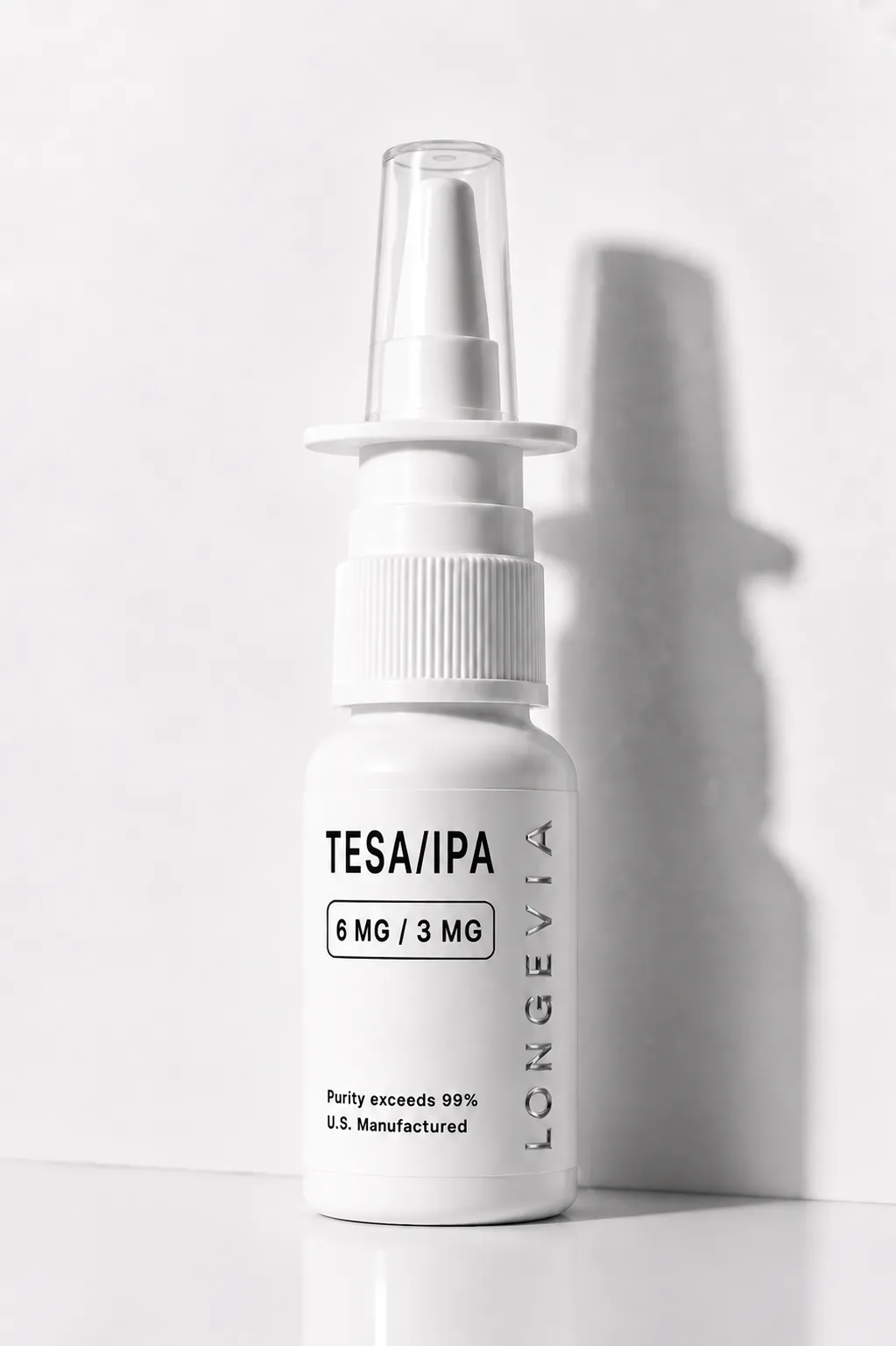
Tesa/IPA — Spray
Longevia Research supplies Tesa/IPA — a two-peptide research formulation containing Tesamorelin (CAS 218949-48-5), a synthetic GHRH analog, and Ipamorelin (CAS 170851-70-4), a growth hormone secretagogue associated with GHS-R/ghrelin receptor signaling. Available in 6mg/3mg and 13mg/3mg compositions, 45 sprays. Research Use Only.
$225.00
Slide to add
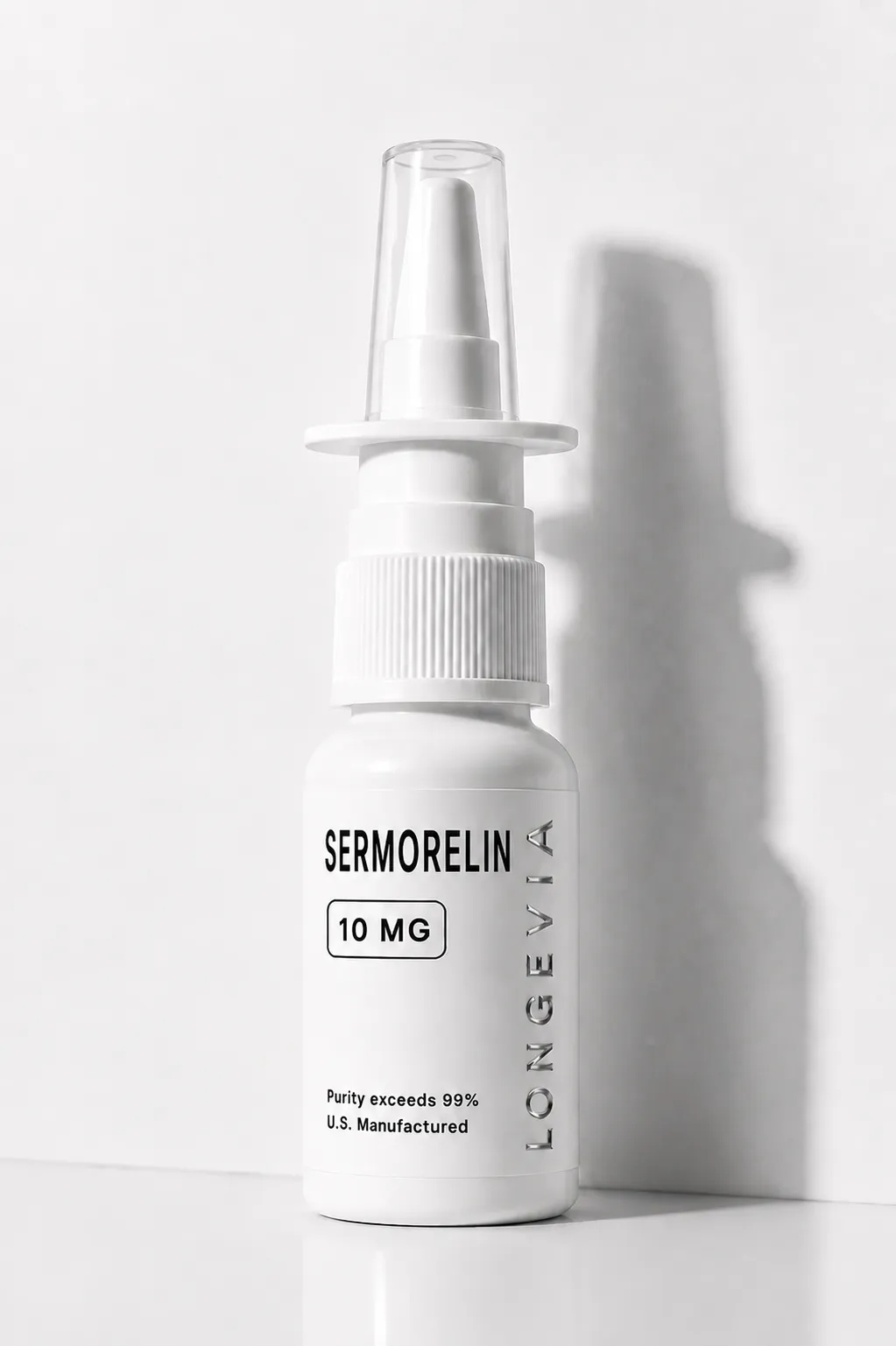
Sermorelin — Spray
Longevia Research supplies Sermorelin in 10mg and 20mg quantities, 45-spray format, for qualified laboratory research. Sermorelin is a synthetic GHRH(1–29) peptide investigated in GHRH receptor signaling, pituitary somatotroph biology, and somatotropic axis research. Research Use Only.
$189.00
Slide to add
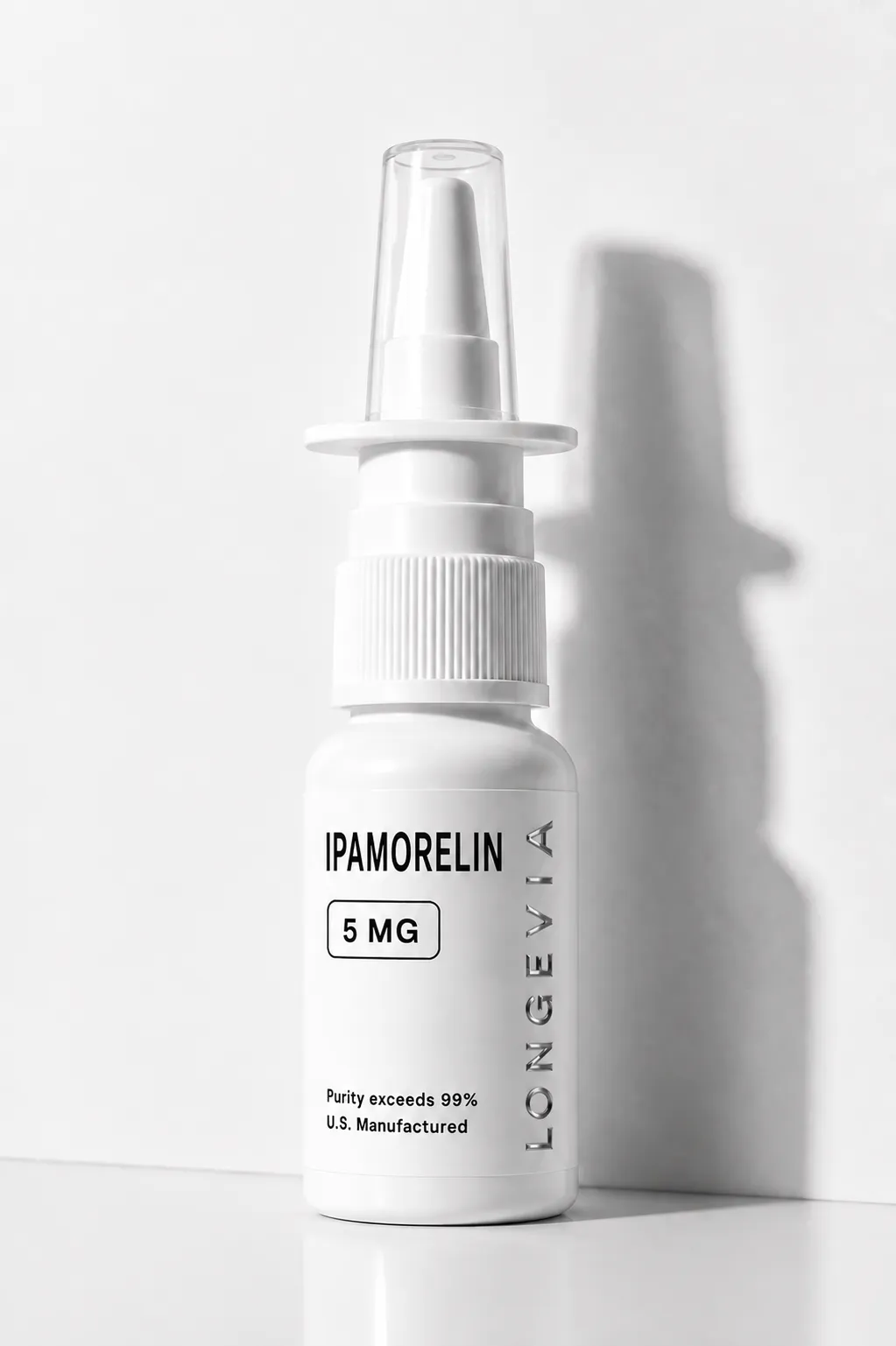
Ipamorelin — Spray
Ipamorelin is a synthetic pentapeptide and selective growth hormone secretagogue investigated in experimental research examining GHSR/ghrelin receptor biology, pituitary somatotroph signaling, and endocrine pharmacology. Available from Longevia Research in 5mg and 10mg — 45 sprays — for qualified laboratory research use only.
$135.00
Slide to add
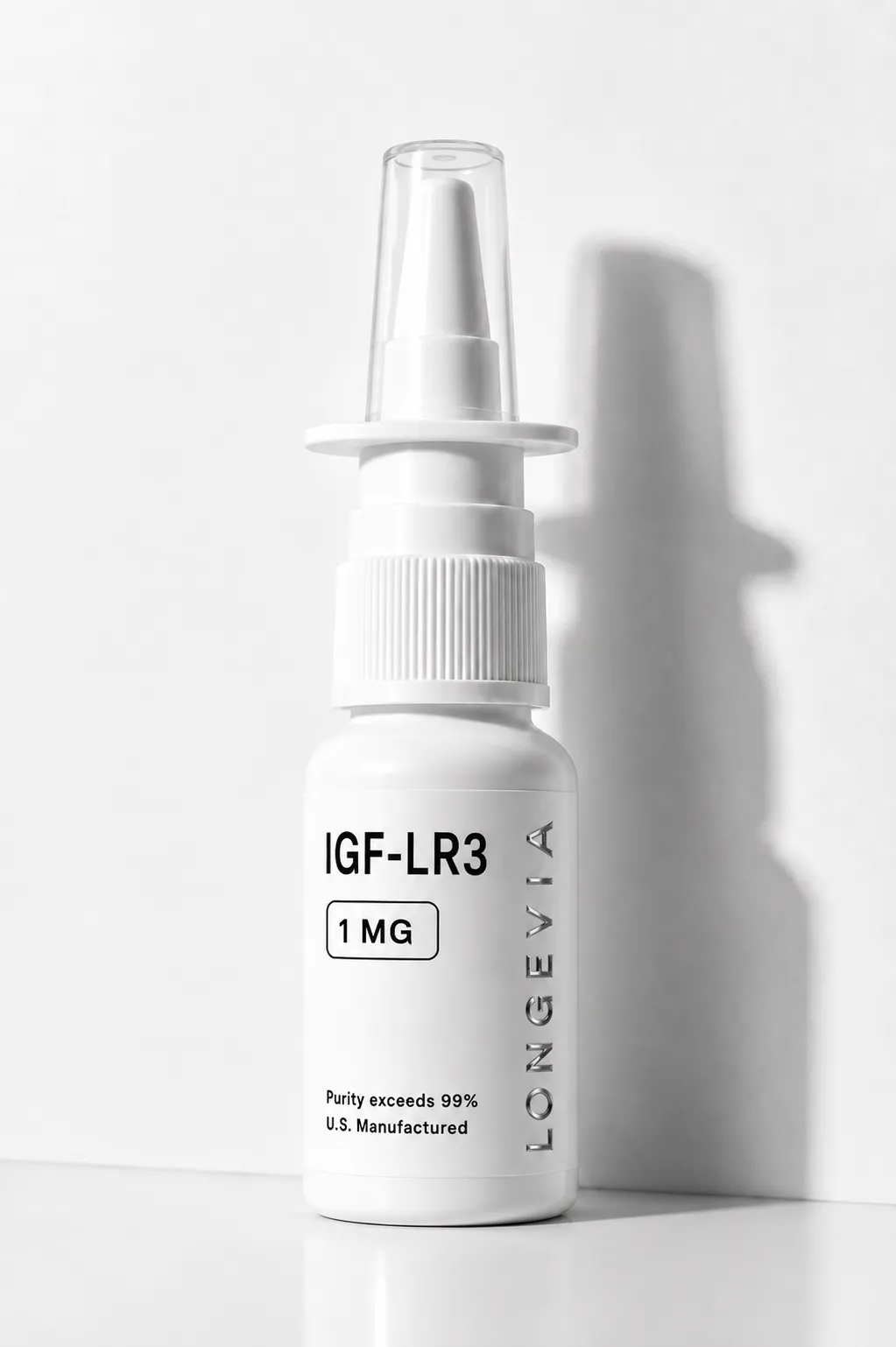
IGF-LR3 — Spray
IGF-LR3 (Long R3 IGF-1) is a modified synthetic 83-amino-acid IGF-1 analogue with reduced IGF binding protein affinity, investigated in cell-based research examining IGF1R signaling, PI3K/AKT and MAPK/ERK pathways, and cellular biology. Available from Longevia Research as 1mg — 45 sprays — for qualified laboratory research use only.
$198.00
Slide to add
Product FAQs
Find answers to common questions regarding storage, reconstitution, and testing guidelines for this specific compound.