Growth Hormone Secretagogues
IGF-LR3 1mg — 45 Sprays
$198.00
1
Slide to Add
Purity≥99% Tested
TestingLC-MS Verified
LocationUS Based
IGF-LR3 (Long R3 IGF-1) is a modified synthetic 83-amino-acid analogue related to insulin-like growth factor 1 (IGF-1). It is not native human IGF-1, recombinant IGF-1, growth hormone, or insulin — it is an engineered research analogue incorporating two deliberate structural modifications: a 13-amino-acid N-terminal extension and an arginine substitution at position 3 of the native IGF-1 sequence. Together these modifications substantially reduce the compound's affinity for insulin-like growth factor binding proteins (IGFBPs) while preserving engagement with the IGF-1 receptor (IGF1R), making it a widely used cell-biology research tool for studying IGF1R-mediated signaling in experimental systems where serum-derived IGFBPs would otherwise limit native IGF-1 activity. IGF-LR3 has been investigated in cell-based research examining IGF1R signaling, PI3K/AKT and MAPK/ERK pathway activation, and cellular proliferation and differentiation biology. Longevia Research supplies IGF-LR3 as 1mg per bottle in a liquid spray format — 45 sprays per bottle — for qualified laboratory and scientific research purposes only.
Standard Delivery3-4 Working Days
Free ShippingOn all orders above $300
Product Details
Scientific identity
IGF-LR3, also designated Long R3 IGF-1 or LR3-IGF-1, is a modified synthetic analogue of insulin-like growth factor 1. Its CAS number is 946870-92-4, distinguishing it from native human IGF-1 (CAS 67763-96-6). The molecular formula is C₃₇₈H₅₈₉N₁₁₃O₁₀₇S₄ and the molecular weight is approximately 9,111 g/mol (~9.1 kDa).
Compound class
Synthetic modified IGF-1 analogue; engineered growth-factor-related research compound. IGF-LR3 is classified as a Research Use Only material and is not a drug, dietary supplement, food, or cosmetic.
Structural modifications
IGF-LR3 differs from native IGF-1 (70 amino acids) by two specific modifications: a 13-amino-acid N-terminal extension (Met-Phe-Pro-Ala-Met-Pro-Leu-Ser-Ser-Leu-Phe-Val-Asn) preceding the native sequence, and an arginine substitution at position 3 of the native IGF-1 sequence in place of the native glutamic acid residue. The total sequence length is 83 amino acids. These modifications substantially reduce IGFBP binding affinity while preserving IGF1R engagement — the property that defines IGF-LR3's experimental utility in cell culture research.
Primary molecular target
Insulin-like growth factor 1 receptor (IGF1R) — a transmembrane receptor tyrosine kinase.
Product content
1mg per bottle; 45 sprays per bottle.
Physical form
Liquid research spray.
Purity
Research-grade. Researchers are encouraged to review available analytical documentation prior to incorporating this compound into laboratory workflows.
Analytical documentation
A batch-specific Certificate of Analysis is available on the Longevia Research website, covering compound identity, purity, and lot traceability.
Research-use classification.
Research Use Only. Not approved for human or veterinary use. Not intended for administration to humans or animals.
Research Focus & Mechanism Overview
Structural basis and experimental utility
The scientific value of IGF-LR3 as a research tool originates directly from its two structural modifications. In standard serum-containing cell culture media, endogenous IGFBPs bind native IGF-1 with high affinity and substantially reduce the concentration of free, receptor-accessible ligand available at the cell surface. IGF-LR3's dramatically reduced IGFBP affinity — attributable primarily to the Arg-3 substitution — means that a far greater proportion of added compound remains available to engage IGF1R under typical in-vitro conditions. This property supports more consistent and reproducible IGF1R activation in cell-based assays and has established IGF-LR3 as a standard cell biology reagent for studies requiring reliable IGF1R stimulation in serum-containing systems.
Molecular target: IGF1R signaling
IGF-LR3's primary investigated receptor is IGF1R, a heterotetrameric receptor tyrosine kinase consisting of two extracellular ligand-binding alpha subunits and two transmembrane beta subunits bearing the intracellular kinase domain. Ligand engagement induces conformational activation of the intracellular kinase domain, driving autophosphorylation on key tyrosine residues and recruitment of downstream signaling adaptors including IRS-1, IRS-2, and Shc. Two major downstream cascades have been investigated in cell-based research: the PI3K/AKT/mTOR pathway and the MAPK/ERK pathway. At elevated concentrations in experimental systems, IGF-LR3 may also engage the insulin receptor and IGF1R/IR hybrid receptors, a source of cross-reactivity that researchers should account for in experimental design.
Key research areas
Published cell-based research using IGF-LR3 has examined IGF1R receptor binding and activation characterization, PI3K/AKT and MAPK/ERK pathway signaling, cellular proliferation and survival assays across multiple mammalian cell line systems, differentiation biology in myoblast and other progenitor cell models, and IGF1R signaling in cancer cell biology research. The majority of published IGF-LR3 research is in-vitro cell culture work. Some animal model studies using Long R3 IGF-1 preparations have been reported, though specific experimental contexts vary. All findings are preclinical and do not establish human therapeutic efficacy or safety.
Distinction from related compounds
IGF-LR3 is structurally and functionally distinct from native human IGF-1, recombinant IGF-1 (mecasermin), growth hormone, and insulin. The published literature on IGF signaling is substantially larger for native IGF-1 than for IGF-LR3 specifically. Researchers should carefully distinguish whether published findings concern IGF-LR3 or native IGF-1, as the modified structure makes direct extrapolation inappropriate in some experimental contexts. Clinical or pharmacological evidence involving native IGF-1 or pharmaceutical mecasermin does not automatically extend to this compound.
Quality & Purity Standards
Quality in modified synthetic peptide analogue research material begins with the accurate characterization of the specific compound — not simply the parent molecule from which it was derived. For IGF-LR3, this requires analytical approaches that confirm the complete modified sequence, including the 13-amino-acid N-terminal extension and the arginine substitution at position 3, rather than merely confirming peptide content consistent with a native IGF-1 sequence.
Sequence identity and modification confirmation: The foundational analytical requirement for IGF-LR3 research material is confirmation of the correct 83-amino-acid sequence: the 13-residue N-terminal extension (Met-Phe-Pro-Ala-Met-Pro-Leu-Ser-Ser-Leu-Phe-Val-Asn), followed by the modified IGF-1 sequence with Arg at position 3 of the IGF-1 portion. Confirmation of the Glu→Arg substitution at position 3 is particularly important because an unmodified IGF-LR3 (retaining Glu-3 rather than Arg-3) would have substantially different IGFBP-binding properties and would therefore behave differently in experimental systems — the most consequential analytical distinction for researchers using this compound as an IGFBP-insensitive IGF1R agonist.
Mass spectrometric identity confirmation: Mass spectrometry provides the primary analytical tool for confirming the molecular identity of IGF-LR3. The expected molecular weight of approximately 9,111 g/mol (formula C₃₇₈H₅₈₉N₁₁₃O₁₀₇S₄) is substantially larger than native IGF-1 (~7,649 g/mol), making mass spectrometric verification effective at distinguishing the intact modified analogue from the unmodified native sequence or truncated forms. Electrospray ionization approaches generating multiply-charged ions are typically used for proteins and large peptides in this molecular weight range.
Disulfide bond characterization: IGF-LR3 retains the three disulfide bridges present in native IGF-1, which contribute to the three-dimensional structure of the IGF domain. The integrity of these disulfide bonds is relevant to the compound's biological activity in experimental systems, as misfolded or incorrectly disulfide-bridged forms may not engage IGF1R with the same affinity as correctly folded material. Analytical approaches assessing the disulfide bond pattern — such as peptide mapping under non-reducing conditions combined with mass spectrometry — provide relevant quality information for research material of this type.
Chromatographic purity assessment: High-performance liquid chromatography (HPLC) under reversed-phase conditions provides a complementary analytical characterization, separating IGF-LR3 from truncated sequences, misfolded variants, and synthesis-related impurities. For an 83-amino-acid peptide of this complexity, HPLC purity assessment is a standard quality parameter for research-grade material.
Biological activity considerations: For cell biology research, the functional potency of IGF-LR3 — its ability to activate IGF1R and stimulate downstream signaling in cell-based assays — is a research-relevant quality parameter that complements structural identity and purity data. Researchers may wish to verify biological activity using standard assays (such as AKT phosphorylation in IGF1R-expressing cell lines) before incorporating IGF-LR3 into their experimental workflows.
Batch traceability: Linking experimental results to a defined, analytically characterized batch is a prerequisite for reproducible cell biology research. This is particularly important for complex modified peptides like IGF-LR3, where minor sequence or structural differences between batches could influence experimental outcomes.
Longevia Research is committed to supplying research compounds that support rigorous scientific inquiry. Researchers are encouraged to review available analytical documentation for this product prior to incorporating it into laboratory workflows.
Compliance Notice
IGF-LR3 1mg — 45 Sprays is supplied by Longevia Research strictly for research and laboratory use only. This product is not approved by the FDA or any global regulatory authority for human consumption, veterinary use, or therapeutic application. It is not a drug, dietary supplement, food, or cosmetic, and it is not manufactured, labeled, or sold as any of these under any applicable regulatory framework.
IGF-LR3 is a modified synthetic IGF-1 analogue and should not be equated with native human IGF-1, recombinant human IGF-1 (mecasermin), growth hormone, insulin, or other IGF-related compounds. Clinical evidence involving native IGF-1, pharmaceutical mecasermin, growth hormone, or other IGF-related therapeutic products does not automatically establish the safety, efficacy, pharmacokinetics, or appropriate use of IGF-LR3 or this specific Longevia Research preparation. These are distinct compounds with different structures and different regulatory and evidence profiles.
No claims made regarding IGF-LR3 on this website are intended to diagnose, treat, cure, or prevent any disease or medical condition in humans or animals. Research findings summarized on this page arise from in-vitro cell culture studies, biochemical experiments, and preclinical animal model research. These findings do not establish human efficacy or safety for any application — including muscle growth, athletic performance, fat loss, recovery, body composition, regeneration, or anti-aging — and they do not constitute regulatory approval, clinical validation, or authorization for personal or therapeutic use.
This product is sold exclusively to qualified researchers, laboratories, and scientific institutions for in-vitro and non-clinical laboratory research purposes. It is not intended for personal use, self-administration, resale for human consumption, or any application outside of a controlled research environment. Purchasers are responsible for ensuring that the acquisition, possession, handling, storage, use, and disposal of this compound are conducted in full compliance with all applicable local, state, federal, and international laws and institutional policies governing research chemicals.
By purchasing IGF-LR3 1mg — 45 Sprays from Longevia Research, the buyer confirms they are acquiring the product for legitimate scientific research purposes, agrees to handle and store it in accordance with applicable laboratory safety standards, and assumes full responsibility for compliance with all laws and regulations governing the purchase and use of research chemicals in their jurisdiction.
Continue Exploring
Also Considered.
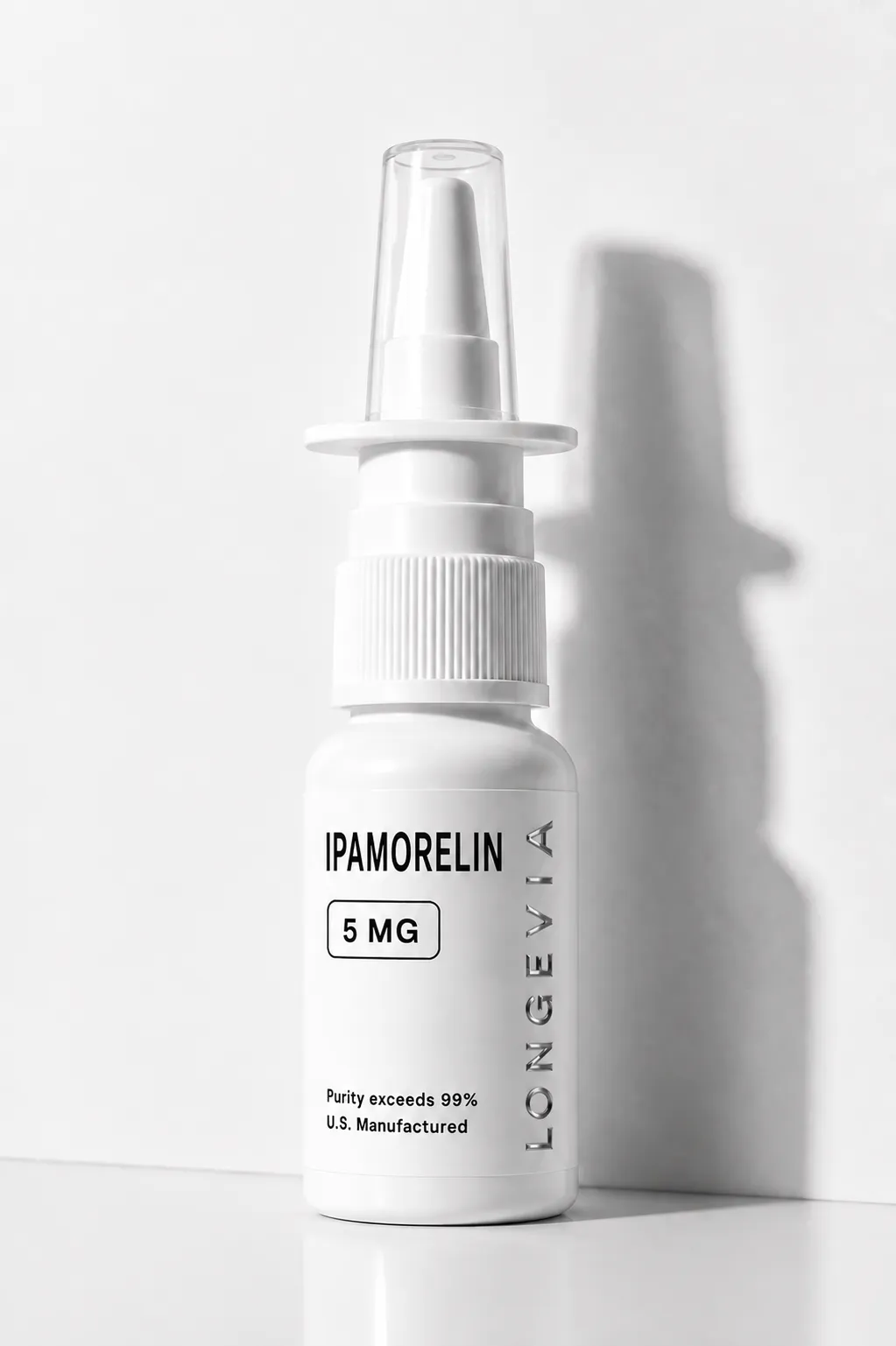
Ipamorelin 5mg / 10mg — 45 Sprays
Ipamorelin is a synthetic pentapeptide and selective growth hormone secretagogue investigated in experimental research examining GHSR/ghrelin receptor biology, pituitary somatotroph signaling, and endocrine pharmacology. Available from Longevia Research in 5mg and 10mg — 45 sprays — for qualified laboratory research use only.
$135.00
Slide to add
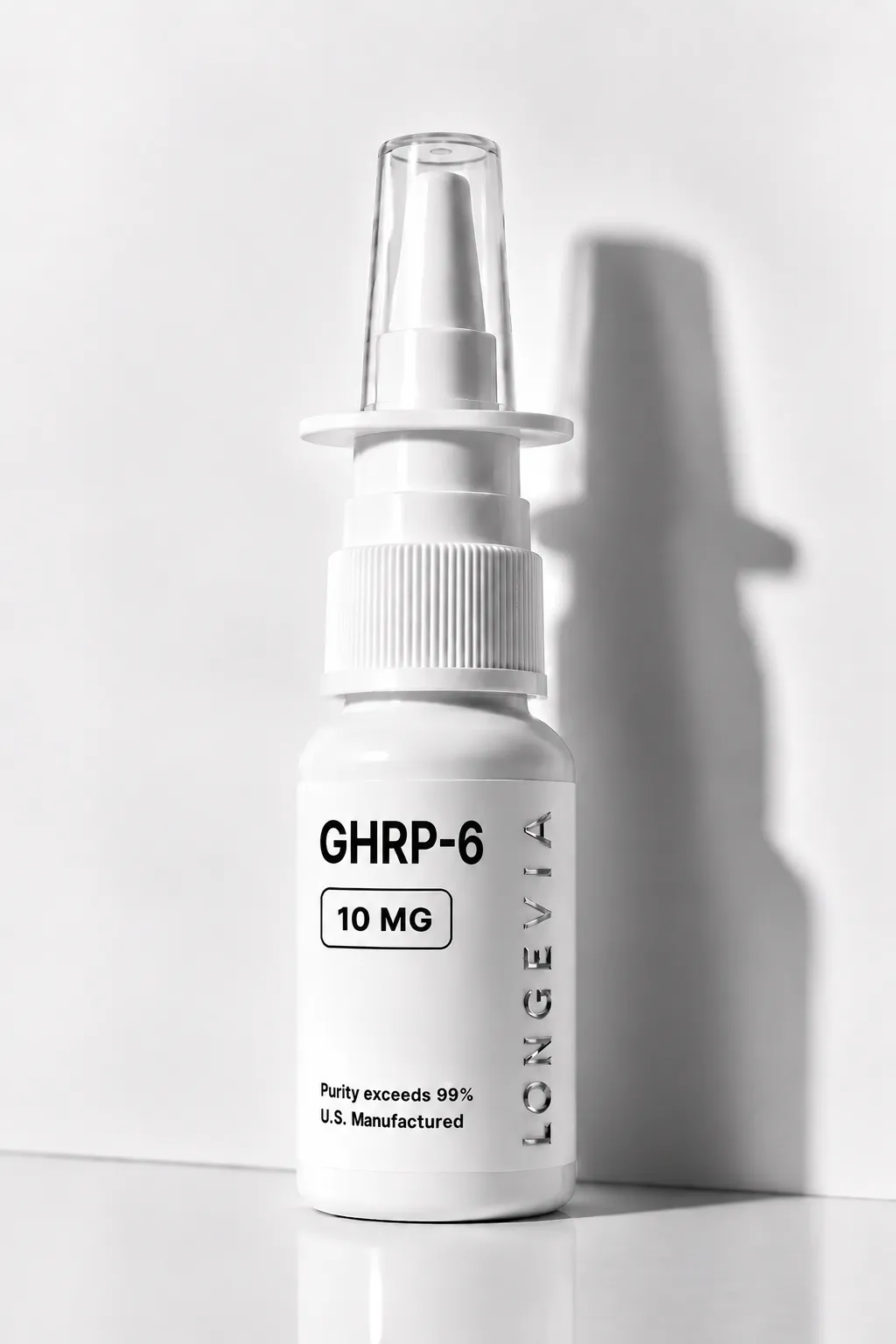
GHRP-6 10mg — 45 Sprays
GHRP-6 (Growth Hormone-Releasing Peptide-6) is a synthetic hexapeptide and growth hormone secretagogue investigated in experimental research involving GHSR/ghrelin receptor biology, pituitary signaling, and endocrine physiology. Available from Longevia Research as 10mg — 45 sprays — for qualified laboratory research use only.
$144.00
Slide to add
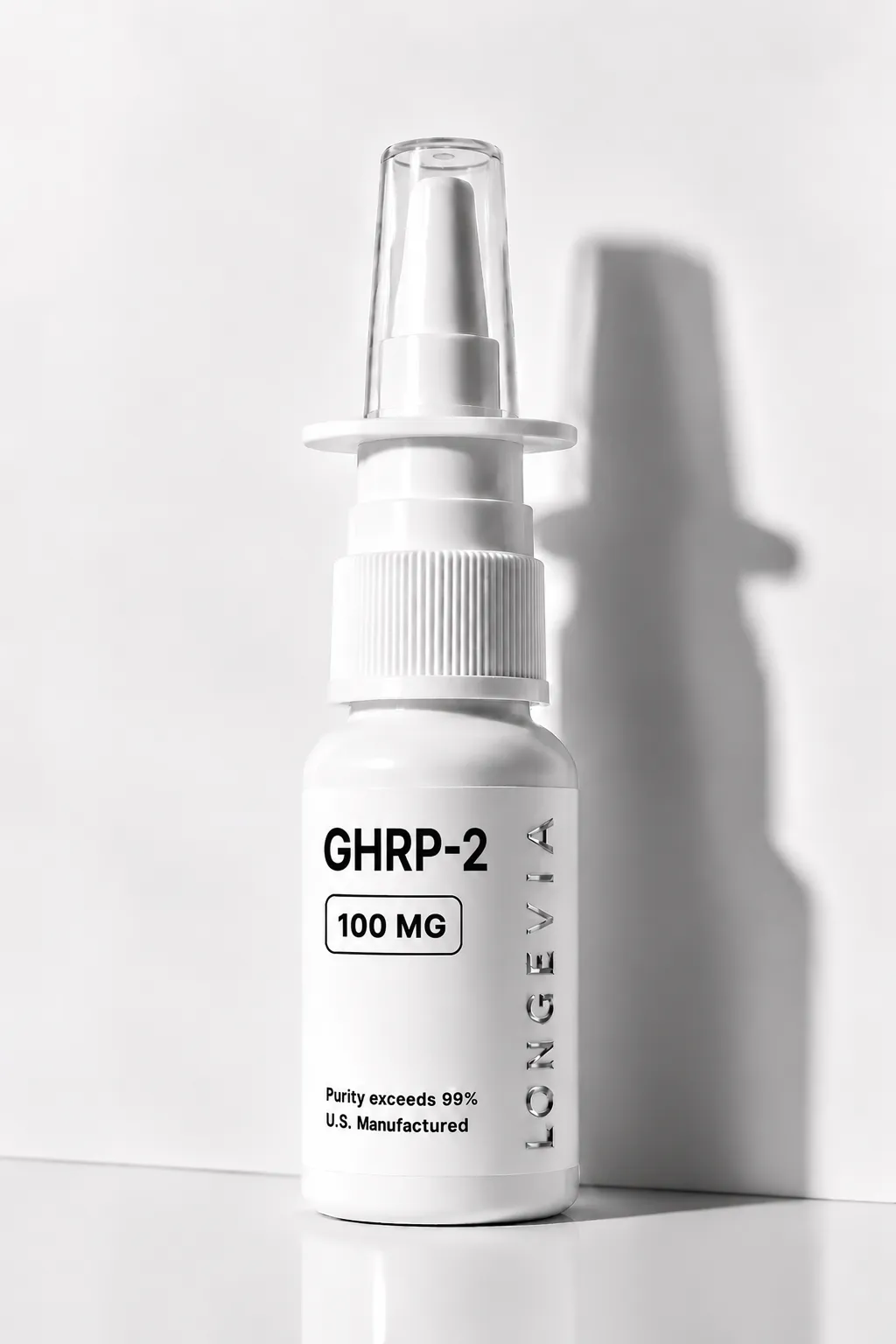
GHRP-2 100mg — 45 Sprays
GHRP-2 (Growth Hormone-Releasing Peptide-2) is a synthetic hexapeptide and growth hormone secretagogue investigated in experimental research involving GHSR/ghrelin receptor biology, pituitary signaling, and endocrine physiology. Available from Longevia Research as 100mg — 45 sprays — for qualified laboratory research use only.
$139.50
Slide to add
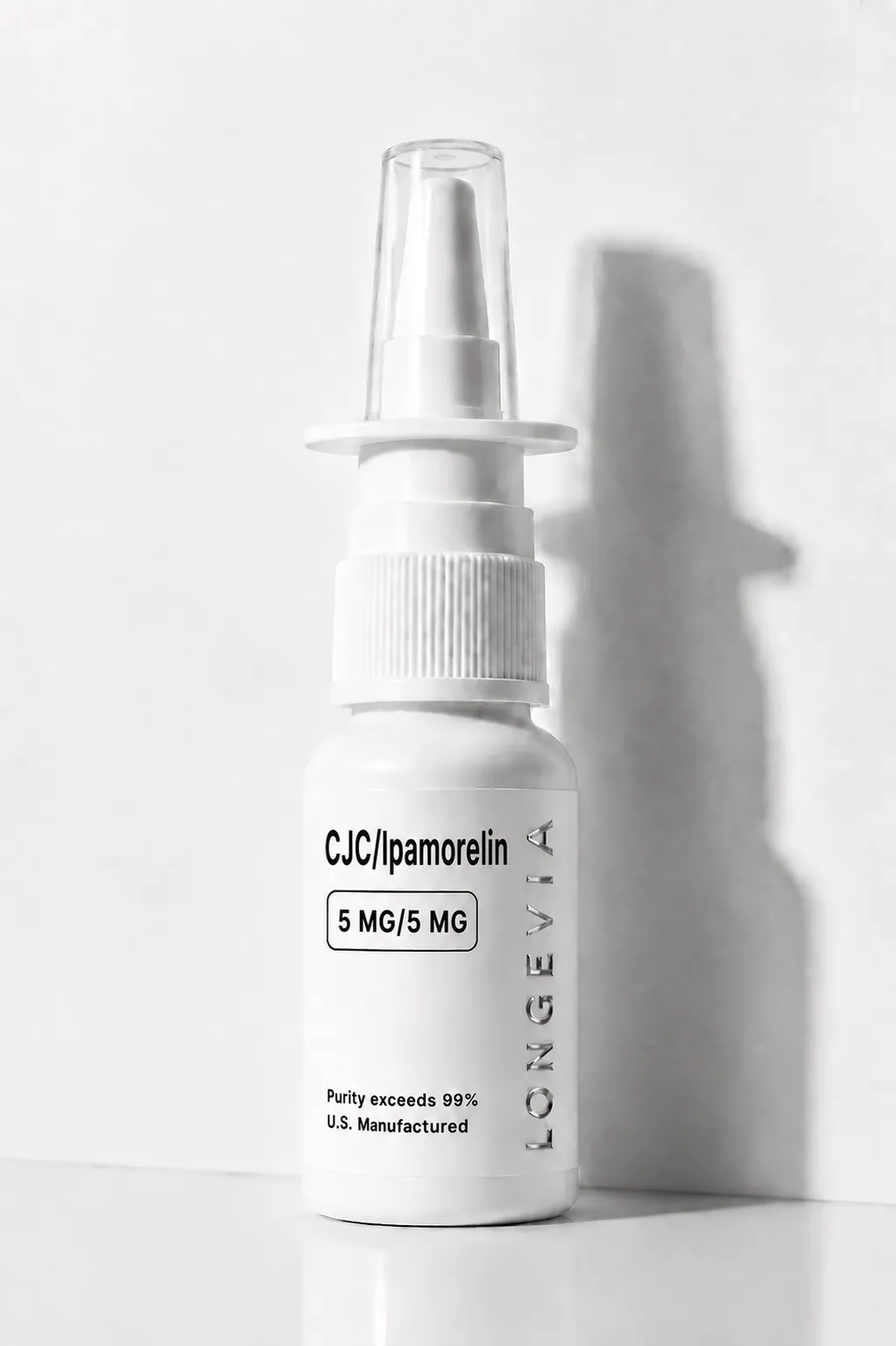
CJC/Ipamorelin 5mg/5mg — 45 Sprays
CJC/Ipamorelin 5mg/5mg spray — 45 sprays of two distinct synthetic research peptides targeting separate GH-axis receptor systems. Supplied by Longevia Research for laboratory use only. Batch COA available.
$166.50
Slide to add
Product FAQs
Find answers to common questions regarding storage, reconstitution, and testing guidelines for this specific compound.