Growth Hormone Secretagogues
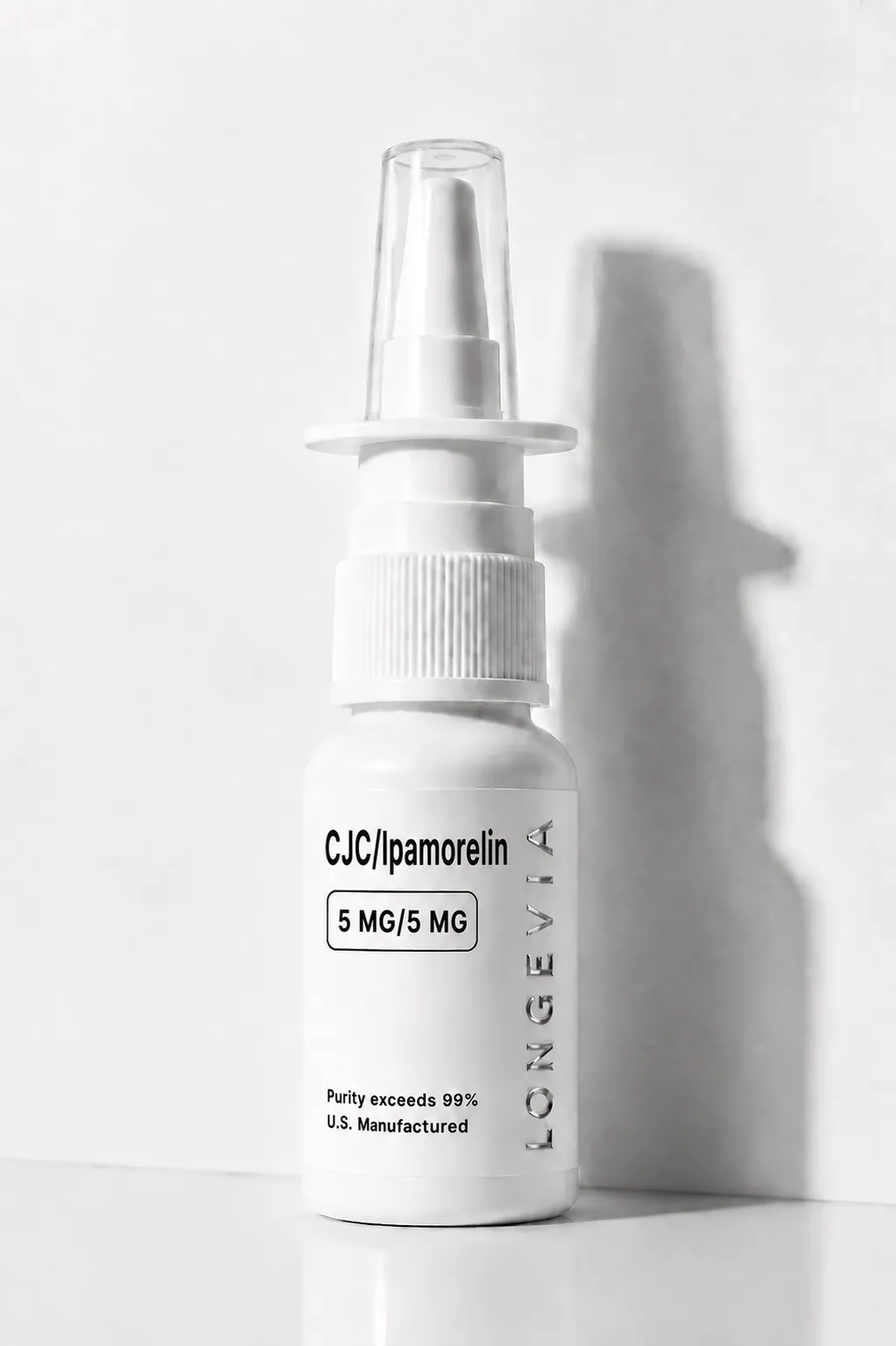
CJC/Ipamorelin 5mg/5mg Spray
$166.50
1
Slide to Add
Purity≥99% Tested
TestingLC-MS Verified
LocationUS Based
CJC/Ipamorelin 5mg/5mg is a dual-peptide combination research product supplied by Longevia Research, containing two structurally and mechanistically distinct synthetic peptides in a single spray format. The CJC component is CJC-1295 without DAC — also known as Modified GRF (1-29) — a synthetic 29-residue analogue of growth hormone-releasing hormone (GHRH) that activates the pituitary GHRH receptor. Ipamorelin (H-Aib-His-D-2-Nal-D-Phe-Lys-NH₂) is a synthetic pentapeptide studied as a selective agonist of the growth hormone secretagogue receptor (GHS-R1a, also known as the ghrelin receptor). These two compounds engage distinct but complementary receptor systems within the growth hormone axis, making their co-administration a recognised experimental approach in GH-axis signalling research. The two peptides are pharmacologically non-competing — CJC-1295 without DAC activates somatotrophs via the adenylyl cyclase-coupled GHRH receptor, while Ipamorelin activates the same cells through the phospholipase C-coupled GHS-R1a — which provides the scientific rationale for studying both simultaneously in experimental systems designed to examine dual-pathway GH-axis stimulation. Neither peptide is a drug, supplement, or therapeutic product, and the CJC/Ipamorelin combination has not been approved for any human indication. Longevia Research supplies this product as a 5mg CJC-1295 without DAC / 5mg Ipamorelin, 45-spray laboratory research material for qualified use only. It is not intended for human or veterinary use, and no dosing or administration guidance is provided.
Standard Delivery3-4 Working Days
Free ShippingOn all orders above $300
Product Details
CJC-1295 (Without DAC) — Scientific Identity
The CJC component in this product is CJC-1295 without DAC, formally designated Modified GRF (1-29) — a synthetic 29-amino-acid analogue of the N-terminal GHRH(1-29) sequence carrying four amino acid substitutions (D-Ala², Gln⁸, Ala¹⁵, Leu²⁷) that confer resistance to dipeptidyl peptidase-IV (DPP-IV) cleavage and chemical instability of the native sequence.
Critical terminology note. "CJC-1295" is used inconsistently in the scientific literature. CJC-1295 with DAC (CAS 446262-90-4, ~3,647 g/mol, 30 residues) carries a C-terminal maleimidopropionyl-Lys that covalently conjugates to serum albumin, giving a functional half-life of approximately 6–8 days. CJC-1295 without DAC / Modified GRF 1-29 (CAS 446036-97-1, ~3,368 g/mol, 29 residues) carries no albumin-binding modification and has a functional half-life of approximately 30 minutes — a pulsatile pharmacokinetic profile well-suited to co-administration with short-acting secretagogues such as Ipamorelin. Research conducted using one variant should not be attributed to the other.
CJC-1295 Without DAC molecular information
Ipamorelin — Scientific Identity
Ipamorelin (INN: ipamorelin) is a synthetic pentapeptide first characterised at Novo Nordisk A/S under the development code NNC 26-0161. Its sequence — H-Aib-His-D-2-Nal-D-Phe-Lys-NH₂ — incorporates non-proteinogenic residues: Aib (α-aminoisobutyric acid, a gem-dimethyl amino acid) at the N-terminus, D-2-Nal (D-2-naphthylalanine) at position 3, D-Phe at position 4, and a C-terminal carboxamide. These structural features confer GHS-R1a selectivity and proteolytic stability.
Ipamorelin molecular information
The Two Compounds Are Mechanistically Distinct
CJC-1295 without DAC and Ipamorelin target different receptors, activate different intracellular signalling cascades, and are structurally unrelated. Their co-investigation in experimental systems is based on the pharmacological logic that GHRHR activation (adenylyl cyclase/cAMP) and GHS-R1a activation (phospholipase C/PKC) engage somatotroph cells through parallel non-competing pathways — providing a dual stimulatory input to pituitary GH release in experimental models.
Product Format
The quantity per individual spray for each component is documented on the product label and batch Certificate of Analysis. Longevia provides no dosing, spray-frequency, or administration guidance.
Research Focus & Mechanism Overview
GHRH Biology and CJC-1295 Without DAC
Growth hormone-releasing hormone (GHRH) is the primary stimulatory hypothalamic regulator of GH secretion from pituitary somatotrophs. GHRH(1-29) is the minimal biologically active fragment; it binds the GHRH receptor (GHRHR) — a class B G-protein-coupled receptor — activating Gs and adenylyl cyclase, increasing intracellular cAMP, and driving both acute GH secretion and longer-term somatotroph biology.
Native GHRH is rapidly inactivated in the circulation (approximately 7-minute functional half-life) by DPP-IV cleavage at the Tyr-Ala N-terminal bond. CJC-1295 without DAC (Modified GRF 1-29) addresses this limitation with D-Ala at position 2, which eliminates the DPP-IV scissile site without altering receptor contact, extending the functional half-life to approximately 30 minutes while preserving full GHRHR agonist activity. In primary rat anterior pituitary cell preparations, Modified GRF (1-29) stimulates GH secretion in a concentration-dependent manner consistent with GHRHR pharmacology. In animal models, subcutaneous administration of CJC-1295 has been reported to activate GH release consistent with GHRHR engagement (GlpBio, citing Bridon et al., 2002).
Ipamorelin and GHS-R1a Signalling Research
Ipamorelin is a selective agonist at GHS-R1a — the ghrelin receptor — a GPCR expressed on pituitary somatotrophs and in the hypothalamus. GHS-R1a activation drives GH release through a Gq/phospholipase C/protein kinase C intracellular cascade, entirely distinct from the Gs/adenylyl cyclase pathway activated by GHRHR.
Ipamorelin was first characterised by Raun and colleagues (European Journal of Endocrinology, 1998; PMID 9849822) at Novo Nordisk. In preclinical studies, Ipamorelin produced GH release in rat models comparable in amplitude to other GH secretagogue peptides, while showing substantially lower stimulation of cortisol, prolactin, and ACTH — a selectivity profile distinguishing it from earlier GHRP-class compounds. This receptor selectivity in preclinical systems — GH axis activation without marked hypothalamic-pituitary-adrenal co-activation — has been the principal focus of Ipamorelin pharmacology research.
Johansen and colleagues (Growth Hormone and IGF Research, 1999) examined Ipamorelin in rodent bone and GH pulsatility models, reporting effects on longitudinal bone growth parameters in rat models. Human pharmacokinetic-pharmacodynamic modelling of Ipamorelin was published by Gobburu and colleagues (Pharmaceutical Research, 1999; PMID 10496658). A Phase 2 clinical study by Beck and colleagues (Diseases of the Colon and Rectum, 2014) examined Ipamorelin in a postoperative gastrointestinal context in human subjects — providing human pharmacological data outside the GH-axis indication.
The Dual-Receptor Research Rationale
The GHRH receptor and GHS-R1a are distinct receptor populations on pituitary somatotrophs. Their simultaneous activation has been studied in preclinical research as a method for examining additive or potentiating effects on GH pulse amplitude through non-competing intracellular cascades.
Alba and colleagues (American Journal of Physiology — Endocrinology and Metabolism, 2006; PMID 16849629) examined GHRH analogue administration in GHRH-knockout mice and investigated the effects of combined GHRH analogue plus GHS agonist in GH-deficient animal models, reporting greater IGF-1 restoration with dual-pathway stimulation than with either compound alone in those preclinical models. Ionescu and Frohman (JCEM, 2006) examined pulsatile GH secretion during GHRH axis stimulation, providing context for the pulsatility preservation rationale in combination experimental designs.
These are preclinical animal model findings. They do not establish human clinical efficacy for the CJC/Ipamorelin combination.
Published Evidence Status
The published research record for each component independently is substantive. CJC-1295 without DAC is characterised in receptor pharmacology assays, rat anterior pituitary preparations, and comparative pharmacokinetic work. Ipamorelin has preclinical selectivity characterisation, rodent GH and bone model data, pharmacokinetic modelling in humans, and one Phase 2 clinical study.
Published research specifically evaluating the CJC-1295 without DAC / Ipamorelin combination as a defined experimental pairing is limited in peer-reviewed literature relative to the individual compounds. Researchers should not interpret the individual-compound evidence as establishing the combination's efficacy or safety in humans. Experimental combination studies should be designed to confirm whether any dual-pathway effects observed in individual-compound experiments are reproduced in the combination model.
Clinical and Regulatory Status
CJC-1295 without DAC. No published dedicated human clinical trial of the Modified GRF (1-29) / CJC-1295 without DAC form as a standalone compound has been identified. Human clinical evidence in the CJC-1295 literature relates to the DAC-containing form (Teichman et al., 2006) and should not be attributed to this compound.
Ipamorelin. Human pharmacokinetic modelling (Gobburu et al., 1999) and one Phase 2 gastrointestinal clinical study (Beck et al., 2014) have been published. No regulatory approval for any human indication exists for Ipamorelin.
The CJC/Ipamorelin combination. No published human clinical trial of CJC-1295 without DAC and Ipamorelin as a co-administered combination has been identified. Neither compound individually nor the combination holds regulatory approval in any jurisdiction.
Quality & Purity Standards
For a dual-peptide research spray, analytical documentation must address each component independently. CJC-1295 without DAC (~3,368 g/mol) and Ipamorelin (~711.9 g/mol) have substantially different molecular weights, meaning mass spectrometric confirmation readily resolves both compounds and confirms that the supplied material contains both the GHRH analogue and the secretagogue at their specified identities.
Identity confirmation. Each production lot is characterised by mass spectrometric analysis for both components, verifying that the observed molecular ions are consistent with CJC-1295 without DAC (C₁₅₂H₂₅₂N₄₄O₄₂, approximately 3,367.9 g/mol) and Ipamorelin (C₃₈H₄₉N₉O₅, 711.9 g/mol). This simultaneously confirms that the CJC component is the No DAC form — distinguishable from CJC-1295 with DAC at ~3,647 g/mol by the ~279 Da mass difference.
Purity assessment. Chromatographic purity analysis quantifies each target compound relative to other UV-absorbing species in the chromatogram, confirming the integrity of both components.
Batch traceability and Certificate of Analysis. Every production lot of CJC/Ipamorelin 5mg/5mg spray is traceable to a specific batch. A batch-specific Certificate of Analysis is accessible on the Longevia Research website, covering identity, purity, and lot information for both components. Researchers are encouraged to review the batch documentation — particularly the CJC component molecular weight confirmation — before incorporating the material into experimental protocols.
Storage. Specific storage conditions for this lot are confirmed on the batch Certificate of Analysis and product labelling.
Compliance Notice
Longevia Research supplies CJC/Ipamorelin 5mg/5mg Spray for laboratory and in-vitro research use only. The product is intended for qualified researchers and trained laboratory personnel working in appropriate controlled research environments.
CJC/Ipamorelin is a dual-compound synthetic research product supplied strictly as a laboratory research tool. It is not a drug, not a dietary supplement, not a food or food ingredient, and not a cosmetic. Neither CJC-1295 without DAC nor Ipamorelin holds regulatory approval for human or veterinary therapeutic use in any jurisdiction, and Longevia does not supply this product for administration to humans or animals, for clinical diagnostics, or for any therapeutic application.
No therapeutic, diagnostic, or efficacy claims are made for this product or its individual components. The preclinical and pharmacological literature referenced on this page describes experimental observations from defined cell-based and animal model systems. Evidence for each individual compound does not constitute evidence for the combination product. No dosing instructions, spray-frequency guidance, administration protocols, or cycle recommendations are provided. The purchaser assumes full responsibility for lawful acquisition, handling, storage, use, and disposal of this material, and for compliance with all applicable local, state, federal, and institutional regulations.
Continue Exploring
Also Considered.
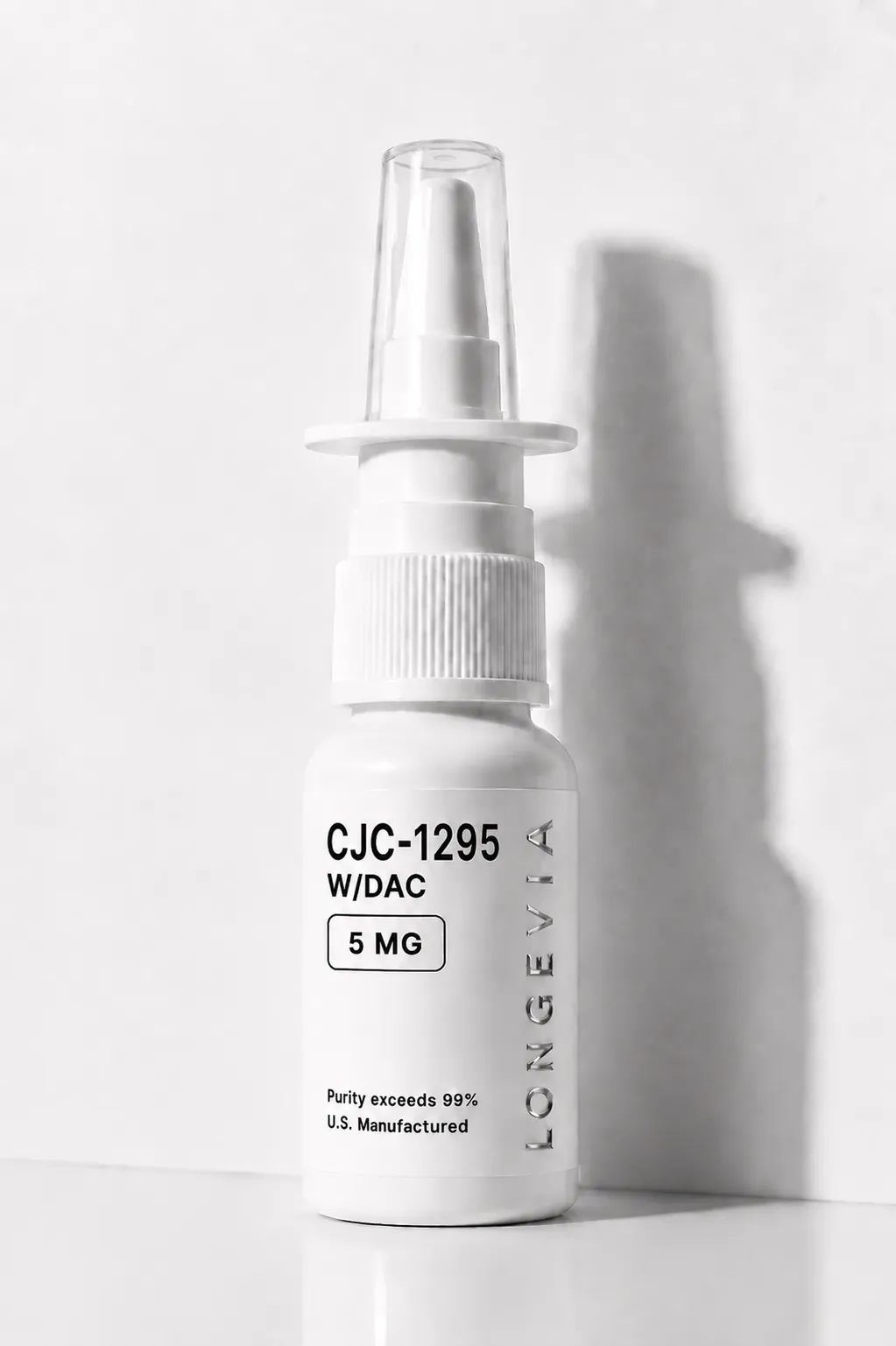
CJC-1295 With DAC 5mg Spray
CJC-1295 with DAC 5mg spray — 45 sprays of the synthetic albumin-binding GHRH analogue (CAS 446262-90-4, ~3,647 Da). Supplied by Longevia Research for laboratory use only. Batch COA available.
$220.50
Slide to add
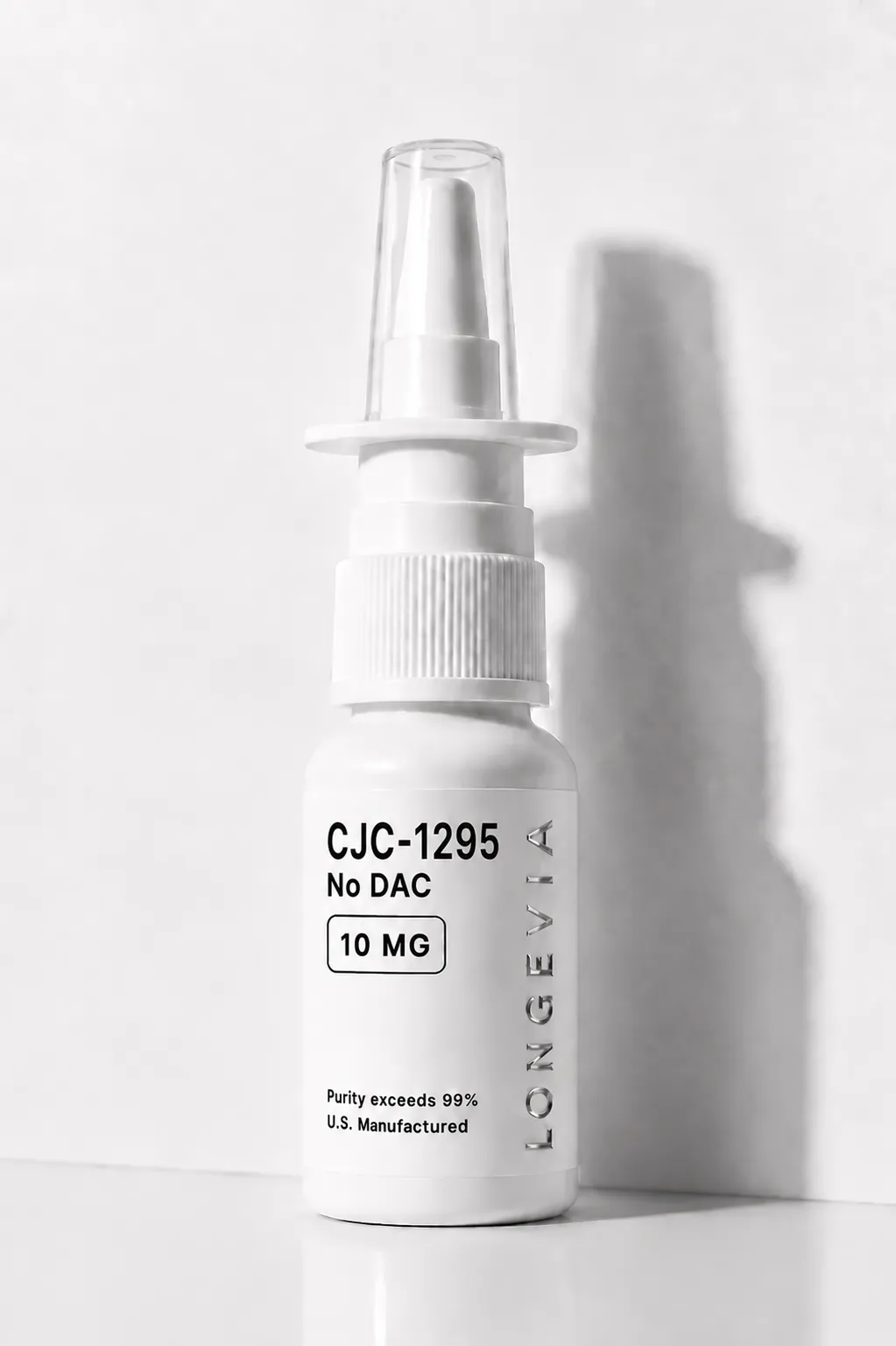
CJC-1295 No DAC 10mg Spray
CJC-1295 No DAC 10mg spray — 45 sprays of Modified GRF (1-29), a synthetic 29-residue GHRH analogue (CAS 446036-97-1, ~3,368 Da). Supplied by Longevia Research for laboratory use only.
$207.00
Slide to add
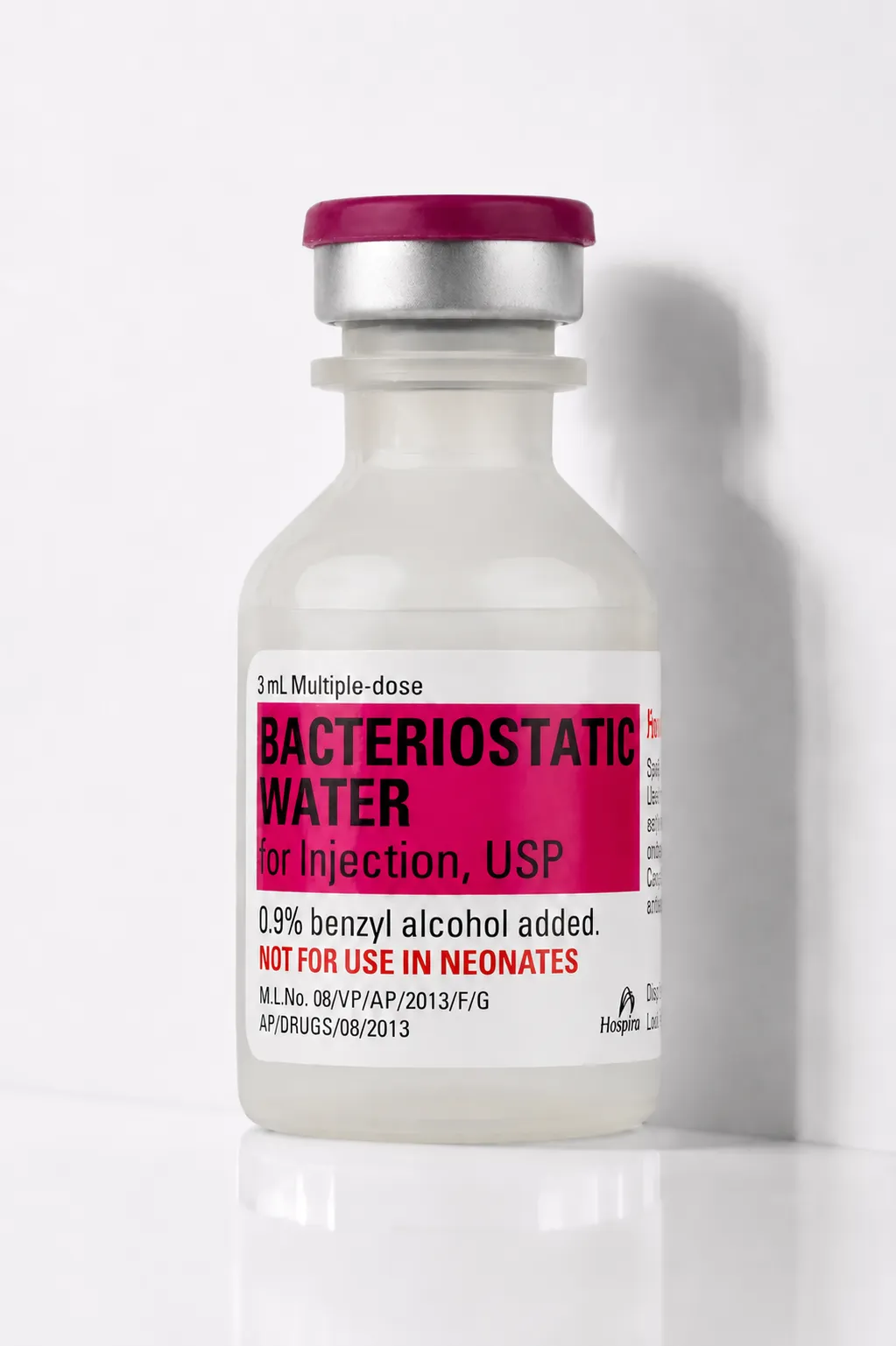
BAC Water
Shop research-grade BAC Water manufactured under strict quality standards for laboratory preparation, dilution, and reconstitution of research compounds.
$34.00
Slide to add
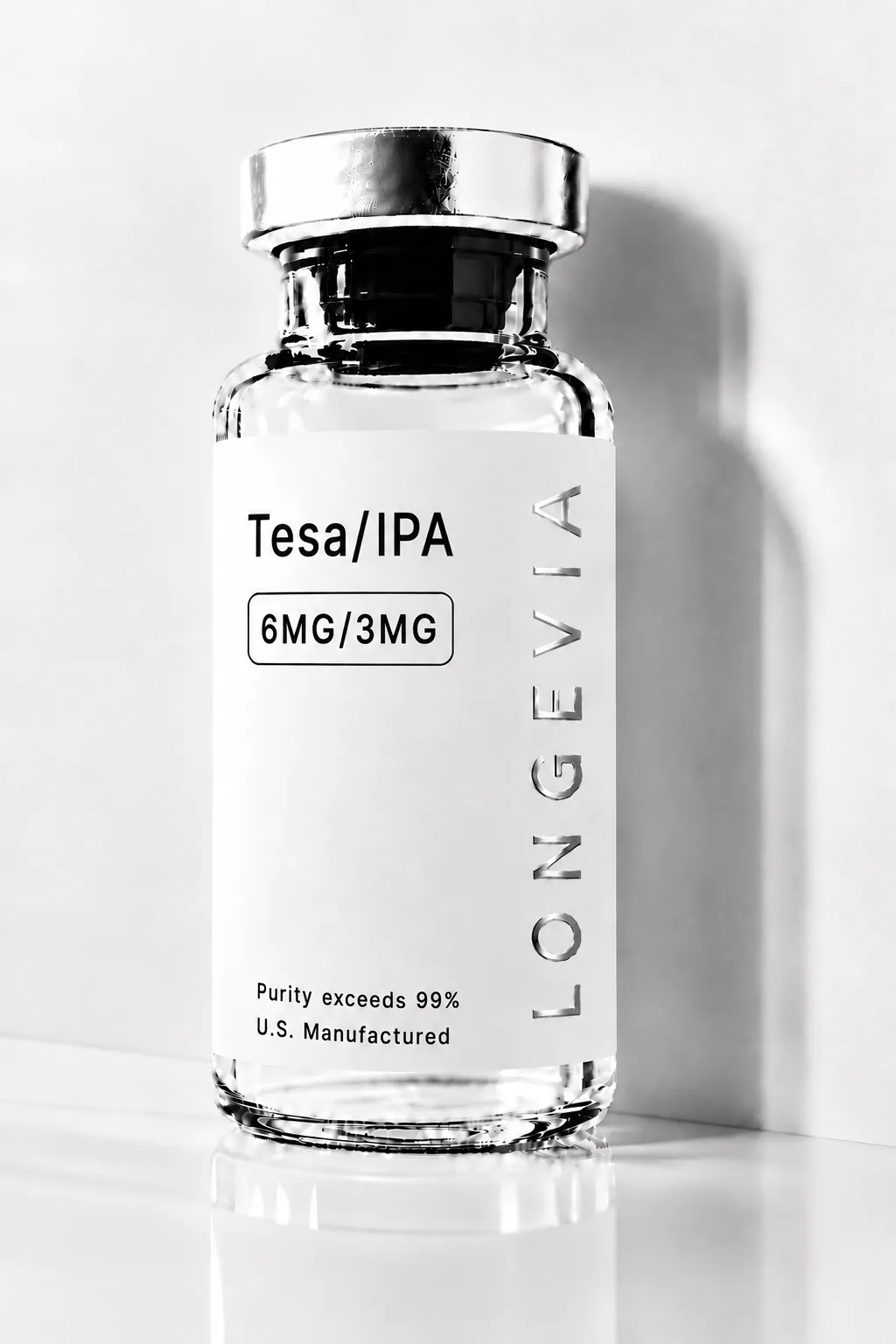
Tesa/IPA
Tesa/IPA — Tesamorelin and Ipamorelin combination research vials in 6mg/3mg and 13mg/3mg formats. GHRH-axis laboratory research compound supplied by Longevia Research for in-vitro use only.
$180.00
Slide to add
Product FAQs
Find answers to common questions regarding storage, reconstitution, and testing guidelines for this specific compound.