Growth Hormone Secretagogues
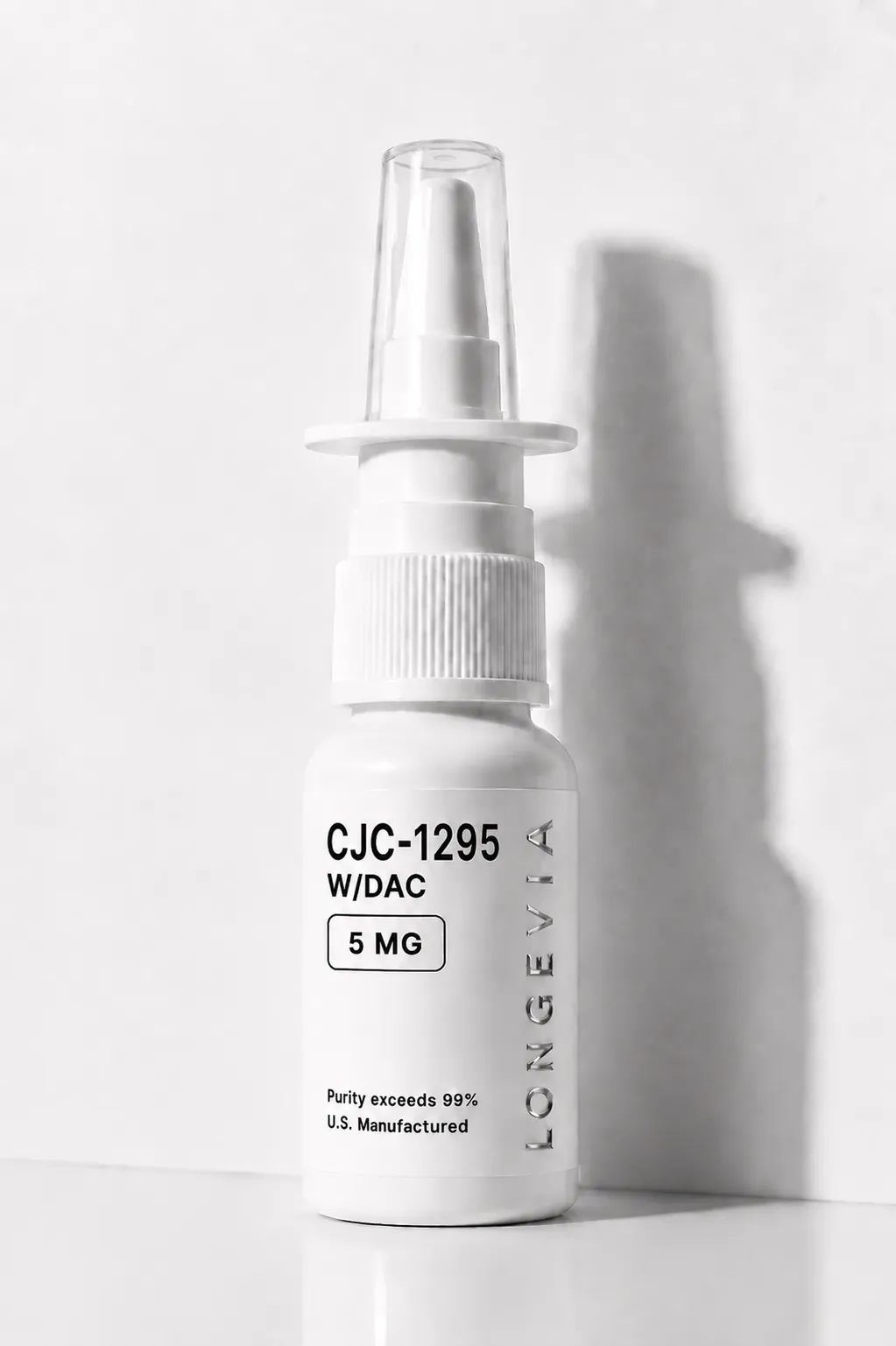
CJC-1295 With DAC 5mg Spray
$220.50
1
Slide to Add
Purity≥99% Tested
TestingLC-MS Verified
LocationUS Based
CJC-1295 with DAC is a synthetic 30-residue research peptide and modified analogue of growth hormone-releasing hormone (GHRH). It belongs to the CJC-1295 family of GHRH analogues but is distinguished from the related CJC-1295 without DAC (Modified GRF 1-29) by the presence of a Drug Affinity Complex (DAC) — a C-terminal Nε-maleimidopropionyl-Lysine modification that covalently conjugates the peptide to circulating serum albumin via thiol-maleimide chemistry. This albumin-binding property substantially extends the compound's circulating residence time relative to both endogenous GHRH and the non-DAC analogue, making CJC-1295 with DAC a pharmacokinetically distinct tool compound for experimental investigation of sustained GHRH receptor engagement. Researchers studying GHRH receptor pharmacology, pituitary somatotroph biology, and growth hormone-axis signalling use CJC-1295 with DAC to examine the downstream consequences of prolonged GHRHR activation in experimental systems — where the extended residence time provides a pharmacokinetic window relevant to once-weekly experimental dosing protocols in preclinical research. Published human pharmacology work — principally Teichman and colleagues (JCEM, 2006) — has characterised the compound's pharmacokinetic and pharmacodynamic profile in healthy adult volunteers, making CJC-1295 with DAC one of the better-characterised investigational GHRH analogues. Longevia Research supplies CJC-1295 with DAC as a 5mg, 45-spray laboratory research material for qualified research use only. This product is not a drug, dietary supplement, food, or cosmetic, and is not intended for human or veterinary use.
Standard Delivery3-4 Working Days
Free ShippingOn all orders above $300
Product Details
Scientific Identity
CJC-1295 with DAC is formally designated in the chemical literature as Nε30-maleimidopropionyl-[D-Ala², Gln⁸, Ala¹⁵, Leu²⁷]-Sermorelin-Lys30. It is a 30-residue synthetic peptide comprising the tetrasubstituted GHRH(1-29) sequence shared with Modified GRF (1-29) — carrying the same four amino acid substitutions (D-Ala², Gln⁸, Ala¹⁵, Leu²⁷) that protect against dipeptidyl peptidase-IV (DPP-IV) inactivation — plus an additional C-terminal lysine extended with an N-maleimidopropionamide linker. This linker is the Drug Affinity Complex, and it is the structural element that reacts with the free thiol of Cys34 on serum albumin, forming a covalent thioether bond. The resulting peptide-albumin conjugate has a dramatically reduced rate of renal clearance compared with the unconjugated peptide.
DAC Modification — Scientific Rationale
The Drug Affinity Complex technology was developed by ConjuChem Biotechnologies as a strategy for extending the functional half-life of short peptides. The reactive maleimide moiety in the DAC selectively targets the lone free cysteine of human serum albumin (Cys34) under physiological conditions. Once conjugated, the peptide travels bound to albumin, which is subject to neonatal Fc receptor (FcRn)-mediated recycling and has a circulating half-life of approximately 19 days in humans. The peptide's residence time is limited by the rate at which the thioether bond can undergo retro-Michael hydrolysis, releasing the free peptide locally near tissue targets.
In the published CJC-1295 with DAC pharmacology literature, this mechanism is proposed to explain the compound's reported multi-day half-life in experimental models and human pharmacokinetic studies. This is a pharmacokinetic mechanism under investigation; it does not constitute a therapeutic claim.
Compound Classification
Synthetic 30-residue peptide. Modified GHRH analogue. Long-acting GHRHR agonist via albumin-conjugation. Investigational research compound.
Alternative Names and Designations
CJC-1295 with DAC · CJC-1295 DAC · CJC-1295 (with DAC) · IUPAC modification name: Nε30-maleimidopropionyl-[D-Ala², Gln⁸, Ala¹⁵, Leu²⁷]-Sermorelin-Lys30
Important distinction. CJC-1295 with DAC is structurally and pharmacokinetically distinct from CJC-1295 without DAC (Modified GRF 1-29, CAS 446036-97-1, ~3,368 g/mol). Several scientific papers have incorrectly equated these two compounds. The two forms carry different molecular formulas, different molecular weights (~279 Da difference), different CAS numbers, and different pharmacokinetic profiles. Scientific literature should be consulted carefully to determine which form was used in a given study.
Molecular Information
Product Format
The quantity per individual spray is documented on the product label and batch Certificate of Analysis. Longevia provides no dosing, spray-frequency, or administration guidance.
Research Focus & Mechanism Overview
GHRH Signalling Research
Growth hormone-releasing hormone (GHRH) is a 44-amino-acid hypothalamic neuropeptide and the primary stimulatory regulator of growth hormone (GH) secretion from anterior pituitary somatotroph cells. GHRH is released from hypothalamic arcuate nucleus neurons in episodic pulses and acts via the growth hormone-releasing hormone receptor (GHRHR) — a class B G-protein-coupled receptor (GPCR) expressed predominantly on pituitary somatotrophs. GHRHR activation couples to Gs and stimulates adenylyl cyclase, increasing intracellular cAMP, which drives both the acute release of stored GH and the longer-term transcriptional regulation of GH gene expression.
Native GHRH(1-44) and the biologically active N-terminal fragment GHRH(1-29) are rapidly inactivated in the circulation — primarily within approximately 7 minutes — by DPP-IV cleavage of the Tyr-Ala N-terminal bond. This rapid inactivation has motivated the development of DPP-IV-resistant analogues for research use, of which the CJC-1295 family is one example.
CJC-1295 With DAC — Pharmacological Background
The molecular engineering of CJC-1295 with DAC addressed two distinct limitations of native GHRH: enzymatic instability and rapid renal clearance. The four amino acid substitutions (D-Ala², Gln⁸, Ala¹⁵, Leu²⁷) confer DPP-IV resistance by modifying the scissile N-terminal dipeptide. The C-terminal DAC modification then extends the functional residence time by enabling albumin conjugation, which dramatically slows renal clearance and effectively converts the peptide into a long-acting GHRHR tool compound.
In vitro receptor pharmacology work has established that CJC-1295 with DAC retains full agonist activity at the GHRH receptor, activating cAMP-mediated intracellular signalling consistent with native GHRH — confirming that the structural modifications preserve the compound's receptor engagement. This receptor characterisation was part of the foundational work published by Jette and colleagues (Endocrinology, 2005; PMID 15817669), which identified CJC-1295 as a long-lasting GRF albumin bioconjugate that activates the GRF receptor on rat anterior pituitary in vitro and in vivo.
Pharmacokinetic Research
The Jette et al. 2005 study in rats and the subsequent Teichman et al. 2006 study in human volunteers provided the principal published pharmacokinetic characterisation of CJC-1295 with DAC.
Rat model pharmacokinetics. In rat pharmacokinetic studies reported by Jette and colleagues, GH releasing factor albumin bioconjugates showed substantially extended plasma half-lives compared with unconjugated GRF(1-29) analogues, consistent with the albumin-conjugation mechanism.
Human pharmacokinetic and pharmacodynamic study. Teichman and colleagues (Journal of Clinical Endocrinology and Metabolism, 2006; PMID 16352683) conducted a dose-escalation study administering CJC-1295 with DAC as a single subcutaneous injection to healthy adult volunteers across multiple dose cohorts. The study reported a mean terminal half-life in the range of 5.8 to 8.1 days across dose cohorts, consistent with the albumin-conjugation mechanism and the prolonged residence time predicted by the DAC technology. GH concentrations and IGF-1 were measured as pharmacodynamic markers over the observation period.
These pharmacokinetic and pharmacodynamic observations describe findings from specific clinical pharmacology protocols. They characterise the investigational compound's behaviour in those study populations and should not be interpreted as evidence of therapeutic efficacy for any indication.
CJC-1295 With DAC vs Without DAC — Research Context
Researchers selecting between CJC-1295 with DAC and CJC-1295 without DAC (Modified GRF 1-29) are effectively choosing between experimental systems requiring sustained, tonic GHRHR engagement versus pulsatile, short-duration receptor stimulation:
Ionescu and Frohman (JCEM, 2006; PMID 16352683) examined the physiological significance of pulsatile GH release and the experimental implications of long-acting versus short-acting GHRH analogue tools — a conceptual framing relevant to researchers choosing between these formats.
GH/IGF-1 Axis Research
CJC-1295 with DAC has been examined in research contexts involving downstream markers of GHRHR activation, particularly growth hormone secretion and insulin-like growth factor 1 (IGF-1) production. IGF-1 is produced primarily in the liver in response to GH signalling and is commonly used as a downstream pharmacodynamic marker of GH axis activation in pharmacological research. The Teichman et al. 2006 study measured both GH pulses and mean IGF-1 levels as indicators of GHRHR pathway activity following compound administration.
These measurements are pharmacodynamic markers studied in experimental pharmacology. They describe biological pathway activity under specific research conditions and do not constitute evidence of clinical efficacy for any indication.
Alba et al. 2006 — Preclinical Research
Alba and colleagues (American Journal of Physiology — Endocrinology and Metabolism, 2006; PMID 16849629) examined once-daily CJC-1295 administration in GHRH knockout mice — a model of growth hormone deficiency caused by the absence of functional endogenous GHRH. In that animal model, CJC-1295 treatment was associated with normalisation of growth parameters relative to untreated knockout controls. This is a rodent model study; findings in GHRH-deficient mice under experimental laboratory conditions cannot be generalised to human physiology.
Clinical and Regulatory Status
CJC-1295 with DAC has been examined in human pharmacokinetic studies (Teichman et al., 2006) as an investigational compound under development by ConjuChem Biotechnologies. No regulatory authority has approved CJC-1295 with DAC for any human therapeutic indication, and no New Drug Application or equivalent has resulted in a marketing approval. The compound has no approved clinical use.
CJC-1295 with DAC is listed on the World Anti-Doping Agency (WADA) Prohibited List under category S2 (Peptide Hormones, Growth Factors, Related Substances and Mimetics), where GH-releasing factors and related peptides are classified as prohibited at all times for athletes subject to WADA oversight.
Longevia Research supplies this compound for laboratory research use only. Its supply is independent of pharmaceutical development or therapeutic access pathways.
Quality & Purity Standards
For a 30-residue albumin-reactive peptide such as CJC-1295 with DAC, analytical quality documentation carries particular importance. The maleimide moiety on the DAC modification is reactive — it is designed to conjugate to albumin under physiological conditions — and its integrity in stored research material requires verification. Unreacted maleimide, hydrolysed maleamide (the ring-opened form), and unconjugated precursor peptide all represent analytically distinct entities that should be distinguishable in quality documentation.
Identity confirmation. Each production lot of Longevia's CJC-1295 with DAC spray is characterised by mass spectrometric analysis, verifying the observed molecular ion against the expected mass for the intact 30-residue DAC-modified peptide at approximately 3,647.25 g/mol (C₁₆₅H₂₆₉N₄₇O₄₆). This molecular weight is approximately 279 Da heavier than the No DAC variant (~3,368 g/mol) — a difference that is readily resolved by mass spectrometry and serves as the definitive identification of the DAC modification's presence.
Purity assessment. Chromatographic purity analysis quantifies the target compound relative to all UV-absorbing species in the chromatogram. For CJC-1295 with DAC, this includes monitoring for hydrolysis products of the maleimide group (ring-opened maleamide) and the underlying peptide backbone — both analytically distinguishable from the intact compound.
Batch traceability and Certificate of Analysis. Every production lot of CJC-1295 with DAC 5mg spray is traceable to a specific batch. A batch-specific Certificate of Analysis is accessible on the Longevia Research website, covering compound identity, purity, and lot information. Researchers are strongly encouraged to review the batch documentation — particularly the molecular weight confirmation — before use.
Storage. Specific storage conditions for this lot are confirmed on the batch Certificate of Analysis and product labelling. The reactive maleimide moiety in CJC-1295 with DAC requires protection from thiol-containing reagents and conditions that accelerate hydrolysis; researchers should follow the COA's lot-specific guidance and avoid mixing the compound with materials containing free thiols in laboratory handling.
Compliance Notice
Longevia Research supplies CJC-1295 with DAC 5mg Spray for laboratory and in-vitro research use only. The product is intended for qualified researchers and trained laboratory personnel working in appropriate controlled research environments.
CJC-1295 with DAC is a synthetic research peptide supplied strictly as a laboratory research tool. It is not a drug, not a dietary supplement, not a food or food ingredient, and not a cosmetic. No regulatory authority has approved CJC-1295 with DAC for any human or veterinary therapeutic use. The compound is listed on the WADA Prohibited List and is prohibited for athletes subject to anti-doping oversight.
This product must not be confused with CJC-1295 without DAC (Modified GRF 1-29, CAS 446036-97-1) — a structurally distinct compound with a different molecular weight, different CAS number, and different pharmacokinetic profile.
No therapeutic, diagnostic, or efficacy claims are made for this compound. The pharmacokinetic and pharmacodynamic findings referenced on this page describe results from specific clinical pharmacology protocols involving the investigational compound; they do not establish that the Longevia research material is safe, effective, or approved for any human application. No dosing instructions, spray-frequency guidance, administration protocols, or cycle recommendations are provided. The purchaser assumes full responsibility for lawful acquisition, handling, storage, use, and disposal of this material, and for compliance with all applicable local, state, federal, and institutional regulations.
Continue Exploring
Also Considered.
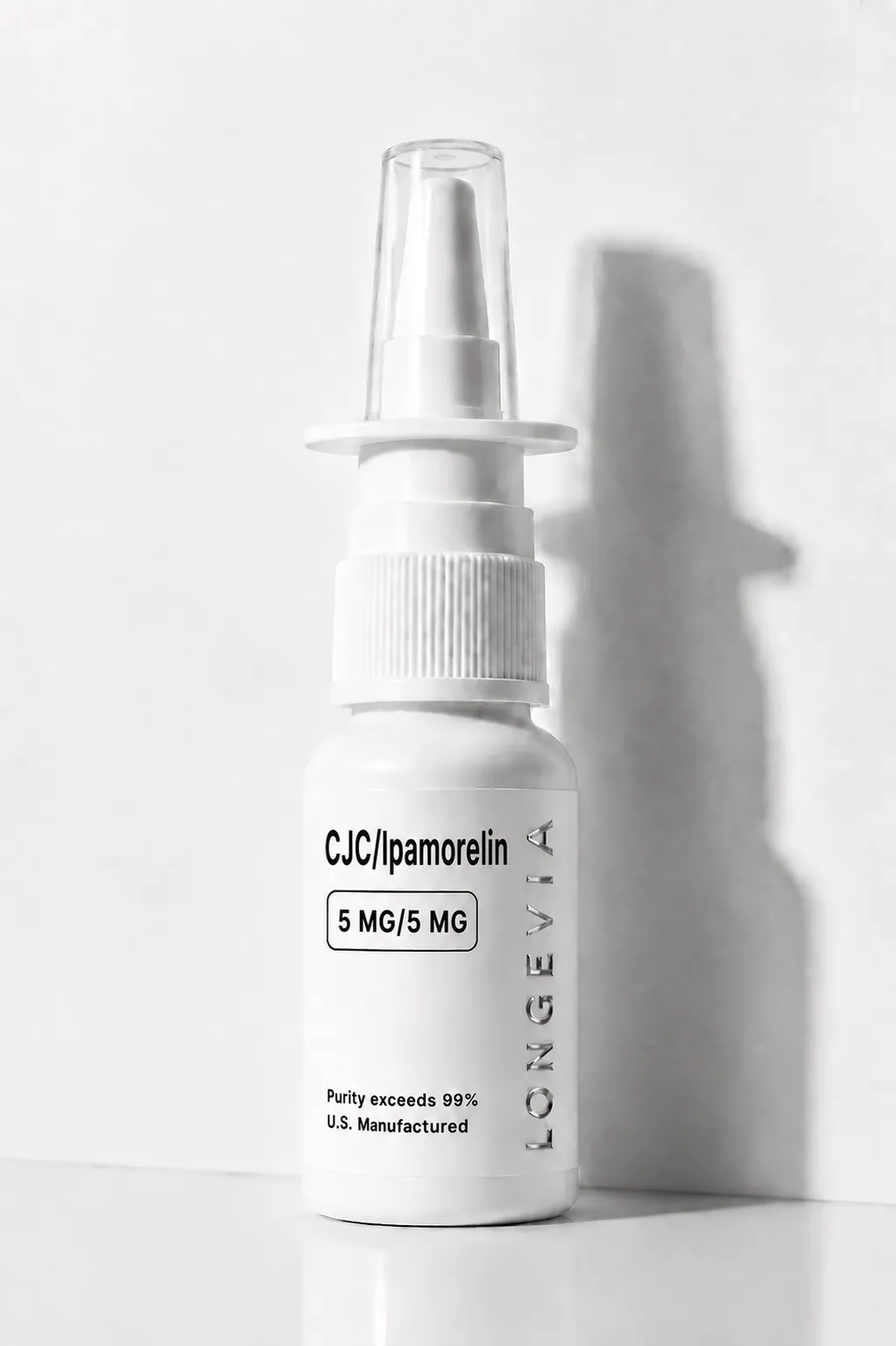
CJC/Ipamorelin 5mg/5mg Spray
CJC/Ipamorelin 5mg/5mg spray — 45 sprays of two distinct synthetic research peptides targeting separate GH-axis receptor systems. Supplied by Longevia Research for laboratory use only. Batch COA available.
$166.50
Slide to add
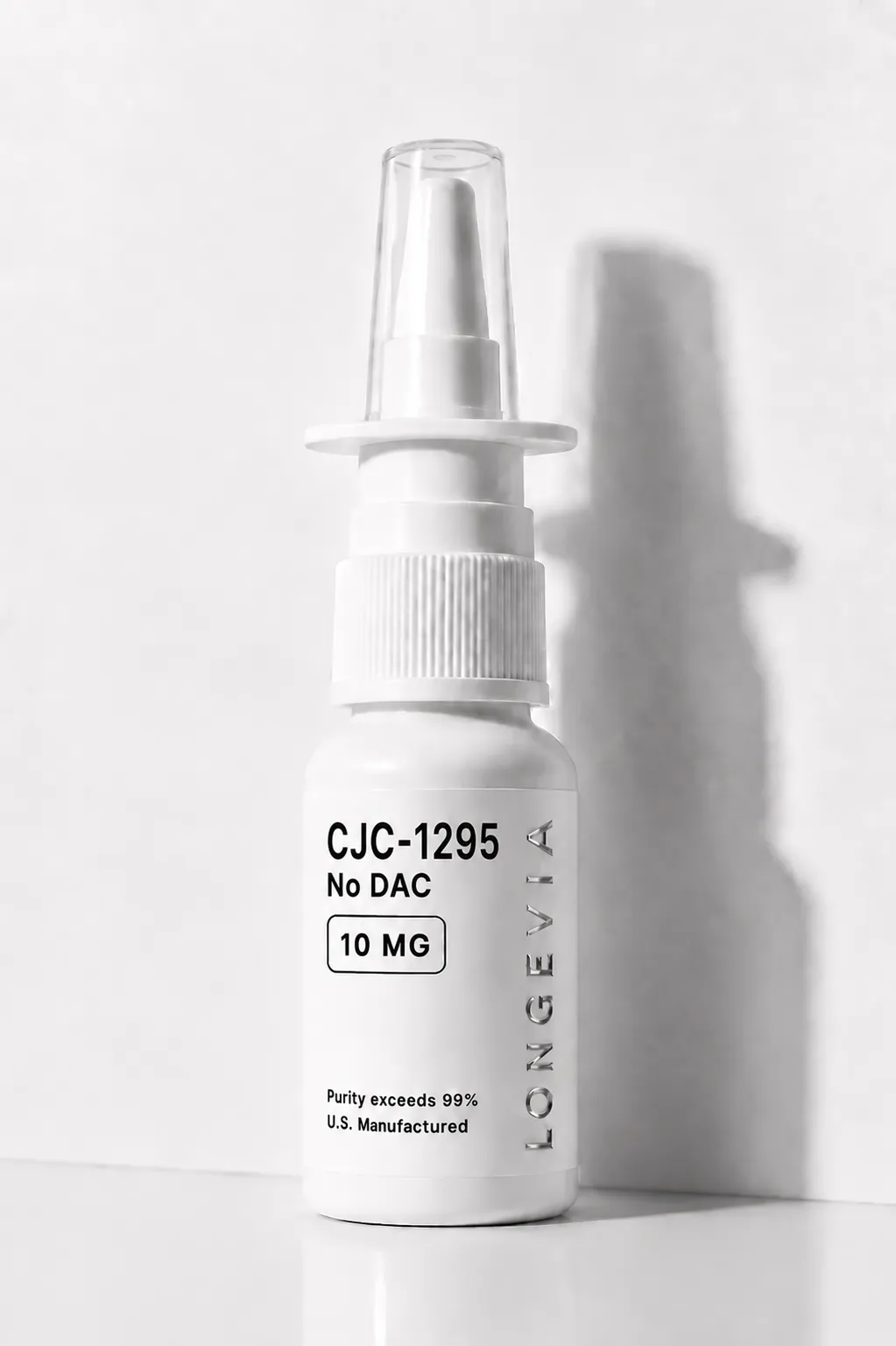
CJC-1295 No DAC 10mg Spray
CJC-1295 No DAC 10mg spray — 45 sprays of Modified GRF (1-29), a synthetic 29-residue GHRH analogue (CAS 446036-97-1, ~3,368 Da). Supplied by Longevia Research for laboratory use only.
$207.00
Slide to add
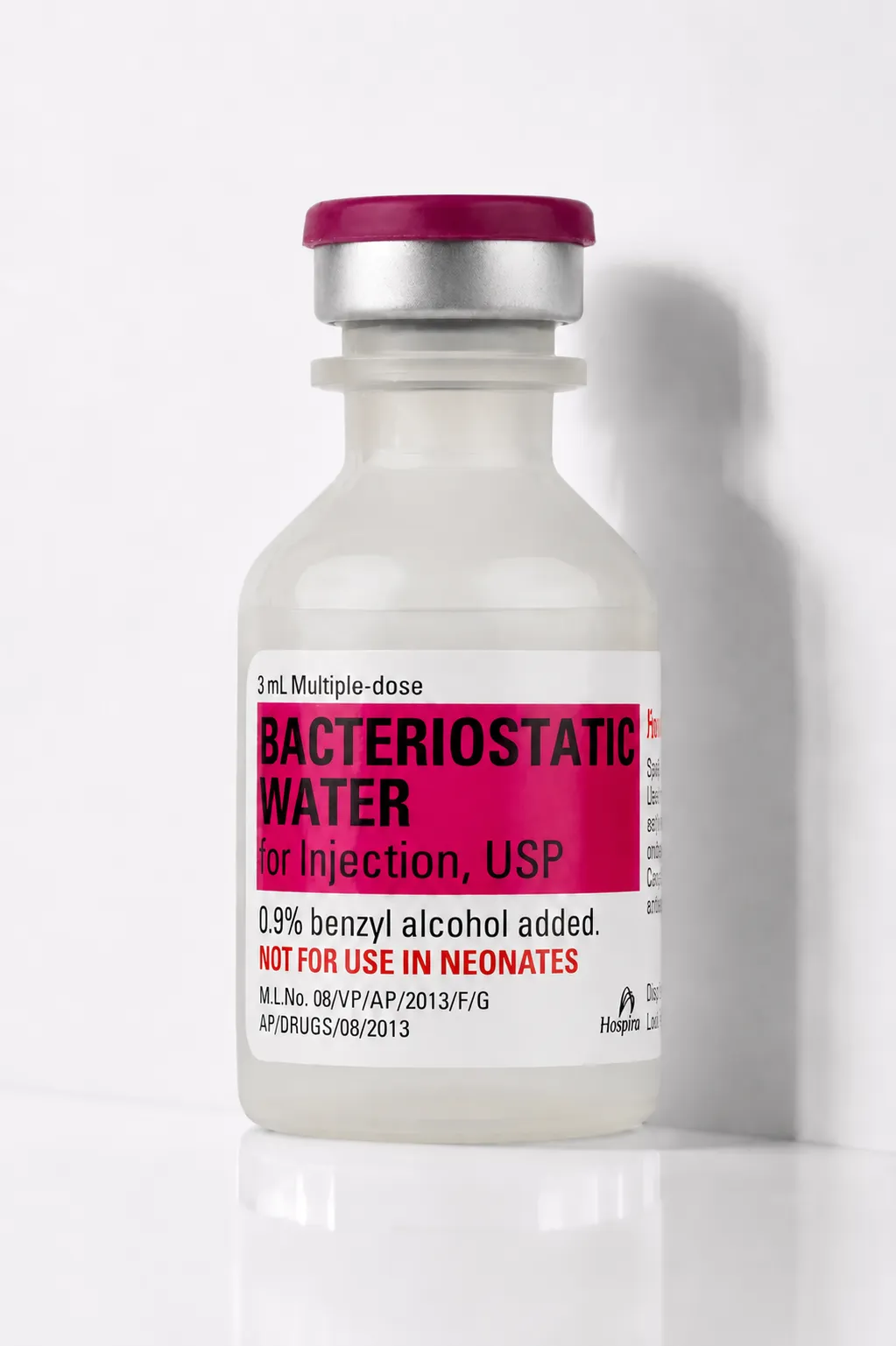
BAC Water
Shop research-grade BAC Water manufactured under strict quality standards for laboratory preparation, dilution, and reconstitution of research compounds.
$34.00
Slide to add
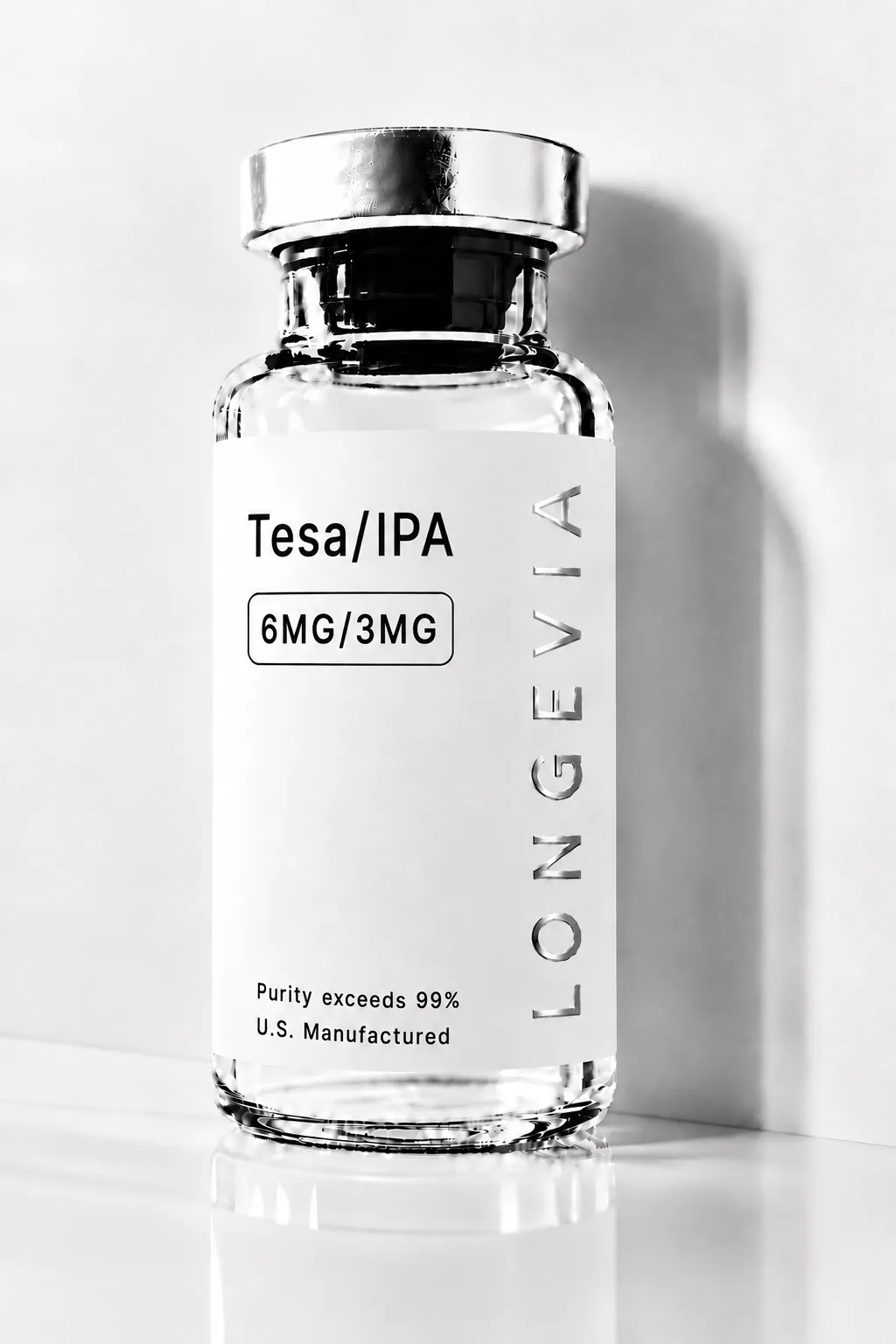
Tesa/IPA
Tesa/IPA — Tesamorelin and Ipamorelin combination research vials in 6mg/3mg and 13mg/3mg formats. GHRH-axis laboratory research compound supplied by Longevia Research for in-vitro use only.
$180.00
Slide to add
Product FAQs
Find answers to common questions regarding storage, reconstitution, and testing guidelines for this specific compound.