Growth Hormone SecretagoguesMetabolic ResearchRecovery & Tissue Repair
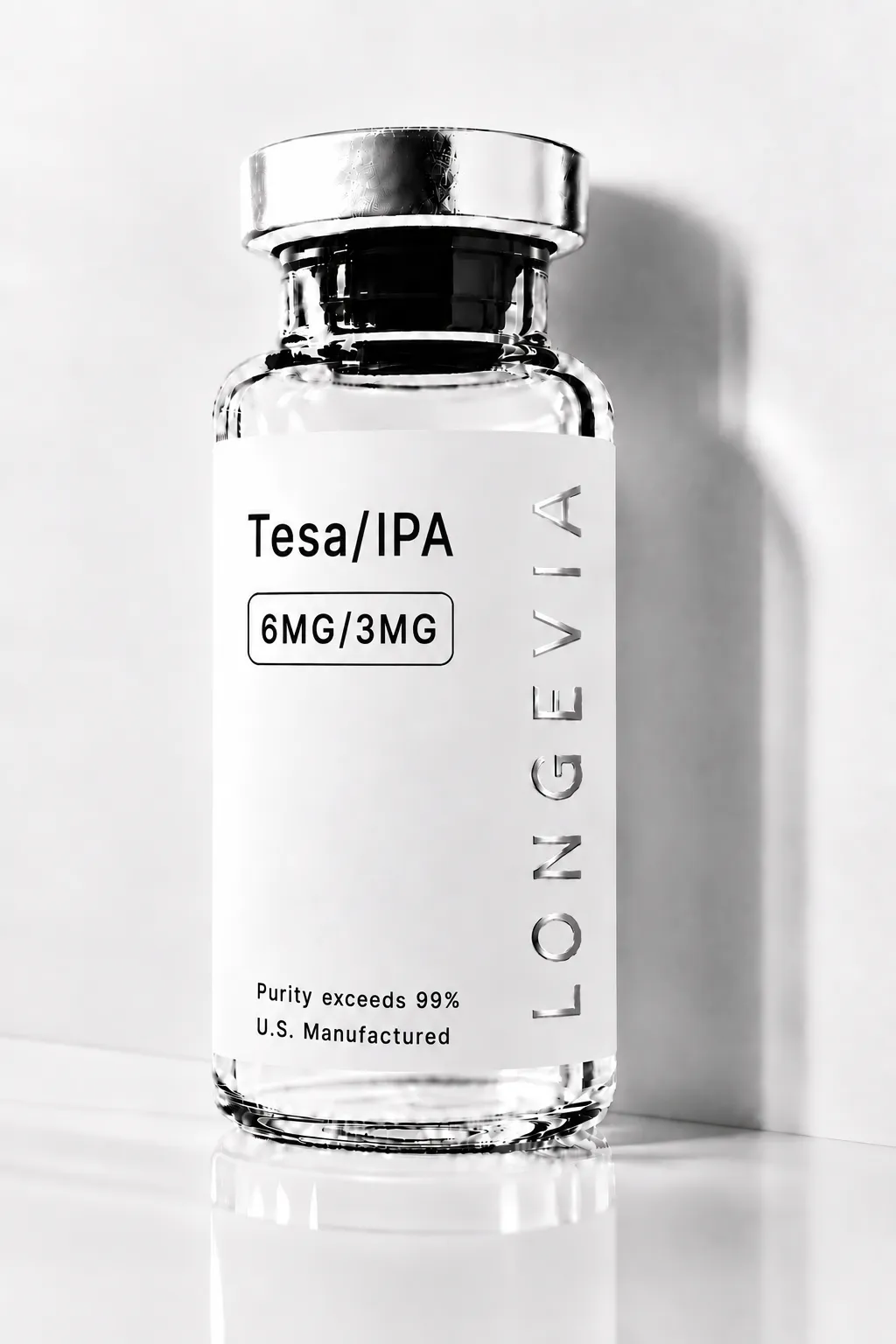
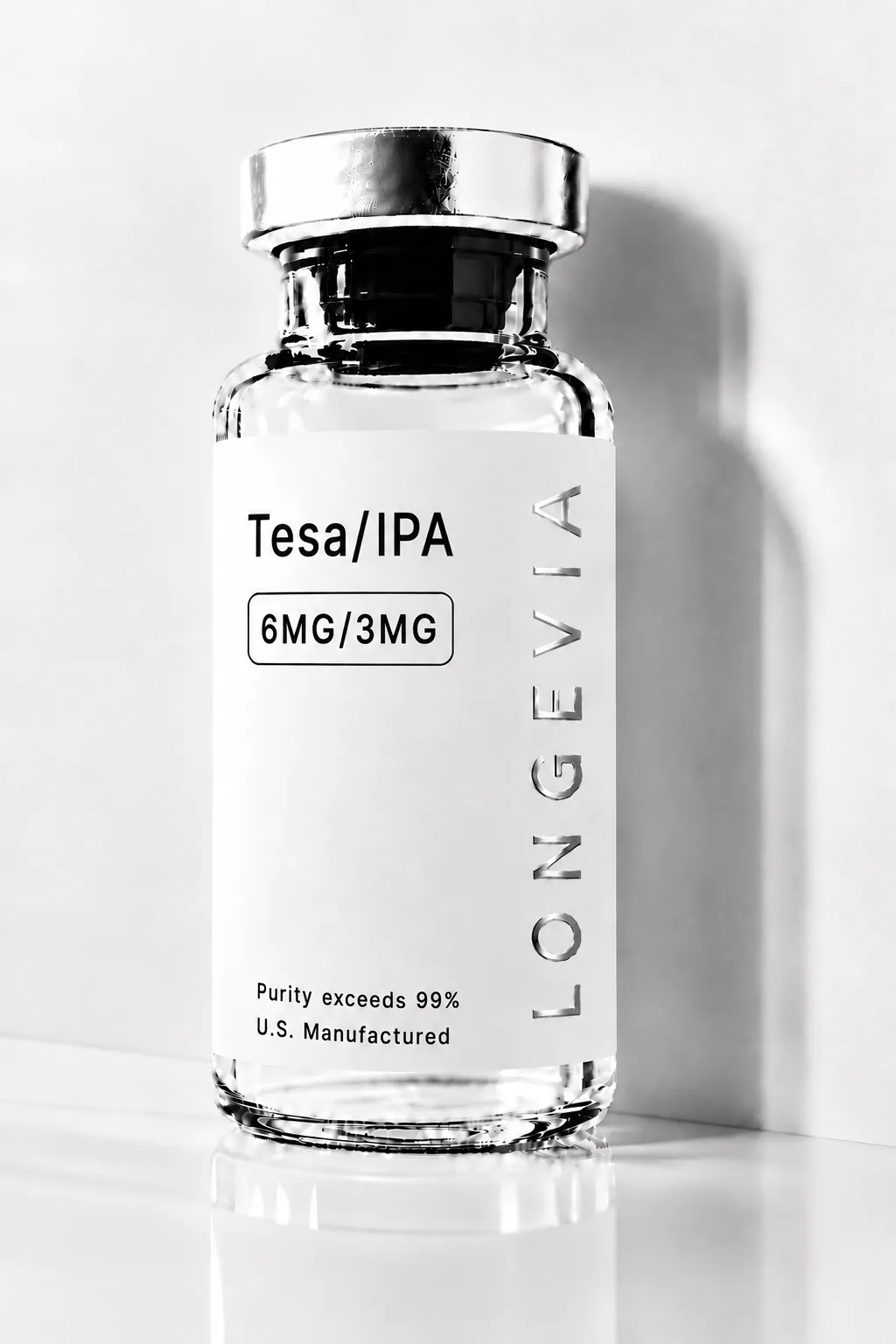
Tesa/IPA
$180.00
1
Slide to Add
Purity≥99% Tested
TestingLC-MS Verified
LocationUS Based
Tesa/IPA is a dual-compound research product supplied by Longevia Research, combining two synthetic research peptides — Tesamorelin and Ipamorelin — that engage distinct receptor systems within the growth-hormone axis. The product is available in two vial configurations: a 6mg Tesamorelin / 3mg Ipamorelin vial, and a 13mg Tesamorelin / 3mg Ipamorelin vial. Both formats are supplied as laboratory research materials intended for qualified researchers studying growth-hormone-axis pharmacology and related experimental systems.Tesamorelin is also an FDA-approved pharmaceutical compound, marketed under the trade name Egrifta, for the specific indication of excess abdominal fat accumulation in HIV-infected adults with lipodystrophy — an approval that applies only to the licensed pharmaceutical product, not to research material. Ipamorelin (H-Aib-His-D-2-Nal-D-Phe-Lys-NH₂) is a synthetic pentapeptide studied as a selective agonist of the growth-hormone secretagogue receptor (GHSR-1a). The two compounds address different but complementary research nodes within the GH secretory system, making the combination a recognised experimental tool for investigators examining GH-axis signalling through dual-receptor engagement.
Standard Delivery3-4 Working Days
Free ShippingOn all orders above $300
Comprehensive Product Details
Tesa/IpA is a combination research product containing two separately characterised synthetic research peptides co-supplied in a single research vial. Each component retains its own chemical identity, molecular characteristics, and independent published research literature.
Tesamorelin — Component Overview
Tesamorelin is a synthetic 44-amino acid analogue of endogenous human growth hormone-releasing hormone (GHRH), the hypothalamic peptide that stimulates pituitary somatotroph cells to synthesise and release growth hormone (GH). The structural distinction between Tesamorelin and native GHRH lies at the N-terminus: Tesamorelin carries a trans-3-hexenoic acid group conjugated to the amino-terminal tyrosine residue. This modification confers substantially increased resistance to dipeptidyl peptidase-IV (DPP-IV) cleavage — the principal route of rapid in-vivo degradation for endogenous GHRH — while preserving full agonist activity at the GHRH receptor.
Ipamorelin — Component Overview
Ipamorelin (H-Aib-His-D-2-Nal-D-Phe-Lys-NH₂) is a synthetic pentapeptide first characterised at Novo Nordisk A/S under the development designation NNC 26-0161. It is a selective agonist of the growth-hormone secretagogue receptor GHSR-1a — the receptor through which endogenous ghrelin and synthetic GH secretagogues stimulate pituitary GH release. Ipamorelin's sequence incorporates non-proteinogenic residues: Aib (α-aminoisobutyric acid) at the N-terminus and D-2-Nal (D-2-naphthylalanine) at position 3, structural features that confer GHSR-1a selectivity and proteolytic resistance. The C-terminus is a carboxamide.
Combination and Vial Configurations
Tesamorelin and Ipamorelin engage distinct receptor populations: GHRH receptor (GHRHR) somatotrophs for Tesamorelin, and the ghrelin/GHSR-1a receptor for Ipamorelin. These two receptor systems activate somatotroph cells through partially distinct intracellular signalling cascades — adenylyl cyclase/cAMP-mediated for GHRHR, and phospholipase C/protein kinase C-mediated for GHSR-1a — which can produce additive amplification of GH pulse amplitude in experimental co-administration models compared to either compound administered alone.
Advanced Research Focus
Research Background: Dual Growth-Hormone Secretagogue Research
The secretion of growth hormone (GH) from pituitary somatotrophs is regulated by several interacting signals, including growth hormone-releasing hormone (GHRH), ghrelin/GH-secretagogue signalling, and somatostatin-mediated inhibition.
Tesa/IpA combines tesamorelin, a GHRH-receptor agonist, with ipamorelin, a selective growth hormone secretagogue. Because the two compounds act through distinct receptor systems, their combination provides a research model for investigating coordinated stimulation of the somatotropic axis.
Tesamorelin and GHRH-Receptor Research
Tesamorelin is a synthetic analogue of GHRH that acts at the GHRH receptor (GHRHR) on pituitary somatotrophs. GHRHR activation stimulates intracellular cAMP signalling and promotes GH secretion through the pituitary's endogenous secretory pathway.
Tesamorelin has also been extensively studied in human clinical research. In the United States, tesamorelin is an FDA-approved drug for the reduction of excess abdominal fat in HIV-infected adults with lipodystrophy. Current FDA prescribing information specifically states that it is not indicated for general weight-loss management.
These approved-drug data establish the pharmacology and clinical history of tesamorelin itself, but they should not be interpreted as evidence for the safety or efficacy of the Tesa/IpA research combination.
Ipamorelin and GHS-Receptor Research
Ipamorelin is a synthetic pentapeptide that acts as a selective agonist of the growth hormone secretagogue receptor (GHSR). Its original pharmacological characterisation demonstrated GH-releasing activity in pituitary cells and animal models, with substantially less stimulation of ACTH and cortisol than some earlier growth hormone secretagogues under the conditions tested.
Subsequent experimental research has examined ipamorelin in models involving GH secretion, bone biology, and other aspects of somatotropic-axis function. These studies are primarily preclinical and should be interpreted according to the specific model and experimental conditions.
GHRH and GHS Pathway Interaction
GHRH and GHS receptor signalling are mechanistically distinct but can interact within pituitary GH regulation. Experimental studies have demonstrated that simultaneous activation of GHRH and GHS pathways can produce greater GH responses than stimulation of either pathway alone. This interaction has been demonstrated with several GHRH/GHS combinations in cellular, animal, and human research.
This complementary receptor pharmacology provides the scientific basis for investigating tesamorelin and ipamorelin together. However, evidence involving other GHRH analogues or GH secretagogues should not be treated as direct evidence for the exact Tesa/IpA formulation.
Research Context
The two components represent complementary areas of GH-axis research:
Tesamorelin: GHRH-receptor activation and pituitary GH regulation
Ipamorelin: GHSR-mediated GH-secretagogue signalling
Combination research: interaction between distinct stimulatory pathways controlling somatotroph activity
Published literature supports investigation of the underlying GHRH/GHS receptor interaction, but direct research on the specific Tesa/IpA 6mg/3mg and 13mg/3mg formulations is limited. Experimental results should therefore be evaluated using appropriate controls and should not be extrapolated from studies of tesamorelin, ipamorelin, or related compounds individually.
Research & Regulatory Context
Tesamorelin has an established clinical and regulatory history as an approved prescription drug for a specific HIV-associated lipodystrophy indication in the United States. The approval does not extend to the Tesa/IpA combination or to general body-composition, anti-aging, or performance applications.
Ipamorelin is a research compound and is not established as an FDA-approved human therapeutic. The Tesa/IpA combination itself has no regulatory approval as a therapeutic formulation.
Longevia supplies Tesa/IpA as a research-use material for laboratory investigation. It is not presented for human administration, diagnosis, or treatment.
Uncompromising Quality Standards
Research reproducibility in GH-axis pharmacology depends on reliable compound characterisation. For a dual-peptide research product, quality documentation must address each component individually — confirming that both the GHRH-analogue component (Tesamorelin) and the GHSR-1a agonist component (Ipamorelin) are present at specified quantities with verified identity and purity.
Peptide identity: Each batch of Tesa/IpA is characterised by mass spectrometric analysis for both components, confirming that the observed molecular ions are consistent with Tesamorelin (C₂₂₁H₃₆₆N₇₂O₆₇S, approximately 5,135.86 g/mol) and Ipamorelin (C₃₈H₄₉N₉O₅, 711.9 g/mol). This distinguishes each compound from truncated sequences, incorrect analogues, or synthesis-related impurities.
Purity and batch documentation: A batch-specific Certificate of Analysis is available on the Longevia Research website for each production lot of Tesa/IpA. Researchers are encouraged to consult the current batch documentation before incorporating the material into experimental protocols, as analytical specifications apply at the lot level.
Storage: Lyophilised research peptide materials should be stored under conditions that prevent moisture uptake, photodegradation, and temperature excursion. Specific storage conditions and shelf-life information for this lot are confirmed on the batch Certificate of Analysis and product labelling.
Synthesis: Both Tesamorelin and Ipamorelin are produced by solid-phase peptide synthesis (SPPS), the standard methodology for synthetic research peptides of these classes, followed by purification and lyophilisation.
Legal & Compliance Notice
Longevia Research supplies Tesa/IpA for laboratory and in-vitro research use only. The product is intended for qualified researchers and trained laboratory personnel working in appropriate controlled research environments.
Tesa/IpA is a synthetic research peptide combination supplied strictly as a laboratory research tool. It is not a dietary supplement, food, food ingredient, or cosmetic. Ipamorelin carries no regulatory approval for human or veterinary therapeutic use in any jurisdiction. While Tesamorelin is the active ingredient in FDA-approved pharmaceutical products (Egrifta family), the Longevia Tesa/IpA vials are not those pharmaceutical products: they are synthetic research materials carrying no approval, no therapeutic indication, and no pharmaceutical status.
Longevia does not supply this product for administration to humans or animals, for clinical diagnostics, or for any therapeutic application. The clinical trial results and published research referenced on this page describe findings from research involving these compounds under specific experimental protocols. They do not establish that the Longevia research material is safe, effective, or equivalent to approved pharmaceutical products.
No dosing instructions, reconstitution guidance for administration, treatment protocols, cycle recommendations, or human-use information of any kind is provided. The purchaser assumes full responsibility for lawful acquisition, handling, storage, use, and disposal of this material, and for compliance with all applicable local, state, federal, and institutional regulations.
Continue Exploring
Also Considered.
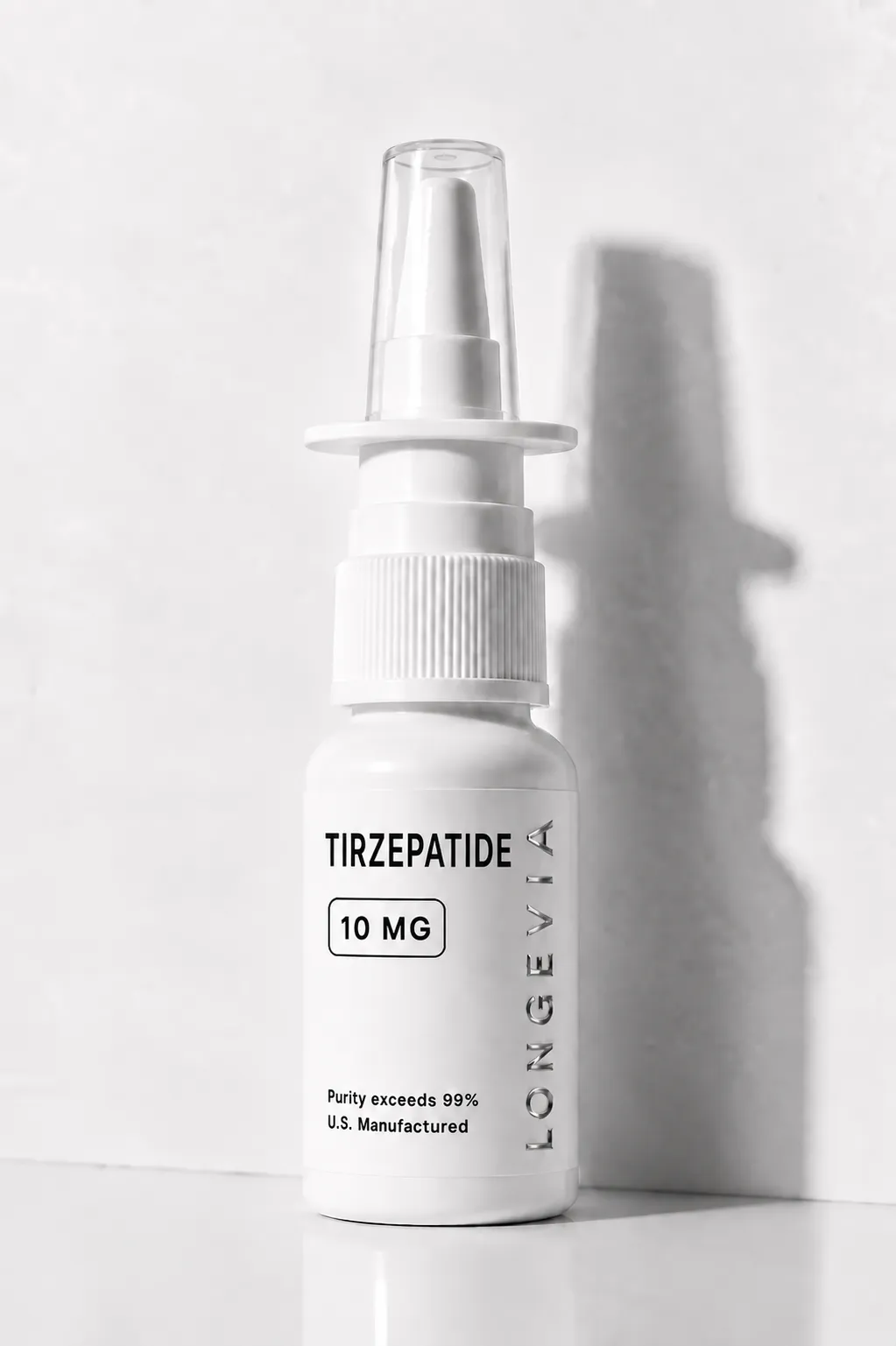
Tirzepatide — Spray
Longevia Research supplies Tirzepatide (LY3298176, CAS 2023788-19-2) in 10mg, 20mg, 30mg, and 60mg quantities in a 45-spray research format. A synthetic 39-amino-acid dual GIP and GLP-1 receptor agonist peptide investigated in incretin biology, pancreatic islet signaling, glucose homeostasis, metabolic research, and cardiometabolic pharmacology. Research Use Only.
$144.00
Slide to add
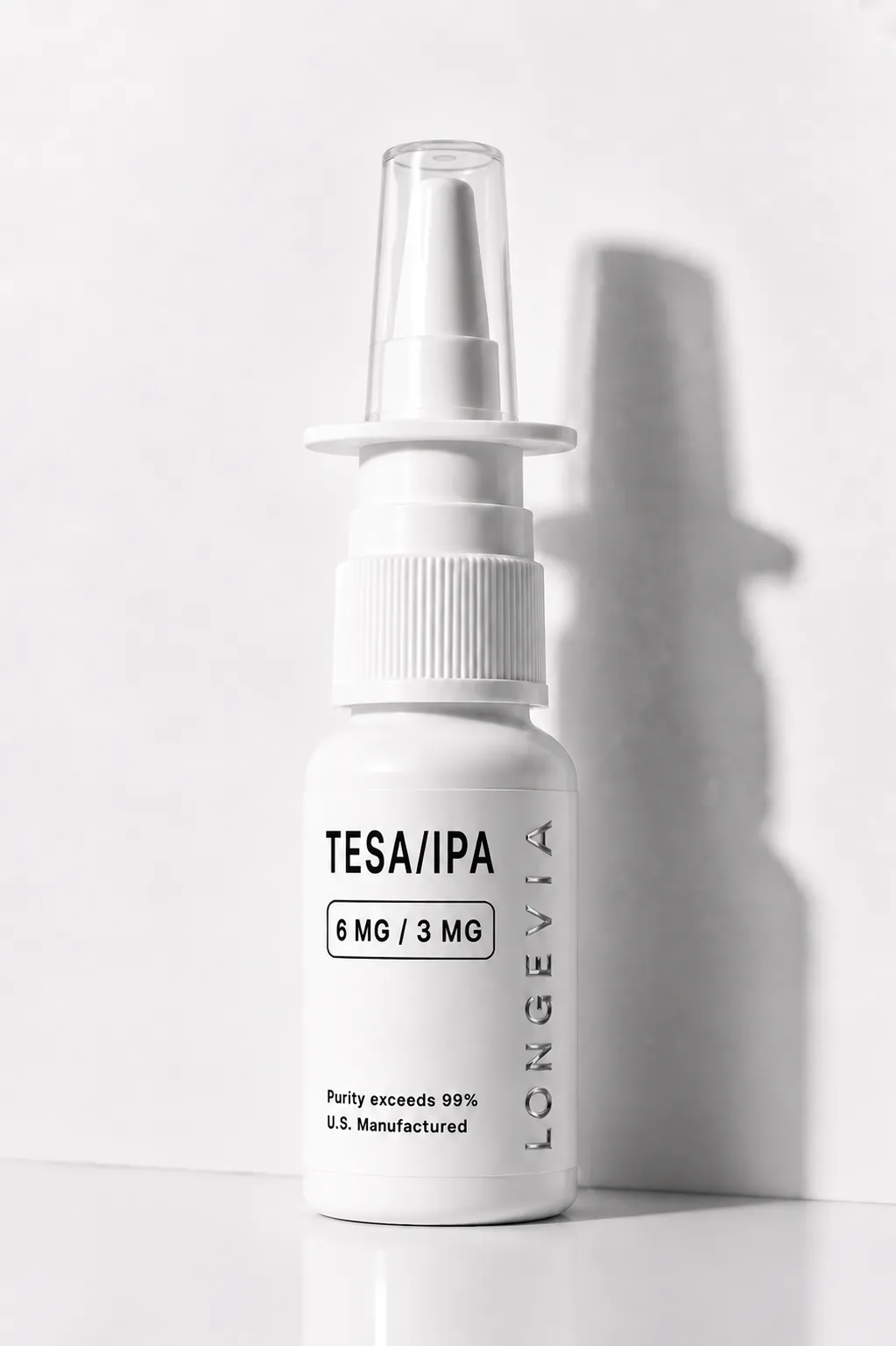
Tesa/IPA — Spray
Longevia Research supplies Tesa/IPA — a two-peptide research formulation containing Tesamorelin (CAS 218949-48-5), a synthetic GHRH analog, and Ipamorelin (CAS 170851-70-4), a growth hormone secretagogue associated with GHS-R/ghrelin receptor signaling. Available in 6mg/3mg and 13mg/3mg compositions, 45 sprays. Research Use Only.
$225.00
Slide to add
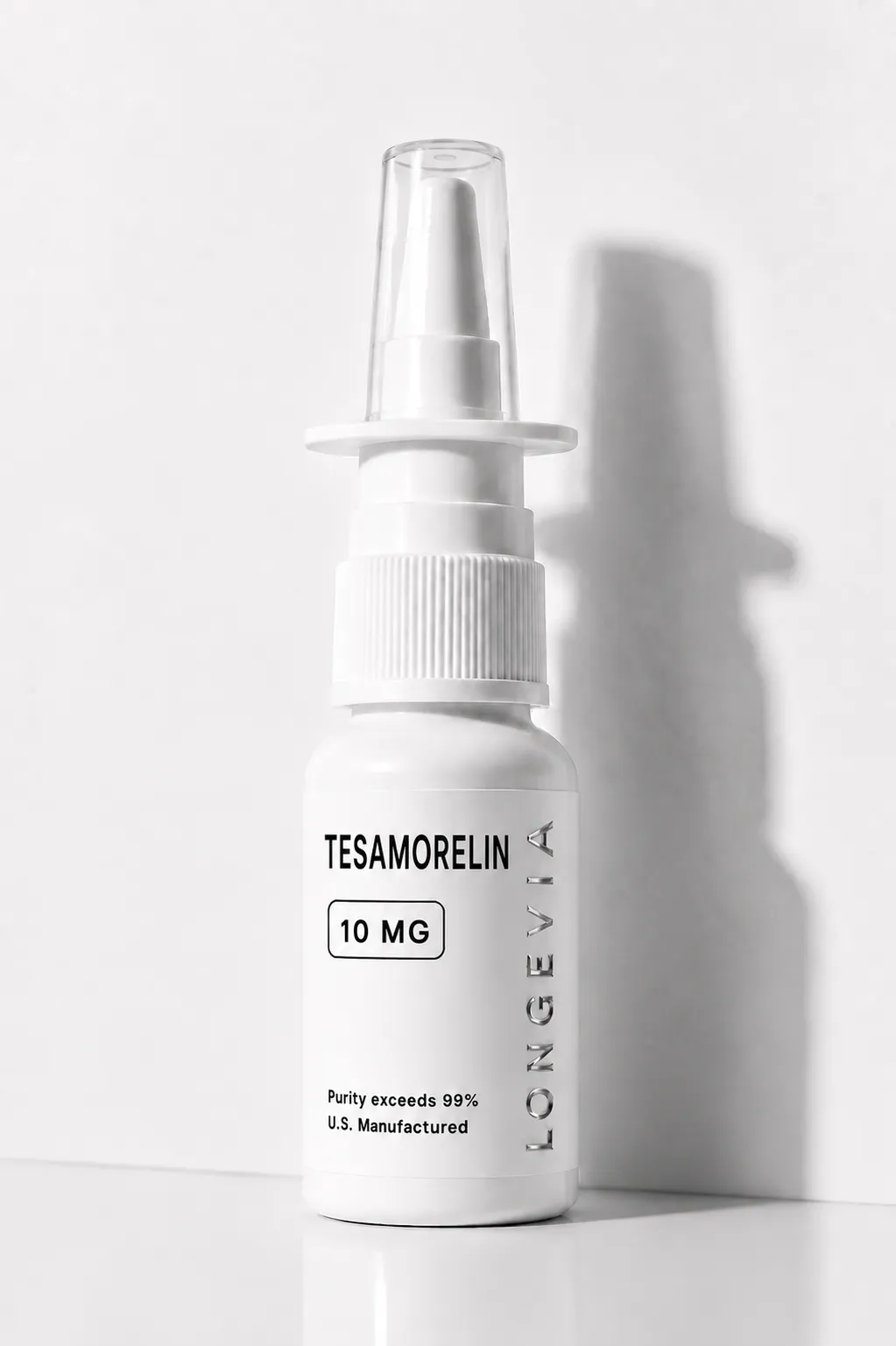
Tesamorelin Spray
Longevia Research supplies Tesamorelin in 10mg and 20mg quantities in a 45-spray format for qualified laboratory research. Tesamorelin (CAS 218949-48-5) is a synthetic GHRH analog and Class B GPCR agonist investigated in GHRH receptor pharmacology, pituitary somatotroph signaling, and GH/IGF-1 axis research. Research Use Only.
$270.00
Slide to add
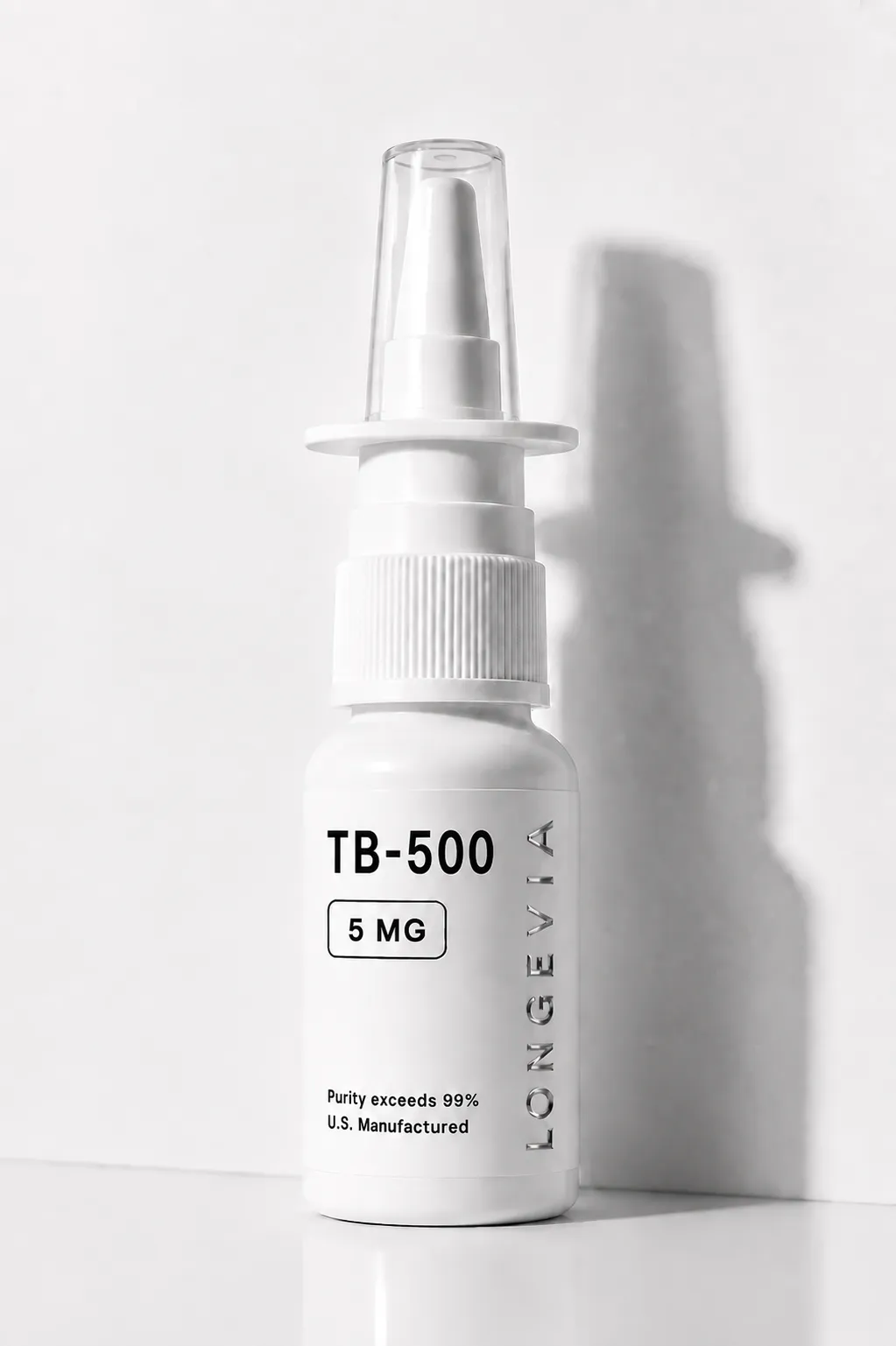
TB-500 — Spray
Longevia Research supplies TB-500 in 5mg and 10mg quantities in a 45-spray format for qualified laboratory research. TB-500 is a synthetic acetylated heptapeptide (Ac-LKKTETQ, CAS 885340-08-9) corresponding to the actin-binding domain of thymosin beta-4, investigated in G-actin sequestration, cytoskeletal dynamics, cell migration, and tissue biology research. Research Use Only.
$189.00
Slide to add
Product FAQs
Find answers to common questions regarding storage, reconstitution, and testing guidelines for this specific compound.