Metabolic Research
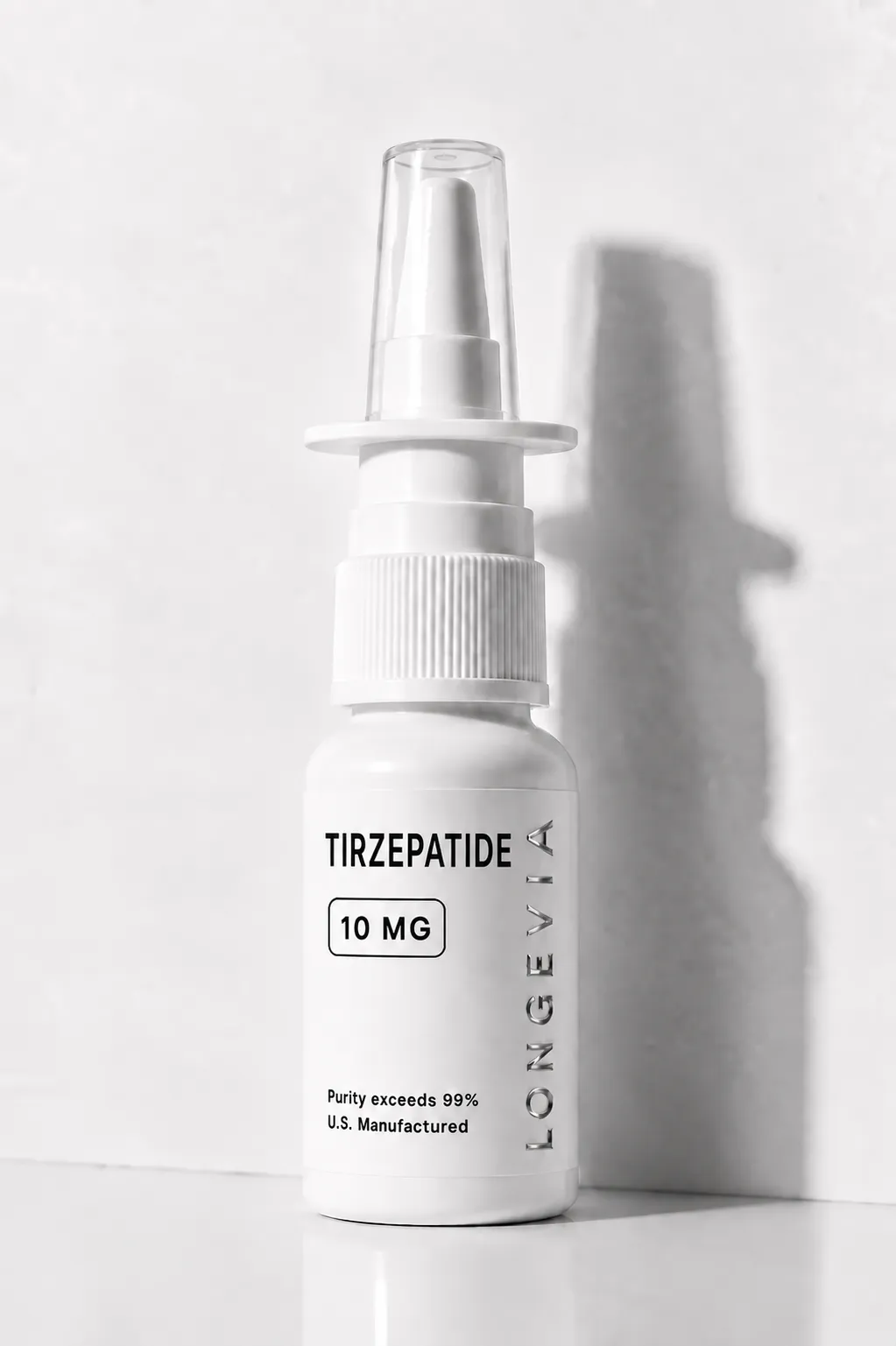
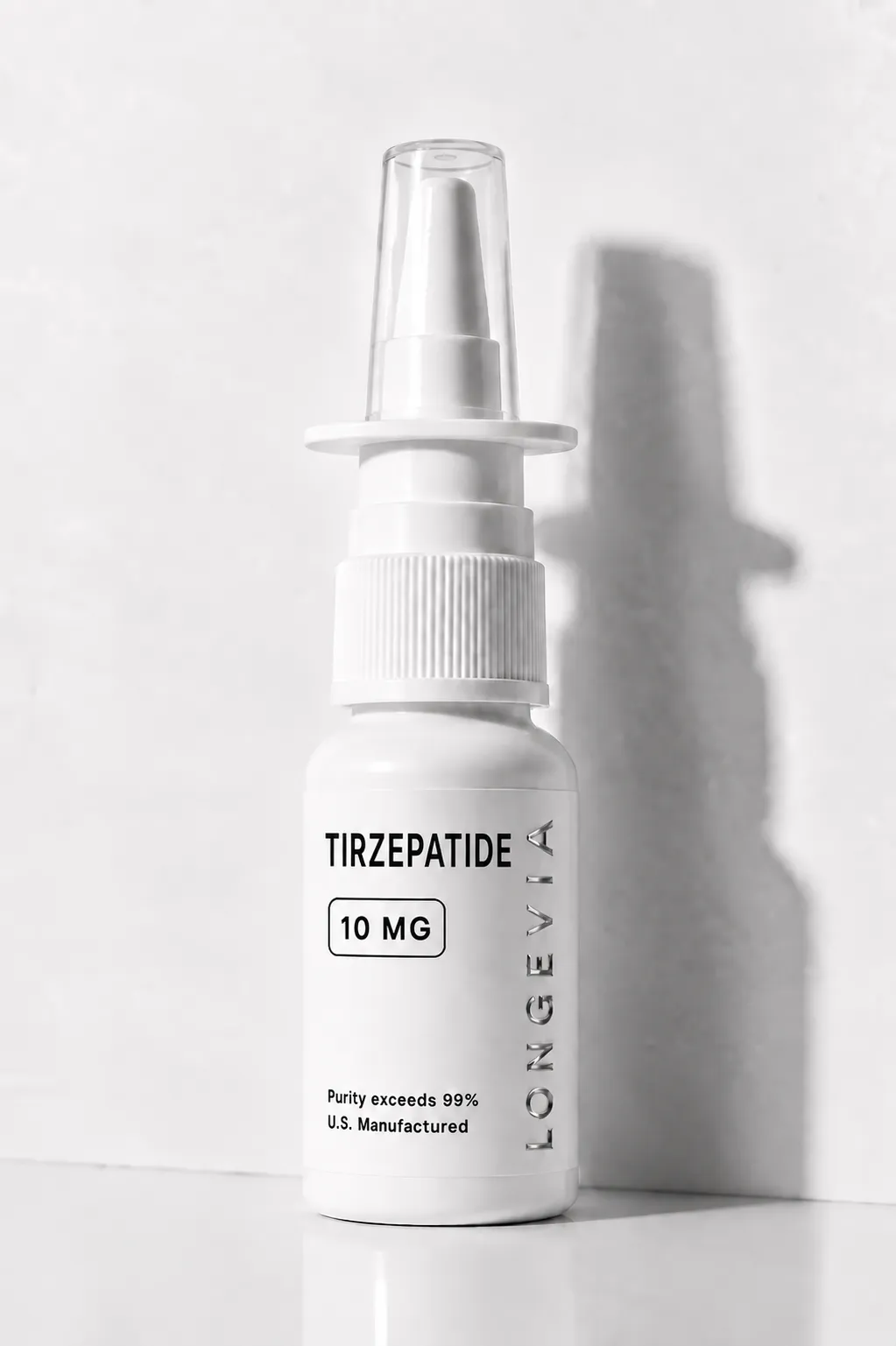
Tirzepatide — Spray
$144.00
Bulk BundlesSave up to 23%
Please select your dosage above to view accurate bulk pricing.1
Slide to Add
Purity≥99% Tested
TestingLC-MS Verified
LocationUS Based
Tirzepatide (development code LY3298176, CAS 2023788-19-2) is a synthetic 39-amino-acid research compound and unimolecular dual agonist at both the glucose-dependent insulinotropic polypeptide receptor (GIPR) and the glucagon-like peptide-1 receptor (GLP-1R) — the first approved unimolecular dual GIP/GLP-1 receptor agonist. Its primary sequence is derived from the endogenous GIP sequence and incorporates two non-standard α-aminoisobutyric acid (Aib) residues at positions 2 and 13, conferring resistance to DPP-IV-mediated proteolysis, and a C20 fatty diacid moiety attached via a hydrophilic linker at lysine-20, promoting albumin binding and extending plasma half-life to approximately 5 days in pharmaceutical subcutaneous injection formulations. Both receptor targets are Class B1 Gαs-coupled GPCRs whose activation promotes adenylyl cyclase stimulation, intracellular cAMP elevation, and glucose-dependent insulin secretion from pancreatic beta cells. In pharmacological characterization studies, Tirzepatide demonstrates balanced agonist activity at both receptor targets, with EC50 values of approximately 18.2 nM at GIPR and 18.1 nM at GLP-1R. Tirzepatide has a substantial pharmaceutical and regulatory history. Under the brand name Mounjaro®, it received FDA approval in May 2022 for glycemic control in adults with type 2 diabetes — the first dual GIP/GLP-1 receptor agonist approved for any indication. Under the brand name Zepbound®, it received FDA approval in November 2023 for chronic weight management in adults with obesity or overweight with at least one weight-related comorbidity, and an additional December 2024 approval for moderate-to-severe obstructive sleep apnea in adults with obesity. The European Commission granted approval in September 2022. These pharmaceutical approvals apply exclusively to the specific Mounjaro® and Zepbound® subcutaneous injection formulations and do not extend to the Longevia Research Tirzepatide spray, which is a separately supplied research compound without pharmaceutical approval, clinical validation, or equivalence to any approved product. Longevia Research supplies Tirzepatide in four stated quantity variants — 10mg, 20mg, 30mg, and 60mg — each in a liquid spray format containing 45 sprays per bottle, for qualified laboratory and scientific research purposes only.
Standard Delivery3-4 Working Days
Free ShippingOn all orders above $300
Product Details
Scientific identity: Tirzepatide (CAS 2023788-19-2); development code LY3298176; molecular formula C₂₂₅H₃₄₈N₄₈O₆₈; molecular weight approximately 4,810–4,813 g/mol (free base; source-dependent rounding); 39-residue synthetic dual incretin receptor agonist.
Compound class: Synthetic dual GIP/GLP-1 receptor agonist; unimolecular dual incretin receptor agonist; metabolic research compound; Research Use Only — not a drug, dietary supplement, food, or cosmetic.
Molecular design
GIP sequence-derived 39-amino-acid backbone engineered for dual GIPR/GLP-1R agonism; Aib (α-aminoisobutyric acid) residues at positions 2 and 13 create steric hindrance protecting the N-terminal sequence from DPP-IV cleavage; C20 fatty diacid attached via hydrophilic linker (two mini-PEG spacers and a gamma-glutamic acid residue) at Lys-20 enables non-covalent serum albumin binding, reducing renal clearance and proteolysis to extend plasma half-life; these pharmacokinetic properties are specific to the pharmaceutical subcutaneous injection formulation and cannot be assumed to apply to the Longevia Research spray.
Receptor targets
GIPR (glucose-dependent insulinotropic polypeptide receptor) — Class B1 Gαs-coupled GPCR expressed on pancreatic beta cells, adipocytes, bone cells, GI tract, and CNS; GIP secreted by intestinal K-cells in response to nutrient ingestion; GIPR activation promotes glucose-dependent insulin secretion via Gs/cAMP/PKA; GIPR expression in adipose tissue investigated in relation to lipid uptake and adipocyte function. GLP-1R (glucagon-like peptide-1 receptor) — Class B1 Gαs-coupled GPCR expressed on pancreatic beta and alpha cells, GI smooth muscle, cardiac tissue, renal tissue, hepatocytes, and CNS neurons including hypothalamic and brainstem appetite-related circuits; GLP-1 secreted by intestinal L-cells; GLP-1R activation promotes glucose-dependent insulin secretion, suppresses glucagon, delays gastric emptying, and engages central satiety signaling.
Dual-receptor pharmacology rationale: The scientific rationale for unimolecular dual GIPR/GLP-1R agonism rests on the complementary biology of the two incretin systems — both coupling to Gs/cAMP at the beta cell for potentially additive insulin secretory stimulation, with partially distinct tissue distribution profiles (GLP-1R predominating in central appetite circuits; GIPR having more pronounced adipose and bone expression); balanced EC50 values (~18.2 nM GIPR; ~18.1 nM GLP-1R) in in-vitro pharmacological characterization confirm that Tirzepatide functions as a balanced agonist at both targets.
Distinction from semaglutide: Tirzepatide (dual GIPR + GLP-1R agonist, GIP sequence-derived backbone, C20 fatty diacid) and semaglutide (GLP-1R agonist only, GLP-1 sequence-derived backbone, C18 fatty diacid) are not interchangeable; they engage different receptor population profiles and have separate clinical trial evidence bases; research findings from one do not establish properties of the other.
Pharmaceutical approvals: Mounjaro® (T2D, FDA May 2022); Zepbound® (chronic weight management, FDA November 2023; obstructive sleep apnea in adults with obesity, FDA December 2024); European Commission approval September 2022; these approvals apply to specific pharmaceutical subcutaneous injection formulations and do not extend to this research spray.
Product content: Available in four variants — 10mg, 20mg, 30mg, and 60mg per bottle; 45 sprays per bottle for all variants.
Physical form: Liquid research spray.
Purity: Research-grade.
Analytical documentation
A batch-specific Certificate of Analysis is available on the Longevia Research website, covering compound identity, purity, and lot traceability; identity confirmation should include mass spectrometric verification at approximately 4,810–4,813 g/mol confirming the complete 39-residue sequence with Aib residues at positions 2 and 13 and the C20 fatty diacid linker modification at Lys-20; the fatty acid-linker modification contributes a defined mass increment that analytically distinguishes Tirzepatide from the unmodified peptide backbone; chromatographic purity assessment separates Tirzepatide from deletion sequences, truncated fragments, and synthesis-related impurities relevant to a 39-residue modified peptide of this complexity.
Research-use classification
Research Use Only; not approved for human or veterinary use; not intended for administration to humans or animals.
Research Focus & Mechanism Overview
Research background
The development of Tirzepatide emerged from the scientific recognition that simultaneous engagement of two complementary incretin receptor pathways might offer a pharmacologically distinct approach to metabolic regulation. The incretin effect — characterized in the 1970s and 1980s as the amplification of insulin secretion following oral versus intravenous glucose, attributed to GIP and GLP-1 — had historically proceeded through largely parallel pharmaceutical development tracks, with GLP-1-based pharmacology (exenatide, liraglutide, semaglutide) receiving the majority of attention. Growing characterization of GIPR's distinct tissue distribution — including adipose, bone, and CNS expression — and the potential for complementary metabolic effects from dual-receptor engagement motivated Eli Lilly's development of LY3298176 as a GIP sequence-derived peptide engineered to accommodate both receptor specificities within a single molecule. Scientific interest in multi-receptor incretin agonism was also informed by research into naturally occurring peptides from lamprey and paddlefish acting as multi-receptor incretin agonists (Conlon and colleagues, 2022).
Receptor pharmacology and signaling
Both GIPR and GLP-1R are Class B1 GPCRs characterized by large N-terminal extracellular domains serving as primary ligand-binding surfaces, coupling predominantly to Gαs — stimulating adenylyl cyclase, elevating intracellular cAMP, and activating PKA and Epac, which phosphorylate downstream substrates regulating insulin granule exocytosis, gene transcription via CREB, and cell survival pathways. The glucose-dependent nature of incretin-stimulated insulin secretion — attenuated or absent at normal or low blood glucose — is a mechanistically critical feature distinguishing incretin receptor agonists from glucose-independent secretagogues and reducing hypoglycemia risk in preclinical and clinical characterization. Beyond Gs/cAMP, both receptors can signal through Gq-coupled and β-arrestin-mediated pathways; Tirzepatide has been characterized as showing preferential Gs/cAMP signaling versus β-arrestin recruitment at GIPR — a signaling bias observation with potential implications for receptor regulatory properties in studied experimental systems. Alpha-cell GIPR expression introduces a possible GIPR-mediated glucagon-stimulating effect at hypoglycemia — a physiologically relevant mechanistic consideration in dual-agonist research design.
Key research areas
Pancreatic islet research has used isolated rodent and human islets and beta-cell-derived cell lines (INS-1, MIN6) to characterize Tirzepatide's glucose-dependent insulin secretory stimulation, comparing dual-receptor versus single-receptor agonist conditions and examining downstream cAMP kinetics and phosphoproteomic responses. Preclinical animal research in diet-induced obesity models, db/db mice, and ZDF rats examined glucose regulation, body composition, and food intake endpoints, with Tirzepatide demonstrating more pronounced effects than semaglutide comparators in some animal systems — model-specific findings that mechanistically informed but did not predict the magnitude of human clinical results. Adipose tissue research has investigated GIPR-mediated signaling in primary adipocytes and adipocyte cell lines in relation to lipid uptake, adipogenesis, and lipase activity; the net metabolic role of GIPR in adipose tissue in the context of combined dual-receptor agonism remains an active area of investigation. Hepatic metabolism research has examined GLP-1R-mediated signaling in hepatocyte models for glucose output, lipogenesis, and metabolic gene expression endpoints.
Human clinical research and regulatory status
The SURPASS Phase 3 programme evaluated Tirzepatide in adults with type 2 diabetes across multiple trials (SURPASS-1 through SURPASS-5 and SURPASS-CVOT), examining HbA1c reduction, fasting plasma glucose, and body-weight changes via weekly subcutaneous injection; SURPASS-2 included a direct comparison with semaglutide 1mg, with Tirzepatide demonstrating greater HbA1c and body-weight reductions in that specific trial — findings attributable to the specific pharmaceutical formulations, populations, doses, and conditions studied. The SURMOUNT programme enrolled adults with obesity or overweight; SURMOUNT-1 reported statistically significant mean body-weight reductions at 72 weeks across dose groups versus placebo; SURMOUNT-4 reported mean weight loss of approximately 26.0% in treated subjects completing 88 weeks — findings specific to the pharmaceutical formulation, titration schedule, and patient population. All clinical findings are specific to Mounjaro®/Zepbound® pharmaceutical subcutaneous injection formulations under controlled conditions; pharmacokinetic parameters (approximate 5-day half-life, defined Cmax/AUC/bioavailability values) are route- and formulation-specific and cannot be assumed to apply to the Longevia Research spray, for which no pharmacokinetic or bioavailability data are stated. No clinical trial finding from the pharmaceutical Tirzepatide programmes establishes the safety, efficacy, bioavailability, or biological properties of the Longevia Research spray.
Quality & Purity Standards
For a large modified peptide such as Tirzepatide (39 amino acids, MW ~4810–4813 g/mol, with two non-standard Aib residues and a C20 fatty diacid modification at Lys-20), research-grade analytical characterization must address both the peptide backbone identity and the fatty diacid modification — each of which is analytically defining and must be confirmed independently. The presence of the C20 fatty diacid moiety cannot be inferred from the peptide sequence alone and requires mass spectrometric confirmation of the total molecular mass, which differs from the unmodified 39-residue backbone. A preparation lacking the fatty acid modification would be a different compound with different pharmacological properties; similarly, incorrect Aib incorporation at positions 2 or 13 would represent a sequence error with direct consequences for DPP-IV resistance and receptor pharmacology.
Research-grade quality assessment for Tirzepatide appropriately involves:
Molecular mass confirmation: High-resolution mass spectrometry (HRMS or LC-MS/MS) confirming the molecular weight consistent with the full modified peptide (~4810–4813 g/mol, C₂₂₅H₃₄₈N₄₈O₆₈), distinguishing the compound from the unmodified backbone (~3890 g/mol without the fatty diacid linker), from truncated sequences, and from related incretin peptides.
Fatty diacid modification confirmation: Specific analytical verification that the C20 fatty diacid moiety is present and correctly attached at Lys-20, using tandem MS fragmentation patterns and the characteristic mass increment attributable to the lipidated linker. This is a critical identity checkpoint distinguishing Tirzepatide from unlipidated analogues.
Aib residue verification: Confirmation of α-aminoisobutyric acid at positions 2 and 13 through mass spectrometric sequence analysis — Aib produces a +14 Da mass increment per residue relative to alanine (α-methylation), and its presence is essential both for DPP-IV resistance and for correct receptor engagement.
Sequence verification: LC-MS/MS tandem fragmentation coverage of the 39-residue backbone confirming the amino acid sequence across pharmacologically critical regions, with particular attention to the N-terminal DPP-IV resistance zone and the C-terminal receptor-binding pharmacophore.
Purity assessment: Reversed-phase HPLC (RP-HPLC or UHPLC, C18 or C8 column) quantifying the principal peptide peak against related substances, synthetic byproducts, truncated sequences, deamidation products, and oxidized species. The lipidated large peptide character of Tirzepatide requires appropriate HPLC method conditions (organic modifier gradient, column temperature) for adequate resolution from process-related impurities.
Batch documentation and traceability: Lot-specific certificate of analysis including CAS number (2023788-19-2), measured molecular weight or mass spectrum data, sequence confirmation, purity value, and lot number enabling traceability for research documentation.
Longevia Research's quality approach is oriented toward providing researchers with analytically characterized research compounds. Researchers should consult current product documentation and available certificates of analysis for batch-specific data. No specific purity grade, third-party certification, cGMP status, or independent laboratory verification is stated for this listing; researchers requiring specific quality parameters should contact Longevia Research directly.
Compliance Notice
FOR RESEARCH USE ONLY. NOT FOR HUMAN CONSUMPTION. NOT FOR VETERINARY USE.
Tirzepatide 10mg/20mg/30mg/60mg — 45 Sprays, as supplied by Longevia Research, is intended exclusively for qualified laboratory and scientific research conducted by trained professionals in appropriate research settings. This product is not a drug, dietary supplement, food, or cosmetic. It has not been evaluated or approved by the U.S. Food and Drug Administration, the European Medicines Agency, or any other regulatory authority for use as a therapeutic, prophylactic, or diagnostic agent in humans or animals.
This product is not intended to diagnose, treat, cure, or prevent any disease, condition, or health-related outcome.
Distinction from pharmaceutical Tirzepatide (Mounjaro / Zepbound): Mounjaro (tirzepatide injection, Eli Lilly) is FDA-approved for glycemic control in adults with type 2 diabetes. Zepbound (tirzepatide injection, Eli Lilly) is FDA-approved for chronic weight management in adults with obesity or overweight with at least one weight-related comorbidity, and for moderate-to-severe obstructive sleep apnea in adults with obesity. These approvals apply to specific subcutaneous injection formulations manufactured under pharmaceutical regulatory oversight, administered at defined doses in defined patient populations under clinical supervision. They do not extend to the Longevia Research Tirzepatide spray, which is a separately supplied research compound in a spray format with no regulatory approval of any kind. This product is not Mounjaro, is not Zepbound, and is not equivalent to or interchangeable with any approved tirzepatide formulation.
Evidence scope: Clinical evidence from the SURPASS and SURMOUNT trial programs — and from all other human research involving pharmaceutical Tirzepatide — was generated with specific subcutaneous injection formulations at defined dose titration schedules in precisely defined patient populations under controlled conditions. These findings do not establish the safety, efficacy, bioavailability, pharmacokinetics, stability, or clinical significance of the Longevia Research spray. Pharmacokinetic data from pharmaceutical Tirzepatide injection studies (including half-life, bioavailability, Cmax, and AUC) cannot be assumed to apply to this spray. Animal research findings do not establish human outcomes. Mechanistic receptor pharmacology findings do not establish clinical efficacy.
Purchasers are solely responsible for ensuring that acquisition, possession, storage, handling, use, and disposal of this product comply with all applicable local, state, national, and international laws and regulations governing research compounds. By purchasing this product, the purchaser confirms that they are a qualified researcher or research professional acquiring this compound for legitimate scientific research purposes only.
Continue Exploring
Also Considered.
Sale
Tirzepatide - 10 Kits Bundle
High-purity research peptide for laboratory use.
$699.99$799.99
Slide to add
Sale
Tirzepatide - 5 Kits Bundle
High-purity research peptide for laboratory use.
$399.99$449.99
Slide to add
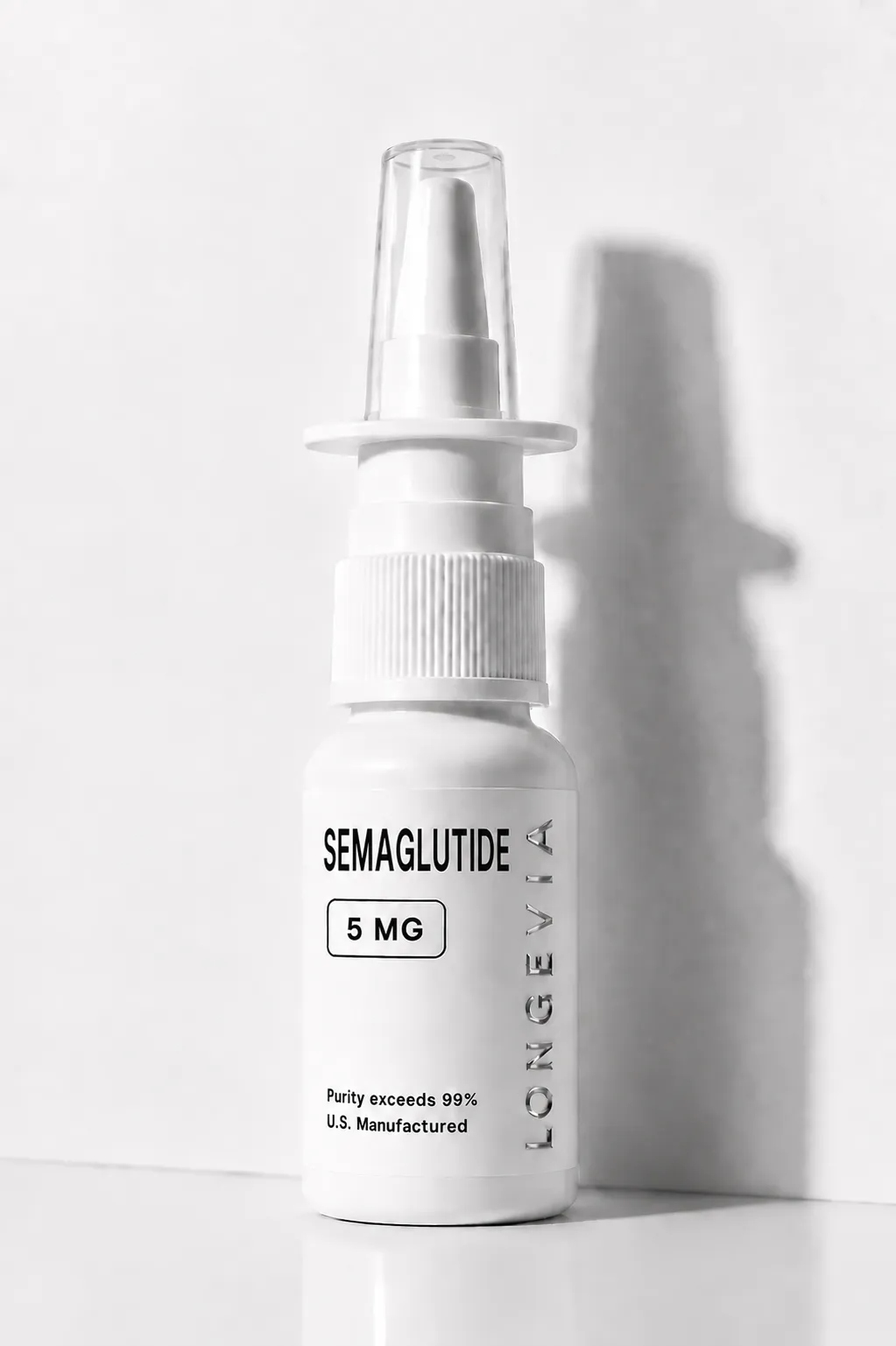
Semaglutide — Sprays
Longevia Research supplies Semaglutide in 5mg, 10mg, 20mg, and 30mg quantities, 45-spray format, for qualified laboratory research. Semaglutide is a synthetic modified GLP-1 analog and GLP-1 receptor agonist investigated in metabolic, endocrine, and incretin signaling research. Research Use Only.
$135.00
Slide to add
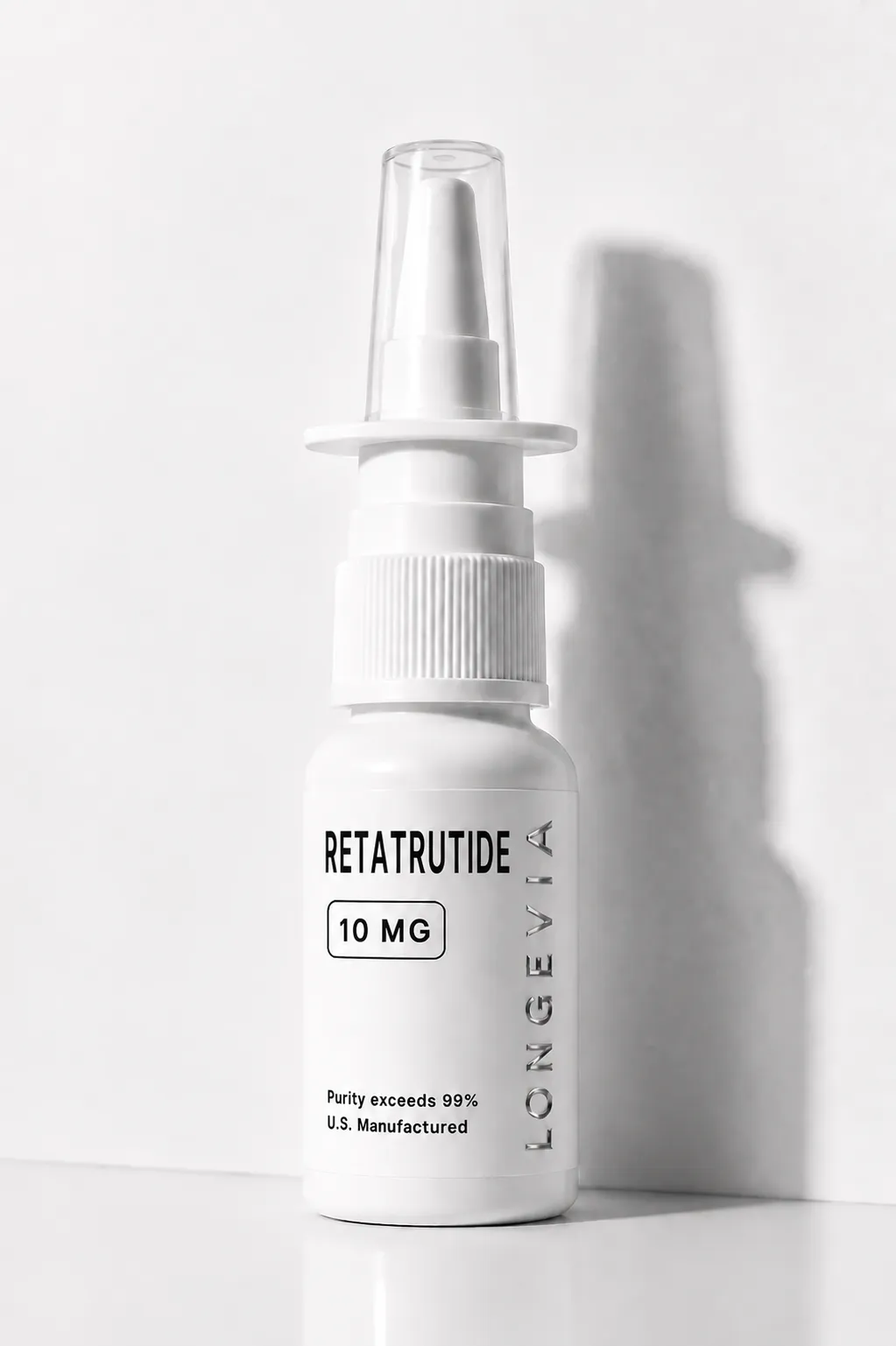
Retatrutide 10mg/20mg/30mg/60mg — 45 Sprays
Longevia Research supplies Retatrutide in 10mg, 20mg, 30mg, and 60mg quantities, 45-spray format, for qualified laboratory research. Retatrutide is an investigational synthetic peptide-based triple receptor agonist (GIPR/GLP-1R/GCGR) studied in metabolic signaling and clinical trials. Research Use Only.
$166.50
Slide to add
Product FAQs
Find answers to common questions regarding storage, reconstitution, and testing guidelines for this specific compound.