Recovery & Tissue Repair
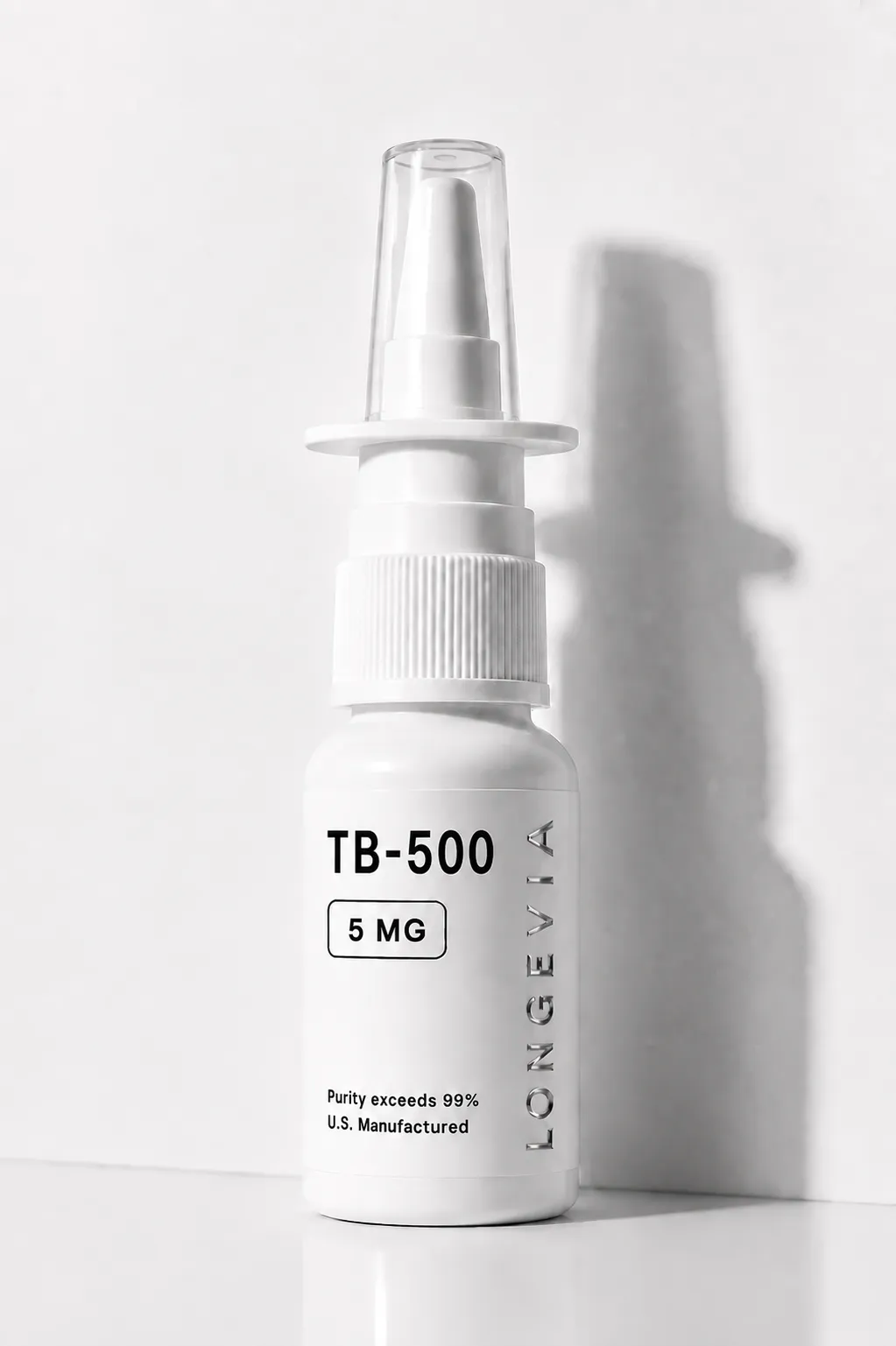
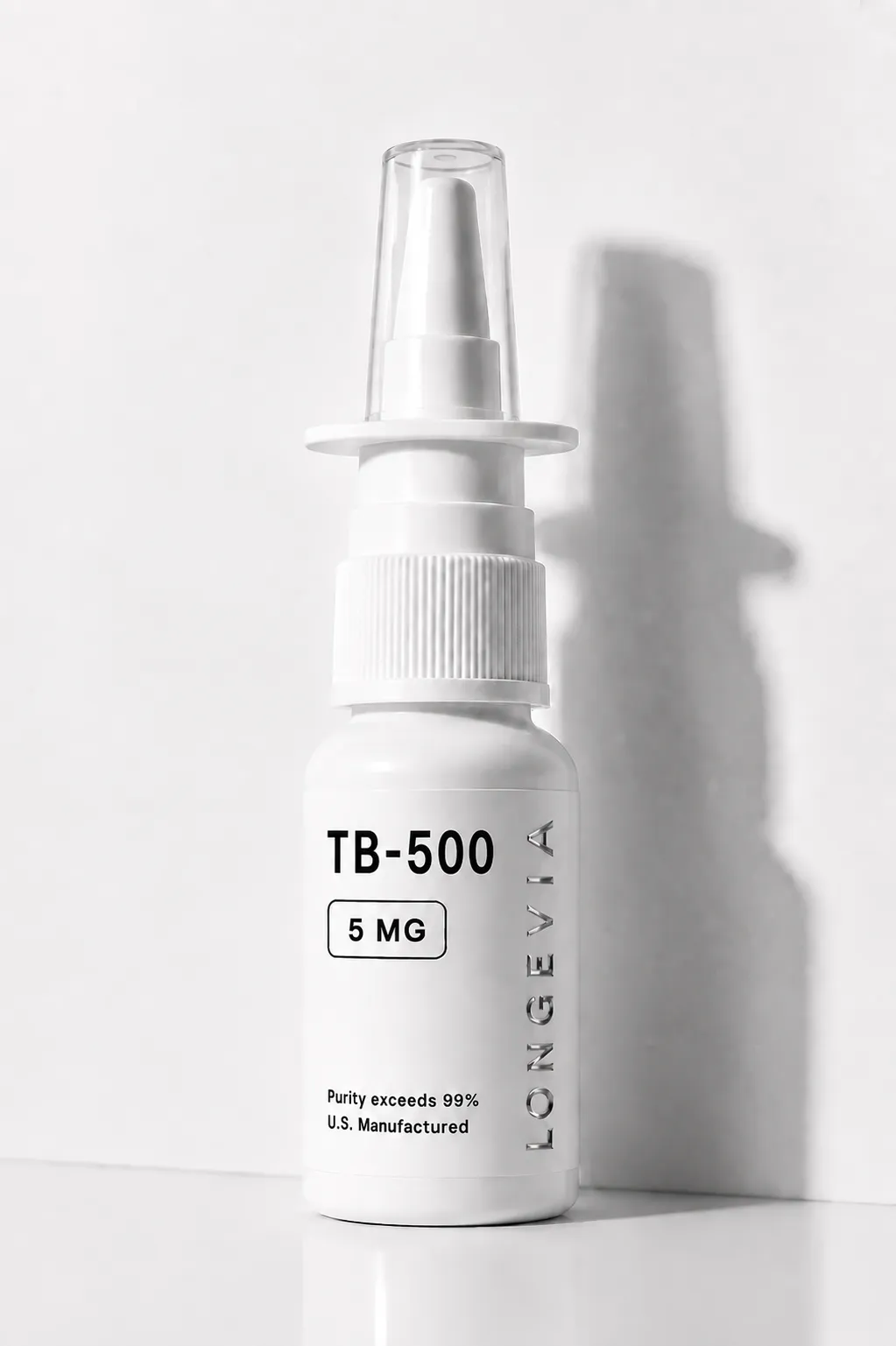
TB-500 — Spray
$189.00
1
Slide to Add
Purity≥99% Tested
TestingLC-MS Verified
LocationUS Based
TB-500 is the research designation for the synthetic acetylated heptapeptide Ac-LKKTETQ (CAS 885340-08-9), corresponding to amino acids 17–23 of thymosin beta-4 (Tβ4) — the seven-residue actin-binding domain responsible for the G-actin sequestration activity that drives research interest in thymosin beta-4 and its derived fragments. The LKKTETQ sequence is the region of thymosin beta-4 through which the parent protein binds monomeric actin (G-actin), with downstream consequences for actin polymerization dynamics, cytoskeletal organization, and cell motility. Research on TB-500 spans biochemical actin-binding characterization, cell-based migration and proliferation assays, and preclinical models investigating tissue-biology endpoints. A critical terminological distinction defines this research area: the designation "TB-500" is applied inconsistently in the scientific and commercial literature to two chemically distinct entities — the defined synthetic heptapeptide Ac-LKKTETQ (CAS 885340-08-9, MW 889.01 g/mol) and, in some contexts, full-length synthetic thymosin beta-4 (CAS 77591-33-4, MW 4,963.44 g/mol). These differ by approximately 4,074 Da, differ in functional domain content, and are not interchangeable research reagents; the Certificate of Analysis CAS number is the definitive means of confirming which entity is present. The majority of the broader Tβ4 biological literature — wound biology, cardiac research, corneal models, and the human ophthalmic clinical programme — concerns the full-length 43-amino-acid protein and should not be automatically attributed to the isolated LKKTETQ fragment. Longevia Research supplies TB-500 in two stated quantity variants — 5mg and 10mg — each in a liquid spray format containing 45 sprays per bottle, for qualified laboratory and scientific research purposes only.
Standard Delivery3-4 Working Days
Free ShippingOn all orders above $300
Product Details
Scientific identity
TB-500 / Ac-LKKTETQ (CAS 885340-08-9; PubChem CID 62707662; UNII QHK6Z47GTG); sequence Ac-Leu-Lys-Lys-Thr-Glu-Thr-Gln; molecular formula C₃₈H₆₈N₁₀O₁₄; molecular weight 889.01 g/mol (exact mass 888.49 Da); 7-residue linear acetylated heptapeptide with N-terminal acetyl group and free-acid C-terminus.
Compound class: Synthetic acetylated heptapeptide; thymosin beta-4 actin-binding domain fragment; Research Use Only — not a drug, dietary supplement, food, or cosmetic.
Structural characteristics: Linear heptapeptide — not cyclic; N-terminal acetylation (Ac-) is analytically defining — unacetylated LKKTETQ differs by 42 Da (~847 Da) and represents a distinct chemical entity; no cysteine or methionine residues — not susceptible to disulfide bond formation or methionine oxidation degradation pathways; total charge of +2 at physiological pH from the two lysine residues; highly water-soluble.
Critical compound identity distinction
TB-500 heptapeptide fragment (CAS 885340-08-9): Ac-LKKTETQ; 7 amino acids; MW 889.01 g/mol; molecular formula C₃₈H₆₈N₁₀O₁₄; no methionine, no sulfur; corresponds to Tβ4 residues 17–23 (actin-binding domain only). Full-length thymosin beta-4 (CAS 77591-33-4): 43 amino acids; MW 4,963.44 g/mol; molecular formula C₂₁₂H₃₅₀N₅₆O₇₈S; contains methionine and multiple additional functional regions absent from the fragment — including the N-terminal Ac-SDKP tetrapeptide (anti-fibrotic research literature), a nuclear localization signal (residues 26–31), and a C-terminal region; the two CAS numbers are not alternative registrations for the same substance — they describe different molecular entities.
Primary research context: G-actin binding and sequestration; cytoskeletal dynamics; cell migration biology.
WADA status: Listed on the WADA Prohibited List — a doping-control classification, not a pharmaceutical approval.
Product content: Available in two variants — 5mg per bottle and 10mg per bottle; 45 sprays per bottle for both variants.
Physical form: Liquid research spray.
Purity: Research-grade.
Analytical documentation
A batch-specific Certificate of Analysis is available on the Longevia Research website, covering compound identity, purity, and lot traceability; the approximately 4,074 Da mass difference between the fragment and full-length Tβ4 is readily resolved by standard mass spectrometry; the 42 Da difference between acetylated TB-500 (~889 Da) and unacetylated LKKTETQ (~847 Da) requires mass spectrometry with appropriate resolution; CAS 885340-08-9 on the COA confirms the heptapeptide fragment is present; sequence verification by LC-MS/MS tandem fragmentation confirms the Ac-Leu-Lys-Lys-Thr-Glu-Thr-Gln sequence and N-terminal acetylation.
Research-use classification
Research Use Only; not approved for human or veterinary use; not intended for administration to humans or animals.
Research Focus & Mechanism Overview
Research background
The research history of the thymosin beta-4 actin-binding domain traces to systematic peptide fragmentation studies of Tβ4 in the 1980s and 1990s, which mapped actin-binding function to the central LKKTET hexapeptide and subsequently the LKKTETQ heptapeptide corresponding to residues 17–23. The isolated fragment's ability to compete with full-length Tβ4 for G-actin binding was characterized biochemically, establishing the molecular basis for its research use as an actin-biology tool. The "TB-500" designation entered commercial and scientific circulation as synthetic versions of this fragment became available; a landmark 2012 study by Barros and colleagues (Journal of Chromatography A) provided one of the first rigorous analytical characterizations of the commercial compound, confirming its identity as Ac-LKKTETQ (CAS 885340-08-9) by LC-MS/MS in equine samples — establishing a chain of chemical identity for the compound as a defined analytical entity distinct from full-length thymosin beta-4.
Molecular biology: G-actin sequestration and cytoskeletal dynamics
Within eukaryotic cells, actin exists as monomeric G-actin and filamentous F-actin; the ratio between these forms governs cytoskeletal dynamics, driving cell shape, motility, division, and mechanosensing. Tβ4 functions as a G-actin sequestering protein — binding monomeric actin with a reported Kd of approximately 0.5 µM through the LKKTETQ actin-contact domain, maintaining a buffer of unpolymerized actin available for rapid cytoskeletal remodeling. The TB-500 heptapeptide fragment retains this G-actin-binding activity in biochemical studies, confirmed through competition assays between the fragment and full-length Tβ4 for G-actin binding. These biochemical studies are conducted in defined in-vitro systems using purified proteins and characterize molecular binding interactions under controlled conditions — they do not establish biological outcomes in cells or living organisms.
Key research areas
Cell-based migration research using scratch-wound, Boyden chamber transwell, and time-lapse live imaging assays in endothelial cells, fibroblasts, keratinocytes, and epithelial cells has examined Tβ4-related peptide effects on migratory behavior; findings are specific to the concentration, cell type, assay conditions, and measured endpoint studied. In-vitro angiogenesis assays including Matrigel tube formation and endothelial sprouting models have investigated Tβ4-related peptide effects in endothelial cell biology contexts. Pyrene-actin polymerization assays, ultracentrifugation G-actin pelleting, and DNase I inhibition assays have been used for biochemical characterization of actin-binding activity. Structure-activity relationship research has compared TB-500 (Ac-LKKTETQ) alongside full-length Tβ4, unacetylated LKKTETQ, and the LKKTET hexapeptide to investigate how sequence length and terminal modifications influence actin-binding activity. Preclinical wound-biology, cardiac, corneal, and neurobiological research in this area primarily concerns full-length thymosin beta-4 (CAS 77591-33-4), not the isolated heptapeptide fragment — attributing these findings to TB-500 without direct evidence represents a foundational interpretive error.
Human research and regulatory status
Human research in this area consists of pharmaceutical development studies of full-length thymosin beta-4 (as RGN-259, 0.1% ophthalmic solution, RegeneRx Biopharmaceuticals) in Phase 2 and Phase 3 clinical trials for neurotrophic keratopathy and dry eye disease; a Phase 3 trial (Sosne et al., 2023, IJMS) reported 26.3% of RGN-259-treated patients achieving complete corneal healing versus 12.5% in controls over 8 weeks. This research concerns full-length Tβ4 in a topical ophthalmic formulation for a specific patient population — not the TB-500 heptapeptide fragment, not a spray preparation — and cannot be applied to this product. No direct human clinical evidence for isolated Ac-LKKTETQ (CAS 885340-08-9) in human subjects has been identified in the peer-reviewed literature. No thymosin beta-4 or TB-500 preparation has received FDA approval or equivalent authorization for any indication.
Quality & Purity Standards
For a short synthetic research peptide such as TB-500 (Ac-LKKTETQ), analytical characterization is foundational to research utility, because the compound's identity — specifically distinguishing it from full-length thymosin beta-4 (CAS 77591-33-4) and from unacetylated LKKTETQ — cannot be established by visual inspection and requires mass spectrometric confirmation. The approximately 4,074 Da mass difference between the fragment and the full-length protein is readily resolved by standard mass spectrometry; the 42 Da difference between acetylated (TB-500, ~889 Da) and unacetylated (~847 Da) forms requires mass spectrometry with appropriate resolution. The CAS number on the certificate of analysis (885340-08-9 for the fragment; 77591-33-4 for full-length Tβ4) is a direct marker of compound identity and should be verified before use.
Research-grade quality assessment for TB-500 appropriately involves:
Molecular mass confirmation: High-resolution mass spectrometry (HRMS or LC-MS/MS) confirming the molecular weight of approximately 889.01 g/mol (exact mass 888.4916 Da) consistent with the molecular formula C₃₈H₆₈N₁₀O₁₄. This is the primary identity confirmation tool and the means by which TB-500 (the heptapeptide fragment) is distinguished from full-length thymosin beta-4 (~4,963 Da, C₂₁₂H₃₅₀N₅₆O₇₈S).
Sequence verification: LC-MS/MS tandem fragmentation analysis confirming the heptapeptide sequence Ac-Leu-Lys-Lys-Thr-Glu-Thr-Gln in the expected order, verifying the N-terminal acetylation and confirming the correct sequence versus related fragments or deletion products.
N-terminal acetylation confirmation: Specific verification that the N-terminus carries an acetyl group (mass shift of +42 Da from free N-terminus), distinguishing the compound from unacetylated LKKTETQ (CAS distinct from 885340-08-9).
Purity assessment: Reversed-phase HPLC (RP-HPLC or UHPLC) quantifying the principal peptide peak relative to related substances, synthesis byproducts, truncated sequences, and residual synthesis reagents.
Batch documentation: Lot-specific certificate of analysis including CAS number (885340-08-9), measured molecular weight or mass spectrum data, sequence confirmation (where available), purity value, and lot number — enabling traceability from synthesis through research use.
Longevia Research's quality approach is oriented toward providing researchers with analytically characterized peptides supported by appropriate documentation for research-grade applications. Researchers should consult current product documentation and available certificates of analysis for batch-specific data. No specific purity grade, third-party certification, cGMP status, or independent laboratory verification is stated for this listing; researchers requiring specific quality parameters should contact Longevia Research directly.
Compliance Notice
FOR RESEARCH USE ONLY. NOT FOR HUMAN CONSUMPTION. NOT FOR VETERINARY USE.
TB-500 5mg / 10mg — 45 Sprays, as supplied by Longevia Research, is intended exclusively for qualified laboratory and scientific research conducted by trained professionals in appropriate research settings. This product is not a drug, dietary supplement, food, or cosmetic. It has not been evaluated or approved by the U.S. Food and Drug Administration, the European Medicines Agency, or any other regulatory authority for use as a therapeutic, prophylactic, or diagnostic agent in humans or animals.
This product is not intended to diagnose, treat, cure, or prevent any disease, condition, or health-related outcome.
Compound identity distinction: The defined chemical entity TB-500 (CAS 885340-08-9, Ac-LKKTETQ, MW 889.01 g/mol) is a distinct compound from full-length thymosin beta-4 (CAS 77591-33-4, 43 amino acids, MW 4,963.44 g/mol). Research findings on full-length thymosin beta-4 — including preclinical wound-biology studies, cardiac research, and the ophthalmic clinical program (RGN-259) — do not automatically establish properties of the TB-500 heptapeptide fragment or of this Longevia Research spray. Products labeled "TB-500" in the commercial market may contain either entity; the certificate of analysis is the appropriate means of confirming compound identity.
Formulation and route distinction: The body of thymosin beta-4 preclinical and clinical research employed a range of administration routes (subcutaneous injection, topical ophthalmic solution, intraperitoneal injection in animal studies) and formulations distinct from a spray product. Pharmacokinetic profiles, bioavailability, and biological activity established for those formulations and routes cannot be assumed to apply to the Longevia Research spray.
WADA classification: TB-500 is listed by the World Anti-Doping Agency on the Prohibited List. This regulatory classification reflects doping-control status, not pharmaceutical approval, therapeutic validation, or safety assessment for research use.
Evidence scope: Research involving TB-500 or thymosin beta-4 in animal models, biochemical assays, or human clinical trials does not establish the safety, efficacy, bioavailability, or clinical significance of this specific Longevia Research spray. Animal research does not establish human outcomes. Research findings should not be interpreted as personal-use recommendations for any purpose.
Purchasers are solely responsible for ensuring that acquisition, possession, storage, handling, use, and disposal of this product comply with all applicable local, state, national, and international laws and regulations governing research compounds. By purchasing this product, the purchaser confirms that they are a qualified researcher or research professional acquiring this compound for legitimate scientific research purposes only.
Continue Exploring
Also Considered.
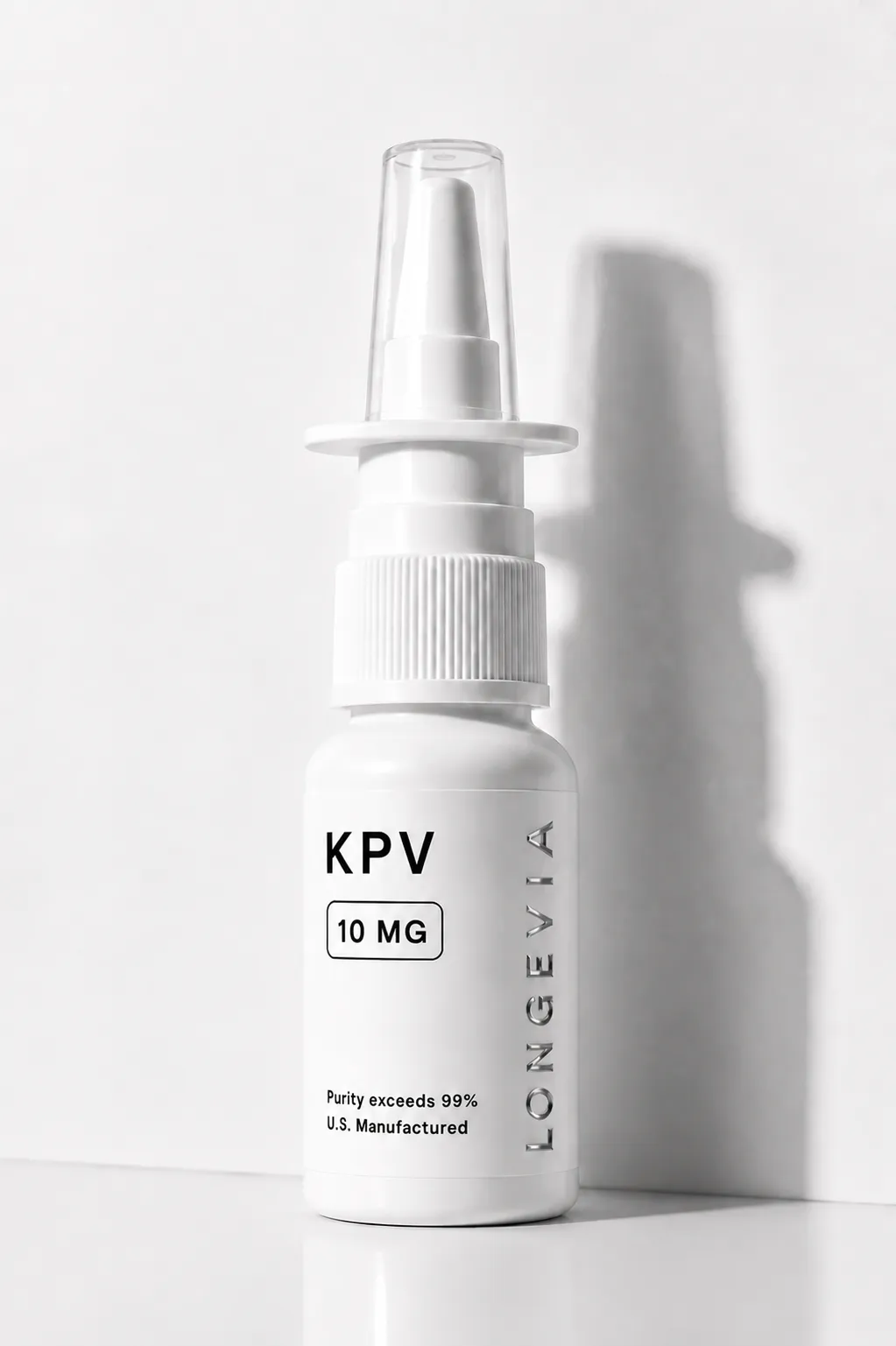
KPV — Spray
KPV (Lys-Pro-Val) is a synthetic tripeptide corresponding to the C-terminal sequence of alpha-melanocyte-stimulating hormone (α-MSH), investigated in experimental research examining melanocortin signaling, NF-κB-associated inflammatory pathways, and epithelial biology. Available from Longevia Research as 10mg — 45 sprays — for qualified laboratory research use only.
$157.50
Slide to add
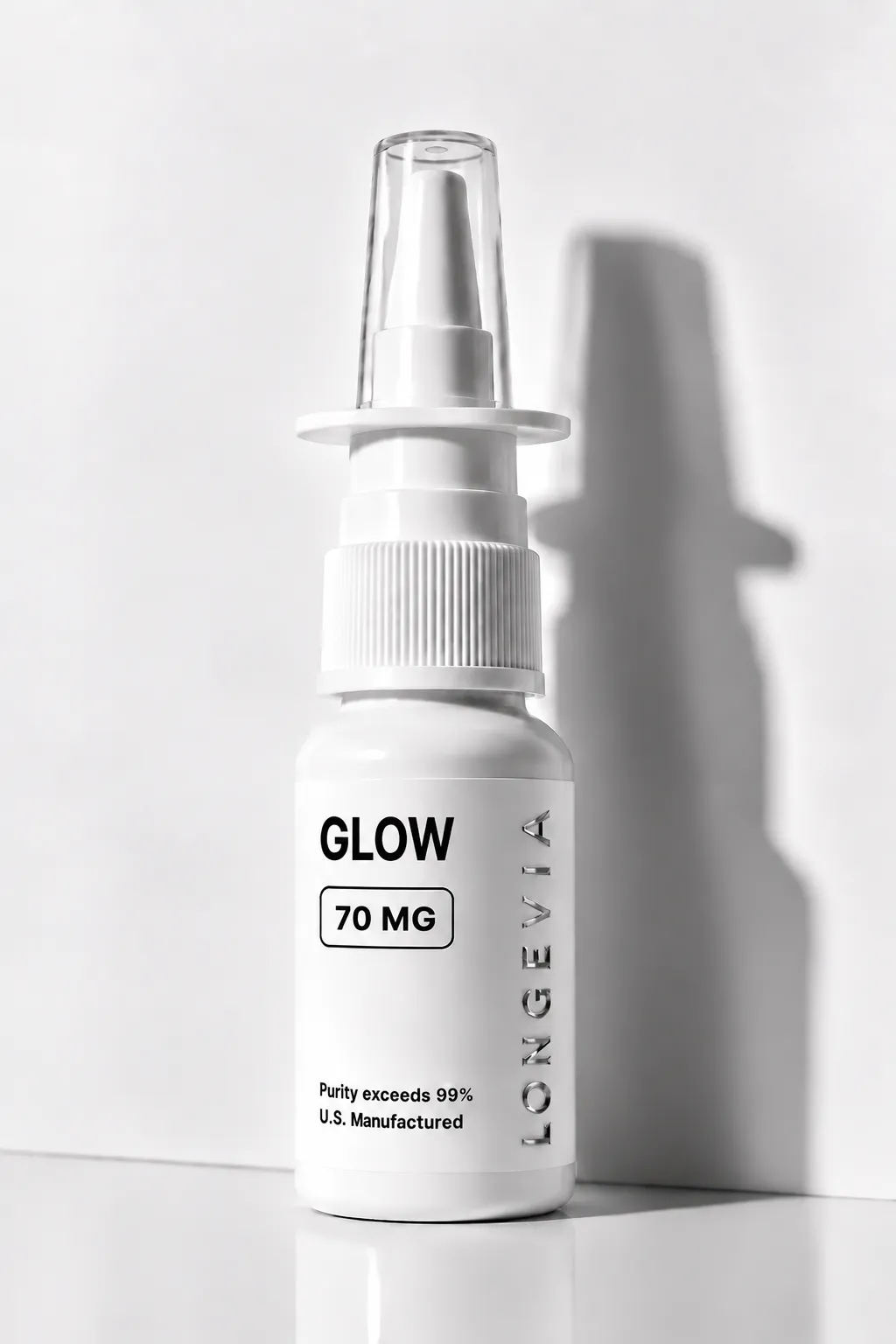
Glow — Spray
Glow 70mg is a three-component research peptide blend containing GHK-Cu, BPC-157, and TB-500, investigated in experimental research involving extracellular matrix biology, cellular signaling, and tissue-related research models. Available from Longevia Research as 45 sprays — for qualified laboratory research use only.
$243.00
Slide to add
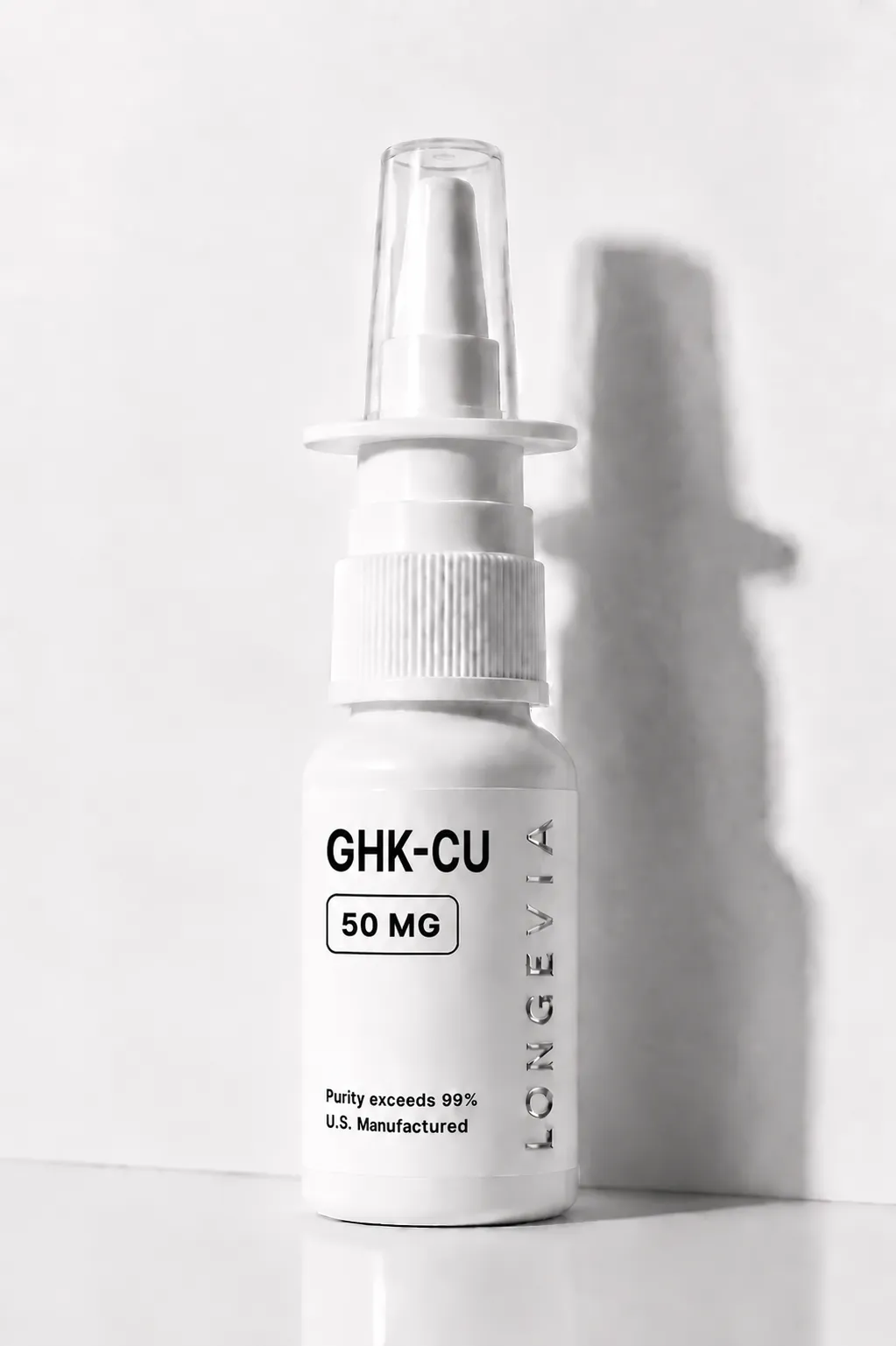
GHK-Cu — Spray
GHK-Cu is a copper(II)-binding peptide complex involving the tripeptide GHK (glycyl-L-histidyl-L-lysine), investigated in experimental research spanning extracellular matrix biology, cellular signaling, and gene-expression studies. Available from Longevia Research in 50mg and 100mg — 45 sprays — for qualified laboratory research use only.
$135.00
Slide to add
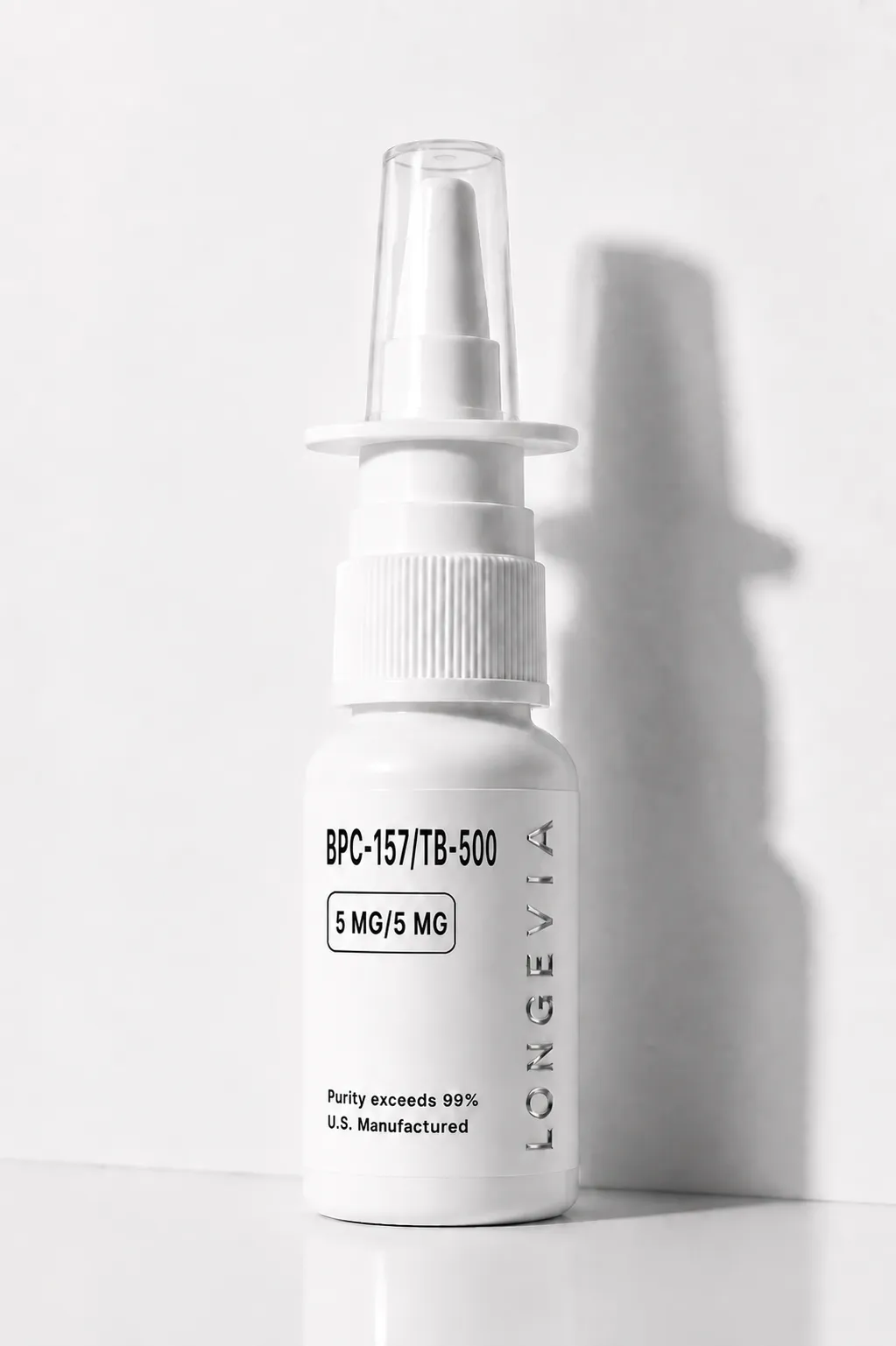
BPC-157 / TB-500 — Spray
BPC-157 / TB-500 spray — two distinct synthetic research compounds in 5mg/5mg and 10mg/10mg formats, 45 sprays each. Supplied by Longevia Research for laboratory use only. Batch COA available.
$207.00
Slide to add
Product FAQs
Find answers to common questions regarding storage, reconstitution, and testing guidelines for this specific compound.