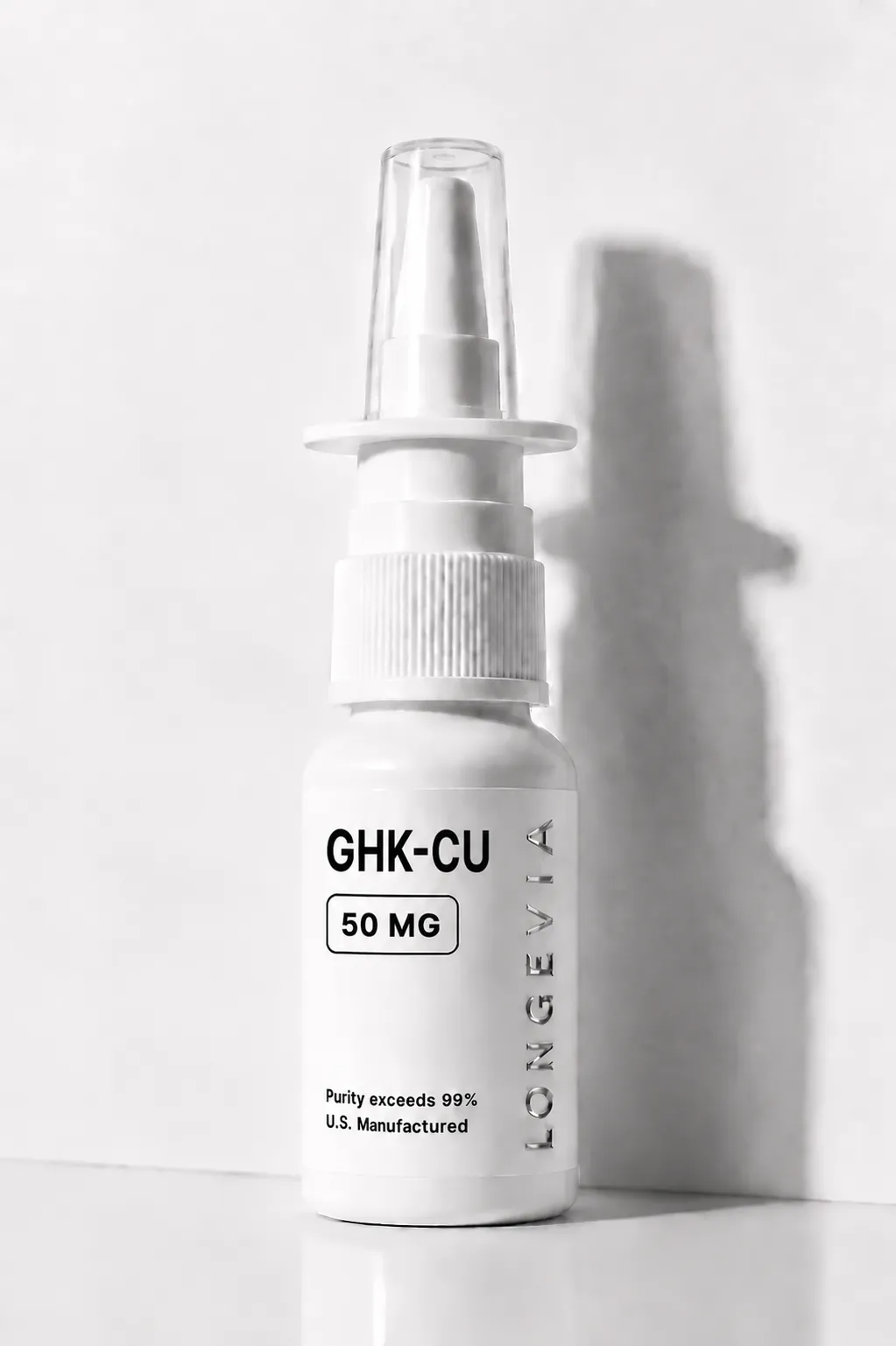
Recovery & Tissue Repair
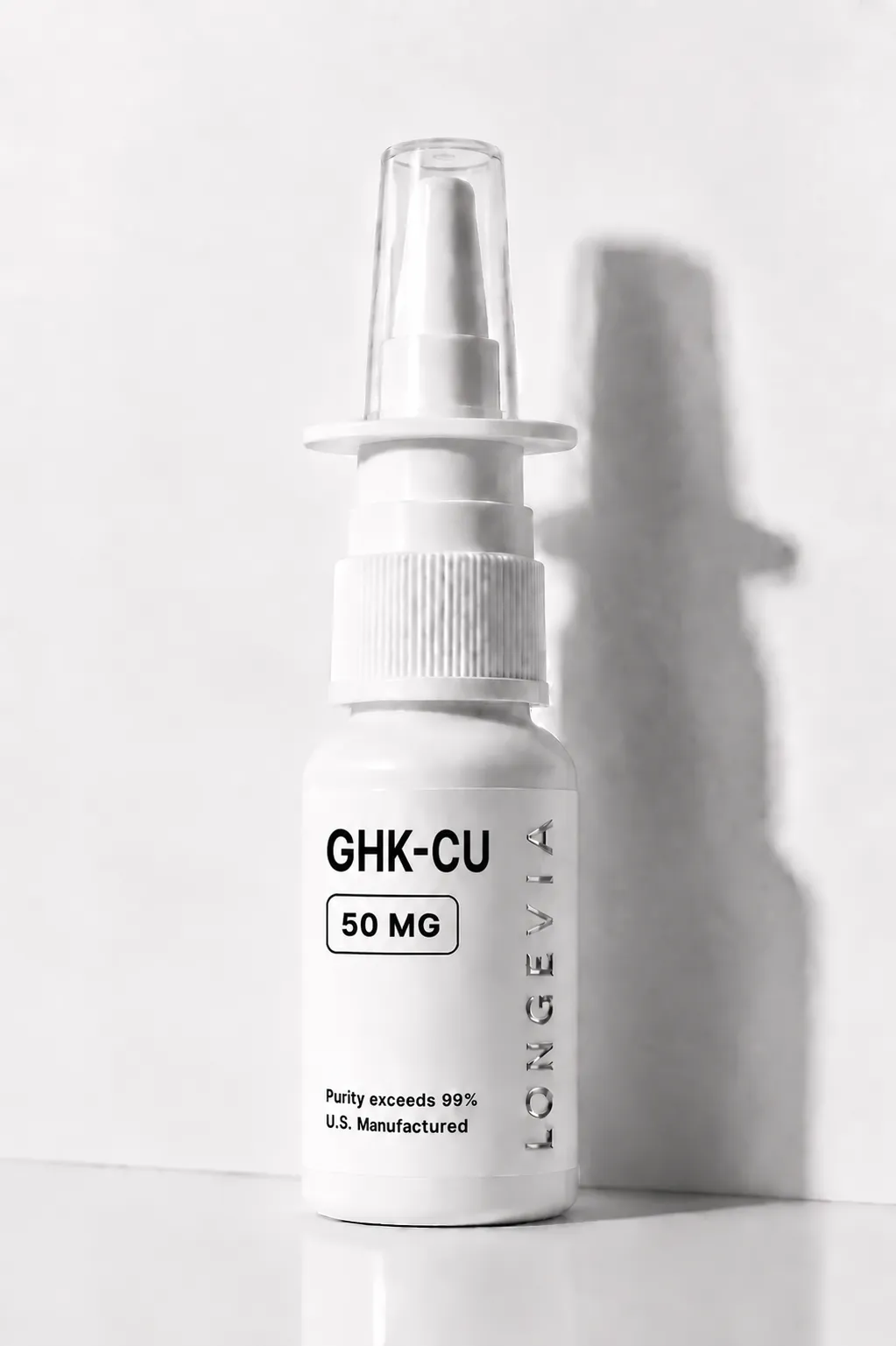
GHK-Cu 50mg and 100mg — 45 Sprays
$135.00
1
Slide to Add
Purity≥99% Tested
TestingLC-MS Verified
LocationUS Based
GHK-Cu is a copper-binding peptide complex formed between the tripeptide GHK — glycyl-L-histidyl-L-lysine — and copper(II). As a naturally occurring entity found in human plasma, saliva, and urine at low concentrations, GHK-Cu has been investigated across a wide range of experimental domains including extracellular matrix biology, cellular signaling, gene-expression research, tissue biology, wound-related experimental models, and oxidative stress studies. GHK-Cu is chemically distinct from the uncomplexed GHK tripeptide — the association with copper(II) confers specific chemical and biochemical properties that have made GHK-Cu a distinct subject of scientific investigation, and analytical characterization must address both peptide identity and copper association rather than peptide sequence confirmation alone. Longevia Research supplies GHK-Cu in two stated quantity variants — 50mg and 100mg — each in a liquid spray format containing 45 sprays per bottle, for qualified laboratory and scientific research purposes only.
Standard Delivery3-4 Working Days
Free ShippingOn all orders above $300
Product Details
Scientific identity
GHK-Cu is the copper(II) complex of the tripeptide glycyl-L-histidyl-L-lysine (GHK). Two chemically distinct but related entities require careful distinction in research contexts:
GHK (free tripeptide) — CAS 49557-75-7; molecular formula C₁₄H₂₄N₆O₄; molecular weight ~340.38 g/mol.
GHK-Cu (copper(II) complex) — CAS 89030-95-5; molecular formula C₁₄H₂₂CuN₆O₄; molecular weight ~401.91 g/mol. The GHK-Cu complex formula reflects coordination of Cu²⁺ with the GHK peptide through displacement of two protons from the peptide backbone. This chemical form is distinct from free GHK, and researchers should confirm which form is specified in any procurement or research context.
Compound class
Copper(II)-binding peptide complex; metallopeptide; naturally occurring copper-peptide. Classified as a Research Use Only material and is not a drug, dietary supplement, food, or cosmetic.
Copper-binding chemistry
GHK-Cu coordinates copper(II) through the ATCUN (amino-terminal copper and nickel binding) motif — a square-planar coordination geometry involving the N-terminal amine, adjacent backbone amide nitrogens, and the histidine imidazole side chain. This coordination confers high affinity for copper(II) and is directly relevant to GHK-Cu's biological associations in experimental research, including copper-dependent enzymatic systems and oxidative stress-related pathways.
Molecular targets
GHK-Cu does not map to a single identified receptor or enzyme. Research has examined associations with extracellular matrix and collagen-related biology in fibroblast cell systems, copper-dependent enzyme systems including lysyl oxidase and superoxide dismutase, broad gene-expression regulatory activity in microarray studies of human cell lines, and cellular signaling pathways associated with tissue remodeling in preclinical models. These represent areas of experimental inquiry rather than confirmed mechanisms of action in humans.
Product content
Available in two variants: 50mg per bottle and 100mg per bottle; 45 sprays per bottle for both variants.
Physical form: Liquid research spray.
Purity: Research-grade.
Analytical documentation
A batch-specific Certificate of Analysis is available on the Longevia Research website, covering compound identity, purity, and lot traceability.
Research-use classification
Research Use Only. Not approved for human or veterinary use. Not intended for administration to humans or animals.
Research Focus & Mechanism Overview
Research background
Scientific interest in GHK-Cu traces to the early 1970s, when Loren Pickart and colleagues identified a tripeptide fraction in human plasma — corresponding to glycyl-L-histidyl-L-lysine — that appeared to influence hepatocyte behavior in cell culture experiments. Subsequent investigations revealed that GHK in human plasma is predominantly present as its copper(II) complex, GHK-Cu, found at low nanomolar concentrations and declining with age in some observational studies. This recognition of GHK-Cu as a naturally occurring metallopeptide contributed to its emergence as a research tool for exploring biological processes associated with tissue maintenance, extracellular matrix regulation, and copper-dependent cellular functions. The research interest grew substantially as investigations expanded to gene-expression analyses — including microarray studies suggesting associations with broad transcriptional activity across multiple gene networks in experimental systems — representing a significant expansion of the research scope beyond any single biological process.
Molecular targets and proposed mechanisms
GHK-Cu's mechanism of action has not been unified into a single confirmed model and multiple overlapping proposals appear in the published literature. As a high-affinity copper(II)-binding compound via its ATCUN motif, GHK-Cu has been proposed as a biologically relevant vehicle for copper delivery to copper-dependent enzymes including lysyl oxidase (involved in collagen and elastin crosslinking) and superoxide dismutase (antioxidant defense) — though the in-vivo relevance of this copper-delivery hypothesis remains incompletely characterized. Cell-based experiments have examined associations with collagen-related gene expression, MMP and TIMP regulation, and ECM-associated parameters in fibroblast cultures, with specific molecular mechanisms — whether copper delivery, receptor-mediated signaling, or transcriptional modulation — remaining under investigation. Microarray and transcriptomic studies have reported associations between GHK-Cu exposure and expression changes across gene networks related to cell cycle regulation, tissue remodeling, inflammation-associated signaling, and antioxidant response in human cell lines; the mechanistic basis of these broad transcriptional associations has not been resolved and represents in-vitro observations in specific cell systems. Additional investigated associations include cellular signaling pathways involving FGF and VEGF-related networks in cell-based studies, and copper-mediated redox activity in biochemical and in-vitro antioxidant assays. Researchers should approach GHK-Cu's mechanism of action as a complex, multi-faceted area of inquiry — multiple mechanisms may contribute to experimental observations in different cell types, and the relative contributions of the copper component versus the peptide component to observed biological effects remain actively discussed.
Key preclinical research areas
Published preclinical research spans in-vitro fibroblast culture studies examining collagen-associated gene expression and ECM parameters; rodent wound biology models examining wound-closure rates, granulation tissue formation, and histological parameters in treated versus control animal groups; microarray gene-expression analyses characterizing broad transcriptional profiles in GHK-Cu-treated human cell lines; biochemical and cell-based oxidative stress studies examining superoxide dismutase-like activity and lipid peroxidation parameters; skin biology research using keratinocytes, fibroblasts, and reconstructed skin models; and animal model studies examining hair follicle-associated biology. All preclinical findings are reported to provide scientific context and do not constitute evidence of human therapeutic, cosmetic, or clinical efficacy or safety.
Human research and regulatory status
A body of human research involving GHK-Cu exists in the published literature, including studies examining topical preparations in relation to skin-associated parameters in human subjects. These studies have generally involved small sample sizes, limited durations, and methodological characteristics that differ substantially from the large randomized controlled trials required for regulatory approval of therapeutic claims. GHK-Cu is not approved by the FDA, EMA, or any comparable regulatory authority as a drug or therapeutic agent for any human indication — including wound healing, tissue regeneration, skin rejuvenation, or hair growth. The extensive commercial use of GHK-Cu as a cosmetic ingredient does not constitute regulatory approval of therapeutic efficacy. The mechanistic research conducted in cell cultures and animal models remains more extensive than the human clinical evidence base, and the translational relevance of laboratory findings to human biology has not been fully established.
Quality & Purity Standards
Quality in copper-peptide research begins with chemical identity at a level of specificity appropriate to the compound's nature. GHK-Cu is not a simple peptide sequence: it is a metallopeptide complex in which the biological and chemical properties depend on both the integrity of the GHK tripeptide sequence and the confirmed presence and coordination state of copper(II). For research applications where the copper component may be as important as the peptide component to experimental outcomes, the distinction between uncomplexed GHK and the copper(II) complex is analytically significant.
Chemical identity and compound-specific characterization: The foundational quality requirement for GHK-Cu research material is confirmation that the supplied compound corresponds to the copper(II) complex — C₁₄H₂₂CuN₆O₄, MW ~401.91 g/mol — and not uncomplexed GHK (C₁₄H₂₄N₆O₄, MW ~340.38 g/mol). Researchers should be aware that the two forms have been conflated in some commercial literature and that analytical confirmation of copper association is a distinct requirement from peptide sequence verification alone.
Mass spectrometric characterization: Mass spectrometry capable of distinguishing metal-containing species — including electrospray ionization approaches appropriate for metallopeptide characterization — provides the primary analytical tool for confirming the identity of GHK-Cu versus free GHK. Correct molecular weight determination (approximately 401.91 g/mol for the complex versus 340.38 g/mol for the free peptide) is the most direct method of distinguishing these forms.
Peptide sequence integrity: In addition to confirming copper association, analytical characterization of GHK-Cu research material should address the integrity of the underlying tripeptide sequence (Gly-His-Lys). Sequence-confirmed peptide combined with copper association data provides the most complete analytical basis for research use.
Chromatographic purity assessment: High-performance liquid chromatography provides a complementary analytical dimension enabling separation of the target compound from synthetic impurities, truncation products, and non-copper-associated peptide. HPLC data, when interpreted alongside mass spectrometric confirmation, gives researchers confidence in the purity profile of the batch under study.
Batch traceability: Linking experimental results to a defined, analytically characterized batch is a fundamental requirement for reproducible research. Batch-specific documentation supports institutional compliance requirements and allows experimental outcomes to be attributed to a known material with documented analytical history.
Copper content and coordination state: For a metallopeptide research compound, characterization of the copper content and, where technically feasible, the coordination state or copper:peptide stoichiometry represents a quality dimension beyond standard peptide quality control. Researchers should consider whether available analytical documentation addresses these copper-specific parameters for their intended research application.
Longevia Research is committed to supplying research compounds that support rigorous scientific inquiry. Researchers are encouraged to review available analytical documentation for this product prior to use in any laboratory protocol.
Compliance Notice
GHK-Cu — supplied by Longevia Research in 50mg and 100mg quantities, 45 sprays per format — is intended strictly for research and laboratory use only. This product is not approved by the FDA or any global regulatory authority for human consumption, veterinary use, or therapeutic application. It is not a drug, dietary supplement, food, or cosmetic, and it is not manufactured, labeled, or sold as any of these under any applicable regulatory framework.
No claims made regarding GHK-Cu on this website are intended to diagnose, treat, cure, or prevent any disease or medical condition in humans or animals. The research findings summarized on this page arise from preclinical, cell-based, biochemical, and observational research contexts. These findings do not establish human efficacy or safety for any application — including wound healing, tissue regeneration, skin rejuvenation, hair growth, or anti-aging — and they do not constitute regulatory approval, clinical validation, or authorization for personal or therapeutic use.
This product is sold exclusively to qualified researchers, laboratories, and scientific institutions for in-vitro and non-clinical laboratory research purposes. It is not intended for personal use, self-administration, topical application in any clinical or consumer context, resale for human consumption, or any application outside of a controlled research environment. Purchasers are responsible for ensuring that the acquisition, possession, handling, storage, use, and disposal of this compound are conducted in full compliance with all applicable local, state, federal, and international laws and institutional policies governing research chemicals.
By purchasing GHK-Cu from Longevia Research, the buyer confirms they are acquiring the product for legitimate scientific research purposes, agrees to handle and store it in accordance with applicable laboratory safety standards, and assumes full responsibility for compliance with all laws and regulations governing the purchase and use of research chemicals in their jurisdiction.
Continue Exploring
Also Considered.
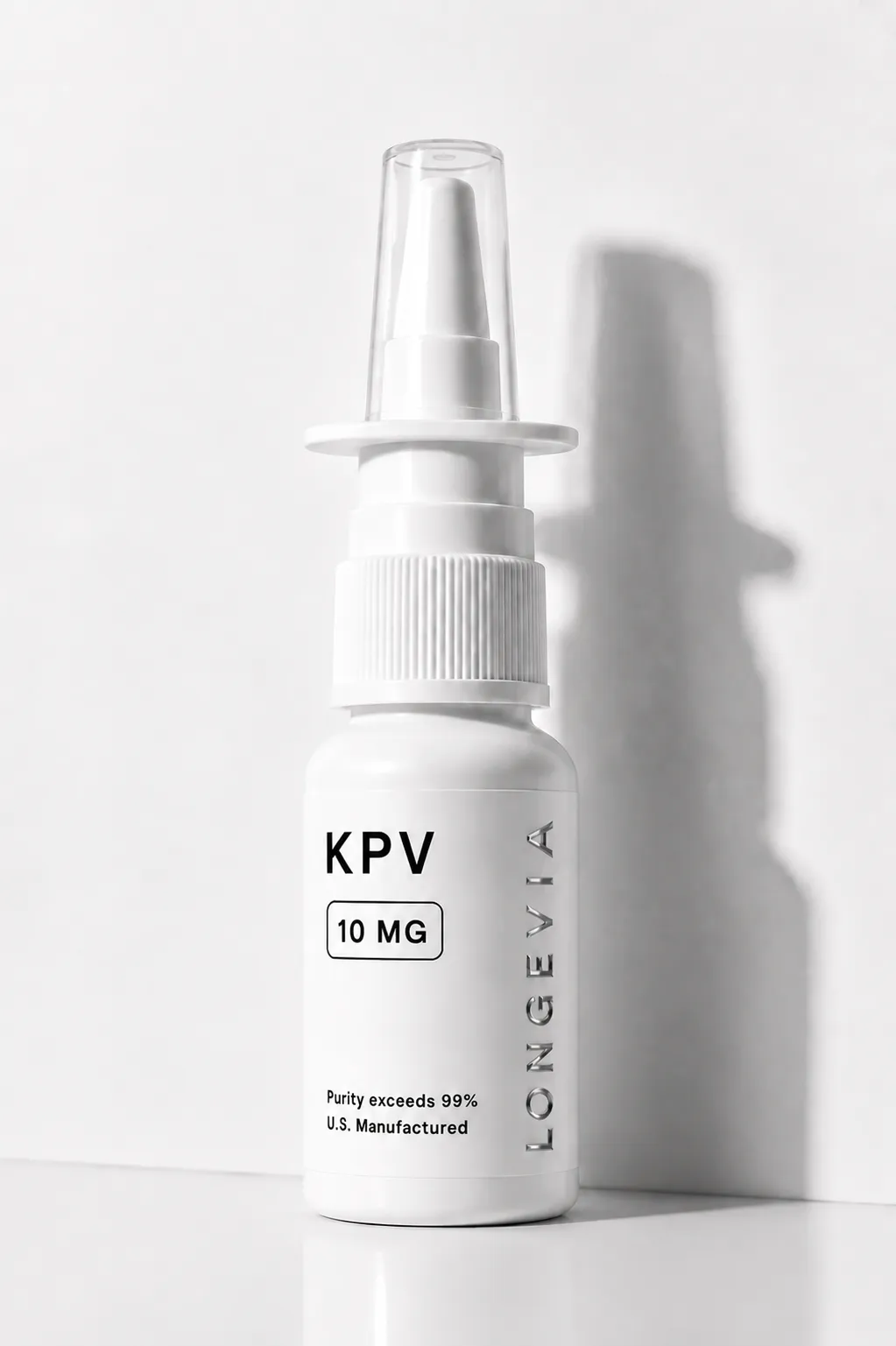
KPV 10mg — 45 Sprays
KPV (Lys-Pro-Val) is a synthetic tripeptide corresponding to the C-terminal sequence of alpha-melanocyte-stimulating hormone (α-MSH), investigated in experimental research examining melanocortin signaling, NF-κB-associated inflammatory pathways, and epithelial biology. Available from Longevia Research as 10mg — 45 sprays — for qualified laboratory research use only.
$157.50
Slide to add
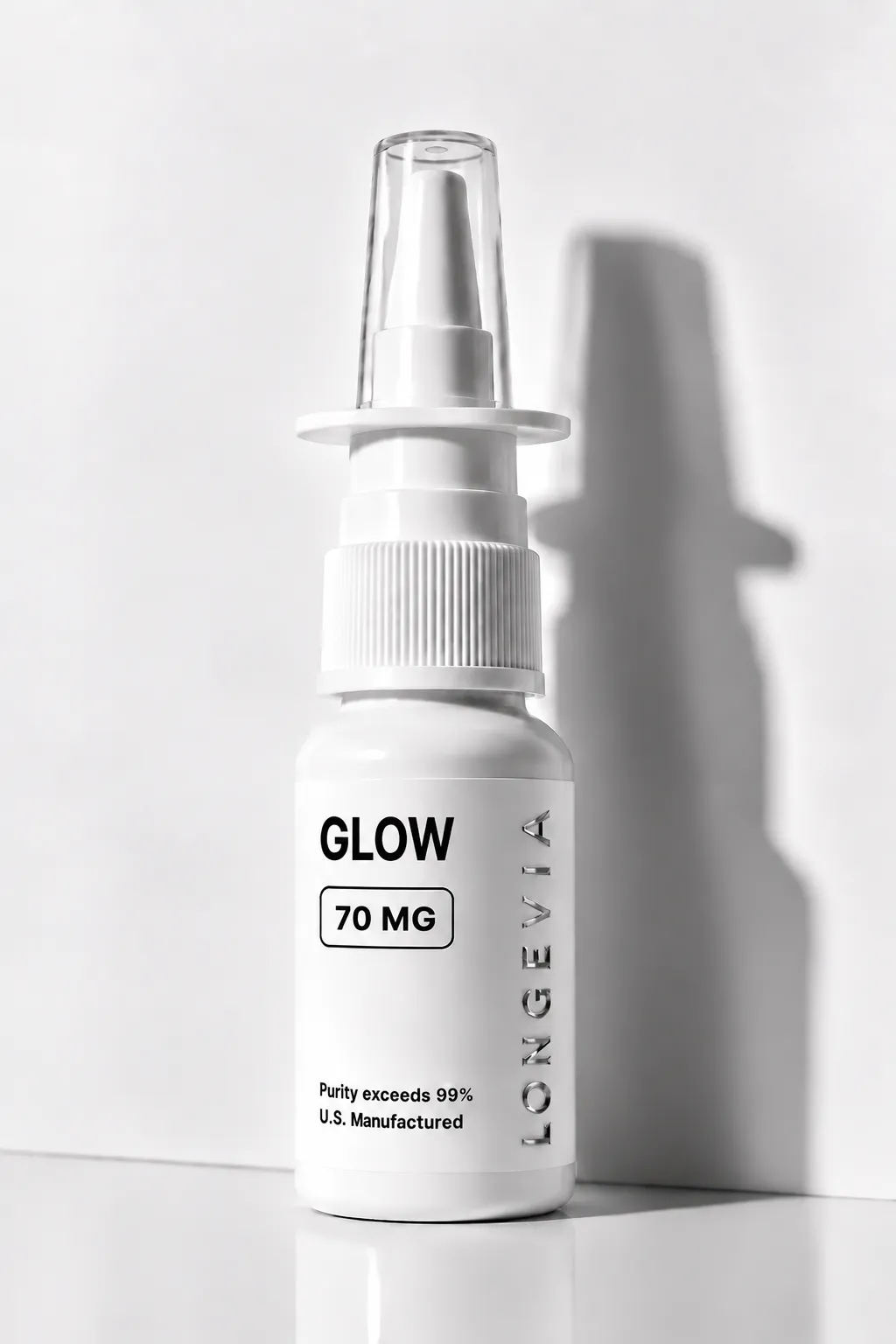
Glow 70mg — 45 Sprays
Glow 70mg is a three-component research peptide blend containing GHK-Cu, BPC-157, and TB-500, investigated in experimental research involving extracellular matrix biology, cellular signaling, and tissue-related research models. Available from Longevia Research as 45 sprays — for qualified laboratory research use only.
$243.00
Slide to add
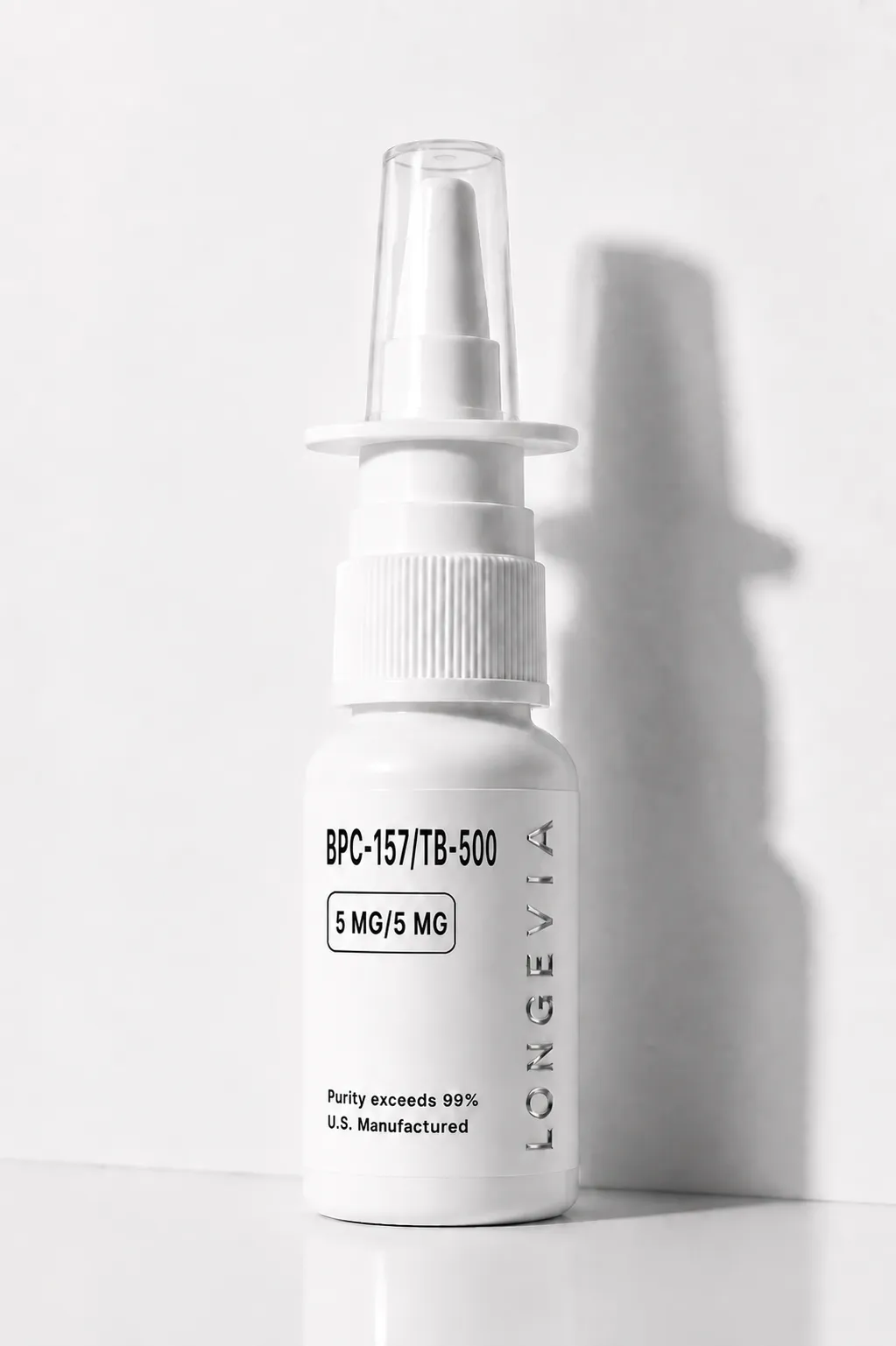
BPC-157 / TB-500 5mg/5mg & 10mg/10mg — 45 Sprays
BPC-157 / TB-500 spray — two distinct synthetic research compounds in 5mg/5mg and 10mg/10mg formats, 45 sprays each. Supplied by Longevia Research for laboratory use only. Batch COA available.
$207.00
Slide to add
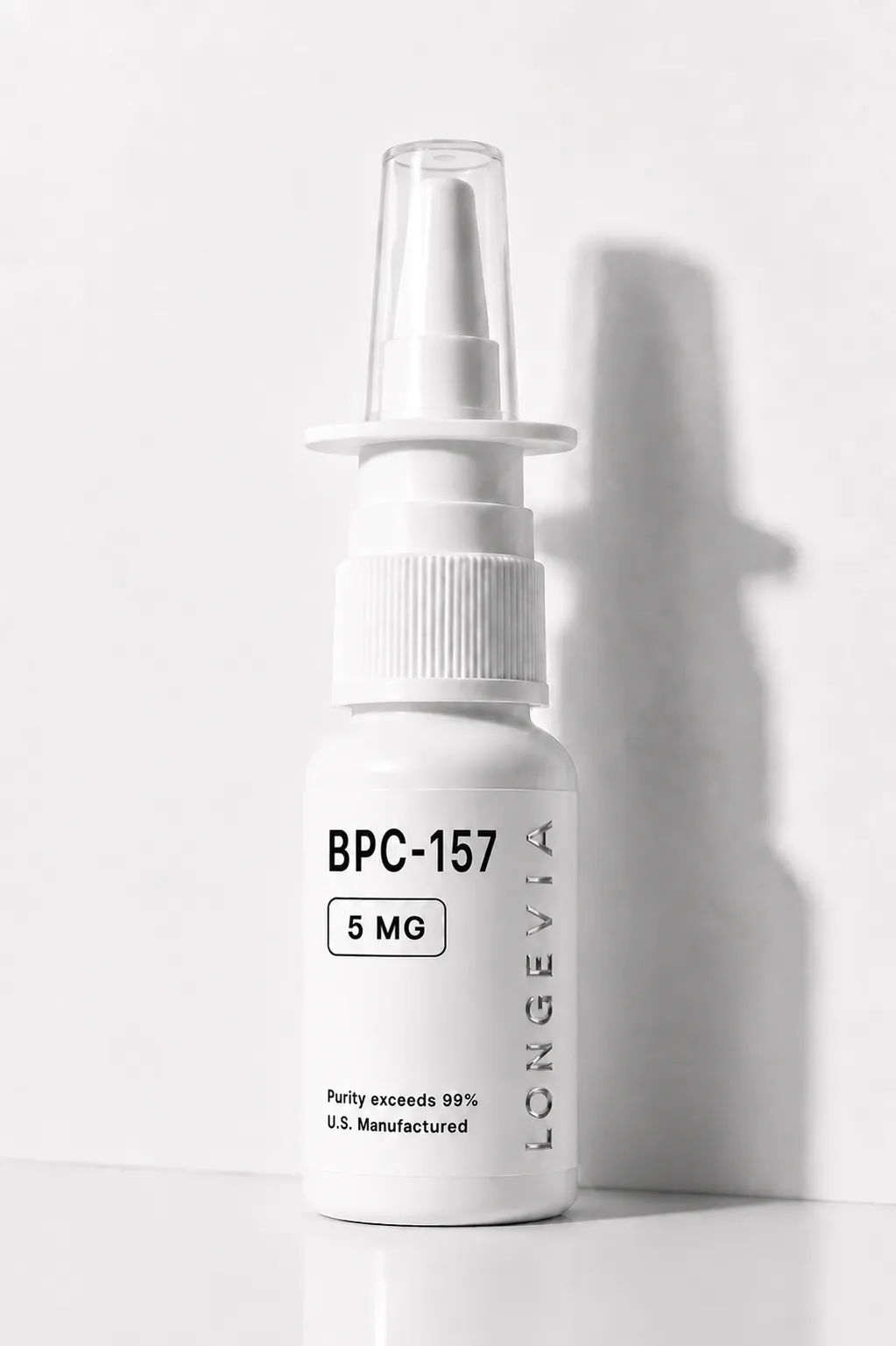
BPC-157 5mg / 10mg — 45 Sprays
BPC-157 5mg and 10mg spray formats — 45 sprays each. Synthetic pentadecapeptide (GEPPPGKPADDAGLV, CAS 137525-51-0) supplied by Longevia Research for laboratory use only. Batch COA available.
$135.00
Slide to add
Product FAQs
Find answers to common questions regarding storage, reconstitution, and testing guidelines for this specific compound.