Recovery & Tissue Repair
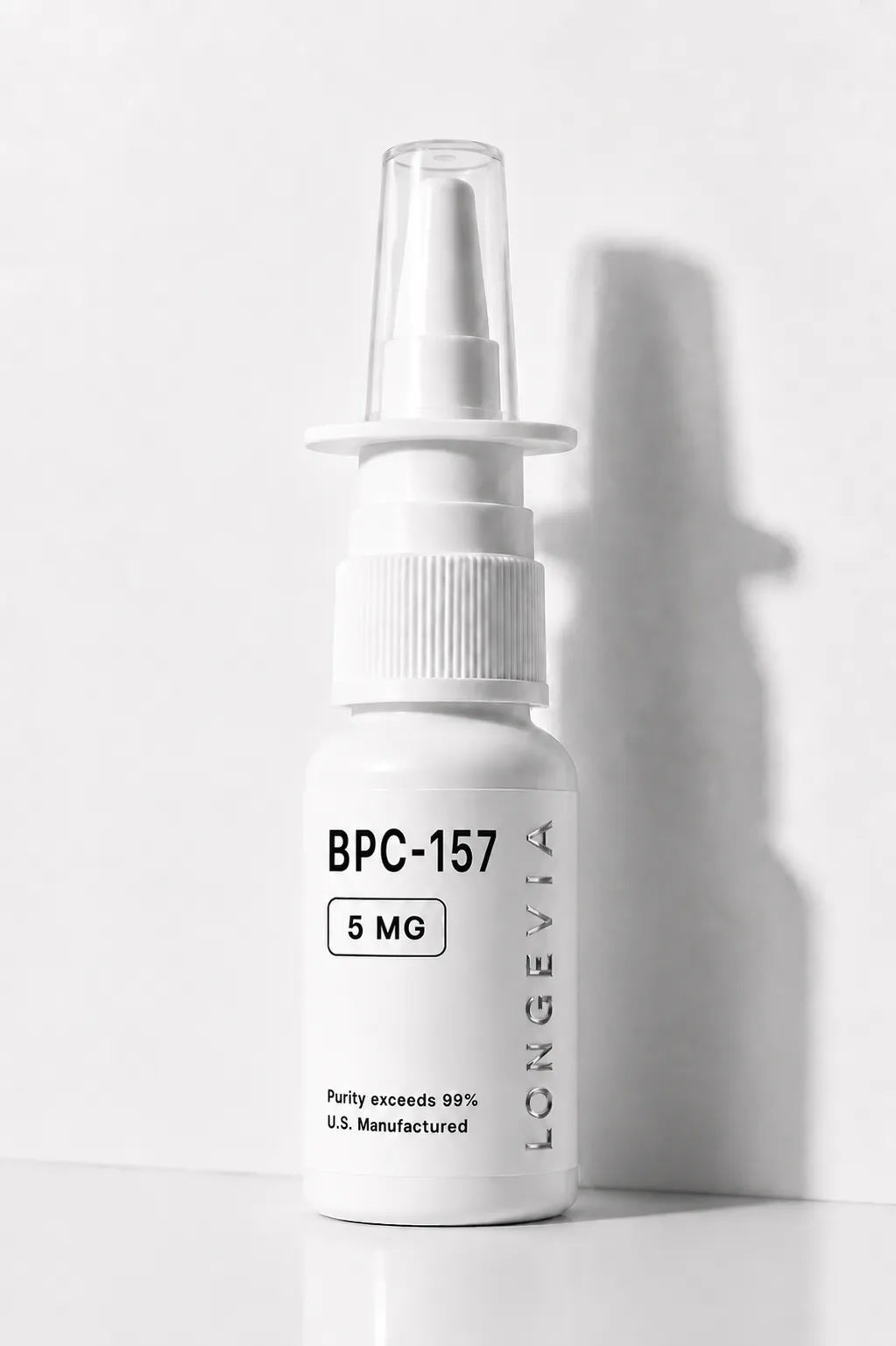
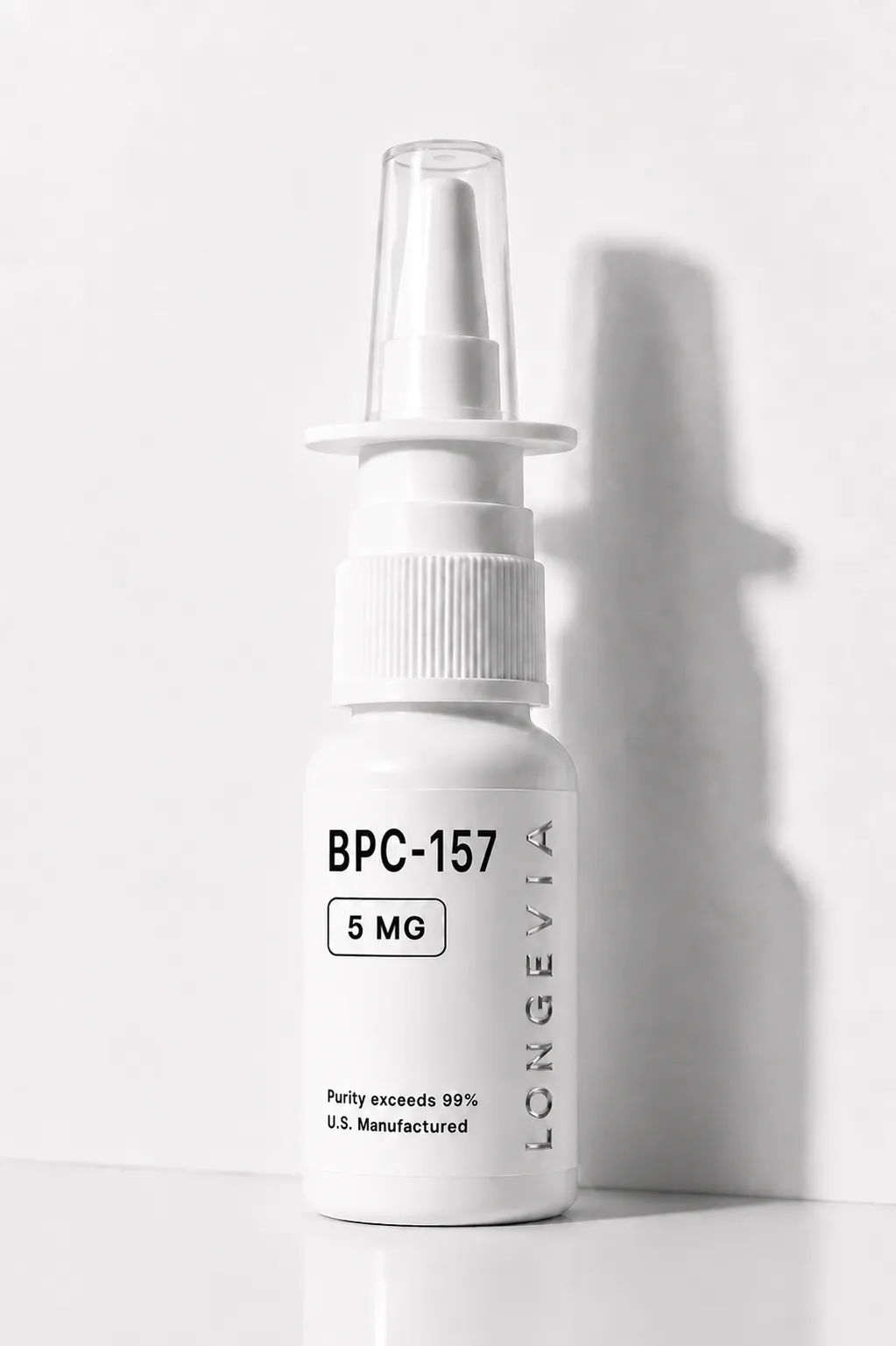
BPC-157 5mg / 10mg Spray
$135.00
1
Slide to Add
Purity≥99% Tested
TestingLC-MS Verified
LocationUS Based
BPC-157 is a synthetic research compound consisting of 15 amino acids — a pentadecapeptide derived from a partial sequence of a protein originally characterised in human gastric juice. Its full sequence, Gly-Glu-Pro-Pro-Pro-Gly-Lys-Pro-Ala-Asp-Asp-Ala-Gly-Leu-Val, was first described and studied by Sikiric and colleagues at the University of Zagreb in the early 1990s in the context of gastrointestinal cytoprotection research. The compound has since been examined in an extensive range of preclinical experimental models spanning gastrointestinal, vascular, connective tissue, and neurological systems. Its four proline residues — three of which appear consecutively — confer resistance to proteolytic degradation and stability in acidic environments, which has made BPC-157 a practical and technically tractable tool compound for a wide range of experimental systems. Researchers have investigated BPC-157 primarily in rodent animal models and in vitro cell-based studies examining biological processes relevant to gastrointestinal and tissue biology. The compound does not share sequence homology with known human gut peptides, has no established receptor, and no definitively characterised single mechanism of action. Its research profile is unusually broad relative to its molecular size, making it a compound of ongoing mechanistic interest in laboratory pharmacology. Longevia Research supplies BPC-157 as a spray research material in two formats — 5mg and 10mg, each containing 45 sprays — for qualified laboratory research use only. This product is not a drug, dietary supplement, food ingredient, or cosmetic, and is not intended for human or veterinary use.
Standard Delivery3-4 Working Days
Free ShippingOn all orders above $300
Product Details
Scientific Identity
BPC-157 (Body Protection Compound-157) is a synthetic pentadecapeptide — a linear chain of 15 amino acid residues — produced by solid-phase peptide synthesis. It corresponds to a partial sequence of a protein identified in human gastric juice, which is the basis of the "body protection compound" designation used in the primary literature. The peptide does not circulate naturally in the human body in this isolated form; it is a synthetic research compound derived from a protein sequence found in that biological matrix.
Alternative Names and Designations
BPC 157 · BPC-157 · Pentadecapeptide BPC 157 · PL 14736 · Bepecin · PL-10 · PLD-116 · GEPPPGKPADDAGLV (sequence-based identifier)
Sequence and Molecular Information
Salt form note. BPC-157 is commercially supplied as a free base (CAS 137525-51-0), acetate salt, or trifluoroacetate salt (TFA salt) depending on the synthesis and purification method. These forms carry different total molecular weights. The batch Certificate of Analysis confirms the specific form, purity, and molecular identity of the material supplied in this product.
Available Formats
The 5mg and 10mg designations refer to the total quantity of BPC-157 per product. The quantity per individual spray is documented on the product label and batch Certificate of Analysis for each format. Longevia provides no dosing, spray-frequency, or administration guidance.
Research-Use Classification
Research Use Only. Not for human or veterinary use, clinical diagnostics, therapeutic administration, or any in-vivo application in humans.
Research Focus & Mechanism Overview
Research Background
BPC-157 entered the scientific literature through work by Sikiric, Seiwerth, and colleagues at the University of Zagreb, where investigations into gastroprotection and gut biology led to the characterisation of the "body protection compound" sequence from gastric juice proteins. The first publications describing BPC-157's biological profile in experimental models appeared in the early 1990s. Over subsequent decades, the Zagreb group and researchers at other institutions examined the compound across an unusually diverse range of tissue systems and experimental conditions.
The compound is notable for its reported stability in human gastric juice — a property that distinguished it from many other research peptides and opened interest in its use in gastrointestinal model systems where proteolytic degradation would ordinarily limit a peptide's utility. BPC-157 has no established receptor target and no single definitively characterised mechanism of action, despite decades of preclinical investigation. This mechanistic openness — and the breadth of systems in which research activity has been observed in animal models — makes BPC-157 an unusual and scientifically complex research compound.
Proposed Mechanisms Under Investigation
Multiple mechanistic hypotheses have been proposed and investigated for BPC-157 in preclinical model systems. No single mechanism has been established as primary or definitively validated for the compound.
Nitric oxide pathway research. Multiple studies have examined interactions between BPC-157 and nitric oxide (NO) signalling in experimental systems. Nitric oxide — produced endogenously by nitric oxide synthase (NOS) enzymes — is involved in vascular tone, tissue protection, and inflammatory signalling. Research has investigated whether BPC-157 modulates NO-related pathways in gastrointestinal and vascular models, with some studies reporting that effects observed in animal models were attenuated by NOS inhibitors. The precise nature and direction of this interaction remain under investigation and are not established at the mechanistic level.
Vascular and angiogenic pathway research. Investigators have examined the relationship between BPC-157 and vascular endothelial growth factor receptor 2 (VEGFR2) signalling in cell-based and tissue models. VEGFR2, also known as KDR or Flk-1, is the primary mediator of VEGF-driven angiogenesis — the formation of new blood vessels. Research has described effects on VEGFR2 phosphorylation and downstream Akt and eNOS activation in cell culture models under defined conditions. These are in-vitro observations from specific experimental systems.
Inflammatory signalling research. Animal-model research has examined BPC-157 in experimental contexts involving inflammatory pathway markers, including NFκB-associated signalling and cytokine patterns. These findings are from rodent experiments under specific inflammatory challenge protocols.
Proposed cytoprotective pathways. Research has examined potential cytoprotective effects in cell culture systems, including endothelial cell survival assays and fibroblast migration models. The term "cytoprotection" in this context refers to experimental observations in defined cell systems, not to a demonstrated effect on human cell survival.
All mechanistic proposals for BPC-157 should be understood as working hypotheses derived from preclinical experimental data. None has been validated in controlled human pharmacology studies.
Gastrointestinal Model Research
The gastrointestinal system is the primary and most extensively published experimental context for BPC-157. Research has examined the compound in rodent models of gastrointestinal injury and inflammation, including ethanol-induced gastric lesion models, non-steroidal anti-inflammatory drug (NSAID)-associated gastric damage models, ischaemia-reperfusion injury protocols, and rat models of experimental colitis.
In these rodent systems, investigators have reported changes in macroscopic and histological damage parameters, inflammatory marker measurements, and tissue integrity assessments in treated versus control animals. Prominent research from the University of Zagreb has described BPC-157 activity across multiple gastrointestinal challenges, and independent groups have examined aspects of this work in different model systems.
A Phase 1 intravenous safety pilot study — representing the first published administration of BPC-157 in human volunteers — was reported in 2025. This was a safety-primary study with a small number of participants; it does not constitute evidence of efficacy for any gastrointestinal or other indication.
Earlier human-context work associated with BPC-157 includes a 2012 IBD safety trial reported in the literature under the compound's developmental designation PL 14736. That trial has limited independent publication and should not be cited as demonstrating efficacy.
Connective Tissue and Musculoskeletal Research
BPC-157 has been extensively examined in rodent models of tendon, ligament, and muscle injury. The Zagreb research group has published a substantial body of work describing changes in tendon repair parameters, collagen organisation, and mechanical properties in animal models following BPC-157 treatment. Research published in Pharmaceuticals (2026) reviewed the landscape of BPC-157 and growth factors in tendon, ligament, and muscle-to-bone junction research, consolidating multiple decades of preclinical findings in this domain.
These are animal-model observations under specific experimental conditions. They describe changes in histological and biomechanical endpoints in rodent tissue and do not establish human therapeutic effects on tendon or ligament repair.
Neurological and CNS Research
A 2022 review in Neural Regeneration Research (Vukojević and colleagues, PMID 34380895) examined the published preclinical literature on BPC-157 and the central nervous system, including research in rodent models examining neurological injury, dopaminergic systems, and brain-gut axis interactions. Research has also examined BPC-157 in experimental models of peripheral nerve injury in rodents.
These are preclinical, animal-model findings. They do not establish neuroprotective or neuroregenerative effects in humans.
Vascular Biology Research
Cell-based and rodent research has examined BPC-157 in vascular biology contexts, including endothelial cell function assays, angiogenesis models in vitro, and organ-specific vascular assessments in rodent injury models. Research describing VEGFR2 pathway involvement was noted above. Vascular observations in animal models represent experimental findings in specific protocols and cannot be generalised to human cardiovascular biology.
Evidence Status
The BPC-157 research record is dominated by preclinical work — primarily rodent animal studies, with a significant concentration in the Zagreb research group. In vitro findings from cell culture systems constitute a smaller but growing component of the literature.
The compound has accumulated a substantial quantity of published preclinical data. However, the mechanistic basis for its reported effects remains incompletely characterised, and independent replication outside the originating research group, while present, is not yet comprehensive across all experimental domains.
The first-in-human study (Phase 1 IV safety pilot, 2025) represents the beginning of a human data record, not its establishment. There are no completed human efficacy trials. The compound has no approved clinical indication in any jurisdiction.
Clinical and Regulatory Status
BPC-157 is not approved for human therapeutic use by the FDA, EMA, or any other major regulatory authority. It has no USP monograph and no NDA or IND approval.
In the United States, BPC-157's compounding status has been in active regulatory flux. It was placed on the FDA's Category 2 bulk drug substance list (substances with significant safety concerns ineligible for 503A compounding) in late 2023. In April 2026 it was removed from Category 2 — not because FDA cleared it, but because the original nomination was withdrawn — leaving it in a regulatory gap in which it is not affirmatively authorised for compounding under Section 503A.
On July 23, 2026, the FDA's Pharmacy Compounding Advisory Committee (PCAC) voted 8-6 to recommend that BPC-157 be added to the Section 503A bulk drug substances list, specifically in the context of a proposed ulcerative colitis indication. This vote is advisory and non-binding; formal rulemaking, which would be required before any such listing takes effect, is estimated to take 12–24 months. No lawful 503A pharmaceutical compounding pathway for BPC-157 currently exists while rulemaking is pending.
BPC-157 is listed on the WADA Prohibited List under category S0 (Non-Approved Substances) and is prohibited at all times for athletes subject to WADA anti-doping oversight. It is similarly prohibited by NCAA, NFL, and UFC anti-doping programmes.
BPC-157 is not a scheduled substance under the US Controlled Substances Act. Longevia Research supplies it as a Research Use Only material for qualified laboratory investigators; this supply channel operates independently of the 503A pharmaceutical compounding framework and is unaffected by PCAC decisions.
Quality & Purity Standards
BPC-157's proline-rich sequence — particularly the consecutive Pro-Pro-Pro triplet at positions 3-5 — means that standard HPLC analysis readily resolves the target peptide from truncation products, deletion analogues, and synthesis-related impurities. This structural feature also means that verified identity from mass spectrometry is straightforward: the molecular ion at approximately 1,419.55 g/mol for the free base (or the appropriate salt-adjusted mass) is a clean and distinctive analytical target.
Identity confirmation. Each production lot of Longevia's BPC-157 spray is characterised by mass spectrometric analysis, verifying the observed molecular ion against the expected mass for the GEPPPGKPADDAGLV sequence. This confirms the target peptide and distinguishes it from structural analogues, truncated sequences, or other impurities.
Purity assessment. Chromatographic purity analysis quantifies BPC-157 relative to all other UV-absorbing components in the chromatogram. The proline-rich structural core contributes to the peptide's distinct retention behaviour, making chromatographic identity confirmation and purity assessment tractable. Purity data for each lot is documented on the batch Certificate of Analysis.
Batch traceability and Certificate of Analysis. Every production lot of BPC-157 5mg and 10mg Spray is traceable to a specific batch. Batch-specific Certificates of Analysis are accessible on the Longevia Research website, covering identity, purity, salt form, and lot information for each format. Researchers are encouraged to review current batch documentation before use.
Storage. Specific storage conditions and stability information for each format and lot are confirmed on the batch Certificate of Analysis and product labelling. Researchers should follow the COA's lot-specific guidance and institutional protocols for synthetic research peptides.
Compliance Notice
Longevia Research supplies BPC-157 spray for laboratory and in-vitro research use only. Both the 5mg and 10mg formats are intended for qualified researchers and trained laboratory personnel working in appropriate controlled research environments.
BPC-157 is a synthetic research compound supplied strictly as a laboratory research tool. It is not a drug, not a dietary supplement, not a food or food ingredient, and not a cosmetic. No regulatory authority has approved BPC-157 for human or veterinary therapeutic use. No lawful 503A pharmaceutical compounding pathway for BPC-157 currently exists in the United States while FDA rulemaking following the July 2026 PCAC advisory vote remains pending.
Longevia does not supply this product for administration to humans or animals, for clinical diagnostics, or for any therapeutic application. The spray format does not alter the Research Use Only status of this material.
No therapeutic, diagnostic, or efficacy claims are made for this compound. The scientific literature referenced on this page describes experimental observations in defined preclinical cell-based and animal model systems. Those findings do not establish human efficacy or safety, and they should not be interpreted as product claims. The Phase 1 human safety pilot (2025) does not establish human therapeutic efficacy.
No dosing instructions, spray-frequency guidance, administration protocols, or usage recommendations are provided. The purchaser assumes full responsibility for lawful acquisition, handling, storage, use, and disposal of this material, and for compliance with all applicable local, state, federal, and institutional regulations.
Continue Exploring
Also Considered.
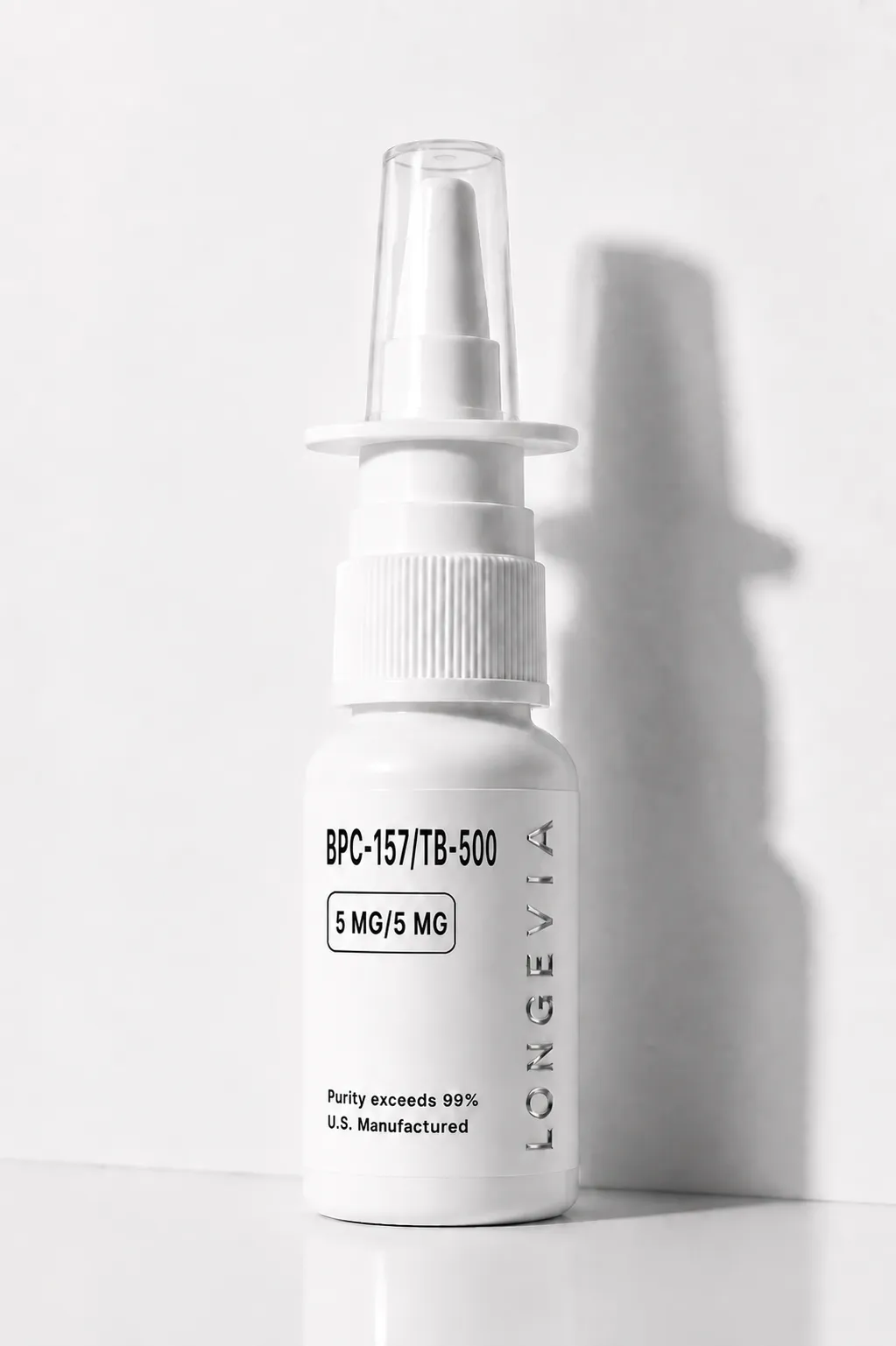
BPC-157 / TB-500 5mg/5mg & 10mg/10mg Spray
BPC-157 / TB-500 spray — two distinct synthetic research compounds in 5mg/5mg and 10mg/10mg formats, 45 sprays each. Supplied by Longevia Research for laboratory use only. Batch COA available.
$207.00
Slide to add
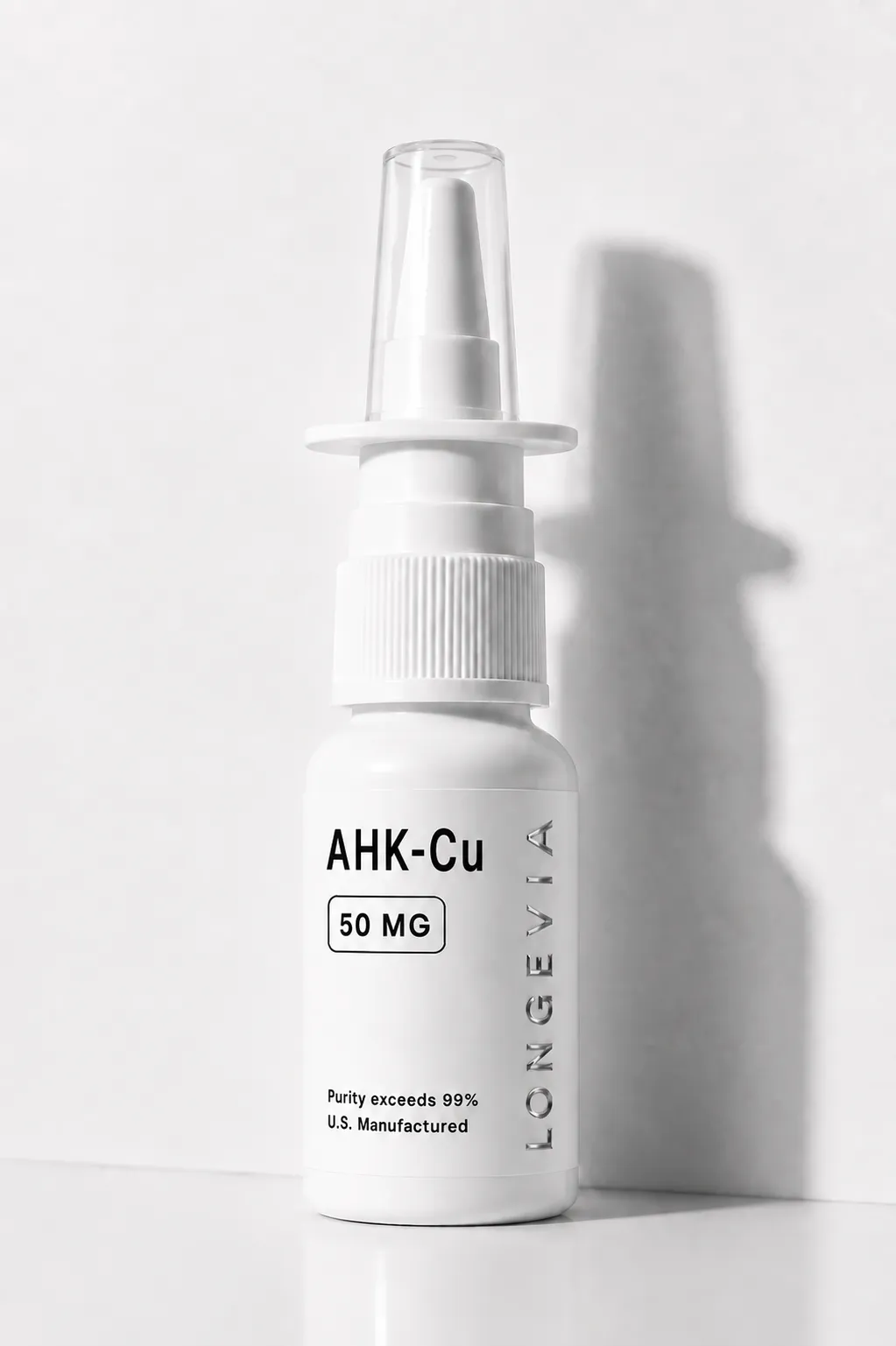
AHK-Cu 50mg / 100mg Spray
AHK-Cu spray — copper-associated Ala-His-Lys research compound in 50mg and 100mg formats, 45 sprays each. Supplied by Longevia Research for laboratory use only. Batch COA available.
$135.00
Slide to add
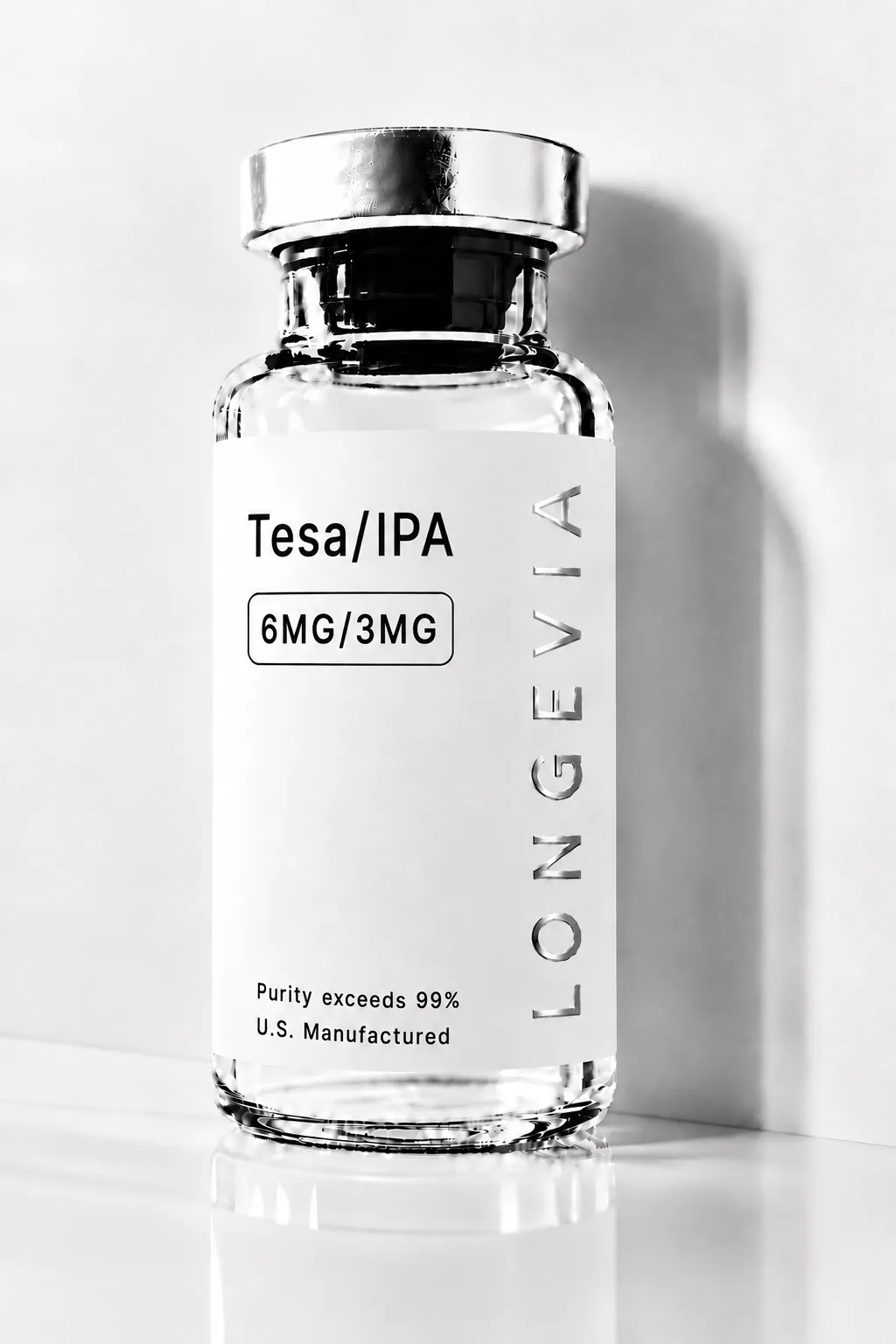
Tesa/IPA
Tesa/IPA — Tesamorelin and Ipamorelin combination research vials in 6mg/3mg and 13mg/3mg formats. GHRH-axis laboratory research compound supplied by Longevia Research for in-vitro use only.
$180.00
Slide to add
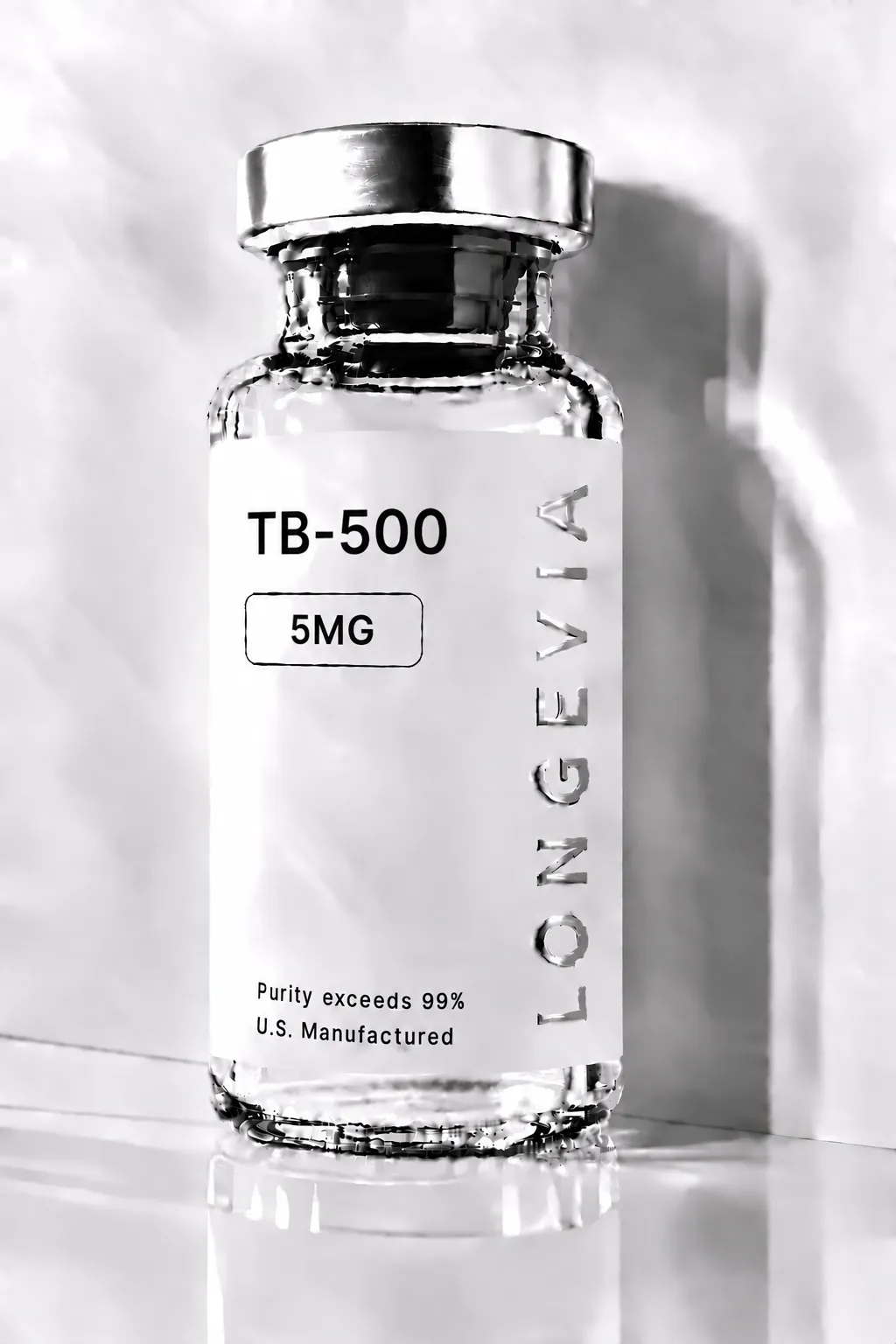
TB-500
Buy TB-500 research peptide — Thymosin Beta-4 active fragment. COA-verified, HPLC tested, 99%+ purity. Research use only.
$144.00
Slide to add
Product FAQs
Find answers to common questions regarding storage, reconstitution, and testing guidelines for this specific compound.