Recovery & Tissue Repair
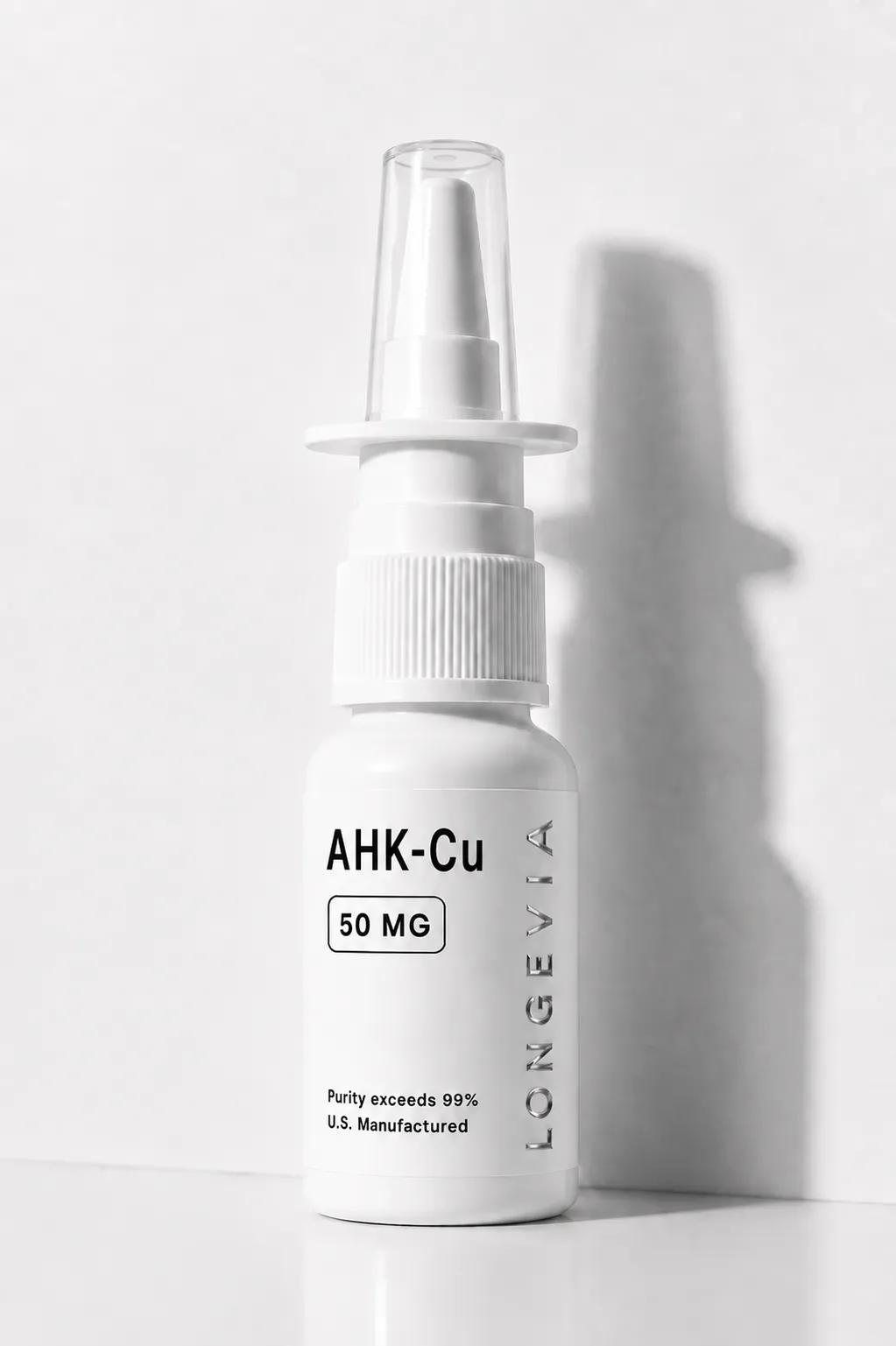
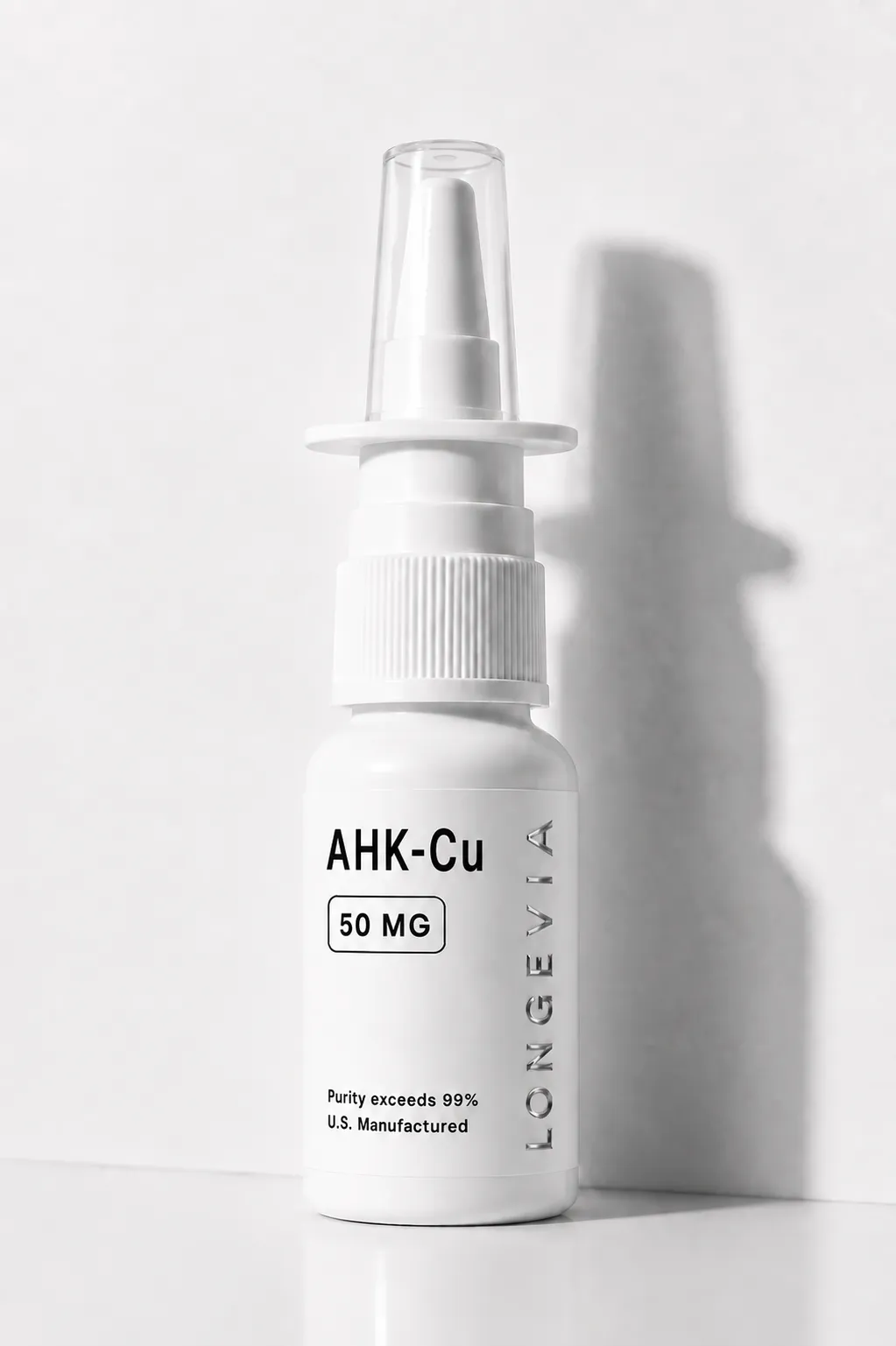
AHK-Cu 50mg / 100mg Spray
$135.00
1
Slide to Add
Purity≥99% Tested
TestingLC-MS Verified
LocationUS Based
AHK-Cu is the copper(II) coordination complex of the synthetic short-chain sequence L-alanyl-L-histidyl-L-lysine (Ala-His-Lys) — a copper-associated laboratory research compound studied in biochemical and cellular experimental systems. In its copper-complexed form, the three-residue sequence chelates a divalent copper ion (Cu²⁺) through coordination donors provided by the N-terminal amine, the backbone amide nitrogen, and the imidazole nitrogen of the histidine residue, producing a stable square-planar copper complex. AHK-Cu is closely related to but structurally distinct from GHK-Cu (Gly-His-Lys copper complex), differing at the first residue where alanine replaces glycine. This distinction means findings from GHK-Cu research should not be automatically attributed to AHK-Cu, and investigators should identify which compound is reported in any cited literature. Researchers have investigated AHK-Cu in experimental models examining copper-dependent biological pathways, cellular biology, and the biochemistry of copper-binding interactions in laboratory systems. The compound has been studied in cell culture, biochemical assays, and ex-vivo model systems; it is not a pharmaceutical compound and has no approved human therapeutic or clinical indication. Longevia Research supplies AHK-Cu in two formats — a 50mg spray and a 100mg spray — each containing 45 sprays, for qualified laboratory research use only. This product is not a drug, cosmetic, supplement, or food ingredient, and is not intended for human or veterinary use.
Standard Delivery3-4 Working Days
Free ShippingOn all orders above $300
Product Details
Scientific Identity
AHK-Cu is formally designated the L-alanyl-L-histidyl-L-lysine copper(II) complex. The three-residue sequence — alanine at the N-terminus, histidine at position 2, lysine at the C-terminus — provides the coordination environment for the divalent copper ion. In the complex, copper is chelated through the N-terminal amine of alanine, the deprotonated backbone amide nitrogen between positions 1 and 2, and the imidazole nitrogen of the histidine side chain, forming a square-planar coordination geometry characteristic of this class of tripeptide-copper compounds. The lysine ε-amine contributes to the compound's aqueous solubility and overall charge profile.
Alternative scientific names and designations
L-alanyl-L-histidyl-L-lysine copper(II) complex
AHK-Cu · Copper Tripeptide-3 (INCI designation)
Ala-His-Lys-Cu²⁺
Copper Chemistry
Copper is an essential trace element and obligatory cofactor for several biological enzymes, including lysyl oxidase (involved in extracellular matrix cross-linking), superoxide dismutase (an antioxidant enzyme), tyrosinase (pigment synthesis), and cytochrome c oxidase (mitochondrial respiration). Free ionic copper is chemically reactive and poorly tolerated in tissue; biological systems use chelation — binding to proteins, peptides, or small molecules — to deliver and buffer copper in a controlled and biologically usable form. AHK-Cu is studied as a compact copper-chelating research molecule in this context.
Molecular Information
Note on chemical form. CAS 682809-81-0 corresponds to the hydrochloride form of the AHK-Cu copper complex, the form most consistently referenced in chemical databases. Researchers performing quantitative experiments should confirm the specific form present in their material from the batch Certificate of Analysis, as different salt forms carry different molecular weights.
Available Formats
The quantity per individual spray is documented on the product label and batch Certificate of Analysis for each format. Longevia provides no dosing, spray-frequency, or administration guidance.
Product-Specific Specifications
A batch-specific Certificate of Analysis is available on the Longevia Research website for each production lot, covering compound identity, purity, and traceability for both the 50mg and 100mg formats.
Research-Use Classification
Research Use Only. Not for human or veterinary use, clinical diagnostics, or any therapeutic application.
Research Focus & Mechanism Overview
The Copper-Binding Research Context
The biological chemistry of copper underpins a substantial area of biochemical and cellular research. As a cofactor for redox-active enzymes, copper participates in reactions as diverse as mitochondrial electron transport, superoxide radical neutralisation, and the oxidative cross-linking of extracellular matrix proteins. The question of how copper is delivered to copper-dependent enzymes — and how peptide-based carriers influence that delivery — has driven investigation into copper-associated short-chain compounds as research tools.
AHK-Cu belongs to a class of copper-coordinating compounds characterised by high-affinity chelation through peptide backbone and imidazole coordination. Its compact size, aqueous solubility, and defined copper-binding geometry make it a tractable research molecule for studying copper delivery and related cellular signalling in laboratory systems.
Hair Follicle and Dermal Cell Biology Research
The principal published study examining AHK-Cu specifically is the investigation by Pyo and colleagues, published in Archives of Pharmacal Research in 2007 (PMID 17703734). Working with isolated human hair follicles maintained in ex-vivo organ culture and with cultured human dermal papilla cells (DPCs) — specialised fibroblast-like cells located at the base of hair follicles that regulate hair-cycle biology through paracrine signalling — the investigators examined the effects of L-alanyl-L-histidyl-L-lysine-Cu²⁺ at concentrations between 10⁻¹² M and 10⁻⁹ M.
In the ex-vivo hair follicle model, AHK-Cu was reported to stimulate follicle elongation compared with untreated controls. In the in-vitro DPC culture experiments, investigators observed increased cell proliferation and examined molecular markers associated with apoptosis — specifically the Bcl-2/Bax ratio (pro-survival versus pro-apoptotic protein balance), and the levels of cleaved caspase-3 and PARP, which are markers of active cell death. At 10⁻⁹ M, AHK-Cu was associated with a higher Bcl-2/Bax ratio and reduced cleaved caspase-3 and PARP levels, though a measured reduction in the proportion of apoptotic cells did not reach statistical significance in that study.
The same work examined effects on vascular endothelial growth factor (VEGF) production from dermal papilla cells. VEGF mediates angiogenesis — the formation of new capillary networks — and perifollicular vascularity is associated with follicle biology in research models. AHK-Cu treatment was reported to increase VEGF protein output from dermal papilla cells in vitro. The study also examined transforming growth factor-beta 1 (TGF-β1) secretion in the same cellular system.
All findings from this study are in-vitro and ex-vivo observations from defined experimental systems. They describe laboratory research under specific conditions and concentration ranges; they do not establish that AHK-Cu produces equivalent effects in intact human biology.
Extracellular Matrix and Connective Tissue Research Context
Research on the copper-binding tripeptide family more broadly has examined pathways associated with extracellular matrix (ECM) biology. The ECM is the structural and signalling network of proteins — collagen, elastin, fibronectin, glycosaminoglycans — that surrounds cells in tissues and is continuously remodelled by enzymes including matrix metalloproteinases (MMPs) and their endogenous inhibitors (TIMPs). Fibroblasts are the primary cells responsible for ECM synthesis, and their response to copper availability in experimental systems has been studied in the context of lysyl oxidase-dependent collagen and elastin cross-linking.
Research on GHK-Cu — the closely related but distinct Gly-His-Lys copper complex — has examined fibroblast behaviour, collagen synthesis parameters, and MMP regulation in cell culture models extensively. Because AHK-Cu shares the His-Lys core and copper-chelation chemistry, investigators have used it in comparative studies in the same research areas. Researchers should note, however, that the published AHK-Cu-specific evidence in this domain is more limited than the GHK-Cu literature. Evidence from GHK-Cu studies does not automatically transfer to AHK-Cu, and experimental findings should be evaluated compound-by-compound.
Oxidative Stress and Redox Biology Research
The copper ion coordinated in AHK-Cu participates in copper-dependent antioxidant enzyme chemistry. Copper,zinc-superoxide dismutase (Cu,Zn-SOD) is an intracellular antioxidant enzyme that depends on copper for catalytic function; its activity is associated with neutralisation of superoxide radicals — reactive oxygen species generated during normal and stressed cellular metabolism. Copper-chelating compounds have been studied as tools for investigating how controlled copper delivery influences cellular redox status in experimental systems.
Researchers investigating oxidative stress biology have examined copper-associated compounds in cell culture and biochemical assay systems. The role of peptide chelation in modulating the reactivity and delivery of copper in these contexts remains an active area of laboratory investigation.
Evidence Scope and Limitations
The published research base specifically examining AHK-Cu is more limited than that for GHK-Cu or other copper-associated systems. The primary study (Pyo et al., 2007) provides in-vitro and ex-vivo evidence from defined hair follicle and dermal cell models. No controlled human clinical studies of AHK-Cu have been published. Researchers working with this compound should treat the available evidence as preliminary preclinical data from specific experimental systems, and design experiments accordingly.
Regulatory and Clinical Status
AHK-Cu has no approved human therapeutic indication in any jurisdiction. It is not an approved pharmaceutical compound, and no published human clinical trial examining AHK-Cu has been completed. Longevia Research supplies AHK-Cu as a laboratory research material. The compound's presence in cosmetic ingredient databases (INCI: Copper Tripeptide-3) reflects its historical use in cosmetic formulations in other commercial contexts, not its status as a Longevia product, which is supplied solely for laboratory research use.
Quality & Purity Standards
For a copper-coordinating research compound such as AHK-Cu, analytical quality documentation addresses two interdependent elements: the integrity of the amino acid sequence and the presence and coordination status of the chelated copper ion. These together define the compound identity and distinguish it from the free uncomplexed tripeptide, from GHK-Cu, or from synthesis-related impurities.
Identity confirmation. Compound identity for AHK-Cu should be verified at both the sequence and metal-complex levels. Mass spectrometry provides confirmation of molecular identity through the observed mass consistent with C₁₅H₂₅CuN₆O₄ and the characteristic copper isotope pattern — the natural abundance of ⁶³Cu and ⁶⁵Cu produces a recognisable mass-spectral signature that confirms metal incorporation and distinguishes AHK-Cu from uncoordinated material.
Purity analysis. Chromatographic purity assessment quantifies the target AHK-Cu complex relative to other UV-absorbing components including uncomplexed free tripeptide, synthesis-related impurities, or other copper-containing species. Purity data is documented on the batch Certificate of Analysis for each format.
Batch traceability and Certificate of Analysis. Each production lot of AHK-Cu spray from Longevia Research is traceable to a specific batch. Batch-specific Certificates of Analysis are accessible on the Longevia Research website for both the 50mg and 100mg formats, covering identity, purity, and lot information. Researchers are encouraged to review current batch documentation before incorporating material into experimental protocols, as specifications apply at the lot level.
Storage. Copper-peptide complexes can be sensitive to conditions that affect the coordination chemistry — including light exposure, pH extremes, and temperature. Specific storage requirements for each format and lot are confirmed on the batch Certificate of Analysis and product labelling. Longevia recommends consulting the COA for lot-specific guidance.
Compliance Notice
Longevia Research supplies AHK-Cu spray for laboratory and in-vitro research use only. Both the 50mg and 100mg formats are intended for qualified researchers and trained laboratory personnel working in appropriate controlled research environments.
AHK-Cu is a synthetic copper-associated research compound supplied strictly as a laboratory research tool. It is not a drug, not a dietary supplement, not a food or food ingredient, and not a cosmetic product. No regulatory authority has approved AHK-Cu for human or veterinary therapeutic use, and Longevia does not supply this product for topical application, ingestion, administration to humans or animals, clinical diagnostics, or any therapeutic application.
No therapeutic, diagnostic, or cosmetic efficacy claims are made for this compound. The scientific literature referenced on this page describes experimental observations in defined cell-based and ex-vivo model systems. Those findings describe laboratory research under specific conditions and do not establish that AHK-Cu is safe or effective for any human application. The spray format does not alter the Research Use Only status of this material.
No dosing instructions, spray-frequency guidance, administration protocols, or usage recommendations of any kind are provided. The purchaser assumes full responsibility for lawful acquisition, handling, storage, use, and disposal of this material, and for compliance with all applicable local, state, federal, and institutional regulations.
Continue Exploring
Also Considered.
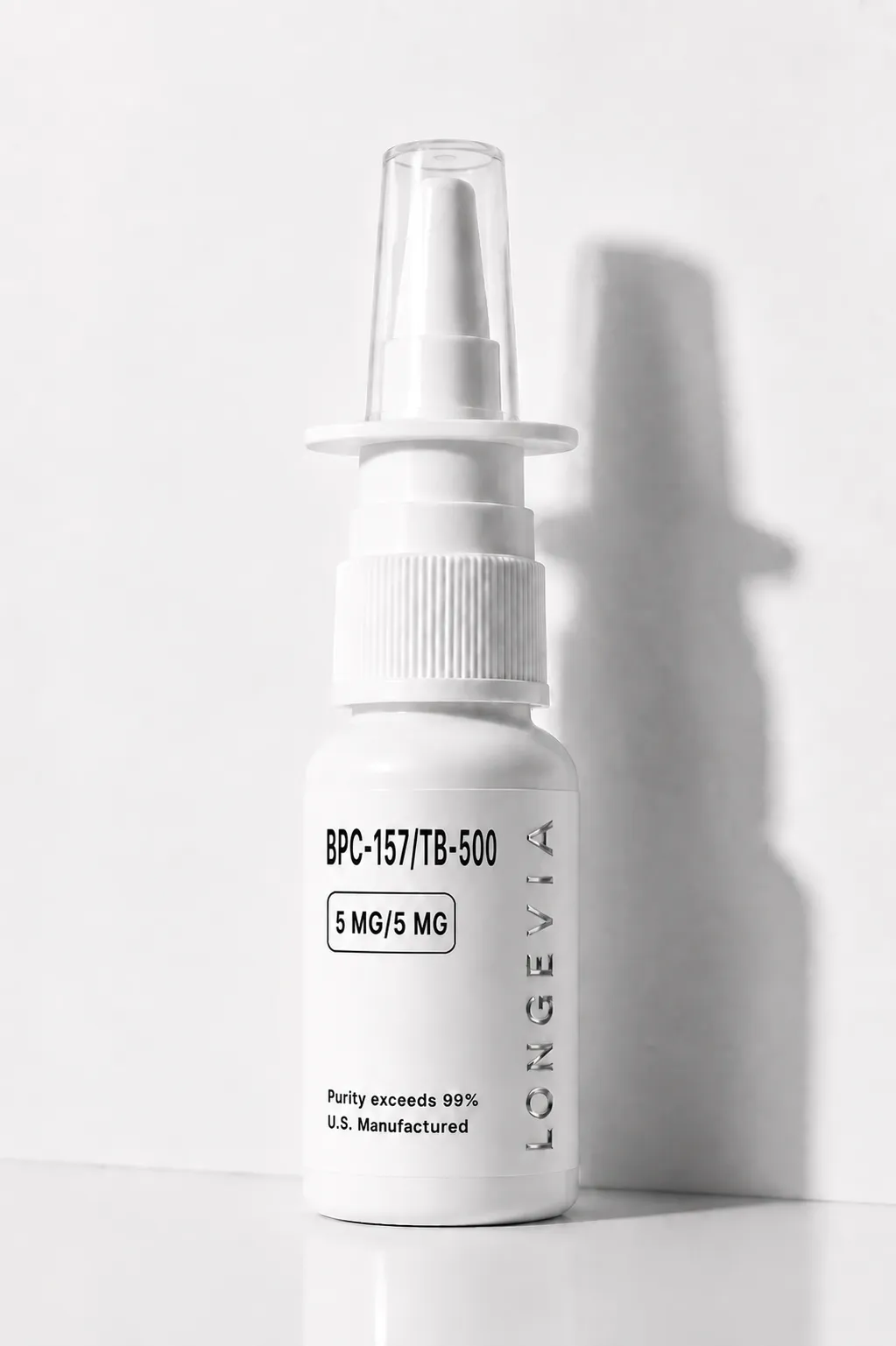
BPC-157 / TB-500 5mg/5mg & 10mg/10mg Spray
BPC-157 / TB-500 spray — two distinct synthetic research compounds in 5mg/5mg and 10mg/10mg formats, 45 sprays each. Supplied by Longevia Research for laboratory use only. Batch COA available.
$207.00
Slide to add
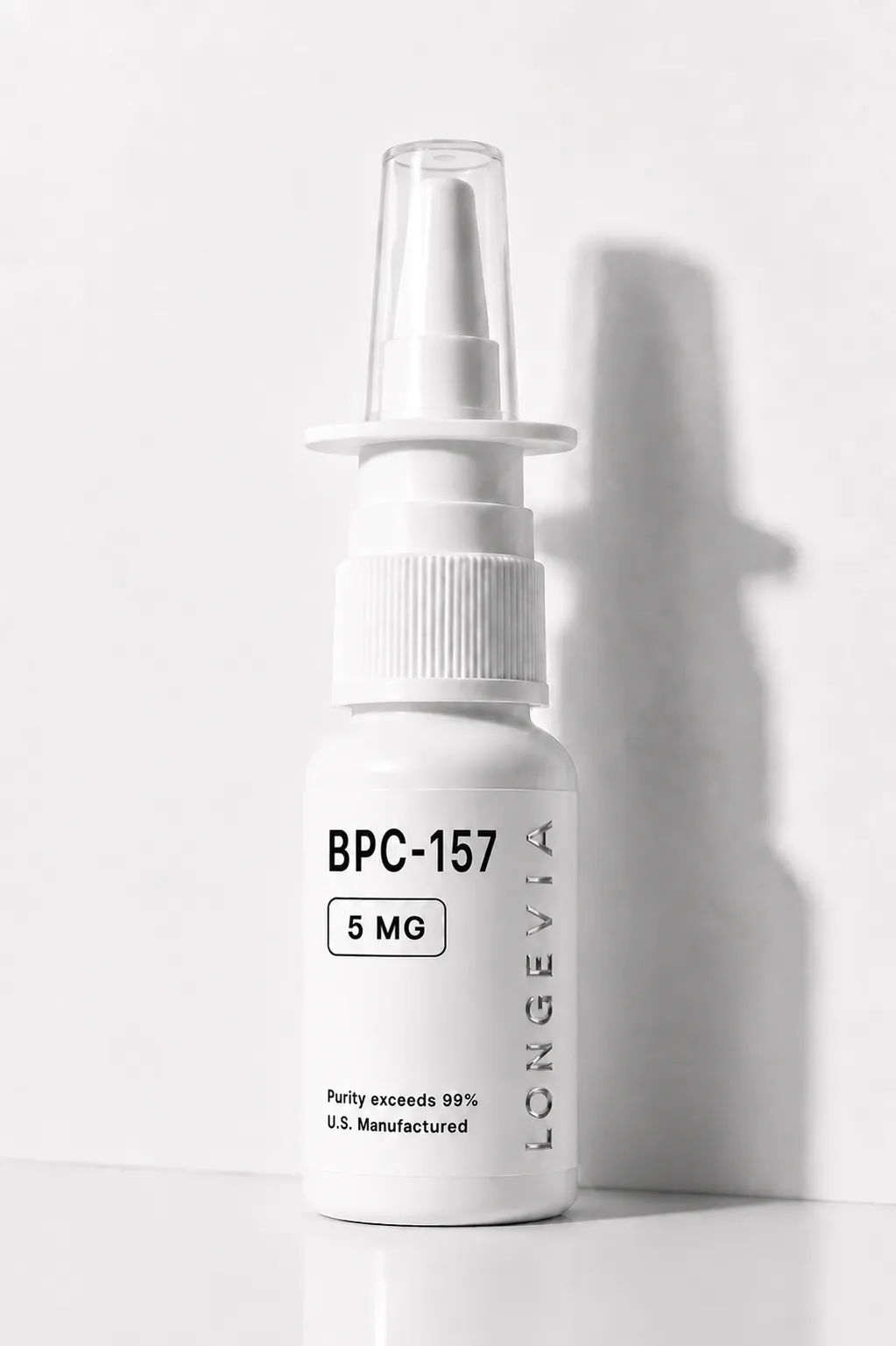
BPC-157 5mg / 10mg Spray
BPC-157 5mg and 10mg spray formats — 45 sprays each. Synthetic pentadecapeptide (GEPPPGKPADDAGLV, CAS 137525-51-0) supplied by Longevia Research for laboratory use only. Batch COA available.
$135.00
Slide to add
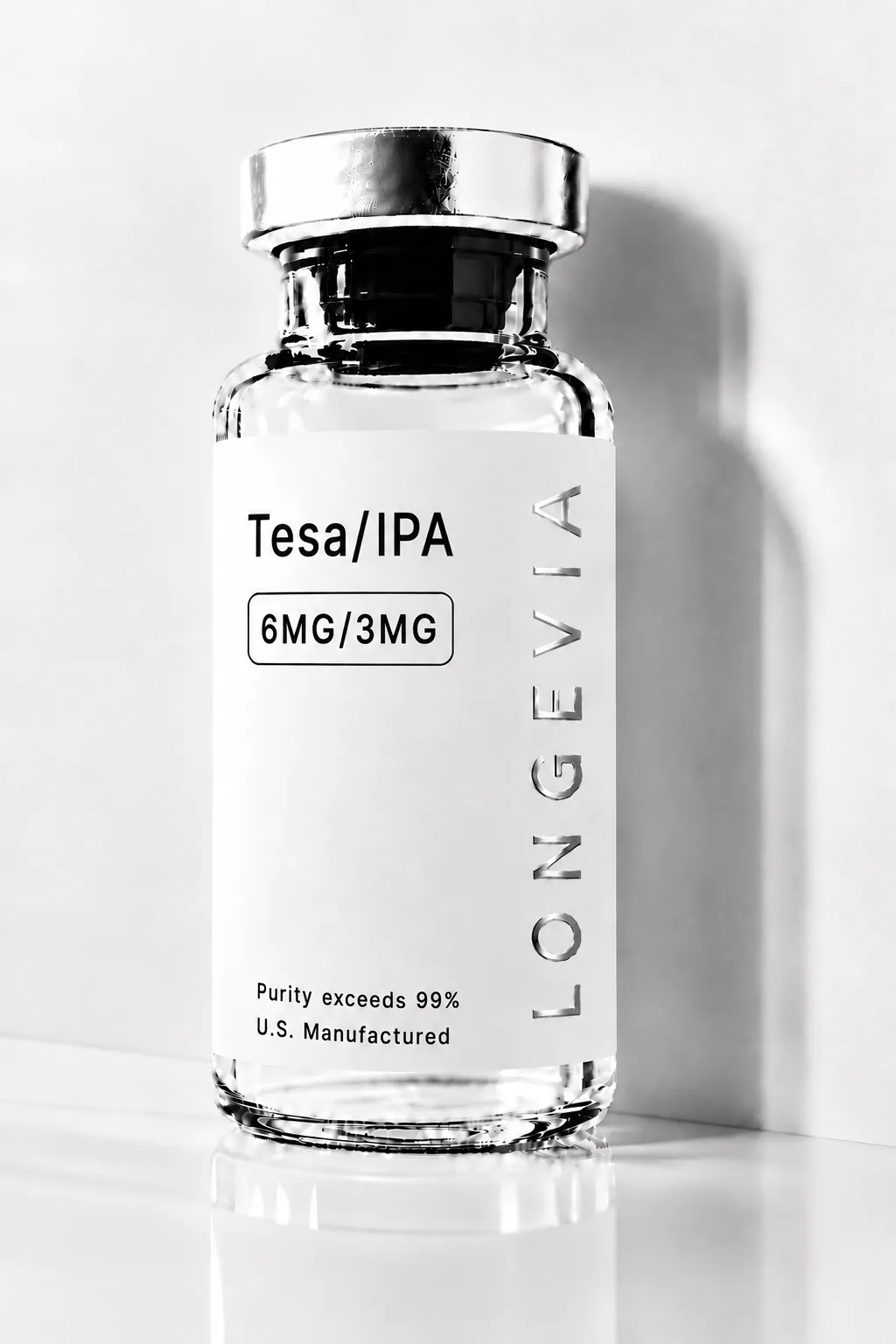
Tesa/IPA
Tesa/IPA — Tesamorelin and Ipamorelin combination research vials in 6mg/3mg and 13mg/3mg formats. GHRH-axis laboratory research compound supplied by Longevia Research for in-vitro use only.
$180.00
Slide to add
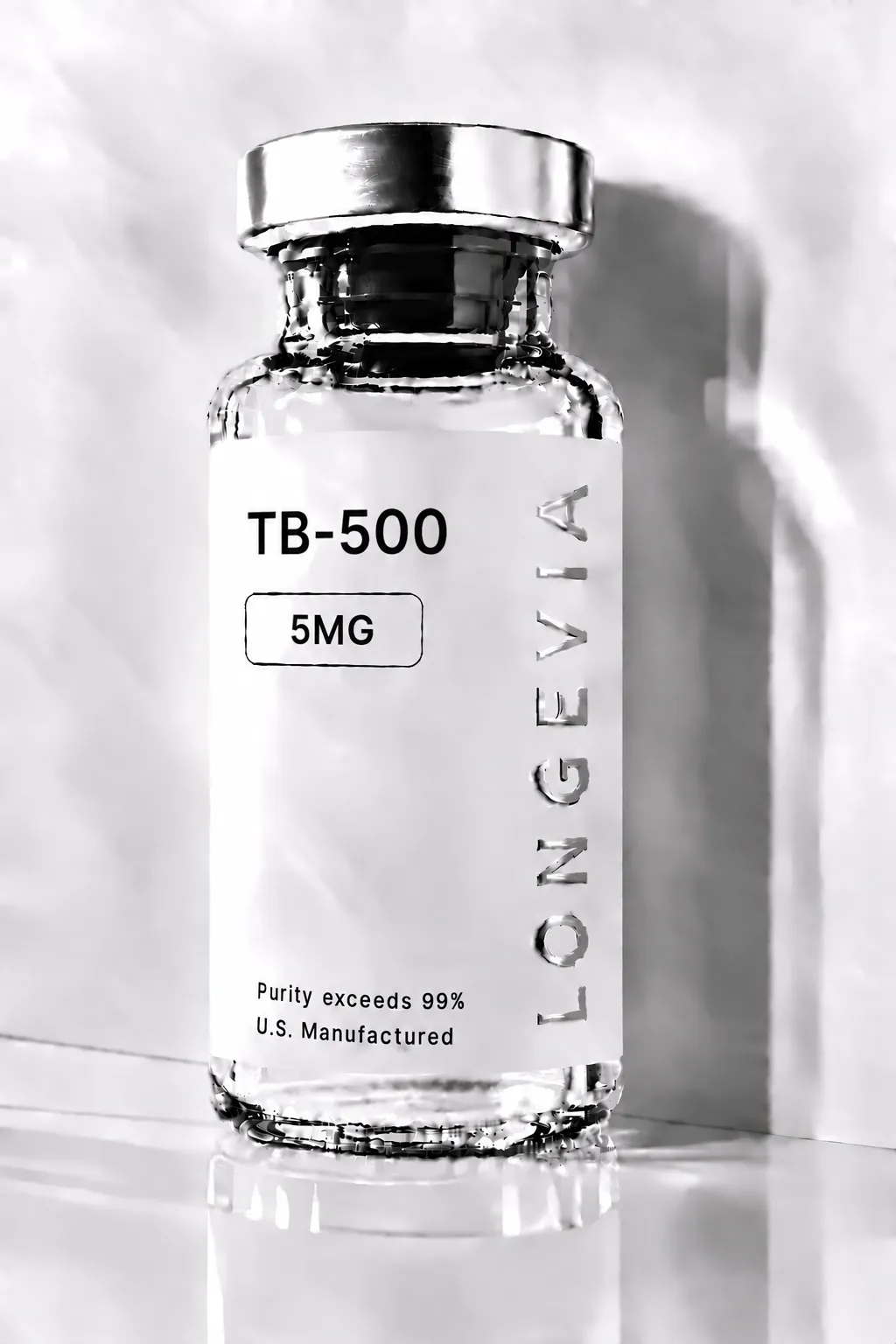
TB-500
Buy TB-500 research peptide — Thymosin Beta-4 active fragment. COA-verified, HPLC tested, 99%+ purity. Research use only.
$144.00
Slide to add
Product FAQs
Find answers to common questions regarding storage, reconstitution, and testing guidelines for this specific compound.