Recovery & Tissue Repair
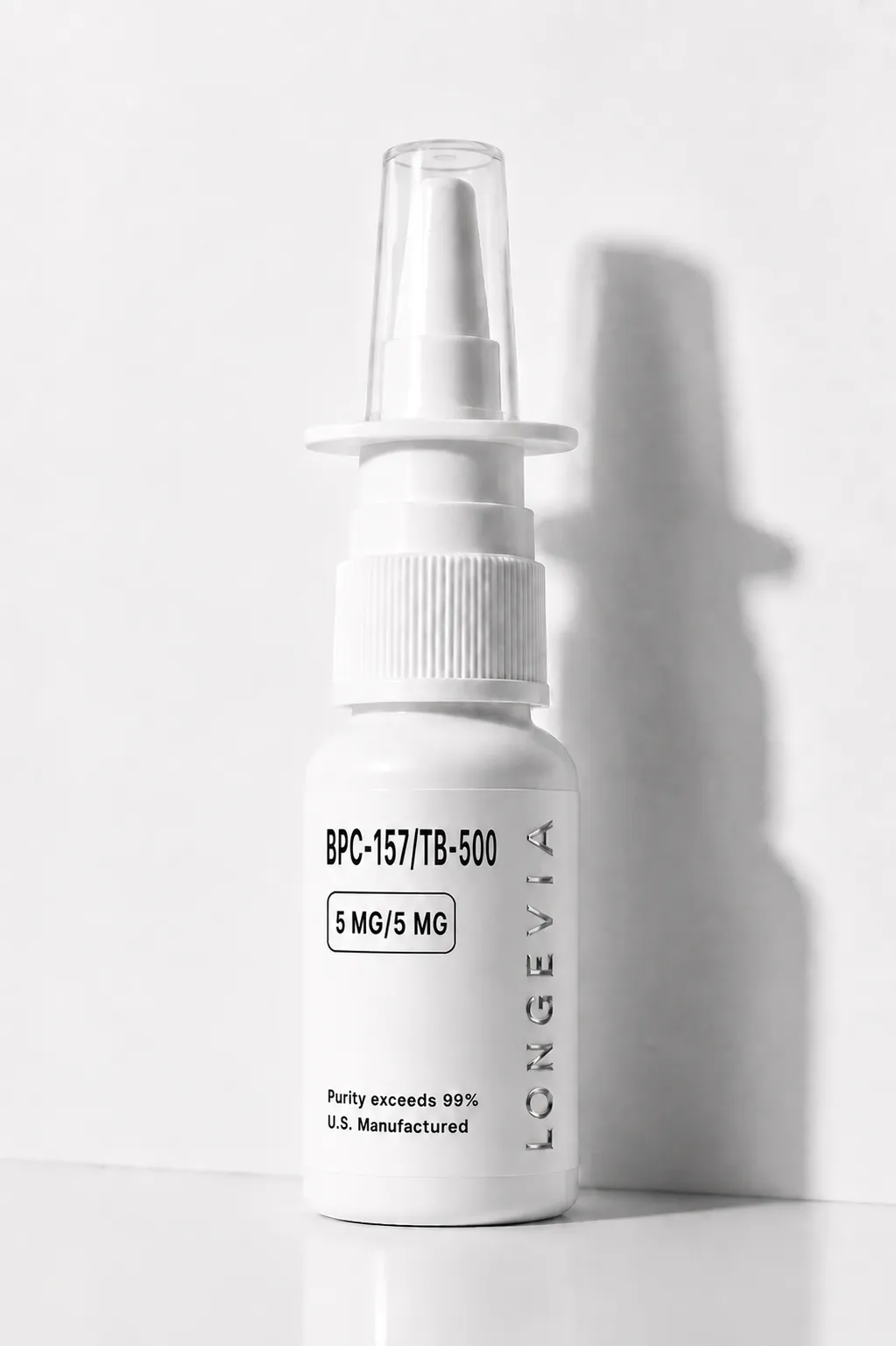
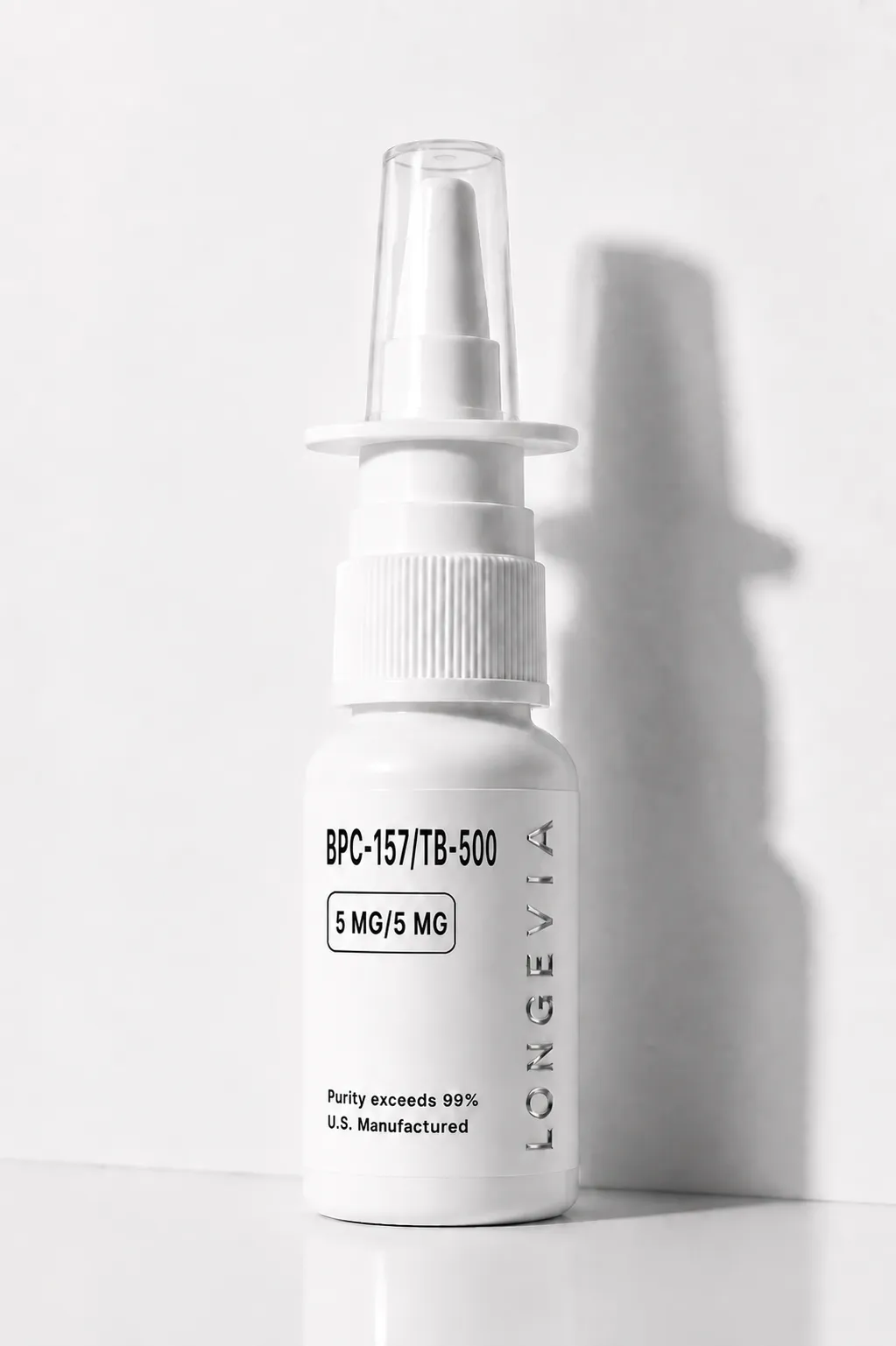
BPC-157 / TB-500 5mg/5mg & 10mg/10mg Spray
$207.00
1
Slide to Add
Purity≥99% Tested
TestingLC-MS Verified
LocationUS Based
BPC-157 / TB-500 is a dual-compound research product supplied by Longevia Research, combining two structurally and mechanistically distinct synthetic research peptides in a single spray format. The two components — BPC-157 (Body Protection Compound-157), a synthetic gastric pentadecapeptide, and TB-500 (a thymosin beta-4-derived research compound) — have independent research histories, distinct amino acid sequences, and separate proposed mechanisms of action. They are not variations of the same compound and should not be treated as interchangeable. BPC-157 is a 15-amino-acid research peptide with the sequence GEPPPGKPADDAGLV, originally derived from a protein sequence found in human gastric juice, and studied primarily in rodent models examining gastrointestinal, vascular, and connective-tissue biology. TB-500 is a research market designation for a compound derived from thymosin beta-4 — a 43-amino-acid actin-regulatory protein. The name TB-500 is used commercially for both the full-length thymosin beta-4 protein and for shorter fragments of it, most commonly the 7-residue actin-binding domain (Ac-LKKTETQ). The specific form supplied in this product is confirmed by the batch Certificate of Analysis. Longevia Research supplies this combination as a spray research material in two formats — 5mg BPC-157 + 5mg TB-500, and 10mg BPC-157 + 10mg TB-500, each containing 45 sprays — for qualified laboratory research use only. This product is not a drug, dietary supplement, food ingredient, or cosmetic, and is not intended for human or veterinary use.
Standard Delivery3-4 Working Days
Free ShippingOn all orders above $300
Product Details
BPC-157 — Scientific Identity
BPC-157 is a synthetic pentadecapeptide — a linear 15-amino-acid research compound — derived from a partial sequence of a protein found in human gastric juice. First characterised and studied by Sikiric and colleagues at the University of Zagreb in the early 1990s, it is produced by solid-phase peptide synthesis and is not a naturally circulating human peptide. Its four proline residues, including a consecutive Pro-Pro-Pro triplet, confer stability in acidic environments and resistance to proteolytic degradation.
BPC-157 molecular information
TB-500 — Scientific Identity and Important Naming Note
TB-500 is a research market designation rather than a standardised scientific name. Two structurally distinct compounds are commercially supplied under this name, and researchers should be aware of the distinction.
Thymosin beta-4 (full-length). Thymosin beta-4 (Tβ4) is a 43-amino-acid protein originally isolated from calf thymus and found throughout mammalian cells — it is one of the most abundant intracellular G-actin sequestering molecules known. Full-length Tβ4 carries the sequence Ac-SDKPDMAEIEKLFDAKNPAKEGKEDISQLASQKDKMEAEKKDAEDRQKK (N-terminally acetylated), CAS 77591-33-4, and a molecular weight of approximately 4,963 g/mol. The majority of the published scientific literature on thymosin beta-4 biology uses the full-length protein.
The LKKTET(Q) fragment. The 7-residue actin-binding domain of Tβ4 — residues 17 to 23, sequence LKKTETQ — is the basis for shorter research materials also marketed as TB-500. In its N-acetylated form (Ac-LKKTETQ), this heptapeptide has a molecular weight of approximately 889 g/mol. Some suppliers cite CAS 885340-08-9 for this form. Published research using this specific short fragment is more limited than the full-length Tβ4 literature.
Practical note for researchers. The Certificate of Analysis for any TB-500 product is the definitive confirmation of which form is supplied. A molecular weight near 4,963 Da indicates full-length Tβ4; a molecular weight near 889 Da indicates the short actin-binding fragment. The two are different compounds with different molecular masses, different structural properties, and potentially different ranges of biological activity in experimental systems. The batch Certificate of Analysis for this Longevia product confirms the form supplied.
Key Differences Between BPC-157 and TB-500
Product Formats
The quantity per individual spray for each component is documented on the product label and batch Certificate of Analysis. Longevia provides no dosing, spray-frequency, or administration guidance.
Research-Use Classification
Research Use Only. Not for human or veterinary use, clinical diagnostics, therapeutic administration, or any in-vivo application in humans.
Research Focus & Mechanism Overview
BPC-157 — Research Background
BPC-157 entered the scientific literature through the work of Sikiric, Seiwerth, and colleagues at the University of Zagreb, who described the pentadecapeptide's cytoprotective properties in gastrointestinal experimental models in the early 1990s. Over subsequent decades, the Zagreb research group and independent investigators have examined the compound in an unusually wide range of rodent model systems. The compound has no established receptor and no definitively characterised single mechanism of action despite decades of preclinical investigation.
Gastrointestinal model research. The most extensively published experimental context for BPC-157 is gastrointestinal biology. Rodent studies have examined the compound in ethanol-induced gastric lesion models, NSAID-associated gastric damage protocols, ischaemia-reperfusion injury preparations, and rat colitis models. Investigators have reported changes in macroscopic and histological damage parameters, vascular and inflammatory marker measurements in treated versus control animals. In 2025, a Phase 1 intravenous safety pilot in human volunteers was reported — the first published human study of BPC-157.
Connective tissue model research. BPC-157 has been examined extensively in rodent models of tendon, ligament, and muscle injury. The Zagreb group and independent researchers have published work describing changes in histological repair parameters, collagen organisation, and biomechanical properties in rodent connective-tissue models. A 2026 systematic review in Pharmaceuticals (Matek et al., PMID 41754849) consolidated this literature.
Vascular and angiogenic research. Cell-based and rodent experiments have examined potential interactions between BPC-157 and vascular endothelial growth factor receptor 2 (VEGFR2) signalling, with downstream effects on Akt and eNOS activation reported in defined in-vitro systems. The nature and specificity of this interaction remain under investigation.
Neurological research. A 2022 review in Neural Regeneration Research (Vukojević et al., PMID 34380895) examined the published preclinical literature on BPC-157 and the central nervous system, covering work in rodent neurological injury models and brain-gut axis research.
BPC-157 — Proposed Mechanisms
Multiple mechanistic hypotheses have been proposed and investigated for BPC-157 in preclinical systems. Published research has examined potential interactions with nitric oxide signalling pathways (NOS-related), VEGFR2-mediated angiogenic cascades, growth hormone receptor modulation in fibroblasts, and inflammatory pathway markers. None of these represents an established, definitively validated mechanism at the level of classical pharmacology. Mechanistic claims about BPC-157 should be framed as working hypotheses from preclinical experimental data.
TB-500 / Thymosin Beta-4 — Research Background
Thymosin beta-4 (Tβ4) is a well-characterised endogenous protein with a defined and extensively studied biological function: G-actin sequestration. By binding monomeric G-actin through its LKKTET domain, Tβ4 regulates the pool of available actin monomers and thereby influences actin filament dynamics, cell motility, and the formation of cellular structures involved in migration. These are established biochemical observations for the full-length protein.
Wound and tissue models. Research on full-length Tβ4 has examined the protein in dermal wound models, cardiac injury models, and corneal healing models in rodents. Sosne, Kleinman, and colleagues published foundational work on thymosin beta-4 in ocular surface and wound healing contexts. RegeneRx Biopharmaceuticals developed full-length Tβ4 for ophthalmic dry-eye indications, conducting Phase 2 clinical trials — establishing a human clinical data record for the full-length protein that does not automatically transfer to shorter fragments.
Cardiac research. Preclinical work by Smart, Riley, and colleagues examined thymosin beta-4 in cardiac repair models, reporting effects on cardiomyocyte survival and epicardial progenitor cell activation in rodent cardiac injury protocols. This is published preclinical work that stimulated interest in Tβ4 biology in cardiac contexts.
TB-500 fragment-specific research. Research on the short LKKTET(Q) actin-binding fragment specifically — rather than the full-length Tβ4 protein — is more limited. Some cell-based studies have examined the fragment's actin-binding properties and its ability to promote cell migration in vitro. The connection between the short fragment's actin-binding activity and the broader biological effects observed with full-length Tβ4 in animal models cannot be assumed without specific evidence; the two forms are different molecules.
TB-500 — Proposed Mechanism
The core, biochemically established mechanism of full-length thymosin beta-4 is G-actin sequestration through its LKKTET actin-binding domain. By maintaining G-actin in a sequestered, non-polymerising state, Tβ4 regulates the dynamics of actin filament assembly — a process central to cell shape, motility, wound closure, and angiogenesis. This is established structural biochemistry for the full-length protein. Whether the short Ac-LKKTETQ fragment reproduces the full range of Tβ4's biological effects in experimental systems is a subject of ongoing research.
Combined Research — BPC-157 + TB-500
A 2026 study published in Joint Diseases and Related Surgery (Sprague-Dawley rat Achilles tendon transection model, 32 animals, four groups of eight, PMID 42542926) examined BPC-157, TB-500 (described in that study as synthetic thymosin beta-4), and their combination administered intraperitoneally for four weeks following surgical tendon repair. The investigation evaluated histopathological parameters, extracellular matrix organisation, and biomechanical properties. Both individual treatment groups were associated with improved histopathological parameters relative to control; TB-500 additionally showed biomechanical significance. The combination group was also assessed.
This is the principal published peer-reviewed study examining BPC-157 and TB-500 specifically in combination. It is a single rodent model study with 8 animals per experimental group. Its findings represent preliminary preclinical evidence from one defined experimental system and do not establish efficacy, mechanism, or safety in humans. The two compounds' proposed mechanisms — BPC-157's vascular and tissue signalling effects versus TB-500's actin-regulatory biology — represent non-overlapping but potentially complementary experimental approaches in connective-tissue research contexts, which provides the scientific rationale for their combined study.
Researchers should be cautious about assuming combination synergy on the basis of mechanistic plausibility and this single study. Evidence for each individual compound should not automatically be interpreted as evidence for the combination.
Regulatory Status
BPC-157. Not FDA-approved for any indication. Removed from Category 2 (April 2026); PCAC voted 8-6 on July 23, 2026 to recommend 503A listing for an ulcerative colitis indication — advisory vote only, formal rulemaking pending. Listed on the WADA Prohibited List (S0 — Non-Approved Substances).
TB-500. Not FDA-approved. Placed on FDA Category 2 (significant safety concerns) in 2023/early 2024; reviewed at the PCAC July 2026 meeting. Listed on the WADA Prohibited List. Full-length thymosin beta-4 has a separate clinical development track that does not establish approval for TB-500 or any fragment form.
Both compounds are supplied as Research Use Only materials. The Longevia RUO supply channel operates independently of the 503A pharmaceutical compounding framework.
Quality & Purity Standards
For a dual-compound spray research product, analytical documentation must establish identity and purity for each component independently. BPC-157 and TB-500 have substantially different molecular weights — approximately 1,419 g/mol versus either approximately 4,963 g/mol (full-length Tβ4) or approximately 889 g/mol (short fragment), depending on form — which means mass spectrometric confirmation clearly resolves the two compounds and confirms their separate identities in a co-formulated product.
Identity confirmation. Each production lot of BPC-157 / TB-500 spray is characterised by mass spectrometric analysis for both components, confirming the observed molecular ions for BPC-157 (GEPPPGKPADDAGLV, approximately 1,419.55 g/mol free base) and for the TB-500 component at its form-appropriate molecular weight. The specific form of TB-500 — full-length Tβ4 or actin-binding fragment — is confirmed on the batch Certificate of Analysis.
Purity assessment. Chromatographic purity analysis quantifies each target compound relative to other UV-absorbing species. For a combination product containing two compounds of substantially different mass, the chromatographic and mass-spectrometric data also confirm that the components are present as expected and are resolved from each other and from synthesis-related impurities.
Batch traceability and Certificate of Analysis. Every production lot of BPC-157 / TB-500 spray (both the 5mg/5mg and 10mg/10mg formats) is traceable to a specific batch. Batch-specific Certificates of Analysis are accessible on the Longevia Research website, covering identity, purity, TB-500 form specification, and lot information. Researchers are encouraged to review current batch documentation — particularly the TB-500 form identification — before use.
Storage. Specific storage conditions and stability information for each format and lot are confirmed on the batch Certificate of Analysis and product labelling.
Compliance Notice
Longevia Research supplies BPC-157 / TB-500 spray for laboratory and in-vitro research use only. Both the 5mg/5mg and 10mg/10mg formats are intended for qualified researchers and trained laboratory personnel working in appropriate controlled research environments.
BPC-157 / TB-500 is a dual-compound synthetic research product supplied strictly as a laboratory research tool. It is not a drug, not a dietary supplement, not a food or food ingredient, and not a cosmetic. Neither BPC-157 nor TB-500 (in any form) is approved for human or veterinary therapeutic use by the FDA or any other major regulatory authority. Neither compound currently has a lawful 503A pharmaceutical compounding pathway in the United States.
No therapeutic, diagnostic, or efficacy claims are made for this product or its individual components. The preclinical research referenced on this page describes experimental observations from defined cell-based and animal model systems. Those findings do not establish human efficacy, safety, or fitness for any clinical application. The single combination study referenced (PMID 42542926) is a preliminary rodent model study that does not establish combined human therapeutic efficacy.
No dosing instructions, spray-frequency guidance, administration protocols, or usage recommendations are provided. The purchaser assumes full responsibility for lawful acquisition, handling, storage, use, and disposal of this material, and for compliance with all applicable local, state, federal, and institutional regulations.
Continue Exploring
Also Considered.
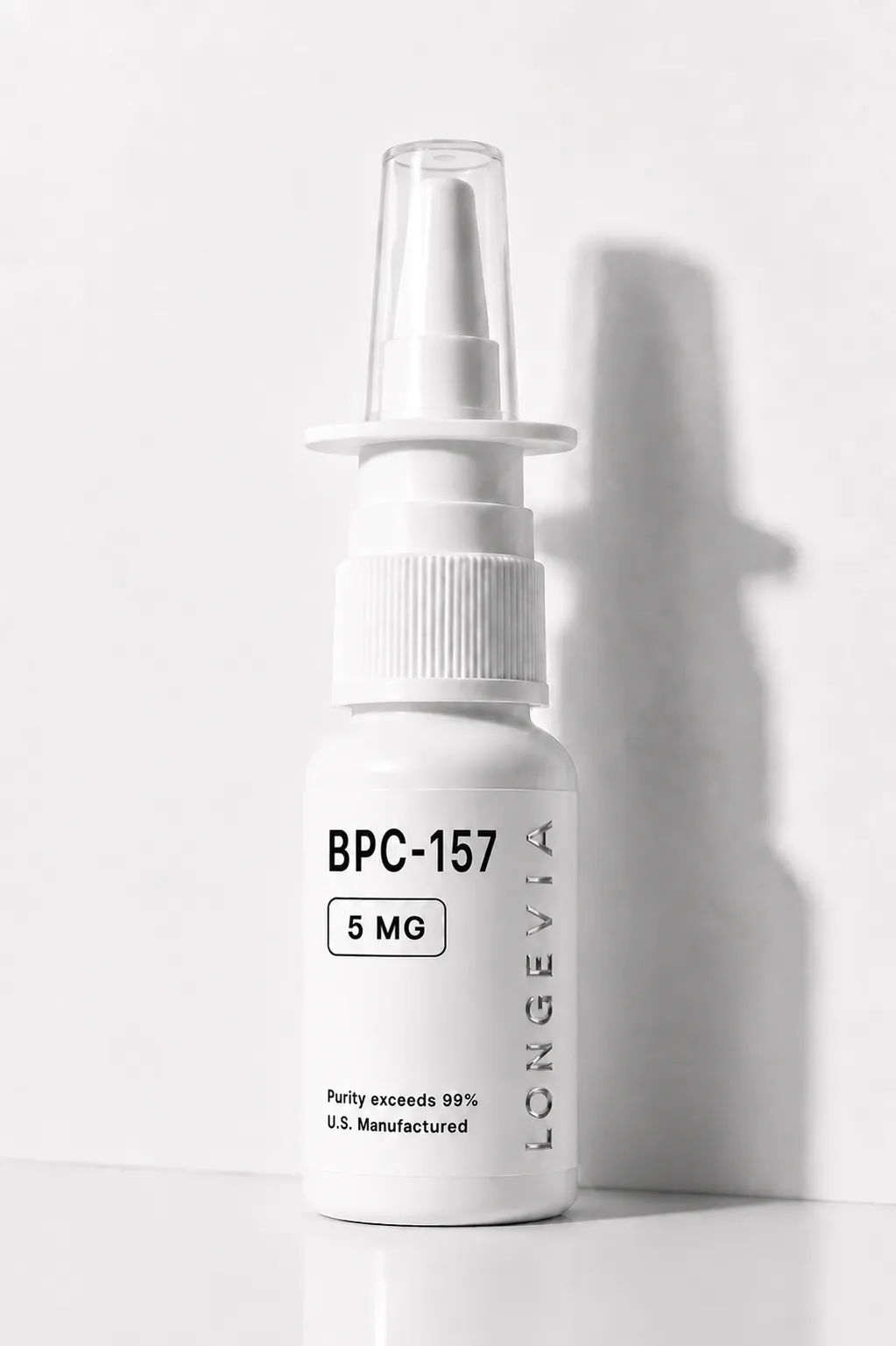
BPC-157 5mg / 10mg Spray
BPC-157 5mg and 10mg spray formats — 45 sprays each. Synthetic pentadecapeptide (GEPPPGKPADDAGLV, CAS 137525-51-0) supplied by Longevia Research for laboratory use only. Batch COA available.
$135.00
Slide to add
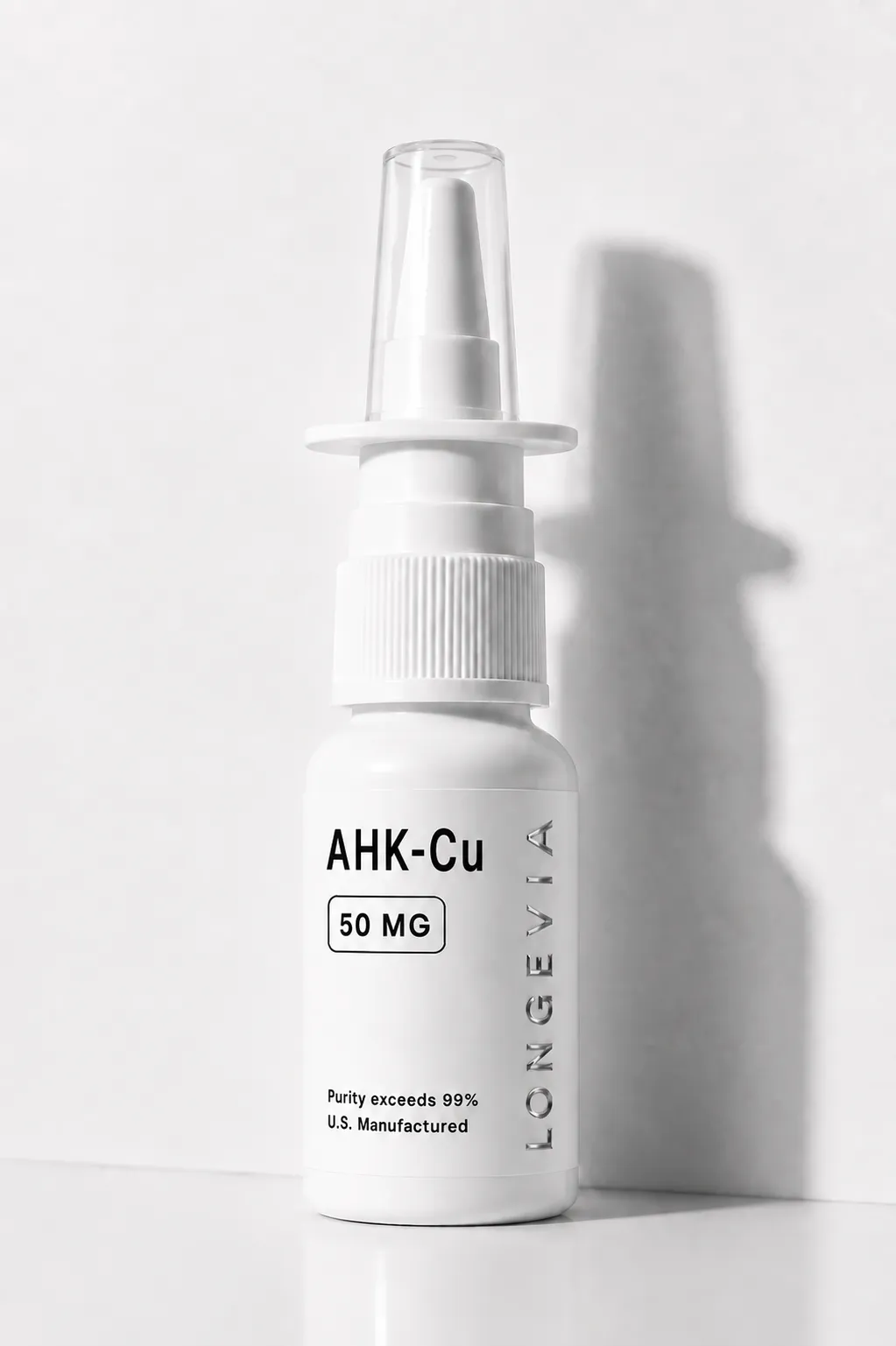
AHK-Cu 50mg / 100mg Spray
AHK-Cu spray — copper-associated Ala-His-Lys research compound in 50mg and 100mg formats, 45 sprays each. Supplied by Longevia Research for laboratory use only. Batch COA available.
$135.00
Slide to add
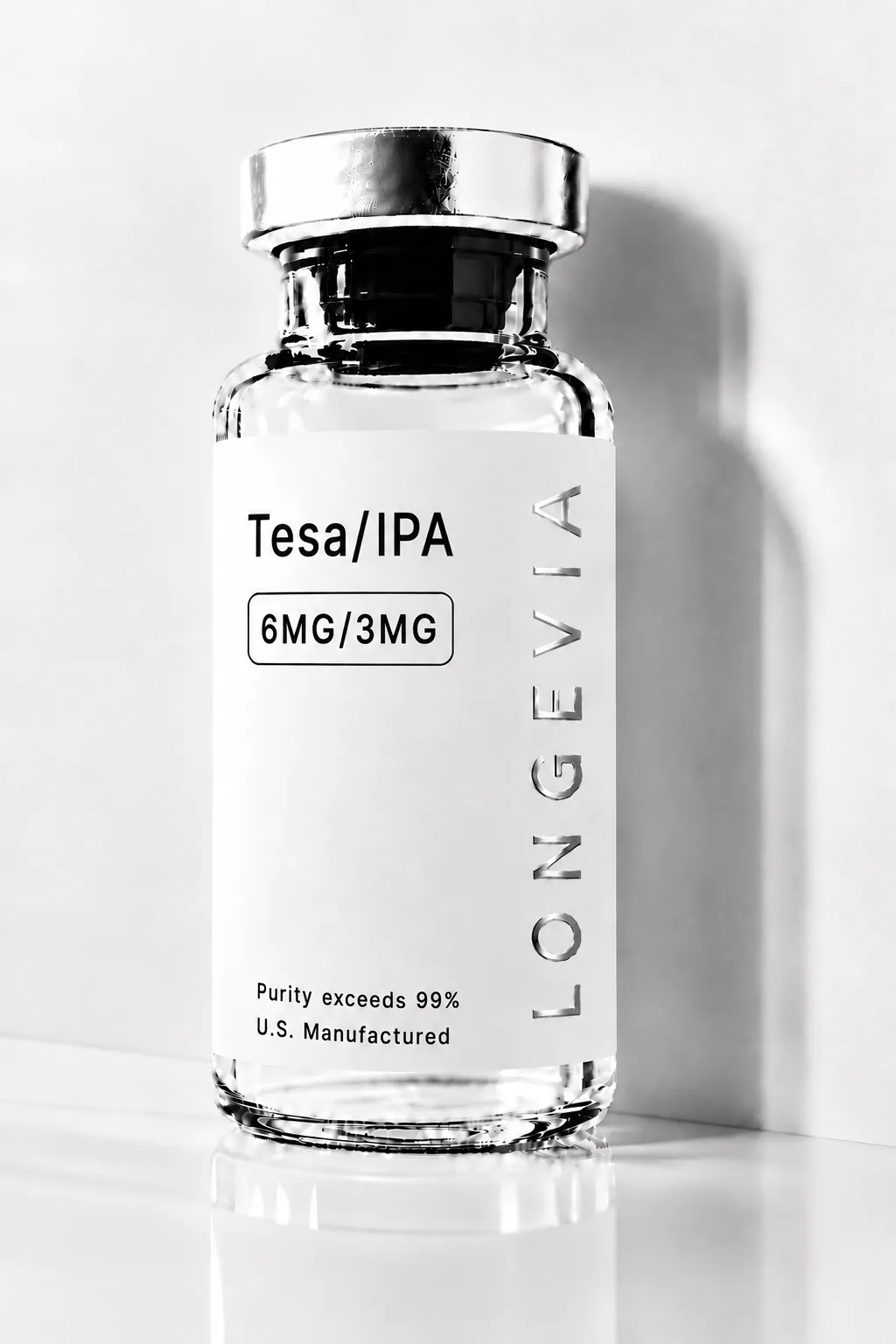
Tesa/IPA
Tesa/IPA — Tesamorelin and Ipamorelin combination research vials in 6mg/3mg and 13mg/3mg formats. GHRH-axis laboratory research compound supplied by Longevia Research for in-vitro use only.
$180.00
Slide to add
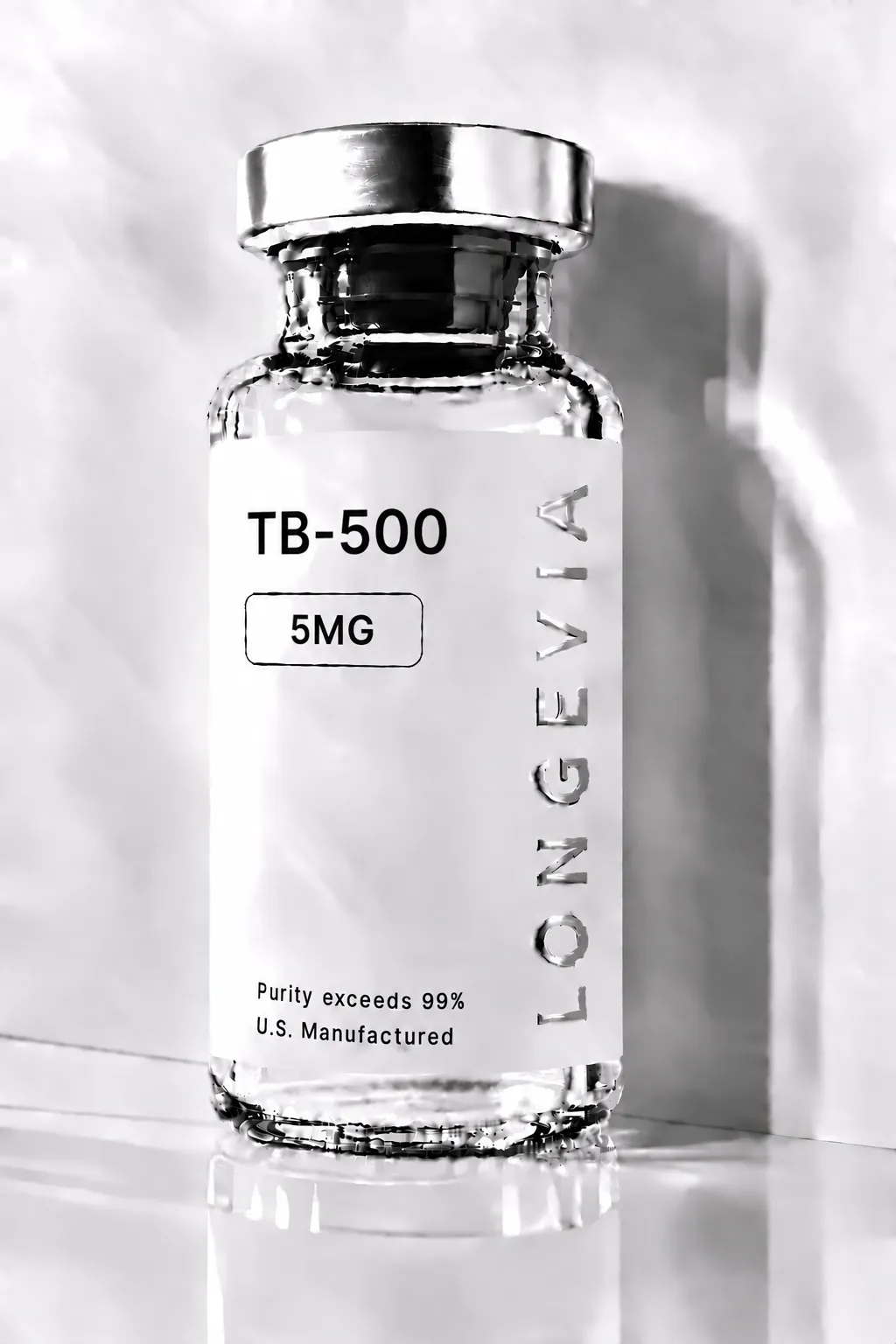
TB-500
Buy TB-500 research peptide — Thymosin Beta-4 active fragment. COA-verified, HPLC tested, 99%+ purity. Research use only.
$144.00
Slide to add
Product FAQs
Find answers to common questions regarding storage, reconstitution, and testing guidelines for this specific compound.