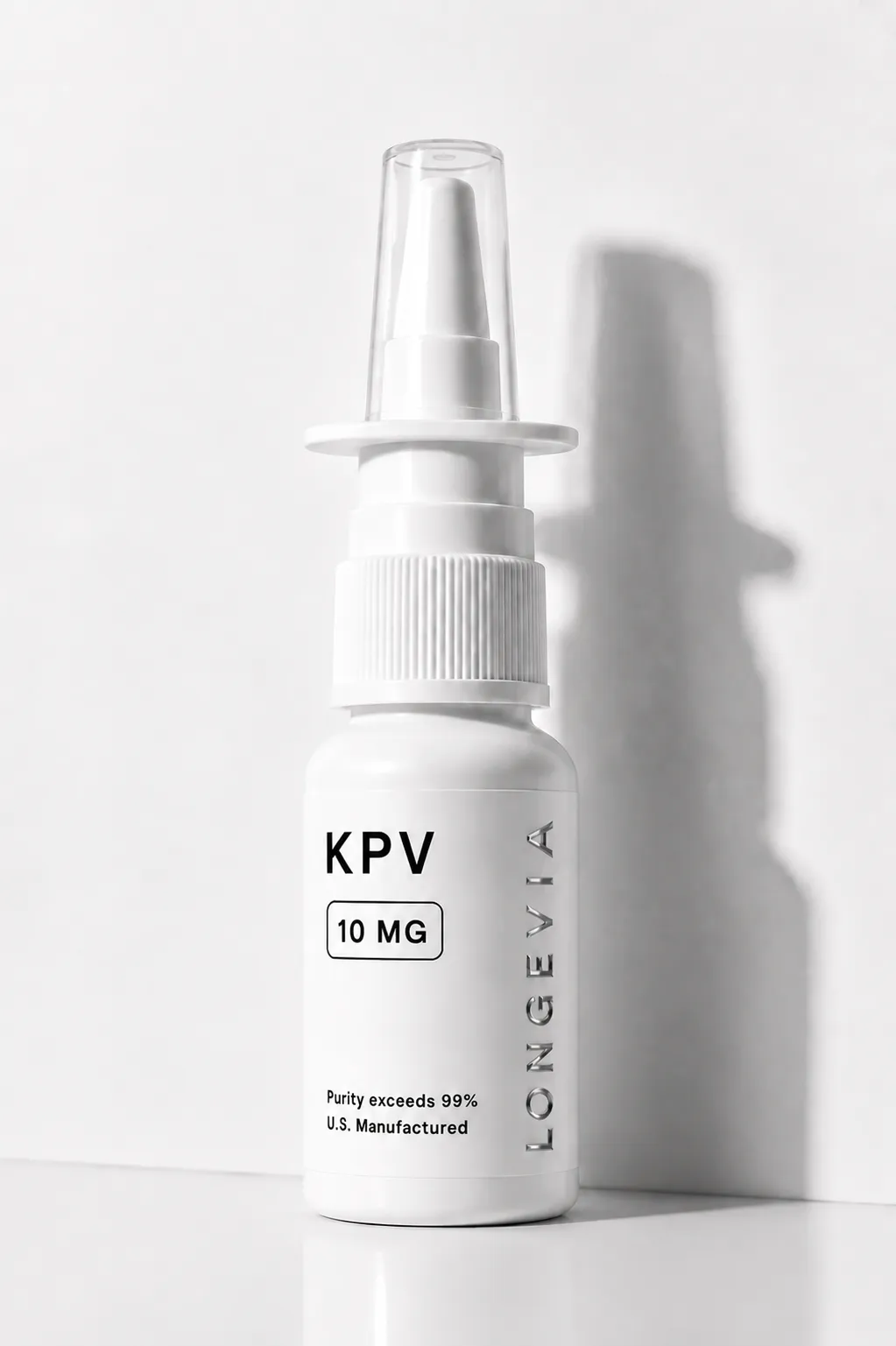
Recovery & Tissue Repair
KPV 10mg — 45 Sprays
$157.50
1
Slide to Add
Purity≥99% Tested
TestingLC-MS Verified
LocationUS Based
KPV (Lys-Pro-Val) is a synthetic three-residue compound corresponding to the C-terminal three amino acids (positions 11–13) of alpha-melanocyte-stimulating hormone (α-MSH), a 13-residue neuroendocrine signaling compound processed from proopiomelanocortin (POMC). KPV is distinct from and should not be equated with full-length α-MSH — the two compounds differ substantially in length, overall structure, and pharmacological profile. Research involving KPV has investigated its interactions with melanocortin-related signaling pathways — including potential engagement of melanocortin receptors MC1R and MC3R — as well as proposed receptor-independent effects on intracellular inflammatory signaling, with particular focus on NF-κB-associated pathways, cytokine-related biology, and gastrointestinal epithelial research in cell-based and animal model contexts. Longevia Research supplies KPV as 10mg per bottle in a liquid spray format — 45 sprays per bottle — for qualified laboratory and scientific research purposes only.
Standard Delivery3-4 Working Days
Free ShippingOn all orders above $300
Product Details
Scientific identity
KPV (CAS 15997-32-7), also designated H-Lys-Pro-Val-OH, is a synthetic three-residue compound corresponding to residues 11–13 of alpha-melanocyte-stimulating hormone (α-MSH). Its molecular formula is C₁₆H₃₀N₄O₄ and its molecular weight is approximately 342–344 g/mol. The 2 Da range reflects database convention differences in how proline's ring nitrogen is counted; CAS 15997-32-7 is the unambiguous molecular identifier.
Compound class
Synthetic three-residue compound; α-MSH C-terminal fragment; melanocortin-related research compound. KPV is classified as a Research Use Only material and is not a drug, dietary supplement, food, or cosmetic.
Sequence. Lys-Pro-Val (one-letter: KPV)
As typically supplied for research, KPV carries a free N-terminal amine and a free C-terminal carboxylic acid — distinct from its presentation within native α-MSH, which carries an N-terminal acetyl group and a C-terminal primary amide.
Relationship to parent compound
KPV shares its sequence with positions 11–13 of α-MSH but is not pharmacologically equivalent to α-MSH. The N-terminal and mid-sequence regions of α-MSH contribute significantly to its receptor binding characteristics, and KPV should not be assumed to reproduce the full pharmacological profile of the parent 13-residue hormone. Evidence involving α-MSH or other melanocortin compounds should not be automatically attributed to KPV.
Primary investigated targets
Melanocortin receptors MC1R and MC3R (Gs-coupled GPCRs); NF-κB inflammatory signaling pathway. Both receptor-mediated and receptor-independent intracellular mechanisms have been proposed and investigated in experimental systems.
Product content
10mg per bottle; 45 sprays per bottle.
Physical form
Liquid research spray.
Purity: Research-grade.
Analytical documentation
A batch-specific Certificate of Analysis is available on the Longevia Research website, covering compound identity, purity, and lot traceability.
Research-use classification
Research Use Only. Not approved for human or veterinary use. Not intended for administration to humans or animals.
Research Focus & Mechanism Overview
Scientific rationale and research background. Interest in KPV as a research compound derives from investigation into short bioactive fragments of the melanocortin system and their potential for biological activity independent of the full-length parent hormone. The scientific rationale for studying KPV rests on two observations: first, the C-terminal three-residue compound of α-MSH was identified as a region potentially contributing to α-MSH's anti-inflammatory properties in experimental systems; second, KPV's small size relative to α-MSH raises the possibility of distinct behavior in cellular systems — including potential intracellular uptake through oligooligopeptide transporter systems — that would not be expected for the full 13-residue hormone. A body of preclinical research, particularly from the Merlin laboratory at Georgia State University, has examined KPV in the context of gastrointestinal inflammatory biology using cell culture systems and mouse experimental colitis models.
Molecular targets and signaling pathways
KPV's investigated targets in experimental systems span classical melanocortin receptor interactions and proposed receptor-independent mechanisms. Melanocortin receptors MC1R and MC3R are Gs-coupled GPCRs whose activation increases intracellular cAMP and activates protein kinase A; both receptors have been associated with anti-inflammatory signaling in cell-based and animal model research. Evidence for KPV as a classical melanocortin receptor agonist is less well-established than for α-MSH, and some published research proposes that observed cellular effects arise partially through receptor-independent intracellular mechanisms. Research has also examined KPV's effects on NF-κB nuclear translocation and NF-κB-dependent gene expression in intestinal epithelial cell lines — including Caco-2 and HT-29 — and on pro-inflammatory cytokine expression (TNF-α, IL-6, IL-1β) in stimulated immune cell culture models. These are in-vitro cell culture findings under specific experimental conditions and do not establish that KPV regulates inflammatory biology in human disease.
Gastrointestinal and epithelial research
Animal model gastrointestinal research has used murine DSS- and TNBS-induced colitis models to examine KPV administration in the context of experimental intestinal inflammation, measuring colitis severity scores, colon histology, and cytokine profiles. An important methodological distinction applies to this literature: a significant portion of published KPV gastrointestinal research has used nanoparticle-encapsulated KPV preparations designed to enhance stability and epithelial delivery. Evidence from nanoparticle studies should not be automatically applied to unencapsulated KPV preparations such as the Longevia Research spray, as the delivery system substantially affects bioavailability and cellular uptake characteristics. Some experimental research has also examined KPV in skin and keratinocyte cell models in relation to inflammatory cytokine expression, reflecting the broader investigation of melanocortin signaling in cutaneous biology; these are cell-based findings and do not establish dermatological benefits in human subjects.
Human research and regulatory status
Human clinical research specifically examining KPV as an isolated research compound is very limited in the published literature. The broader melanocortin research field has generated more extensive human data using α-MSH-related compounds and synthetic melanocortin receptor agonists, but this evidence pertains to those compounds and cannot be automatically extended to KPV. KPV is not approved by the FDA, EMA, or any comparable regulatory authority for any human therapeutic indication — including inflammatory bowel disease, Crohn's disease, ulcerative colitis, or any skin condition. All preclinical findings are reported to provide scientific context and do not constitute evidence of human therapeutic efficacy or safety for this product.
Quality & Purity Standards
Quality in short tripeptide research material begins with chemical identity confirmation. For KPV (Lys-Pro-Val), this means confirming the three-residue sequence and distinguishing the free-acid form (H-Lys-Pro-Val-OH, CAS 15997-32-7) from potential alternative forms — including KPV-amide (KPV-NH₂, in which the C-terminal carboxylic acid is replaced by a primary amide), which is a chemically and pharmacologically distinct compound. Native α-MSH has a C-terminal Val-NH₂ amide; research-grade KPV is typically supplied as the free acid. Researchers should confirm the chemical form from available analytical documentation before use in experiments where this distinction may affect results.
Sequence and molecular identity: For a tripeptide as short as KPV, mass spectrometric confirmation of the molecular weight (~342–344 g/mol by average mass, depending on measurement method) provides straightforward identity confirmation, distinguishing the intact tripeptide from amino acid impurities or synthesis-related products. The proline residue at position 2 provides a characteristic structural rigidity; its presence is reflected in the molecular weight and can be confirmed by mass spectrometric fragmentation analysis.
Distinction from KPV-amide: As noted, the free acid (H-Lys-Pro-Val-OH, CAS 15997-32-7) and the C-terminal amide (H-Lys-Pro-Val-NH₂) are distinct compounds with different molecular formulas and potentially different biological behavior in experimental systems. Some published KPV research has used the amide form; others the free acid. Analytical confirmation of the terminal group — most directly by mass spectrometry — is relevant quality information for researchers whose experimental design is sensitive to this distinction.
Chromatographic purity: High-performance liquid chromatography provides quantitative purity assessment, separating KPV from synthesis-related impurities including free amino acids and deletion products. For a tripeptide, the chromatographic separation of KPV from related short-sequence compounds is generally accessible by standard reversed-phase HPLC conditions.
Batch traceability: Linking experimental results to a defined, analytically characterized batch of KPV is a prerequisite for reproducible research. Given the sensitivity of inflammatory biology assays to compound identity and purity, batch-specific documentation is particularly relevant for KPV research in cell-based inflammatory signaling studies.
Longevia Research is committed to supplying research compounds that support rigorous scientific inquiry. Researchers are encouraged to review available analytical documentation — including confirmation of the chemical form (free acid vs. amide) — prior to incorporating this product into laboratory workflows.
Compliance Notice
KPV 10mg — 45 Sprays is supplied by Longevia Research strictly for research and laboratory use only. This product is not approved by the FDA or any global regulatory authority for human consumption, veterinary use, or therapeutic application. It is not a drug, dietary supplement, food, or cosmetic, and it is not manufactured, labeled, or sold as any of these under any applicable regulatory framework.
KPV (Lys-Pro-Val) is a synthetic tripeptide corresponding to the C-terminal sequence of alpha-melanocyte-stimulating hormone (α-MSH) and should not be described as equivalent to α-MSH. Research findings involving α-MSH, other melanocortin peptides, or broader inflammatory signaling pathways do not automatically establish properties of KPV, and vice versa. Evidence from research involving nanoparticle-encapsulated KPV or other specifically formulated KPV preparations should not be assumed to apply to this Longevia Research spray product.
No claims made regarding KPV on this website are intended to diagnose, treat, cure, or prevent any disease or medical condition in humans or animals. The research findings summarized on this page arise from in-vitro cell culture experiments, preclinical animal model studies, and biochemical investigations. These findings do not establish human therapeutic efficacy or safety for any application — including inflammatory bowel disease, colitis, skin conditions, autoimmune disease, or any other indication — and they do not constitute regulatory approval, clinical validation, or authorization for personal or therapeutic use.
This product is sold exclusively to qualified researchers, laboratories, and scientific institutions for in-vitro and non-clinical laboratory research purposes. It is not intended for personal use, self-administration, resale for human consumption, or any application outside of a controlled research environment. Purchasers are responsible for ensuring that the acquisition, possession, handling, storage, use, and disposal of this compound are conducted in full compliance with all applicable local, state, federal, and international laws and institutional policies governing research chemicals.
By purchasing KPV 10mg — 45 Sprays from Longevia Research, the buyer confirms they are acquiring the product for legitimate scientific research purposes, agrees to handle and store it in accordance with applicable laboratory safety standards, and assumes full responsibility for compliance with all laws and regulations governing the purchase and use of research chemicals in their jurisdiction.
Continue Exploring
Also Considered.
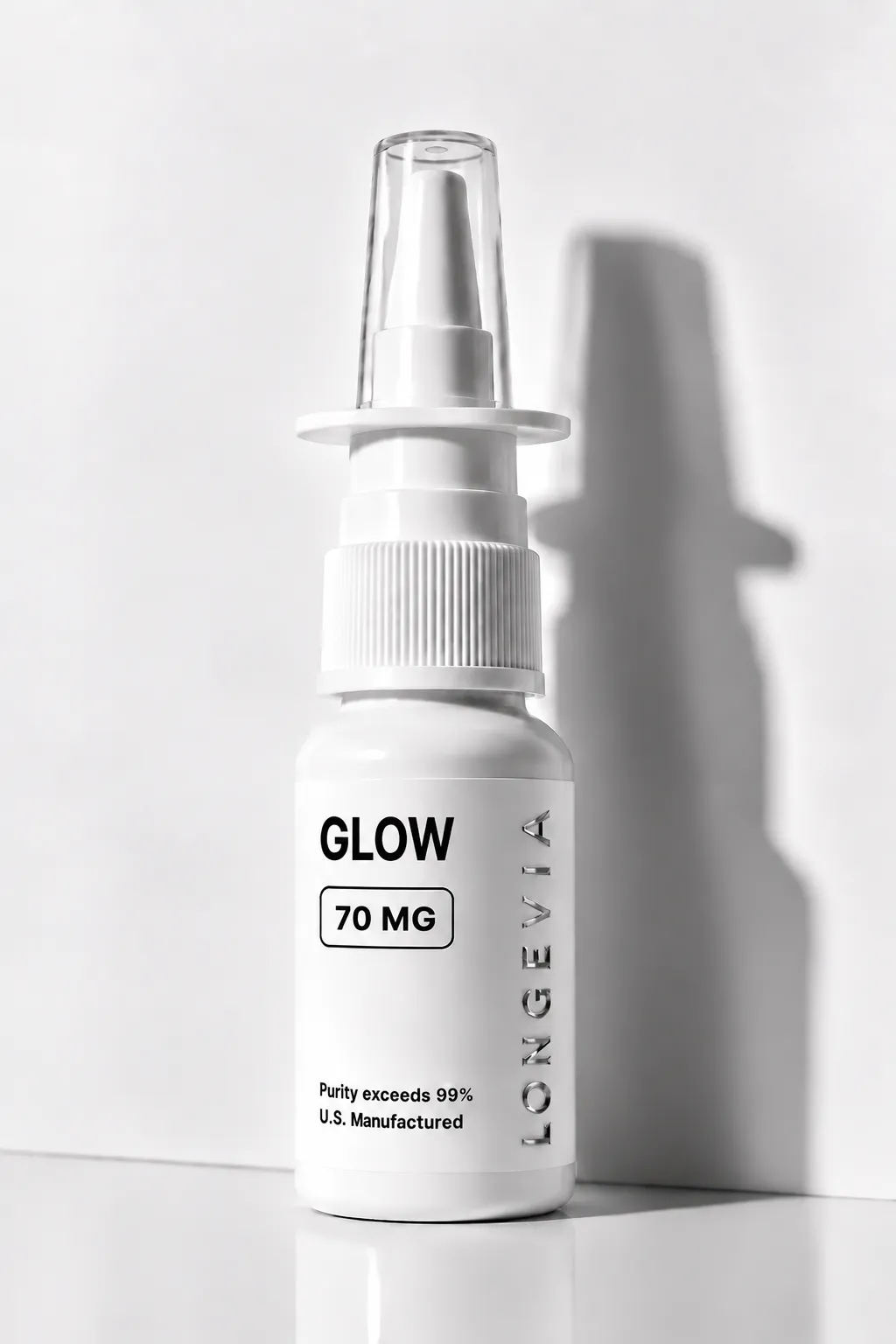
Glow 70mg — 45 Sprays
Glow 70mg is a three-component research peptide blend containing GHK-Cu, BPC-157, and TB-500, investigated in experimental research involving extracellular matrix biology, cellular signaling, and tissue-related research models. Available from Longevia Research as 45 sprays — for qualified laboratory research use only.
$243.00
Slide to add
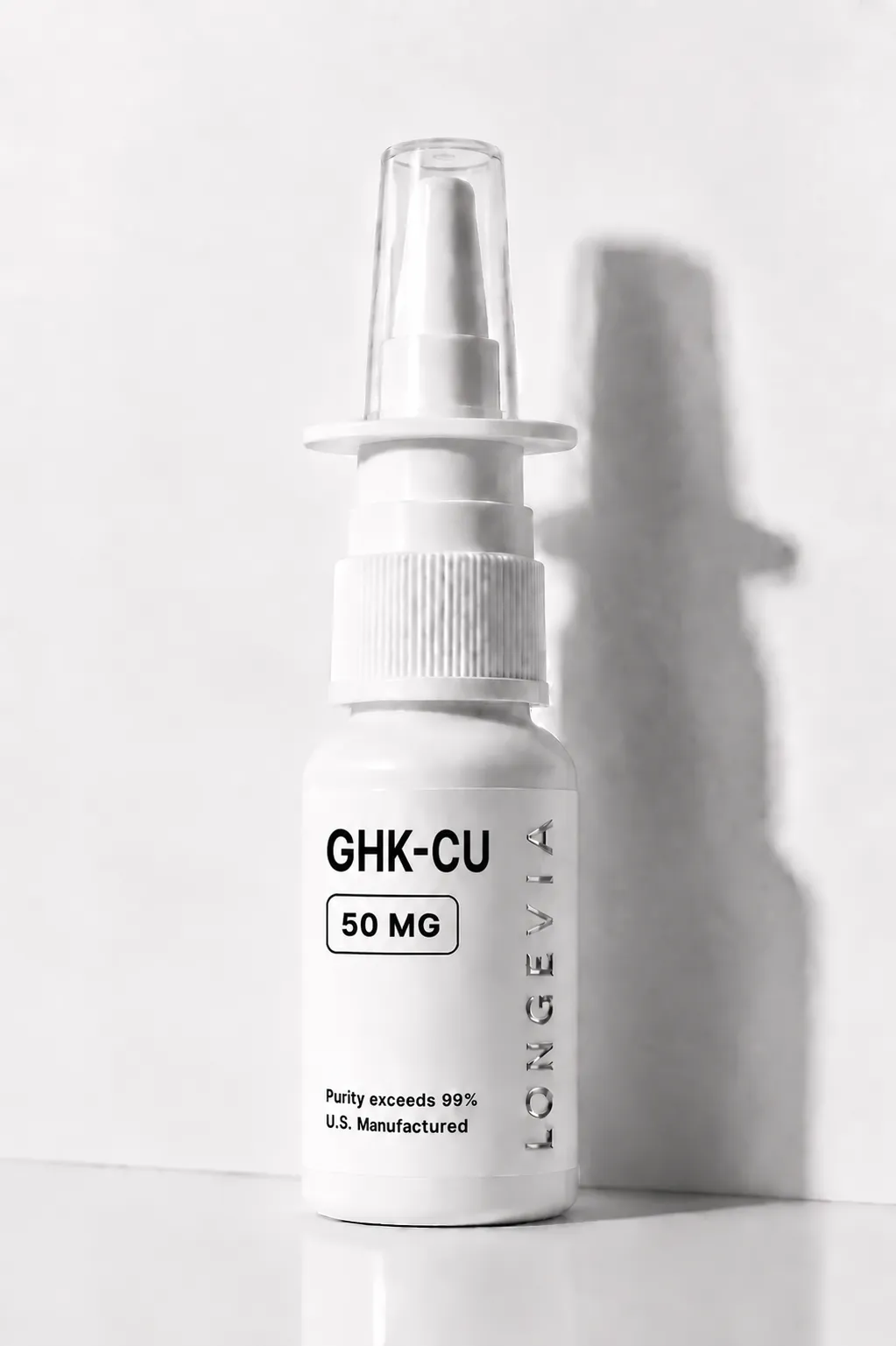
GHK-Cu 50mg and 100mg — 45 Sprays
GHK-Cu is a copper(II)-binding peptide complex involving the tripeptide GHK (glycyl-L-histidyl-L-lysine), investigated in experimental research spanning extracellular matrix biology, cellular signaling, and gene-expression studies. Available from Longevia Research in 50mg and 100mg — 45 sprays — for qualified laboratory research use only.
$135.00
Slide to add
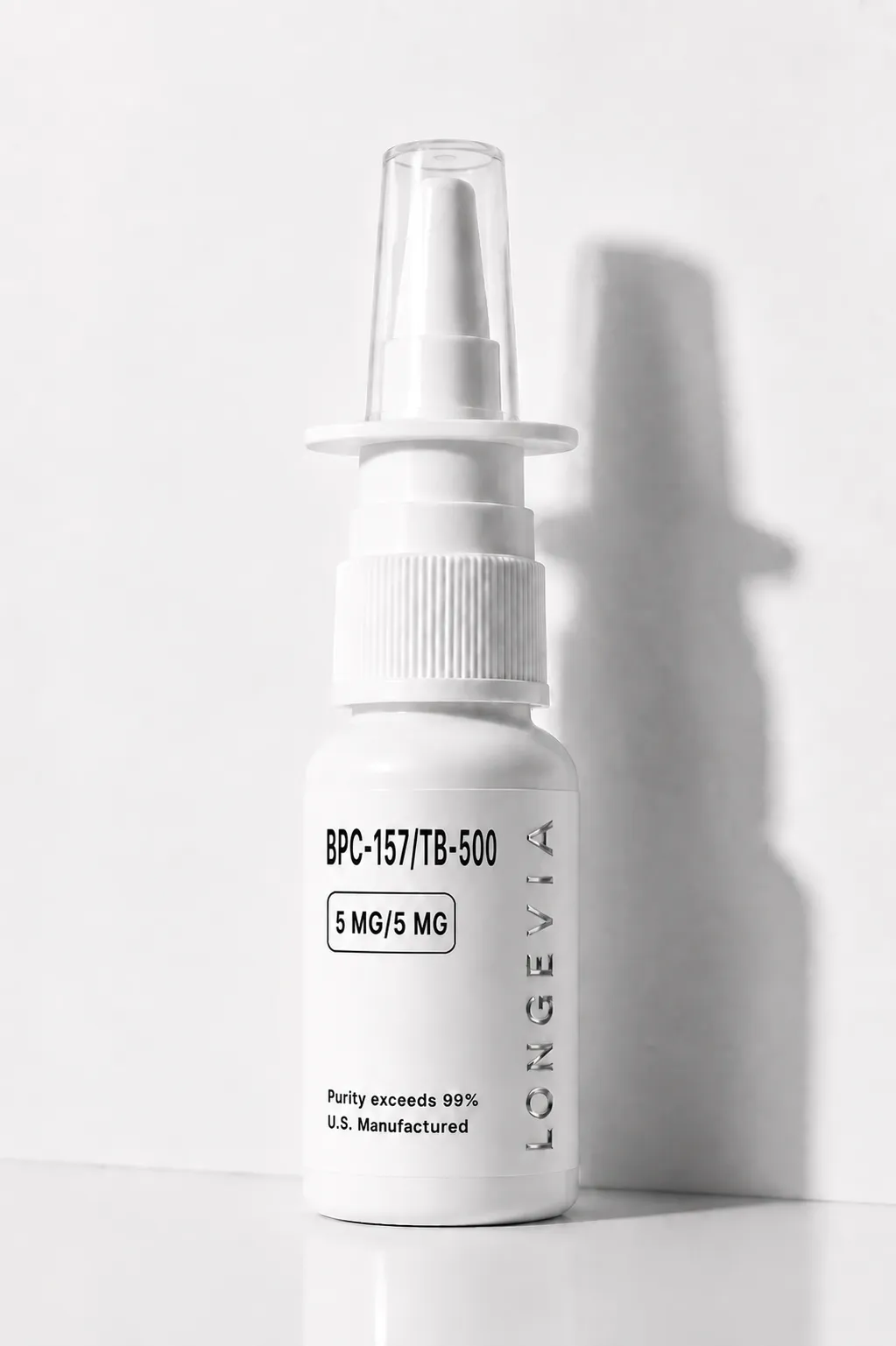
BPC-157 / TB-500 5mg/5mg & 10mg/10mg — 45 Sprays
BPC-157 / TB-500 spray — two distinct synthetic research compounds in 5mg/5mg and 10mg/10mg formats, 45 sprays each. Supplied by Longevia Research for laboratory use only. Batch COA available.
$207.00
Slide to add
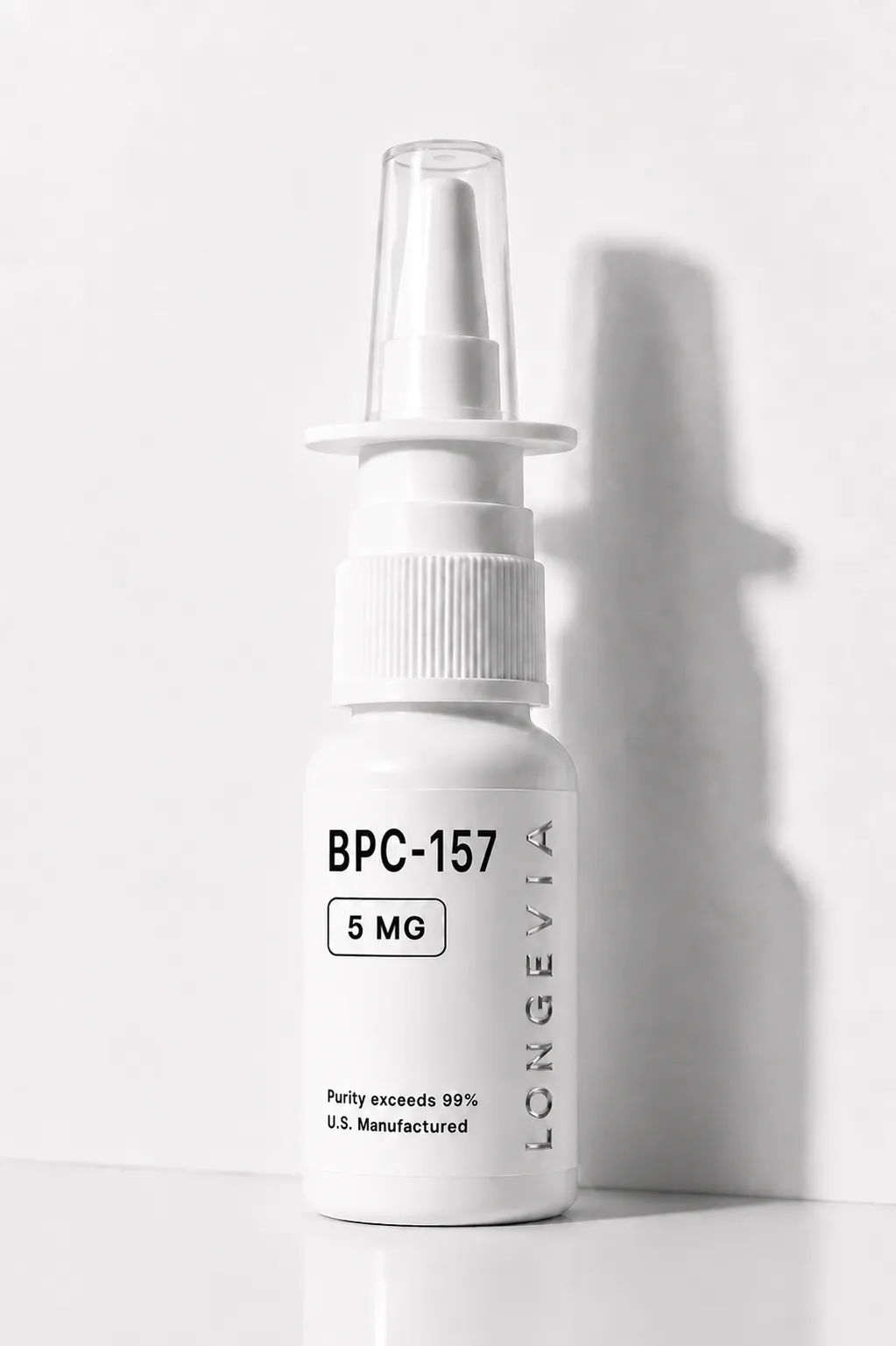
BPC-157 5mg / 10mg — 45 Sprays
BPC-157 5mg and 10mg spray formats — 45 sprays each. Synthetic pentadecapeptide (GEPPPGKPADDAGLV, CAS 137525-51-0) supplied by Longevia Research for laboratory use only. Batch COA available.
$135.00
Slide to add
Product FAQs
Find answers to common questions regarding storage, reconstitution, and testing guidelines for this specific compound.