Growth Hormone Secretagogues
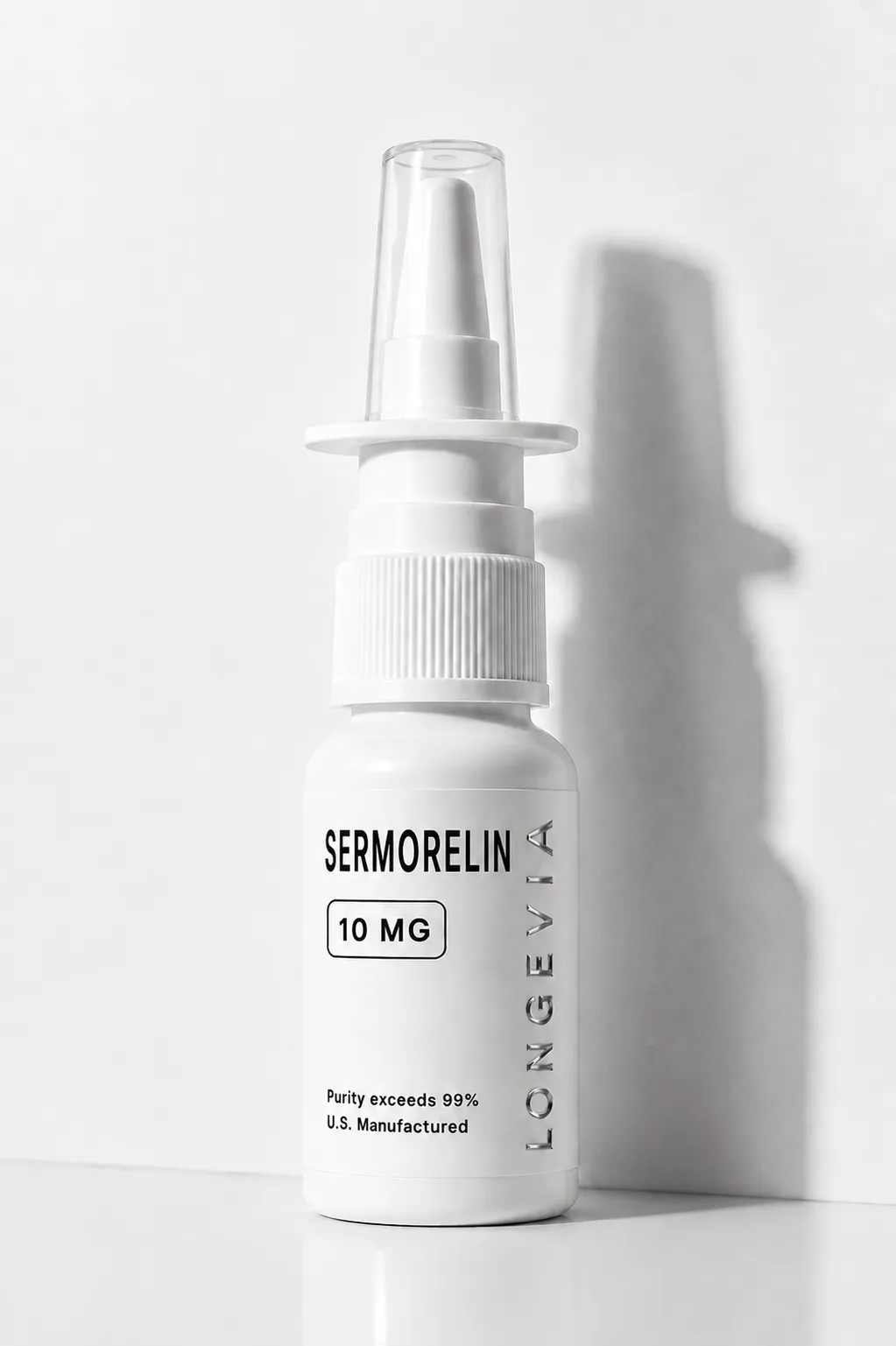
Sermorelin — Spray
$189.00
1
Slide to Add
Purity≥99% Tested
TestingLC-MS Verified
LocationUS Based
Sermorelin is a synthetic 29-amino-acid research compound corresponding to the N-terminal 1–29 residues of endogenous human growth hormone-releasing hormone (GHRH) — the minimal biologically active sequence of GHRH capable of engaging the GHRH receptor (GHRHR) and initiating downstream signaling in pituitary somatotroph cells. The GHRH(1–29) region represented by Sermorelin has been characterized through structure-activity research as sufficient for full GHRHR binding and activation, with the C-terminal amide of position 29 (Arg-NH₂) identified as critical for receptor engagement. This positions Sermorelin as a research tool for investigating GHRH receptor pharmacology, cAMP-mediated pituitary signaling, and growth hormone secretion as an experimental endpoint. Sermorelin should not be confused with GHRP-2, GHRP-6, or Ipamorelin — which are growth hormone secretagogues engaging the ghrelin receptor (GHS-R) through a mechanistically distinct pathway — nor with CJC-1295, which is a modified long-acting GHRH analogue with different pharmacokinetic characteristics. A pharmaceutical form of Sermorelin — sermorelin acetate (Geref, Serono) — was formerly FDA-approved for growth hormone deficiency in children and was voluntarily withdrawn from the U.S. market approximately in 2008 for commercial rather than safety reasons; no currently approved commercial sermorelin preparation is marketed in the United States, and this historical approval context does not apply to the Longevia Research spray. Longevia Research supplies Sermorelin in two stated quantity variants — 10mg and 20mg — each in a liquid spray format containing 45 sprays per bottle, for qualified laboratory and scientific research purposes only.
Standard Delivery3-4 Working Days
Free ShippingOn all orders above $300
Product Details
Scientific identity
Sermorelin (CAS 86168-78-7 free base; CAS 148715-39-3 acetate salt); INN: sermorelin; molecular formula C₁₄₉H₂₄₆N₄₄O₄₂S (free base); molecular weight 3,357.93 g/mol (free base); 29-residue synthetic peptide corresponding to GHRH residues 1–29 with C-terminal amidation (Arg29-NH₂).
Compound class: Synthetic GHRH(1–29) research compound; GHRH receptor agonist; Research Use Only — not a drug, dietary supplement, food, or cosmetic.
Sequence: Tyr-Ala-Asp-Ala-Ile-Phe-Thr-Asn-Ser-Tyr-Arg-Lys-Val-Leu-Gly-Gln-Leu-Ser-Ala-Arg-Lys-Leu-Leu-Gln-Asp-Ile-Met-Ser-Arg-NH₂; C-terminal amide required for high-affinity GHRHR engagement; N-terminal Tyr1 and Asp3 residues critical for receptor binding and signal transduction.
Salt form note: Sermorelin is commonly supplied as sermorelin acetate (the more water-soluble salt form, CAS 148715-39-3); the molecular formula and weight above refer to the free base peptide; the specific chemical form of this Longevia Research product should be confirmed from product documentation.
Relationship to endogenous GHRH
Human GHRH exists as GHRH-44 and GHRH-40 (processed from a 108-amino-acid preproGHRH precursor); structure-activity research established that residues 1–29 represent the minimal sequence for full GHRHR binding and activation, while residues 30–44 contribute minimally to receptor activation but influence pharmacokinetic behavior; Sermorelin replicates this minimal bioactive domain and should not be confused with full-length GHRH.
Primary molecular target: GHRHR (growth hormone-releasing hormone receptor) — a Class B1 Gαs-coupled GPCR belonging to the glucagon/secretin receptor family, expressed predominantly on pituitary somatotroph cells.
Distinction from related compounds
Sermorelin targets GHRHR via Gαs/cAMP/PKA signaling and directly mimics the physiological GHRH mechanism; GHRP-2, GHRP-6, and Ipamorelin target the ghrelin receptor (GHS-R1a) via Gαq/11-PLC-calcium signaling — a mechanistically distinct pathway; CJC-1295 is a modified long-acting GHRH analogue with extended pharmacokinetics via DAC modification; research on any one of these compound classes is not evidence for the others even when GH secretion is a shared downstream experimental endpoint.
Product content: Available in two variants — 10mg per bottle and 20mg per bottle; 45 sprays per bottle for both variants.
Physical form: Liquid research spray.
Purity: Research-grade.
Analytical documentation
A batch-specific Certificate of Analysis is available on the Longevia Research website, covering compound identity, purity, and lot traceability; identity confirmation should include mass spectrometric verification at 3,357.93 g/mol (free base) and confirmation of the C-terminal amide form; the methionine residue at position 27 (Met27) represents a potential oxidation site — methionine oxidation state is a relevant quality parameter for research-grade preparations, as oxidation may influence receptor engagement; chromatographic purity assessment separates Sermorelin from truncated GHRH fragments, deletion products, and synthesis-related impurities.
Research-use classification
Research Use Only; not approved for human or veterinary use; not intended for administration to humans or animals.
Research Focus & Mechanism Overview
Research background
The discovery of GHRH emerged from systematic research in the early 1980s when two groups independently isolated and characterized GHRH from human pancreatic tumors associated with acromegaly — identifying GHRH-44 and GHRH-40 as the functional forms. Subsequent structure-activity relationship research established that N-terminal residues 1–29 represent the minimal sequence for full receptor binding and functional activation, with C-terminal amidation at position 29 essential for activity. This structural characterization directly informed the development of Sermorelin as a synthetic GHRH(1–29)-amide for experimental and pharmaceutical investigation.
GHRHR signaling
GHRHR is a Class B1 GPCR expressed predominantly on pituitary somatotroph cells (approximately 35–45% of anterior pituitary cells in humans). The characterized signaling cascade proceeds as follows: Sermorelin binds the extracellular domain and transmembrane region of GHRHR, stabilizing the active receptor conformation; Gαs coupling activates adenylate cyclase, elevating intracellular cAMP; elevated cAMP activates PKA, which phosphorylates downstream targets including CREB transcription factor and ion channels involved in somatotroph depolarization; PKA-mediated depolarization triggers voltage-dependent calcium channel opening, calcium influx, and calcium-triggered exocytosis of GH-containing secretory vesicles. This signaling cascade has been characterized in isolated pituitary preparations, cultured somatotroph cell lines, and in-vivo animal models; these biochemical and cell-based findings characterize the receptor-level mechanism and do not establish product-specific effects of the Longevia Research spray.
Key research areas
Pituitary somatotroph biology research has used primary pituitary cell cultures, somatotroph-enriched preparations, and somatotroph-derived cell lines to characterize cAMP production, GH secretion, and GH gene-expression responses to Sermorelin under defined experimental conditions. Somatotropic axis research has investigated the GHRH-GHRHR-GH-IGF-1 regulatory pathway in preclinical and experimental endocrine models — noting that Sermorelin targets the upstream GHRH-GHRHR interface of this axis and that downstream IGF-1 research findings in clinical Sermorelin studies reflect a multi-step physiological cascade, with each step dependent on functional components of the intact neuroendocrine system. Comparative GHRHR pharmacology research has positioned Sermorelin alongside modified GHRH analogues (CJC-1295) and GHS-R-acting compounds (GHRP-2, GHRP-6, Ipamorelin) to characterize receptor-specific contributions to GH secretion in experimental systems — a research design approach valuable precisely because the mechanistic distinctions between GHRHR and GHS-R pathways are experimentally significant.
Human research and regulatory status
Human research involving sermorelin acetate has been conducted in pediatric GH deficiency populations (the primary FDA-approved indication, using subcutaneous injection), adult GH deficiency populations, and normal aging research examining GH secretory dynamics and somatotropic axis responses. All human research findings are specific to the injectable pharmaceutical formulations studied, the enrolled populations, the administered doses, and the experimental conditions — they do not establish the safety, efficacy, bioavailability, or clinical properties of the Longevia Research spray, for which no pharmacokinetic or bioavailability data are stated. The historical FDA approval of sermorelin acetate injectables (Geref, withdrawn from the U.S. market approximately 2008 for commercial rather than safety reasons) does not confer approval or clinical validation on this research spray, and no currently approved commercial sermorelin preparation is marketed in the United States.
Quality & Purity Standards
For a synthetic research peptide of Sermorelin's complexity — 29 residues with C-terminal amidation and a single methionine residue — research-grade quality assessment requires methods capable of confirming the full sequence and verifying key structural features that influence GHRHR binding activity. The C-terminal amide (Arg29-NH₂) is functionally critical: the corresponding carboxylic acid form (Arg29-OH) has substantially reduced receptor affinity. Analytical methods used for Sermorelin characterization must be capable of distinguishing the amidated from the free-acid form.
Research-grade quality assessment for Sermorelin appropriately involves:
Peptide identity and sequence verification: Confirmation of the full 29-residue sequence using LC-MS/MS tandem mass spectrometry capable of resolving each residue and verifying the correct sequence order.
C-terminal amide verification: Analytical confirmation that position 29 carries a C-terminal amide (Arg-NH₂) rather than a free carboxylic acid (Arg-OH), as this structural feature is critical for GHRHR binding activity. The amidated form (MW 3357.93 g/mol) differs from the free-acid form (MW 3358.95 g/mol) by approximately 1 Da — a difference resolvable by HRMS.
Molecular mass confirmation: High-resolution mass spectrometry (HRMS) to confirm the molecular formula C₁₄₉H₂₄₆N₄₄O₄₂S and molecular weight of 3357.93 g/mol for the free base amidated peptide.
Chemical form verification: Confirmation of whether the supplied material is the free base (CAS 86168-78-7) or acetate salt (CAS 148715-39-3), as these have different molecular weights and relevant considerations for preparation of research solutions.
Methionine residue integrity: Sermorelin contains a single methionine residue (Met27) that is susceptible to oxidation. Analytical verification that the methionine is in its reduced (thioether) form rather than the oxidized sulfoxide form is relevant for research applications where this modification may affect experimental results.
Purity assessment: Reversed-phase HPLC or UHPLC to evaluate chemical purity and quantify related substances, synthesis-related impurities, truncation sequences, or degradation products.
Batch documentation and traceability: Provision of batch-specific analytical records enabling traceability from synthesis through supply.
Longevia Research's quality approach is oriented toward providing researchers with well-characterized peptides supported by appropriate analytical documentation. Researchers should consult current product documentation and available certificates of analysis for batch-specific data.
No specific purity grade, third-party certification, cGMP status, or independent laboratory verification is stated for this listing. Researchers requiring documentation of specific quality parameters — including chemical form, terminal modification status, and methionine oxidation state — should contact Longevia Research directly.
Compliance Notice
FOR RESEARCH USE ONLY. NOT FOR HUMAN CONSUMPTION. NOT FOR VETERINARY USE.
Sermorelin 10mg / 20mg — 45 Sprays, as supplied by Longevia Research, are intended exclusively for qualified laboratory and scientific research conducted by trained professionals in appropriate research settings. These products are not drugs, dietary supplements, food, or cosmetics. They have not been evaluated or approved by the U.S. Food and Drug Administration, the European Medicines Agency, or any other regulatory authority for use as therapeutic, prophylactic, or diagnostic agents in humans or animals.
These products are not intended to diagnose, treat, cure, or prevent any disease, condition, or health-related outcome.
Historical regulatory distinction: Sermorelin acetate (Geref) was formerly FDA-approved as an injectable pharmaceutical product for pediatric growth hormone deficiency. This historical approval applied to the specific pharmaceutical formulation, the subcutaneous injection route, and the pediatric GHD indication studied in clinical trials. That approval was voluntarily withdrawn from the U.S. market approximately in 2008 for commercial reasons; no currently approved commercial sermorelin pharmaceutical product is marketed in the United States. The historical existence of an approved pharmaceutical sermorelin product does not confer approval, clinical equivalence, or established safety on the Longevia Research spray, which is a separately supplied research compound with an unstated formulation and no regulatory approval.
Formulation and route distinction: Human and preclinical research on sermorelin has used subcutaneous injection formulations with defined pharmacokinetics and bioavailability. Findings from those formulations and routes — including clinical GH secretion data, safety data, and pharmacokinetic parameters — cannot be assumed to apply to a spray product, for which no such data are stated.
Evidence scope: Published research involving sermorelin — including pituitary somatotroph studies, animal research, and human clinical research — does not establish the safety, efficacy, bioavailability, or pharmacokinetics of these Longevia Research spray products. Research involving GHRP-2, GHRP-6, Ipamorelin, CJC-1295, or endogenous GHRH is not direct evidence for Sermorelin and should not be attributed to these products.
Purchasers are solely responsible for ensuring that acquisition, possession, storage, handling, use, and disposal of these products comply with all applicable local, state, national, and international laws and regulations governing research compounds. Longevia Research makes no warranties regarding the suitability of these products for any specific research application. These products should be handled by qualified personnel following appropriate laboratory safety protocols.
By purchasing these products, the purchaser confirms that they are a qualified researcher or research professional acquiring this compound for legitimate scientific research purposes only.
Continue Exploring
Also Considered.
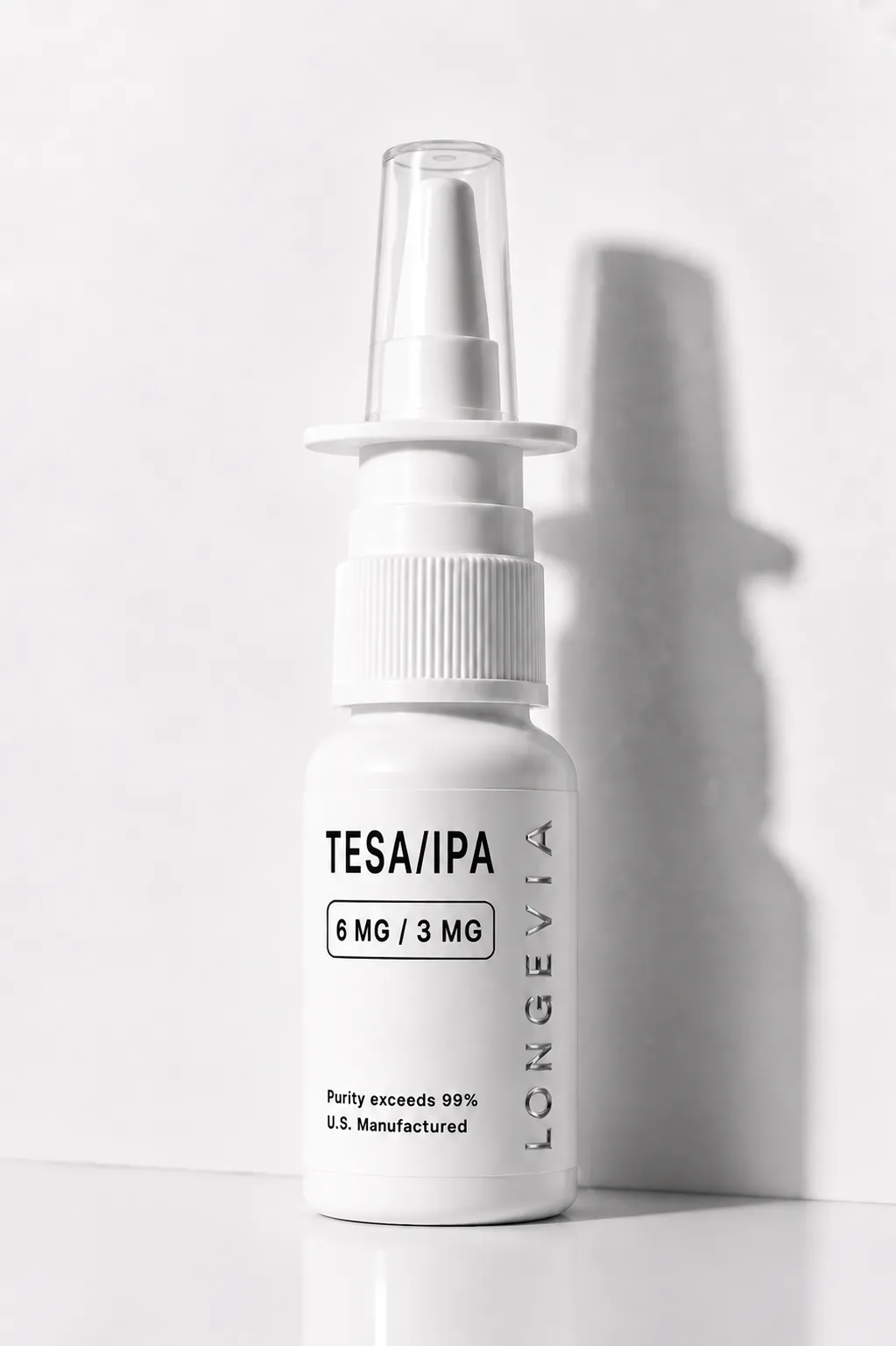
Tesa/IPA — Spray
Longevia Research supplies Tesa/IPA — a two-peptide research formulation containing Tesamorelin (CAS 218949-48-5), a synthetic GHRH analog, and Ipamorelin (CAS 170851-70-4), a growth hormone secretagogue associated with GHS-R/ghrelin receptor signaling. Available in 6mg/3mg and 13mg/3mg compositions, 45 sprays. Research Use Only.
$225.00
Slide to add
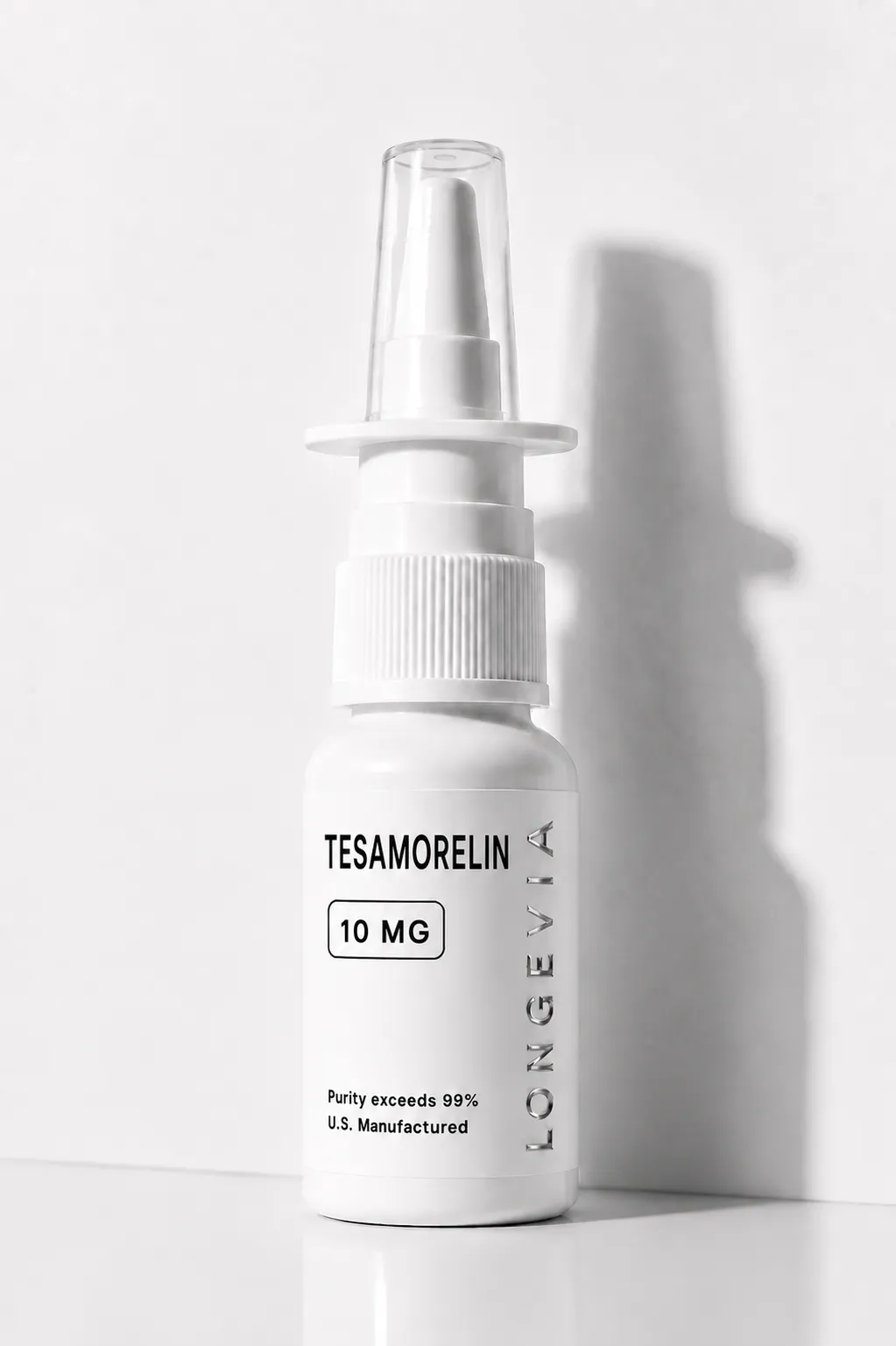
Tesamorelin Spray
Longevia Research supplies Tesamorelin in 10mg and 20mg quantities in a 45-spray format for qualified laboratory research. Tesamorelin (CAS 218949-48-5) is a synthetic GHRH analog and Class B GPCR agonist investigated in GHRH receptor pharmacology, pituitary somatotroph signaling, and GH/IGF-1 axis research. Research Use Only.
$270.00
Slide to add
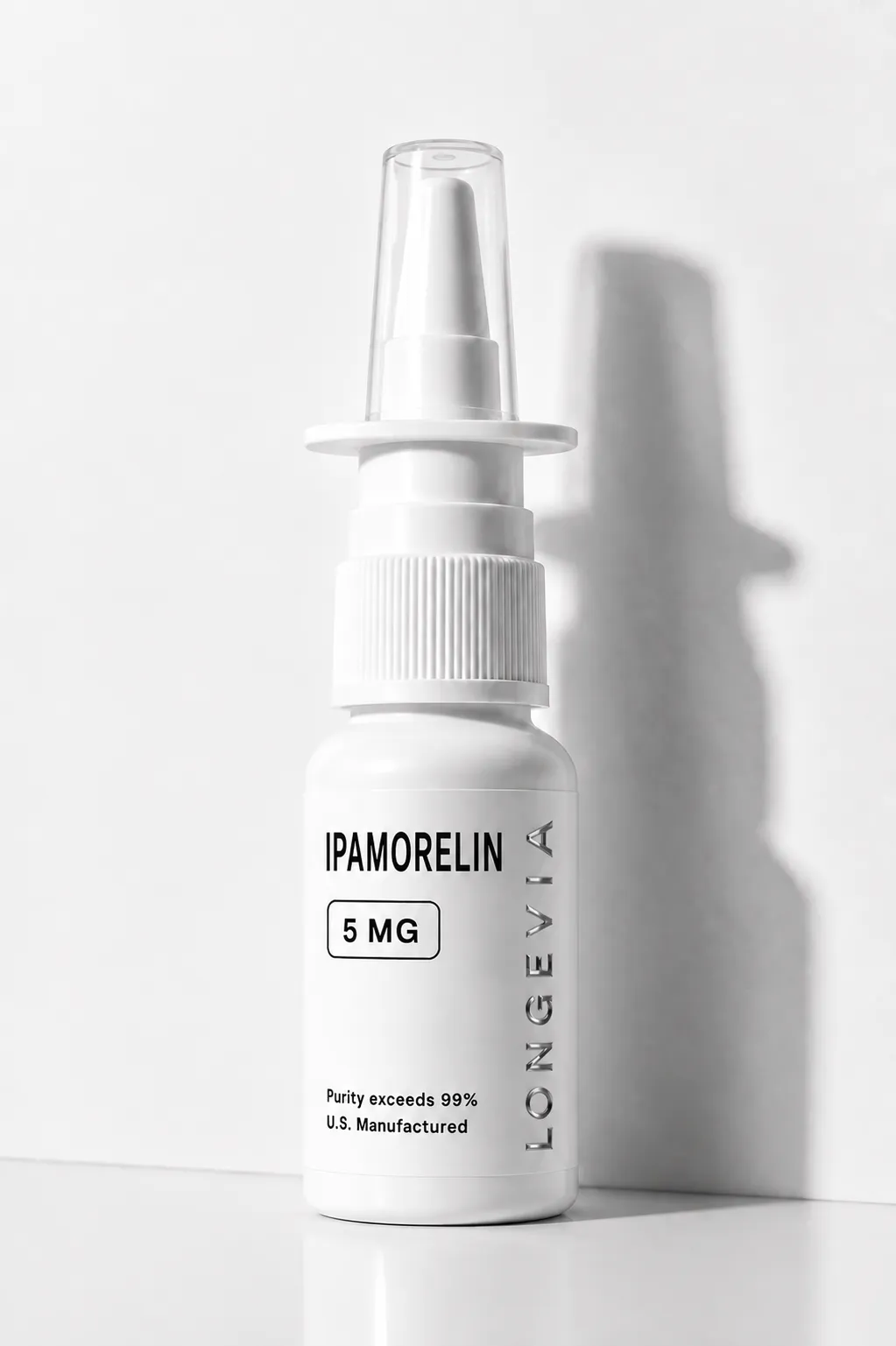
Ipamorelin — Spray
Ipamorelin is a synthetic pentapeptide and selective growth hormone secretagogue investigated in experimental research examining GHSR/ghrelin receptor biology, pituitary somatotroph signaling, and endocrine pharmacology. Available from Longevia Research in 5mg and 10mg — 45 sprays — for qualified laboratory research use only.
$135.00
Slide to add
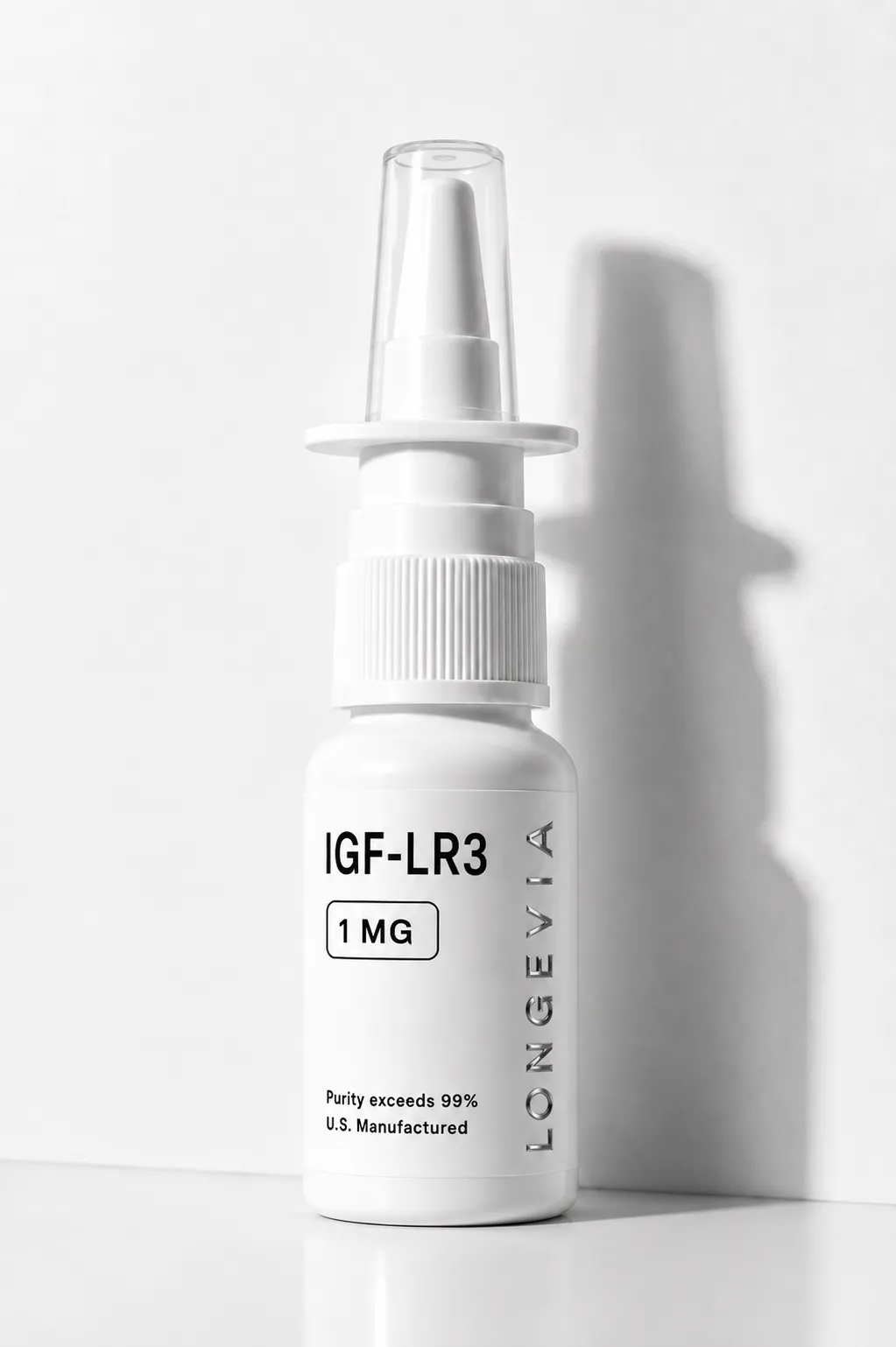
IGF-LR3 — Spray
IGF-LR3 (Long R3 IGF-1) is a modified synthetic 83-amino-acid IGF-1 analogue with reduced IGF binding protein affinity, investigated in cell-based research examining IGF1R signaling, PI3K/AKT and MAPK/ERK pathways, and cellular biology. Available from Longevia Research as 1mg — 45 sprays — for qualified laboratory research use only.
$198.00
Slide to add
Product FAQs
Find answers to common questions regarding storage, reconstitution, and testing guidelines for this specific compound.