Cognitive & Nootropic
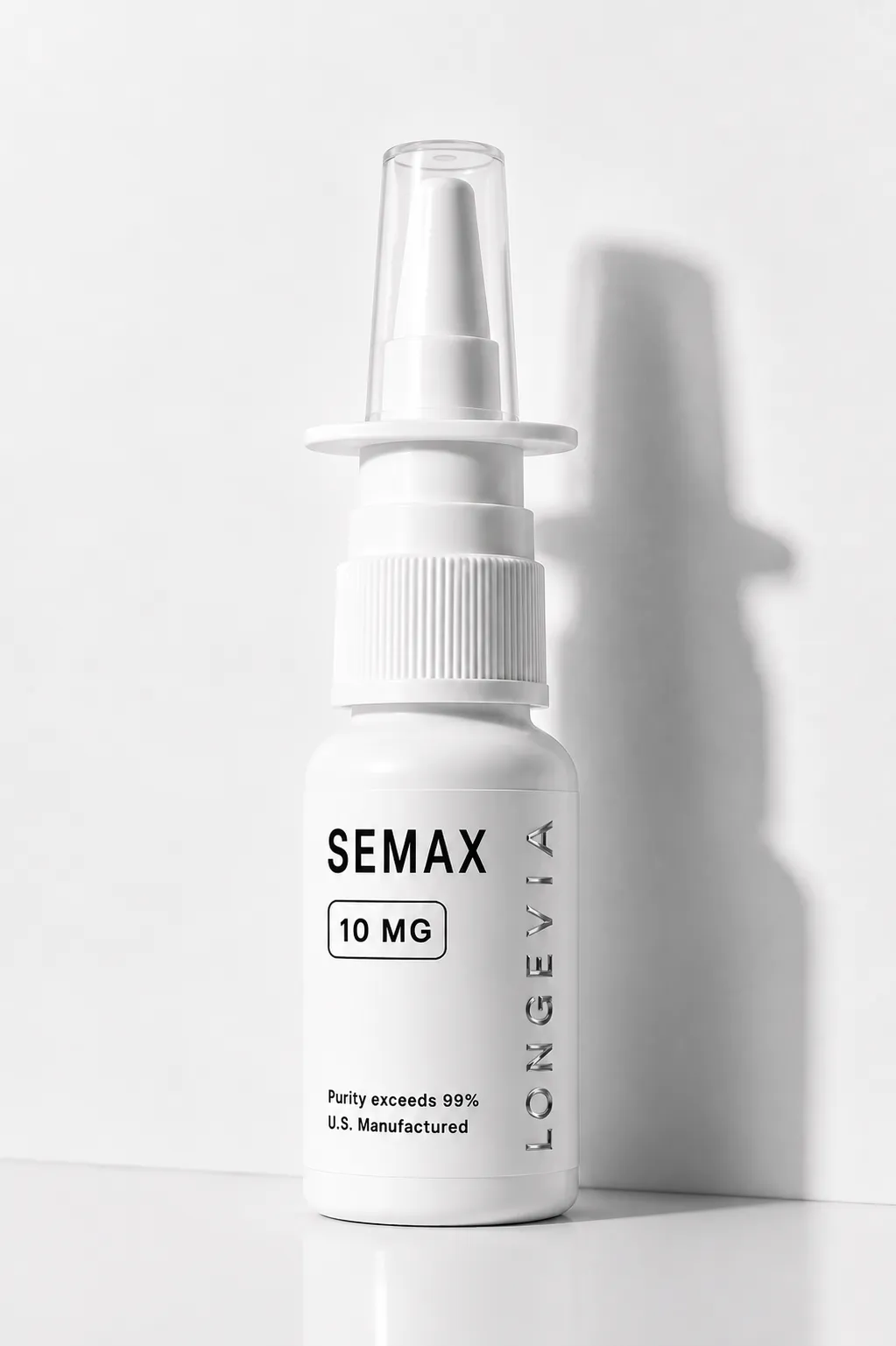
Semax — Spray
$148.50
1
Slide to Add
Purity≥99% Tested
TestingLC-MS Verified
LocationUS Based
Semax is a synthetic heptapeptide derived from the adrenocorticotropic hormone (ACTH) fragment ACTH(4–7), extended with a C-terminal Pro-Gly-Pro tripeptide to improve resistance to enzymatic degradation in experimental systems. Its seven-residue sequence — Met-Glu-His-Phe-Pro-Gly-Pro — retains the tetra-amino-acid core of the ACTH(4–7) fragment while the appended Pro-Gly-Pro extension confers greater metabolic stability than the more rapidly degraded parent fragment. Developed at the Institute of Molecular Genetics of the Russian Academy of Sciences, Semax has been investigated across several experimental biological domains — including neuronal signaling, neurotrophic factor biology, neurotransmitter system research, cerebral ischemia models, neuroinflammation, oxidative stress, and gene-expression studies — primarily through preclinical research in cell-based and animal systems, with a body of human clinical literature originating predominantly from Russian scientific institutions. Longevia Research supplies Semax in two stated quantity variants — 10mg and 30mg — each in a liquid spray format containing 90 sprays per bottle, for qualified laboratory and scientific research purposes only.
Standard Delivery3-4 Working Days
Free ShippingOn all orders above $300
Product Details
Scientific identity: Semax (CAS 80714-61-0); sequence Met-Glu-His-Phe-Pro-Gly-Pro (MEHFPGP); molecular formula C₃₇H₅₁N₉O₁₀S; molecular weight approximately 806.9 g/mol (CAS registry value; calculated average MW from atomic masses is approximately 813.9 g/mol — slight variation between sources reflects different atomic mass conventions); 7-residue linear heptapeptide with free N- and C-termini.
Compound class: Synthetic heptapeptide; ACTH(4–7)-derived peptide analogue; Research Use Only — not a drug, dietary supplement, food, or cosmetic.
Structural composition
ACTH(4–7) tetrapeptide core (Met-Glu-His-Phe) at positions 1–4; C-terminal Pro-Gly-Pro stabilizing extension at positions 5–7; proline-rich C-terminal extension limits non-specific peptidase cleavage by imposing structural constraints on protease recognition; the N-terminal methionine residue is susceptible to oxidative modification (methionine sulfoxide formation) under conditions of oxidative stress or improper storage — a relevant consideration for analytical characterization and quality assessment of research-grade preparations.
Distinction from Selank: Both Semax and Selank share a C-terminal Pro-Gly-Pro extension strategy but differ entirely in their N-terminal sequences and biological origins; Semax (MEHFPGP, CAS 80714-61-0) derives from ACTH, while Selank (TKPRPGP, CAS 129954-34-3) derives from tuftsin; research on one is not interchangeable with research on the other.
Product content: Available in two variants — 10mg per bottle and 30mg per bottle; 90 sprays per bottle for both variants.
Physical form: Liquid research spray.
Purity: Research-grade.
Analytical documentation
A batch-specific Certificate of Analysis is available on the Longevia Research website, covering peptide identity, purity, and lot traceability; identity confirmation should include mass spectrometric verification at approximately 806.9–813.9 g/mol (confirming the heptapeptide sequence) and chromatographic purity assessment separating Semax from ACTH(4–7), methionine-oxidized variants, and synthesis-related impurities; methionine oxidation state is a relevant quality parameter for research-grade preparations.
Regulatory note: Semax is registered as a pharmaceutical intranasal preparation in Russia under Russian regulatory standards; this does not constitute FDA, EMA, or equivalent approval in most jurisdictions; the Longevia Research preparation is not equivalent to any registered pharmaceutical Semax preparation.
Research-use classification
Research Use Only; not approved for human or veterinary use in any major jurisdiction outside Russia; not intended for administration to humans or animals.
Research Focus & Mechanism Overview
Research background
The research trajectory leading to Semax's development began with systematic investigation of ACTH's neuromodulatory properties in the 1960s and 1970s, which established that specific ACTH fragments could influence behavioral endpoints in rodent models independently of adrenocortical effects. The ACTH(4–7) tetrapeptide attracted particular attention for its proposed neuroactive properties in experimental neural systems, but rapid enzymatic degradation in biological media limited its research utility. Semax was developed using the same C-terminal Pro-Gly-Pro extension strategy applied to Selank, creating a metabolically stabilized heptapeptide analogue for experimental and clinical investigation — reflecting a broader strategy in Russian neuropeptide research of the 1980s–1990s. The compound has since accumulated a research literature spanning molecular biology, experimental neurology, behavioral neuroscience, and clinical studies.
Neurobiological research and proposed mechanisms
Neurotrophic signaling — particularly involving brain-derived neurotrophic factor (BDNF) — has attracted substantial research attention in the Semax literature; experimental rodent studies have reported changes in BDNF expression in specific brain regions following Semax administration under defined conditions, interpreted as potential evidence for neurotrophic signaling involvement, though these observations do not establish that Semax increases BDNF in the human brain. Neurotransmitter system research has examined dopaminergic, serotonergic, cholinergic, and GABAergic pathway involvement through neurochemical measurements in specific rodent brain regions. No single definitive mechanism has been established for Semax, and all proposed mechanisms represent experimental research observations in specific model systems rather than validated effects in humans.
Key research areas
Cerebral ischemia research — one of the most prominent experimental domains — has used rodent middle cerebral artery occlusion and related models to examine Semax's effects on neurological outcomes and molecular markers of neuronal injury; Russian clinical research has also examined Semax in populations with ischemic stroke and transient ischemic attack administered via intranasal route, though this literature carries methodological limitations analogous to the Selank clinical evidence base (small sample sizes, regional publication, absence of large independent replication, and regulatory frameworks distinct from FDA/EMA standards). Neuroinflammation research has examined cytokine-related endpoints and inflammatory markers in rodent brain tissue and immune cell preparations. Gene-expression research using microarray and qPCR approaches has profiled transcriptional responses in specific rodent brain regions — these molecular findings are context-specific and do not automatically translate to physiological or clinical outcomes in humans. Stress-response research has examined HPA-axis-relevant endpoints and behavioral stress measures in rodent models, reflecting Semax's ACTH-derived origin. Learning and memory research using Morris water maze, passive avoidance, and related behavioral paradigms has examined behavioral endpoints in defined rodent experimental conditions; animal behavioral findings should not be extrapolated to human cognitive function without independent human evidence.
Human research and regulatory status
A clinical literature on Semax has been published primarily in Russian-language and regional journals across the 1990s through 2010s, examining patients with acute ischemic stroke, transient ischemic attacks, optic nerve disease, and other neurological conditions, as well as cognitive endpoints in defined populations — all administered via intranasal route under Russian clinical conditions. The same evidence-quality considerations applicable to Selank apply here: small sample sizes, regional publication with varying methodological standards, no large independent replication meeting current international standards, and regulatory standards distinct from those of the FDA or EMA. Semax is not approved by the FDA, EMA, or equivalent agencies in most jurisdictions; the Longevia Research preparations do not carry regulatory approval in any jurisdiction and are not equivalent to any registered pharmaceutical Semax preparation.
Quality & Purity Standards
For a synthetic heptapeptide such as Semax, research-grade quality requires confident confirmation of the peptide sequence and molecular identity — particularly given the structural similarity between Semax and Selank, which share the same seven-residue length, the same C-terminal Pro-Gly-Pro extension, and overlapping amino acid content (both contain proline residues and glycine), while differing in their four N-terminal residues. Analytical methods used for Semax characterization must be capable of resolving these N-terminal differences to confirm correct compound identity.
The methionine residue at position 1 of Semax is an additional quality consideration: methionine's sulfur-containing side chain is susceptible to oxidation under non-ideal storage conditions, producing methionine sulfoxide (which adds 16 Da to the molecular mass). Research-grade quality assessment should confirm that the methionine residue is in its reduced (unoxidized) form for applications where this may be experimentally relevant.
Research-grade quality assessment for Semax appropriately involves:
Peptide identity and sequence verification: Confirmation of the seven-residue sequence Met-Glu-His-Phe-Pro-Gly-Pro using LC-MS/MS tandem mass spectrometry capable of verifying the N-terminal ACTH(4–7)-derived sequence (MEHF) and distinguishing Semax from Selank and other structurally related heptapeptides.
Molecular mass confirmation: High-resolution mass spectrometry (HRMS) to confirm the molecular formula C₃₇H₅₁N₉O₁₀S and reported molecular weight (~806.9 g/mol, CAS 80714-61-0), distinguishing Semax from oxidized forms or related peptides.
Methionine oxidation state assessment: Analytical verification that the N-terminal methionine is present in the reduced (thioether) form rather than the oxidized (sulfoxide) form, as methionine oxidation would alter the peptide's mass and may affect experimental results in biological systems.
Purity assessment: Reversed-phase HPLC or UHPLC to assess chemical purity and quantify related substances, synthesis-related impurities, or degradation products including oxidized methionine-containing species.
Batch documentation and traceability: Provision of batch-specific analytical records enabling traceability from synthesis through supply.
Longevia Research's quality approach is oriented toward providing researchers with well-characterized peptides supported by appropriate analytical documentation. Researchers should consult current product documentation and available certificates of analysis for batch-specific data.
No specific purity grade, third-party certification, cGMP status, or independent laboratory verification is stated for this listing. Researchers requiring documentation of specific quality parameters should contact Longevia Research directly.
Compliance Notice
FOR RESEARCH USE ONLY. NOT FOR HUMAN CONSUMPTION. NOT FOR VETERINARY USE.
Semax 10mg/30mg — 90 Sprays, as supplied by Longevia Research, are intended exclusively for qualified laboratory and scientific research conducted by trained professionals in appropriate research settings. These products are not drugs, dietary supplements, food, or cosmetics. They have not been evaluated or approved by the U.S. Food and Drug Administration, the European Medicines Agency, or any other regulatory authority in most jurisdictions for use as therapeutic, prophylactic, or diagnostic agents in humans or animals.
These products are not intended to diagnose, treat, cure, or prevent any disease, condition, or health-related outcome.
Jurisdictional regulatory distinction: Semax has a pharmaceutical registration in Russia, where it is available as a nasal spray preparation under Russian regulatory standards. This Russian pharmaceutical registration does not constitute FDA approval, EMA approval, or regulatory approval in the United States, European Union, United Kingdom, or most other countries. The Longevia Research Semax spray products are research compounds, not pharmaceutical products, and are not equivalent to any registered pharmaceutical Semax preparation.
Evidence scope: Published research on Semax — including Russian clinical literature on cerebral ischemia, stroke-related populations, and cognitive endpoints — does not establish the safety, efficacy, bioavailability, or pharmacokinetics of the Longevia Research spray. Research findings involving pharmaceutical nasal spray formulations studied in Russian clinical contexts are specific to those formulations, populations, and regulatory settings and do not apply to these research products. Animal and cell-based research findings do not establish human efficacy or safety.
No neurological, cognitive, or neuroprotective claims: Research examining Semax in experimental models of cerebral ischemia, neurotrophic signaling, neurotransmitter systems, or cognitive behavioral endpoints does not establish that these products produce neurological, neuroprotective, cognitive-enhancing, or therapeutic effects in human users.
Purchasers are solely responsible for ensuring that acquisition, possession, storage, handling, use, and disposal of these products comply with all applicable local, state, national, and international laws and regulations governing research compounds. Longevia Research makes no warranties regarding the suitability of these products for any specific research application. These products should be handled by qualified personnel following appropriate laboratory safety protocols.
By purchasing these products, the purchaser confirms that they are a qualified researcher or research professional acquiring these compounds for legitimate scientific research purposes only.
Continue Exploring
Also Considered.
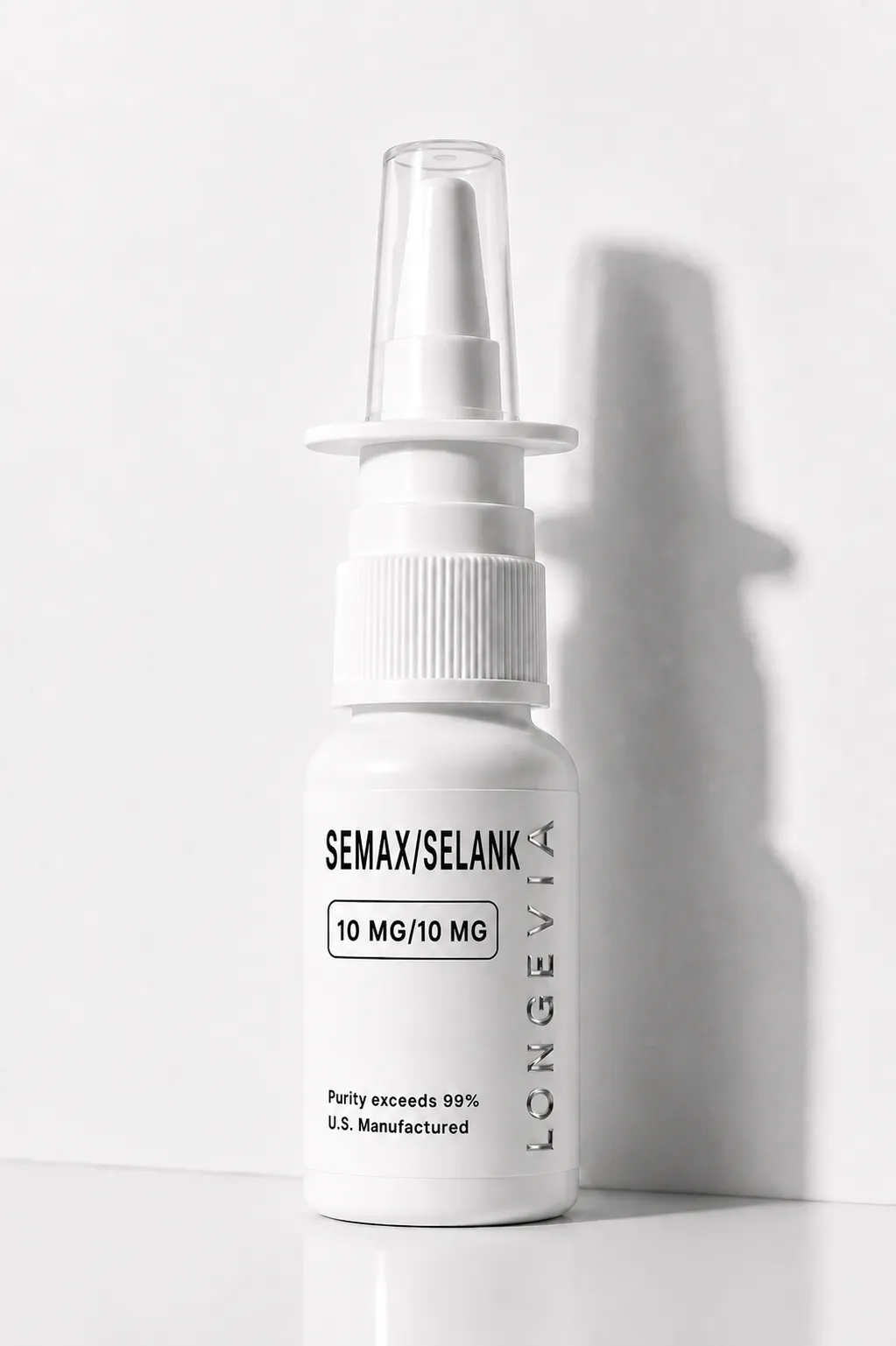
Semax/Selank — Spray
Longevia Research supplies a Semax/Selank research formulation (10mg/10mg, 90 sprays) containing two distinct synthetic heptapeptides investigated in neurobiology, neurotrophic signaling, neuroimmune research, and peptide signaling biology. Research Use Only.
$184.50
Slide to add
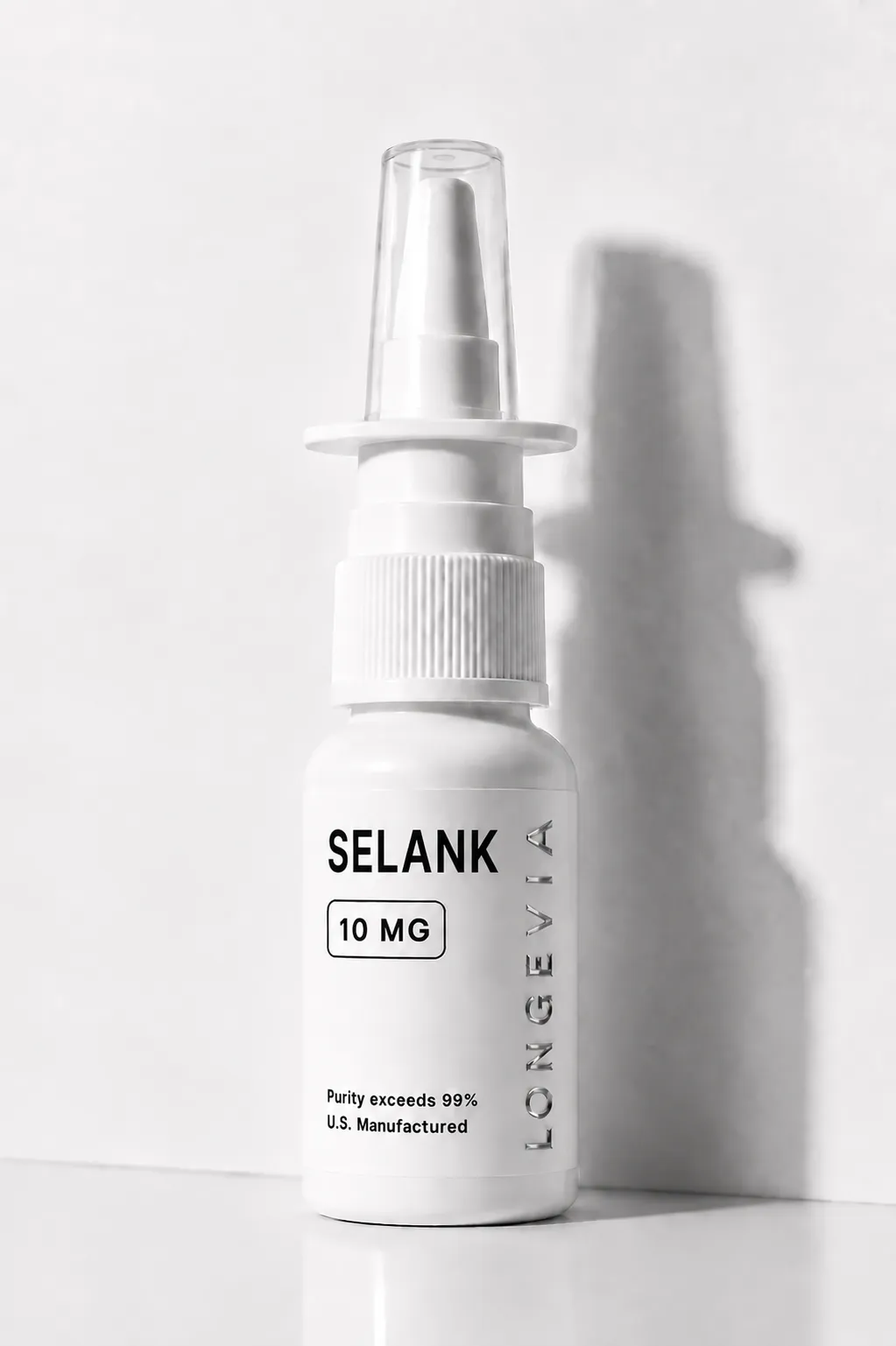
Selank — Spray
Longevia Research supplies Selank 10mg in a 90-spray format for qualified laboratory research. Selank is a synthetic heptapeptide analog related to tuftsin and investigated in neurobiology, GABAergic signaling, neuroimmune research, and behavioral neuroscience. Research Use Only.
$148.50
Slide to add
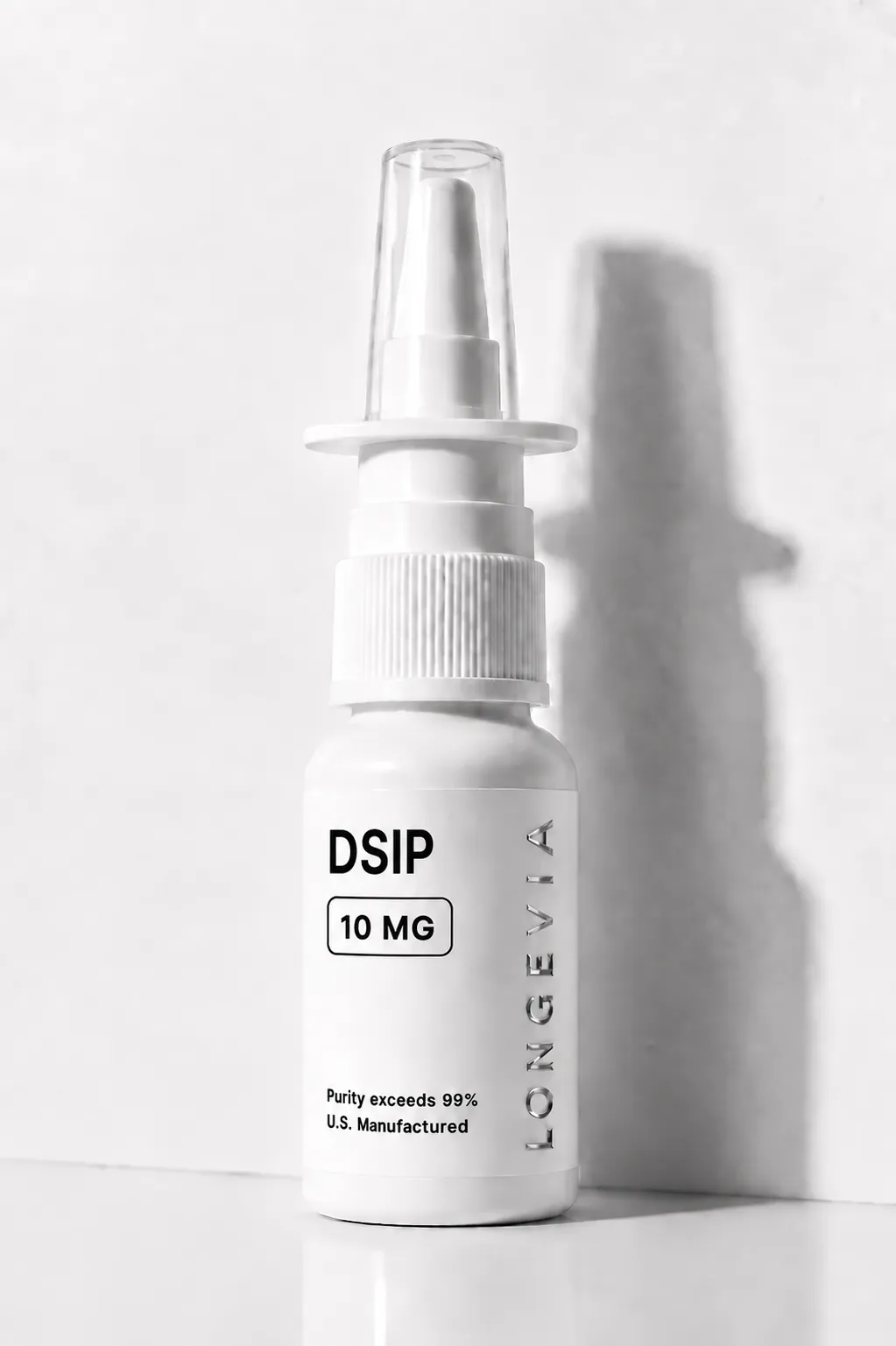
DSIP — Spray
DSIP (Delta Sleep-Inducing Peptide) is a research-grade nonapeptide investigated in experimental studies examining sleep-related biology, neurobiology, and neuroendocrine systems. Available from Longevia Research as a 10mg spray — 90 sprays — for qualified laboratory research use only.
$171.00
Slide to add
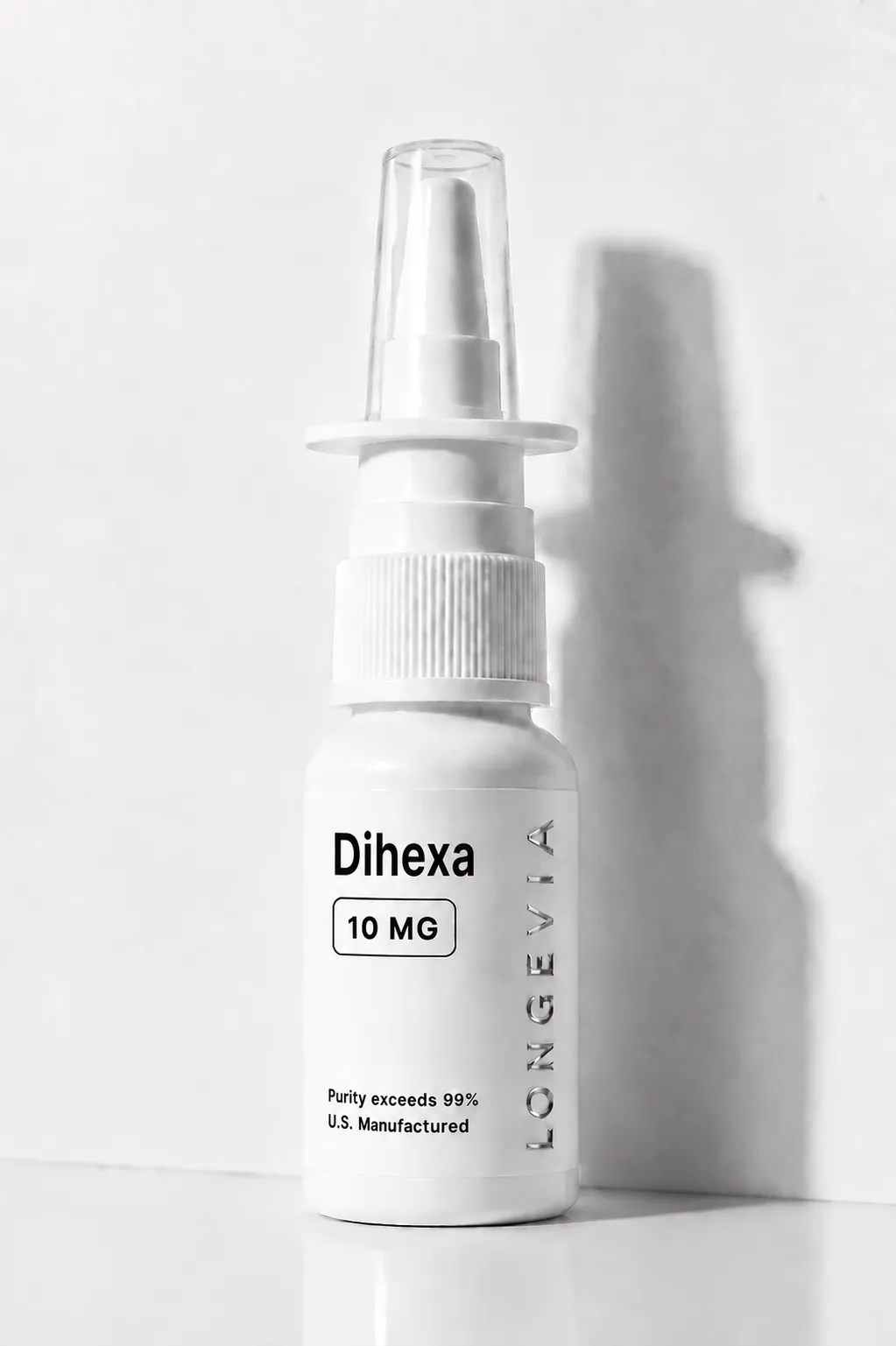
Dihexa — Spray
Dihexa 10mg spray — 45 sprays of the synthetic peptidomimetic research compound (PNB-0408, CAS 1401708-83-5, ~504.66 Da). Supplied by Longevia Research for laboratory use only. Batch COA available.
$171.00
Slide to add
Product FAQs
Find answers to common questions regarding storage, reconstitution, and testing guidelines for this specific compound.