Cognitive & Nootropic
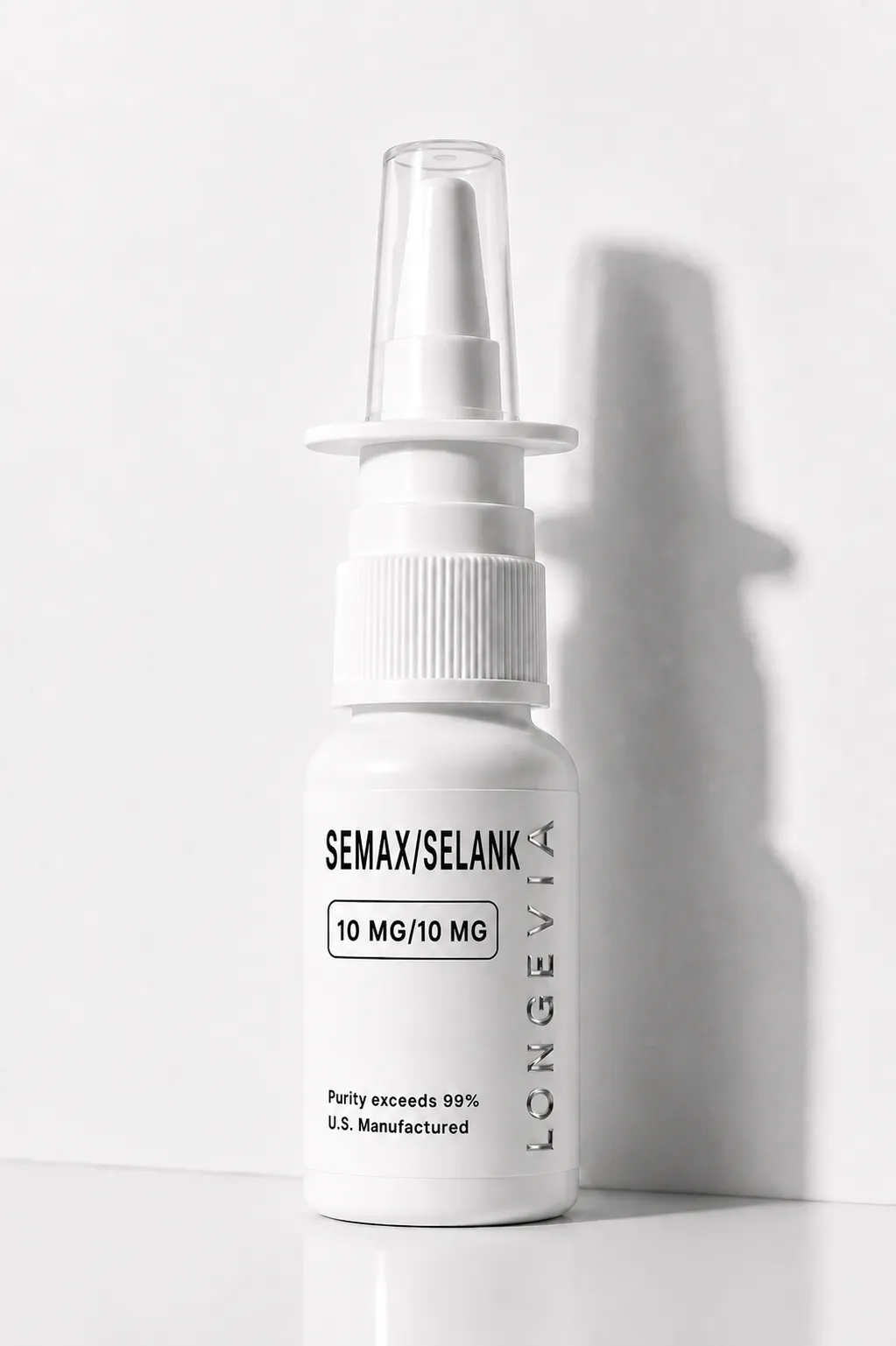
Semax/Selank — Spray
$184.50
1
Slide to Add
Purity≥99% Tested
TestingLC-MS Verified
LocationUS Based
The Semax/Selank research formulation supplied by Longevia Research contains two structurally and scientifically distinct synthetic heptapeptides — Semax and Selank — each with its own molecular identity, biological origin, and independent research literature. Semax (Met-Glu-His-Phe-Pro-Gly-Pro) is derived from the ACTH(4–7) fragment of adrenocorticotropic hormone, with research interests spanning neurobiological signaling, neurotrophic factor biology, neurotransmitter systems, neuroinflammation, oxidative stress, and cerebral ischemia models. Selank (Thr-Lys-Pro-Arg-Pro-Gly-Pro) is related to the endogenous immunomodulatory tetrapeptide tuftsin, with research interests encompassing neuroimmune signaling, GABAergic and enkephalin-related neurotransmitter biology, cytokine-related pathways, and stress-related behavioral neuroscience. Both compounds incorporate a C-terminal Pro-Gly-Pro stabilizing extension reflecting the same design strategy, but their entirely different N-terminal sequences — derived from different biological origins — mean they engage different biological signaling contexts and have been studied for different primary research questions. Longevia Research supplies this preparation as 10mg Semax and 10mg Selank per bottle in a liquid spray format — 90 sprays per bottle — for qualified laboratory and scientific research purposes only.
Standard Delivery3-4 Working Days
Free ShippingOn all orders above $300
Product Details
Product classification: Two-component research formulation containing two distinct synthetic heptapeptides; not a single molecular entity; does not have a single molecular formula, molecular weight, or CAS number.
Semax — scientific identity: Semax (CAS 80714-61-0); sequence Met-Glu-His-Phe-Pro-Gly-Pro (MEHFPGP); molecular formula C₃₇H₅₁N₉O₁₀S; molecular weight approximately 806.9 g/mol (CAS registry; approximately 813.9 g/mol by average atomic mass calculation); N-terminal four residues derived from ACTH(4–7); C-terminal Pro-Gly-Pro stabilizing extension. Stated quantity: 10mg per bottle.
Selank — scientific identity: Selank (CAS 129954-34-3); sequence Thr-Lys-Pro-Arg-Pro-Gly-Pro (TKPRPGP); molecular formula C₃₃H₅₇N₁₁O₉; molecular weight 751.87 g/mol; N-terminal four residues derived from tuftsin (Thr-Lys-Pro-Arg); C-terminal Pro-Gly-Pro stabilizing extension. Stated quantity: 10mg per bottle.
Structural comparison
Both compounds share a seven-residue length and an identical C-terminal Pro-Gly-Pro tripeptide extension designed to improve enzymatic stability — reflecting the same design strategy from the Institute of Molecular Genetics; despite this structural similarity, the N-terminal four-residue sequences are entirely different in origin and composition; the shared C-terminal extension does not imply shared biological activity, receptor targets, or mechanisms — the functional properties of each compound in experimental systems are determined by their distinct N-terminal sequences.
Key research distinctions
Semax has been primarily associated with dopaminergic and serotonergic neurochemical research, BDNF-related neurotrophic signaling, and cerebral ischemia models; Selank has been primarily associated with GABAergic and enkephalin-related inhibitory neurotransmission research and cytokine-related neuroimmune biology; these neurochemical associations are important for research design — researchers should not assume the two compounds' mechanisms are identical or interchangeable.
Product content: 10mg Semax + 10mg Selank per bottle; 90 sprays per bottle.
Physical form: Liquid research spray.
Purity: Research-grade. Analytical documentation should address each component independently.
Analytical documentation
A batch-specific Certificate of Analysis is available on the Longevia Research website, covering compound identity, purity, and lot traceability; the substantially different molecular weights of Semax (~806.9–813.9 g/mol) and Selank (751.87 g/mol) allow mass spectrometric confirmation to resolve both components and confirm their separate identities in the co-formulated product; methionine oxidation state in Semax is a relevant quality parameter given the susceptibility of the N-terminal Met residue to oxidative modification.
Regulatory note
Semax and Selank individually carry pharmaceutical registration in Russia as separate nasal spray preparations; these Russian registrations apply to the individual compounds in those specific formulations and do not constitute FDA, EMA, or equivalent approval in most jurisdictions; no regulatory approval exists for the Semax + Selank combination in any jurisdiction.
Research-use classification
Research Use Only; not approved for human or veterinary use in any major jurisdiction; not intended for administration to humans or animals.
Research Focus & Mechanism Overview
Research background
Both Semax and Selank were developed at the Institute of Molecular Genetics of the Russian Academy of Sciences using the same structural design strategy — appending a C-terminal Pro-Gly-Pro tripeptide to a biologically relevant tetrapeptide to improve metabolic stability — but their distinct N-terminal sequences situate them in fundamentally different research traditions. Semax's ACTH(4–7)-derived sequence connects it to the research tradition examining ACTH fragment neuromodulatory properties, which established in the 1970s and 1980s that specific ACTH fragments could influence behavioral and neurochemical endpoints in rodent models independently of adrenocortical effects. Selank's tuftsin-derived sequence connects it to immunological biology through the endogenous tuftsin tetrapeptide, with research interests extending into neuroimmune signaling. The combined Longevia Research product brings these two distinct research traditions into a single formulation; the scientific interest in their co-investigation lies in their potentially complementary but non-overlapping neurobiological and neuroimmune research contexts, not in established evidence of combined activity.
Semax research profile
Neurotrophic and BDNF-related research has reported changes in BDNF expression in specific rodent brain regions following Semax administration under defined conditions — generating research interest in neurotrophic signaling involvement, though these observations do not establish BDNF elevation in human neural tissue. Neurotransmitter research has examined dopaminergic, serotonergic, and other neurotransmitter systems in rodent brain neurochemical studies. Cerebral ischemia research — one of the most prominent experimental domains — has used rodent middle cerebral artery occlusion and related models to examine neurological outcome measures and molecular markers of neuronal injury; Russian clinical literature has examined Semax in stroke and transient ischemic attack populations via intranasal route, carrying methodological limitations analogous to other Russian neuropeptide clinical literature (small sample sizes, regional publication, limited independent replication). Neuroinflammation, oxidative stress, gene-expression profiling in rodent brain tissue, and animal behavioral learning and memory paradigms represent additional investigated research areas.
Selank research profile
GABAergic and enkephalin-related research — one of the primary experimental domains — has examined proposed influences on enkephalin catabolism and GABA-A receptor-associated signaling in rodent brain preparations, with these remaining experimental research observations in specific model systems rather than established human neurochemical mechanisms. Cytokine-related neuroimmune research has investigated IL-6, TNF-α, and related inflammatory mediators in immune cell preparations and rodent models, reflecting Selank's tuftsin-derived immunological origins. Serotonergic neurochemistry has been examined in some rodent neurochemical studies. Stress-related behavioral neuroscience research using elevated plus maze, open-field, and forced swim paradigms, and animal learning and memory research using spatial and avoidance paradigms, have generated model-specific behavioral observations. Russian clinical literature examines defined populations with anxiety-related conditions and stress symptoms using nasal spray formulations, carrying the same methodological limitations as the Semax clinical evidence base.
Combination research considerations
No peer-reviewed research directly investigating the Semax + Selank combination in shared experimental systems, pharmacokinetic interactions, or clinical outcomes is established in the available scientific literature. Three critical implications follow: no synergistic activity is established — overlapping independent research domains do not demonstrate combined additive or synergistic effects without direct experimental evaluation of the combination; individual-compound evidence does not extend to the combination — Semax findings are evidence for Semax, Selank findings are evidence for Selank, and neither constitutes direct evidence for this combined product; and potential pharmacokinetic interactions between the two components when co-formulated are unknown. Researchers designing experiments with this product should account for these limitations and should not assume combined biological effects equivalent to those reported for either individual compound in isolation.
Quality & Purity Standards
For a two-component research formulation such as Semax/Selank, research-grade quality encompasses a dual obligation: confirming the identity and integrity of each individual peptide component, and ensuring that neither component has been mislabeled, contaminated, or confused with the other. Given that Semax and Selank share the same seven-residue length and the same C-terminal Pro-Gly-Pro tripeptide, superficial analytical methods might fail to distinguish them; only methods capable of resolving the distinct N-terminal tetrapeptide sequences — MEHF for Semax vs. TKPR for Selank — can confirm the identity of each component.
Key quality considerations for the Semax/Selank combination product include:
Individual peptide sequence verification: Separate LC-MS/MS confirmation of each component's peptide sequence — Met-Glu-His-Phe-Pro-Gly-Pro for Semax (CAS 80714-61-0) and Thr-Lys-Pro-Arg-Pro-Gly-Pro for Selank (CAS 129954-34-3) — using tandem mass spectrometric methods capable of resolving N-terminal sequence differences between the two.
Molecular mass confirmation for each component: HRMS confirmation of each peptide's molecular mass — approximately 806.9 g/mol (Semax) and 751.87 g/mol (Selank) — to verify that both components are present and to detect any cross-contamination, truncations, or oxidation-related modifications.
Methionine oxidation state (Semax): Semax's N-terminal methionine residue is susceptible to oxidation under conditions of oxidative stress or improper storage, producing a +16 Da species (methionine sulfoxide). Analytical verification that the methionine is in its reduced form is a relevant quality parameter for Semax in research applications where this modification may be experimentally significant.
Component ratio assessment: For a two-component product, HPLC-based assessment of the relative quantities of each component to verify that both peptides are present at meaningful levels relative to their stated quantities.
Purity assessment for each component: Reversed-phase HPLC or UHPLC to evaluate purity and identify impurities, synthesis-related byproducts, or degradation products specific to each component.
Batch documentation and traceability: Provision of batch-specific analytical records enabling traceability for each component from synthesis through supply.
No specific purity grade, third-party certification, cGMP status, or independent laboratory verification is stated for this listing. Researchers requiring documentation of specific quality parameters — including component identity, purity, and ratio for both Semax and Selank — should contact Longevia Research directly.
Compliance Notice
FOR RESEARCH USE ONLY. NOT FOR HUMAN CONSUMPTION. NOT FOR VETERINARY USE.
Semax/Selank 10mg/10mg — 90 Sprays, as supplied by Longevia Research, is intended exclusively for qualified laboratory and scientific research conducted by trained professionals in appropriate research settings. This product is not a drug, dietary supplement, food, or cosmetic. It has not been evaluated or approved by the U.S. Food and Drug Administration, the European Medicines Agency, or any other regulatory authority for use as a therapeutic, prophylactic, or diagnostic agent in humans or animals.
This product is not intended to diagnose, treat, cure, or prevent any disease, condition, or health-related outcome.
Individual compound distinction: Research on Semax as an individual compound does not establish the safety, efficacy, bioavailability, or pharmacokinetics of this combined Semax/Selank product. Research on Selank as an individual compound does not establish the safety, efficacy, bioavailability, or pharmacokinetics of this combined product. Individual-compound evidence cannot be summed or combined to create evidence for a combined formulation without direct experimental evaluation of the combination itself.
Absence of combination research: No direct peer-reviewed research specifically evaluating the Semax + Selank combination is established in the available scientific literature. Research findings from individual-compound studies should not be interpreted as evidence for the combined formulation.
Jurisdictional regulatory distinction: Semax and Selank individually carry pharmaceutical registrations in Russia as separate preparations under Russian regulatory standards. These registrations do not constitute FDA, EMA, or equivalent approval in most jurisdictions, do not apply to this combined product, and do not transfer to the Longevia Research spray formulation.
No neurological, cognitive, or therapeutic claims: Research examining either Semax or Selank in experimental models of cerebral ischemia, neurotrophic signaling, neurotransmitter systems, stress-related biology, or neuroimmune pathways does not establish that this combined product produces neurological, neuroprotective, cognitive-enhancing, or therapeutic effects in human users.
Purchasers are solely responsible for ensuring that acquisition, possession, storage, handling, use, and disposal of this product comply with all applicable local, state, national, and international laws and regulations governing research compounds. Longevia Research makes no warranties regarding the suitability of this product for any specific research application. This product should be handled by qualified personnel following appropriate laboratory safety protocols.
By purchasing this product, the purchaser confirms that they are a qualified researcher or research professional acquiring this compound for legitimate scientific research purposes only.
Continue Exploring
Also Considered.
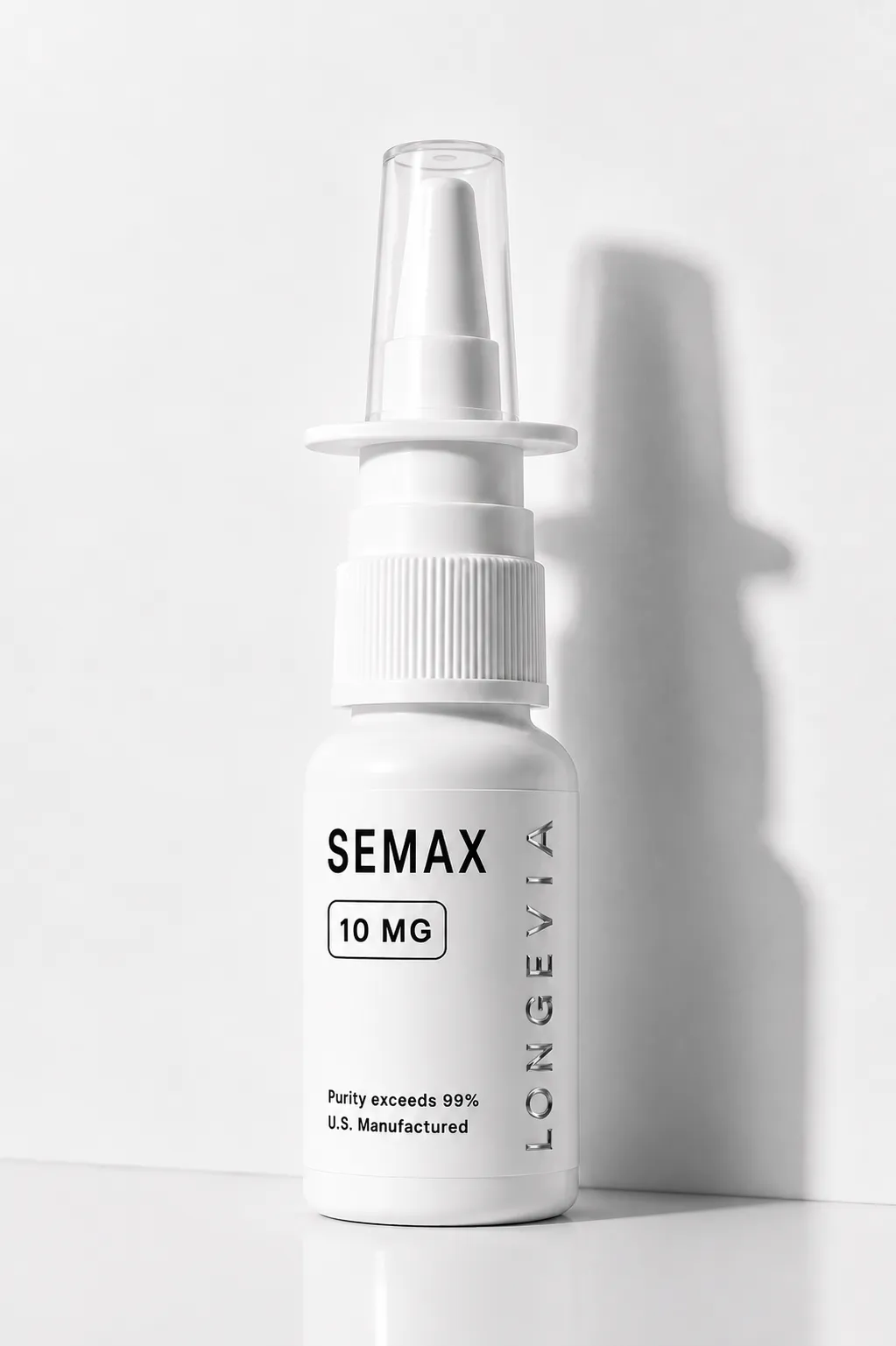
Semax — Spray
Longevia Research supplies Semax in 10mg and 30mg quantities, 90-spray format, for qualified laboratory research. Semax is a synthetic heptapeptide derived from ACTH(4–7) investigated in neurobiology, neurotrophic signaling, BDNF research, and cerebral ischemia models. Research Use Only.
$148.50
Slide to add
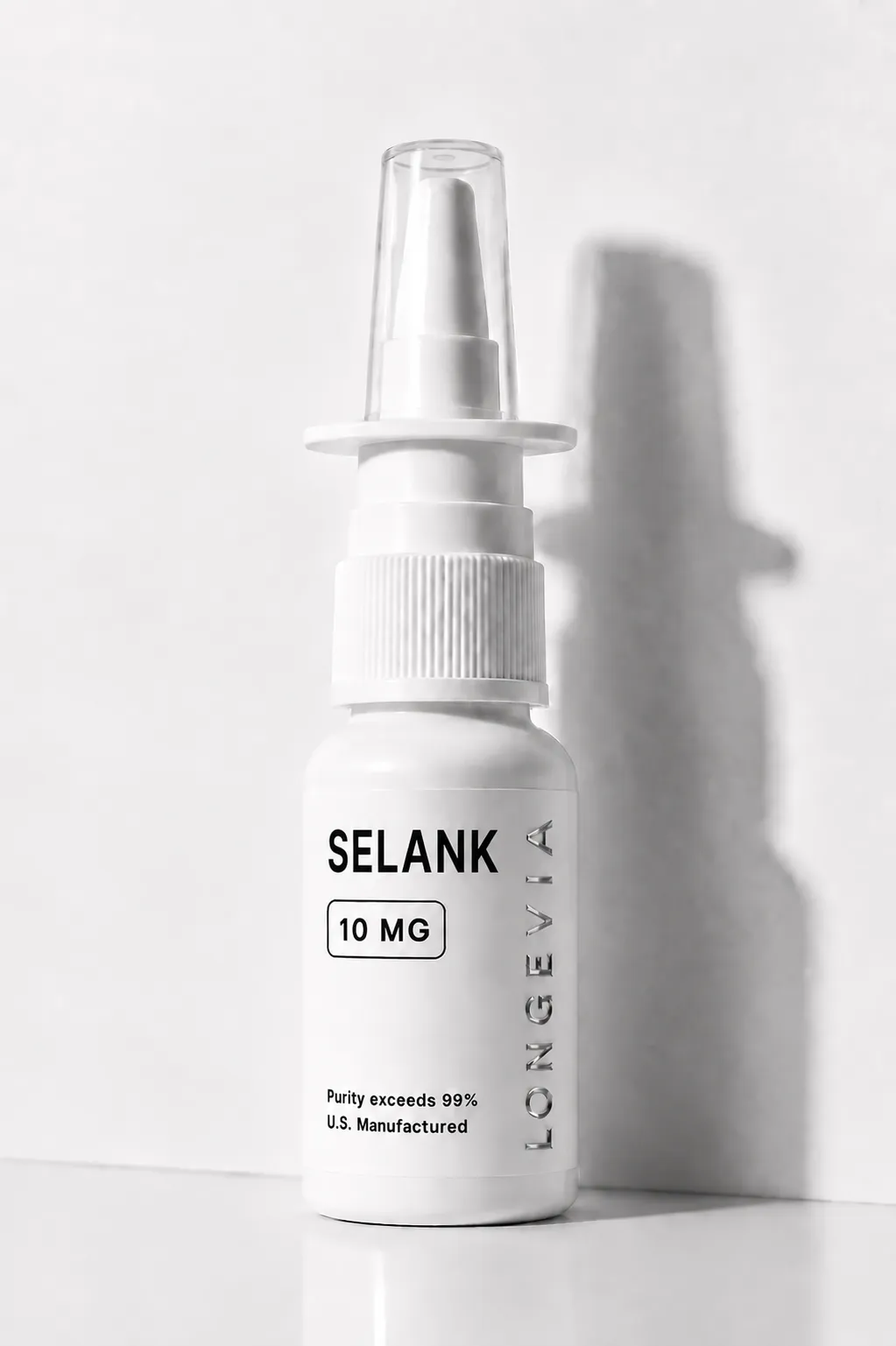
Selank — Spray
Longevia Research supplies Selank 10mg in a 90-spray format for qualified laboratory research. Selank is a synthetic heptapeptide analog related to tuftsin and investigated in neurobiology, GABAergic signaling, neuroimmune research, and behavioral neuroscience. Research Use Only.
$148.50
Slide to add
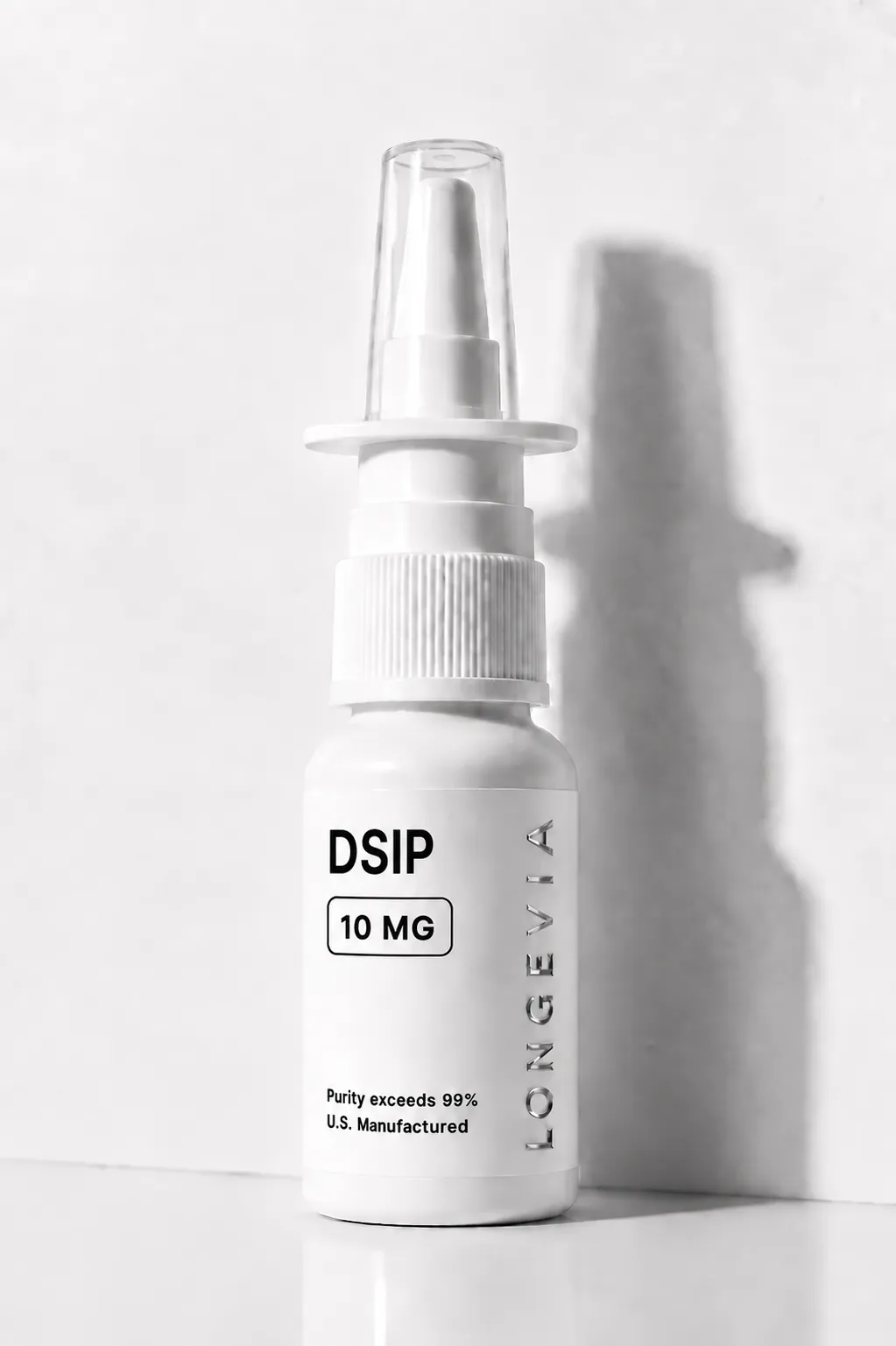
DSIP — Spray
DSIP (Delta Sleep-Inducing Peptide) is a research-grade nonapeptide investigated in experimental studies examining sleep-related biology, neurobiology, and neuroendocrine systems. Available from Longevia Research as a 10mg spray — 90 sprays — for qualified laboratory research use only.
$171.00
Slide to add
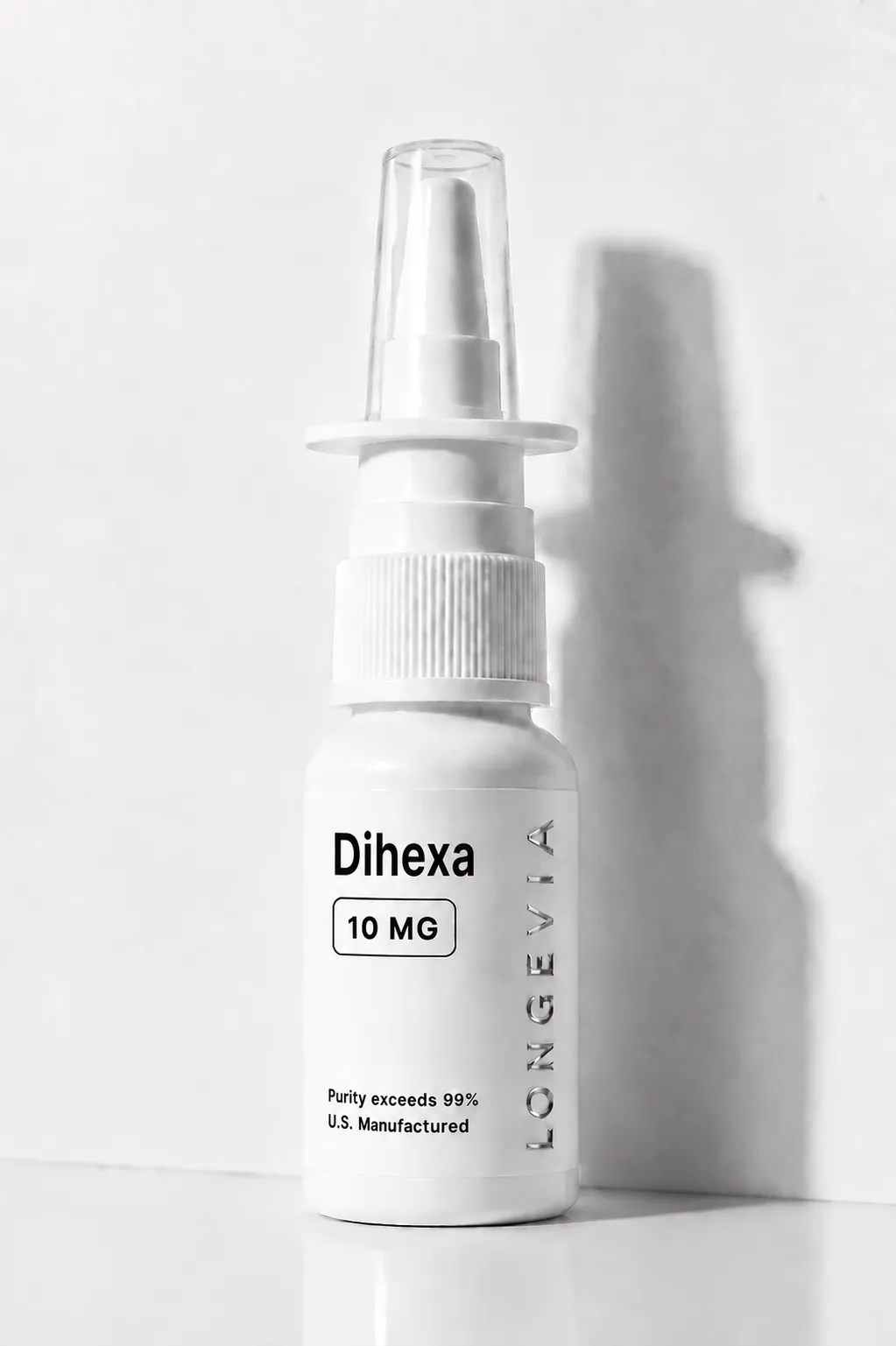
Dihexa — Spray
Dihexa 10mg spray — 45 sprays of the synthetic peptidomimetic research compound (PNB-0408, CAS 1401708-83-5, ~504.66 Da). Supplied by Longevia Research for laboratory use only. Batch COA available.
$171.00
Slide to add
Product FAQs
Find answers to common questions regarding storage, reconstitution, and testing guidelines for this specific compound.