Cognitive & Nootropic
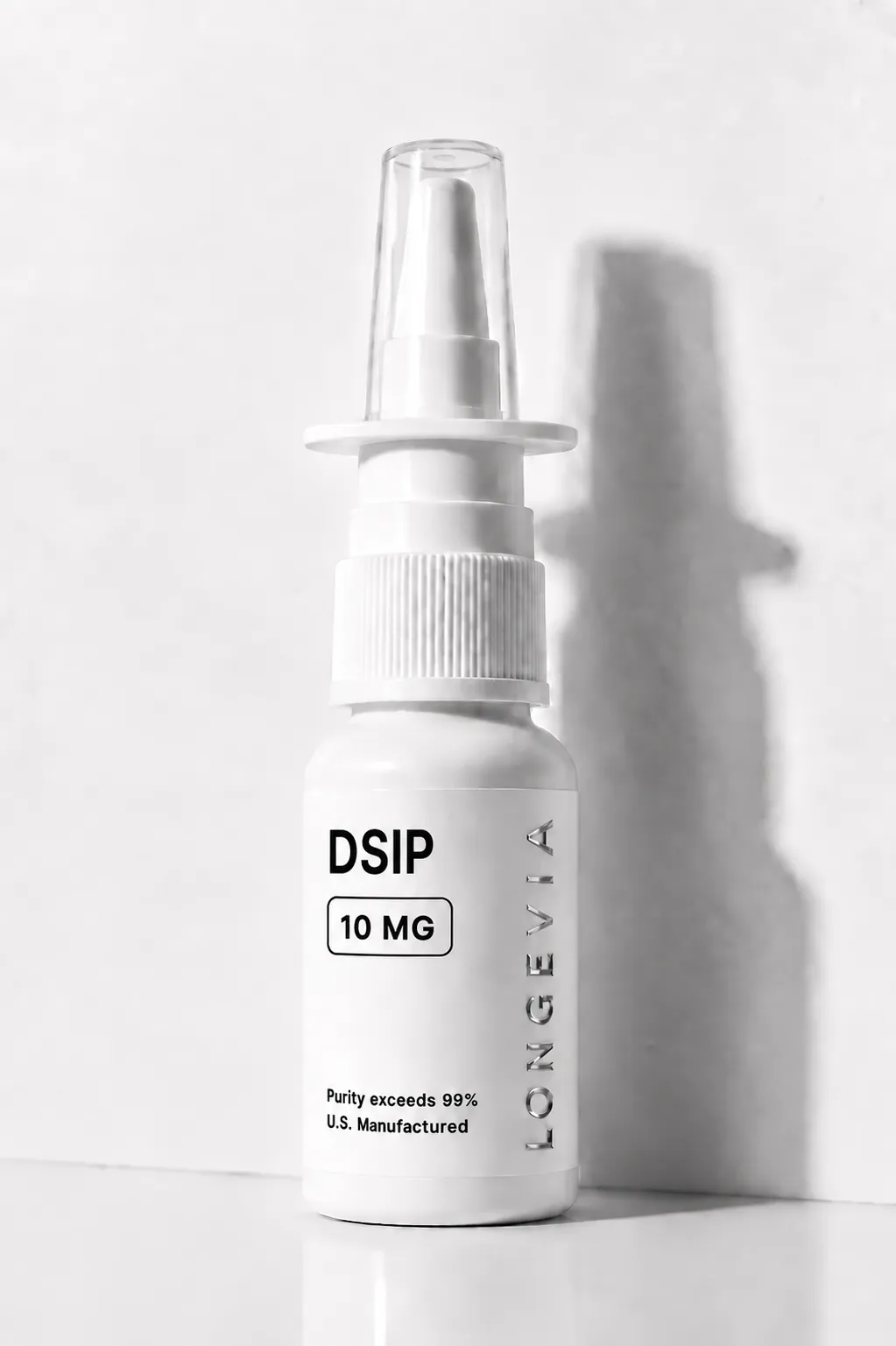
DSIP 10mg — 90 Sprays
$171.00
1
Slide to Add
Purity≥99% Tested
TestingLC-MS Verified
LocationUS Based
DSIP (Delta Sleep-Inducing Peptide) is a naturally occurring nonapeptide first isolated and characterized in the 1970s from thalamic venous blood in animal models during states of experimentally induced sleep. It has been investigated in experimental research involving sleep-related biology, neurobiological processes, and neuroendocrine regulation across animal models, biochemical assays, and in-vitro systems. The name "Delta Sleep-Inducing Peptide" reflects the context in which the compound was first described — not a confirmed mechanism of action — and subsequent research has produced mixed results regarding DSIP's sleep-related activities across different experimental models and species. Researchers now approach DSIP as a neuropeptide with diverse experimental associations rather than a compound with a single defined biological function. Longevia Research supplies DSIP as 10mg per bottle in a liquid spray format — 90 sprays per bottle — for qualified laboratory and scientific research purposes only.
Standard Delivery3-4 Working Days
Free ShippingOn all orders above $300
Product Details
Scientific identity
DSIP (Delta Sleep-Inducing Peptide; CAS 62568-57-4) is an endogenous nonapeptide with the sequence Trp-Ala-Gly-Gly-Asp-Ala-Ser-Gly-Glu (one-letter: WAGGDASGE). Its molecular formula is C₃₅H₄₈N₁₀O₁₅ and molecular weight is approximately 848.82 g/mol.
Compound class
Endogenous neuropeptide; neuroendocrine research compound. Classified as a Research Use Only material and is not a drug, dietary supplement, food, or cosmetic.
Molecular targets
No single definitive receptor for DSIP has been conclusively established in the published literature. Research has examined potential interactions with GABAergic neurotransmission, opioidergic signaling, and hypothalamic-pituitary neuroendocrine axes in animal models and biochemical assays. The absence of a definitively characterized receptor is common in endogenous neuropeptide research and does not preclude meaningful biochemical or pharmacological investigation.
Product content: 10mg per bottle; 90 sprays per bottle.
Physical form: Liquid research spray.
Purity: Research-grade.
Analytical documentation
A batch-specific Certificate of Analysis is available on the Longevia Research website, covering peptide identity, purity, and lot traceability.
Research-use classification
Research Use Only. Not approved for human or veterinary use. Not intended for administration to humans or animals.
Research Focus & Mechanism Overview
Research background. DSIP's scientific history begins with a 1974 study by Monnier and colleagues, who isolated a peptide fraction from the thalamic venous blood of rabbits during states of electrically induced sleep that appeared to have sleep-promoting activity when transferred to recipient animals. This foundational observation launched decades of investigation into whether DSIP represented a genuinely endogenous sleep-regulatory signal or a more pleiotropic neuropeptide with broader neuromodulatory relevance. Subsequent research complicated early interpretations, with studies producing inconsistent results regarding sleep-related activities across different experimental models and species — reflecting the complexity of sleep regulation and the challenge of translating neuropeptide research across species.
Proposed mechanisms and biological targets
The mechanism of action of DSIP remains under investigation and no proposed mechanism has achieved consensus status in the published literature. Research has examined DSIP as a potential neuromodulator of GABAergic and inhibitory neurotransmission in the central nervous system; as a modulator of hypothalamic-pituitary neuroendocrine axes, with preclinical studies reporting effects on ACTH, corticosterone, and growth hormone release in animal models; as a potential interactor with opioid receptor systems, contributing to observed experimental effects on sleep-related EEG parameters and stress responses in rodents; and in relation to circadian and homeostatic sleep-pressure mechanisms in experimental models. Proposed mechanisms arising from animal models and biochemical assays do not automatically translate to human biology, and the mechanism of action of DSIP in humans has not been established by the current body of evidence.
Key research areas and preclinical findings
Published preclinical research spanning several decades has examined DSIP in animal sleep models — including rabbits, rats, and cats — reporting modifications to slow-wave sleep or delta-wave EEG activity following DSIP administration in some but not all experimental systems. Rodent neuroendocrine studies have examined DSIP's effects on HPA axis activity, including corticosterone and ACTH secretion, with some studies reporting attenuation of stress-induced hormonal responses. Animal research has also investigated DSIP in experimental opioid-related behavioral paradigms, in biochemical and receptor-binding studies attempting to characterize potential molecular interactions, and in preclinical investigations of oxidative stress parameters in cell-based and animal systems. All preclinical findings are reported to provide scientific context and do not constitute evidence of human therapeutic efficacy or safety.
Human research and regulatory status
Early human investigations into DSIP were conducted primarily in European research centers during the late 1970s and 1980s, examining small patient populations in relation to sleep disorders, pain conditions, and withdrawal states. The methodology, sample sizes, and standards of these exploratory studies differ substantially from those required by modern regulatory bodies, and their findings are not sufficient to establish clinical efficacy or safety under current standards. DSIP is not approved by the FDA, EMA, or any comparable regulatory authority for any indication and carries no marketing authorization in any jurisdiction. This product is classified strictly as a Research Use Only material, and historical exploratory human studies should not be interpreted as evidence of approved clinical utility.
Quality & Purity Standards
Quality in peptide research begins with the integrity of the compound itself. For a defined-sequence endogenous peptide such as DSIP, analytical characterization serves as the foundation upon which any valid experimental design must rest. A research compound of uncertain identity, sequence fidelity, or purity introduces variables that compromise data quality and reproducibility — concerns that are particularly acute in neurobiological and neuroendocrine research contexts, where endogenous peptide signaling systems are sensitive to molecular specificity.
Peptide identity and sequence verification: The primary quality requirement for any research-grade peptide is confirmation that the compound delivered matches the intended molecular identity. For DSIP — with its nine-residue sequence Trp-Ala-Gly-Gly-Asp-Ala-Ser-Gly-Glu and molecular formula C₃₅H₄₈N₁₀O₁₅ — this means characterization that confirms both correct sequence and accurate molecular weight of approximately 848.82 g/mol.
Mass spectrometric characterization: Mass spectrometry, including electrospray ionization techniques, provides precise molecular weight confirmation that can distinguish correctly synthesized peptide from truncated sequences, deletion products, or synthesis byproducts. This type of analytical evidence supports the researcher's confidence that the compound under study is the intended molecular entity.
Chromatographic purity assessment: High-performance liquid chromatography (HPLC) provides a complementary analytical dimension, separating the target peptide from impurities and enabling quantitative assessment of compound purity at the batch level. Chromatographic data, when combined with mass spectrometric identity confirmation, gives researchers the analytical foundation necessary for reproducible experimental design.
Batch traceability: Batch-specific analytical documentation enables researchers to link experimental results to a defined, characterized preparation — a requirement for any research intended to generate publishable or reproducible findings. Traceability also supports compliance with institutional and regulatory requirements governing research chemical procurement and use.
Spray format considerations: Research peptides supplied in spray format require appropriate formulation characterization to ensure homogeneity and stability within the preparation. Researchers should verify that analytical documentation for spray-format peptides addresses these formulation-specific considerations.
Longevia Research is committed to supplying research peptides that support rigorous scientific inquiry. Researchers are encouraged to request available documentation supporting the analytical characterization of this product prior to incorporating it into their laboratory workflows.
Compliance Notice
DSIP 10mg — 90 Sprays is supplied by Longevia Research strictly for research and laboratory use only. This product is not approved by the FDA or any global regulatory authority for human consumption, veterinary use, or therapeutic application. It is not a drug, dietary supplement, food, or cosmetic, and it is not manufactured, labeled, or sold as any of these under any applicable regulatory framework.
No claims made regarding DSIP on this website are intended to diagnose, treat, cure, or prevent any disease or medical condition in humans or animals. The research findings summarized on this page arise from preclinical, biochemical, or early exploratory studies and do not establish human efficacy or safety for any application. Published research involving DSIP does not constitute regulatory approval, and researchers should not interpret scientific literature as authorization for human or veterinary use.
This product is sold exclusively to qualified researchers, laboratories, and scientific institutions for in-vitro and non-clinical laboratory research purposes. It is not intended for personal use, self-administration, resale for human consumption, or any application outside of a controlled research environment. Purchasers are responsible for ensuring that the acquisition, possession, handling, storage, use, and disposal of this compound are conducted in full compliance with all applicable local, state, federal, and international laws and institutional policies governing research chemicals.
By purchasing DSIP 10mg — 90 Sprays, the buyer confirms they are acquiring the product for legitimate scientific research purposes, agrees to handle and store it in accordance with applicable laboratory safety standards, and assumes full responsibility for compliance with all laws and regulations governing the purchase and use of research chemicals in their jurisdiction.
Continue Exploring
Also Considered.
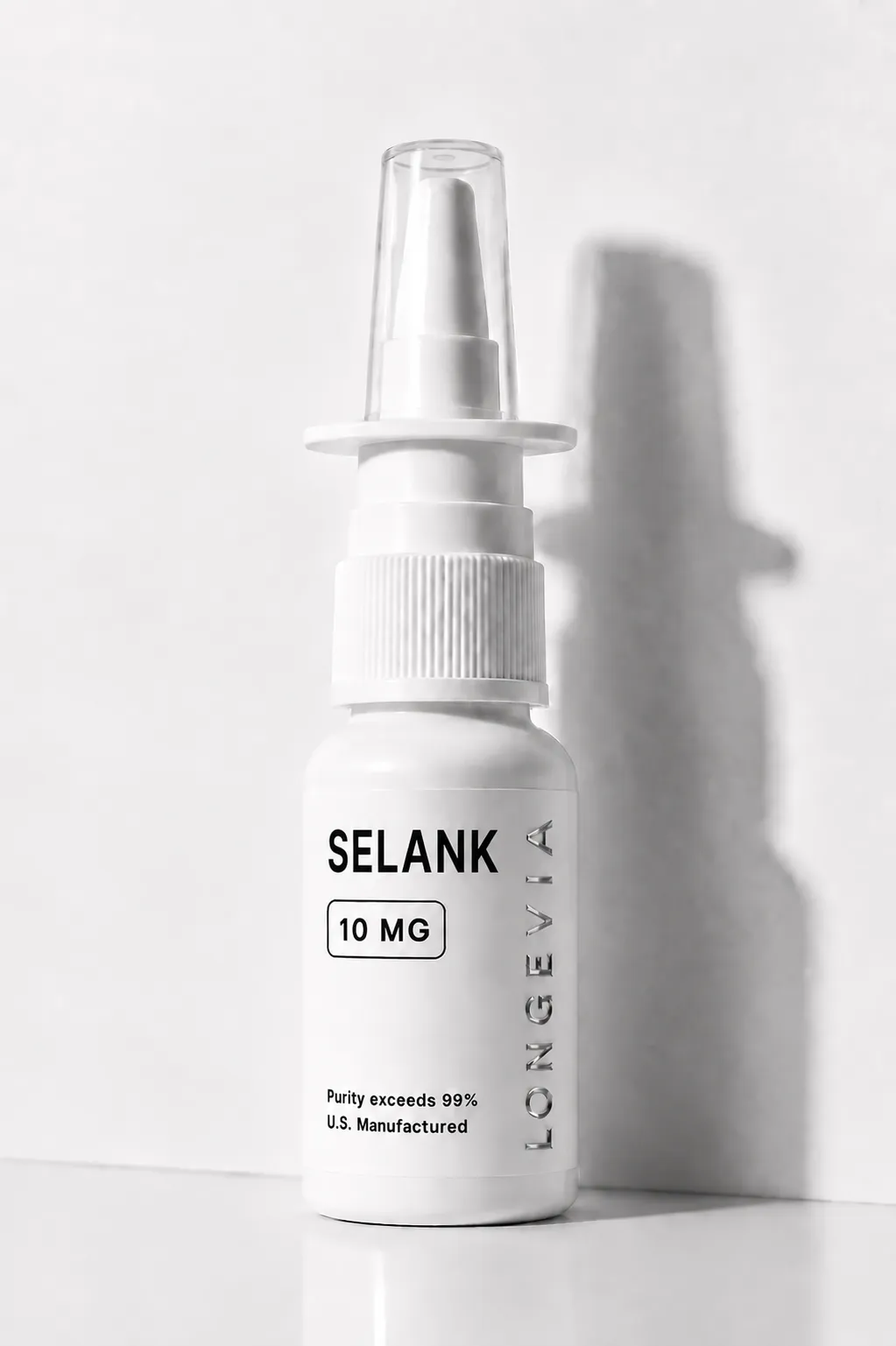
Selank 10mg — 90 Sprays
Longevia Research supplies Selank 10mg in a 90-spray format for qualified laboratory research. Selank is a synthetic heptapeptide analog related to tuftsin and investigated in neurobiology, GABAergic signaling, neuroimmune research, and behavioral neuroscience. Research Use Only.
$148.50
Slide to add
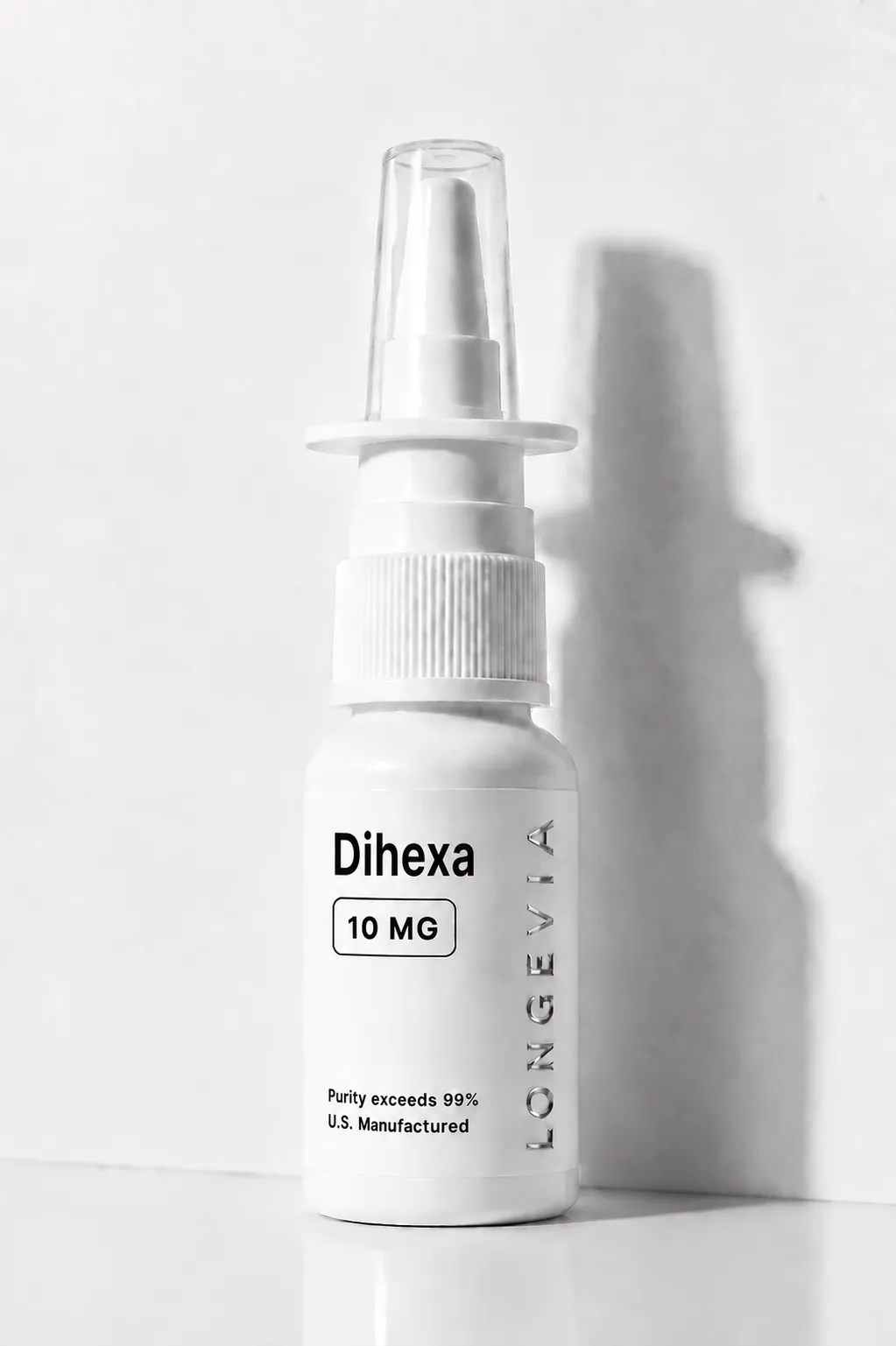
Dihexa 10mg — 45 Sprays
Dihexa 10mg spray — 45 sprays of the synthetic peptidomimetic research compound (PNB-0408, CAS 1401708-83-5, ~504.66 Da). Supplied by Longevia Research for laboratory use only. Batch COA available.
$171.00
Slide to add
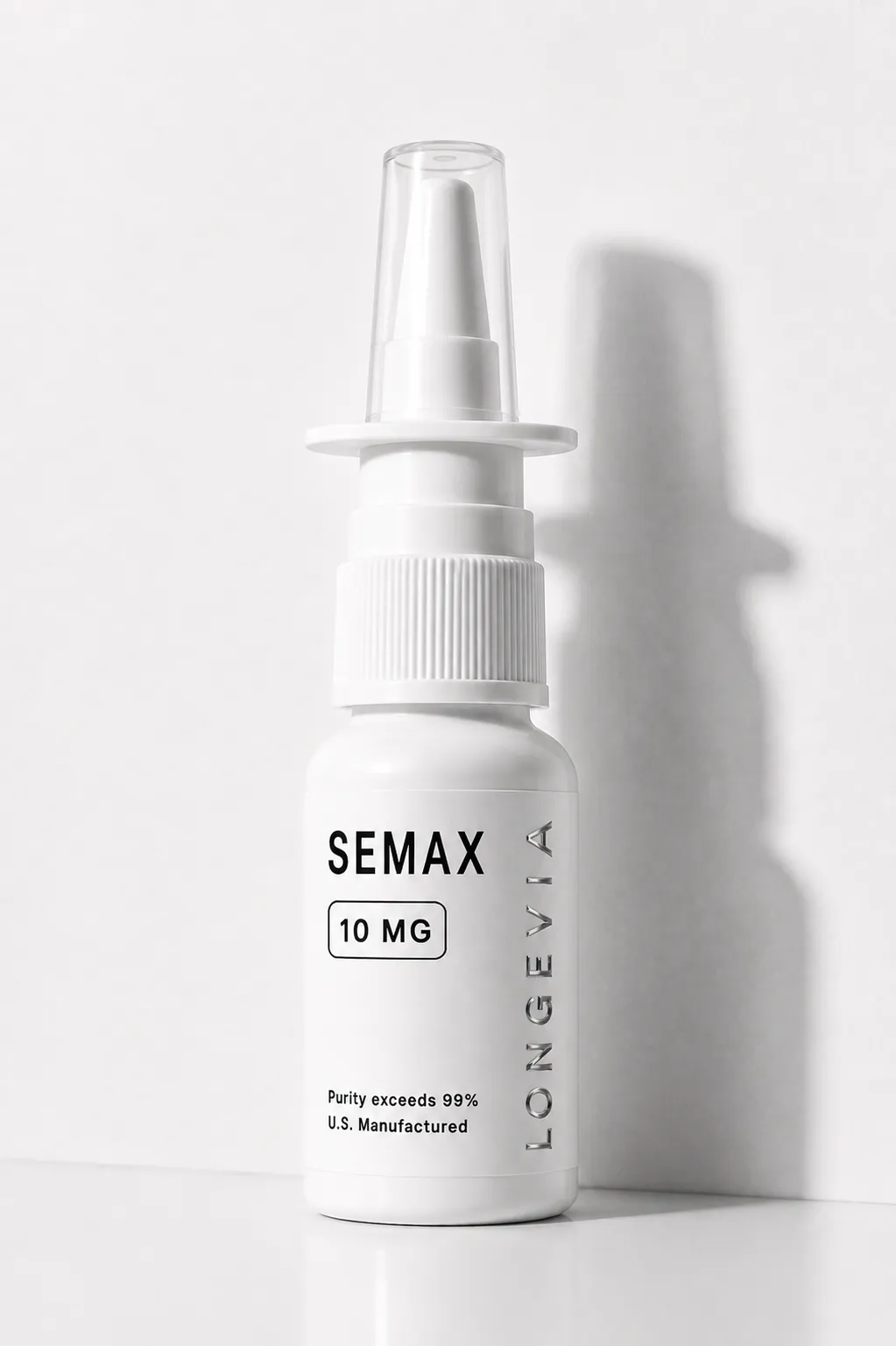
Semax Spray
Buy Semax Spray, a research-grade nootropic neuropeptide preparation in a convenient spray format studied for BDNF modulation and neuroprotective signaling research. COA-verified. Research use only.
$90.00
Slide to add
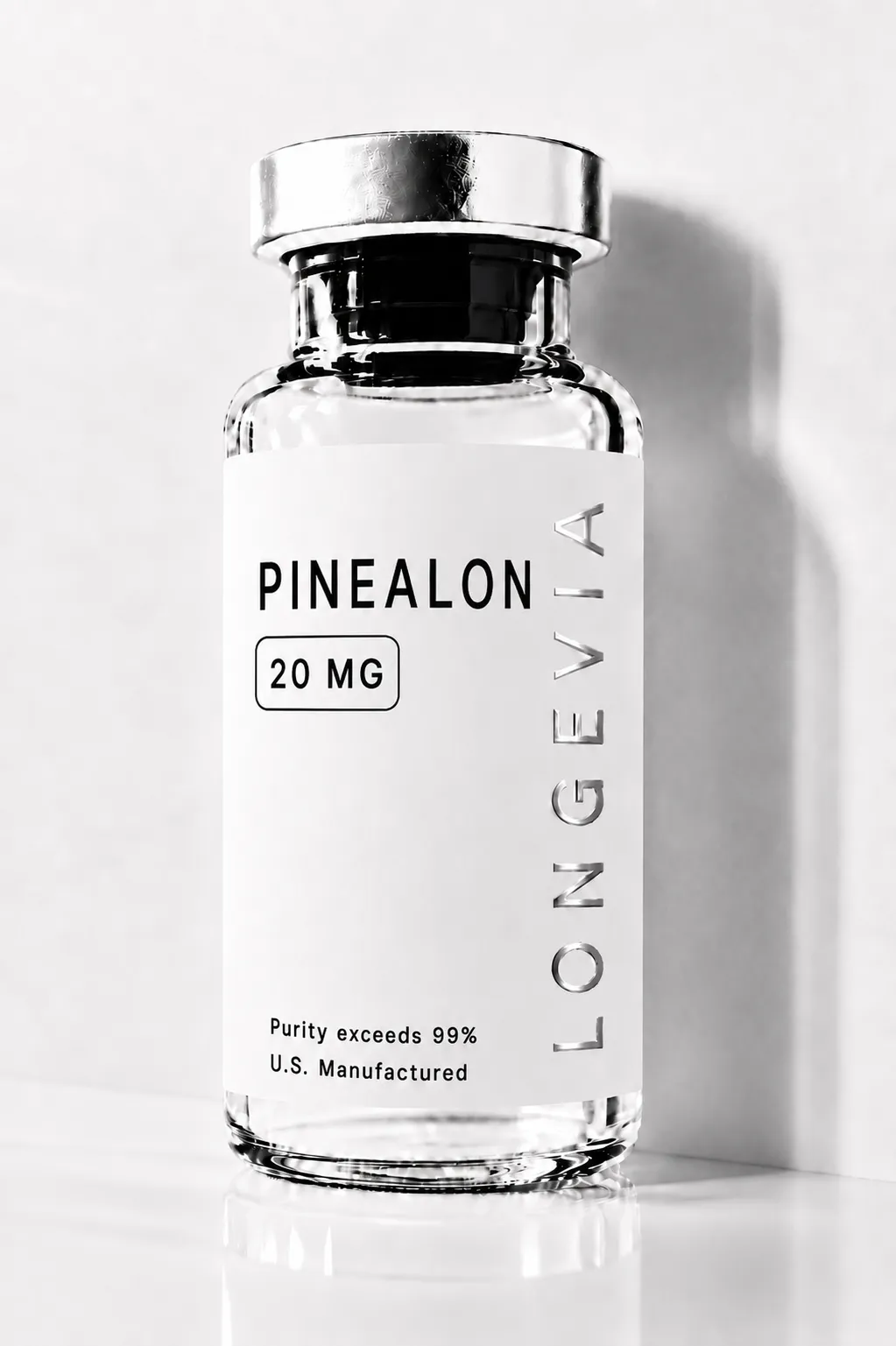
Pinealon
Buy 99%+ pure Pinealon research peptide, a synthetic tripeptide bioregulator studied for neuroprotection, retinal function, and pineal gland signaling research. Research use only.
$105.00
Slide to add
Product FAQs
Find answers to common questions regarding storage, reconstitution, and testing guidelines for this specific compound.