Cognitive & NootropicHormonal HealthLongevity Research
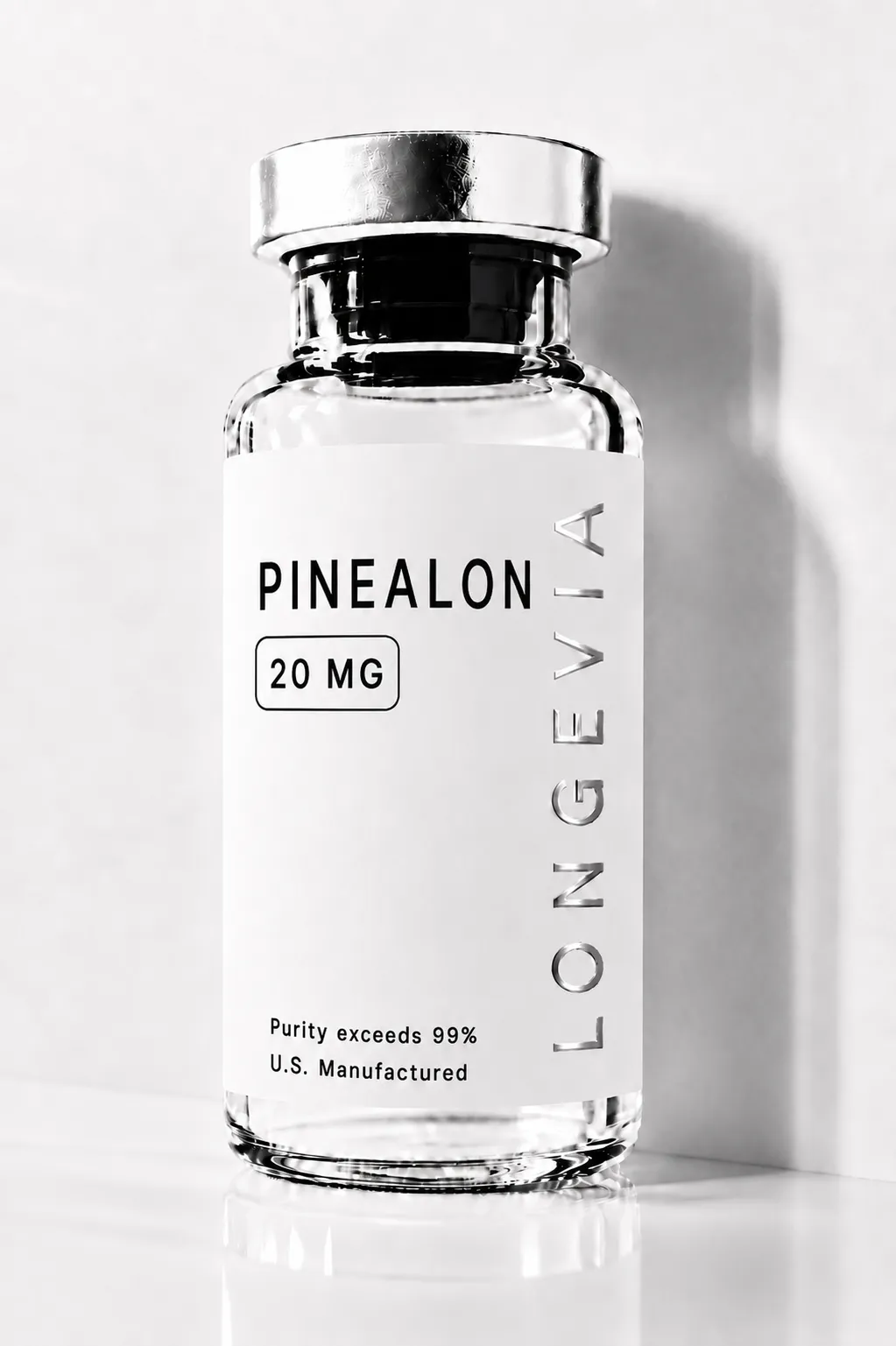
Pinealon
$105.00
1
Slide to Add
Purity≥99% Tested
TestingLC-MS Verified
LocationUS Based
Pinealon is a synthetic tripeptide (Glu-Asp-Arg) developed as a low-molecular-weight peptide bioregulator, engineered to cross the blood-brain barrier and modulate gene expression within neural tissue. Originally investigated alongside other Khavinson-class bioregulators, this compound has become a reference peptide in research on cellular aging, neuroprotection, and pineal gland signaling. Each batch is synthesized using automated solid-phase peptide synthesis and purified by High-Performance Liquid Chromatography (HPLC) to isolate the target sequence from truncated byproducts. The resulting lyophilized powder demonstrates consistent solubility and reconstitution behavior across experimental protocols. Researchers investigating neuronal gene regulation, oxidative stress resistance, retinal cell viability, and circadian signaling pathways will find this compound a valuable addition to their research toolkit. This compound is intended strictly for in-vitro and laboratory research use.
Standard Delivery3-4 Working Days
Free ShippingOn all orders above $300
Comprehensive Product Details
Pinealon research peptide is a short-chain synthetic tripeptide bioregulator built from the amino acid sequence Glutamic Acid–Aspartic Acid–Arginine (Glu-Asp-Arg), with a molecular weight of roughly 390.35 g/mol. It belongs to the Khavinson class of peptide bioregulators, a family of ultra-short synthetic peptides originally derived from natural regulatory peptide fractions and re-engineered for laboratory reproducibility. Because of its small size, Pinealon is one of the few peptides studied specifically for its apparent capacity to cross the blood-brain barrier intact, which is why it occupies a distinct niche in central nervous system peptide research compared with larger receptor-binding neuropeptides. In its research form, Pinealon is supplied as a sterile, white-to-off-white lyophilized (freeze-dried) powder, vacuum-sealed to preserve stability prior to reconstitution. It is manufactured using automated solid-phase peptide synthesis (SPPS) under controlled laboratory conditions, giving researchers a consistent, well-characterized reference compound for CNS, retinal, and cellular-aging study designs. Every vial is intended solely for controlled laboratory environments and should be handled only by qualified personnel trained in proper peptide reconstitution, storage, and dosing-model protocols. Researchers frequently select Pinealon as a comparator alongside other short bioregulator peptides, such as Epithalon, when designing multi-arm studies examining tissue-specific gene modulation.
Advanced Research Focus
Pinealon's research focus centers on its proposed mechanism as a gene-expression modulator rather than a classical receptor agonist. Peptide bioregulator theory suggests that short peptides like Pinealon can penetrate the nuclear membrane and interact directly with chromatin, selectively influencing transcription of genes tied to cellular repair, stress resistance, and tissue-specific protein synthesis. This mechanism is a central reason Pinealon is studied in neuroprotection models, where researchers examine its influence on neuronal viability under oxidative-stress and hypoxia-simulated conditions. A second major research thread involves the pineal gland and circadian-rhythm signaling pathways, since Pinealon shares research lineage with melatonin-pathway bioregulators and is frequently examined for its relationship to age-related decline in pineal gland function. Ophthalmic and retinal-cell research is a further application area, with studies exploring Pinealon's effects on retinal pigment epithelium viability and photoreceptor stress resistance in aging and degenerative retinal models. Because it is a low-molecular-weight tripeptide capable of crossing the blood-brain barrier, Pinealon is also used as a reference compound in comparative pharmacokinetic and biodistribution research alongside larger CNS-targeting peptides. Researchers investigating longevity science, cellular senescence, and geroprotector mechanisms frequently include Pinealon in study panels examining short bioregulator peptides as tools for probing tissue-specific epigenetic regulation. As with all findings in this field, mechanisms remain under active investigation and are studied strictly in non-human laboratory models.
Uncompromising Quality Standards
Every batch of Pinealon is synthesized using Solid-Phase Peptide Synthesis (SPPS) and purified via preparative HPLC to eliminate truncated sequences and synthesis byproducts. Final identity confirmation is performed via Electrospray Ionization Mass Spectrometry (ESI-MS), verifying exact molecular weight. Each lot ships with a Certificate of Analysis documenting purity exceeding 99%, giving researchers traceable, batch-specific verification before use in any laboratory protocol. Manufacturing takes place in a controlled laboratory environment under strict quality-assurance protocols designed to minimize contamination and batch-to-batch variability. Following synthesis, each lot undergoes preparative HPLC purification to remove truncated sequences, deletion products, and residual synthesis reagents, followed by Electrospray Ionization Mass Spectrometry (ESI-MS) to confirm the exact molecular weight and sequence identity of the Glu-Asp-Arg tripeptide. The purified compound is then aseptically lyophilized and sealed to protect against moisture ingress and degradation during storage and transit. Every batch of Pinealon ships with a lot-specific Certificate of Analysis (COA), giving researchers independent, third-party documentation of purity, identity, and mass prior to use in any laboratory protocol. This level of batch-specific traceability is a core requirement for researchers seeking reproducible, publication-grade data across longitudinal or multi-site study designs.
Legal & Compliance Notice
This product is strictly for research and laboratory use only. It is not approved by the FDA or any global regulatory body for human consumption, veterinary use, or therapeutic application. The purchaser assumes all responsibility for the proper handling, storage, and application of this compound. It must only be handled by qualified professionals in a controlled laboratory setting. By purchasing this product, you agree to abide by all local and international laws regarding the use of research chemicals. Pinealon is classified strictly as a Research Use Only (RUO) compound and is not manufactured, labeled, or sold as a drug, dietary supplement, cosmetic, or medical device under any applicable regulatory framework, including FDA regulations in the United States. No claims made regarding Pinealon on this website are intended to diagnose, treat, cure, or prevent any disease, nor are they intended to suggest any therapeutic, cosmetic, or performance benefit in humans or animals. This product is sold exclusively to qualified researchers, laboratories, and institutions for in-vitro and non-clinical laboratory research, and is not intended for personal use, self-administration, resale for human consumption, or any application outside of a controlled research setting. By purchasing Pinealon, the buyer confirms they are acquiring the product for legitimate research purposes, agrees to handle and store it in accordance with applicable laboratory safety standards, and assumes full responsibility for compliance with all local, state, federal, and international laws governing the purchase, possession, and use of research chemicals in their jurisdiction.
Continue Exploring
Also Considered.
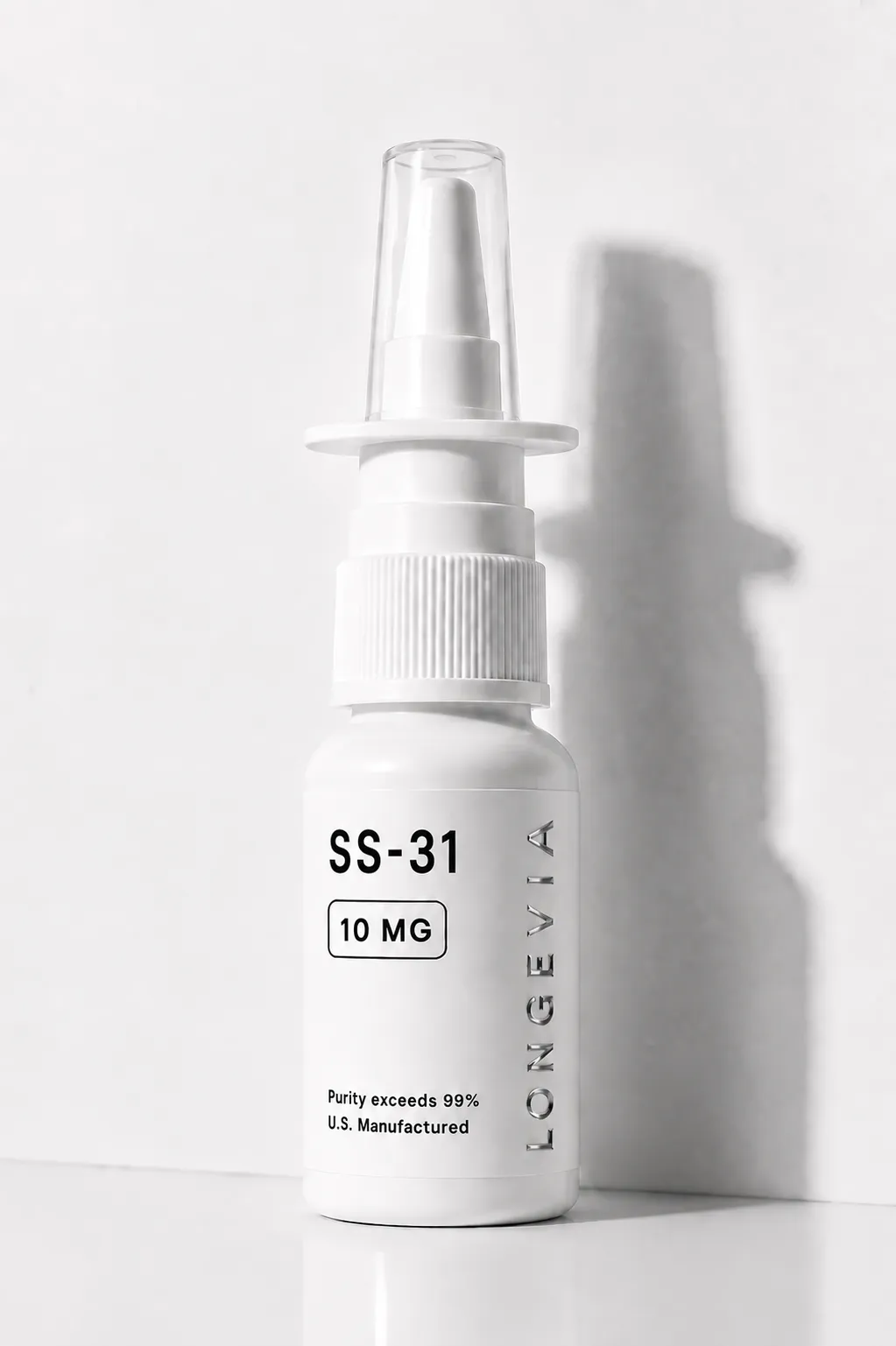
SS-31 — Spray
Longevia Research supplies SS-31 (elamipretide / MTP-131) in 10mg and 50mg quantities, 45-spray format, for qualified laboratory research. SS-31 is a synthetic mitochondria-targeted tetrapeptide investigated in cardiolipin, mitochondrial membrane biology, and mitochondrial bioenergetics research. Research Use Only.
$198.00
Slide to add
SNAP-8 — Spray
Longevia Research supplies SNAP-8 (Acetyl Octapeptide-3) in 10mg and 20mg quantities, 45-spray format, for qualified laboratory research. SNAP-8 is a synthetic acetylated octapeptide associated with SNAP-25 and SNARE-complex biology, investigated in neurotransmitter-release and vesicle-fusion research. Research Use Only.
$130.50
Slide to add
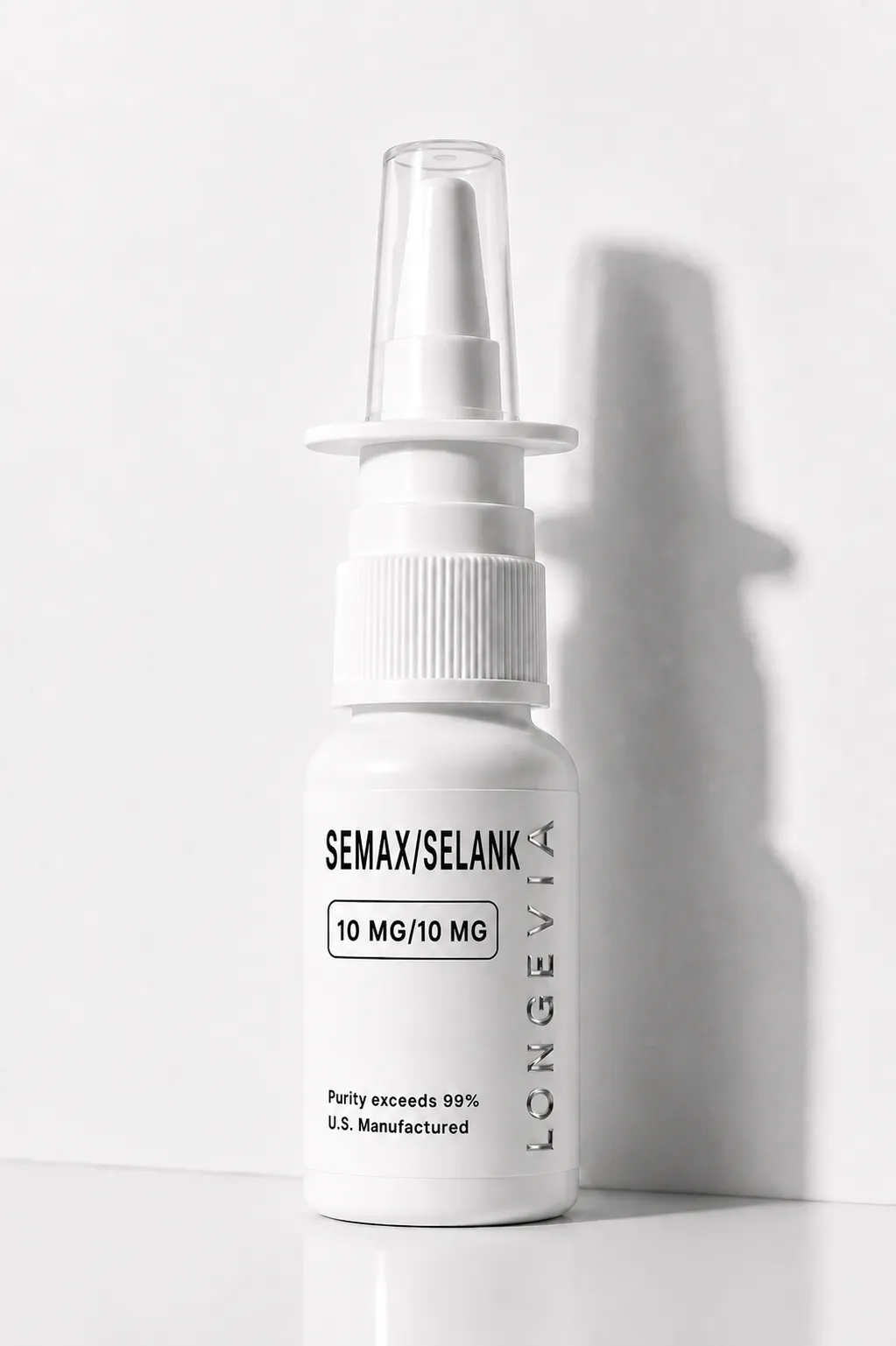
Semax/Selank — Spray
Longevia Research supplies a Semax/Selank research formulation (10mg/10mg, 90 sprays) containing two distinct synthetic heptapeptides investigated in neurobiology, neurotrophic signaling, neuroimmune research, and peptide signaling biology. Research Use Only.
$184.50
Slide to add
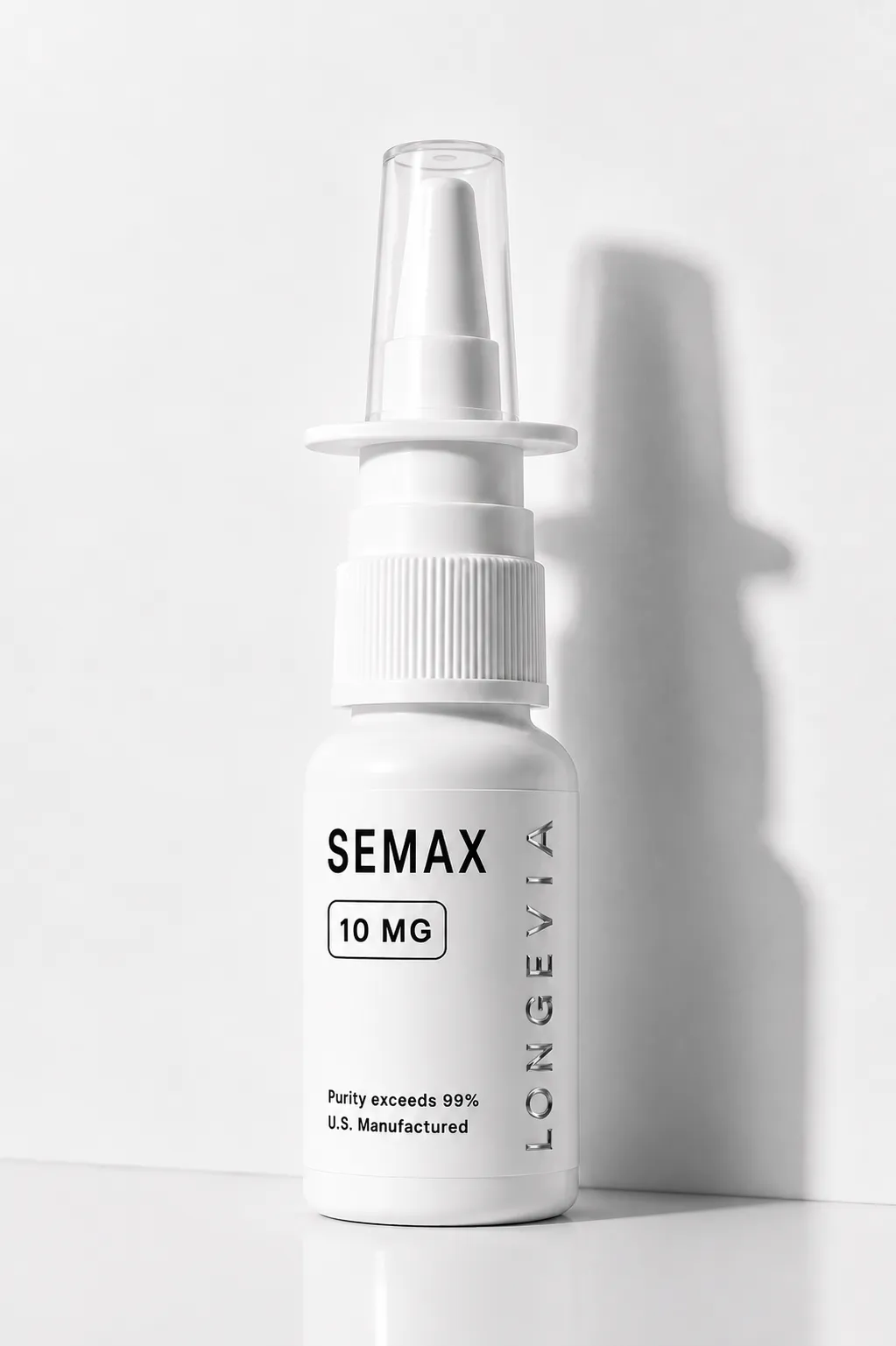
Semax — Spray
Longevia Research supplies Semax in 10mg and 30mg quantities, 90-spray format, for qualified laboratory research. Semax is a synthetic heptapeptide derived from ACTH(4–7) investigated in neurobiology, neurotrophic signaling, BDNF research, and cerebral ischemia models. Research Use Only.
$148.50
Slide to add
Product FAQs
Find answers to common questions regarding storage, reconstitution, and testing guidelines for this specific compound.