Growth Hormone SecretagoguesLongevity Research
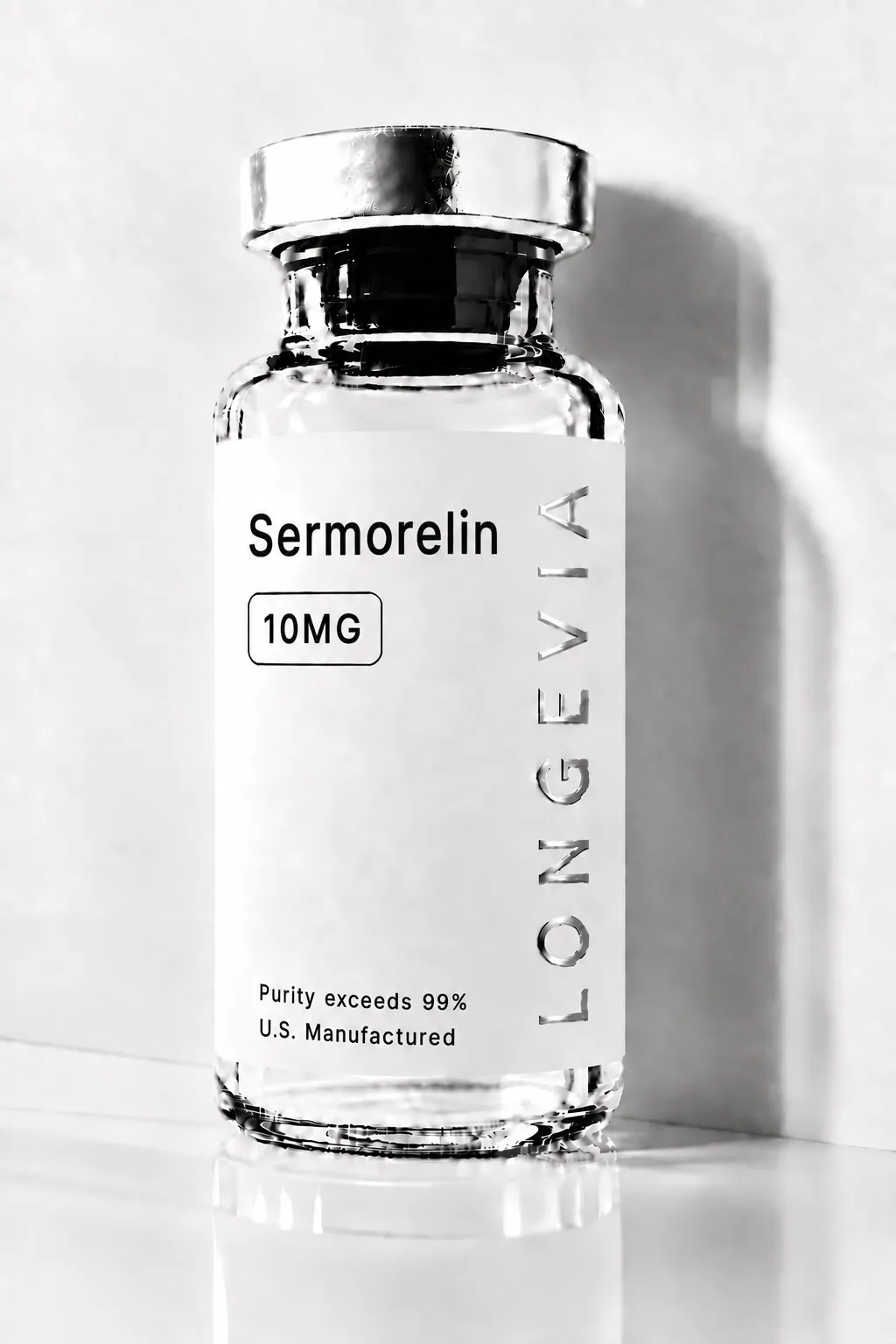
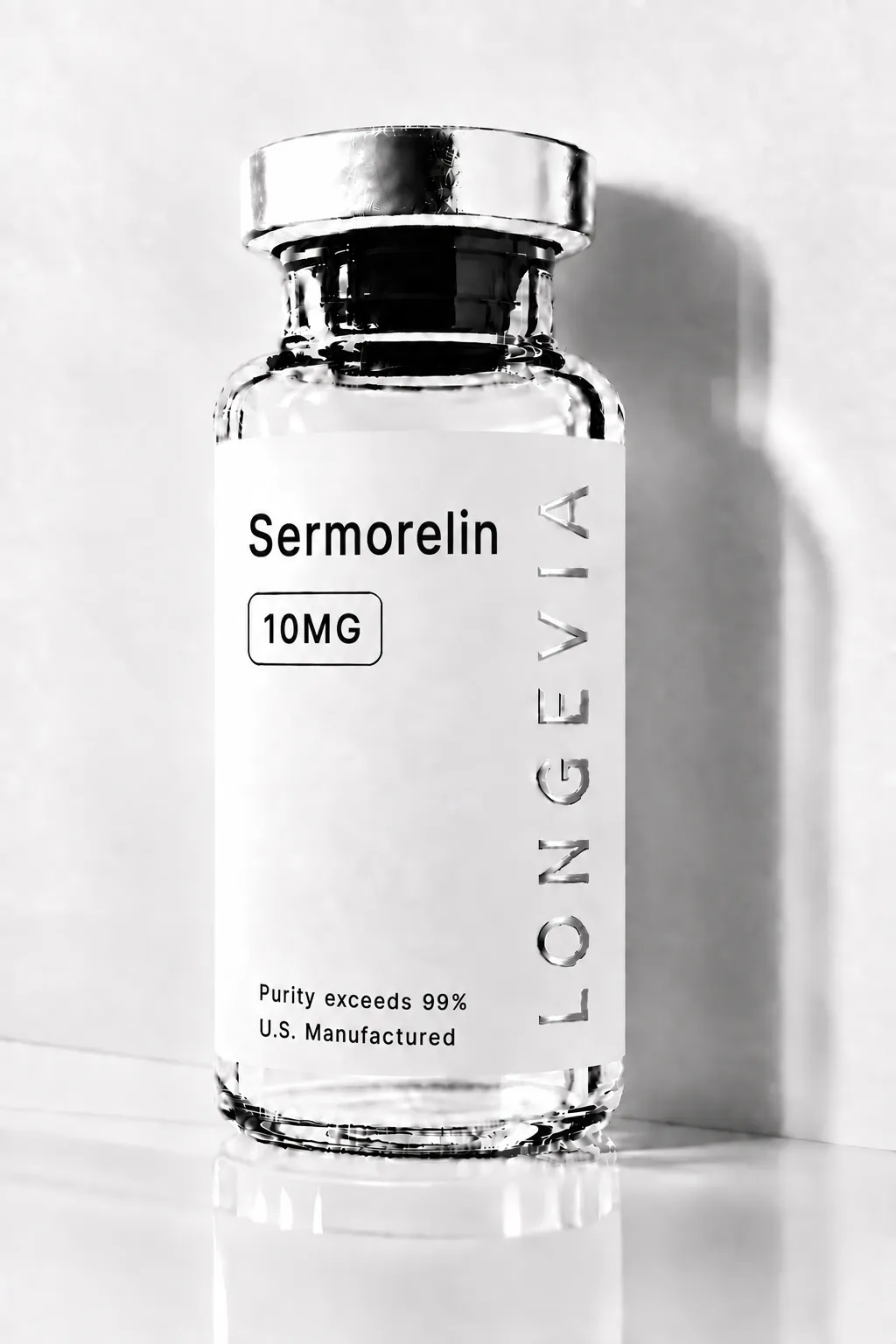
Sermorelin
$144.00
1
Slide to Add
Purity≥99% Tested
TestingLC-MS Verified
LocationUS Based
Sermorelin is a synthetic 29-amino-acid peptide corresponding to the biologically active N-terminal fragment of human growth hormone-releasing hormone — GHRH(1–29)-NH₂. It is the shortest GHRH fragment that retains full GHRH receptor (GHRHR) binding and agonist activity in experimental systems, with the C-terminal amide modification improving stability relative to the free-acid form. Research has examined sermorelin in GHRHR pharmacology, pituitary somatotroph signaling, and pulsatile growth hormone secretion models. Longevia Research supplies sermorelin in 10mg and 20mg research-grade vials for qualified laboratory use.
Standard Delivery3-4 Working Days
Free ShippingOn all orders above $300
Comprehensive Product Details
Scientific identity: Sermorelin is the synthetic amidated form of GHRH(1–29) — the N-terminal 29-residue fragment of native 44-amino-acid human GHRH. The native GHRH(1–29) sequence retains the full receptor-binding pharmacophore required for GHRHR activation. The C-terminal amide (NH₂) present in sermorelin — in place of the free carboxyl group — improves resistance to C-terminal carboxypeptidase degradation relative to the free-acid form of GHRH(1–29). Sermorelin carries the native amino acid sequence without the substitutions present in CJC-1295 No DAC (D-Ala², Aib⁸, Ala¹⁵, Leu¹⁶), making it the closest synthetic equivalent to endogenous GHRH(1–29) in the GHRH analogue research family.
Peptide class: Synthetic GHRH(1–29) amide; N-terminal GHRH fragment; GHRHR agonist peptide; native-sequence growth hormone-releasing hormone analogue.
Primary research target: Growth hormone-releasing hormone receptor (GHRHR) — a class B G protein-coupled receptor expressed predominantly on pituitary somatotroph cells, mediating Gαs-coupled cAMP signaling and growth hormone secretion in response to GHRH stimulation.
Research areas: GHRHR pharmacology, pituitary somatotroph biology, pulsatile GH secretion research, GH/IGF-1 axis research, GHRH analogue stability and DPP-IV susceptibility studies, comparative GHRH peptide pharmacology.
Available quantities: 10mg and 20mg per vial.
Purity: Greater than 99%, confirmed by HPLC and LC-MS analysis at the batch level.
Analytical documentation: A batch-specific Certificate of Analysis is available on the Longevia Research website, covering compound identity, purity, and lot traceability.
Research-use classification: For laboratory research use only. Not for human or veterinary use, clinical diagnostics, or any in-vivo application in humans outside of regulated research settings.
Advanced Research Focus
GHRHR Pharmacology and Native-Sequence Research
Sermorelin is the synthetic equivalent of native GHRH(1–29)-NH₂ and serves as the reference compound in GHRH analogue pharmacology research. Its native amino acid sequence — without the stabilising substitutions of CJC-1295 No DAC or the full-length extension of tesamorelin — makes it particularly useful for establishing baseline GHRHR binding and activation parameters against which modified analogues are compared. Cell-based studies have characterised sermorelin's GHRHR agonist activity through cAMP accumulation assays and GH secretion measurements in pituitary somatotroph cell models, providing pharmacological benchmarks for the GHRH analogue research family.
DPP-IV Susceptibility and Stability Research
A defining research characteristic of sermorelin relative to modified GHRH analogues is its susceptibility to DPP-IV cleavage at the Tyr¹-Ala² N-terminal bond — the primary degradation pathway for native GHRH in plasma. This susceptibility, which CJC-1295 No DAC addresses through its D-Ala² substitution, makes sermorelin a relevant comparator compound in GHRH analogue stability research. Studies examining DPP-IV resistance use sermorelin as the native-sequence baseline against which the improved stability of modified analogues is measured. This research context is distinct from a therapeutic limitation — in the research setting, sermorelin's susceptibility is a useful pharmacological property for comparative studies.
Distinction from CJC-1295 No DAC and Tesamorelin
Sermorelin, CJC-1295 No DAC, and tesamorelin share the GHRH(1–29) pharmacophore but differ in important ways. Sermorelin carries the native sequence with only C-terminal amidation. CJC-1295 No DAC introduces four amino acid substitutions — D-Ala², Aib⁸, Ala¹⁵, Leu¹⁶ — that substantially improve DPP-IV resistance and metabolic stability. Tesamorelin retains the full 44-amino-acid GHRH sequence with N-terminal trans-3-hexenoic acid conjugation. Each represents a distinct research tool within the GHRH analogue family, selected based on experimental requirements for native-sequence reference, improved stability, or full-length receptor pharmacology.
Human Research and Regulatory History
Sermorelin (as Geref) previously held FDA approval for diagnostic assessment of GH secretion in paediatric patients and for treatment of idiopathic GH deficiency in children — indications that were subsequently withdrawn from the US market due to commercial rather than safety reasons. This regulatory history reflects a more developed clinical profile than most research peptides. Human findings concern pharmaceutical-grade sermorelin under regulated conditions and do not establish the safety, efficacy, or bioavailability of the Longevia Research research vial.
Uncompromising Quality Standards
Reliable research begins with accurately characterised material. For a 29-amino-acid native-sequence peptide such as sermorelin, that means confirming full sequence integrity, C-terminal amidation, and purity at the batch level — because sequence errors, free-acid C-terminus, or truncated forms produce structurally distinct peptides with different GHRHR binding and stability profiles that can confound receptor pharmacology and comparative analogue studies.
Purity assessment: Each production lot is characterised to greater than 99% purity by high-performance liquid chromatography (HPLC). Chromatographic purity data is reported on the batch Certificate of Analysis.
Identity confirmation: Peptide identity and C-terminal amidation are confirmed by mass spectrometry (LC-MS), providing molecular-weight verification consistent with the amidated native-sequence form. HPLC and LC-MS data together confirm that the material supplied corresponds to the labelled compound at the labelled purity.
Batch traceability and Certificate of Analysis: Every vial of Sermorelin 10mg and 20mg is traceable to a specific production lot. A batch-specific Certificate of Analysis is accessible directly on the Longevia Research website, covering purity, identity, and lot information. Researchers evaluating this material for assay work are encouraged to review the current batch documentation before use, since analytical specifications are applied at the lot level.
Handling: This material should be handled by qualified personnel using appropriate laboratory technique and personal protective equipment, consistent with institutional protocols for research-grade synthetic peptides.
Legal & Compliance Notice
Longevia Research supplies Sermorelin 10mg and 20mg for laboratory and in-vitro research use only. The product is intended for use by qualified researchers and trained laboratory personnel in appropriate controlled research environments.
Sermorelin is a synthetic research peptide supplied strictly as a research tool. It is not a drug, not a dietary supplement, not a food or food ingredient, and not a cosmetic. While sermorelin previously held FDA approval as Geref for specific paediatric indications — approvals that have since been withdrawn from the US market — no such approval applies to the Longevia Research research vial, which is not a pharmaceutical product and has not been evaluated by any regulatory authority for safety or efficacy in this formulation.
Longevia provides no dosing instructions, administration guidance, treatment protocols, or reconstitution recommendations for this compound. The scientific literature summarised on this product page describes experimental observations in defined cell-based, animal, and human research systems. Those findings are not medical claims and should not be interpreted as evidence of human efficacy, human safety, or fitness for any clinical application from this product.
The purchaser assumes full responsibility for lawful acquisition, handling, storage, use, and disposal of this material, and for compliance with all applicable local, state, federal, and institutional regulations. By purchasing this product, the buyer confirms that it will be used solely for legitimate laboratory research purposes by qualified personnel, and that its acquisition and intended use comply with applicable laws in the buyer's jurisdiction.
Continue Exploring
Also Considered.
Tesa/IPA — Spray
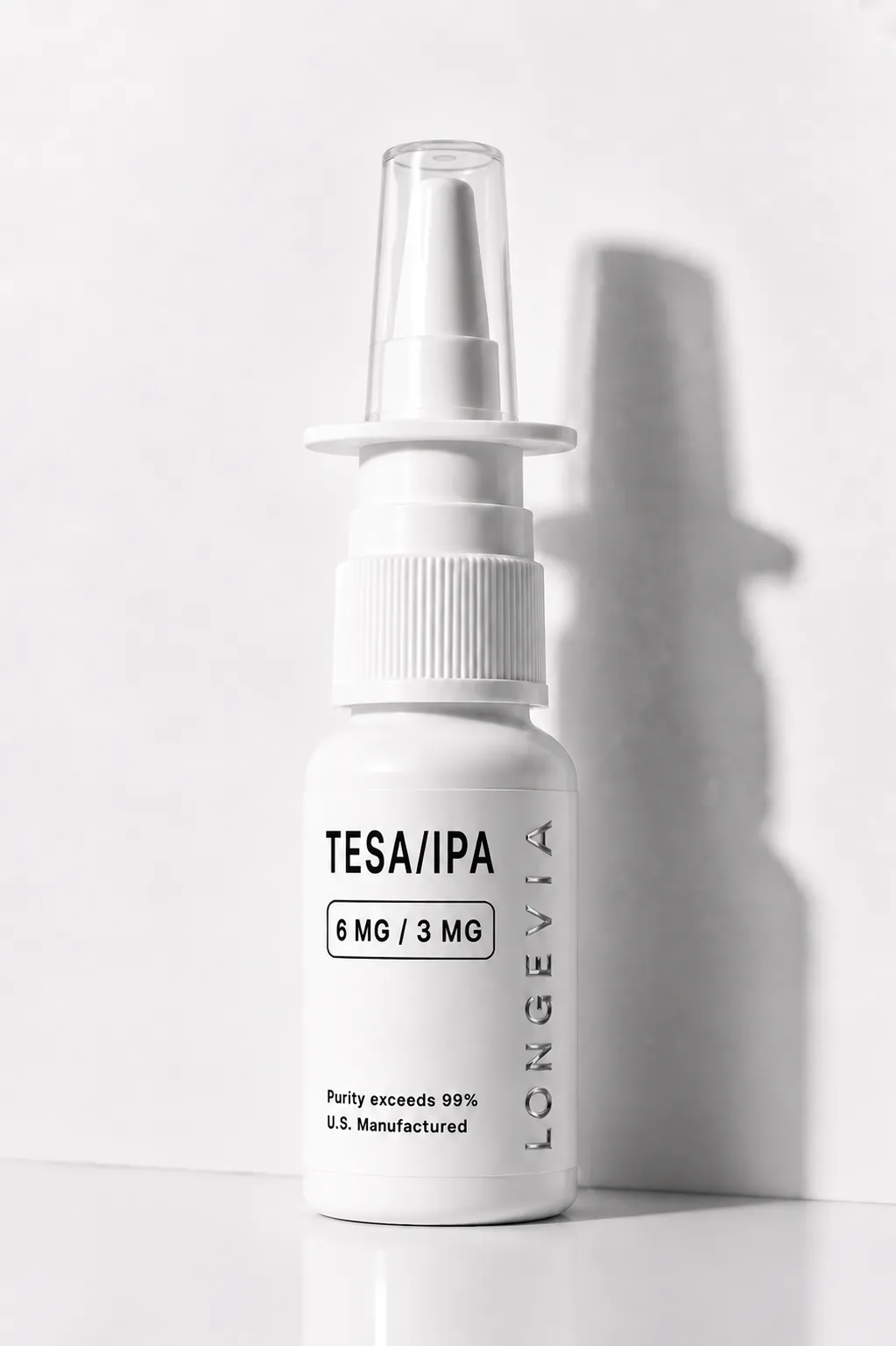
Longevia Research supplies Tesa/IPA — a two-peptide research formulation containing Tesamorelin (CAS 218949-48-5), a synthetic GHRH analog, and Ipamorelin (CAS 170851-70-4), a growth hormone secretagogue associated with GHS-R/ghrelin receptor signaling. Available in 6mg/3mg and 13mg/3mg compositions, 45 sprays. Research Use Only.
$225.00
Slide to add
Tesamorelin Spray
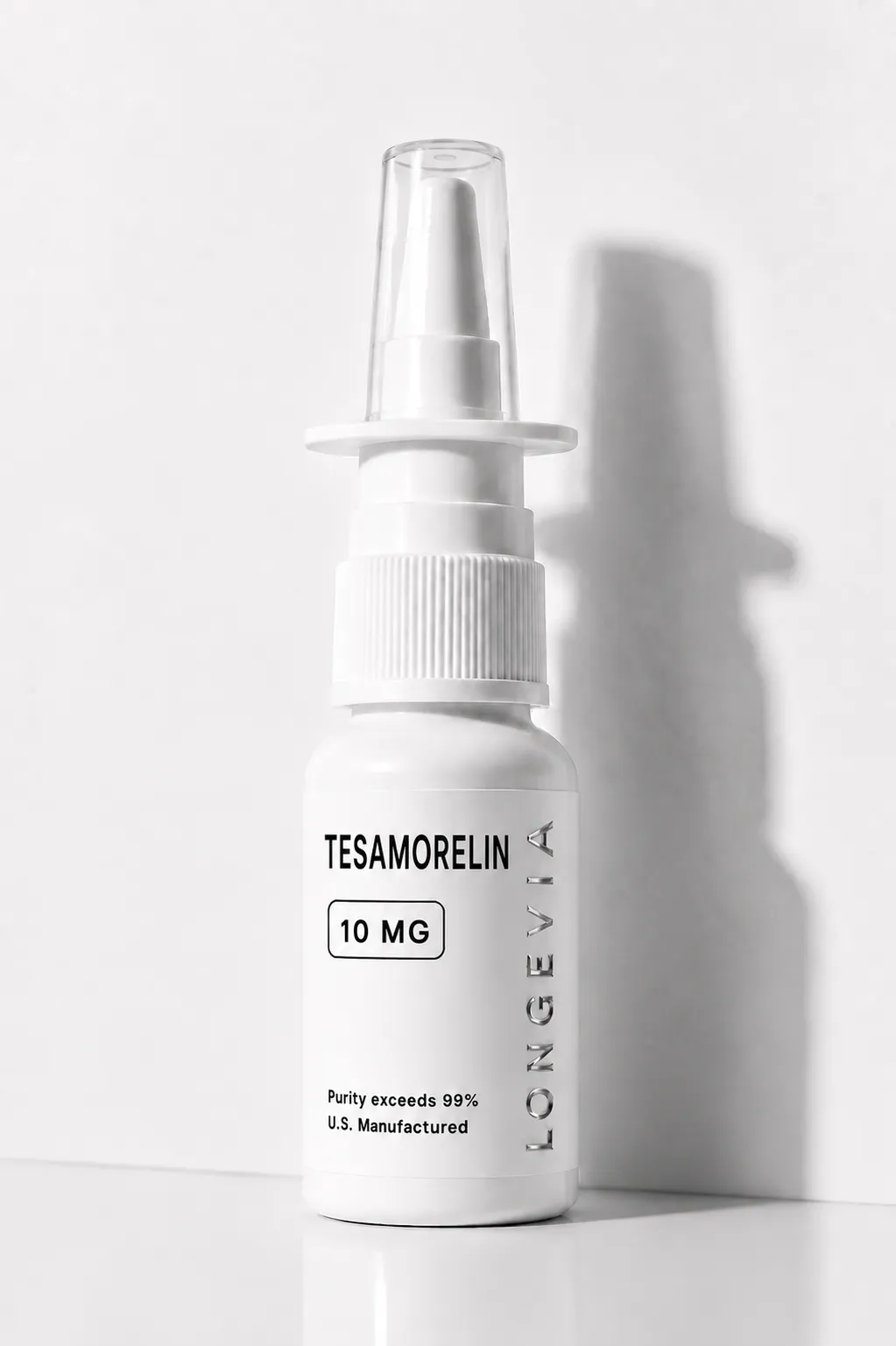
Longevia Research supplies Tesamorelin in 10mg and 20mg quantities in a 45-spray format for qualified laboratory research. Tesamorelin (CAS 218949-48-5) is a synthetic GHRH analog and Class B GPCR agonist investigated in GHRH receptor pharmacology, pituitary somatotroph signaling, and GH/IGF-1 axis research. Research Use Only.
$270.00
Slide to add
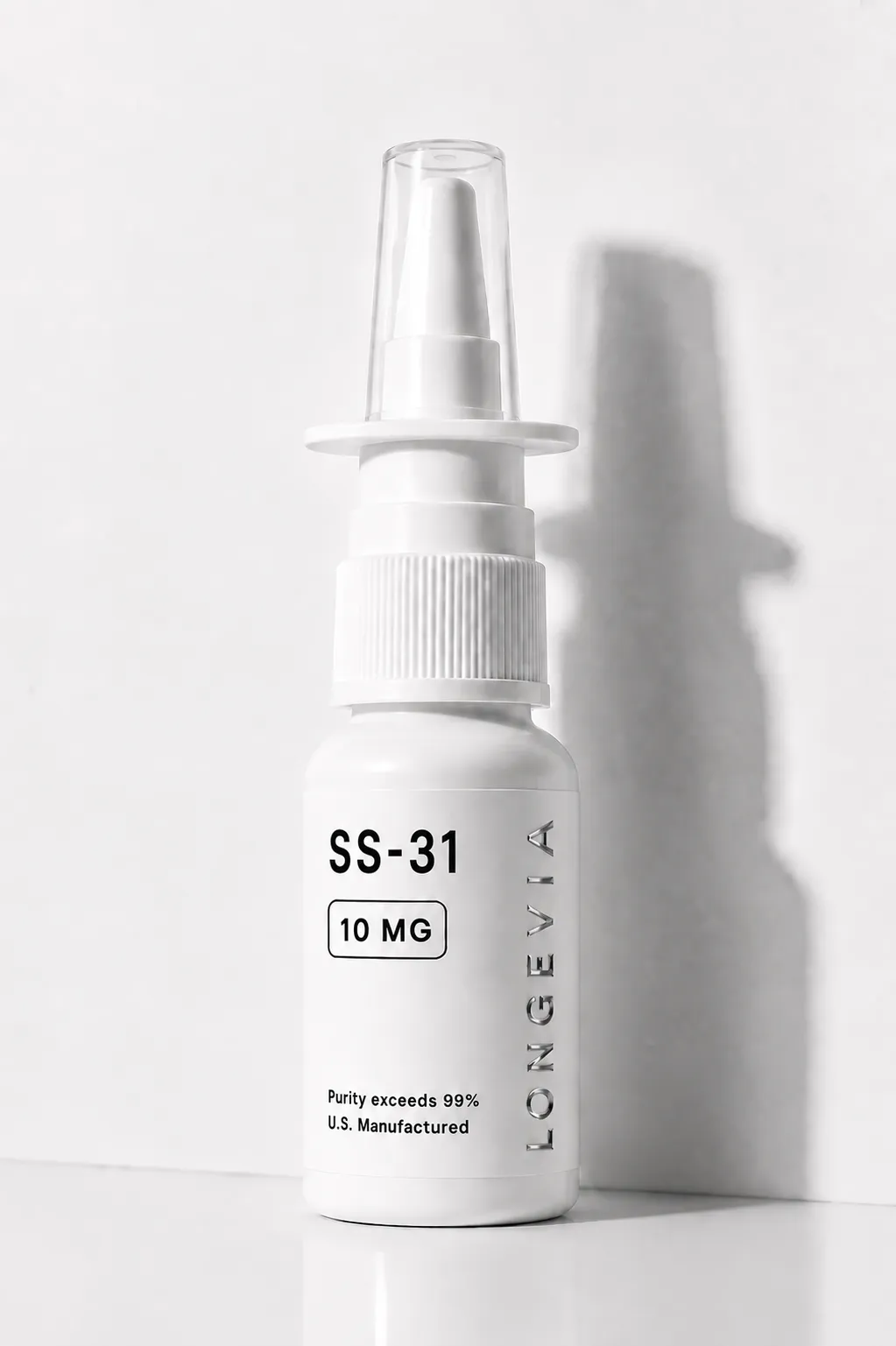
SS-31 — Spray
Longevia Research supplies SS-31 (elamipretide / MTP-131) in 10mg and 50mg quantities, 45-spray format, for qualified laboratory research. SS-31 is a synthetic mitochondria-targeted tetrapeptide investigated in cardiolipin, mitochondrial membrane biology, and mitochondrial bioenergetics research. Research Use Only.
$198.00
Slide to add
SNAP-8 — Spray
Longevia Research supplies SNAP-8 (Acetyl Octapeptide-3) in 10mg and 20mg quantities, 45-spray format, for qualified laboratory research. SNAP-8 is a synthetic acetylated octapeptide associated with SNAP-25 and SNARE-complex biology, investigated in neurotransmitter-release and vesicle-fusion research. Research Use Only.
$130.50
Slide to add
Product FAQs
Find answers to common questions regarding storage, reconstitution, and testing guidelines for this specific compound.