Longevity Research
SNAP-8 — Spray
$198.00
1
Slide to Add
Purity≥99% Tested
TestingLC-MS Verified
LocationUS Based
SNAP-8 — designated in cosmetic-ingredient nomenclature as Acetyl Octapeptide-3 — is a synthetic acetylated octapeptide with the sequence Ac-Glu-Glu-Met-Gln-Arg-Arg-Ala-Asp, corresponding to the N-terminal region of SNAP-25 (synaptosomal-associated protein 25), a core component of the neuronal SNARE (soluble NSF attachment protein receptor) complex involved in synaptic vesicle fusion and neurotransmitter release. The SNARE complex — formed by SNAP-25, syntaxin-1, and synaptobrevin/VAMP — mediates the membrane fusion events underlying regulated exocytosis of neurotransmitters at synaptic terminals. Research investigating SNAP-8 has examined its potential molecular interactions with the SNARE-assembly system, with proposed mechanisms involving competition with or modulation of SNAP-25 interactions within the complex — mechanisms that remain under active scientific investigation and should not be conflated with the established enzymatic cleavage mechanisms of botulinum neurotoxins, which are entirely distinct from SNAP-8 at both the molecular and mechanistic levels. SNAP-8's published research profile is primarily associated with cosmetic-science investigations examining topical formulations containing this compound in the context of facial-muscle biology and appearance-related endpoints; these cosmetic-science findings are specific to the formulations studied and do not characterize the biological properties of the isolated synthetic compound or the Longevia Research spray preparation. Longevia Research supplies SNAP-8 in two stated quantity variants — 10mg and 20mg — each in a liquid spray format containing 45 sprays per bottle, for qualified laboratory and scientific research purposes only.
Standard Delivery3-4 Working Days
Free ShippingOn all orders above $300
Product Details
Scientific identity: SNAP-8 / Acetyl Octapeptide-3 (CAS 868844-74-0); sequence Ac-Glu-Glu-Met-Gln-Arg-Arg-Ala-Asp (Ac-EEMQRRAD); molecular weight approximately 1,075 Da; 8-residue N-acetylated octapeptide; sequence corresponding to the N-terminal region of SNAP-25 within the first SNARE domain (SN1).
Compound class: Synthetic acetylated octapeptide; SNAP-25-derived research compound; Research Use Only — not a drug, dietary supplement, cosmetic, or food.
C-terminal modification note
Different published sources and commercial preparations describe the C-terminus as either a free acid (-OH; molecular formula C₄₁H₆₉N₁₅O₁₇S) or a primary amide (-NH₂; C₄₁H₇₀N₁₆O₁₆S), with approximately similar molecular weights in both cases; the specific C-terminal form of this Longevia Research product should be confirmed from product documentation.
SNAP-25 and SNARE system context
SNAP-25 is a 206-amino-acid peripheral membrane protein contributing two SNARE domain helices (SN1 and SN2) to the four-helix SNARE bundle — a unique two-helix contribution reflecting its functional importance in neuronal exocytosis; SNAP-8's sequence corresponds to the N-terminal portion of the SN1 domain; SNARE-complex assembly proceeds through acceptor-complex formation (syntaxin-1 + SNAP-25), trans-SNARE complex formation with synaptobrevin/VAMP-2, N-to-C zipper-driven membrane fusion, and NSF/αSNAP-mediated disassembly for recycling.
Proposed mechanism
SNAP-8 is proposed to present the N-terminal SNAP-25 sequence as a synthetic fragment that may compete with or modulate endogenous SNAP-25 molecular interactions during SNARE-complex assembly; this mechanism does not involve enzymatic activity; the extent to which this proposed mechanism operates effectively in biological systems — at what concentrations, in what cellular compartments, and with what functional consequences — remains under experimental investigation and should not be presented as established.
Critical distinction from botulinum neurotoxins
SNAP-8 is not a botulinum neurotoxin; it is a synthetic octapeptide with no enzymatic activity, no protein-toxin character, and no bacterial origin; botulinum neurotoxins are large bacterial zinc-metalloprotease complexes (~150 kDa) that cleave SNARE proteins at specific peptide bonds (BoNT/A and BoNT/E cleave SNAP-25; BoNT/B/D/F/G cleave synaptobrevin); SNAP-8 should not be described as a "Botox alternative" or equivalent of any botulinum toxin preparation.
Product content: Available in two variants — 10mg per bottle and 20mg per bottle; 45 sprays per bottle for both variants.
Physical form: Liquid research spray.
Purity: Research-grade.
Analytical documentation
A batch-specific Certificate of Analysis is available on the Longevia Research website, covering compound identity, purity, and lot traceability; identity confirmation should include mass spectrometric verification at approximately 1,075 Da and confirmation of the N-terminal acetylation and C-terminal modification form; the methionine residue at position 3 (Met3) represents a potential oxidation site relevant to storage stability and analytical characterization.
Research-use classification
Research Use Only; not approved for human or veterinary use; not intended for administration to humans or animals; not a cosmetic product in this format.
Research Focus & Mechanism Overview
Research background
The scientific interest in SNAP-8 arises from the central importance of SNAP-25 and the SNARE complex in regulated exocytosis — one of the most conserved and precisely controlled cellular processes in biology. The SNARE hypothesis of membrane fusion, developed through biochemical and structural studies in the late 1980s and 1990s, established that SNARE proteins on opposing membranes form coiled-coil bundles providing the mechanical force for lipid-bilayer fusion — identifying SNAP-25 as essential to the neuronal SNARE complex and explaining how botulinum and tetanus neurotoxins disrupt vesicle fusion through enzymatic SNARE-protein cleavage. The research hypothesis behind SNAP-8 draws on this framework differently: rather than enzymatic cleavage, SNAP-8 is proposed to act as a competitive synthetic fragment that may modulate SNARE-complex molecular interactions — a distinct and less well-characterized proposed mechanism that has been investigated in molecular interaction studies and cosmetic-science research contexts.
Molecular and cellular research
SNAP-25 biology research has characterized the protein's two-SNARE-domain architecture, its palmitoylation-mediated membrane association, and the structural determinants of its participation in the four-helix SNARE bundle. Cell-based and biochemical research has examined SNARE-complex assembly kinetics, protein-protein interaction stoichiometry, and the consequences of SNARE-domain perturbation for vesicle fusion efficiency in model exocytosis systems. SNAP-8's proposed interaction with SNARE-complex components has been examined in molecular interaction studies — including protein-peptide binding assays and related biochemical approaches — generating molecular-level observations that require validation in cellular and physiological systems before functional conclusions can be drawn. The biological pathway from SNARE-complex modulation to neurotransmitter release at the neuromuscular junction (NMJ) involves multiple intervening steps; research observations at the molecular level are not equivalent to established effects on acetylcholine release or muscle contraction in biological systems.
Cosmetic-science research context and limitations
The primary literature base for SNAP-8 is cosmetic science — the compound was developed and investigated primarily in cosmetic formulation research, with published studies evaluating topical preparations using appearance-related endpoints (facial-line depth measurements, skin texture assessments, photographic evaluations) in consumer populations under topical application protocols. When interpreting this literature in relation to the Longevia Research spray, critical distinctions apply: cosmetic studies used specific topical formulations in defined excipient matrices; topical application involves different biological barriers and absorption characteristics from any other route; appearance-related endpoints are not the same as molecular or cellular endpoints used in research science; and cosmetic-science studies typically have smaller sample sizes, shorter durations, and less rigorous controls than pharmaceutical clinical trials. Findings from topical cosmetic research do not establish properties of the Longevia Research spray formulation, for which no pharmacokinetic or bioavailability data are stated. SNAP-8 is used as a cosmetic ingredient in various markets subject to cosmetic ingredient regulations; it is not an approved pharmaceutical drug for any indication in any jurisdiction; the Longevia Research preparation is a research compound, not a cosmetic product, and carries a Research Use Only designation.
Quality & Purity Standards
For a synthetic acetylated octapeptide such as SNAP-8, research-grade quality assessment must address several analytically significant features: the N-terminal acetyl group (which defines the compound's identity relative to unacetylated EEMQRRAD), the C-terminal modification (free acid vs. amide, which affects molecular weight and potentially biological activity in assay systems), and the integrity of the methionine residue at position 3 (susceptible to oxidation). The compound's identity in the context of SNARE-related research requires that the peptide sequence corresponds to the intended SNAP-25 N-terminal region and that the acetylation is present and intact.
Research-grade quality assessment for SNAP-8 appropriately involves:
Peptide identity and sequence verification: Confirmation of the eight-residue sequence Ac-Glu-Glu-Met-Gln-Arg-Arg-Ala-Asp using LC-MS/MS tandem mass spectrometry, verifying both the amino-acid sequence and the N-terminal acetyl modification.
N-terminal acetylation verification: Analytical confirmation that the acetyl group is present at the N-terminus (Glu1-Ac), distinguishing SNAP-8 from the unacetylated parent peptide.
C-terminal modification verification: Confirmation of whether the C-terminus is a free acid (Asp-OH) or an amide (Asp-NH₂) — the two forms have different masses (~1 Da apart) and the distinction is relevant for certain research applications.
Molecular mass confirmation: High-resolution mass spectrometry (HRMS) to confirm the molecular mass (~1075 Da) consistent with the CAS registry entry 868844-74-0.
Methionine oxidation state: Given the Met residue at position 3, analytical verification that methionine is in its reduced (thioether) state rather than the oxidized sulfoxide form (+16 Da) is relevant for research applications where this modification may affect peptide behavior in molecular interaction studies.
Purity assessment: Reversed-phase HPLC or UHPLC to evaluate chemical purity and quantify related substances, oxidation products, or synthesis-related impurities.
Batch documentation and traceability: Provision of batch-specific analytical records enabling traceability from synthesis through supply.
Longevia Research's quality approach is oriented toward providing researchers with well-characterized peptides supported by appropriate analytical documentation. Researchers should consult current product documentation and available certificates of analysis for batch-specific data.
No specific purity grade, third-party certification, cGMP status, or independent laboratory verification is stated for this listing. Researchers requiring documentation of specific quality parameters should contact Longevia Research directly.
Compliance Notice
FOR RESEARCH USE ONLY. NOT FOR HUMAN CONSUMPTION. NOT FOR VETERINARY USE.
SNAP-8 10mg / 20mg — 45 Sprays, as supplied by Longevia Research, are intended exclusively for qualified laboratory and scientific research conducted by trained professionals in appropriate research settings. These products are not drugs, dietary supplements, food, or cosmetics. They have not been evaluated or approved by the U.S. Food and Drug Administration, the European Medicines Agency, or any other regulatory authority for use as therapeutic, prophylactic, or diagnostic agents in humans or animals.
These products are not intended to diagnose, treat, cure, or prevent any disease, condition, or health-related outcome.
Distinction from botulinum neurotoxins: SNAP-8 is a synthetic peptide associated with the N-terminal SNAP-25 sequence and is not a botulinum neurotoxin, not a pharmaceutical botulinum toxin preparation, and does not have the enzymatic activity or mechanism of action of botulinum neurotoxins. It should not be described as or compared to Botox, OnabotulinumtoxinA, AbobotulinumtoxinA, IncobotulinumtoxinA, or any other pharmaceutical botulinum toxin product.
Formulation and route distinction: Published cosmetic-science research on SNAP-8 used topical formulations applied to the skin surface. Findings from those topical preparations — including any appearance-related endpoints — are specific to those formulations, concentrations, and application routes. They do not establish properties of the Longevia Research spray, which uses an unstated formulation with different delivery characteristics.
Evidence scope: Research on SNAP-8 — including molecular interaction studies, cell-based research, and cosmetic-science studies — does not establish the safety, efficacy, bioavailability, or pharmacokinetics of the Longevia Research spray products. Research involving SNAP-25 biology or the SNARE complex more broadly does not automatically establish properties of the SNAP-8 peptide or this product.
Not a cosmetic: These Longevia Research products are research compounds, not cosmetic preparations. Their supply for Research Use Only purposes does not imply that they are suitable for application to human skin, use in cosmetic formulations, or any cosmetic purpose.
Purchasers are solely responsible for ensuring that acquisition, possession, storage, handling, use, and disposal of these products comply with all applicable local, state, national, and international laws and regulations governing research compounds. Longevia Research makes no warranties regarding the suitability of these products for any specific research application. These products should be handled by qualified personnel following appropriate laboratory safety protocols.
By purchasing these products, the purchaser confirms that they are a qualified researcher or research professional acquiring this compound for legitimate scientific research purposes only.
Continue Exploring
Also Considered.
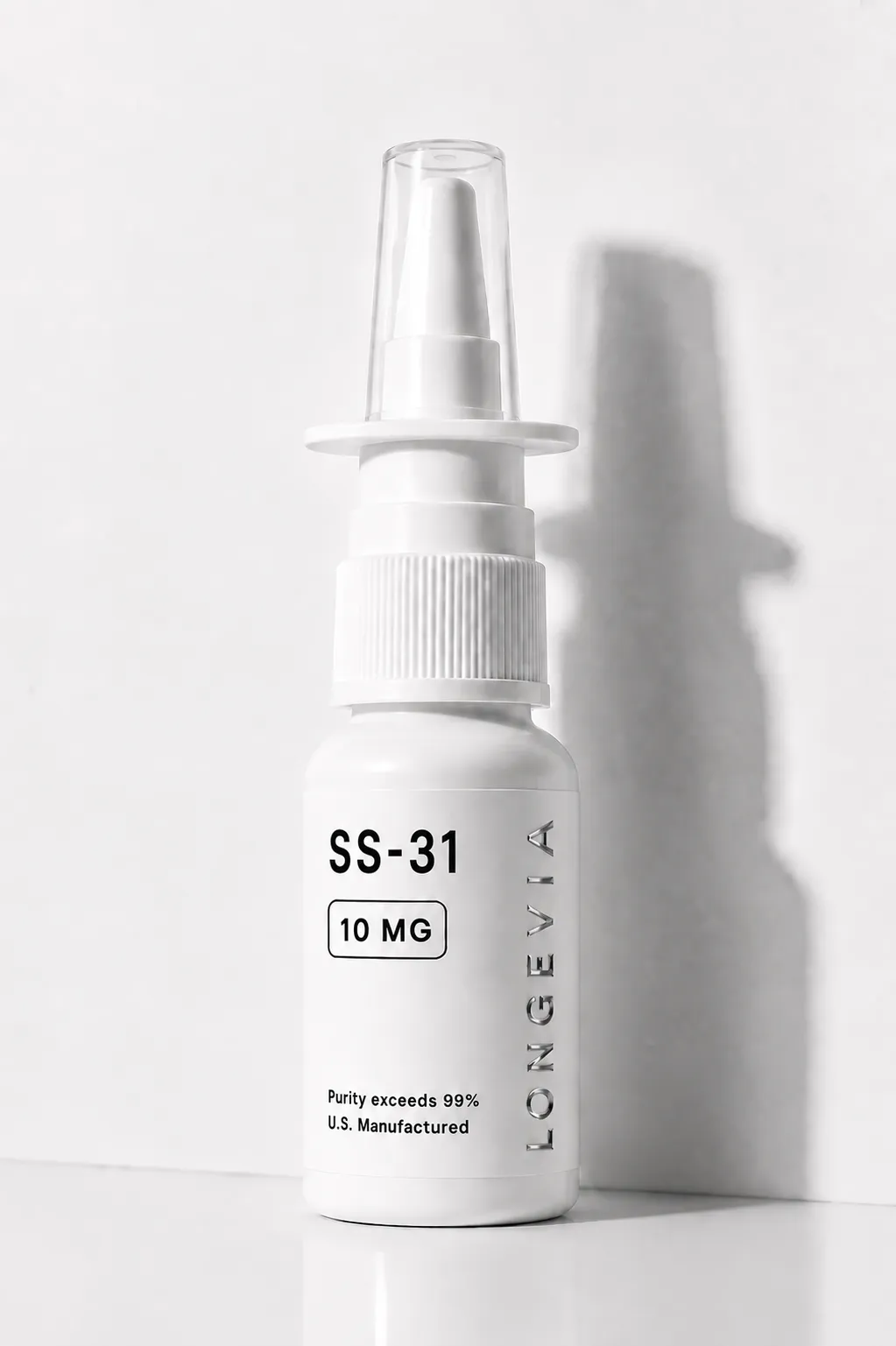
SS-31 — Spray
Longevia Research supplies SS-31 (elamipretide / MTP-131) in 10mg and 50mg quantities, 45-spray format, for qualified laboratory research. SS-31 is a synthetic mitochondria-targeted tetrapeptide investigated in cardiolipin, mitochondrial membrane biology, and mitochondrial bioenergetics research. Research Use Only.
$198.00
Slide to add
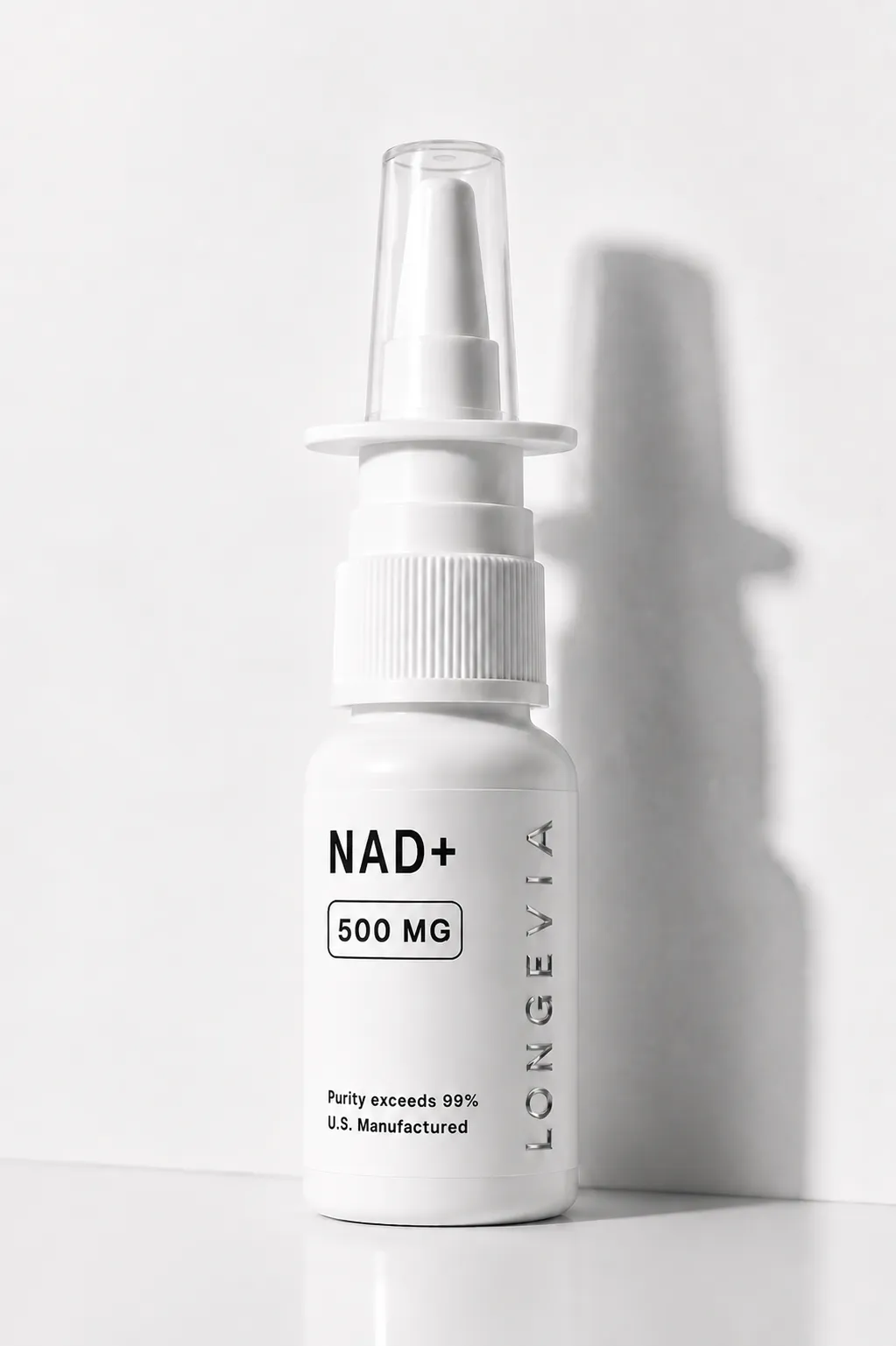
NAD+ Spray
Longevia Research supplies NAD+ (nicotinamide adenine dinucleotide) in 500mg and 1000mg quantities, 45-spray format, for qualified laboratory research. NAD+ is a redox-active dinucleotide coenzyme central to cellular metabolism, mitochondrial biology, sirtuin and PARP research. Research Use Only.
$162.00
Slide to add
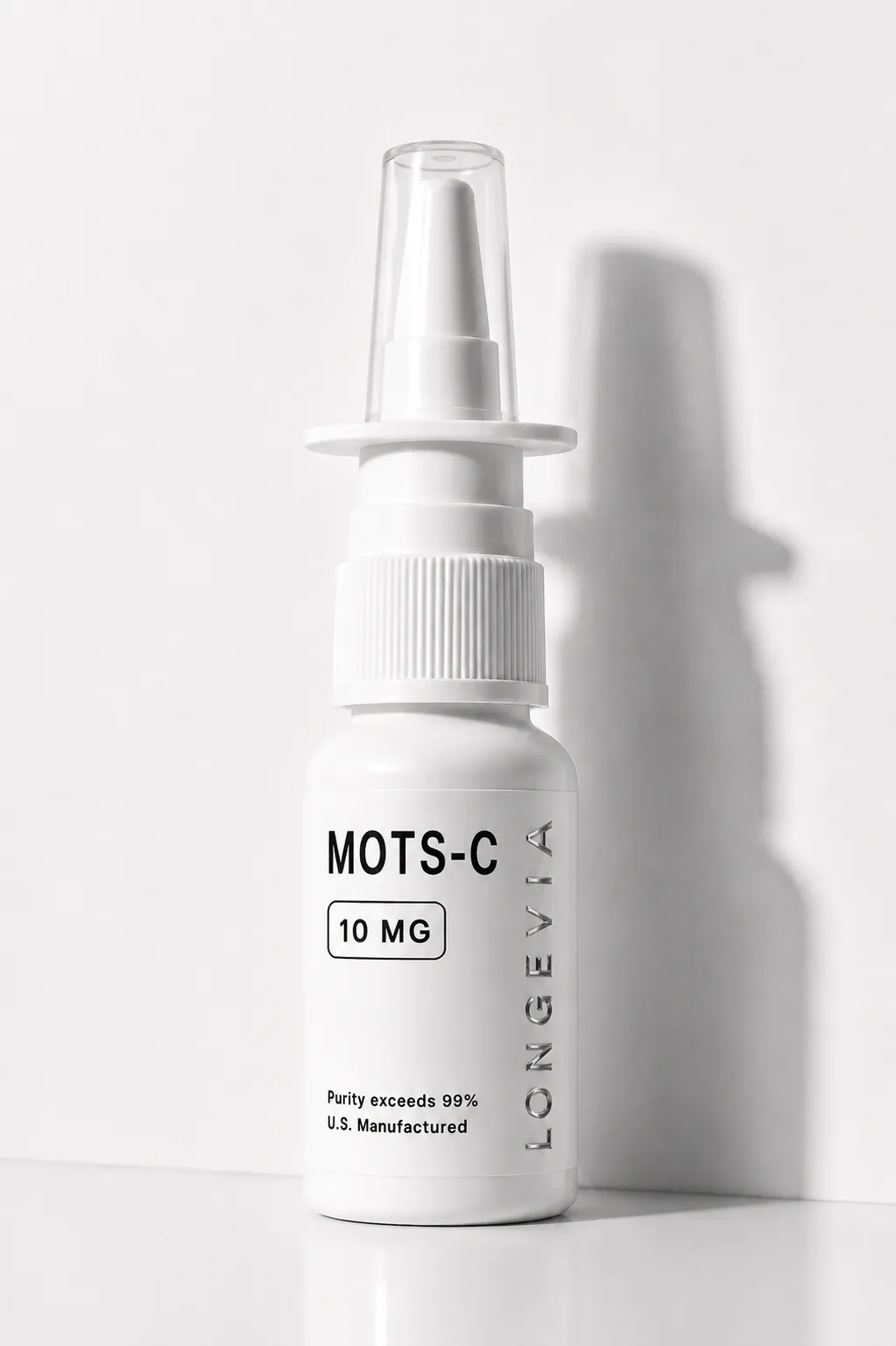
MOTS-C Spray
Longevia Research supplies MOTS-C in 10mg and 40mg quantities, 45-spray format, for qualified laboratory research. MOTS-C is a mitochondrial-derived peptide (MDP) investigated in research involving mitochondrial biology, cellular metabolism, AMPK-related signaling, and stress-response pathways. Research Use Only.
$162.00
Slide to add
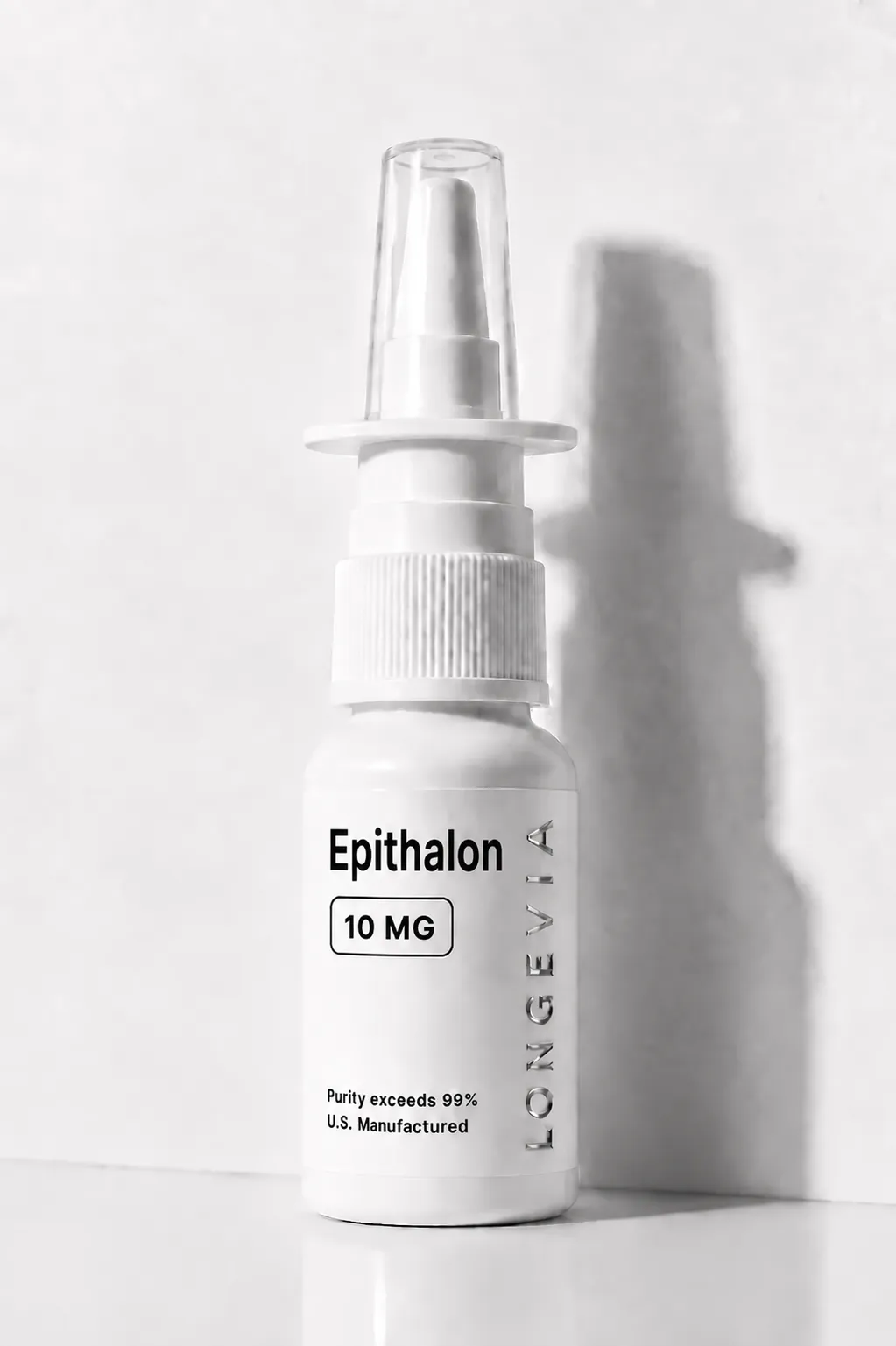
Epithalon — Spray
Epithalon (Epitalon) is a synthetic AEDG tetrapeptide investigated in experimental research involving cellular aging biology, telomere-related mechanisms, and pineal biology. Available from Longevia Research in 10mg and 50mg — 45 sprays — for qualified laboratory research use only.
$153.00
Slide to add
Product FAQs
Find answers to common questions regarding storage, reconstitution, and testing guidelines for this specific compound.