Longevity Research
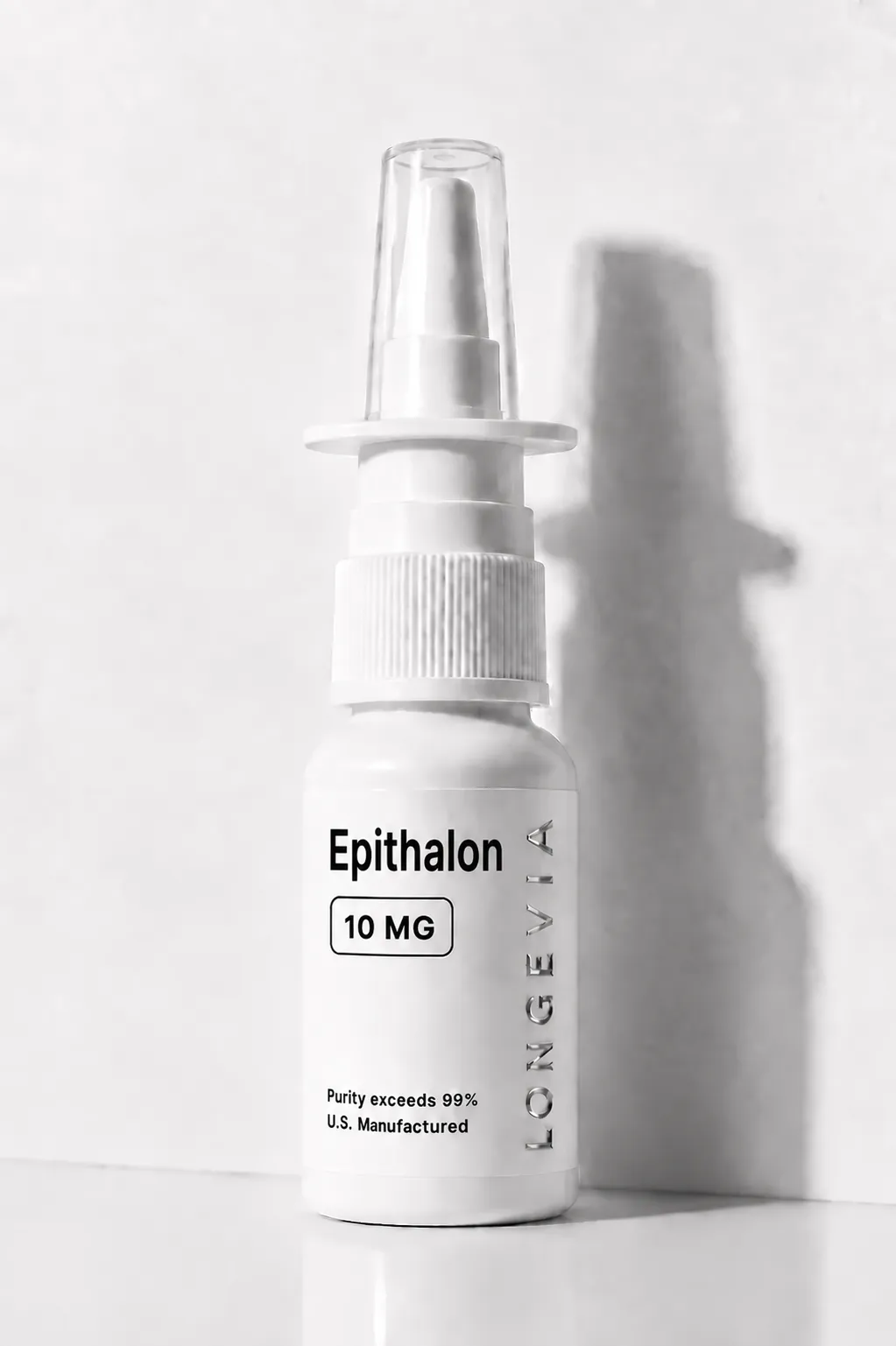
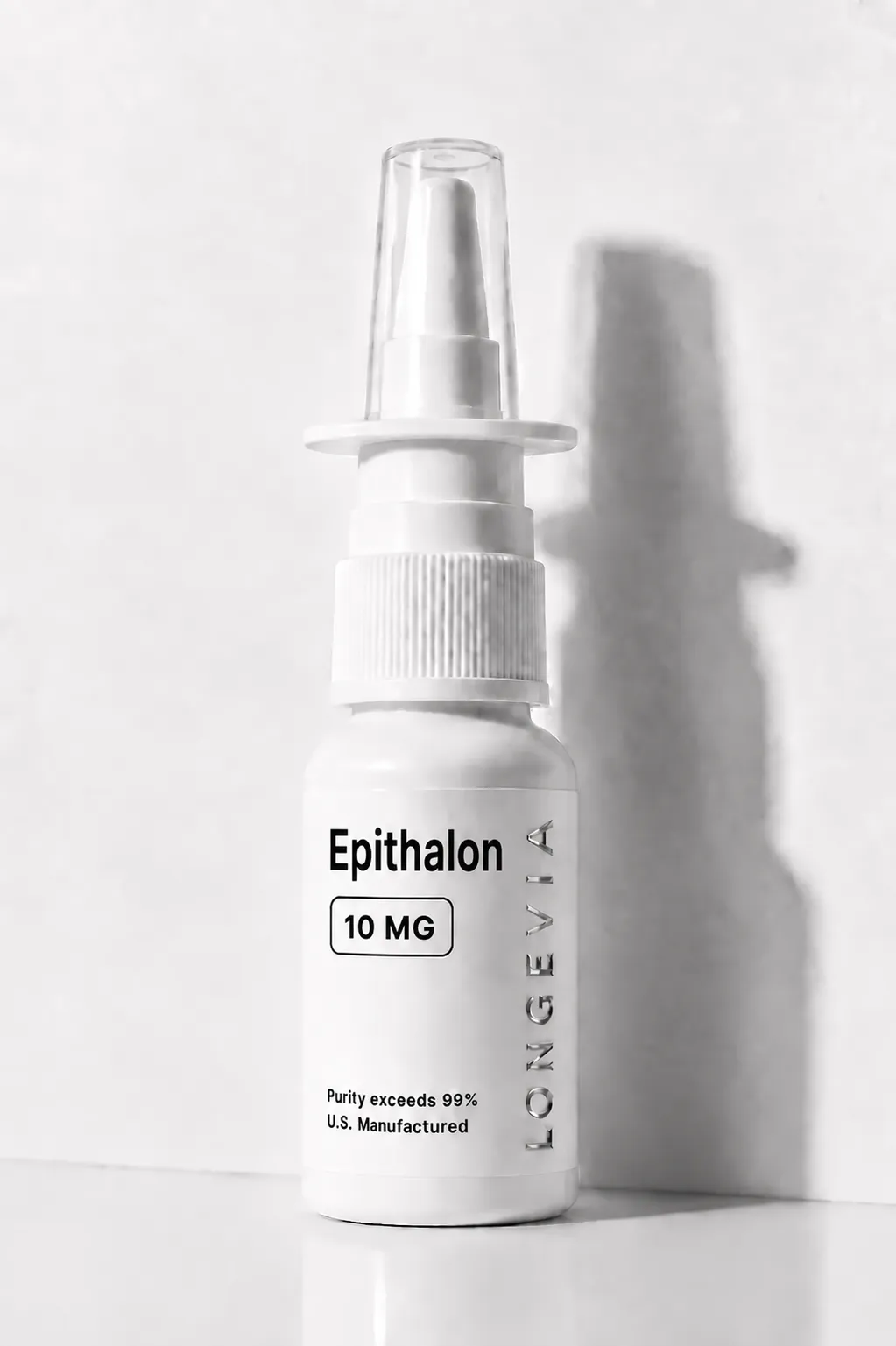
Epithalon 10mg and 50mg — 45 Sprays
$153.00
1
Slide to Add
Purity≥99% Tested
TestingLC-MS Verified
LocationUS Based
Epithalon (also referred to as Epitalon) is a synthetic tetrapeptide composed of four amino acid residues in the sequence Ala-Glu-Asp-Gly (AEDG). It originated from research into short peptide bioregulators and has been investigated in experimental research involving cellular biology, aging-associated molecular processes, telomere-related mechanisms, and pineal gland biology. Scientific interest in Epithalon spans multiple experimental disciplines — including telomerase-related activity in cell culture systems, gene-expression regulation in aging-associated experimental models, melatonin synthesis pathways in animal models, and oxidative stress parameters in preclinical systems. All research findings associated with Epithalon arise from preclinical, cell-based, or biochemical experimental contexts and do not establish human safety or therapeutic efficacy. Longevia Research supplies Epithalon in two stated quantity variants — 10mg and 50mg — each in a liquid spray format containing 45 sprays per bottle, for qualified laboratory and scientific research purposes only.
Standard Delivery3-4 Working Days
Free ShippingOn all orders above $300
Product Details
Scientific identity
Epithalon (CAS 307297-39-8), also designated Epitalon and the AEDG peptide, is a synthetic tetrapeptide with the sequence Ala-Glu-Asp-Gly (one-letter: AEDG). Its molecular formula is C₁₄H₂₂N₄O₉ and molecular weight is approximately 390.35 g/mol. The compound is structurally derived from peptide fractions associated with pineal gland research.
Compound class
Synthetic tetrapeptide; peptide bioregulator research compound; cellular aging research tool. Classified as a Research Use Only material and is not a drug, dietary supplement, food, or cosmetic.
Molecular targets. No single definitively characterized receptor for Epithalon has been established in the published literature. Research has proposed and investigated associations with telomerase-related pathways in cell-based systems, transcriptional and epigenetic regulatory activity, melatonin synthesis and pineal biology in animal models, and oxidative stress pathways in preclinical and cell-based experimental systems. These represent areas of published experimental inquiry rather than confirmed mechanisms of action in humans.
Product content
Available in two variants: 10mg per bottle and 50mg per bottle; 45 sprays per bottle for both variants.
Physical form: Liquid research spray.
Purity: Research-grade.
Analytical documentation
A batch-specific Certificate of Analysis is available on the Longevia Research website, covering peptide identity, purity, and lot traceability.
Research-use classification
Research Use Only. Not approved for human or veterinary use. Not intended for administration to humans or animals.
Research Focus & Mechanism Overview
Research background
Epithalon's scientific history is closely tied to research on short peptide bioregulators conducted primarily from the 1970s onward, associated with the work of Vladimir Khavinson and colleagues at the Saint Petersburg Institute of Bioregulation and Gerontology. This research program examined ultra-short synthetic peptides — typically two to four amino acid residues — hypothesized to act as tissue-specific regulators of gene expression. Epithalon, corresponding to the sequence Ala-Glu-Asp-Gly, was developed as a synthetic analogue of a peptide fraction isolated from bovine pineal gland tissue, with early research examining potential influences on pineal function, melatonin-related biology, and cellular aging processes. Scientific interest intensified when experimental investigations began to report associations between Epithalon and telomerase-related activity in cell culture systems — findings that attracted attention given telomere shortening's position as a widely studied marker of cellular aging in experimental biology. These findings are discussed below; they arise from experimental laboratory contexts and do not establish that Epithalon has anti-aging effects in humans.
Proposed mechanisms and biological targets
The mechanism of action of Epithalon remains under investigation and no proposed mechanism has achieved full scientific consensus. Research has examined transcriptional and epigenetic modulation — the peptide bioregulator hypothesis proposes that ultra-short peptides may interact with DNA or chromatin-associated proteins to modulate gene transcription, though the molecular mechanism of such interaction has not been defined at the structural level. Cell-based studies have reported that Epithalon may influence telomerase activity in human somatic cells in culture, with the specific molecular targets involved — whether components of the telomerase ribonucleoprotein complex or upstream regulatory pathways — remaining unconfirmed; researchers should note that in-vitro telomerase activation does not automatically translate to telomere lengthening in living organisms. Animal model data have led to proposals that Epithalon may influence hypothalamic-pituitary-pineal axis activity and melatonin-related parameters, though the mechanism through which a peripherally administered tetrapeptide might reach and influence pineal tissue has not been fully characterized. Preclinical and cell-based research has also examined effects on oxidative stress markers including lipid peroxidation and antioxidant enzyme activity in specific experimental systems. Published mechanistic proposals should be approached as working hypotheses rather than confirmed biological facts, and the mechanism of action of Epithalon in humans has not been established.
Key preclinical research areas
Published preclinical research spans cell-based telomerase and cellular aging studies — including Khavinson laboratory reports of telomerase activation in cultured human somatic cells with associated observations on telomere length and cellular lifespan in culture — and animal model studies examining melatonin secretion and pineal parameters in aged rodents, some of which reported changes in melatonin-related measures. Long-term rodent studies have examined cohort survival and cancer incidence parameters, with some studies reporting differences between experimental and control cohorts; animal survival data do not directly translate to predictions of human lifespan effects and are not equivalent to controlled clinical trials. Gene-expression studies have examined changes in cell cycle regulation, apoptosis, and aging-associated biological process genes following Epithalon treatment in cell or tissue preparations. All preclinical findings are reported to provide scientific context and do not constitute evidence of human therapeutic efficacy or safety.
Human research and regulatory status
A body of research literature associated primarily with the Russian peptide bioregulator research program describes human investigations involving Epithalon in populations including elderly individuals and patients with specific conditions, reporting observations regarding biological aging markers, immune parameters, and neuroendocrine measures. These investigations differ substantially in methodology, study design, control conditions, and regulatory context from randomized controlled trials required for modern clinical approval — they have not been replicated under FDA, EMA, or comparable regulatory body standards and are not sufficient to establish clinical efficacy or safety for any indication. Epithalon is not approved as a drug or therapeutic agent by any major regulatory authority for any human indication — including aging, aging-associated conditions, cancer, or sleep disorders. Early-phase or observational human data should not be interpreted as establishing clinical utility or a basis for personal use.
Quality & Purity Standards
For a research peptide defined by its molecular sequence, quality begins with identity. Epithalon — a synthetic tetrapeptide with the confirmed sequence Ala-Glu-Asp-Gly, molecular formula C₁₄H₂₂N₄O₉, and molecular weight of approximately 390.35 g/mol — must be analytically characterized at the level of the individual batch before it can serve as a reliable tool in any research application. In experimental systems where the compound of interest is a short peptide, even minor sequence errors, truncation products, or impurity profiles can significantly affect experimental outcomes and data reproducibility.
Peptide identity and sequence verification: The foundational requirement for any research-grade tetrapeptide is confirmation that the supplied compound corresponds to the correct molecular identity. For Epithalon, this means analytical evidence confirming the four-residue Ala-Glu-Asp-Gly sequence and the molecular weight of approximately 390.35 g/mol, distinguishing the intact target peptide from truncated sequences or synthesis byproducts.
Mass spectrometric characterization: Mass spectrometry — particularly electrospray ionization techniques — provides precise molecular weight confirmation capable of distinguishing correctly assembled tetrapeptide from deletion sequences, oxidized variants, or other synthetic artifacts. This type of characterization is central to establishing that the compound under study is the intended molecular entity.
Chromatographic purity assessment: High-performance liquid chromatography (HPLC) provides a complementary analytical dimension that separates the target peptide from co-eluting impurities and enables quantitative assessment of the batch's purity profile. Combined HPLC and mass spectrometric data give research teams the analytical foundation required for designing reproducible experiments and interpreting results with confidence.
Batch traceability: Linking experimental results to a defined, characterized preparation is a prerequisite for any research intended to generate publishable data or support reproducible findings across laboratories. Batch-specific documentation enables researchers to satisfy institutional and regulatory requirements governing the procurement and use of research chemicals and to attribute experimental outcomes to a known, analytically described material.
Spray format analytical considerations: Research peptides supplied in spray format require appropriate characterization of the formulated preparation, including evidence supporting homogeneity and stability. Researchers incorporating spray-format peptides into experimental workflows should verify that available analytical documentation addresses formulation-specific parameters relevant to their study design.
Longevia Research is committed to supplying peptide research compounds that support rigorous scientific inquiry. Researchers are encouraged to review available analytical documentation for this product prior to incorporating it into laboratory workflows.
Compliance Notice
Epithalon — supplied by Longevia Research in 10mg and 50mg quantities, 45 sprays per format — is intended strictly for research and laboratory use only. This product is not approved by the FDA or any global regulatory authority for human consumption, veterinary use, or therapeutic application. It is not a drug, dietary supplement, food, or cosmetic, and it is not manufactured, labeled, or sold as any of these under any applicable regulatory framework.
No claims made regarding Epithalon on this website are intended to diagnose, treat, cure, or prevent any disease or medical condition in humans or animals. The research findings summarized on this page arise from preclinical, cell-based, biochemical, and early observational research contexts. These findings do not establish human efficacy or safety for any application, and they do not constitute regulatory approval, clinical validation, or authorization for personal or therapeutic use.
This product is sold exclusively to qualified researchers, laboratories, and scientific institutions for in-vitro and non-clinical laboratory research purposes. It is not intended for personal use, self-administration, resale for human consumption, or any application outside of a controlled research environment. Purchasers are responsible for ensuring that the acquisition, possession, handling, storage, use, and disposal of this compound are conducted in full compliance with all applicable local, state, federal, and international laws and institutional policies governing research chemicals.
By purchasing Epithalon from Longevia Research, the buyer confirms they are acquiring the product for legitimate scientific research purposes, agrees to handle and store it in accordance with applicable laboratory safety standards, and assumes full responsibility for compliance with all laws and regulations governing the purchase and use of research chemicals in their jurisdiction.
Continue Exploring
Also Considered.
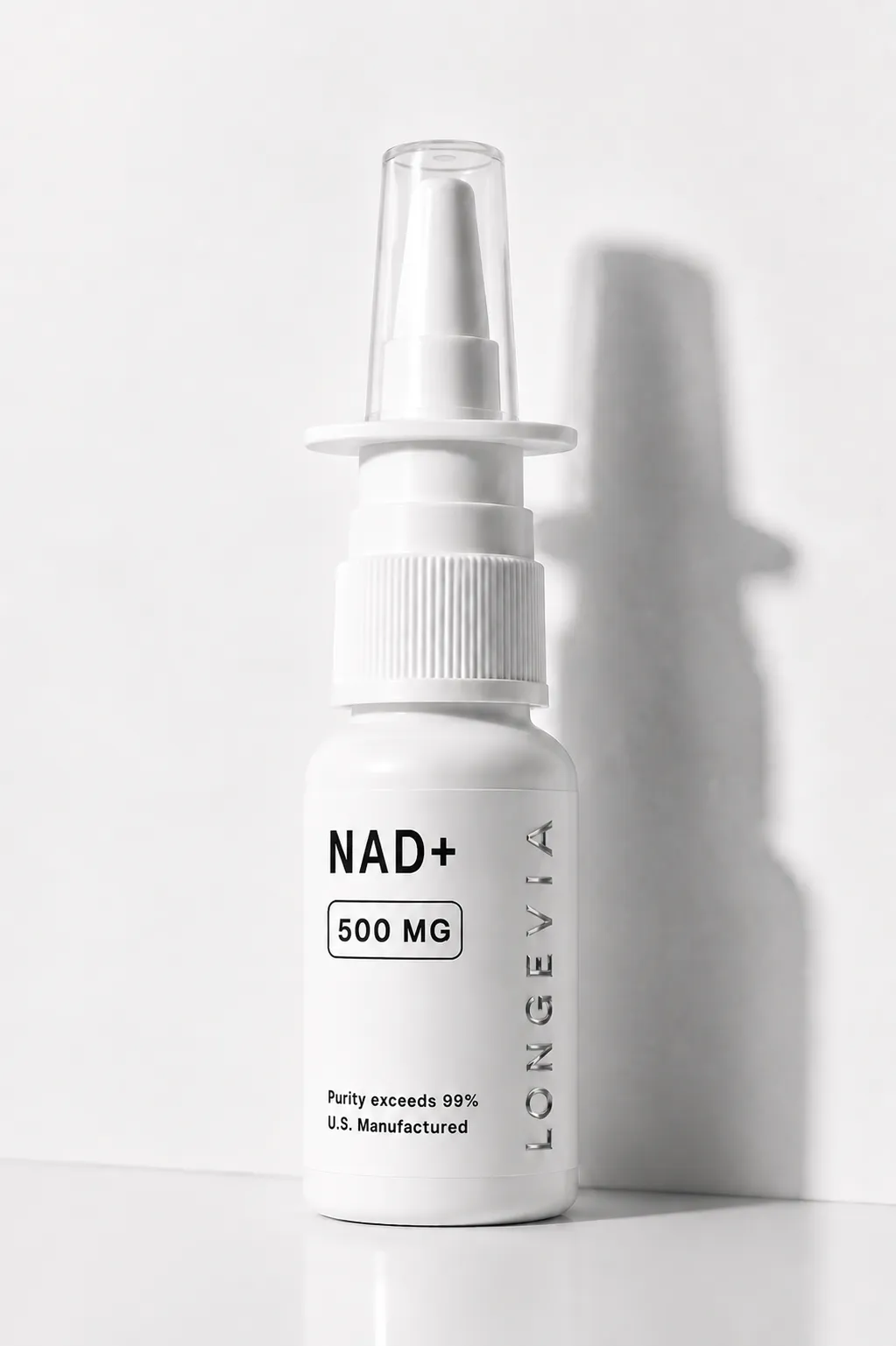
NAD+ 500mg and 1000mg Sprays
Longevia Research supplies NAD+ (nicotinamide adenine dinucleotide) in 500mg and 1000mg quantities, 45-spray format, for qualified laboratory research. NAD+ is a redox-active dinucleotide coenzyme central to cellular metabolism, mitochondrial biology, sirtuin and PARP research. Research Use Only.
$162.00
Slide to add
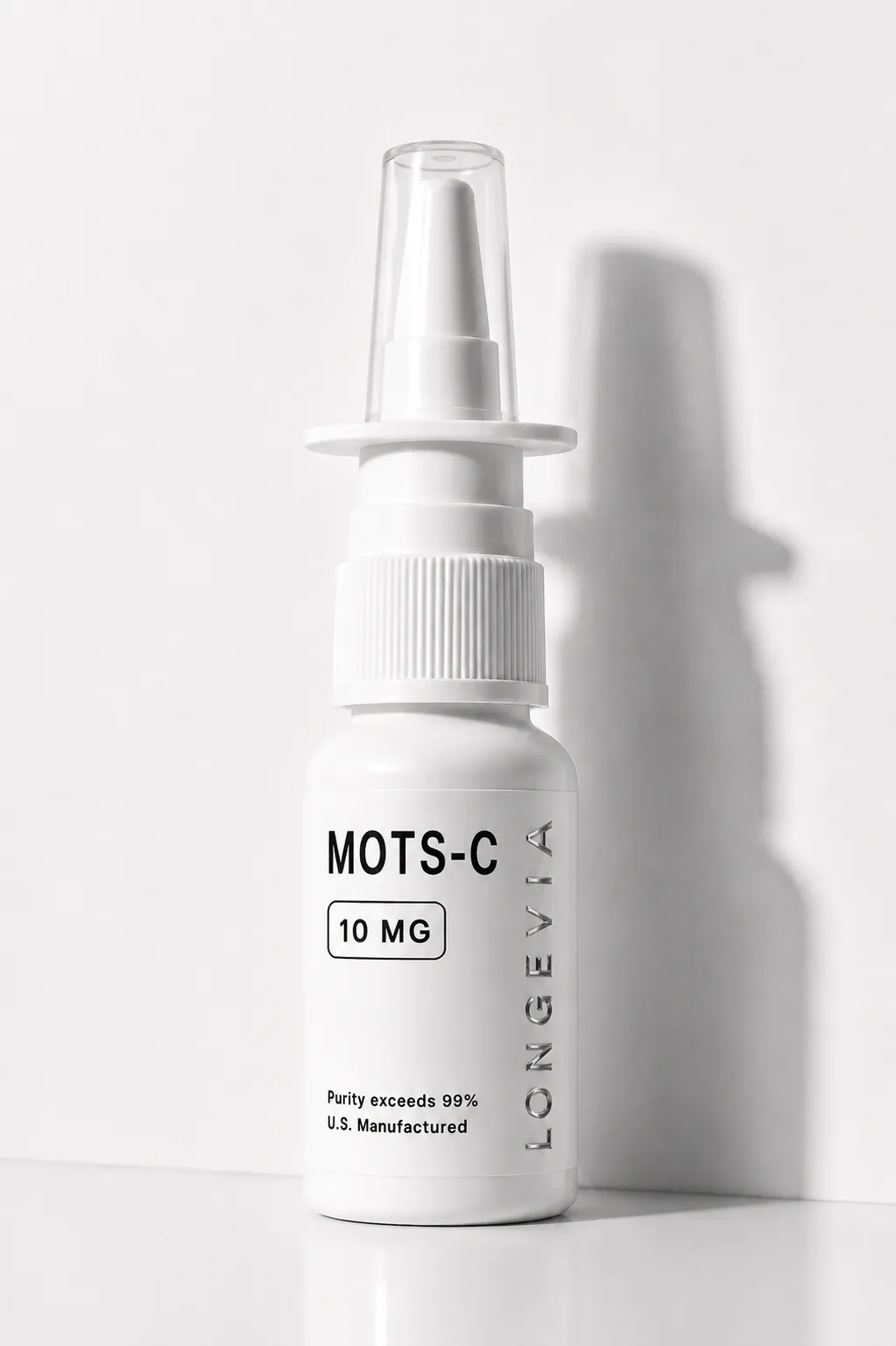
MOTS-C 10mg and 40mg Sprays
Longevia Research supplies MOTS-C in 10mg and 40mg quantities, 45-spray format, for qualified laboratory research. MOTS-C is a mitochondrial-derived peptide (MDP) investigated in research involving mitochondrial biology, cellular metabolism, AMPK-related signaling, and stress-response pathways. Research Use Only.
$162.00
Slide to add
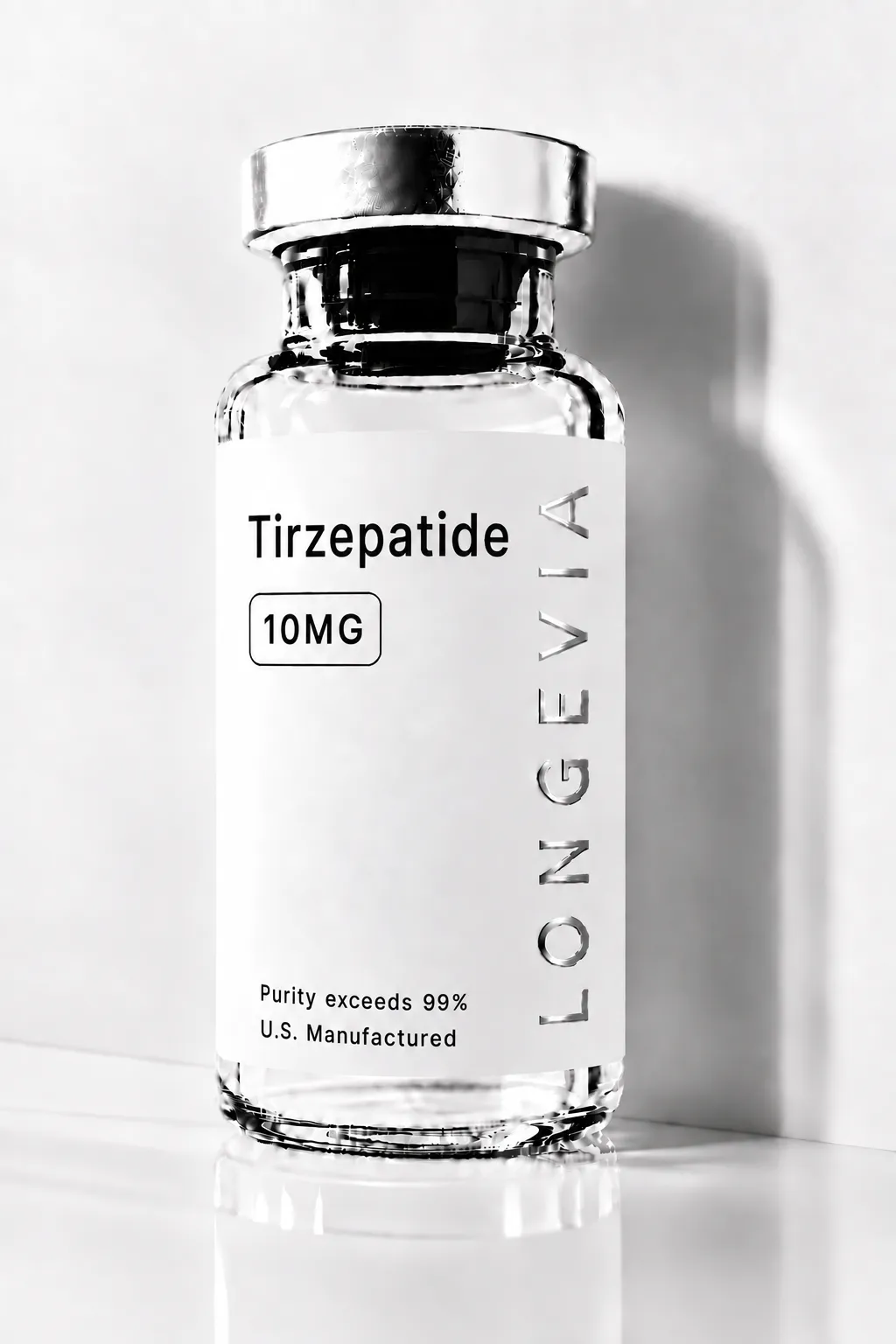
Tirzepatide
Tirzepatide is a synthetic dual GIP and GLP-1 receptor agonist peptide investigated in research involving incretin receptor pharmacology, glucose-dependent insulin secretion, and metabolic signaling biology. Available in 10mg, 20mg, 30mg, and 60mg vials. Research Use Only — Longevia Research.
$129.99
Slide to add
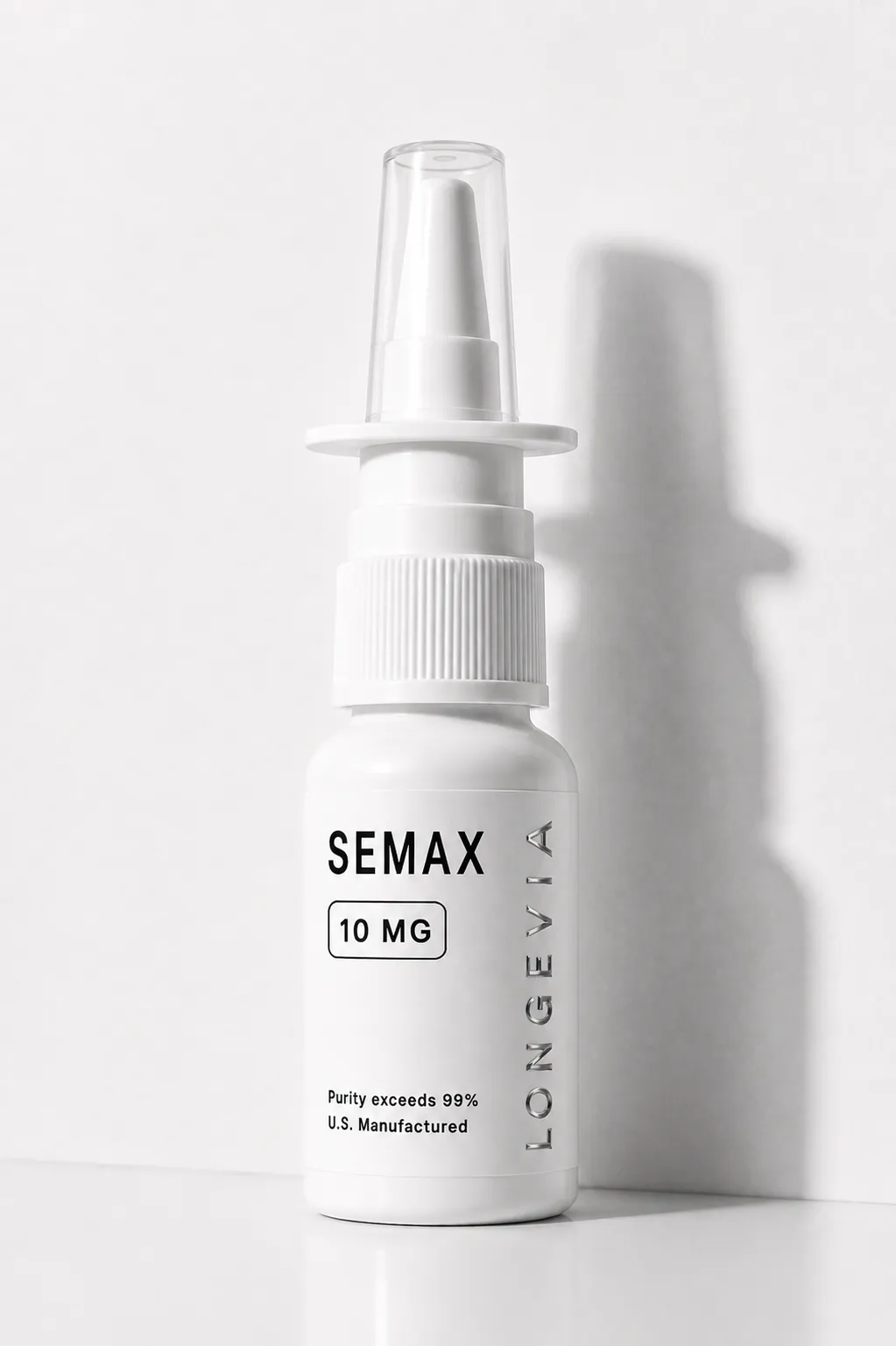
Semax Spray
Buy Semax Spray, a research-grade nootropic neuropeptide preparation in a convenient spray format studied for BDNF modulation and neuroprotective signaling research. COA-verified. Research use only.
$90.00
Slide to add
Product FAQs
Find answers to common questions regarding storage, reconstitution, and testing guidelines for this specific compound.