Immune Regulation
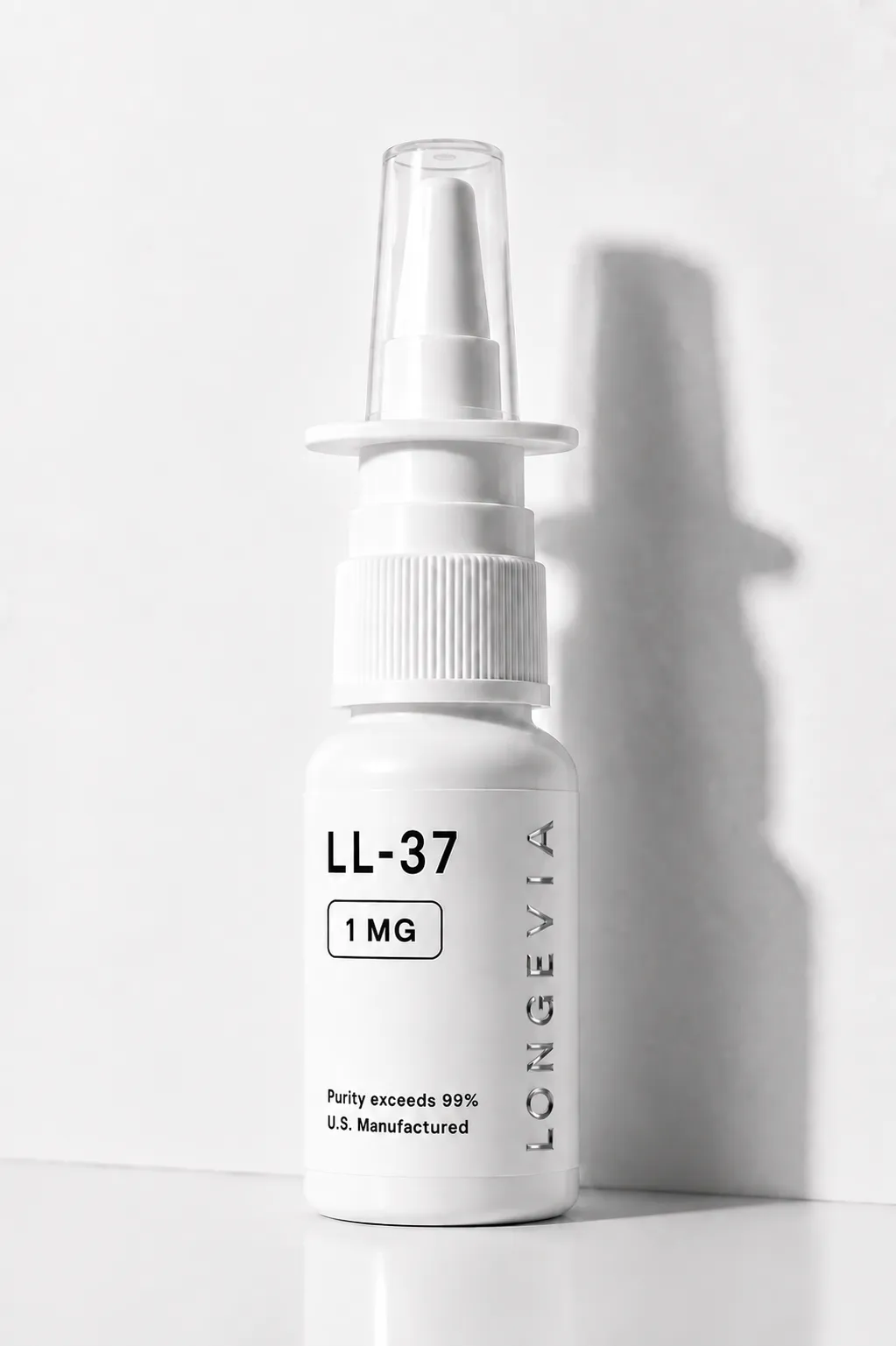
LL-37 1mg — 45 Sprays
$157.50
1
Slide to Add
Purity≥99% Tested
TestingLC-MS Verified
LocationUS Based
LL-37 is the mature antimicrobial compound released from hCAP18 — human cationic antimicrobial protein — the precursor protein encoded by CAMP, the only cathelicidin gene humans have. Cationic, amphipathic, and helical under specific solution conditions, LL-37 is a 37-residue host-defense compound that has been investigated across membrane biology, innate immune signaling, epithelial research, and antimicrobial compound chemistry in experimental systems ranging from biophysical characterization studies to controlled human trials. The name is also a specification: "LL" designates the two N-terminal leucines and "37" designates the total residue count — a material described as LL-37 that is not 37 residues beginning Leu-Leu is mislabelled. Three entities sit behind the name and are not interchangeable. CAMP is the gene. hCAP18 is the precursor protein. LL-37 is the mature 37-residue compound released by proteolytic cleavage of hCAP18, corresponding to residues 134–170 of the precursor. Research measuring hCAP18 has not necessarily measured mature LL-37, and research on CAMP transcription has measured neither. Longevia Research supplies LL-37 as 1mg per bottle in a liquid spray format — 45 sprays per bottle — for qualified laboratory and scientific research purposes only.
Standard Delivery3-4 Working Days
Free ShippingOn all orders above $300
Product Details
Scientific identity
LL-37, also designated human cathelicidin antimicrobial compound LL-37 or hCAP18(134–170), is the sole mature cathelicidin compound humans produce. It is encoded by the CAMP gene and released from the hCAP18 precursor protein by proteolytic cleavage — in neutrophils, proteinase 3 is the characterized protease. The unambiguous molecular identifier is UniProt P49913, residues 134–170. Its molecular formula is C₂₀₅H₃₄₀N₆₀O₅₃ and molecular weight is approximately 4,493.3 g/mol (average, free acid form), verified by independent calculation from the amino acid sequence.
Compound class
Cationic amphipathic antimicrobial compound; human cathelicidin; host-defense research material. LL-37 is classified as a Research Use Only material and is not a drug, dietary supplement, food, or cosmetic.
Sequence
LLGDFFRKSKEKIGKEFKRIVQRIKDFLRNLVPRTES (free acid at C-terminus). 37 amino acid residues; net side-chain charge +6 (6 Lys + 5 Arg − 2 Asp − 3 Glu). Contains no cysteine and no methionine residues — the absence of cysteine eliminates disulfide-linked dimerization, and the absence of methionine eliminates methionine oxidation as a degradation pathway.
Conformation note
LL-37 adopts an amphipathic α-helical conformation whose presence depends on the ionic composition and pH of its solution environment — not an intrinsic fixed property of the molecule. Published circular dichroism research reports helical content of approximately 10% in phosphate buffer, rising to approximately 95% in POPG liposomes, with helicity declining below pH 5. For LL-37, the vehicle is a conformational variable affecting biological behavior in experimental systems, not merely a formulation detail. Researchers should confirm vehicle composition and pH from product documentation before use.
CAS note
CAS number assignments for LL-37 are inconsistently applied across commercial databases. UniProt P49913, residues 134–170, is the unambiguous identifier. Researchers should confirm CAS information from lot-specific documentation.
Distinction from truncated analogues
Truncated forms including FF-33 (lacking the N-terminal Leu-Leu-Gly) and SK-29 are distinct research compounds in the published literature with different conformational preferences and different behavior in experimental assays. Mass spectrometric confirmation at approximately 4,493 g/mol distinguishes full-length LL-37 from these shorter forms. Purity and full-length sequence identity are distinct analytical questions.
Product content.:1mg per bottle; 45 sprays per bottle.
Physical form: Liquid research spray.
Purity: Research-grade.
Analytical documentation
A batch-specific Certificate of Analysis is available on the Longevia Research website, covering compound identity, purity, and lot traceability.
Research-use classification
Research Use Only. Not approved for human or veterinary use. Not intended for administration to humans or animals.
Research Focus & Mechanism Overview
Molecular characteristics and conformation-dependent biology. LL-37's biological behavior in experimental systems is inseparable from its conformational state. In its amphipathic α-helical form, hydrophobic residues cluster on one face of the helix while cationic residues cluster on the other — a spatial arrangement that enables association with negatively charged phospholipid membranes. Published circular dichroism studies have established that this helical conformation is anion- and pH-dependent, with helical content correlating with measured antibacterial activity in specific experimental systems. For researchers incorporating LL-37 into experimental designs, the vehicle composition and pH of the preparation are therefore specifications of the research material rather than packaging details, and should be confirmed before use in conformation-sensitive assays.
Molecular targets and investigated mechanisms
Unlike receptor agonist research compounds that engage a single defined molecular target, LL-37 has been investigated for interactions with multiple biological systems. Its primary and best-characterized interaction is with negatively charged bacterial membranes, where the amphipathic helix associates with anionic phospholipid surfaces and has been studied for membrane permeabilization activity in defined biophysical systems. In immune and inflammatory biology research, FPR2 — a GPCR expressed on neutrophils, macrophages, and other immune cells — has been the most consistently reported cell-surface receptor for LL-37 in published studies. Research has also examined LL-37's ability to form complexes with nucleic acids including DNA and RNA, altering innate immune recognition in experimental systems through a mechanism distinct from membrane permeabilization. The relative contributions of direct membrane effects, receptor-mediated signaling through FPR2, and nucleic acid complex formation to LL-37's observed behavior in different experimental systems remain areas of active investigation.
Key research areas
Published in-vitro antimicrobial research has characterized LL-37's activity against defined bacterial strains under specific assay conditions — including a reported MIC of 5 µM against E. coli in phosphate buffer — with the same research documenting cytotoxicity toward eukaryotic cells at approximately 13–25 µM and inhibition of both activities in the presence of human serum. These are findings under specific laboratory conditions and do not establish clinical antimicrobial efficacy in any organism. Beyond membrane-active antimicrobial biology, LL-37 has been investigated in neutrophil granule biology, keratinocyte and skin inflammatory signaling, epithelial barrier research, cytokine production in immune cell model systems, dendritic cell and T-cell biology, and cathelicidin comparative structure-function research contrasting LL-37 with CRAMP, protegrins, and other species-specific cathelicidins. Evidence from cathelicidin research in other species does not automatically transfer to LL-37 biology.
Human research and regulatory status
LL-37 has been examined in controlled randomized clinical trials as a topical agent in hard-to-heal venous leg ulcers. An accurate account of this evidence requires both published results: a first-in-man trial in 34 participants reported approximately six-fold and three-fold higher healing rate constants than placebo at two concentrations; the subsequent Phase IIb trial in 148 patients did not detect significant differences in healing across the entire study cohort. The larger, more recently published, better-powered study was the negative one. These trials involved specific topical formulations in defined patient populations and do not establish efficacy of the Longevia Research spray for any application. LL-37 is not approved by the FDA or any comparable regulatory authority for any human therapeutic indication. LL-37-related bulk drug substances were removed from 503A Category 2 in April 2026 as a procedural step for further evaluation — not approval — and LL-37 is one of five substances scheduled for a Pharmacy Compounding Advisory Committee meeting before the end of February 2027. Removal from a regulatory category, a scheduled review, and an advisory recommendation are each distinct from drug approval. This regulatory information should be verified at publication and re-verified after the February 2027 PCAC meeting.
Quality & Purity Standards
Quality in LL-37 research material requires analytical attention to two distinct dimensions: the standard peptide identity and purity parameters applicable to any research peptide, and considerations specific to a long cationic peptide whose conformational state depends on its solution environment.
Full-length sequence confirmation — the critical identity check: The most important analytical verification for any LL-37 preparation is confirmation of the full 37-residue sequence rather than a truncated analogue. Truncated forms — FF-33 (lacking the N-terminal Leu-Leu-Gly) and SK-29, among others — are real research compounds in the published literature with different conformational preferences and different behavior in antimicrobial assays. Mass spectrometric confirmation at approximately 4,493 g/mol distinguishes full-length LL-37 from these shorter forms; a preparation reporting a lower mass may be analytically pure but is not full-length LL-37. Purity and full-length identity are therefore distinct analytical questions.
Mass spectrometric identity confirmation: Electrospray ionization mass spectrometry generating multiply-charged ions is the standard approach for a 37-residue peptide of this size (~4,493 Da). The observed mass should correspond to C₂₀₅H₃₄₀N₆₀O₅₃ at approximately 4,493.3 g/mol and should be reconciled with the specific salt form (free base versus acetate salt) reported in the product documentation, as acetate salts have different masses from the free peptide.
Net charge and salt form: LL-37's high net cationic charge (+6 at neutral pH) means the peptide is almost always supplied as a salt. The counter-ion (commonly acetate or trifluoroacetate) contributes to the stated mass in some reporting conventions but not others. Researchers should confirm from product documentation whether the stated 1mg quantity refers to net peptide mass or gross salt mass, as the practical peptide content differs.
Cysteine and methionine absence: LL-37 contains no cysteine and no methionine residues. This means the peptide is not subject to disulfide bond formation (no dimerization issues) and is not subject to methionine oxidation — two degradation pathways relevant to other research peptides. The absence of these susceptible residues is confirmed by the molecular formula.
Vehicle composition and pH — for spray-format preparations: For a prepared solution of LL-37, the ionic composition and pH of the vehicle determine the conformational state the peptide is in. Researchers should confirm these parameters from product documentation before incorporating the preparation into experimental workflows where starting conformation is experimentally significant.
Chromatographic purity: High-performance liquid chromatography provides quantitative purity assessment, separating LL-37 from truncated forms, oxidized variants, and synthesis-related impurities. For a 37-residue peptide, reversed-phase HPLC under appropriate gradient conditions provides chromatographic resolution of the target peptide from closely related impurities.
Batch traceability: Linking experimental results to a defined, analytically characterized batch is a prerequisite for reproducible research. This is particularly relevant for LL-37, where the conformational state — and therefore the behavior in conformation-sensitive assays — may differ between preparations with different vehicle compositions.
Longevia Research is committed to supplying research compounds that support rigorous scientific inquiry. Researchers are encouraged to review available analytical documentation for this product — including vehicle composition and pH — prior to incorporating it into laboratory workflows.
Compliance Notice
LL-37 1mg — 45 Sprays is supplied by Longevia Research strictly for research and laboratory use only. This product is not approved by the FDA or any global regulatory authority for human consumption, veterinary use, or therapeutic application. It is not a drug, dietary supplement, food, or cosmetic, and it is not manufactured, labeled, or sold as any of these under any applicable regulatory framework.
LL-37 is not an FDA-approved drug in the United States. LL-37-related bulk drug substances were removed from 503A Category 2 in April 2026 as a procedural step for further evaluation — a step that is not equivalent to drug approval or compounding authorization. LL-37 (cathelicidin) is one of five substances scheduled for a Pharmacy Compounding Advisory Committee meeting before the end of February 2027; it was not among the substances reviewed at the July 2026 PCAC meeting. The regulatory information in this notice was accurate as of the date of the page's preparation and should be verified at publication and re-verified after the February 2027 PCAC meeting.
No claims made regarding LL-37 on this website are intended to diagnose, treat, cure, or prevent any disease or medical condition in humans or animals, including infection, wound healing, or immune disorders. In-vitro antimicrobial activity observed in defined laboratory assay conditions is not evidence of anti-infective efficacy in any organism. The clinical trial evidence described on this page — including the Phase IIb study that did not detect significant differences in healing across its entire cohort — does not establish clinical efficacy of this Longevia Research preparation for any indication.
This product is sold exclusively to qualified researchers, laboratories, and scientific institutions for in-vitro and non-clinical laboratory research purposes. It is not intended for personal use, self-administration, resale for human consumption, or any application outside of a controlled research environment. Purchasers are responsible for ensuring that the acquisition, possession, handling, storage, use, and disposal of this compound are conducted in full compliance with all applicable local, state, federal, and international laws and institutional policies governing research chemicals.
By purchasing LL-37 1mg — 45 Sprays from Longevia Research, the buyer confirms they are acquiring the product for legitimate scientific research purposes, agrees to handle and store it in accordance with applicable laboratory safety standards, and assumes full responsibility for compliance with all laws and regulations governing the purchase and use of research chemicals in their jurisdiction.
Continue Exploring
Also Considered.
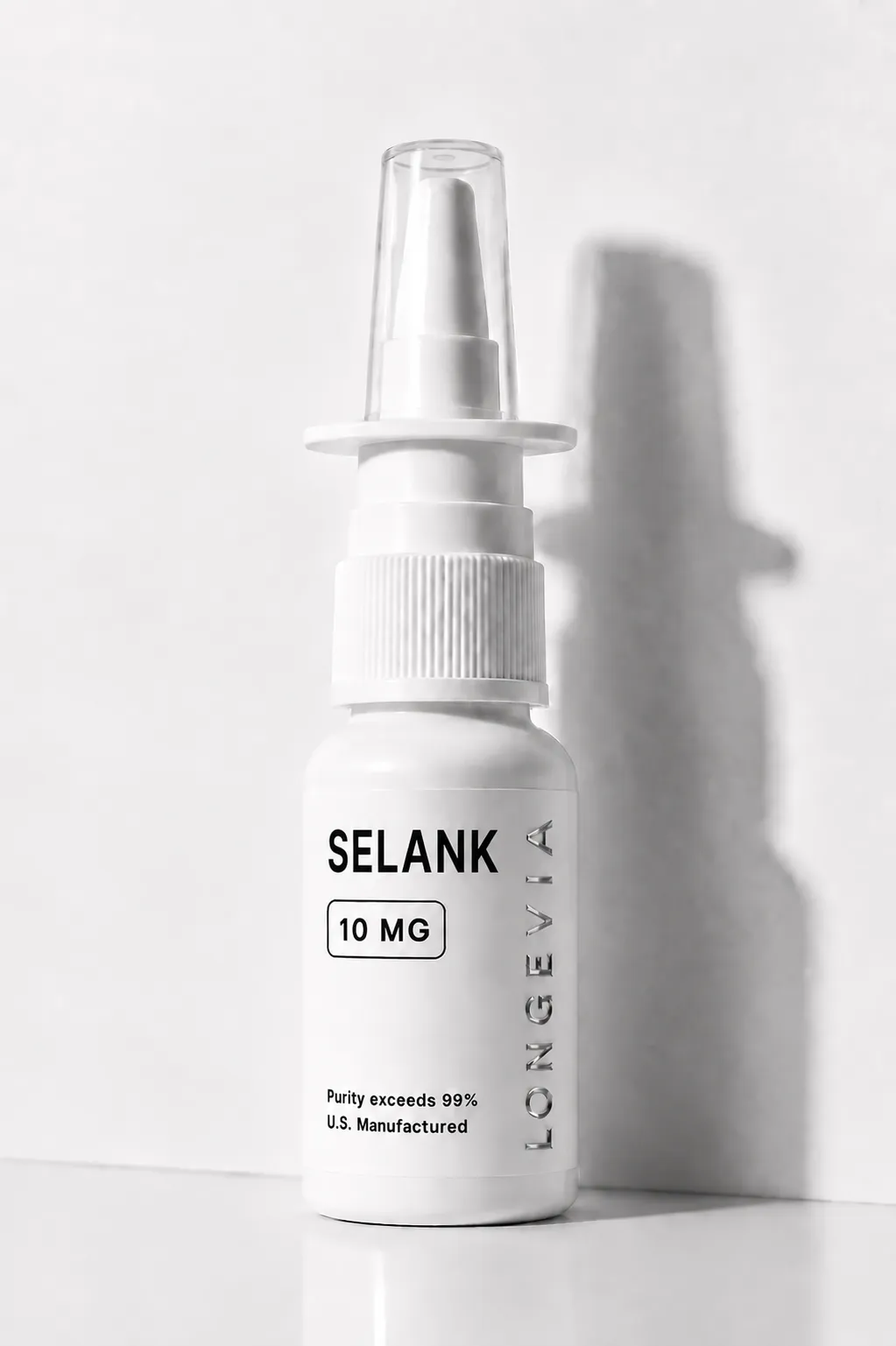
Selank 10mg — 90 Sprays
Longevia Research supplies Selank 10mg in a 90-spray format for qualified laboratory research. Selank is a synthetic heptapeptide analog related to tuftsin and investigated in neurobiology, GABAergic signaling, neuroimmune research, and behavioral neuroscience. Research Use Only.
$148.50
Slide to add
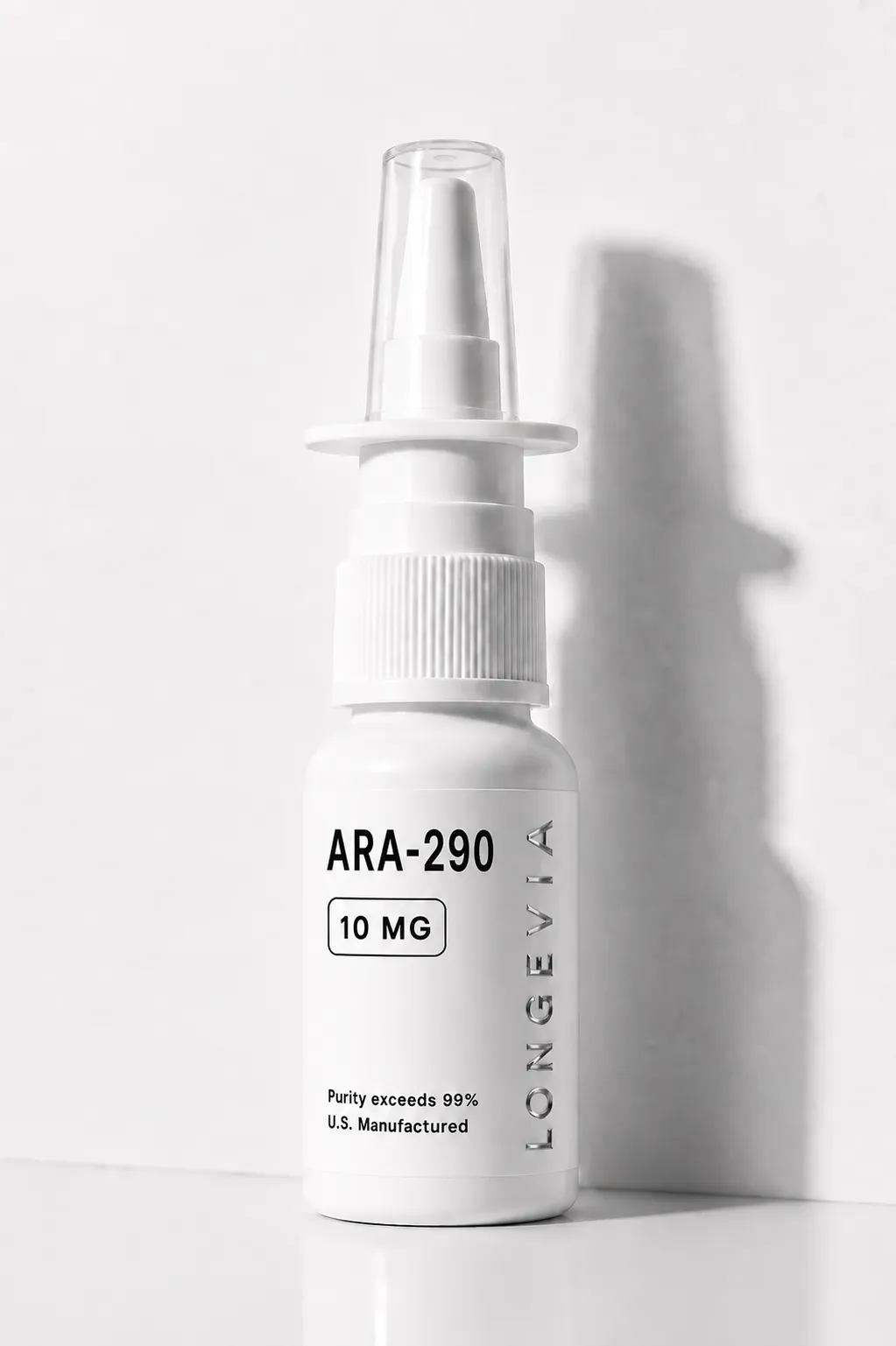
ARA-290 10mg — 45 Sprays
ARA-290 (cibinetide) 10mg spray — 45 sprays of the synthetic 11-residue EPO helix-B surface peptide. CAS 1208243-50-8. Supplied by Longevia Research for laboratory use only.
$90.00
Slide to add
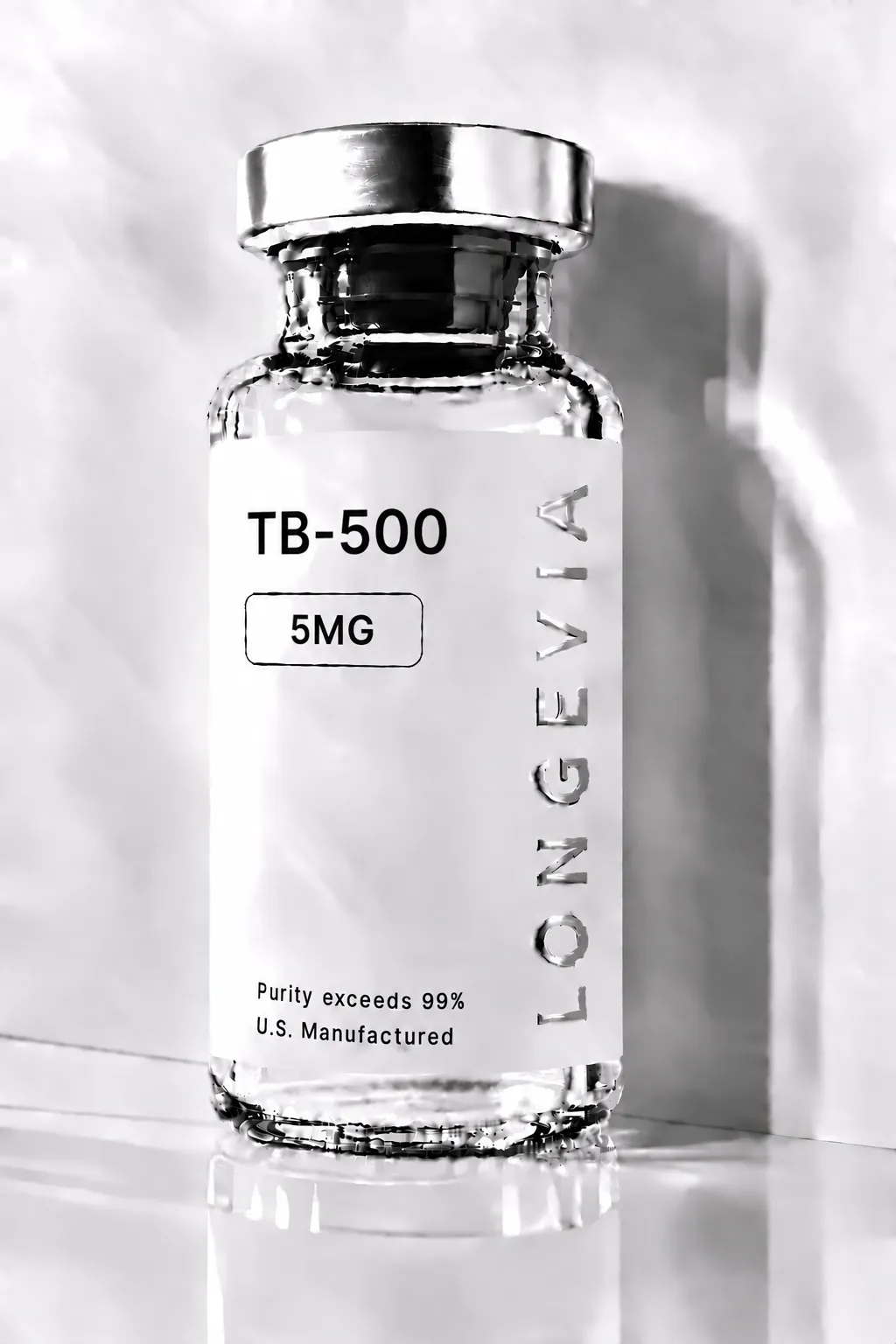
TB-500
Buy TB-500 research peptide — Thymosin Beta-4 active fragment. COA-verified, HPLC tested, 99%+ purity. Research use only.
$144.00
Slide to add
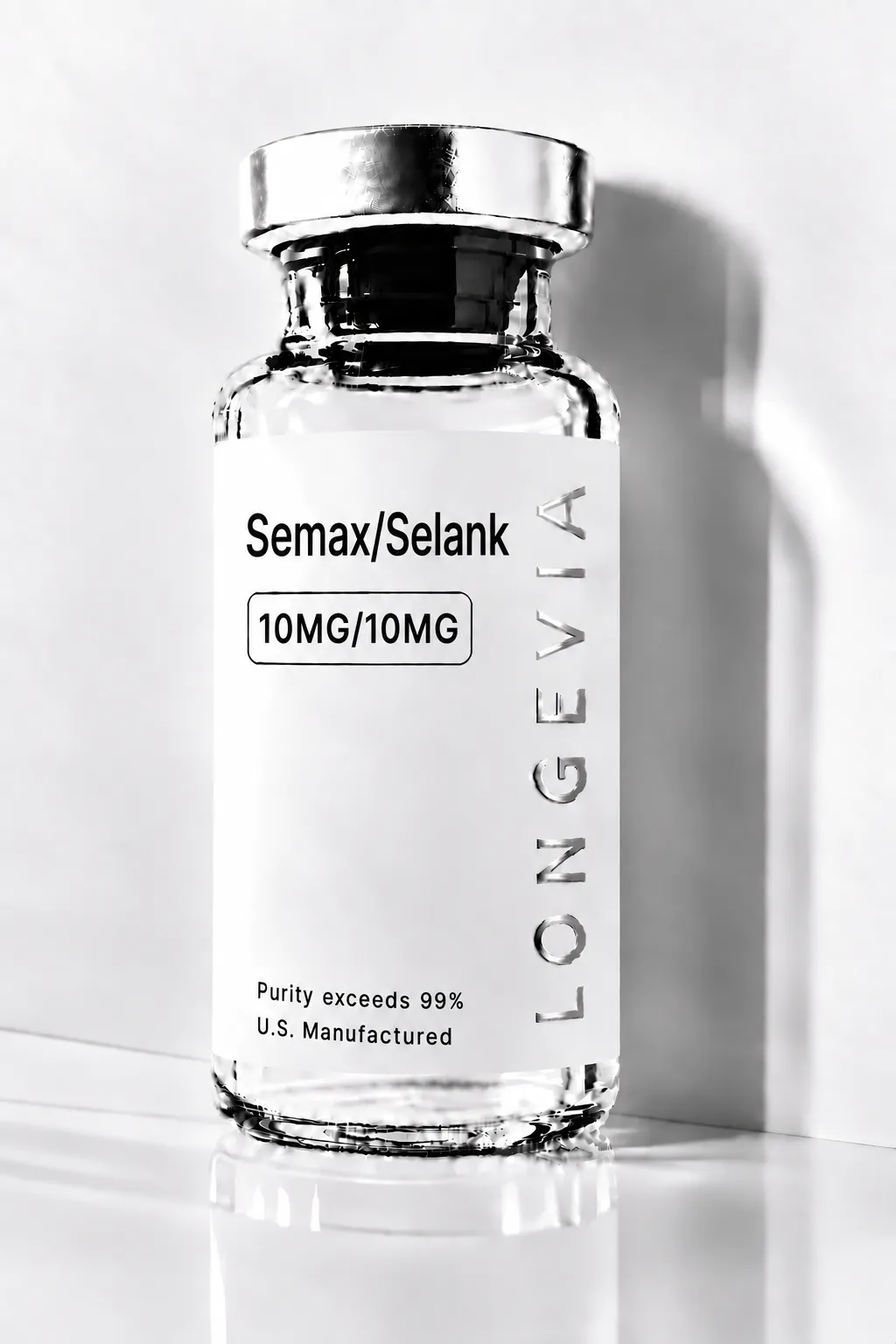
Semax / Selank
Semax/Selank Blend combines 10mg of Semax (ACTH(4–7) analogue) and 10mg of Selank (tuftsin analogue) in a single research vial, investigated in neuropeptide signalling, BDNF pathway, and GABAergic/anxiolytic biology research. Research Use Only — Longevia Research.
$139.50
Slide to add
Product FAQs
Find answers to common questions regarding storage, reconstitution, and testing guidelines for this specific compound.