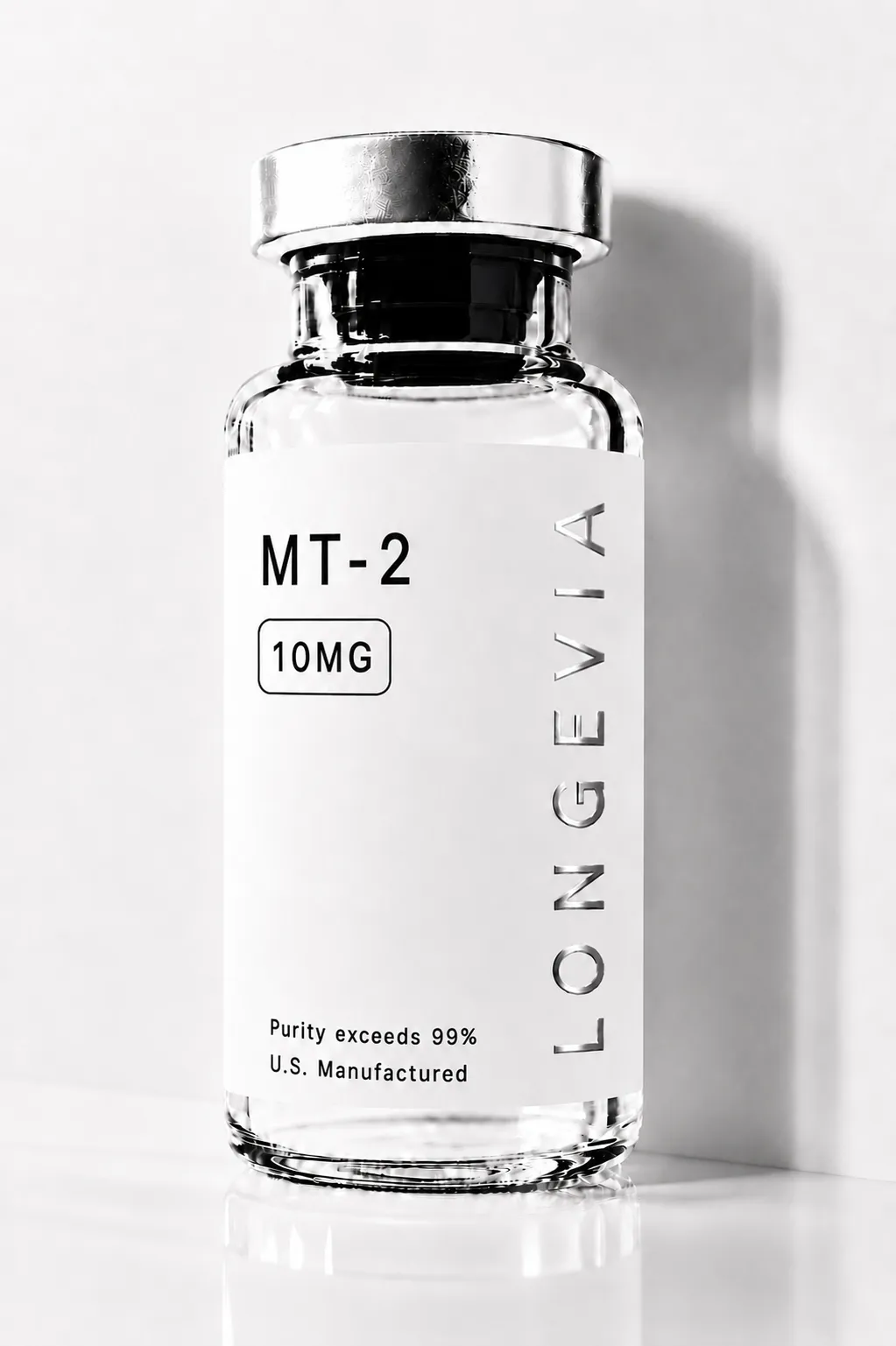
Hormonal HealthMetabolic Research
Melanotan II
$103.50
1
Slide to Add
Purity≥99% Tested
TestingLC-MS Verified
LocationUS Based
Melanotan 2 (MT-II) is a synthetic cyclic heptapeptide analogue of α-melanocyte-stimulating hormone (α-MSH), derived from the core active sequence of α-MSH with two structural modifications: a D-phenylalanine substitution at position 7 and a lactam bridge between residues 4 and 10 that creates the cyclic ring structure. These modifications substantially increase receptor binding affinity and metabolic stability relative to native α-MSH in experimental systems. Research has examined Melanotan 2 across melanocortin receptor pharmacology, MC1R and MC4R signalling, melanogenesis, and central nervous system research models. Longevia Research supplies Melanotan 2 in a 10mg research-grade vial for qualified laboratory use.
Standard Delivery3-4 Working Days
Free ShippingOn all orders above $300
Comprehensive Product Details
Scientific identity: Melanotan 2 is a cyclic heptapeptide derived from the core active segment of α-MSH — specifically the His-Phe-Arg-Trp tetrapeptide pharmacophore essential for melanocortin receptor binding — with two structural modifications. A D-phenylalanine (D-Phe) residue replaces the native L-Phe at position 7, enhancing receptor affinity and resistance to proteolytic degradation. A lactam bridge between Asp⁵ and Lys¹⁰ cyclises the peptide, conferring conformational rigidity that further stabilises the bioactive conformation at melanocortin receptors. Together these modifications produce a compact, stable, high-affinity melanocortin receptor ligand studied across multiple receptor subtypes.
Peptide class: Synthetic cyclic heptapeptide; melanocortin peptide analogue; α-MSH core-sequence analogue; POMC-derived peptide analogue.
Primary research targets: MC1R (melanocyte pigmentation signalling), MC3R (energy homeostasis research models), MC4R (central nervous system and sexual behaviour research models), MC5R (exocrine gland research). Melanotan 2 is a non-selective melanocortin receptor agonist; receptor subtype-specific findings must be interpreted against the specific cell system and experimental conditions reported in each study.
Research areas: Melanocortin receptor pharmacology, MC1R and MC4R signalling research, melanogenesis and pigmentation biology, central nervous system melanocortin research, sexual behaviour neuroscience models, energy homeostasis research, POMC peptide biology.
Product quantity: 10mg per vial.
Purity: Greater than 99%, confirmed by HPLC and LC-MS analysis at the batch level.
Analytical documentation: A batch-specific Certificate of Analysis is available on the Longevia Research website, covering compound identity, purity, and lot traceability.
Research-use classification: For laboratory research use only. Not for human or veterinary use, clinical diagnostics, or any in-vivo application in humans.
Advanced Research Focus
Melanocortin Receptor Pharmacology
Melanotan 2 is a non-selective melanocortin receptor agonist with affinity across MC1R, MC3R, MC4R, and MC5R. Its cyclic structure and D-Phe⁷ substitution produce substantially higher receptor binding affinity than native α-MSH in biochemical assays — a property that has made it a widely used research tool in melanocortin receptor pharmacology. All five melanocortin receptors are class A GPCRs coupled to Gαs, mediating cAMP elevation as the primary downstream signaling event. Research examining Melanotan 2 must account for its non-selectivity; observed effects in intact cell or animal systems may reflect engagement of multiple receptor subtypes simultaneously.
MC1R and Melanogenesis Research
MC1R is the primary receptor mediating eumelanin synthesis in melanocyte biology. Cell-based research has examined Melanotan 2 in melanocyte models measuring cAMP accumulation, tyrosinase activity, and melanin output as functional endpoints of MC1R activation. These studies have characterised Melanotan 2 as a potent MC1R agonist in defined cell systems. Findings from melanogenesis research involving Melanotan 2 and those involving Melanotan 1 are not directly interchangeable, given the structural and selectivity differences between the two compounds.
MC4R and Central Nervous System Research
MC4R is expressed in the central nervous system — including hypothalamic nuclei involved in energy homeostasis and limbic regions associated with behavioral research — and is the receptor subtype most studied in relation to Melanotan 2's central effects in animal models. Preclinical research has examined Melanotan 2 in rodent models investigating sexual behavior endpoints, energy regulation parameters, and feeding behavior, with MC4R engagement proposed as the primary mediator of these central effects. These are animal model findings in defined experimental systems and do not establish human outcomes.
Research Status
Melanotan 2 has no regulatory approval as a pharmaceutical product in any jurisdiction and no approved therapeutic indication. It has not progressed to regulated human clinical trials in the way that Melanotan 1 (afamelanotide) has. Published findings are primarily from receptor pharmacology, cell-based, and animal model systems. It is supplied for Research Use Only.
Uncompromising Quality Standards
Reliable research begins with accurately characterised material. For a cyclic heptapeptide such as Melanotan 2, that means confirming sequence integrity, cyclisation, D-Phe⁷ configuration, and purity at the batch level — because an uncyclised or epimerised form produces a structurally distinct peptide with a substantially different receptor binding profile that can confound melanocortin receptor assays and cell-based signaling experiments.
Purity assessment: Each production lot is characterised to greater than 99% purity by high-performance liquid chromatography (HPLC). Chromatographic purity data is reported on the batch Certificate of Analysis.
Identity confirmation: Peptide identity, cyclic lactam bridge integrity, and D-amino acid configuration are confirmed by mass spectrometry (LC-MS), providing molecular-weight verification consistent with the specified cyclic form. HPLC and LC-MS data together confirm that the material supplied corresponds to the labelled compound at the labelled purity.
Batch traceability and Certificate of Analysis: Every vial of Melanotan 2 10mg is traceable to a specific production lot. A batch-specific Certificate of Analysis is accessible directly on the Longevia Research website, covering purity, identity, and lot information. Researchers evaluating this material for assay work are encouraged to review the current batch documentation before use, since analytical specifications are applied at the lot level.
Handling: This material should be handled by qualified personnel using appropriate laboratory technique and personal protective equipment, consistent with institutional protocols for research-grade synthetic peptides.
Legal & Compliance Notice
Longevia Research supplies Melanotan 2 10mg for laboratory and in-vitro research use only. The product is intended for use by qualified researchers and trained laboratory personnel in appropriate controlled research environments.
Melanotan 2 is a synthetic research peptide supplied strictly as a research tool. It is not a drug, not a dietary supplement, not a food or food ingredient, and not a cosmetic. No regulatory authority has approved Melanotan 2 for any human or veterinary therapeutic use, and Longevia does not supply it for administration to humans or animals, for clinical diagnostics, or for any therapeutic purpose.
Longevia provides no dosing instructions, administration guidance, treatment protocols, or reconstitution recommendations for this compound. The scientific literature summarised on this product page describes experimental observations in defined cell-based, tissue, and animal model systems. Those findings are not medical claims and should not be interpreted as evidence of human efficacy, human safety, or fitness for any clinical application.
The purchaser assumes full responsibility for lawful acquisition, handling, storage, use, and disposal of this material, and for compliance with all applicable local, state, federal, and institutional regulations. By purchasing this product, the buyer confirms that it will be used solely for legitimate laboratory research purposes by qualified personnel, and that its acquisition and intended use comply with applicable laws in the buyer's jurisdiction.
Continue Exploring
Also Considered.
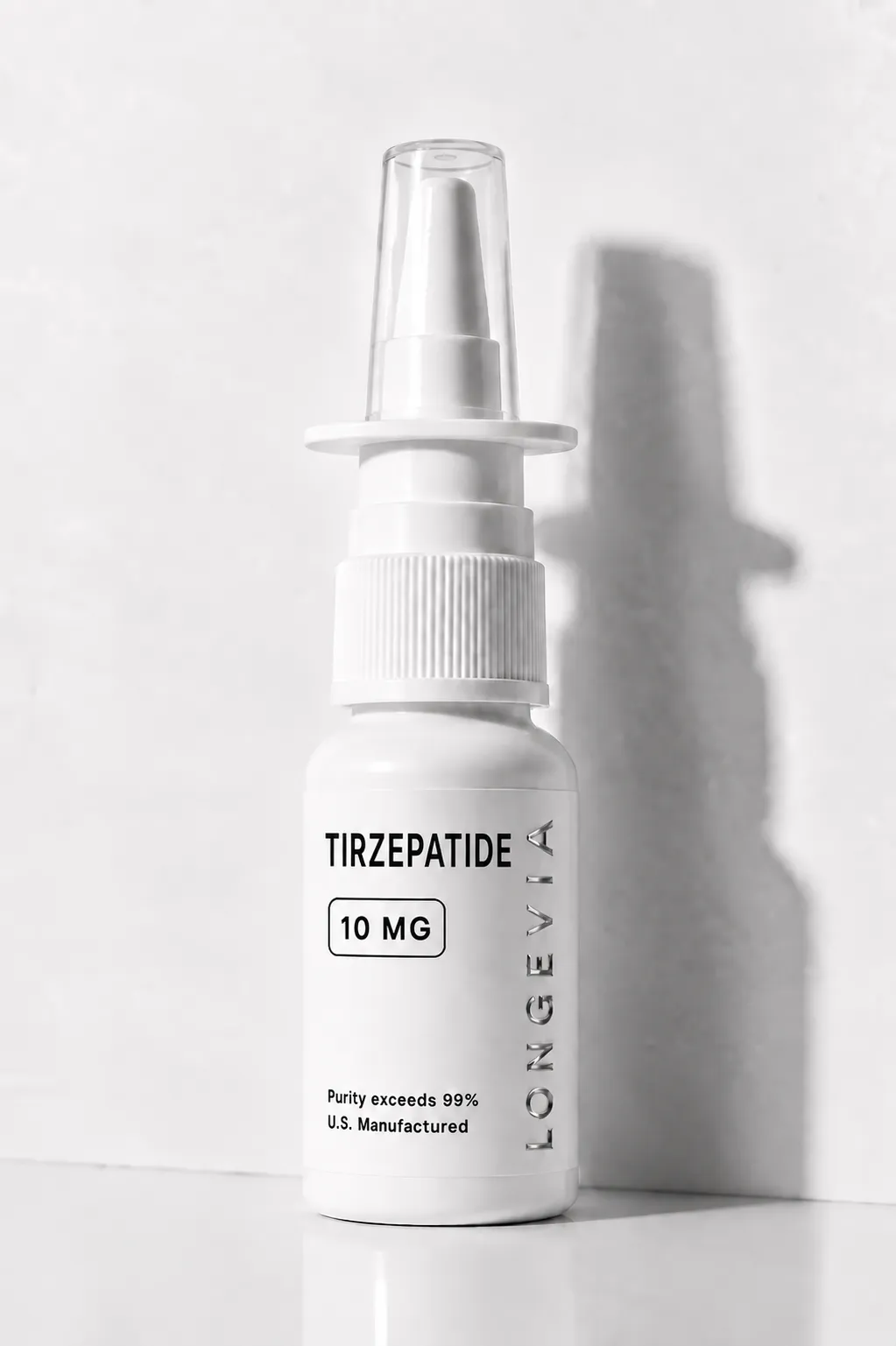
Tirzepatide — Spray
Longevia Research supplies Tirzepatide (LY3298176, CAS 2023788-19-2) in 10mg, 20mg, 30mg, and 60mg quantities in a 45-spray research format. A synthetic 39-amino-acid dual GIP and GLP-1 receptor agonist peptide investigated in incretin biology, pancreatic islet signaling, glucose homeostasis, metabolic research, and cardiometabolic pharmacology. Research Use Only.
$144.00
Slide to add
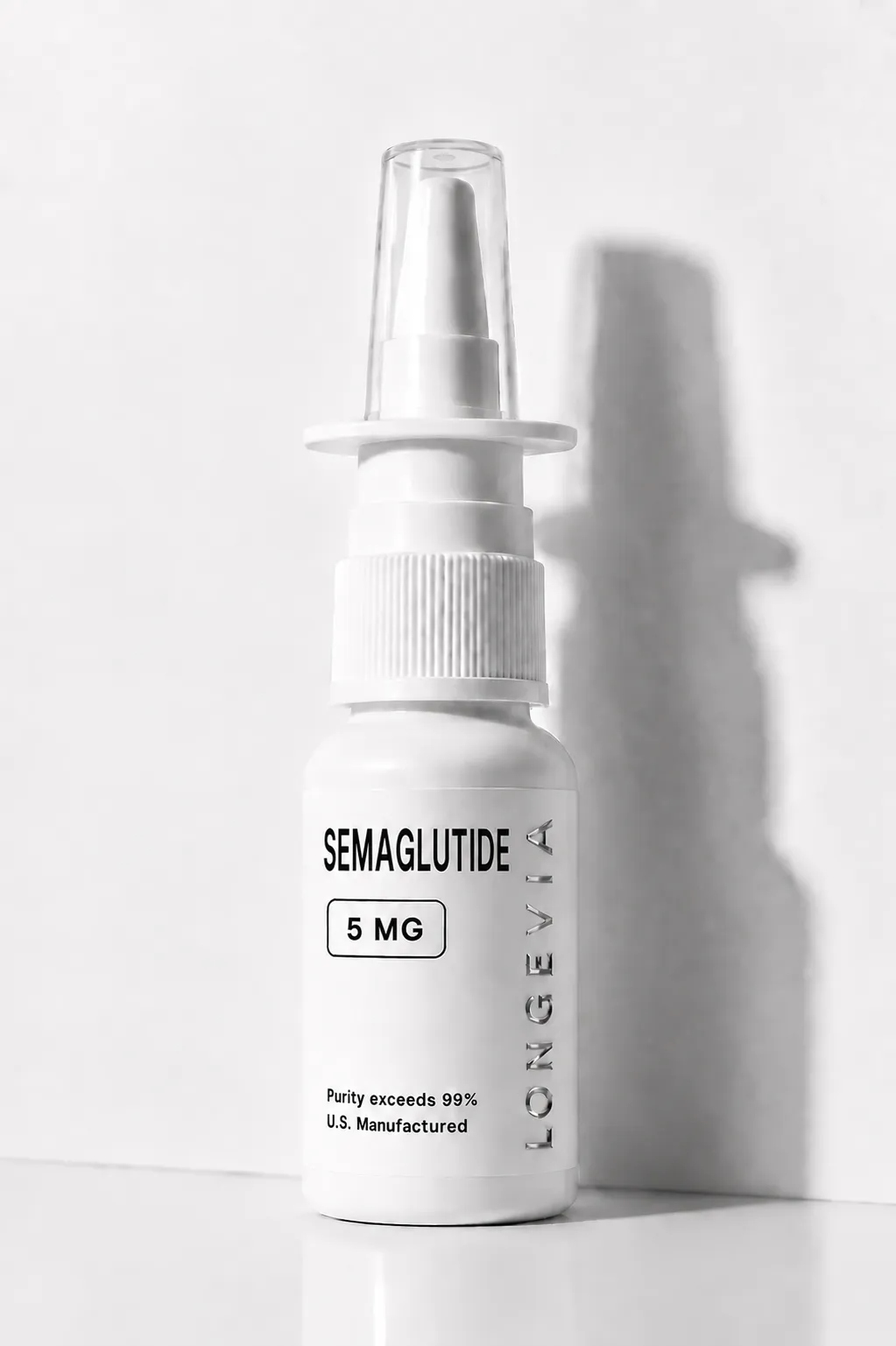
Semaglutide — Sprays
Longevia Research supplies Semaglutide in 5mg, 10mg, 20mg, and 30mg quantities, 45-spray format, for qualified laboratory research. Semaglutide is a synthetic modified GLP-1 analog and GLP-1 receptor agonist investigated in metabolic, endocrine, and incretin signaling research. Research Use Only.
$135.00
Slide to add
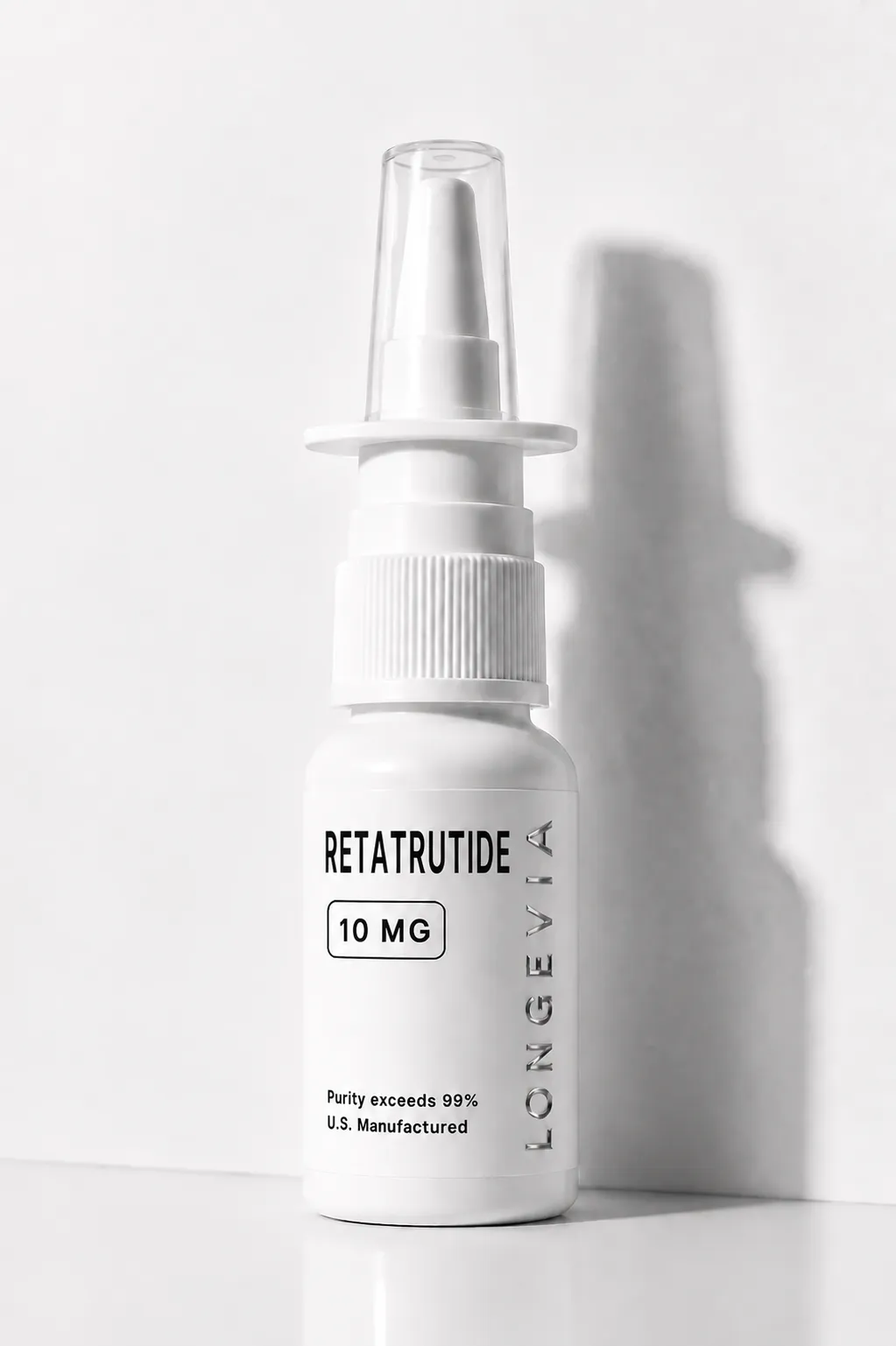
Retatrutide — Spray
Longevia Research supplies Retatrutide in 10mg, 20mg, 30mg, and 60mg quantities, 45-spray format, for qualified laboratory research. Retatrutide is an investigational synthetic peptide-based triple receptor agonist (GIPR/GLP-1R/GCGR) studied in metabolic signaling and clinical trials. Research Use Only.
$166.50
Slide to add
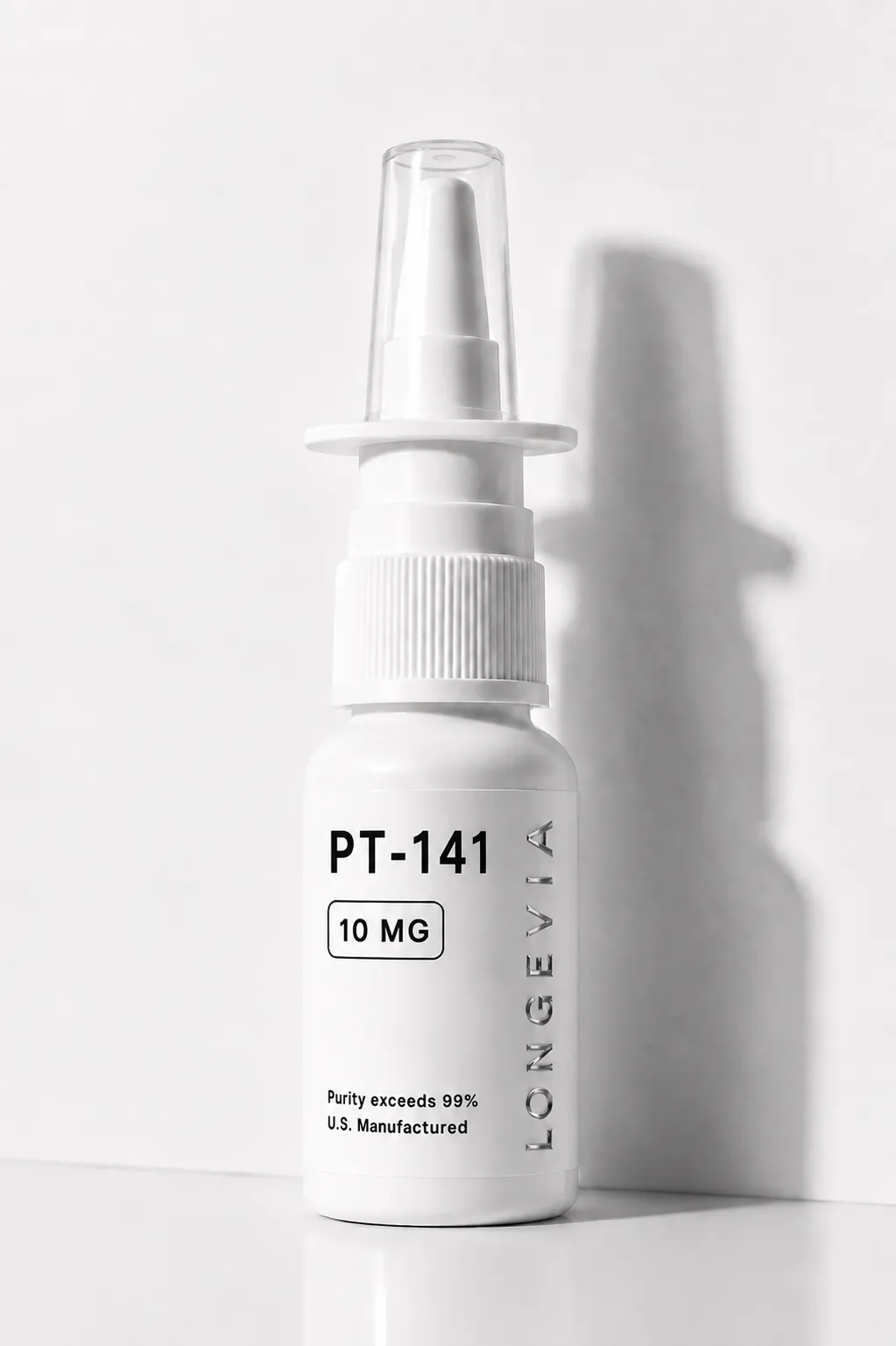
PT-141 — Spray
Longevia Research supplies PT-141 (bremelanotide) 10mg in a 45-spray format for qualified laboratory research. PT-141 is a synthetic cyclic heptapeptide and melanocortin receptor agonist investigated in MC4R signaling, sexual-function research, and melanocortin receptor pharmacology. Research Use Only.
$180.00
Slide to add
Product FAQs
Find answers to common questions regarding storage, reconstitution, and testing guidelines for this specific compound.