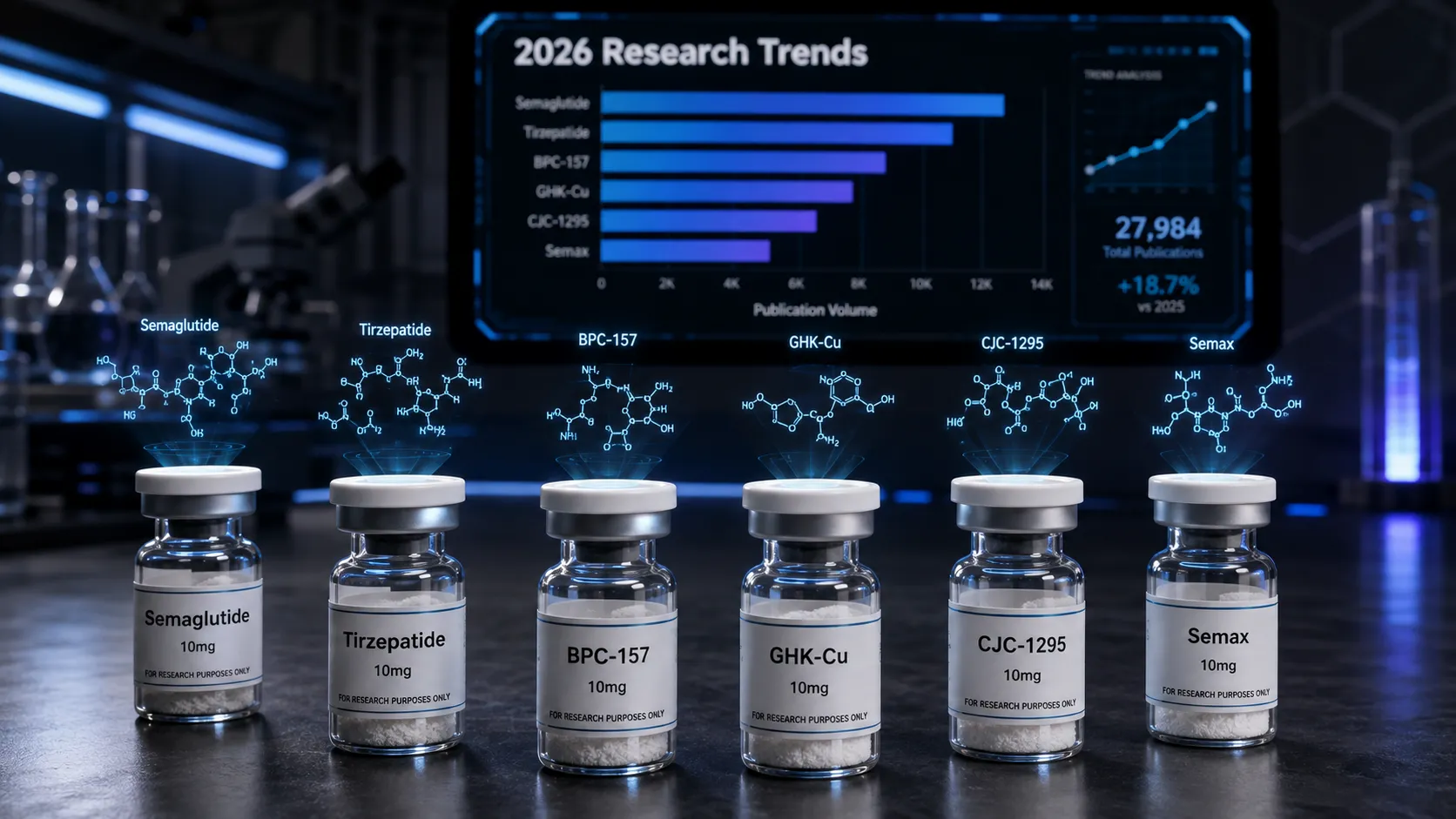
- Semaglutide and tirzepatide dominate 2026 peptide research as GLP-1 and GLP-1/GIP agonists for metabolic and obesity studies.
- BPC-157 and TB-500 are the most-studied tissue repair peptides, with extensive preclinical data on wound healing and regeneration.
- GHK-Cu is a leading dermatological research peptide for skin aging, collagen synthesis, and antioxidant defense.
- Ipamorelin and CJC-1295 are preferred GH secretagogues for body composition and aging research.
- Semax and Dihexa represent the nootropic peptide category, with mechanisms involving BDNF modulation and HGF/c-Met activation.
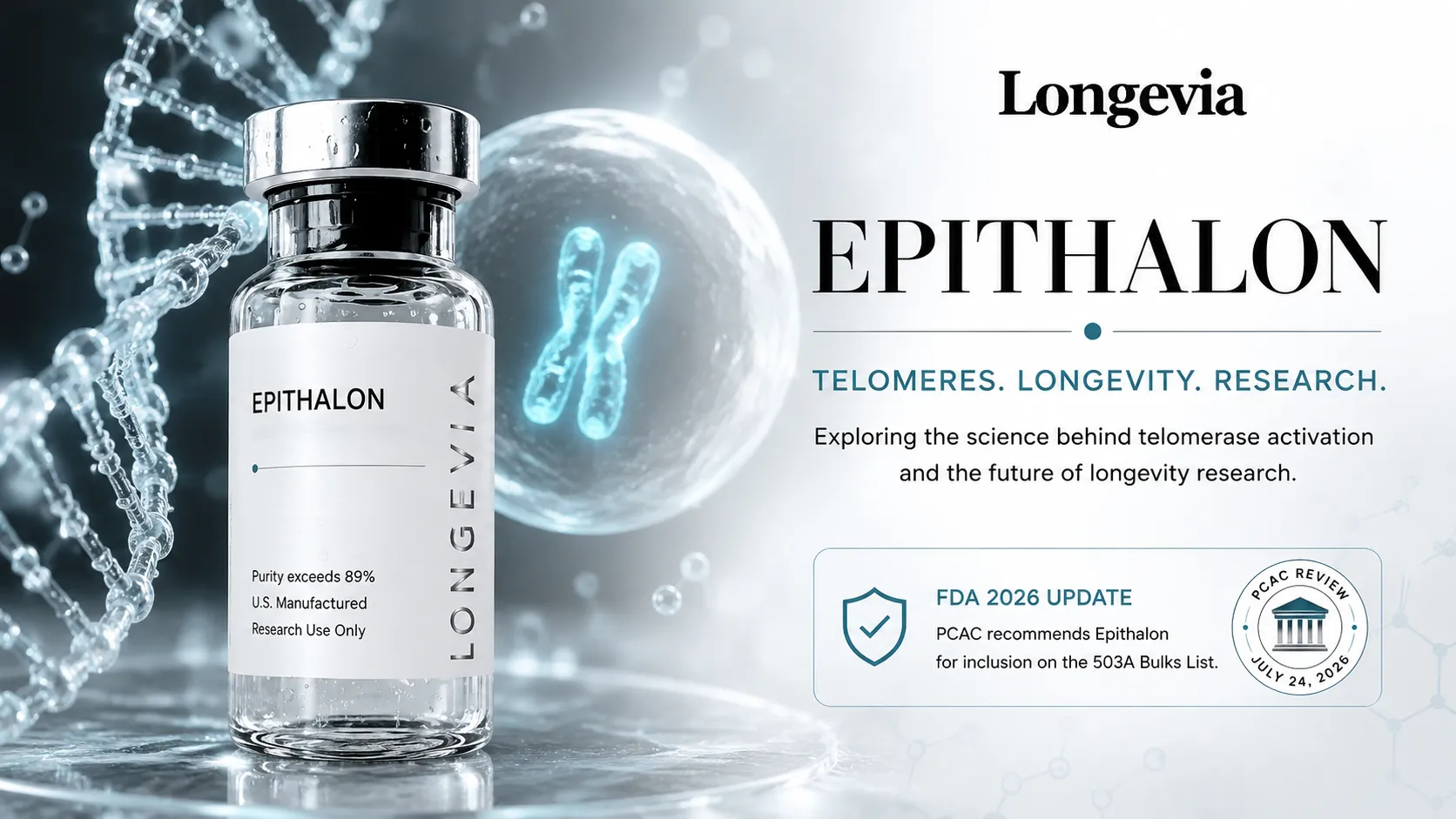
- Epithalon is investigated for telomerase activation and telomere extension in aging research.
- Most reconstituted peptides remain stable for 28–30 days at 2–8°C, except GHK-Cu (14–21 days) and Semax (21–28 days).
- Emerging compounds like Dihexa, thymic peptides, and NAD+ precursors are gaining traction in longevity and cognitive research.
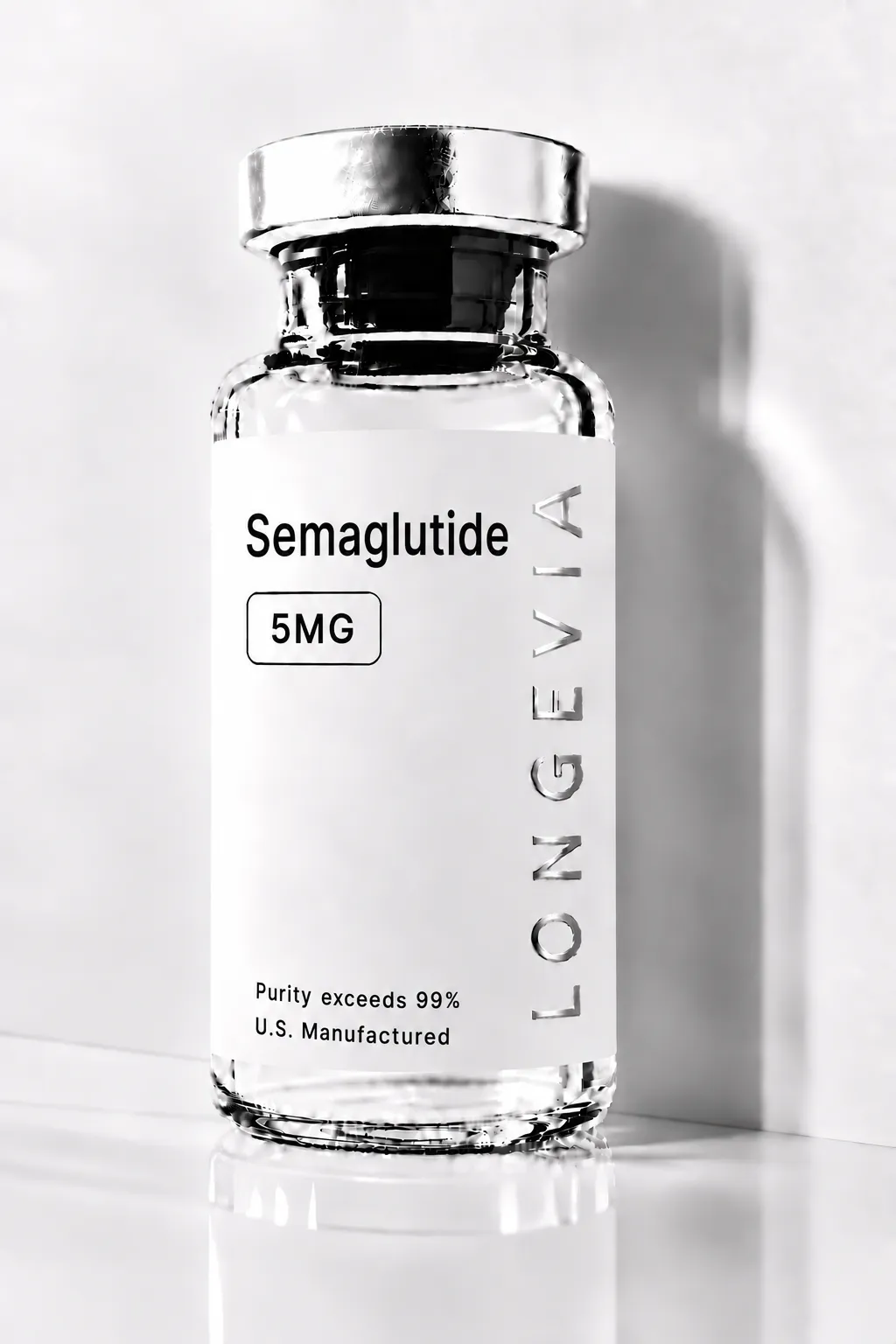
Semaglutide
Semaglutide is a synthetic fatty acid-conjugated GLP-1 receptor agonist peptide investigated in research involving GLP-1R pharmacology, glucose-dependent insulin secretion, pancreatic beta cell biology, and incretin signaling. Available in 5mg, 10mg, 20mg, and 30mg vials. Research Use Only — Longevia Research.
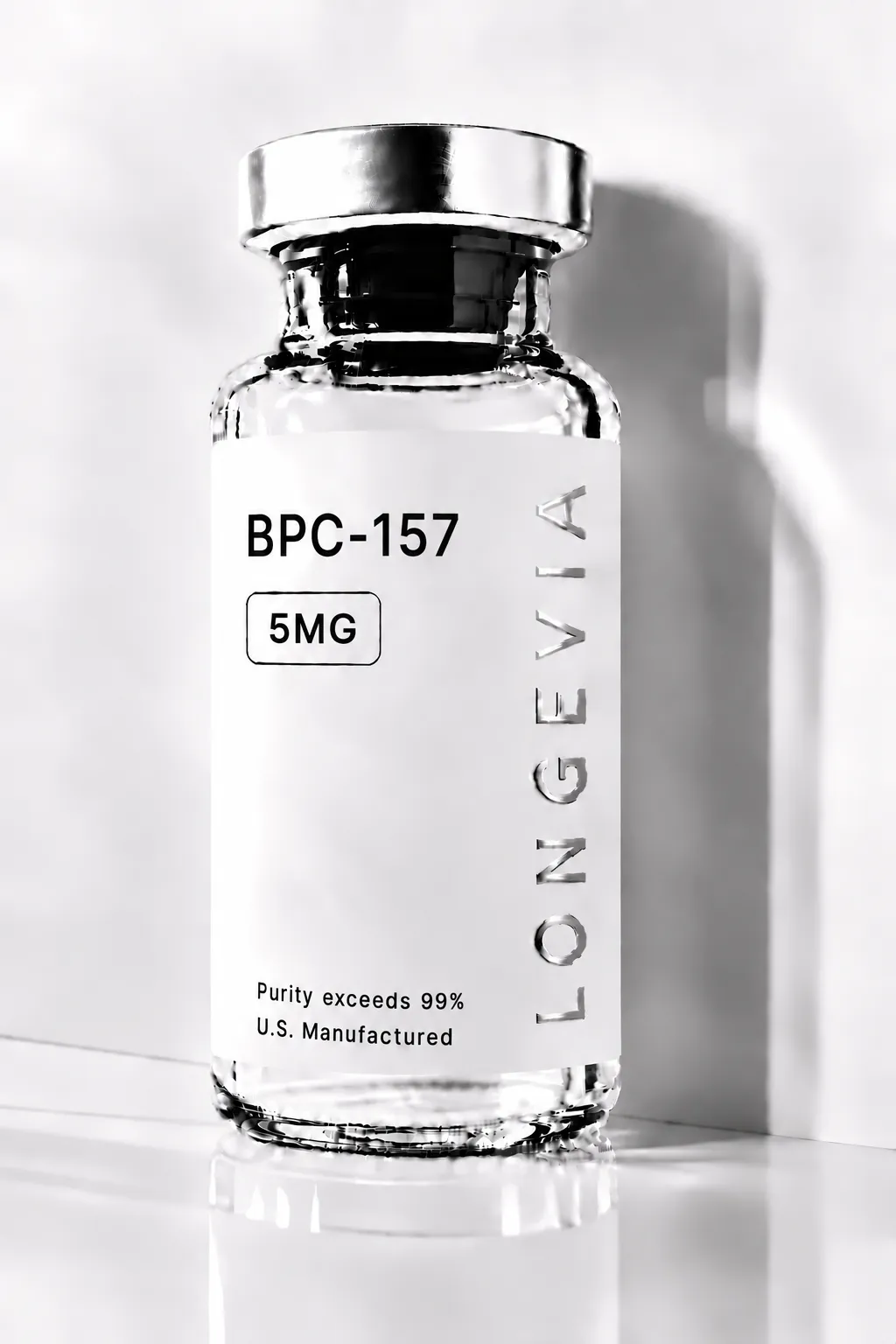
BPC-157
BPC-157 is a synthetic 15-amino-acid peptide fragment derived from human gastric juice protein BPC investigated in research involving tendon and ligament biology, nitric oxide signalling, growth factor receptor pathways, and gastrointestinal tissue models. Available in 5mg and 10mg vials. Research Use Only — Longevia Research.
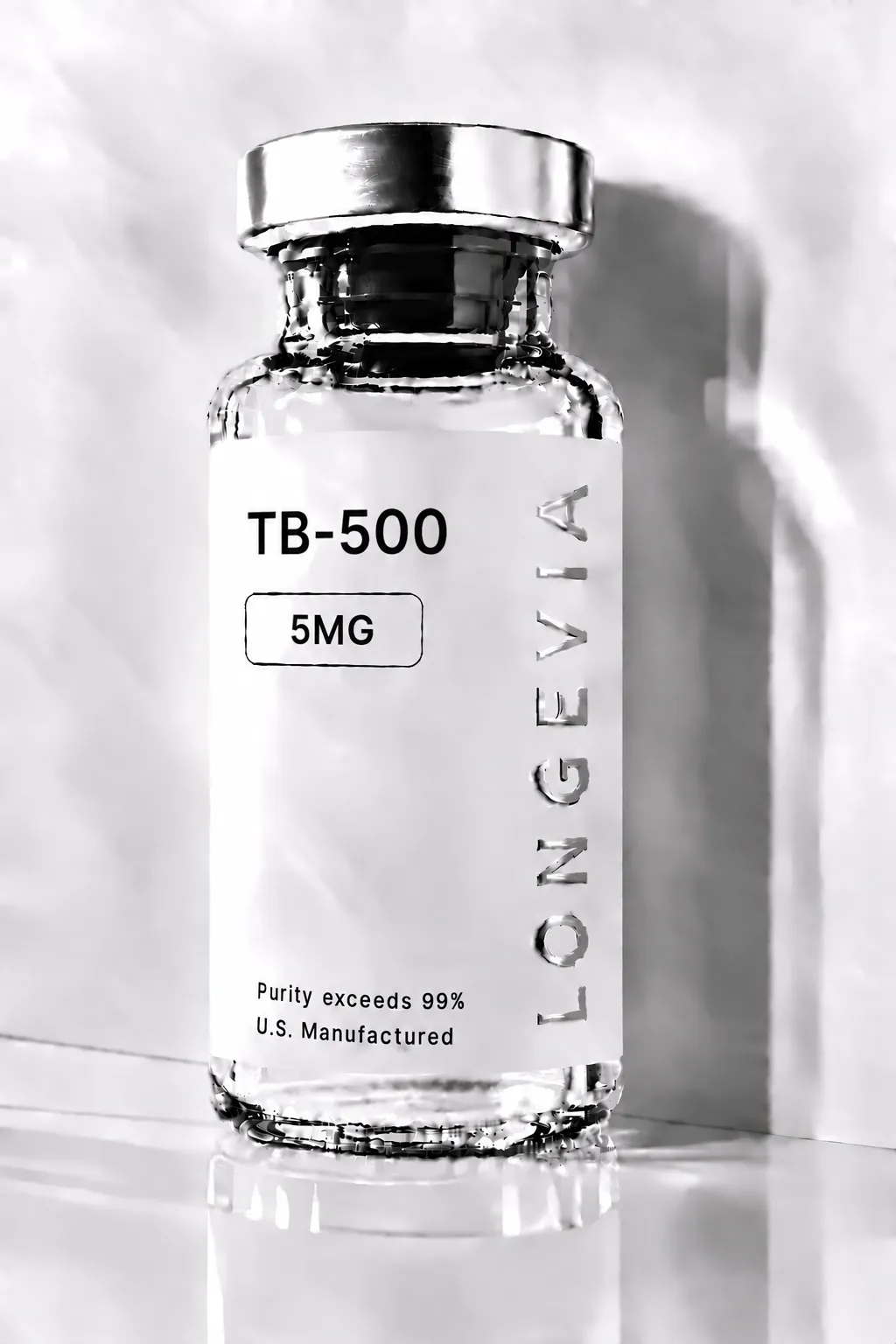
TB-500
Buy TB-500 research peptide — Thymosin Beta-4 active fragment. COA-verified, HPLC tested, 99%+ purity. Research use only.
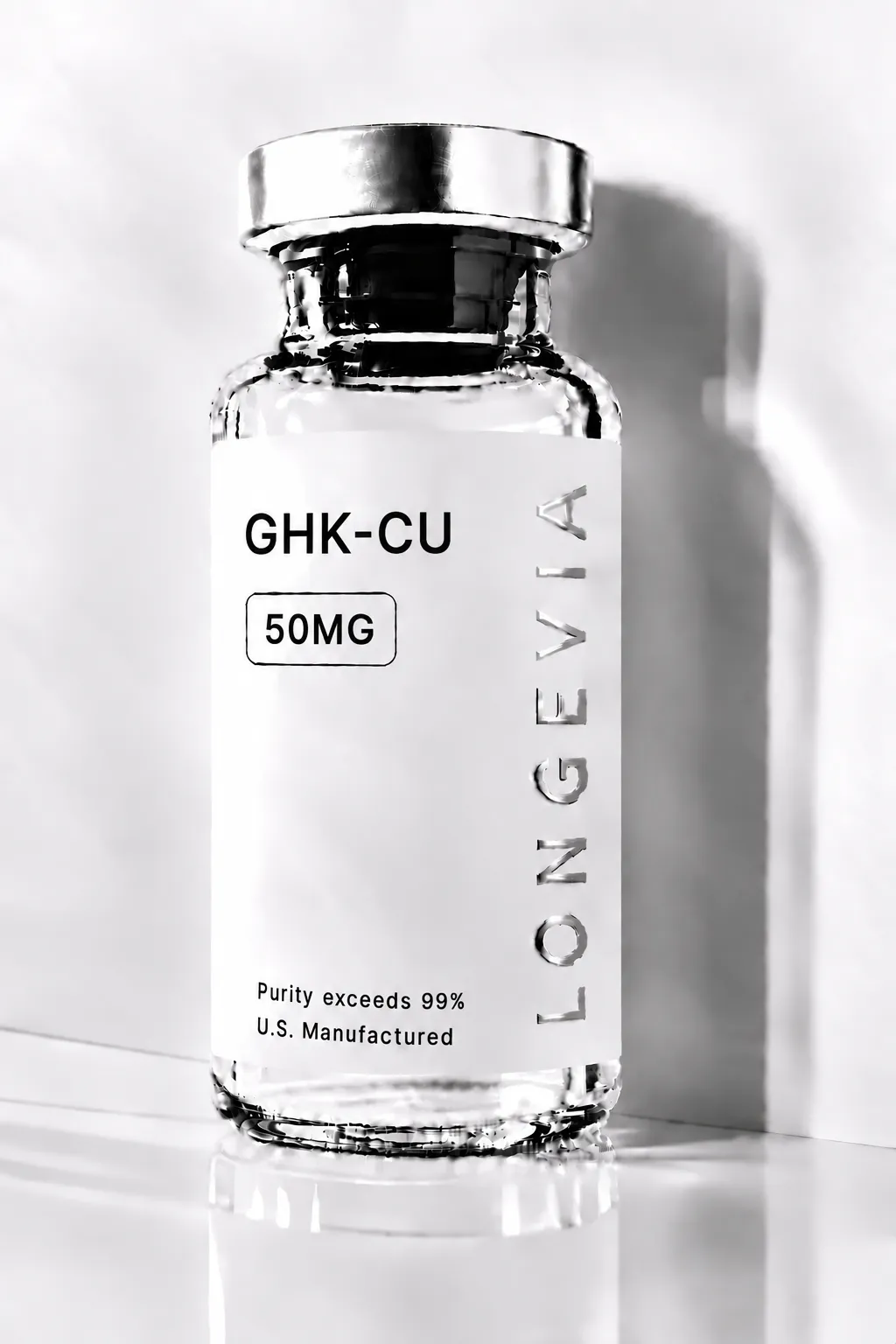
GHK-CU
GHK-Cu (glycyl-L-histidyl-L-lysine·Cu²⁺) is a naturally occurring copper-binding tripeptide investigated in research involving copper metallopeptide chemistry, fibroblast biology, extracellular matrix remodeling, and wound biology models. Available in 50mg and 100mg vials. Research Use Only — Longevia Research.
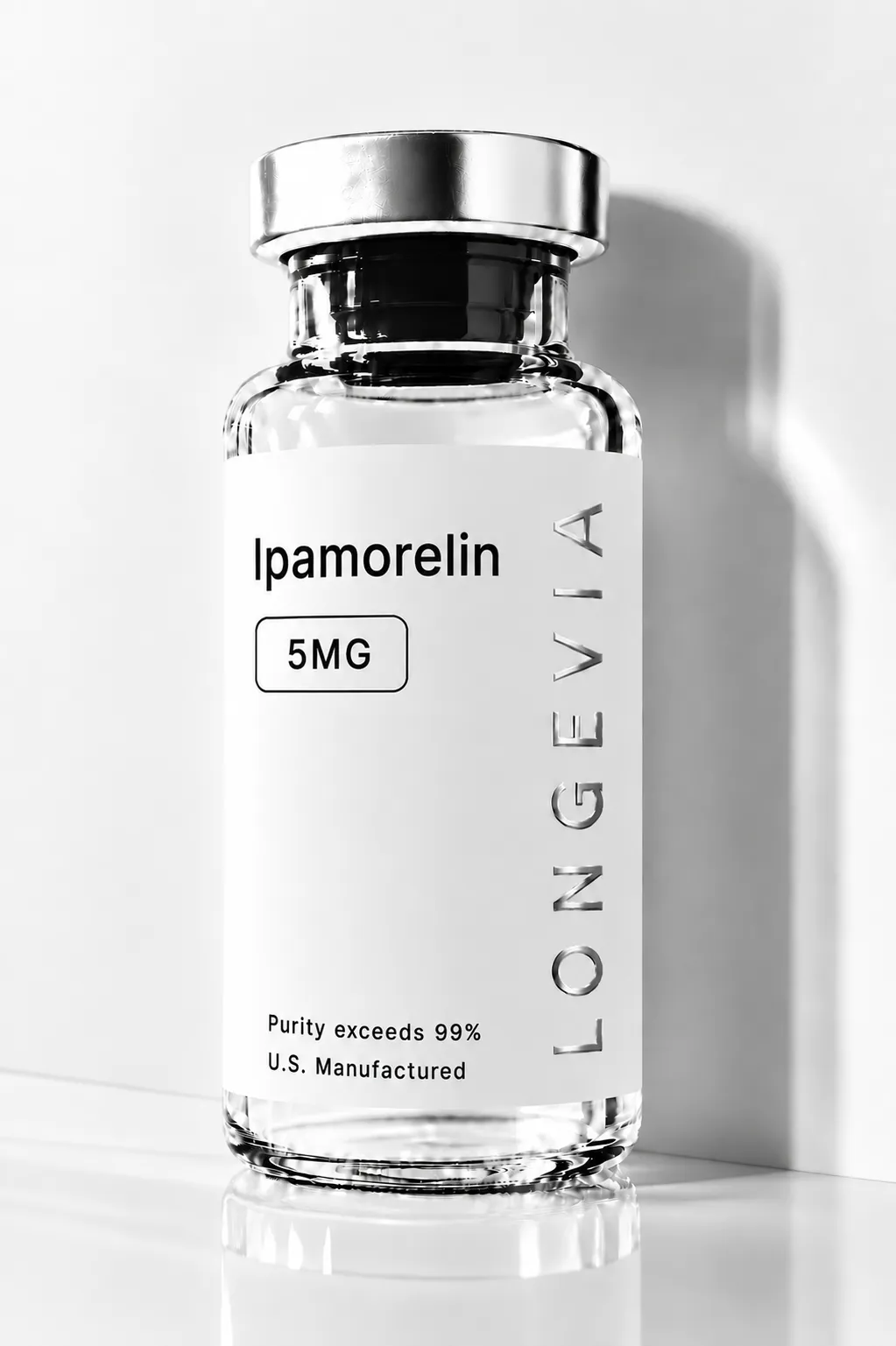
Ipamorelin
Ipamorelin is a synthetic pentapeptide GH secretagogue investigated in research involving GHSR-1a pharmacology, selective pulsatile GH secretion models, ghrelin receptor biology, and pituitary somatotroph signaling. Available in 5mg and 10mg vials. Research Use Only — Longevia Research.
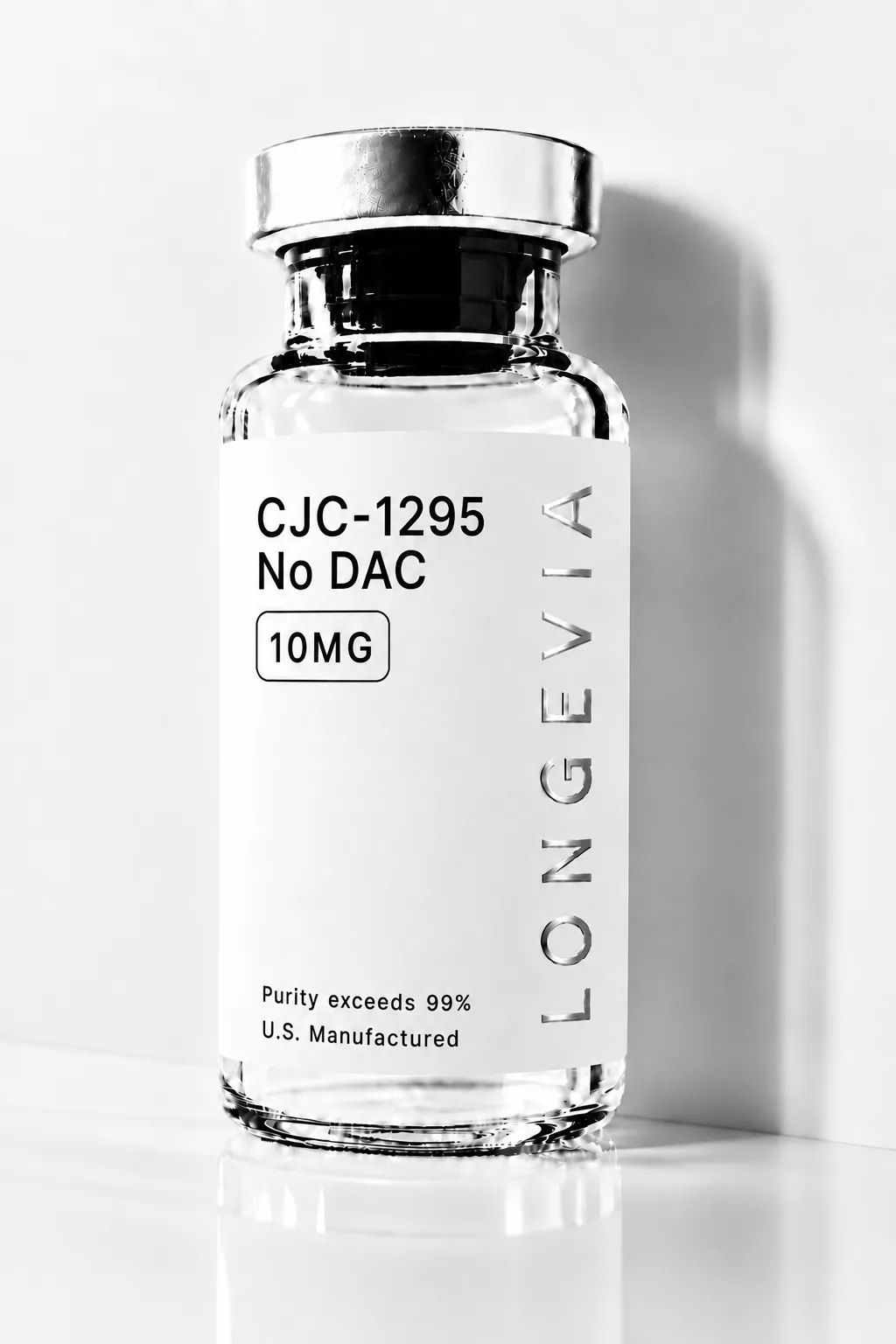
CJC-1295 No DAC
CJC-1295 No DAC (Modified GRF 1-29) is a synthetic 29-amino-acid GHRH analogue investigated in research involving growth hormone-releasing hormone receptor signalling, pulsatile GH secretion models, and pituitary biology. 10mg vial. Research Use Only — Longevia Research.
Semaglutide
Semaglutide is a synthetic fatty acid-conjugated GLP-1 receptor agonist peptide investigated in research involving GLP-1R pharmacology, glucose-dependent insulin secretion, pancreatic beta cell biology, and incretin signaling. Available in 5mg, 10mg, 20mg, and 30mg vials. Research Use Only — Longevia Research.
BPC-157
BPC-157 is a synthetic 15-amino-acid peptide fragment derived from human gastric juice protein BPC investigated in research involving tendon and ligament biology, nitric oxide signalling, growth factor receptor pathways, and gastrointestinal tissue models. Available in 5mg and 10mg vials. Research Use Only — Longevia Research.
TB-500
Buy TB-500 research peptide — Thymosin Beta-4 active fragment. COA-verified, HPLC tested, 99%+ purity. Research use only.
GHK-CU
GHK-Cu (glycyl-L-histidyl-L-lysine·Cu²⁺) is a naturally occurring copper-binding tripeptide investigated in research involving copper metallopeptide chemistry, fibroblast biology, extracellular matrix remodeling, and wound biology models. Available in 50mg and 100mg vials. Research Use Only — Longevia Research.
Ipamorelin
Ipamorelin is a synthetic pentapeptide GH secretagogue investigated in research involving GHSR-1a pharmacology, selective pulsatile GH secretion models, ghrelin receptor biology, and pituitary somatotroph signaling. Available in 5mg and 10mg vials. Research Use Only — Longevia Research.
CJC-1295 No DAC
CJC-1295 No DAC (Modified GRF 1-29) is a synthetic 29-amino-acid GHRH analogue investigated in research involving growth hormone-releasing hormone receptor signalling, pulsatile GH secretion models, and pituitary biology. 10mg vial. Research Use Only — Longevia Research.
Peptide research has accelerated dramatically in 2026, driven by advances in metabolic medicine, regenerative therapies, and neuroscience. From FDA-approved metabolic modulators to emerging nootropic compounds, certain peptides have emerged as focal points of scientific investigation. Understanding which peptides are drawing the most research attention—and why—helps laboratories prioritize resources and stay current with the field's trajectory.
This evidence-based review examines the most-studied research peptides of 2026, ranked by publication volume, clinical trial activity, and laboratory interest. For each compound, you'll find mechanism summaries, key research applications, and practical considerations for laboratory workflows. Whether you're investigating metabolic pathways, tissue repair, or cognitive enhancement, this guide maps the peptide research landscape for the year ahead.
Methodology: How We Ranked These Peptides
This ranking is based on multiple objective criteria:
- Publication volume: Number of peer-reviewed studies published in 2025–2026 (PubMed, Scopus)
- Clinical trial activity: Number of active or recently completed clinical trials (ClinicalTrials.gov)
- Laboratory demand: Search trends, vendor availability, and research community discussions
- Mechanistic novelty: Compounds with unique or emerging mechanisms of action
- Translational potential: Likelihood of advancing from basic research to clinical applications
We've grouped peptides into categories based on their primary research applications: metabolic modulators, tissue repair compounds, growth hormone secretagogues, cognitive enhancers, and emerging/novel compounds.
Metabolic Modulators
Semaglutide
Research interest: Very High | Evidence tier: FDA-approved
Semaglutide, a GLP-1 receptor agonist, dominates peptide research in 2026. Originally approved for type 2 diabetes (Ozempic) and obesity (Wegovy), it has become a model compound for investigating metabolic regulation, appetite control, and cardiovascular protection.
Mechanism:
- Activates GLP-1 receptors in pancreatic beta cells, enhancing glucose-dependent insulin secretion
- Slows gastric emptying, promoting satiety
- Acts on hypothalamic appetite centers to reduce food intake
- Demonstrates cardiovascular and renal protective effects independent of glucose control
Key research applications:
- Obesity and weight management mechanisms
- Type 2 diabetes pathophysiology
- Cardiovascular outcomes in metabolic disease
- Neuroprotective effects in neurodegenerative models
- NAFLD/NASH (non-alcoholic fatty liver disease)
Research considerations:
- Requires refrigeration (2–8°C) for long-term storage
- Light-sensitive; store in amber vials
- Reconstituted stability: 28–30 days at 2–8°C
- High research demand has led to supply constraints in some regions
Why it's trending: Semaglutide's unprecedented clinical success has sparked interest in GLP-1 biology, combination therapies (e.g., GLP-1 + GIP), and next-generation long-acting formulations.
Tirzepatide
Research interest: Very High | Evidence tier: FDA-approved
Tirzepatide is a dual GLP-1/GIP receptor agonist that has surpassed semaglutide in some metabolic endpoints. Approved for type 2 diabetes (Mounjaro) and obesity (Zepbound), it represents the cutting edge of incretin-based therapies.
Mechanism:
- Activates both GLP-1 and GIP receptors, producing synergistic effects on insulin secretion and appetite suppression
- GIP receptor activation may enhance adipose tissue metabolism and insulin sensitivity
- Superior weight loss efficacy compared to GLP-1 monotherapy in clinical trials
Key research applications:
- Comparative efficacy vs. GLP-1 monotherapies
- Adipose tissue biology and lipid metabolism
- Combination mechanisms in appetite regulation
- Potential applications in addiction and reward pathways
- Cardiovascular and renal outcomes
Research considerations:
- Similar handling to semaglutide (refrigeration, light protection)
- Reconstituted stability: 28–30 days at 2–8°C
- Higher cost than single-receptor agonists
Why it's trending: Tirzepatide's dual-agonist mechanism has opened new avenues for multi-target peptide therapeutics, inspiring research into triple agonists (GLP-1/GIP/glucagon) and other combination approaches.
Tesamorelin
Research interest: Moderate | Evidence tier: FDA-approved (HIV-associated lipodystrophy)
Tesamorelin is a growth hormone-releasing hormone (GHRH) analog approved for HIV-associated lipodystrophy. It's gaining attention for metabolic and body composition research.
Mechanism:
- Stimulates endogenous growth hormone (GH) and IGF-1 secretion
- Reduces visceral adipose tissue
- Improves lipid profiles and insulin sensitivity
Key research applications:
- Visceral adiposity and metabolic syndrome
- HIV-associated metabolic complications
- Age-related body composition changes
- GH/IGF-1 axis modulation
Research considerations:
- Requires daily subcutaneous administration in most protocols
- Monitor IGF-1 levels in long-term studies
- Reconstituted stability: 28–30 days at 2–8°C
Why it's trending: As interest grows in GH secretagogues for metabolic health, tesamorelin offers a well-characterized, FDA-approved option with a favorable safety profile.
Tissue Repair and Regeneration
BPC-157
Research interest: Very High | Evidence tier: Preclinical (extensive)
BPC-157 (Body Protection Compound-157) is a 15-amino acid peptide derived from human gastric juice. It has become one of the most researched peptides for tissue repair, wound healing, and gastrointestinal health.
Mechanism:
- Promotes angiogenesis (new blood vessel formation)
- Upregulates growth factor receptors (VEGFR2, EGFR)
- Enhances collagen deposition and extracellular matrix remodeling
- Modulates inflammatory pathways (NF-κB, COX-2)
- Protects endothelial integrity and accelerates wound closure
Key research applications:
- Tendon and ligament healing
- Muscle injury recovery
- Gastrointestinal ulcer and IBD models
- Nerve regeneration
- Burn and traumatic wound healing
- Bone fracture repair
Research considerations:
- Stable at room temperature for short periods; refrigerate for long-term storage
- Reconstituted stability: 28–30 days at 2–8°C
- Available in both subcutaneous and oral formulations for research
- No reported serious adverse events in preclinical studies
Why it's trending: BPC-157's broad tissue-protective effects and excellent safety profile make it a versatile tool for regenerative medicine research. Its mechanisms are increasingly well-characterized, with over 100 preclinical studies published.
TB-500 (Thymosin Beta-4)
Research interest: High | Evidence tier: Preclinical/early clinical
TB-500 is a 43-amino acid peptide that regulates actin dynamics, cell migration, and tissue repair. It's widely studied for musculoskeletal and cardiovascular applications.
Mechanism:
- Binds actin, regulating cytoskeletal organization and cell motility
- Promotes angiogenesis through VEGF upregulation
- Reduces inflammation and fibrosis
- Enhances satellite cell activation in muscle tissue
- Cardioprotective effects in ischemia-reperfusion models
Key research applications:
- Muscle regeneration and hypertrophy
- Tendon and ligament repair
- Myocardial infarction and cardiac repair
- Corneal wound healing
- Hair follicle regeneration
- Anti-fibrotic therapies
Research considerations:
- Aggregation-prone; avoid vigorous shaking during reconstitution
- Reconstituted stability: 28–30 days at 2–8°C
- Often studied in combination with BPC-157 for synergistic effects
Why it's trending: TB-500's role in actin regulation and cell migration makes it uniquely valuable for studying tissue morphogenesis, wound healing, and regenerative processes.
GHK-Cu (Copper Peptide)
Research interest: High | Evidence tier: Preclinical/dermatological clinical
GHK-Cu is a naturally occurring copper-peptide complex with antioxidant, anti-inflammatory, and tissue-remodeling properties. It's a staple in dermatological and anti-aging research.
Mechanism:
- Chelates copper, delivering it to copper-dependent enzymes (lysyl oxidase, superoxide dismutase)
- Upregulates collagen, elastin, and glycosaminoglycan synthesis
- Downregulates pro-inflammatory cytokines (TNF-α, IL-6)
- Promotes angiogenesis and tissue remodeling
- Antioxidant activity via SOD activation
Key research applications:
- Skin aging and photoaging
- Wound healing and scar reduction
- Hair growth and follicle health
- Antioxidant defense mechanisms
- Fibrosis and tissue remodeling
- Neuroprotection (emerging area)
Research considerations:
- Photosensitive; store in amber vials
- Shorter reconstituted stability: 14–21 days at 2–8°C
- Copper moiety can catalyze oxidation; avoid metal contamination
Why it's trending: GHK-Cu's multi-target effects on skin biology, combined with its natural occurrence in human plasma, make it a compelling candidate for dermatological and anti-aging research.
Growth Hormone Secretagogues
Ipamorelin
Research interest: Moderate-High | Evidence tier: Preclinical/early clinical
Ipamorelin is a selective growth hormone-releasing peptide (GHRP) that stimulates GH secretion via the ghrelin receptor.
Mechanism:
- Activates ghrelin (GHS-R1a) receptors in the pituitary
- Synergizes with endogenous GHRH for amplified GH release
- More selective than earlier GHRPs (e.g., GHRP-6), with fewer off-target effects
Key research applications:
- GH deficiency and aging
- Muscle mass and strength
- Bone density and osteoporosis
- Sleep architecture and GH pulsatility
- Metabolic effects of GH elevation
Research considerations:
- Typically administered 2–3 times daily to mimic physiological GH pulses
- Reconstituted stability: 28–30 days at 2–8°C
- Often combined with GHRH analogs (e.g., CJC-1295) for synergistic effects
Why it's trending: Ipamorelin's selectivity and favorable side-effect profile make it a preferred GHRP for research into GH modulation without the prolactin/cortisol elevation seen with older compounds.
CJC-1295 (with and without DAC)
Research interest: Moderate-High | Evidence tier: Preclinical/early clinical
CJC-1295 is a synthetic GHRH analog. Two formulations exist: CJC-1295 with DAC (Drug Affinity Complex) for extended half-life, and CJC-1295 without DAC (often called "Mod GRF 1-29") for shorter-acting protocols.
Mechanism:
- Binds GHRH receptors in the pituitary, stimulating GH release
- DAC formulation extends half-life from minutes to ~7 days via albumin binding
- Non-DAC formulation has a half-life of ~30 minutes, requiring multiple daily doses
Key research applications:
- GH/IGF-1 axis modulation
- Body composition and muscle growth
- Sleep and GH pulsatility
- Aging and longevity research
- Combination with GHRPs (e.g., ipamorelin, GHRP-6)
Research considerations:
- DAC formulation: once- or twice-weekly dosing
- Non-DAC formulation: 2–4 times daily dosing
- Reconstituted stability: 28–30 days at 2–8°C
- Monitor IGF-1 levels in long-term studies
Why it's trending: CJC-1295 remains a cornerstone for GH research, with the DAC formulation enabling convenient long-acting protocols and the non-DAC version allowing physiological pulsatile dosing.
Sermorelin
Research interest: Moderate | Evidence tier: Preclinical/clinical (historical)
Sermorelin is a GHRH analog (1-29 fragment) that has been studied for decades. It's less potent than CJC-1295 but remains relevant for comparative studies.
Mechanism:
- Activates GHRH receptors, stimulating GH release
- Short half-life (~10 minutes), requiring multiple daily doses
- Physiological GH elevation without supraphysiological spikes
Key research applications:
- GH deficiency in aging
- Body composition changes
- Sleep and GH secretion patterns
- Comparative efficacy vs. newer GHRH analogs
Research considerations:
- Requires 2–3 times daily administration
- Reconstituted stability: 28–30 days at 2–8°C
- Less potent than CJC-1295, but longer safety track record
Why it's trending: While overshadowed by CJC-1295, sermorelin remains valuable for studies requiring well-characterized, moderate GH elevation with extensive historical data.
Cognitive Enhancers and Nootropics
Semax
Research interest: Moderate-High | Evidence tier: Preclinical/Russian clinical
Semax is a Russian-developed nootropic peptide (ACTH 4-10 fragment) with neuroprotective and cognitive-enhancing properties.
Mechanism:
- Modulates BDNF and NGF expression
- Enhances synaptic plasticity and neurotransmitter release
- Neuroprotective effects via antioxidant and anti-inflammatory pathways
- May influence melanocortin receptors (MC3, MC4)
Key research applications:
- Cognitive enhancement and memory formation
- Stroke and ischemic brain injury
- Neurodegenerative disease models (Alzheimer's, Parkinson's)
- Anxiety and depression models
- ADHD and attention disorders
Research considerations:
- Available as intranasal and subcutaneous formulations
- Reconstituted stability: 21–28 days at 2–8°C
- Most clinical data from Russian studies; Western research is expanding
Why it's trending: As nootropic research gains momentum, Semax's unique mechanism (neurotrophin modulation + melanocortin activity) distinguishes it from conventional cognitive enhancers.
Selank
Research interest: Moderate | Evidence tier: Preclinical/Russian clinical
Selank is a heptapeptide (Thr-Lys-Pro-Arg-Pro-Gly-Pro) with anxiolytic and nootropic effects, developed in Russia.
Mechanism:
- Modulates GABAergic and serotonergic systems
- Reduces anxiety without sedation
- Enhances learning and memory in animal models
- Anti-inflammatory effects in CNS
Key research applications:
- Anxiety and stress models
- Cognitive enhancement under stress
- Depression and mood disorders
- Neuroinflammation
Research considerations:
- Typically administered intranasally or subcutaneously
- Reconstituted stability: 21–28 days at 2–8°C
- Limited Western research; most data from Russian studies
Why it's trending: Selank's anxiolytic effects without sedation make it an interesting candidate for stress-resilience and performance research.
Dihexa
Research interest: Emerging | Evidence tier: Preclinical
Dihexa is a modified angiotensin IV analog with potent cognitive-enhancing effects in animal models.
Mechanism:
- Activates hepatocyte growth factor (HGF) and c-Met receptor
- Enhances synaptic plasticity and dendritic arborization
- Superior cognitive effects compared to piracetam in rodent models
Key research applications:
- Alzheimer's disease and memory impairment
- Synaptic plasticity and LTP (long-term potentiation)
- Neurodevelopmental disorders
- Traumatic brain injury recovery
Research considerations:
- High potency; low doses (mg range) are effective in animal models
- Limited long-term safety data
- Reconstituted stability: 28–30 days at 2–8°C
Why it's trending: Dihexa's unprecedented cognitive effects in preclinical models have generated significant interest, though human data is lacking.
Emerging and Novel Compounds
NAD+ Precursors (NMN, NR)
Research interest: High | Evidence tier: Preclinical/early clinical
While not peptides per se, NAD+ precursors like nicotinamide mononucleotide (NMN) and nicotinamide riboside (NR) are often studied alongside peptide therapeutics in longevity research.
Mechanism:
- Boost cellular NAD+ levels, supporting mitochondrial function
- Activate sirtuins (SIRT1, SIRT3), promoting longevity pathways
- Enhance DNA repair and metabolic health
Key research applications:
- Aging and longevity
- Mitochondrial dysfunction
- Metabolic syndrome and insulin resistance
- Neurodegeneration
- Exercise performance and recovery
Research considerations:
- Oral bioavailability varies (NMN may require sublingual or IV for optimal absorption)
- Stability: NMN is sensitive to heat and humidity; store desiccated at -20°C
- Often combined with peptides (e.g., Epithalon, BPC-157) in longevity protocols
Why it's trending: NAD+ biology is central to aging research, and precursors like NMN and NR are accessible tools for investigating mitochondrial and metabolic health.
Epithalon (Epitalon)
Research interest: Moderate | Evidence tier: Preclinical/Russian clinical
Epithalon is a synthetic tetrapeptide (Ala-Glu-Asp-Gly) derived from the pineal gland, studied for telomere extension and anti-aging effects.
Mechanism:
- Upregulates telomerase activity in somatic cells
- Normalizes melatonin secretion and circadian rhythm
- Antioxidant and anti-inflammatory effects
- May modulate gene expression via epigenetic mechanisms
Key research applications:
- Telomere biology and cellular senescence
- Aging and longevity
- Circadian rhythm and sleep regulation
- Cancer prevention (telomere maintenance)
Research considerations:
- Typically administered subcutaneously in cycles (e.g., 10 mg daily for 20 days, repeated 1–2 times yearly)
- Reconstituted stability: 28–30 days at 2–8°C
- Most clinical data from Russian studies
Why it's trending: Telomere extension is a holy grail of aging research, and Epithalon's reported telomerase activation has generated significant interest despite limited Western validation.
PT-141 (Melanotan II)
Research interest: Moderate | Evidence tier: Preclinical/dermatological clinical
PT-141 is a melanocortin receptor agonist studied for sexual dysfunction and pigmentation.
Mechanism:
- Activates MC1R (pigmentation) and MC4R (sexual function, appetite)
- Increases melanin production (tanning effect)
- Enhances libido and sexual arousal via central mechanisms
Key research applications:
- Hypoactive sexual desire disorder
- Erectile dysfunction (central mechanisms)
- Pigmentation disorders
- Appetite regulation (MC4R effects)
Research considerations:
- Causes skin darkening (melanogenesis); not suitable for studies where this is undesirable
- Subcutaneous or intranasal administration
- Reconstituted stability: 28–30 days at 2–8°C
Why it's trending: PT-141's dual effects on sexual function and pigmentation make it a unique tool for melanocortin research.
Thymalin and Thymosin Alpha-1
Research interest: Moderate | Evidence tier: Preclinical/clinical (immune modulation)
Thymalin (a thymic extract peptide complex) and Thymosin Alpha-1 (a specific thymic peptide) are studied for immune modulation.
Mechanism:
- Enhance T-cell maturation and function
- Modulate cytokine profiles (reduce pro-inflammatory, increase anti-inflammatory)
- Antiviral and anticancer immune support
Key research applications:
- Immune senescence and aging
- Chronic viral infections (HBV, HCV, HIV)
- Cancer immunotherapy adjuncts
- Autoimmune conditions (under investigation)
Research considerations:
- Thymalin is a peptide complex (not a single sequence); Thymosin Alpha-1 is a defined 28-amino acid peptide
- Subcutaneous administration
- Reconstituted stability: 28–30 days at 2–8°C
Why it's trending: As immunotherapy and immune senescence research expand, thymic peptides offer tools for modulating T-cell function and immune aging.
Research Peptides Comparison Table
Peptide | Category | Primary Mechanism | Research Applications | Stability (Reconstituted) |
|---|---|---|---|---|
Semaglutide | Metabolic | GLP-1 receptor agonist | Obesity, diabetes, cardiovascular | 28–30 days at 2–8°C |
Tirzepatide | Metabolic | GLP-1/GIP dual agonist | Obesity, diabetes, metabolism | 28–30 days at 2–8°C |
BPC-157 | Tissue Repair | Angiogenesis, growth factor upregulation | Wound healing, tendon/muscle repair | 28–30 days at 2–8°C |
TB-500 | Tissue Repair | Actin regulation, cell migration | Muscle regeneration, cardiac repair | 28–30 days at 2–8°C |
GHK-Cu | Tissue Repair | Copper delivery, collagen synthesis | Skin aging, wound healing, hair growth | 14–21 days at 2–8°C |
Ipamorelin | GH Secretagogue | Ghrelin receptor agonist | GH modulation, body composition | 28–30 days at 2–8°C |
CJC-1295 | GH Secretagogue | GHRH receptor agonist | GH/IGF-1 axis, aging | 28–30 days at 2–8°C |
Semax | Nootropic | BDNF/NGF modulation, melanocortin | Cognitive enhancement, neuroprotection | 21–28 days at 2–8°C |
Dihexa | Nootropic | HGF/c-Met activation | Memory, synaptic plasticity | 28–30 days at 2–8°C |
Epithalon | Emerging | Telomerase activation | Aging, telomere biology | 28–30 days at 2–8°C |
Conclusion
The peptide research landscape in 2026 is dominated by metabolic modulators (semaglutide, tirzepatide), tissue repair compounds (BPC-157, TB-500, GHK-Cu), and cognitive enhancers (Semax, Dihexa). These peptides represent the most active areas of investigation, with robust preclinical data and growing clinical interest.
For researchers, prioritizing these compounds ensures alignment with the field's trajectory and access to the most extensive literature. However, emerging peptides like Dihexa, Epithalon, and thymic peptides offer exciting opportunities for novel discoveries.
As always, rigorous handling, proper storage, and adherence to institutional guidelines are essential for maintaining research integrity. By staying informed about the most-studied peptides and their mechanisms, you'll position your laboratory at the forefront of peptide science in 2026 and beyond.
Frequently Asked Questions
- Top Research Peptides in 2026: What Researchers Are Studying. PepTalabs, 2026. https://peptalabs.com/learn/top-research-peptides-2026
- Best Research Peptides 2026 — Top Compounds by Category. PepsTracker, 2026. https://pepstracker.com/best-research-peptides-2026
- 10 Best Research Peptides in 2026 — A Scientist's Guide. MedTides, 2026. https://medtides.us/articles/best-research-peptides-2026.html
- Best Research Peptides 2026: 15 Most-Studied Ranked. Peptra Labs, 2026. https://www.peptralabs.com/best-research-peptides-2026
- The Most-Researched Peptides of 2026: A Research-Interest Landscape. New-U, 2026. https://new-u.io/blog/most-researched-peptides-2026
- Top 10 Research Peptides of 2026. OptiDes, 2026. https://optides.com/research/top-10-research-peptides-of-2026