Growth Hormone SecretagoguesRecovery & Tissue Repair
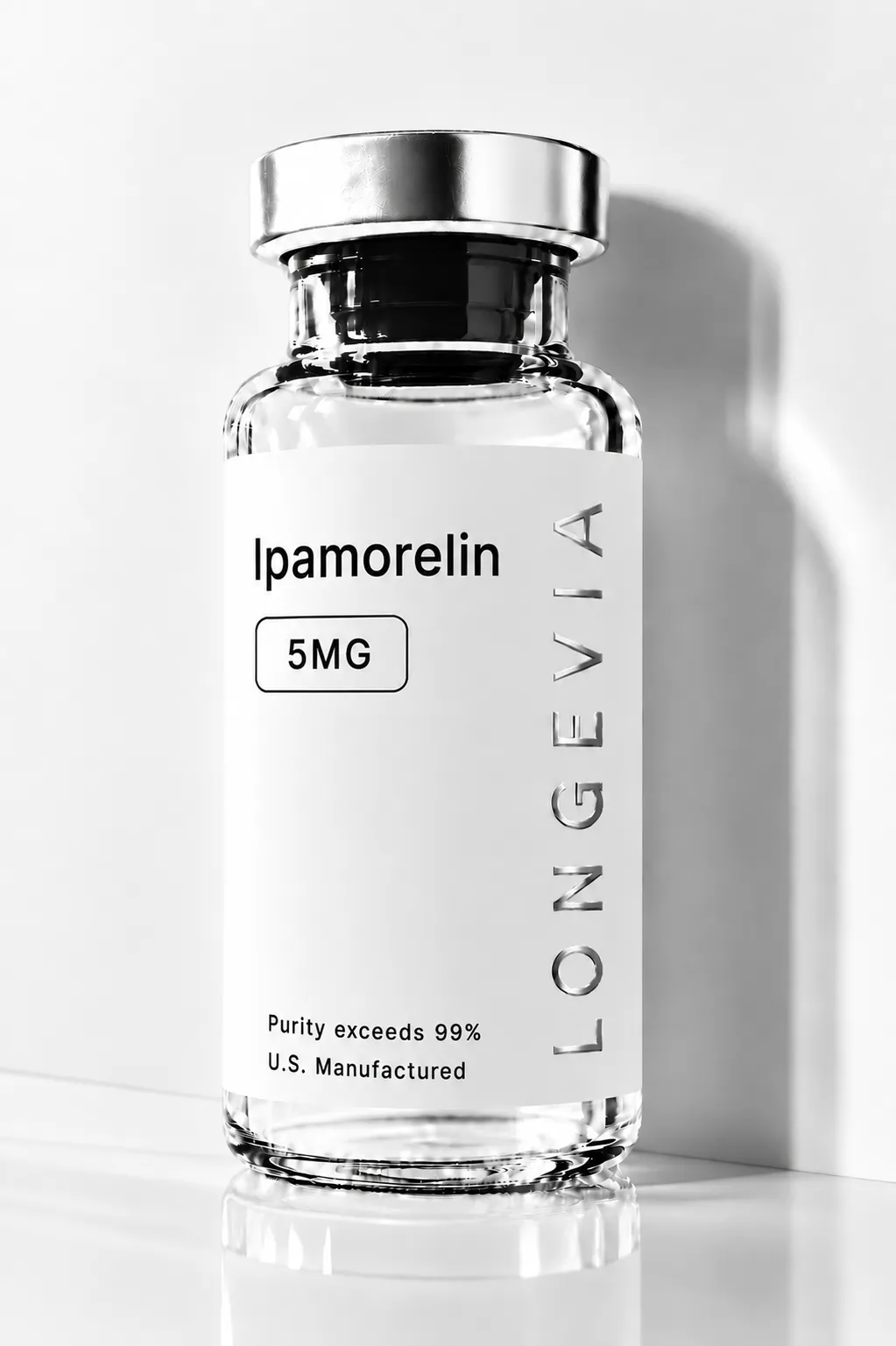
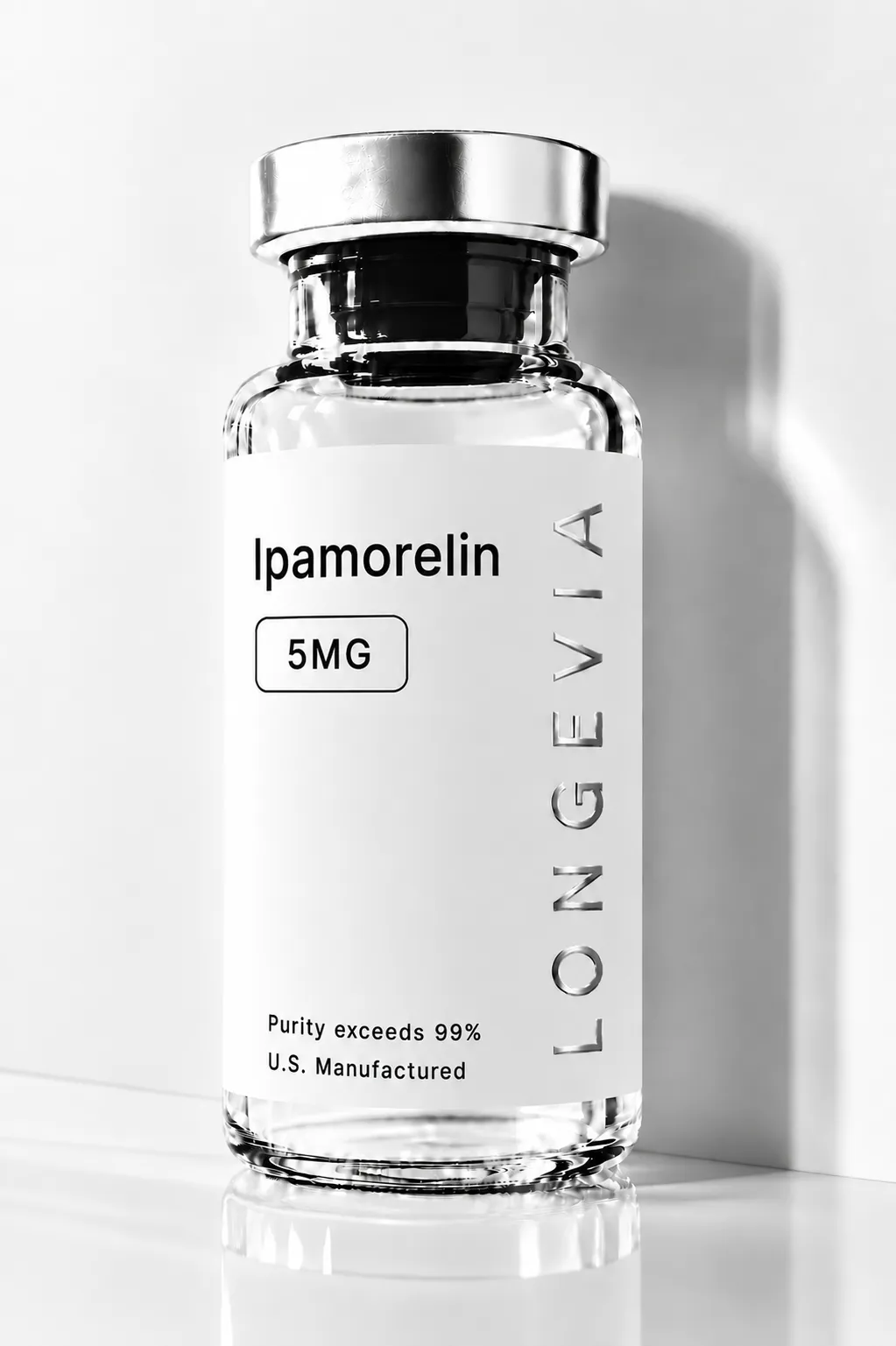
Ipamorelin
$90.00
1
Slide to Add
Purity≥99% Tested
TestingLC-MS Verified
LocationUS Based
Ipamorelin is a synthetic pentapeptide GH secretagogue that acts as a selective agonist at the growth hormone secretagogue receptor type 1a (GHSR-1a) — the ghrelin receptor. Developed as a third-generation GH secretagogue following GHRP-6 and GHRP-2, Ipamorelin was specifically engineered to improve GHSR-1a selectivity — stimulating GH secretion in experimental systems without the significant cortisol, prolactin, or ACTH release associated with earlier GH secretagogue peptides at comparable concentrations. Research has examined Ipamorelin in GHSR-1a pharmacology, selective pulsatile GH secretion models, and pituitary somatotroph signaling. Longevia Research supplies Ipamorelin in 5mg and 10mg research-grade vials for qualified laboratory use. Ipamorelin belongs to the same GH secretagogue family as GHRP-6 and GHRP-2 but is a pentapeptide rather than a hexapeptide, and its selectivity profile distinguishes it as a more targeted GHSR-1a research tool within this class. Like GHRP-6, Ipamorelin acts through GHSR-1a via Gαq/11-coupled signaling — distinct from the Gαs/cAMP pathway activated by GHRH receptor agonists such as CJC-1295 and Sermorelin. This product is supplied for Research Use Only and is not intended for human or veterinary use.
Standard Delivery3-4 Working Days
Free ShippingOn all orders above $300
Product Details
Scientific identity. Ipamorelin is a synthetic pentapeptide with the sequence Aib-His-D-2-Nal-D-Phe-Lys-NH₂. It contains several non-natural amino acid residues that contribute to its GHSR-1a selectivity and metabolic stability: Aib (α-aminoisobutyric acid) at position 1 — a conformationally constrained residue promoting helical structure; D-2-Nal (D-2-naphthylalanine) at position 3 — a bulky aromatic D-amino acid contributing to receptor selectivity; and D-Phe at position 4. The C-terminal lysine amide is required for receptor activity. This combination of non-natural residues was rationally designed to engage GHSR-1a with high selectivity over corticotroph and lactotroph pathways — the primary selectivity limitation of GHRP-6 and GHRP-2.
Peptide class. Synthetic pentapeptide; growth hormone secretagogue (GHS); GHSR-1a selective agonist; third-generation GH-releasing peptide; ghrelin receptor agonist.
Important note on molecular identifiers. Ipamorelin is typically supplied as an acetate salt in research-grade formulations; the free peptide molecular weight and salt form molecular weight differ. The molecular weight, molecular formula, and salt form applicable to this Longevia vial are confirmed on the batch Certificate of Analysis. Researchers should verify form-specific identifiers from the batch COA before use in assay calculations.
Primary receptor target. GHSR-1a — a class A G protein-coupled receptor coupled primarily to Gαq/11, expressed in pituitary somatotrophs, hypothalamic neurons, and peripheral tissues. Ipamorelin's defining pharmacological feature in research is its selectivity for GHSR-1a-mediated GH secretion over corticotroph (ACTH/cortisol) and lactotroph (prolactin) pathways at pharmacologically relevant concentrations.
Research areas. GHSR-1a pharmacology, GH secretagogue selectivity research, pulsatile GH secretion models, pituitary somatotroph biology, GH/IGF-1 axis research, comparative GH secretagogue pharmacology, ghrelin receptor biology.
Available quantities. 5mg and 10mg per vial.
Physical form. Supplied as a lyophilised solid in a sealed research vial.
Purity. Greater than 99%, confirmed by HPLC and LC-MS analysis at the batch level.
Analytical documentation. A batch-specific Certificate of Analysis is available on the Longevia Research website, covering compound identity, purity, and lot traceability.
Research-use classification. For laboratory research use only. Not for human or veterinary use, clinical diagnostics, or any in-vivo application in humans.
Research Focus
GHSR-1a Selectivity and the GH Secretagogue Series
The development of Ipamorelin addressed a key limitation of first-generation GH secretagogues GHRP-6 and GHRP-2: their stimulation of ACTH, cortisol, and prolactin release alongside GH in experimental systems — an off-target activity attributed to GHSR-1a-independent receptor engagement or downstream pathway cross-activation. Published pharmacological research characterising Ipamorelin established that at concentrations producing significant GHSR-1a-mediated GH secretion in pituitary cell models and animal systems, it did not produce comparable ACTH, cortisol, or prolactin release relative to GHRP-6 at equivalent concentrations. This selectivity profile makes Ipamorelin a more targeted research tool for investigating GHSR-1a-specific GH secretion independently of corticotroph and lactotroph axis engagement.
GHSR-1a Signaling Mechanism
Ipamorelin activates GHSR-1a through the same Gαq/11-coupled pathway as other GH secretagogue peptides — triggering phospholipase C activation, IP₃ production, and intracellular calcium mobilisation in pituitary somatotroph cells to stimulate GH synthesis and secretion. GHSR-1a also exhibits constitutive activity — significant receptor activation in the absence of ligand — that is studied in GPCR pharmacology research. Ipamorelin has been characterised as a full agonist at GHSR-1a in cell-based assay systems, distinguishing it from partial agonists within this receptor class. These mechanistic findings are from defined cell-based systems.
Distinction from GHRH Receptor Agonists
Ipamorelin and GHRH analogues (CJC-1295 No DAC, Sermorelin, Tesamorelin) stimulate GH secretion through completely separate receptor systems. Ipamorelin acts via GHSR-1a (Gαq/11/PLC/calcium pathway); GHRH analogues act via GHRHR (Gαs/cAMP/PKA pathway). Research examining co-administration of GHSR-1a agonists and GHRHR agonists in animal models has characterised synergistic GH release, reflecting the complementary nature of these two separate signaling pathways converging on GH secretion in pituitary somatotrophs.
GH/IGF-1 Axis Research
Animal studies have examined Ipamorelin in rodent models measuring pulsatile GH release profiles, IGF-1 levels, and downstream metabolic and tissue parameters. These preclinical findings characterise Ipamorelin's pharmacological activity as a selective GHSR-1a agonist and provide context for its use as a GH/IGF-1 axis research tool. Findings are model-specific observations in defined animal systems and should not be extrapolated to human outcomes.
Research Status
Ipamorelin has no regulatory approval for any therapeutic indication in any jurisdiction. It has been investigated in human pharmacological research including early-phase studies examining GH secretion responses. Published findings concern pharmaceutical-grade formulations under research conditions and do not establish the safety, efficacy, or bioavailability of the Longevia Research research vial. It is supplied for Research Use Only.
Quality & Purity
Reliable research begins with accurately characterised material. For a pentapeptide containing multiple non-natural amino acid residues such as Ipamorelin, that means confirming the full five-residue sequence — including correct Aib¹, D-2-Nal³, and D-Phe⁴ configurations — and purity at the batch level. Incorrect stereochemistry at D-amino acid positions, or substitution of natural amino acids for the designed non-natural residues, produces compounds with substantially different GHSR-1a binding and selectivity profiles that would confound receptor pharmacology and selectivity research.
Purity assessment. Each production lot is characterised to greater than 99% purity by high-performance liquid chromatography (HPLC). Chromatographic purity data is reported on the batch Certificate of Analysis.
Identity confirmation. Peptide identity, non-natural amino acid residues, D-amino acid configurations, and C-terminal amide are confirmed by mass spectrometry (LC-MS), providing molecular-weight verification consistent with the specified pentapeptide. HPLC and LC-MS data together confirm that the material supplied corresponds to the labelled compound at the labelled purity.
Batch traceability and Certificate of Analysis. Every vial of Ipamorelin 5mg and 10mg is traceable to a specific production lot. A batch-specific Certificate of Analysis is accessible directly on the Longevia Research website, covering purity, identity, and lot information. Researchers evaluating this material for assay work are encouraged to review the current batch documentation before use, since analytical specifications are applied at the lot level.
Handling. This material should be handled by qualified personnel using appropriate laboratory technique and personal protective equipment, consistent with institutional protocols for research-grade synthetic peptides containing non-natural amino acid residues.
Compliance Notice
Longevia Research supplies Ipamorelin 5mg and 10mg for laboratory and in-vitro research use only. The product is intended for use by qualified researchers and trained laboratory personnel in appropriate controlled research environments.
Ipamorelin is a synthetic research peptide supplied strictly as a research tool. It is not a drug, not a dietary supplement, not a food or food ingredient, and not a cosmetic. No regulatory authority has approved Ipamorelin for any human or veterinary therapeutic use, and Longevia does not supply it for administration to humans or animals, for clinical diagnostics, or for any therapeutic purpose.
Longevia provides no dosing instructions, administration guidance, treatment protocols, or reconstitution recommendations for this compound. The scientific literature summarised on this product page describes experimental observations in defined cell-based and animal model systems. Those findings are not medical claims and should not be interpreted as evidence of human efficacy, human safety, or fitness for any clinical application.
The purchaser assumes full responsibility for lawful acquisition, handling, storage, use, and disposal of this material, and for compliance with all applicable local, state, federal, and institutional regulations. By purchasing this product, the buyer confirms that it will be used solely for legitimate laboratory research purposes by qualified personnel, and that its acquisition and intended use comply with applicable laws in the buyer's jurisdiction.
Continue Exploring
Also Considered.
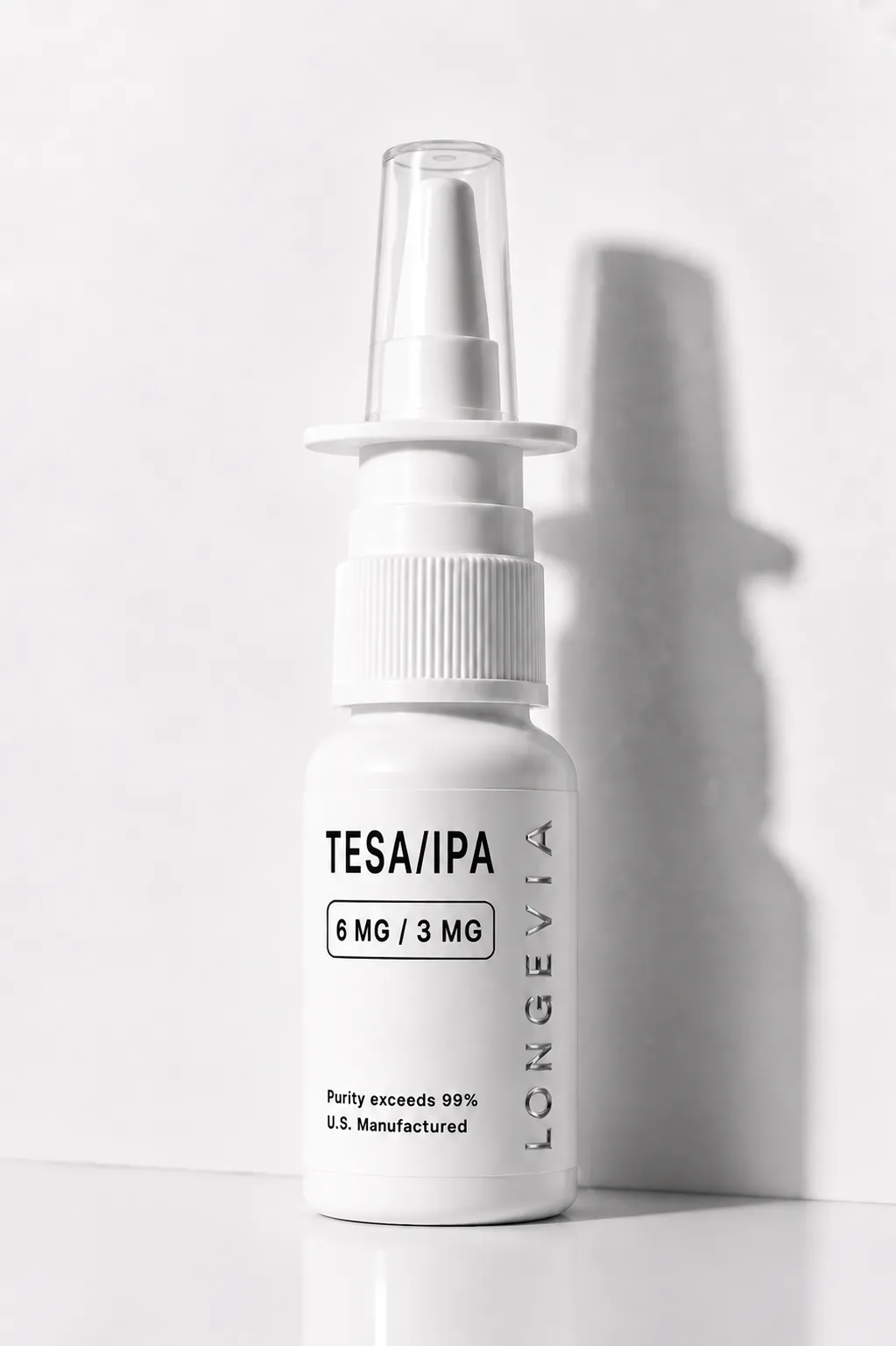
Tesa/IPA — Spray
Longevia Research supplies Tesa/IPA — a two-peptide research formulation containing Tesamorelin (CAS 218949-48-5), a synthetic GHRH analog, and Ipamorelin (CAS 170851-70-4), a growth hormone secretagogue associated with GHS-R/ghrelin receptor signaling. Available in 6mg/3mg and 13mg/3mg compositions, 45 sprays. Research Use Only.
$225.00
Slide to add
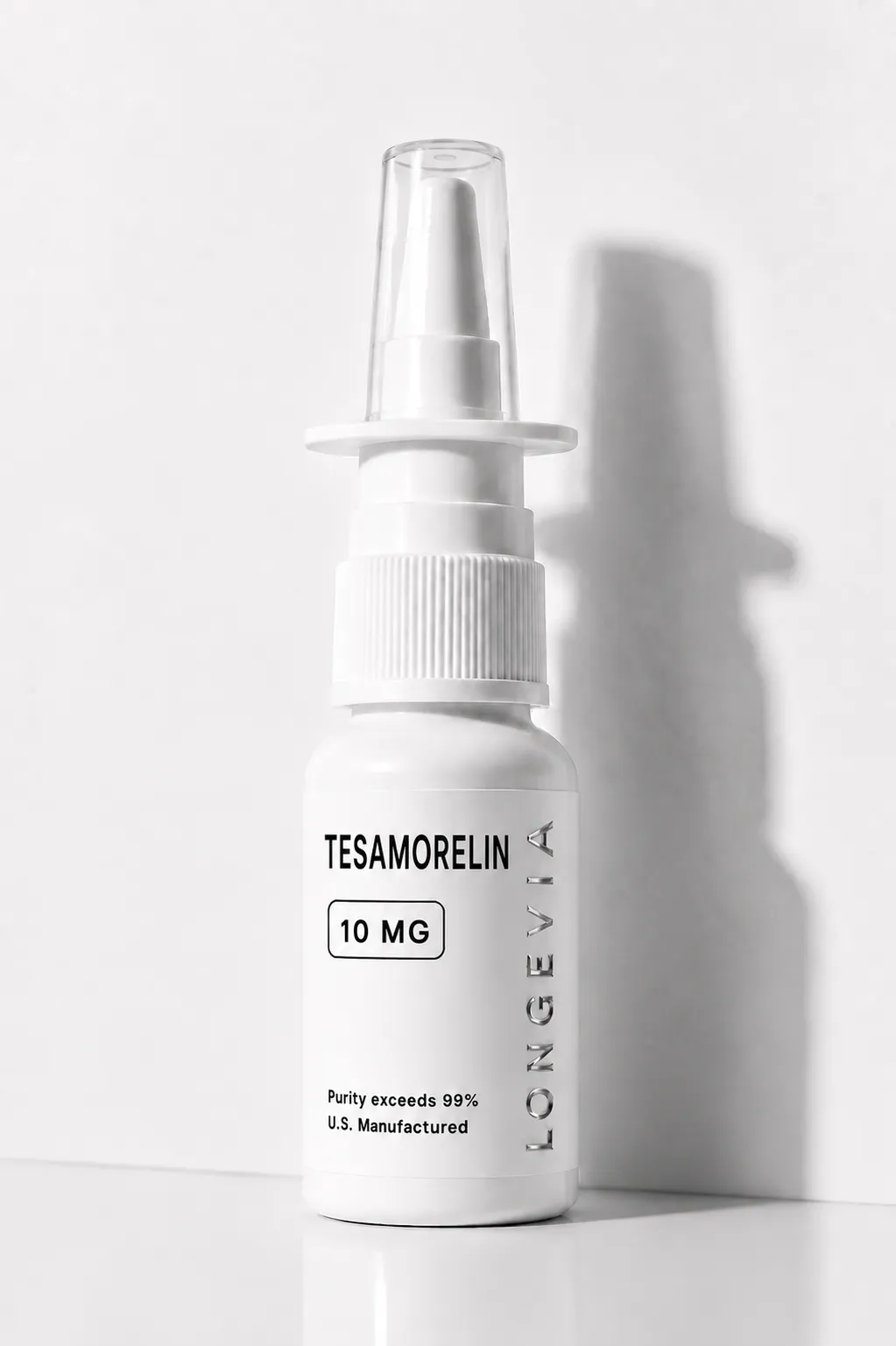
Tesamorelin Spray
Longevia Research supplies Tesamorelin in 10mg and 20mg quantities in a 45-spray format for qualified laboratory research. Tesamorelin (CAS 218949-48-5) is a synthetic GHRH analog and Class B GPCR agonist investigated in GHRH receptor pharmacology, pituitary somatotroph signaling, and GH/IGF-1 axis research. Research Use Only.
$270.00
Slide to add
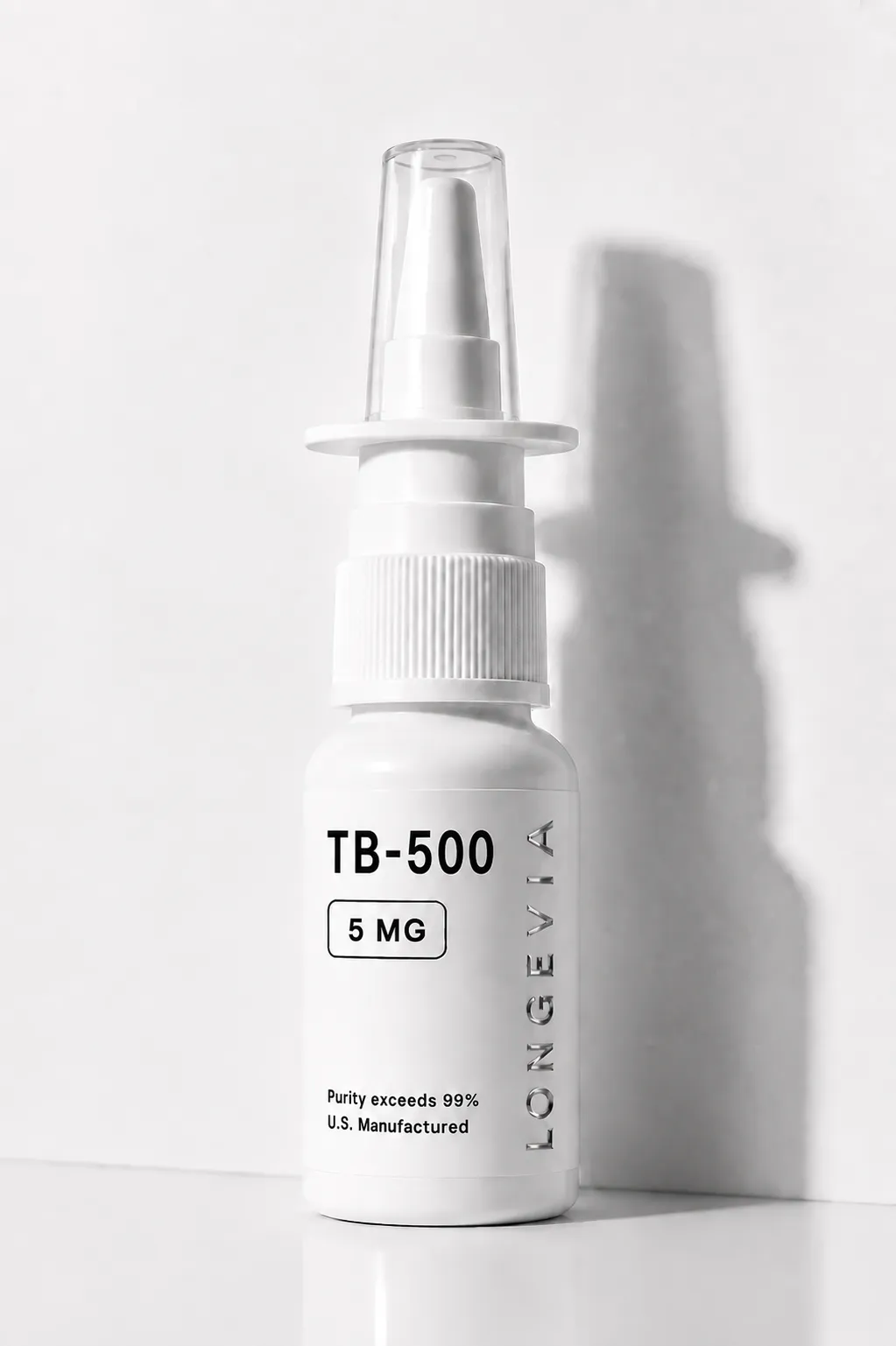
TB-500 — Spray
Longevia Research supplies TB-500 in 5mg and 10mg quantities in a 45-spray format for qualified laboratory research. TB-500 is a synthetic acetylated heptapeptide (Ac-LKKTETQ, CAS 885340-08-9) corresponding to the actin-binding domain of thymosin beta-4, investigated in G-actin sequestration, cytoskeletal dynamics, cell migration, and tissue biology research. Research Use Only.
$189.00
Slide to add
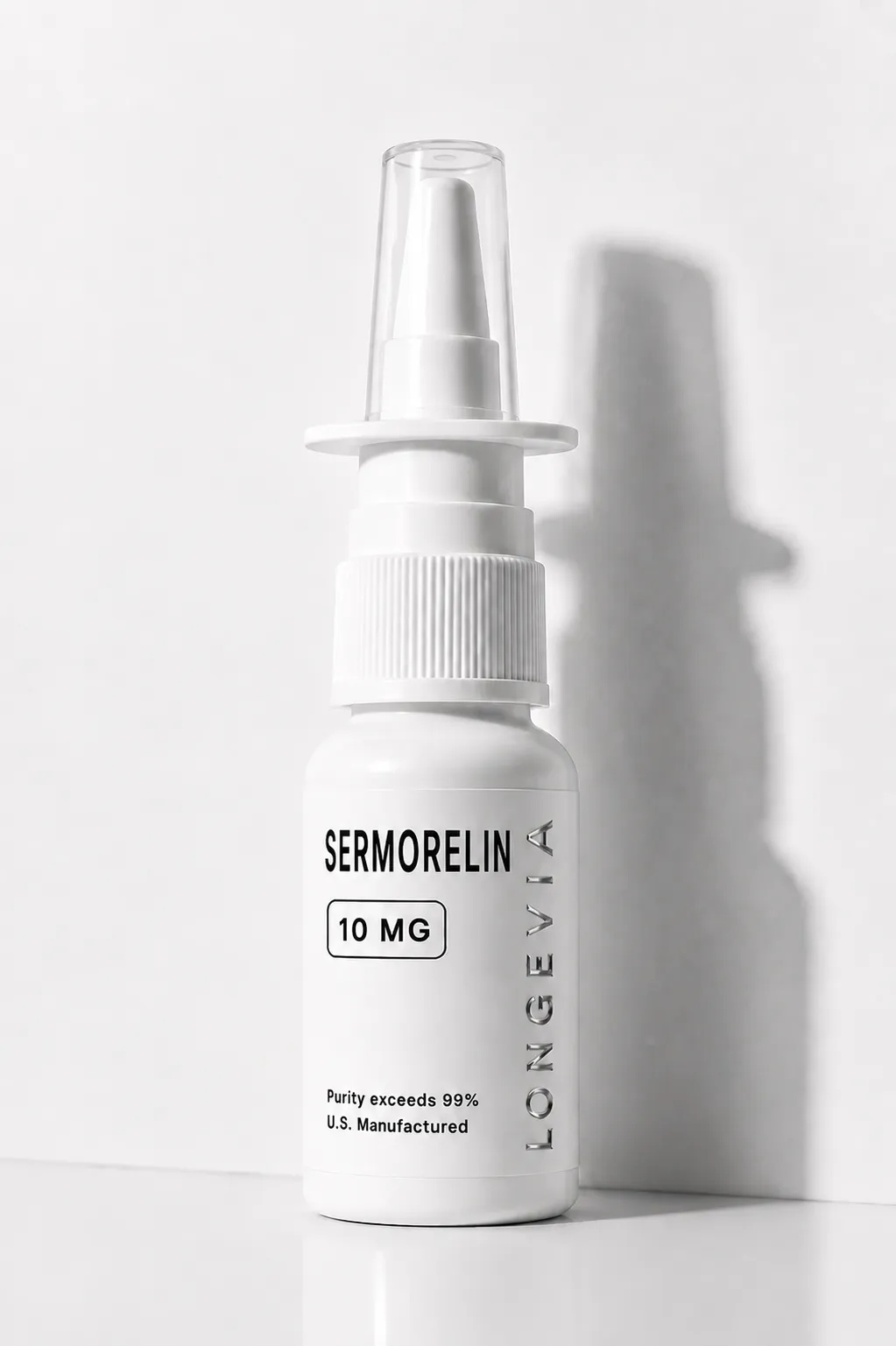
Sermorelin — Spray
Longevia Research supplies Sermorelin in 10mg and 20mg quantities, 45-spray format, for qualified laboratory research. Sermorelin is a synthetic GHRH(1–29) peptide investigated in GHRH receptor signaling, pituitary somatotroph biology, and somatotropic axis research. Research Use Only.
$189.00
Slide to add
Product FAQs
Find answers to common questions regarding storage, reconstitution, and testing guidelines for this specific compound.