Recovery & Tissue RepairLongevity Research
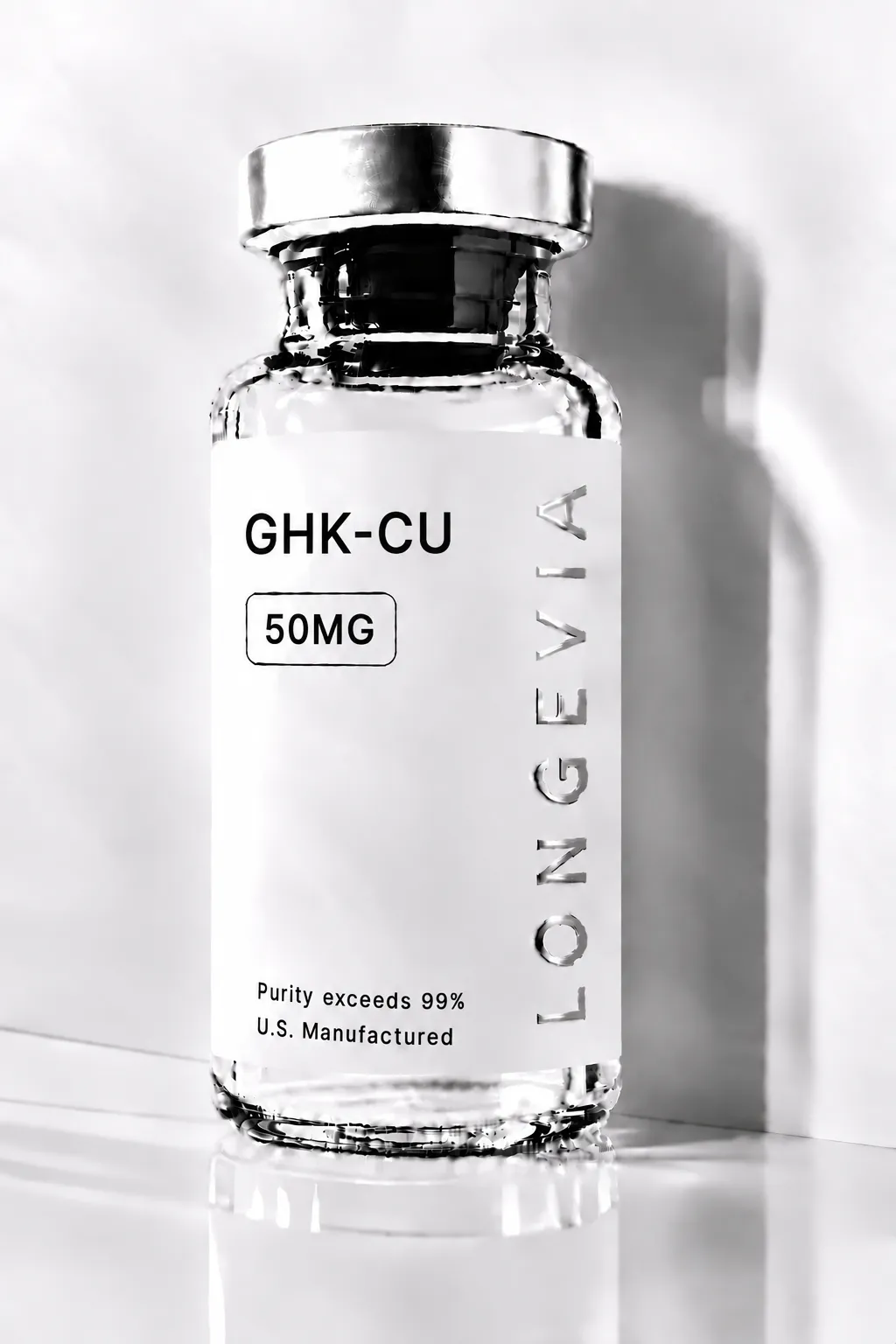
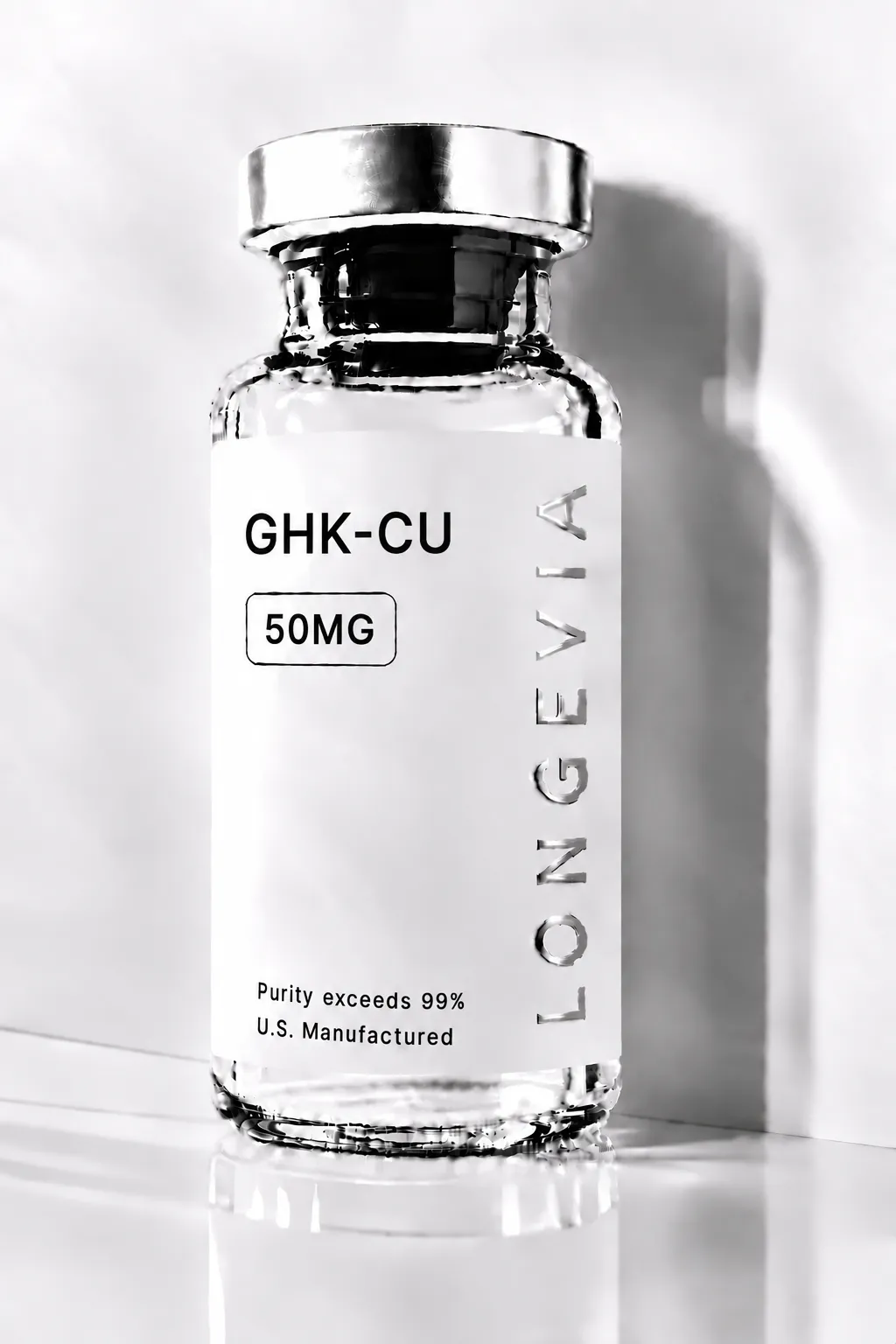
GHK-CU
$90.00
1
Slide to Add
Purity≥99% Tested
TestingLC-MS Verified
LocationUS Based
GHK-Cu (glycyl-L-histidyl-L-lysine·Cu²⁺) is a naturally occurring copper-binding tripeptide first isolated from human plasma by Pickart and Thaler in 1973. It coordinates copper(II) ions through the histidine imidazole and adjacent nitrogen donors and has been investigated across one of the most extensive research profiles of any copper metallopeptide — spanning fibroblast biology, extracellular matrix remodeling, wound biology models, angiogenesis research, and gene expression studies. Longevia Research supplies GHK-Cu in 50mg and 100mg research-grade vials for qualified laboratory use.
Standard Delivery3-4 Working Days
Free ShippingOn all orders above $300
Comprehensive Product Details
Scientific identity: GHK-Cu is a copper(II)-coordinated tripeptide consisting of glycine, L-histidine, and L-lysine — designated Gly-His-Lys·Cu²⁺. The copper(II) ion is coordinated primarily through the histidine imidazole nitrogen, the glycine amino terminus, and the deprotonated amide nitrogen of the Gly-His peptide bond, forming a stable square-planar coordination complex. This coordination geometry is well-characterised in metallopeptide chemistry and is distinct from simple copper salt solutions or non-chelated copper ions. The tripeptide backbone provides a defined, reproducible coordination environment that is the biologically characterised form of the compound.
Peptide class: Naturally occurring copper-binding tripeptide; copper metallopeptide; plasma-derived bioactive peptide; His-Lys copper peptide family member.
Primary research targets: Copper(II) coordination chemistry; extracellular matrix components including collagen, elastin, and glycosaminoglycans; matrix metalloproteinase (MMP) and tissue inhibitor of metalloproteinase (TIMP) biology; fibroblast signaling; angiogenic pathways including VEGF; wound biology research models.
Research areas: Copper metallopeptide chemistry, extracellular matrix biology, fibroblast and wound biology research, collagen synthesis research, angiogenesis models, gene expression research, aging biology research, skin biology research.
Available quantities: 50mg and 100mg per vial.
Purity: Greater than 99%, confirmed by HPLC and LC-MS analysis at the batch level.
Analytical documentation:A batch-specific Certificate of Analysis is available on the Longevia Research website, covering compound identity, purity, and lot traceability.
Research-use classification: For laboratory research use only. Not for human or veterinary use, clinical diagnostics, or any in-vivo application in humans.
Advanced Research Focus
Copper Metallopeptide Chemistry and Endogenous Biology
GHK-Cu is a naturally occurring tripeptide found in human plasma at concentrations reported to be approximately 200 ng/mL in young adults, with levels declining with aging in observational studies. Its role as an endogenous copper-carrier tripeptide has been investigated in relation to copper bioavailability, copper transport biology, and the proposed delivery of copper(II) ions to copper-dependent enzymes including lysyl oxidase (LOX) — an enzyme involved in collagen and elastin crosslinking — and superoxide dismutase (SOD1). These proposed endogenous functions provide the biological context for GHK-Cu's research relevance in extracellular matrix and wound biology.
Fibroblast Biology and Extracellular Matrix Research
GHK-Cu has one of the most extensive fibroblast research profiles of any synthetic research peptide. Cell-based studies have examined GHK-Cu in dermal fibroblast models measuring collagen synthesis, elastin production, glycosaminoglycan deposition, and MMP/TIMP expression as markers of extracellular matrix remodeling activity. Published research has characterised GHK-Cu as a modulator of fibroblast activity in defined cell culture systems, with findings including effects on collagen type I and III synthesis and MMP expression profiles. These findings are cell-based observations in defined experimental systems.
Gene Expression Research
A significant area of the GHK-Cu research literature involves gene expression studies — particularly research examining transcriptome-level responses to GHK-Cu exposure in human cell models. Published work has used microarray and RNA-sequencing approaches to characterise gene expression changes associated with GHK-Cu in fibroblast and other cell systems, with findings spanning extracellular matrix genes, inflammatory signaling genes, and DNA repair pathway genes. These transcriptomic findings are cell-based observations in defined experimental systems and should not be interpreted as establishing definitive biological outcomes in vivo.
Angiogenesis Research
GHK-Cu has been examined in angiogenesis research contexts — including studies measuring VEGF expression and endothelial cell behaviour in cell-based and animal wound models. Research has proposed that GHK-Cu contributes to angiogenic signaling in wound biology models through copper-dependent and direct signaling mechanisms. These findings are model-specific preclinical observations.
Aging Biology and Declining Plasma Levels
Human observational research has reported declining plasma GHK-Cu levels with aging — from approximately 200 ng/mL in young adults to approximately 80 ng/mL in older adults in defined study populations. These observational findings describe an association between endogenous GHK-Cu levels and aging rather than establishing causal relationships or the effects of administering exogenous GHK-Cu. The distinction between endogenous GHK-Cu as a biomarker and exogenous GHK-Cu as a research compound is scientifically fundamental and must be maintained when interpreting research findings.
Research Status
GHK-Cu has an extensive published research profile spanning several decades, with findings across biochemical, cell-based, and animal experimental systems. Human observational data on endogenous GHK-Cu levels is available. No completed human clinical trial of exogenous GHK-Cu administration appears in peer-reviewed literature, and GHK-Cu holds no regulatory approval for any therapeutic indication. It is supplied for Research Use Only.
Uncompromising Quality Standards
Reliable research begins with accurately characterised material. For a copper metallopeptide such as GHK-Cu, that means confirming peptide sequence, copper complexation, and purity at the batch level — because free tripeptide lacking copper coordination, or copper salt without peptide chelation, are structurally distinct from the GHK-Cu complex and would not replicate the coordination chemistry studied in the published literature. The distinction between GHK-Cu and the related AHK-Cu analogue also requires sequence-level verification, as both are copper-coordinated His-Lys tripeptides with similar molecular weights.
Purity assessment: Each production lot is characterised to greater than 99% purity by high-performance liquid chromatography (HPLC). Chromatographic purity data is reported on the batch Certificate of Analysis.
Identity confirmation: Peptide identity, sequence (Gly-His-Lys), and copper complexation are confirmed by mass spectrometry (LC-MS), providing molecular-weight verification consistent with the copper-coordinated form. HPLC and LC-MS data together confirm that the material supplied corresponds to the labelled compound at the labelled purity.
Batch traceability and Certificate of Analysis: Every vial of GHK-Cu 50mg and 100mg is traceable to a specific production lot. A batch-specific Certificate of Analysis is accessible directly on the Longevia Research website, covering purity, identity, and lot information. Researchers evaluating this material for assay work are encouraged to review the current batch documentation before use, since analytical specifications are applied at the lot level.
Handling: This material should be handled by qualified personnel using appropriate laboratory technique and personal protective equipment, consistent with institutional protocols for research-grade metallopeptide compounds.
Legal & Compliance Notice
Longevia Research supplies GHK-Cu 50mg and 100mg for laboratory and in-vitro research use only. The product is intended for use by qualified researchers and trained laboratory personnel in appropriate controlled research environments.
GHK-Cu is a synthetic research metallopeptide supplied strictly as a research tool. It is not a drug, not a dietary supplement, not a food or food ingredient, and not a cosmetic. While GHK-Cu is used as an ingredient in cosmetic formulations under the INCI designation Copper Tripeptide-1, those applications concern cosmetic-grade preparations governed by cosmetic regulations entirely distinct from the Longevia Research research vial, which is not a cosmetic product and has not been evaluated by any regulatory authority for safety or efficacy in this formulation.
Longevia provides no dosing instructions, administration guidance, treatment protocols, or reconstitution recommendations for this compound. The scientific literature summarised on this product page describes experimental observations in defined biochemical, cell-based, and animal research systems. Those findings are not medical claims and should not be interpreted as evidence of human efficacy, human safety, or fitness for any clinical application.
The purchaser assumes full responsibility for lawful acquisition, handling, storage, use, and disposal of this material, and for compliance with all applicable local, state, federal, and institutional regulations. By purchasing this product, the buyer confirms that it will be used solely for legitimate laboratory research purposes by qualified personnel, and that its acquisition and intended use comply with applicable laws in the buyer's jurisdiction.
Continue Exploring
Also Considered.
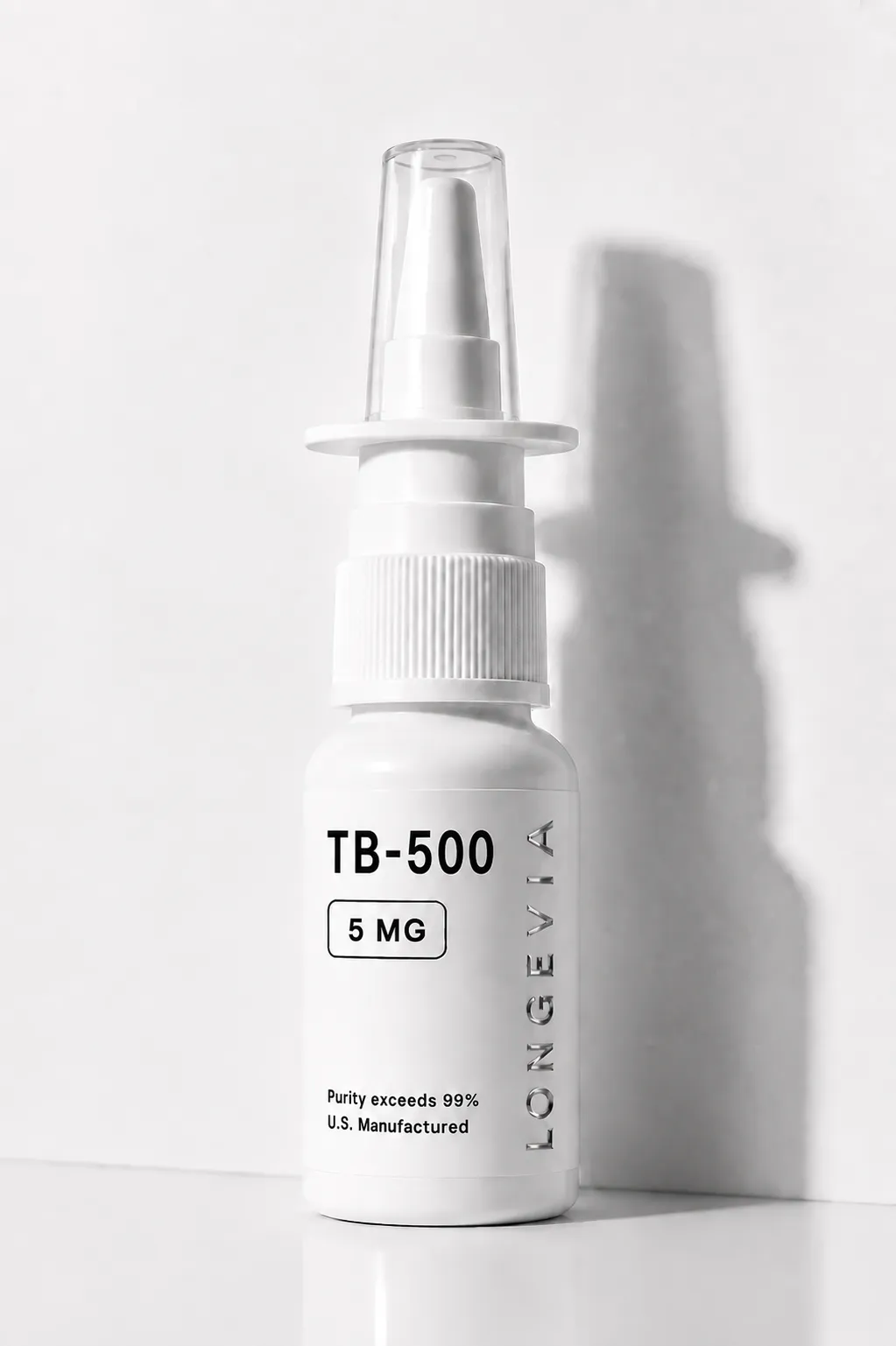
TB-500 — Spray
Longevia Research supplies TB-500 in 5mg and 10mg quantities in a 45-spray format for qualified laboratory research. TB-500 is a synthetic acetylated heptapeptide (Ac-LKKTETQ, CAS 885340-08-9) corresponding to the actin-binding domain of thymosin beta-4, investigated in G-actin sequestration, cytoskeletal dynamics, cell migration, and tissue biology research. Research Use Only.
$189.00
Slide to add
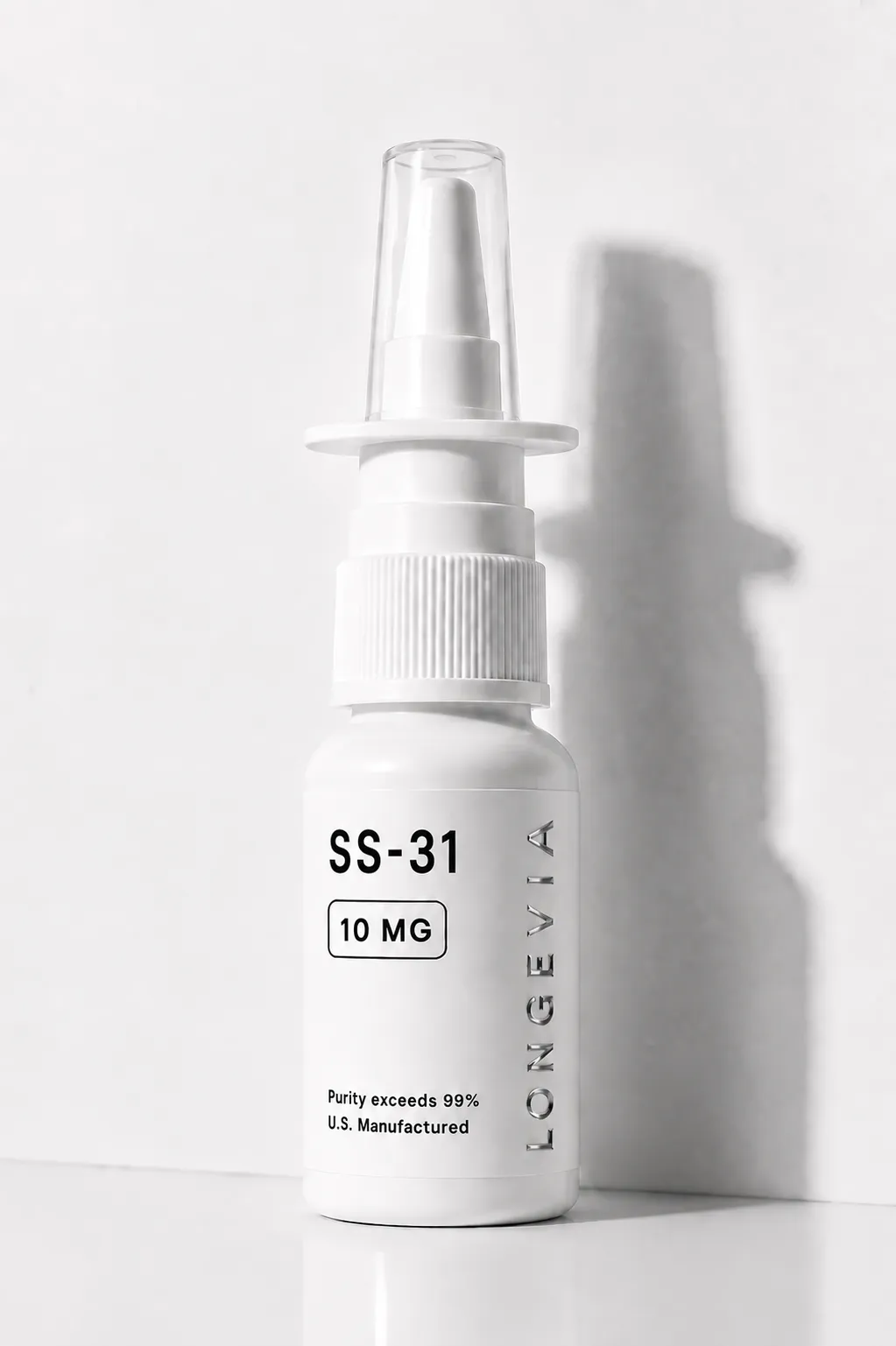
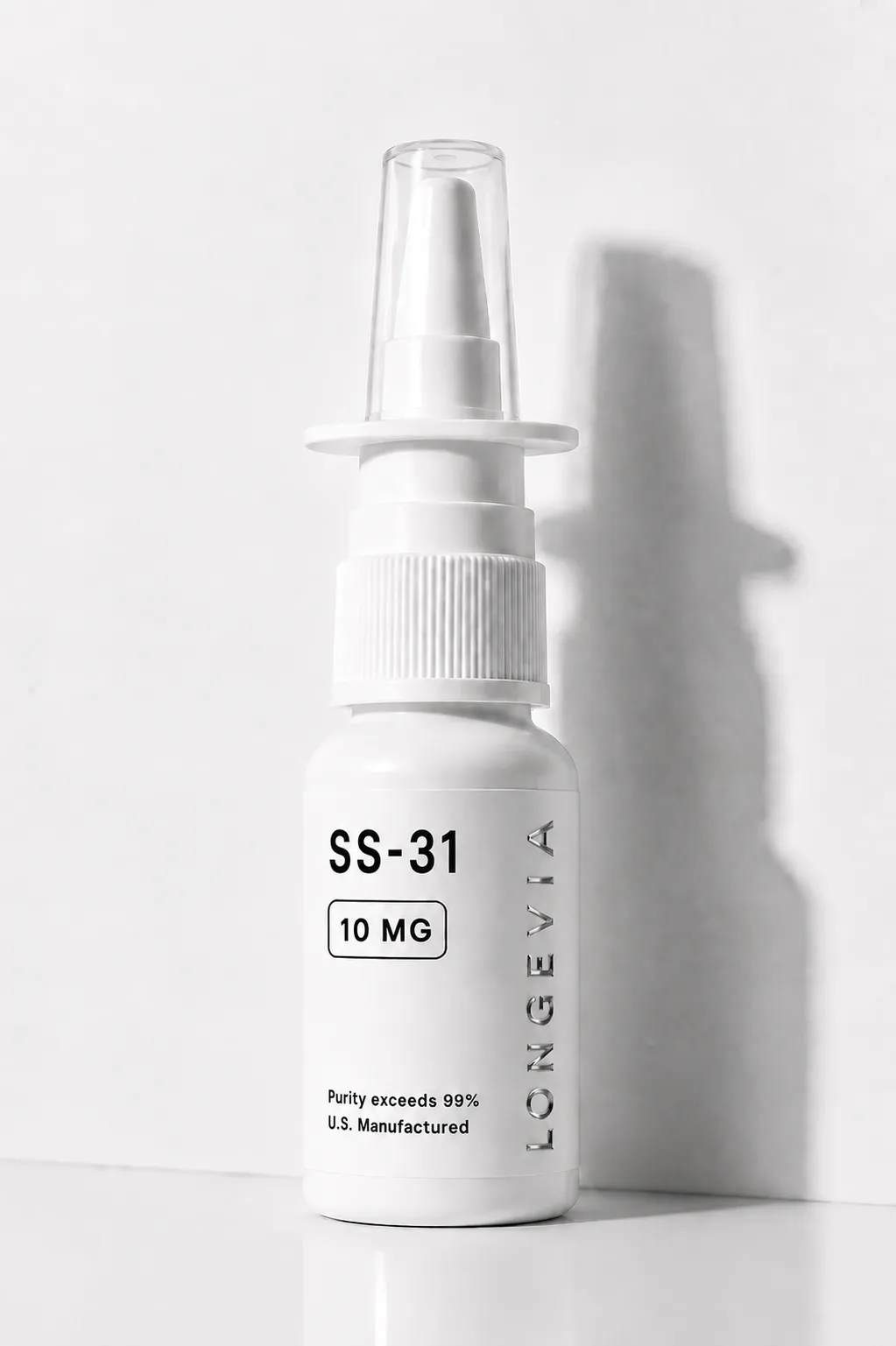
SS-31 — Spray
Longevia Research supplies SS-31 (elamipretide / MTP-131) in 10mg and 50mg quantities, 45-spray format, for qualified laboratory research. SS-31 is a synthetic mitochondria-targeted tetrapeptide investigated in cardiolipin, mitochondrial membrane biology, and mitochondrial bioenergetics research. Research Use Only.
$198.00
Slide to add
SNAP-8 — Spray
Longevia Research supplies SNAP-8 (Acetyl Octapeptide-3) in 10mg and 20mg quantities, 45-spray format, for qualified laboratory research. SNAP-8 is a synthetic acetylated octapeptide associated with SNAP-25 and SNARE-complex biology, investigated in neurotransmitter-release and vesicle-fusion research. Research Use Only.
$130.50
Slide to add
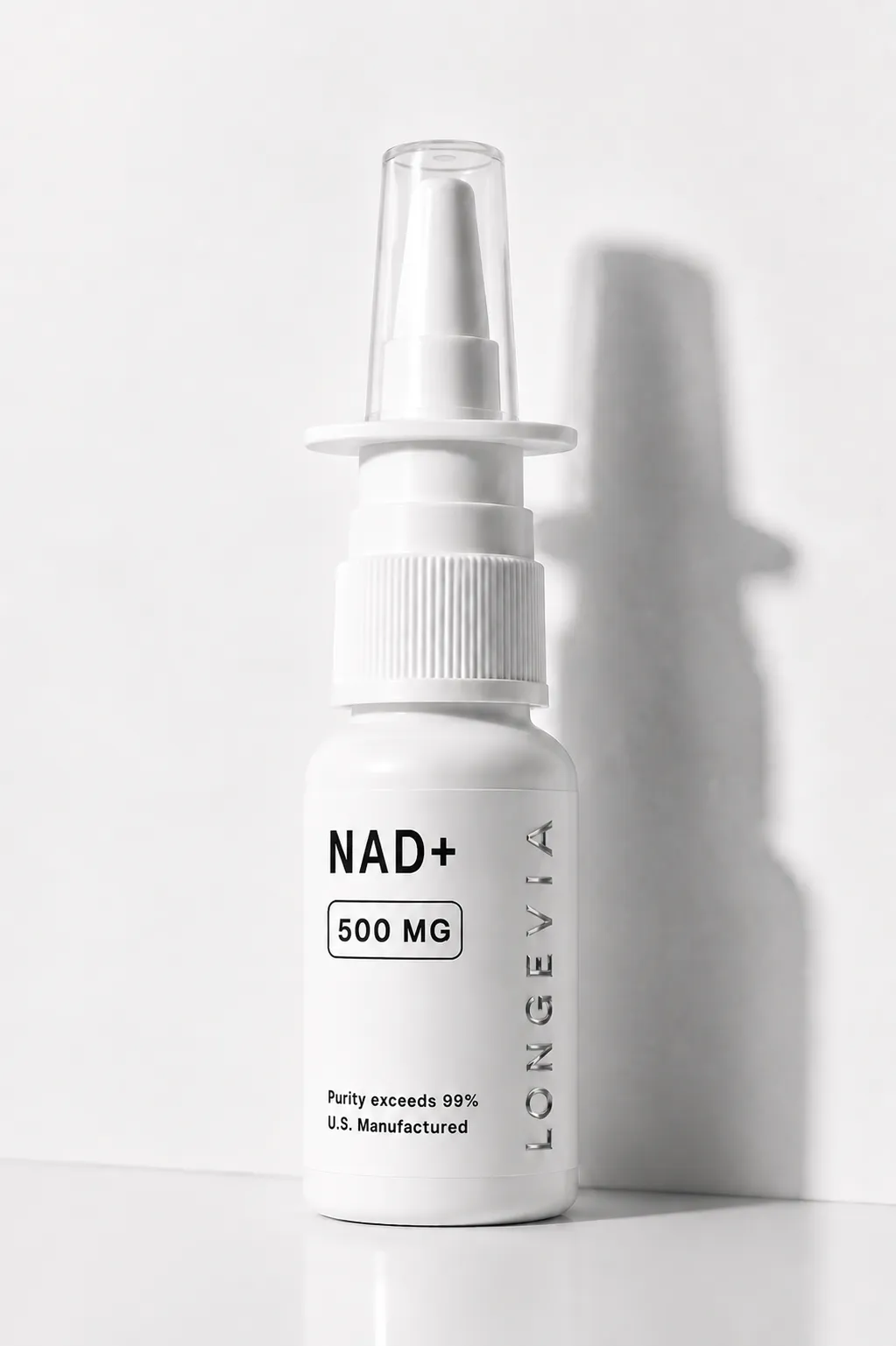
NAD+ Spray
Longevia Research supplies NAD+ (nicotinamide adenine dinucleotide) in 500mg and 1000mg quantities, 45-spray format, for qualified laboratory research. NAD+ is a redox-active dinucleotide coenzyme central to cellular metabolism, mitochondrial biology, sirtuin and PARP research. Research Use Only.
$162.00
Slide to add
Product FAQs
Find answers to common questions regarding storage, reconstitution, and testing guidelines for this specific compound.