
VIP
$166.50
1
Slide to Add
Purity≥99% Tested
TestingLC-MS Verified
LocationUS Based
VIP (Vasoactive Intestinal Peptide) is a synthetic 28-amino-acid neuropeptide and peptide hormone belonging to the secretin/glucagon superfamily. It acts through two primary G protein-coupled receptors — VPAC1 (VIPR1) and VPAC2 (VIPR2) — mediating Gαs-coupled cAMP signaling in a broad range of tissues including the gastrointestinal tract, lung, immune cells, the central nervous system, and vascular smooth muscle. Research has examined VIP across VPAC receptor pharmacology, immunomodulatory signaling, smooth muscle biology, neuroendocrine regulation, and circadian rhythm research. Longevia Research supplies VIP in a 10mg research-grade vial for qualified laboratory use. VIP is an endogenous neuropeptide with one of the most diverse tissue expression and receptor distribution profiles of any research peptide — making it a widely used research tool across multiple biological disciplines. It is structurally related to PACAP (pituitary adenylate cyclase-activating polypeptide), secretin, glucagon, and GIP — all members of the secretin/glucagon peptide superfamily sharing N-terminal sequence homology. This product is supplied for Research Use Only and is not intended for human or veterinary use.
Standard Delivery3-4 Working Days
Free ShippingOn all orders above $300
Product Details
Scientific identity. VIP is a 28-amino-acid linear peptide with the sequence His-Ser-Asp-Ala-Val-Phe-Thr-Asp-Asn-Tyr-Thr-Arg-Leu-Arg-Lys-Gln-Met-Ala-Val-Lys-Lys-Tyr-Leu-Asn-Ser-Ile-Leu-Asn-NH₂. The C-terminal amide (Asn-NH₂) is required for full VPAC receptor binding activity. VIP was originally isolated from porcine intestinal extracts by Said and Mutt in 1970 — named for its potent vasodilatory properties observed in the original bioassay. It is produced endogenously in neurons of the enteric nervous system, central and peripheral nervous systems, and immune cells.
Peptide class. Synthetic neuropeptide; peptide hormone; secretin/glucagon superfamily member; VPAC receptor agonist; enteric and autonomic nervous system neuropeptide.
Primary receptor targets. VPAC1 (VIPR1) and VPAC2 (VIPR2) — class B GPCRs coupled to Gαs, activating adenylate cyclase and downstream cAMP/PKA signaling. VPAC1 is expressed in lung, liver, intestine, T-lymphocytes, and brain. VPAC2 is expressed in smooth muscle, pancreas, brain, and testis. VIP also engages PAC1 receptor (ADCYAP1R1) at higher concentrations, though with substantially lower affinity than PACAP.
Research areas. VPAC receptor pharmacology, immunomodulatory signaling research, smooth muscle biology, neuroendocrine regulation, circadian rhythm biology, gastrointestinal motility research, lung biology research, T-cell and immune signaling research.
Product quantity. 10mg per vial.
Physical form. Supplied as a lyophilised solid in a sealed research vial.
Purity. Greater than 99%, confirmed by HPLC and LC-MS analysis at the batch level.
Analytical documentation. A batch-specific Certificate of Analysis is available on the Longevia Research website, covering compound identity, purity, and lot traceability.
Research-use classification. For laboratory research use only. Not for human or veterinary use, clinical diagnostics, or any in-vivo application in humans.
Research Focus
VPAC Receptor Biology
VPAC1 and VPAC2 are class B GPCRs — the same receptor class as GLP-1R, GHRHR, and secretin receptor — coupled to Gαs and mediating cAMP elevation as the primary signaling event. Both receptors bind VIP and PACAP with high and comparable affinity, distinguishing them from the PAC1 receptor which strongly preferentially binds PACAP. VPAC1 is the predominant receptor in T-lymphocytes, lung epithelium, hepatocytes, and intestinal epithelium; VPAC2 predominates in smooth muscle, the suprachiasmatic nucleus, and pancreatic tissue. This distinct expression pattern makes the two receptors relevant to different research contexts despite sharing the same endogenous ligand.
Immunomodulatory Research
A substantial body of research has examined VIP's immunomodulatory activity — specifically its proposed anti-inflammatory effects in immune cell models. Research has investigated VIP in T-lymphocyte signaling, dendritic cell activation, macrophage cytokine production, and regulatory T-cell (Treg) biology in cell-based experimental systems. Published findings have characterised VIP-associated modulation of pro-inflammatory cytokine expression — including TNF-α, IL-6, and IL-12 — in defined immune cell models. These are cell-based observations in specific experimental systems and do not establish anti-inflammatory outcomes in humans.
Smooth Muscle and Vascular Biology Research
VIP's original characterisation as a potent vasodilator reflects its well-established activity in smooth muscle cell models. Research has examined VIP in vascular smooth muscle relaxation, airway smooth muscle biology, and gastrointestinal smooth muscle motility research. These findings are relevant to cardiovascular biology, pulmonary research, and gastrointestinal physiology research contexts. Animal studies have investigated VIP in models of pulmonary arterial hypertension and airway hyperresponsiveness.
Circadian Biology Research
VPAC2 receptor expression in the suprachiasmatic nucleus (SCN) — the primary circadian pacemaker of the mammalian brain — has motivated research into VIP's role in circadian rhythm synchronisation. Published research has characterised VIP-VPAC2 signaling as a critical intercellular communication mechanism within the SCN, with cell-based and animal studies examining its role in sustaining circadian oscillations across SCN neurons. This research area is distinct from VIP's peripheral immunomodulatory and smooth muscle biology.
Relationship to PACAP
PACAP (pituitary adenylate cyclase-activating polypeptide) — available in two forms, PACAP-27 and PACAP-38 — shares approximately 68% sequence homology with VIP and binds VPAC1 and VPAC2 with comparable affinity. PACAP additionally binds the PAC1 receptor with high selectivity — a receptor that VIP does not engage significantly. Research examining VIP versus PACAP allows dissection of VPAC-specific versus PAC1-mediated signaling in cells co-expressing all three receptors. This comparative pharmacology application makes VIP and PACAP complementary research tools in the secretin superfamily.
Research Status
VIP has no regulatory approval for any therapeutic indication in any jurisdiction as a standalone compound. It has been investigated in human clinical research for specific applications including pulmonary arterial hypertension. Published human findings concern pharmaceutical-grade formulations under regulated conditions. It is supplied for Research Use Only.
Quality & Purity
Reliable research begins with accurately characterised material. For VIP, key quality parameters are full 28-residue sequence integrity, C-terminal amide confirmation, and Met¹⁷ oxidation status. The single methionine residue at position 17 is susceptible to oxidation — Met(O)-VIP (methionine sulfoxide form) has measurably different VPAC receptor binding characteristics in published pharmacology studies, making oxidation status a directly research-relevant quality parameter rather than merely a chemical purity concern.
Purity assessment. Each production lot is characterised to greater than 99% purity by high-performance liquid chromatography (HPLC). Chromatographic purity data — including separation of native VIP from Met(O)-VIP — is reported on the batch Certificate of Analysis.
Identity confirmation. Peptide identity, full 28-residue sequence integrity, C-terminal amide, and Met¹⁷ oxidation status are confirmed by mass spectrometry (LC-MS), providing molecular-weight verification consistent with the unoxidised native form. HPLC and LC-MS data together confirm that the material supplied corresponds to the labelled compound at the labelled purity.
Batch traceability and Certificate of Analysis. Every vial of VIP 10mg is traceable to a specific production lot. A batch-specific Certificate of Analysis is accessible directly on the Longevia Research website, covering purity, identity, Met¹⁷ oxidation status, and lot information. Researchers evaluating this material for VPAC receptor assays are encouraged to review the current batch documentation before use.
Handling. VIP should be handled under conditions that minimise oxidative exposure to preserve Met¹⁷ integrity. This material should be handled by qualified personnel using appropriate laboratory technique — including inert atmosphere handling where Met oxidation is a concern in specific assay designs — and personal protective equipment, consistent with institutional protocols for research-grade methionine-containing neuropeptides.
Compliance Notice
Longevia Research supplies VIP 10mg for laboratory and in-vitro research use only. The product is intended for use by qualified researchers and trained laboratory personnel in appropriate controlled research environments.
VIP is a synthetic research peptide supplied strictly as a research tool. It is not a drug, not a dietary supplement, not a food or food ingredient, and not a cosmetic. No regulatory authority has approved VIP as a standalone therapeutic compound for any human or veterinary indication, and Longevia does not supply it for administration to humans or animals, for clinical diagnostics, or for any therapeutic purpose.
Longevia provides no dosing instructions, administration guidance, treatment protocols, or reconstitution recommendations for this compound. The scientific literature summarised on this product page describes experimental observations in defined cell-based, animal, and limited human research systems. Those findings are not medical claims and should not be interpreted as evidence of human efficacy, human safety, or fitness for any clinical application.
The purchaser assumes full responsibility for lawful acquisition, handling, storage, use, and disposal of this material, and for compliance with all applicable local, state, federal, and institutional regulations. By purchasing this product, the buyer confirms that it will be used solely for legitimate laboratory research purposes by qualified personnel, and that its acquisition and intended use comply with applicable laws in the buyer's jurisdiction.
Continue Exploring
Also Considered.
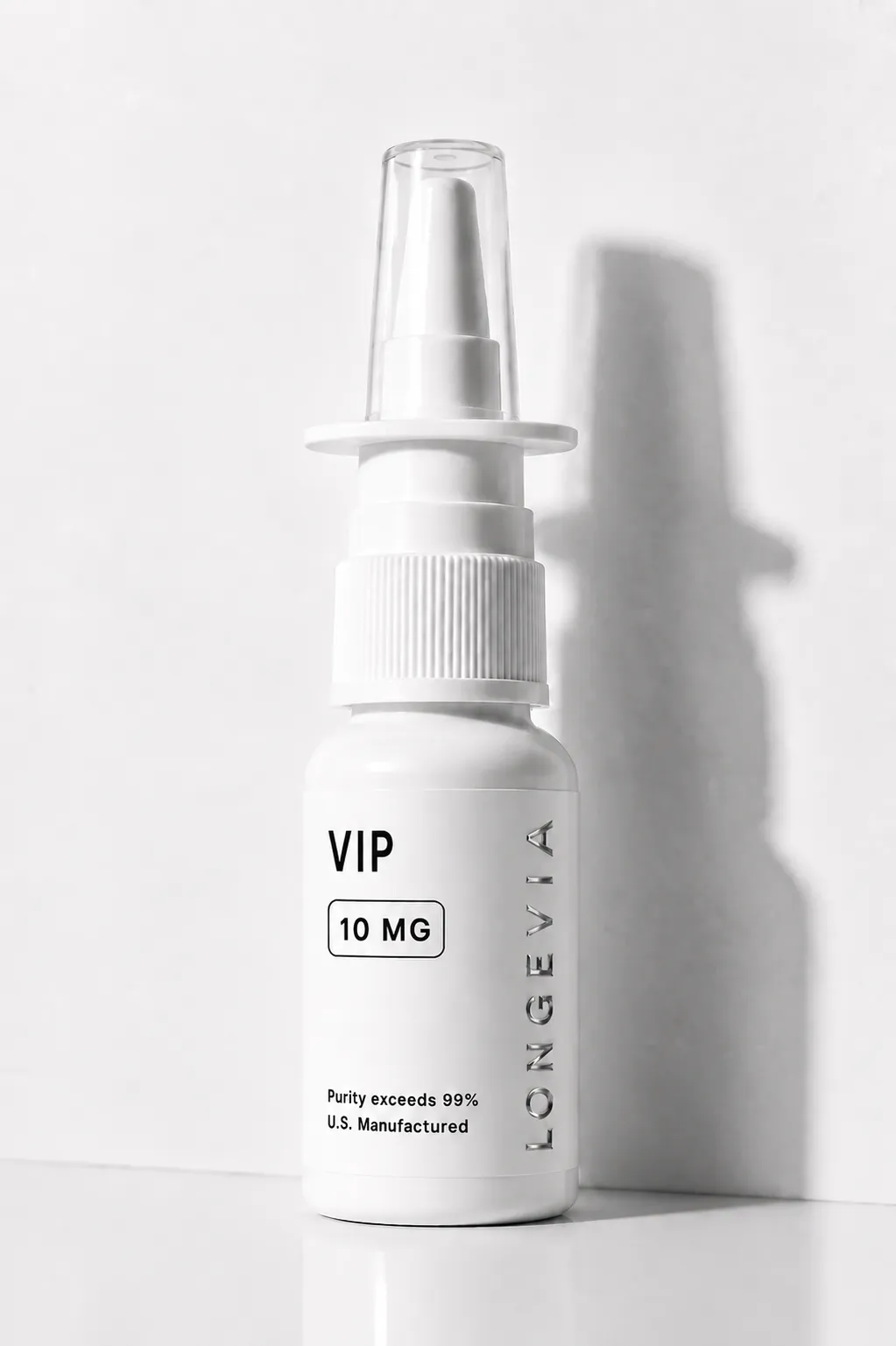
VIP Spray
Longevia Research supplies VIP (Vasoactive Intestinal Peptide, CAS 40077-57-4) 10mg in a 90-spray research format. A naturally occurring 28-amino-acid endogenous neuropeptide studied in VPAC1/VPAC2 receptor pharmacology, gastrointestinal neurobiology, vascular signaling, neuroendocrine research, circadian biology, and immunological signaling. Research Use Only.
$211.50
Slide to add
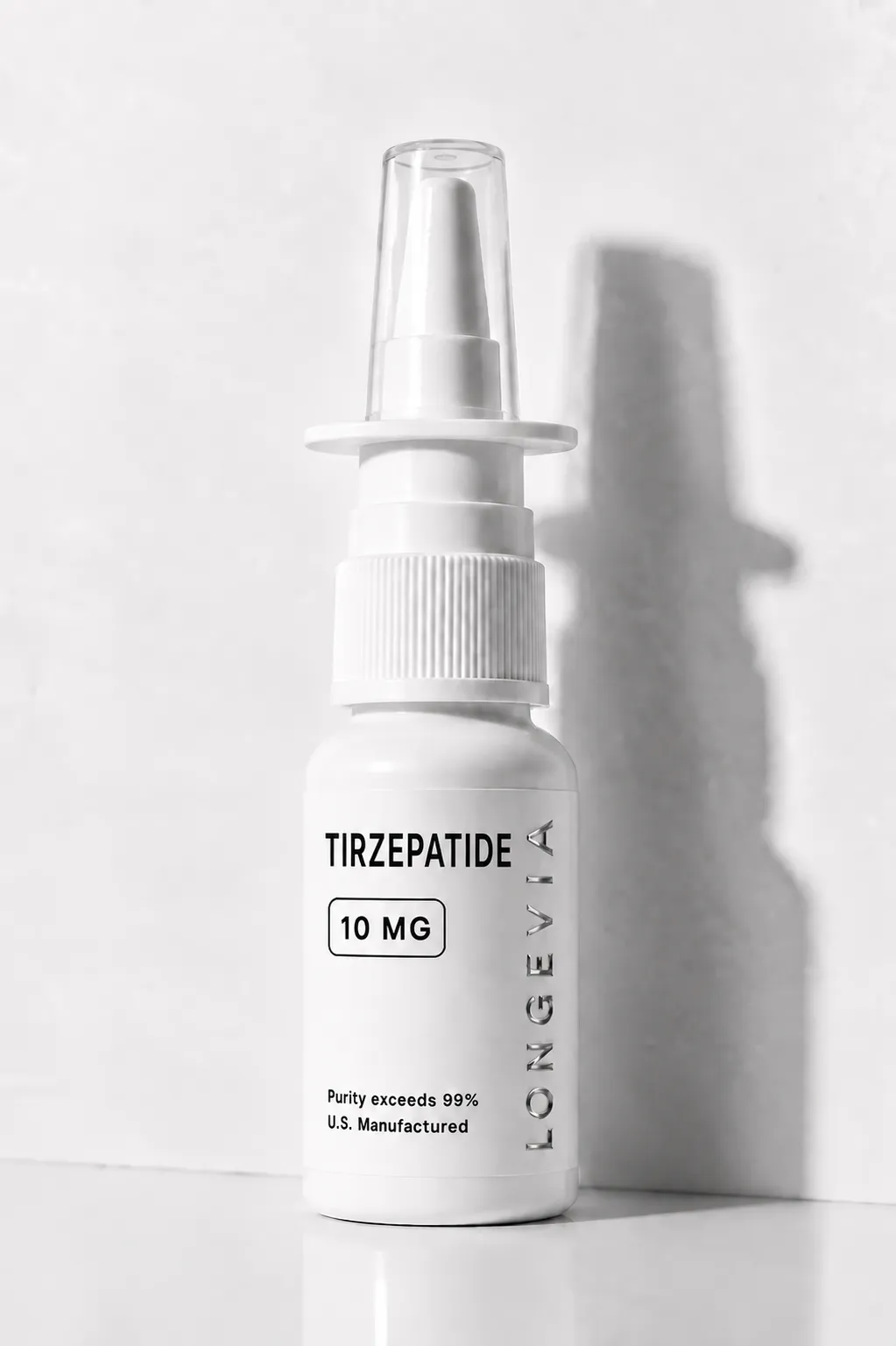
Tirzepatide — Spray
Longevia Research supplies Tirzepatide (LY3298176, CAS 2023788-19-2) in 10mg, 20mg, 30mg, and 60mg quantities in a 45-spray research format. A synthetic 39-amino-acid dual GIP and GLP-1 receptor agonist peptide investigated in incretin biology, pancreatic islet signaling, glucose homeostasis, metabolic research, and cardiometabolic pharmacology. Research Use Only.
$144.00
Slide to add
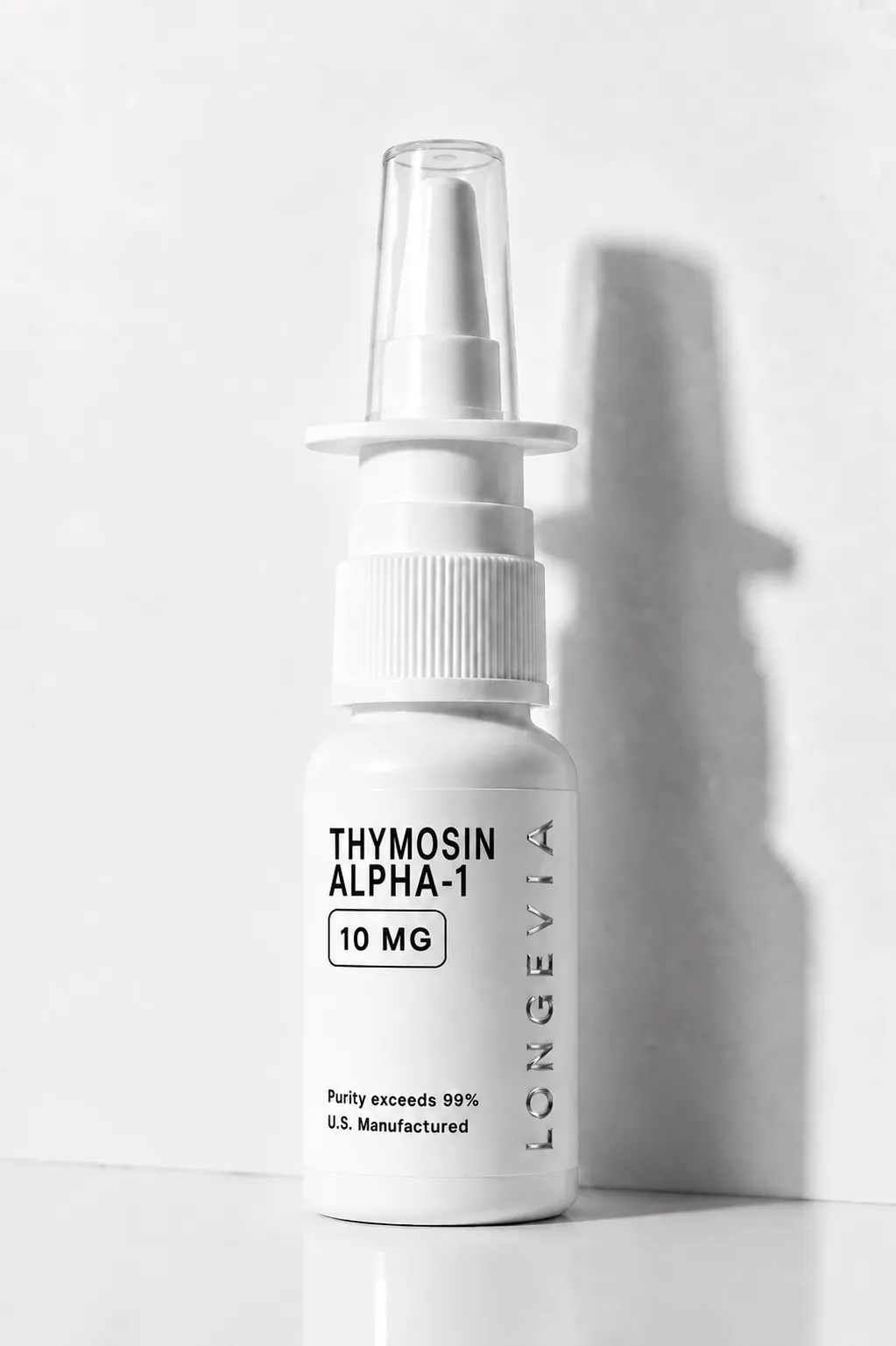
Thymosin Alpha-1 — Spray
Longevia Research supplies Thymosin Alpha-1 (Tα1 / TA-1, CAS 62304-98-7) 10mg in a 45-spray research format. A synthetic 28-amino-acid N-terminally acetylated peptide corresponding to the N-terminal region of prothymosin alpha, studied in TLR signaling, innate immunity, adaptive immune responses, dendritic cell biology, and clinical immunology research. Research Use Only.
$189.00
Slide to add
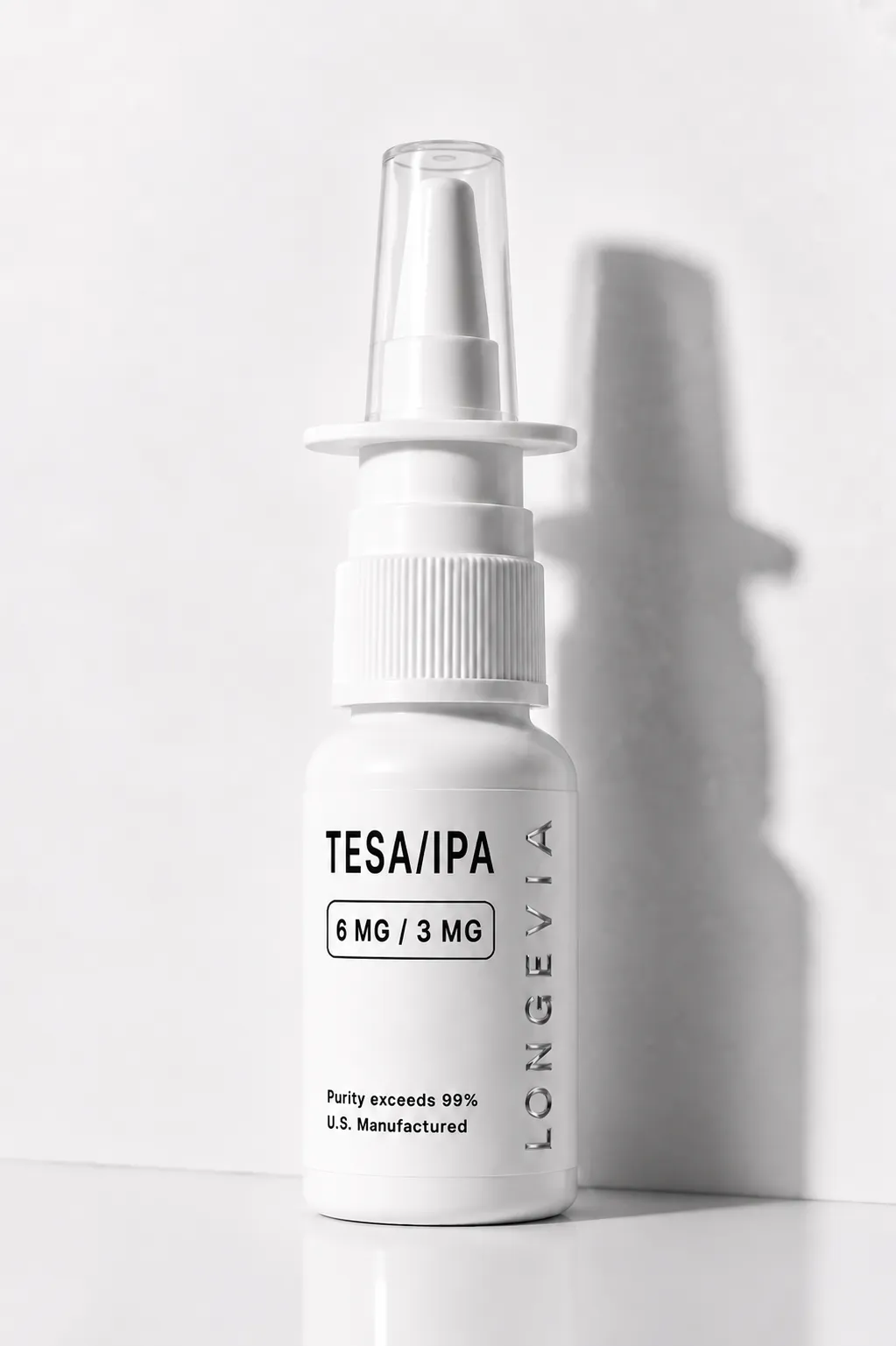
Tesa/IPA — Spray
Longevia Research supplies Tesa/IPA — a two-peptide research formulation containing Tesamorelin (CAS 218949-48-5), a synthetic GHRH analog, and Ipamorelin (CAS 170851-70-4), a growth hormone secretagogue associated with GHS-R/ghrelin receptor signaling. Available in 6mg/3mg and 13mg/3mg compositions, 45 sprays. Research Use Only.
$225.00
Slide to add
Product FAQs
Find answers to common questions regarding storage, reconstitution, and testing guidelines for this specific compound.