Mitochondrial & Cellular EnergyMetabolic ResearchLongevity Research
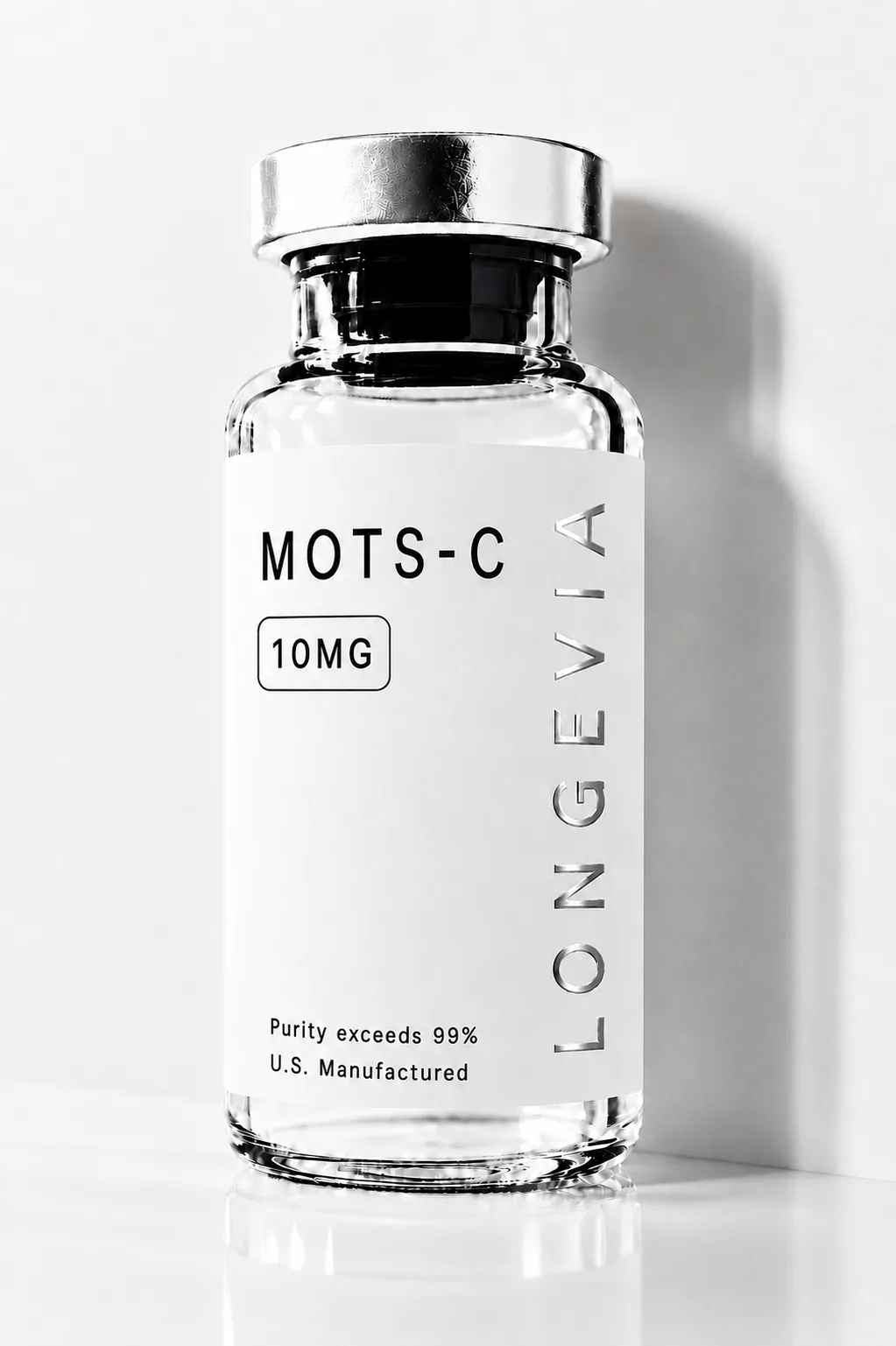
MOTS-C
$117.00
1
Slide to Add
Purity≥99% Tested
TestingLC-MS Verified
LocationUS Based
MOTS-C is a 16-amino-acid mitochondrial-derived peptide (MDP) encoded within the mitochondrial genome, positioning it at the center of modern bioenergetics and metabolic regulation research. Our research-grade MOTS-C is synthesized to exacting laboratory standards, with each batch verified for purity and structural integrity before release. Investigators studying cellular energy production, AMPK pathway activation, and exercise-linked metabolic adaptation rely on consistent, high-purity material. Every vial is lyophilized and sealed under conditions designed to preserve molecular stability. This compound is intended strictly for in-vitro and laboratory research applications by qualified professionals.
Standard Delivery3-4 Working Days
Free ShippingOn all orders above $300
Comprehensive Product Details
Research-grade MOTS-C represents a benchmark in mitochondrial peptide synthesis. Each batch is produced using SPPS and purified via preparative HPLC. Final identity and molecular weight are confirmed through ESI-MS. Independent laboratories handling sensitive peptide-binding assays depend on this level of synthesis precision, particularly when comparing MOTS-C against other mitochondrial-derived peptides such as Humanin or SS-31.
Longevia Research supplies MOTS-C in two stated quantities — 10mg and 40mg — each in a 45-spray format, for qualified laboratory and scientific research. These products carry a Research Use Only designation. They are not dietary supplements, pharmaceuticals, foods, or cosmetics, and they are not intended for human consumption. Research involving MOTS-C in experimental models does not establish the safety, efficacy, bioavailability, or clinical equivalence of these spray formulations.
Advanced Research Focus
MOTS-C (Mitochondrial Open Reading Frame of the 12S rRNA-C) is a 16-amino-acid peptide encoded directly by the mitochondrial genome — specifically within the MT-RNR1 locus. First described in 2015 by Lee and colleagues in Cell Metabolism, it belongs to a class of mitochondrial-derived peptides (MDPs) that mitochondria use to signal metabolic and stress information to other cellular compartments.
Research has investigated MOTS-C across several intersecting areas: AMPK-related energy sensing, glucose and insulin signaling in metabolic cell models, cellular stress responses, and mitochondrial-nuclear communication. Under conditions of metabolic or oxidative stress, MOTS-C has been observed to translocate from the cytoplasm to the nucleus in experimental systems, where it may influence gene expression. These findings come primarily from cell culture and murine models.
Human observational studies have measured circulating MOTS-C levels in relation to age, exercise, and metabolic variables — with levels reportedly declining with aging. Human intervention research on exogenous MOTS-C remains limited. Longevia Research supplies MOTS-C for Research Use Only; it carries no regulatory approval and no established clinical dosing profile.
Uncompromising Quality Standards
For a mitochondrial-derived peptide such as MOTS-C, research-grade quality depends on accurate identity verification, sequence confirmation, and molecular characterization. Because MOTS-C is a 16-amino-acid peptide with two methionine residues (at positions 1 and 6) and a specific sequence confirmed in the scientific literature, confident identity assignment requires analytical methods capable of establishing both the amino acid composition and the sequential order. Confirming that the supplied material is specifically MOTS-C — and not a truncated fragment, a structurally related mitochondrial-derived peptide, or an unrelated peptide — is a foundational quality requirement.
Research-grade quality assessment for MOTS-C appropriately involves:
Peptide identity and sequence verification: Confirmation of the full 16-residue sequence (MRWQEMGYIFYPRKLR) using LC-MS/MS with tandem mass spectrometric fragmentation capable of resolving the full sequence and distinguishing positional isomers.
Molecular mass confirmation: High-resolution mass spectrometry (HRMS) to confirm the molecular formula C₁₀₁H₁₅₂N₂₈O₂₂S₂ and molecular weight of 2174.63 g/mol, verifying that the supplied compound matches the established MOTS-C specification and can be distinguished from related mitochondrial-derived peptides.
Purity assessment: Reversed-phase HPLC or UHPLC to evaluate chemical purity and identify related substances, synthesis-related impurities, or degradation products — including potential oxidation products at the two methionine residues, which represent common oxidative modifications in sulfur-containing peptides.
Methionine oxidation assessment: Given the presence of two methionine residues in the MOTS-C sequence, analytical evaluation of methionine oxidation state (methionine vs. methionine sulfoxide) is a relevant quality parameter for research-grade preparations intended for cell-based and in vivo studies where oxidation state may influence biological activity.
Batch documentation and traceability: Provision of batch-specific analytical records enabling traceability from synthesis through supply.
Longevia Research's quality approach is oriented toward providing researchers with well-characterized peptides supported by appropriate analytical documentation. Researchers should consult current product documentation and available certificates of analysis for batch-specific data.
Legal & Compliance Notice
FOR RESEARCH USE ONLY. NOT FOR HUMAN CONSUMPTION. NOT FOR VETERINARY USE.
MOTS-C 10mg and 40mg — as supplied by Longevia Research, are intended exclusively for qualified laboratory and scientific research conducted by trained professionals in appropriate research settings. These products are not drugs, dietary supplements, food, or cosmetics. They have not been evaluated or approved by the U.S. Food and Drug Administration, the European Medicines Agency, or any other regulatory authority for use as therapeutic, prophylactic, or diagnostic agents in humans or animals.
These products are not intended to diagnose, treat, cure, or prevent any disease, condition, or health-related outcome.
Evidence scope — endogenous vs. administered MOTS-C: Research measuring endogenous MOTS-C as a circulating biomarker does not establish outcomes from administration of an exogenous MOTS-C research spray. These represent distinct scientific questions; observational findings about circulating MOTS-C levels should not be interpreted as evidence of product effect.
Evidence scope — preclinical to human: Animal model findings involving experimental MOTS-C administration do not establish human efficacy or safety. Cell-based findings do not constitute clinical evidence. Neither provides a basis for inferring that the Longevia Research spray produces any specific biological outcome in humans.
Evidence scope — MDP class: Research on Humanin, SHLPs, or other mitochondrial-derived peptides is not direct evidence for MOTS-C. Each MDP has a distinct sequence, biological context, and experimental literature.
No metabolic or anti-aging claims: Research involving MOTS-C in experimental models of glucose metabolism, insulin signaling, aging, or exercise does not establish that these products produce metabolic, anti-aging, or performance-related outcomes in human users.
Purchasers are solely responsible for ensuring that acquisition, possession, storage, handling, use, and disposal of these products comply with all applicable local, state, national, and international laws and regulations governing research compounds. Longevia Research makes no warranties regarding the suitability of these products for any specific research application. These products should be handled by qualified personnel following appropriate laboratory safety protocols.
By purchasing these products, the purchaser confirms that they are a qualified researcher or research professional acquiring this compound for legitimate scientific research purposes only.
Continue Exploring
Also Considered.
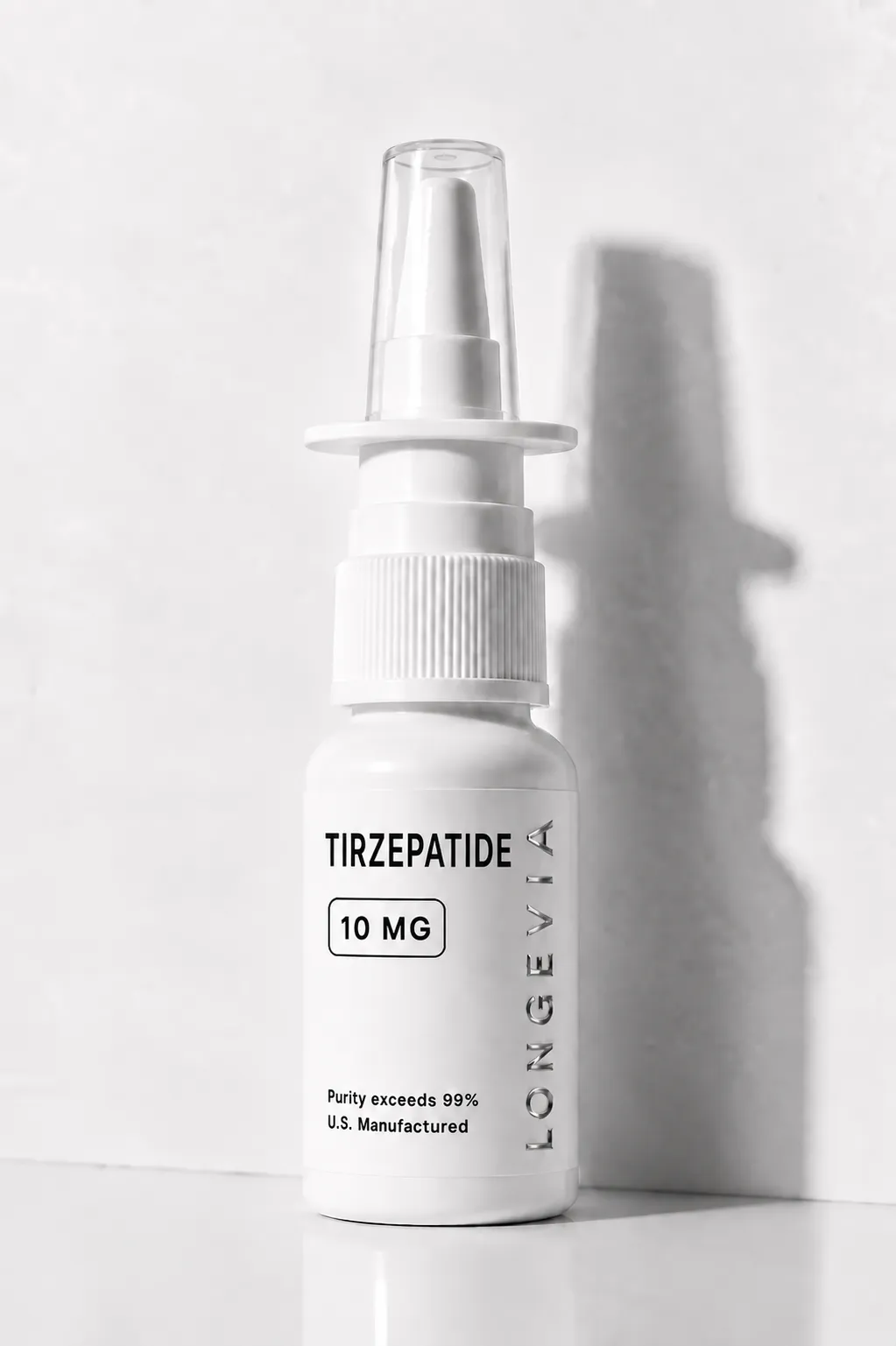
Tirzepatide — Spray
Longevia Research supplies Tirzepatide (LY3298176, CAS 2023788-19-2) in 10mg, 20mg, 30mg, and 60mg quantities in a 45-spray research format. A synthetic 39-amino-acid dual GIP and GLP-1 receptor agonist peptide investigated in incretin biology, pancreatic islet signaling, glucose homeostasis, metabolic research, and cardiometabolic pharmacology. Research Use Only.
$144.00
Slide to add
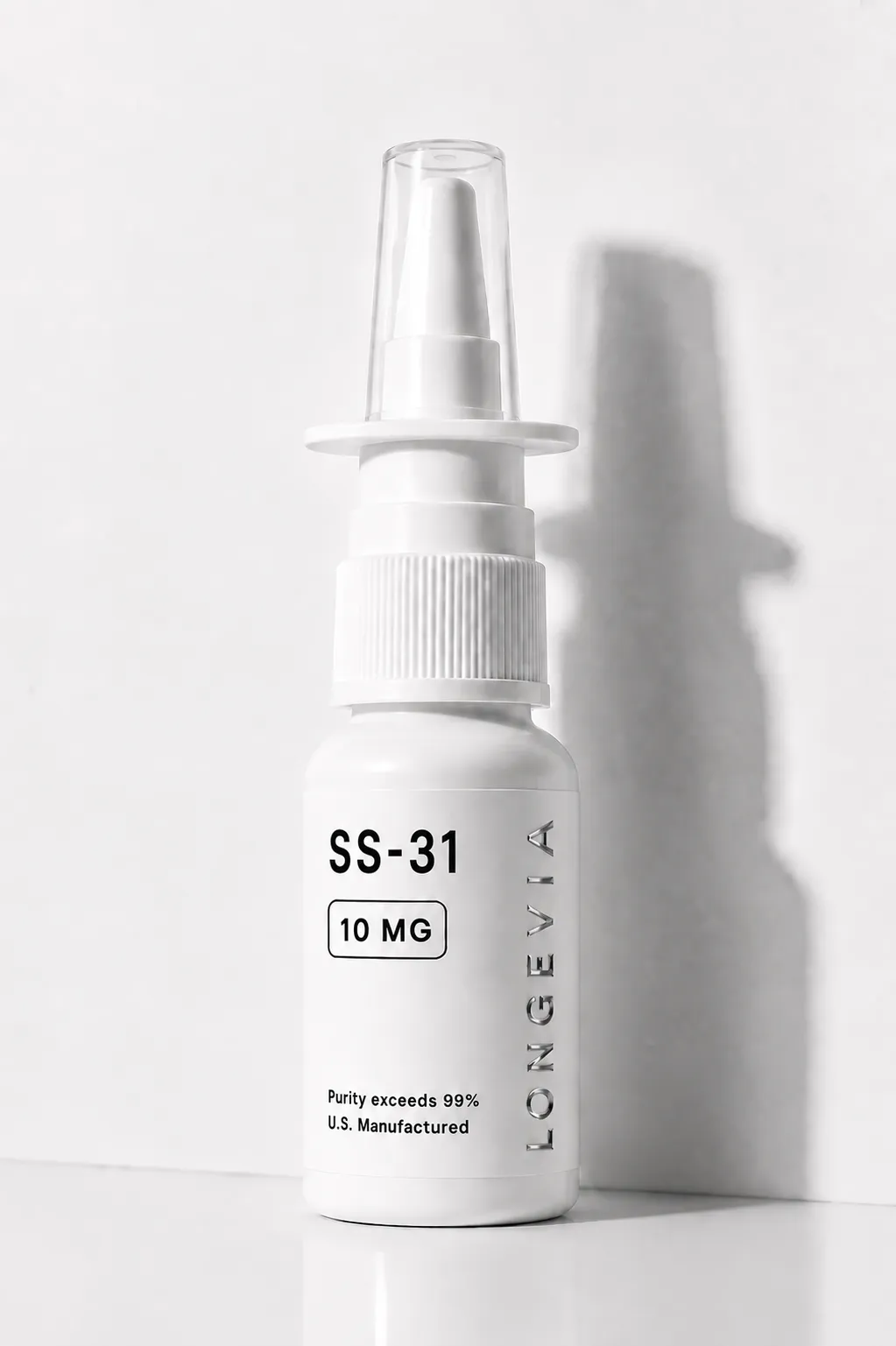
SS-31 — Spray
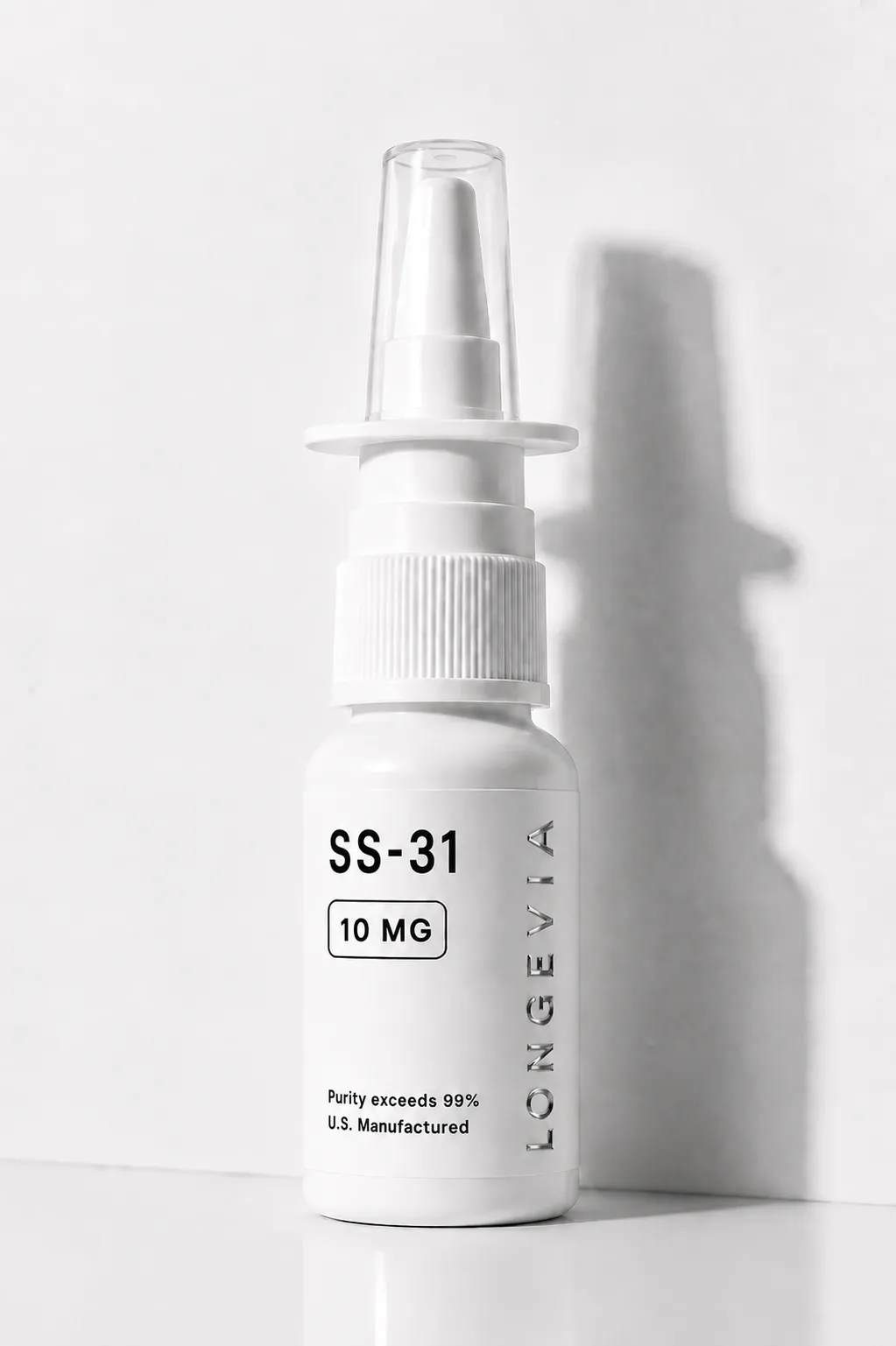
Longevia Research supplies SS-31 (elamipretide / MTP-131) in 10mg and 50mg quantities, 45-spray format, for qualified laboratory research. SS-31 is a synthetic mitochondria-targeted tetrapeptide investigated in cardiolipin, mitochondrial membrane biology, and mitochondrial bioenergetics research. Research Use Only.
$198.00
Slide to add
SNAP-8 — Spray
Longevia Research supplies SNAP-8 (Acetyl Octapeptide-3) in 10mg and 20mg quantities, 45-spray format, for qualified laboratory research. SNAP-8 is a synthetic acetylated octapeptide associated with SNAP-25 and SNARE-complex biology, investigated in neurotransmitter-release and vesicle-fusion research. Research Use Only.
$130.50
Slide to add

Semaglutide — Sprays
Longevia Research supplies Semaglutide in 5mg, 10mg, 20mg, and 30mg quantities, 45-spray format, for qualified laboratory research. Semaglutide is a synthetic modified GLP-1 analog and GLP-1 receptor agonist investigated in metabolic, endocrine, and incretin signaling research. Research Use Only.
$135.00
Slide to add
Product FAQs
Find answers to common questions regarding storage, reconstitution, and testing guidelines for this specific compound.