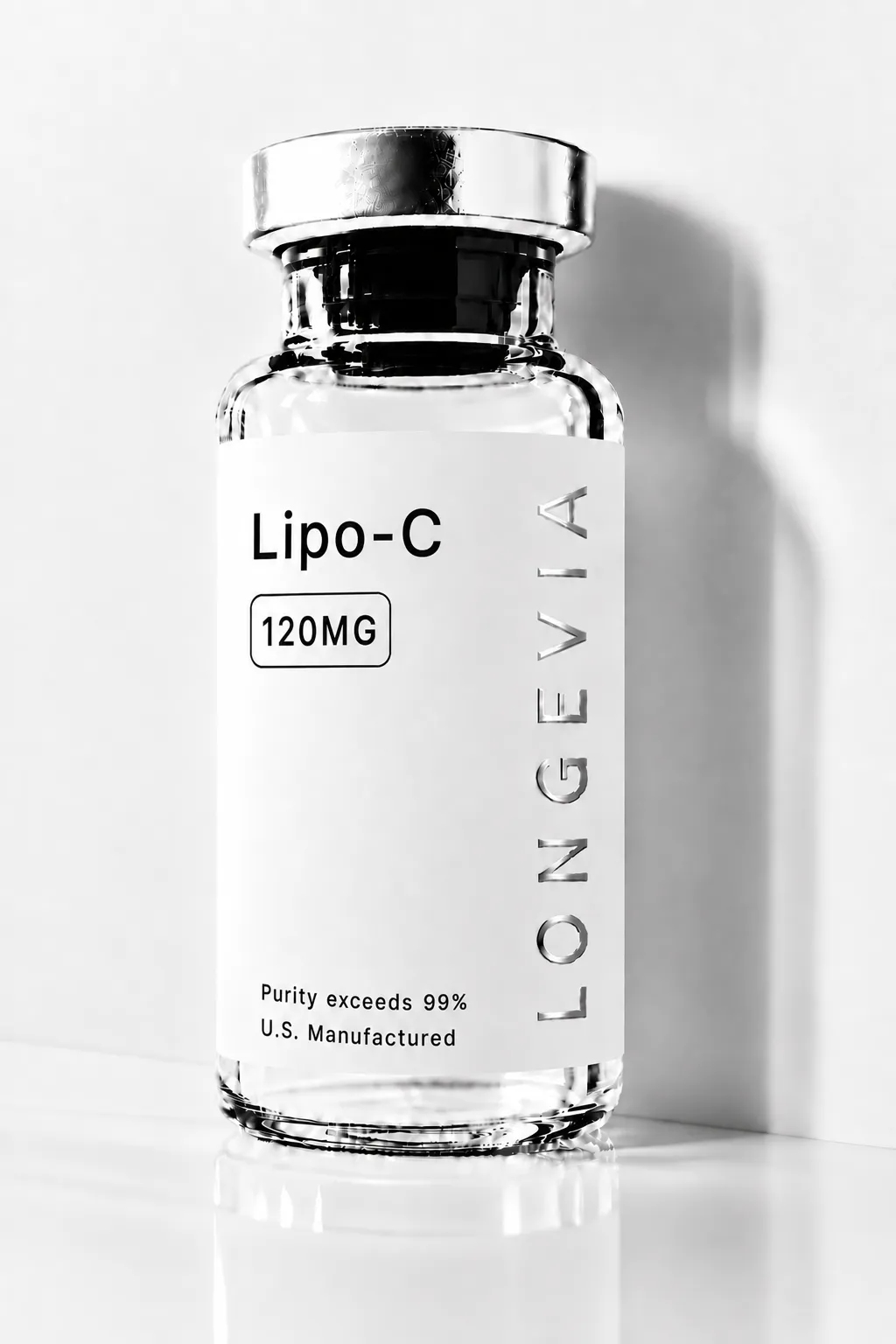
Metabolic ResearchMitochondrial & Cellular Energy
Lipo-C
$45.00
1
Slide to Add
Purity≥99% Tested
TestingLC-MS Verified
LocationUS Based
Lipo C 120mg is a multi-component lipotropic research formulation supplied by Longevia Research as a laboratory vial for qualified research use only. The formulation combines four well-characterised biochemical compounds — L-Methionine, Myo-Inositol, Choline, and L-Carnitine — each of which has an established role in lipid metabolism, methylation biology, and cellular energy research. Together they represent distinct but interconnected nodes of metabolic biochemistry that researchers investigate in the context of lipid transport, hepatic function, one-carbon metabolism, and mitochondrial bioenergetics. Longevia vial are confirmed on the batch Certificate of Analysis. The 120mg figure represents the total combined mass of all four components per vial.
Standard Delivery3-4 Working Days
Free ShippingOn all orders above $300
Comprehensive Product Details
Scientific Identity: Lipo C 120mg is a lipotropic research formulation — a co-formulation of four distinct, independently characterised biochemical compounds. It is not a single chemical entity and therefore cannot be assigned a single molecular formula, single molecular weight, or single CAS number. Each component retains its own chemical identity and its own published research literature. The batch Certificate of Analysis documents each component separately.
Formulation Composition: The four components of Lipo C 120mg are:
L-Methionine: An essential sulphur-containing amino acid and the principal dietary precursor of S-adenosylmethionine (SAM), the universal methyl donor in cellular methylation reactions. L-Methionine is also involved in the biosynthesis of cysteine, taurine, and other sulphur-containing metabolites.
Classification: Proteinogenic essential amino acid.
Myo-Inositol: A cyclohexanehexol isomer and the most biologically prevalent form of inositol. Myo-Inositol is a component of phosphatidylinositol (PI) and its phosphorylated derivatives, which function as second messengers in a wide range of intracellular signalling cascades. It has been studied in the context of insulin signalling, hepatic lipid metabolism, and phospholipid biosynthesis research.
Classification: Cyclitol; phospholipid precursor.
Choline: A quaternary ammonium compound that is an essential nutrient and the obligate precursor to acetylcholine and phosphatidylcholine. In hepatic biology research, choline is studied for its role in the assembly and export of very-low-density lipoproteins (VLDL), enabling the movement of triglycerides out of the liver. Choline also serves as a methyl-group donor via betaine, linking it directly to the one-carbon methylation cycle.
Classification: Quaternary ammonium compound; essential nutrient; phospholipid precursor.
L-Carnitine: A naturally occurring zwitterionic compound biosynthesised from lysine and methionine in mammals and found at high concentrations in cardiac and skeletal muscle tissue. L-Carnitine is the obligate carrier molecule for long-chain fatty acids across the inner mitochondrial membrane, a function mediated by the carnitine palmitoyltransferase (CPT) enzyme system. Without L-Carnitine, long-chain fatty acids cannot access the mitochondrial matrix for beta-oxidation. Researchers study L-Carnitine in the context of fatty acid oxidation, mitochondrial energy metabolism, and lipid homeostasis.
Classification: Quaternary ammonium compound; mitochondrial fatty acid transporter.
Product Quantity: The 120mg designation refers to the total combined mass of all four components per vial. The specific mass of each individual component within the formulation is confirmed on the batch Certificate of Analysis available on the Longevia Research website. Researchers should consult the COA for per-component quantities before designing experimental protocols.
Analytical Documentation: A batch-specific Certificate of Analysis is available on the Longevia Research website, documenting the identity and relevant analytical data for this formulation. Researchers are encouraged to review the current batch documentation before use.
Research-Use Classification: For laboratory research use only. Not for human or veterinary use, clinical diagnostics, or any in-vivo application in humans.
Advanced Research Focus
Lipo-C is a multi-component research formulation containing L-Methionine, Myo-Inositol, Choline, and L-Carnitine. Each compound has an established biochemical research profile involving different aspects of lipid metabolism, methyl-group transfer, phospholipid biology, cellular signalling, and mitochondrial fatty-acid metabolism.
Research on these compounds has largely been conducted individually or in specific experimental systems. The Lipo-C formulation itself should therefore be evaluated as a multi-component research material rather than assuming that findings from individual ingredients directly establish effects of the complete formulation.
Methionine and One-Carbon Metabolism
L-Methionine is an essential amino acid and a precursor to S-adenosylmethionine (SAM), a major cellular methyl-group donor involved in numerous methylation reactions. Methionine metabolism is closely connected with homocysteine recycling and the broader folate-dependent one-carbon metabolic network.
Choline also intersects with this metabolic system through its conversion to betaine, which can participate in homocysteine remethylation. These biochemical relationships have made methionine and choline important variables in experimental studies of hepatic metabolism and lipid homeostasis.
Choline and Phospholipid Research
Choline is a precursor for phosphatidylcholine, a major structural phospholipid in cell membranes and an important component of hepatic lipoprotein production.
Experimental studies have examined how choline availability affects phosphatidylcholine synthesis, hepatic lipid transport, and triglyceride accumulation. Choline-deficient dietary models are commonly used in experimental liver research because altered choline metabolism can substantially affect hepatic lipid handling.
Myo-Inositol and Cellular Signalling
Myo-inositol participates in the biosynthesis of phosphoinositides and inositol phosphate molecules involved in intracellular signalling. These pathways contribute to processes including membrane signalling, calcium regulation, and PI3K/Akt-related cellular responses.
Because of this biochemical role, myo-inositol is used in experimental research examining cellular signalling, metabolic regulation, and phosphoinositide-dependent processes.
L-Carnitine and Mitochondrial Fatty-Acid Metabolism
L-Carnitine is involved in the mitochondrial transport of long-chain fatty acids through the carnitine shuttle, which includes CPT1, carnitine-acylcarnitine translocase, and CPT2. This transport system enables long-chain fatty-acyl groups to reach the mitochondrial matrix, where they can undergo β-oxidation.
Research using cell and animal models has examined carnitine availability in relation to fatty-acid oxidation, mitochondrial metabolism, and hepatic and skeletal-muscle lipid handling. Results remain dependent on the experimental model and should not be interpreted as evidence of a human fat-loss effect.
Research Context
The four components of Lipo-C represent complementary areas of metabolic research:
L-Methionine: methyl-group transfer and methionine-cycle biology
Myo-Inositol: phosphoinositide and intracellular signalling research
Choline: phosphatidylcholine synthesis and hepatic lipid transport
L-Carnitine: mitochondrial fatty-acid transport and β-oxidation
The combination provides a multi-component material for laboratory research involving interconnected metabolic pathways. However, evidence concerning the individual ingredients should not be presented as evidence that the Lipo-C 120mg formulation itself produces a particular metabolic or therapeutic outcome.
Research & Regulatory Context
Lipo-C contains well-characterised biochemical compounds with established histories of nutritional, biochemical, and experimental research. This background does not establish the Lipo-C formulation as an approved therapeutic product or demonstrate a clinical effect for the specific 120mg research material.
Longevia supplies Lipo-C for research-use purposes, and researchers should evaluate experimental findings according to the specific composition, concentrations, model system, and controls used in each study.
Uncompromising Quality Standards
For a multi-component research formulation such as Lipo C, analytical quality documentation must address each component individually. Confirmation that the correct four compounds are present at the specified quantities is as important as a combined purity figure, since the research utility of the formulation depends on the integrity of each constituent.
Component identity and purity. The batch Certificate of Analysis for this product covers the analytical characterisation of the formulation, confirming the presence and specification of the four components: L-Methionine, Myo-Inositol, Choline, and L-Carnitine. Researchers should review the current batch documentation before incorporating the material into experimental protocols.
Batch traceability. Every vial of Lipo C 120mg is traceable to a specific production lot. A batch-specific Certificate of Analysis is accessible on the Longevia Research website, covering analytical data and lot information for this formulation.
Storage. Proper storage conditions for lipotropic research formulations depend on the physical form in which they are supplied. Specific storage requirements for this lot are confirmed on the batch Certificate of Analysis and product labelling. Researchers should consult the COA for lot-specific storage guidance before use.
Legal & Compliance Notice
Longevia Research supplies Lipo C 120mg for laboratory and in-vitro research use only. The product is intended for qualified researchers and trained laboratory personnel working in appropriate controlled research environments.
Lipo C is a multi-component research formulation supplied strictly as a laboratory research tool. It is not a drug, not a dietary supplement, not a food or food ingredient, and not a cosmetic. No regulatory authority has approved this formulation for any human or veterinary therapeutic use, and Longevia does not supply it for administration to humans or animals, for clinical diagnostics, or for any therapeutic application.
No therapeutic, diagnostic, or efficacy claims are made for this product or its components. The scientific literature referenced on this page describes experimental observations in defined cell-based and animal model systems. Individual components of Lipo C are established biochemical compounds with their own scientific records; those records do not constitute evidence of therapeutic efficacy for this formulation as supplied.
Longevia provides no dosing instructions, reconstitution guidance for administration, treatment protocols, or cycle recommendations. The purchaser assumes full responsibility for lawful acquisition, handling, storage, use, and disposal of this material, and for compliance with all applicable local, state, federal, and institutional regulations.
Continue Exploring
Also Considered.
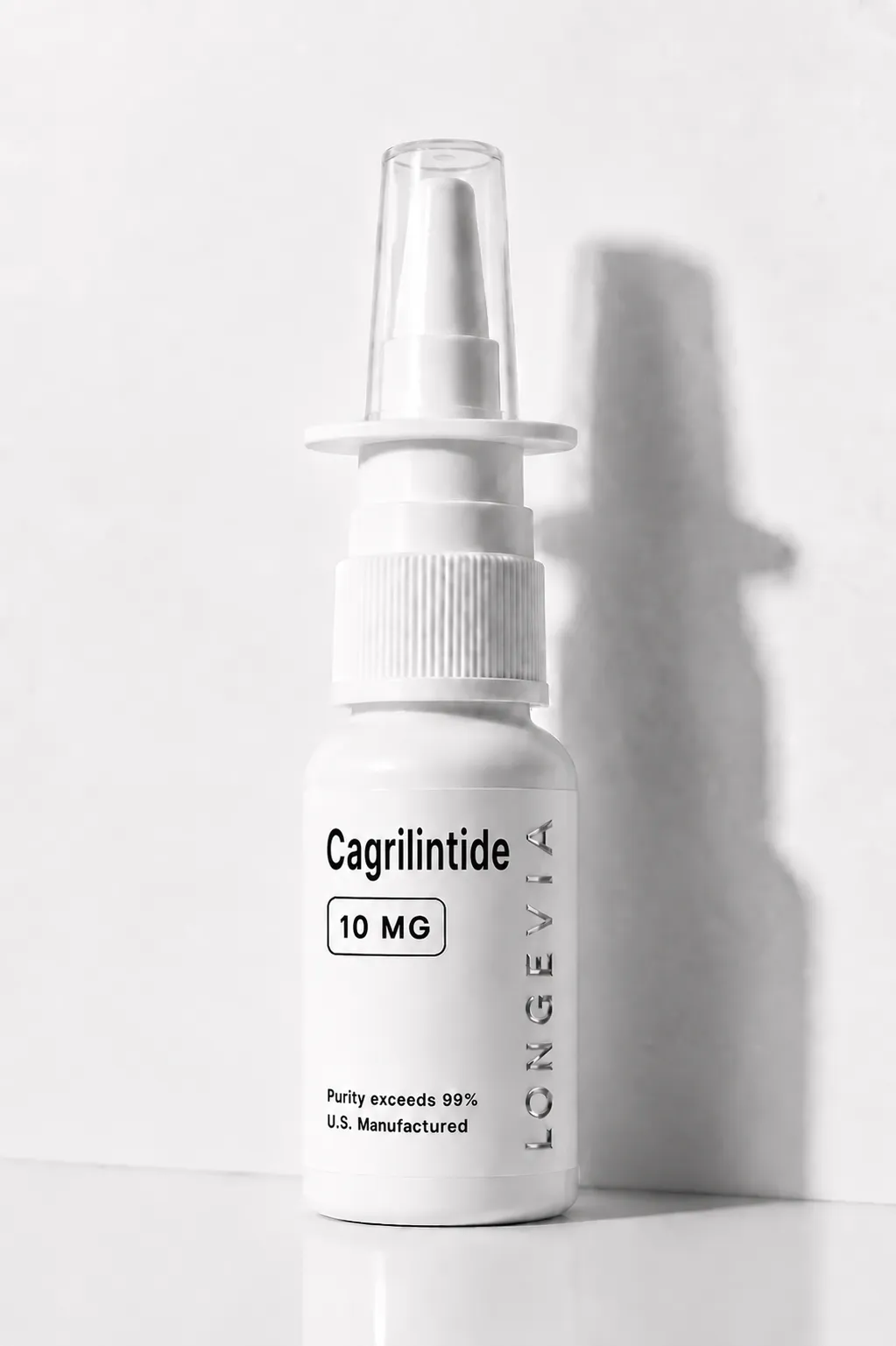
Cagrilintide 10mg Spray
Cagrilintide 10mg spray — 45 sprays of long-acting acylated amylin analogue (AM833, CAS 1415456-99-3, ~4,409 Da). Supplied by Longevia Research for laboratory use only. Batch COA available.
$202.50
Slide to add
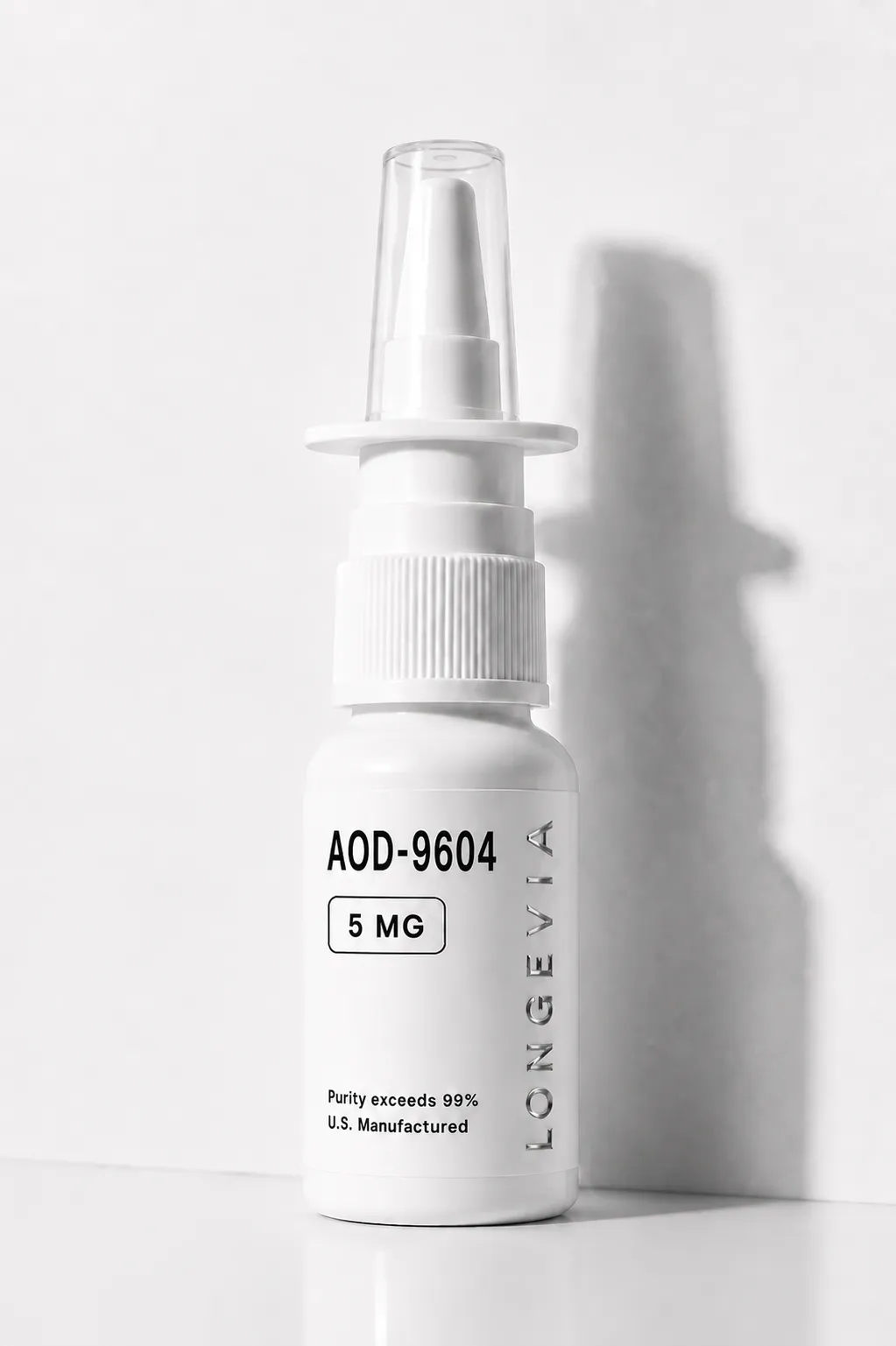
AOD-9604 5mg / 10mg Spray
AOD-9604 5mg and 10mg spray formats — 45 sprays each. Synthetic C-terminal hGH fragment research compound (CAS 221231-10-3) supplied by Longevia Research for laboratory use only.
$189.00
Slide to add
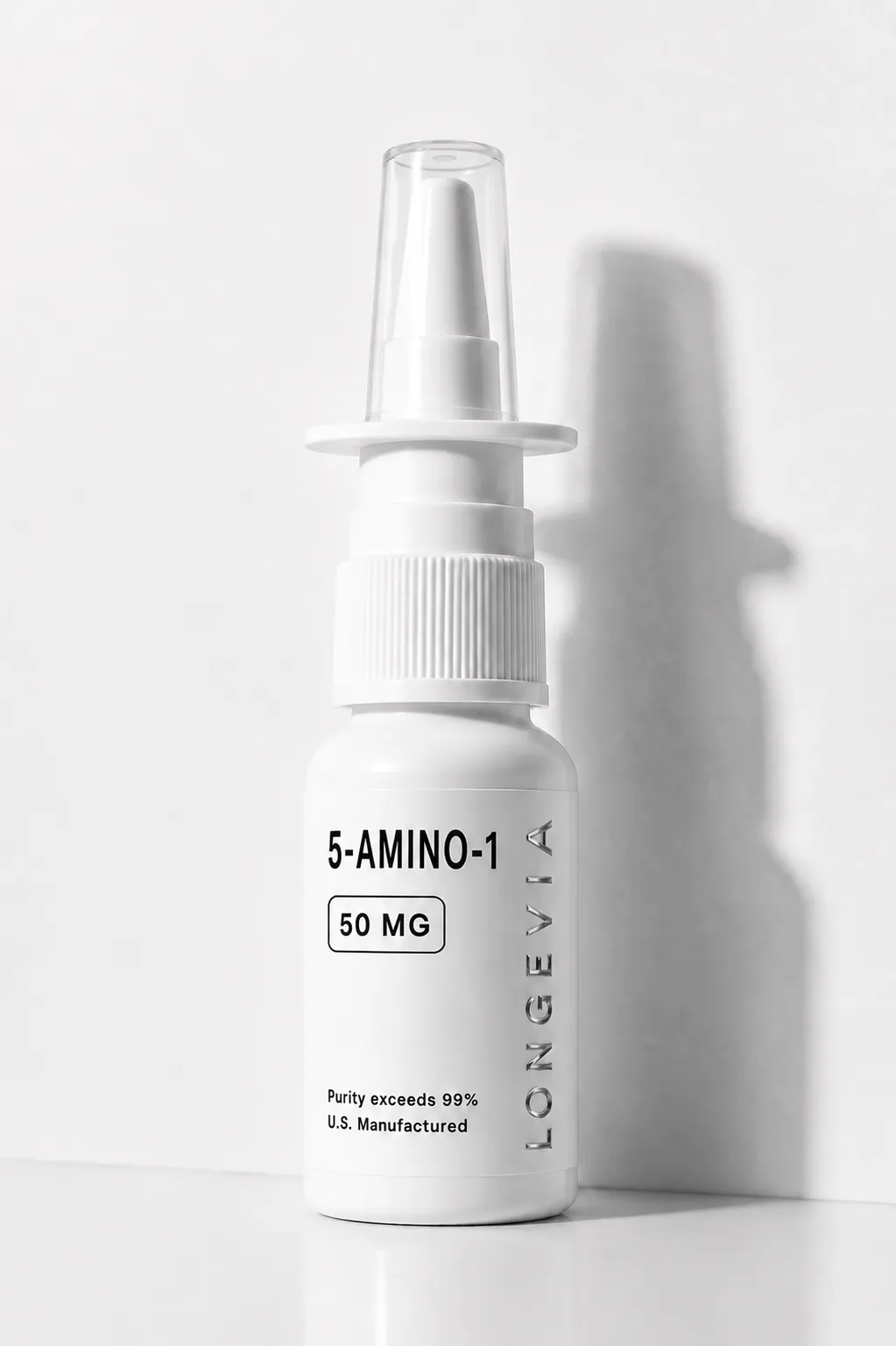
5-Amino-1 50mg Spray
5-Amino-1MQ 50mg spray — 45 sprays of 5-amino-1-methylquinolinium, a small-molecule NNMT inhibitor. Supplied by Longevia Research for laboratory use only. Batch COA available.
$162.00
Slide to add
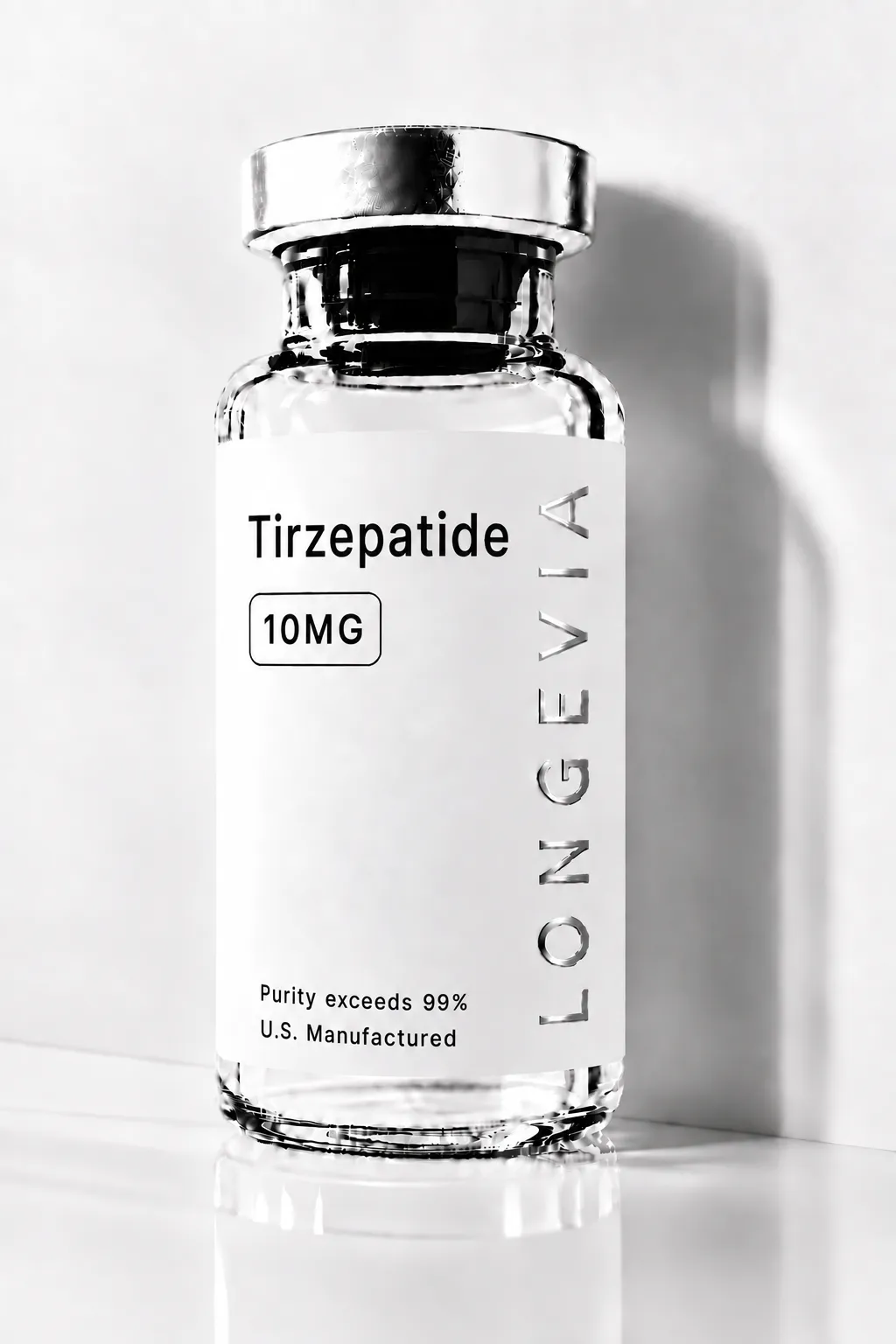
Tirzepatide
Tirzepatide is a synthetic dual GIP and GLP-1 receptor agonist peptide investigated in research involving incretin receptor pharmacology, glucose-dependent insulin secretion, and metabolic signaling biology. Available in 10mg, 20mg, 30mg, and 60mg vials. Research Use Only — Longevia Research.
$99.00
Slide to add
Product FAQs
Find answers to common questions regarding storage, reconstitution, and testing guidelines for this specific compound.