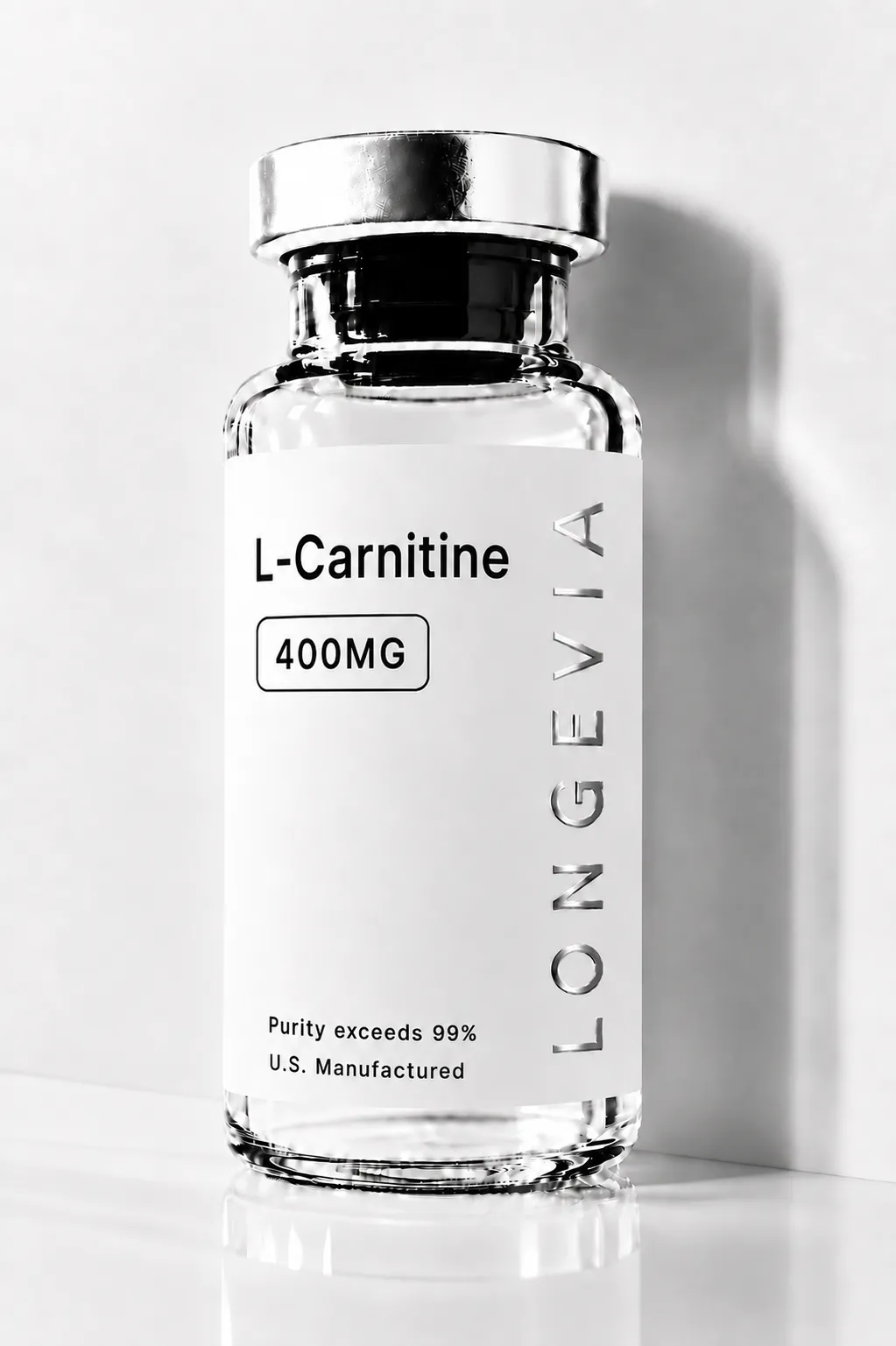
L-Carnitine
$135.00
1
Slide to Add
Purity≥99% Tested
TestingLC-MS Verified
LocationUS Based
L-Carnitine (L-3-hydroxy-4-(trimethylammonio)butanoate) is a naturally occurring quaternary ammonium compound synthesised endogenously from lysine and methionine, found in virtually all mammalian tissues with highest concentrations in cardiac and skeletal muscle. It functions as an essential cofactor for the transport of long-chain fatty acids across the inner mitochondrial membrane for beta-oxidation — the primary mechanism of fatty acid-derived ATP production in mitochondria. Research has examined L-Carnitine across mitochondrial fatty acid transport biology, cellular energy metabolism, carnitine homeostasis, carnitine acyltransferase enzyme research, and oxidative stress models. Longevia Research supplies L-Carnitine in a 400mg research-grade vial for qualified laboratory use. L-Carnitine is one of the most extensively characterised metabolic compounds in biochemistry, with a research literature spanning enzyme kinetics, cell biology, animal models, and human clinical research across multiple decades. Its pharmaceutical form (Carnitor/levocarnitine) holds FDA approval for primary and secondary carnitine deficiency. The Longevia Research 400mg vial is a research-grade preparation distinct from pharmaceutical and dietary supplement formulations, supplied for Research Use Only and not intended for human or veterinary use.
Standard Delivery3-4 Working Days
Free ShippingOn all orders above $300
Product Details
Scientific identity. L-Carnitine is the biologically active stereoisomer of carnitine — the L-form (R-configuration). Its molecular structure is a trimethylated, hydroxylated short-chain compound with a quaternary ammonium group (permanent positive charge) and a hydroxyl group at the beta position. The quaternary ammonium centre distinguishes it from amino acids and makes it permanently charged in solution. The D-form (D-Carnitine, S-configuration) is biologically inactive and may competitively inhibit endogenous L-Carnitine function — sale of D-Carnitine as a supplement is banned in the US. Research-grade L-Carnitine must be specified and verified as the L-form.
Compound class. Naturally occurring quaternary ammonium compound; carnitine; fatty acid transport cofactor; mitochondrial inner membrane transport system component; trimethylated amino acid derivative.
Primary research targets. Carnitine palmitoyltransferase I (CPT-I) and II (CPT-II) — the mitochondrial inner membrane enzymes mediating carnitine-dependent long-chain fatty acid transport; carnitine acetyltransferase (CrAT); carnitine octanoyltransferase (COT).
Research areas. Mitochondrial fatty acid transport biology, carnitine acyltransferase enzyme research, cellular energy metabolism, beta-oxidation pathway research, carnitine homeostasis biology, oxidative stress research, cardiac metabolism research, skeletal muscle metabolism research.
Product quantity. 400mg per vial.
Physical form. Supplied as a powder in a sealed research vial.
Purity. Greater than 99%, confirmed by HPLC and analytical characterisation at the batch level.
Analytical documentation. A batch-specific Certificate of Analysis is available on the Longevia Research website, covering compound identity, stereoisomeric purity, and lot traceability.
Research-use classification. For laboratory research use only. Not for human or veterinary use, clinical diagnostics, or any therapeutic application.
Research Focus
Mitochondrial Fatty Acid Transport — The Carnitine Shuttle
Long-chain fatty acids (LCFAs) cannot cross the inner mitochondrial membrane freely and require the carnitine transport system for mitochondrial entry. The carnitine shuttle consists of three components: carnitine palmitoyltransferase I (CPT-I) on the outer mitochondrial membrane, which conjugates L-Carnitine to long-chain acyl-CoA to form acylcarnitine; the carnitine-acylcarnitine translocase (CACT) on the inner membrane, which exchanges acylcarnitine for free carnitine; and carnitine palmitoyltransferase II (CPT-II) on the inner membrane matrix face, which regenerates acyl-CoA for beta-oxidation. L-Carnitine is studied as a substrate and cofactor in research examining each component of this transport system.
Carnitine Acyltransferase Enzyme Research
The carnitine acyltransferase family — CPT-I, CPT-II, carnitine acetyltransferase (CrAT), and carnitine octanoyltransferase (COT) — are studied as regulators of mitochondrial fatty acid metabolism and acyl-CoA/CoA ratios. Research has examined these enzymes in relation to metabolic flexibility, mitochondrial function, and acylcarnitine accumulation in cell-based and animal models. L-Carnitine serves as both a research substrate for enzyme kinetics studies and a cellular supplement in models of carnitine depletion or transport deficiency.
Carnitine Deficiency Research Models
Primary carnitine deficiency — caused by mutations in the OCTN2 carnitine transporter — and secondary carnitine deficiency associated with certain metabolic conditions, renal failure, and drug interactions provide established research contexts for L-Carnitine biology. Cell-based and animal models of carnitine deficiency have used L-Carnitine supplementation to characterise the metabolic consequences of carnitine depletion and restoration on mitochondrial fatty acid oxidation, acylcarnitine profiles, and cellular energy status.
Oxidative Stress and Mitochondrial Research
Research has examined L-Carnitine in cell-based and animal models of oxidative stress — measuring its proposed free radical scavenging activity and effects on mitochondrial membrane integrity and ROS production in defined experimental systems. These findings overlap with the broader mitochondrial biology research context and complement research using compounds such as SS-31 and MOTS-C in the Longevia Research catalog.
Human Research
L-Carnitine has an extensive human research literature spanning carnitine deficiency treatment, cardiovascular metabolism, renal failure, fertility research, and exercise physiology. Pharmaceutical levocarnitine (Carnitor) holds FDA approval for primary and secondary carnitine deficiency. These approved uses concern pharmaceutical-grade formulations under defined clinical conditions and do not establish the safety, efficacy, or bioavailability of the Longevia Research research vial.
Quality & Purity
Reliable research begins with accurately characterised material. For L-Carnitine, the critical quality parameter beyond purity is stereoisomeric identity — confirming the L-form (R-configuration) rather than the inactive D-form or a racemic mixture. Even low levels of D-Carnitine contamination are relevant to research applications because D-Carnitine can competitively inhibit carnitine acyltransferases, producing confounded results in enzyme kinetics and fatty acid oxidation assays.
Purity assessment. Each production lot is characterised to greater than 99% purity by HPLC. Chromatographic purity data is reported on the batch Certificate of Analysis.
Stereoisomeric identity confirmation. The L-form (R-configuration) stereoisomeric identity is confirmed by analytical characterisation, providing verification that the supplied material is the biologically active L-enantiomer. The batch COA confirms stereoisomeric purity alongside overall chemical purity.
Batch traceability and Certificate of Analysis. Every vial of L-Carnitine 400mg is traceable to a specific production lot. A batch-specific Certificate of Analysis is accessible directly on the Longevia Research website, covering purity, stereoisomeric identity, and lot information. Researchers are encouraged to review the current batch documentation — particularly stereoisomeric purity data — before use in enzyme kinetics or transport research.
Handling. L-Carnitine is hygroscopic and should be stored under conditions that minimise moisture exposure. This material should be handled by qualified personnel using appropriate laboratory technique and personal protective equipment, consistent with institutional protocols for research-grade quaternary ammonium compounds.
Compliance Notice
Longevia Research supplies L-Carnitine 400mg for laboratory and analytical research use only. The product is intended for use by qualified researchers and trained laboratory personnel in appropriate controlled research environments.
L-Carnitine is a naturally occurring compound supplied strictly as a research tool. It is not a drug, not a dietary supplement, not a food additive, and not a cosmetic in this formulation. While pharmaceutical levocarnitine (Carnitor) holds FDA approval for primary and secondary carnitine deficiency, and while L-Carnitine is used as a dietary supplement and food ingredient in numerous commercial formulations, no such designation applies to the Longevia Research research vial, which is not a pharmaceutical, dietary supplement, or food product and has not been evaluated by any regulatory authority for safety or efficacy in this formulation.
Longevia provides no dosing instructions, administration guidance, treatment protocols, or reconstitution recommendations for human or veterinary use. The scientific literature summarised on this product page describes experimental observations in defined biochemical, cell-based, and animal research systems. Those findings are not medical claims and should not be interpreted as evidence of human efficacy, human safety, or fitness for any clinical application from this product.
The purchaser assumes full responsibility for lawful acquisition, handling, storage, use, and disposal of this material, and for compliance with all applicable local, state, federal, and institutional regulations. By purchasing this product, the buyer confirms that it will be used solely for legitimate laboratory research purposes by qualified personnel, and that its acquisition and intended use comply with applicable laws in the buyer's jurisdiction.
Continue Exploring
Also Considered.
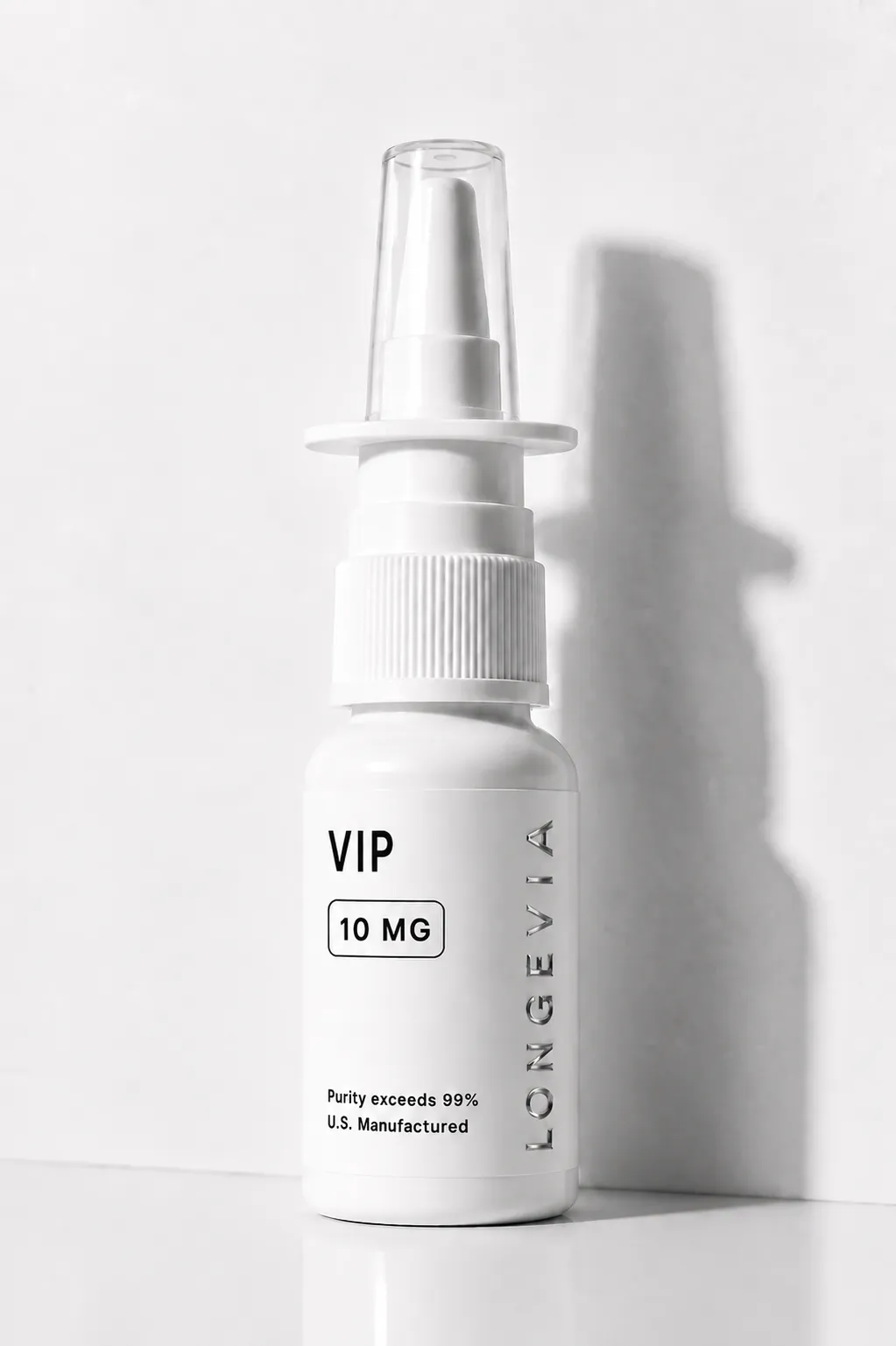
VIP Spray
Longevia Research supplies VIP (Vasoactive Intestinal Peptide, CAS 40077-57-4) 10mg in a 90-spray research format. A naturally occurring 28-amino-acid endogenous neuropeptide studied in VPAC1/VPAC2 receptor pharmacology, gastrointestinal neurobiology, vascular signaling, neuroendocrine research, circadian biology, and immunological signaling. Research Use Only.
$211.50
Slide to add
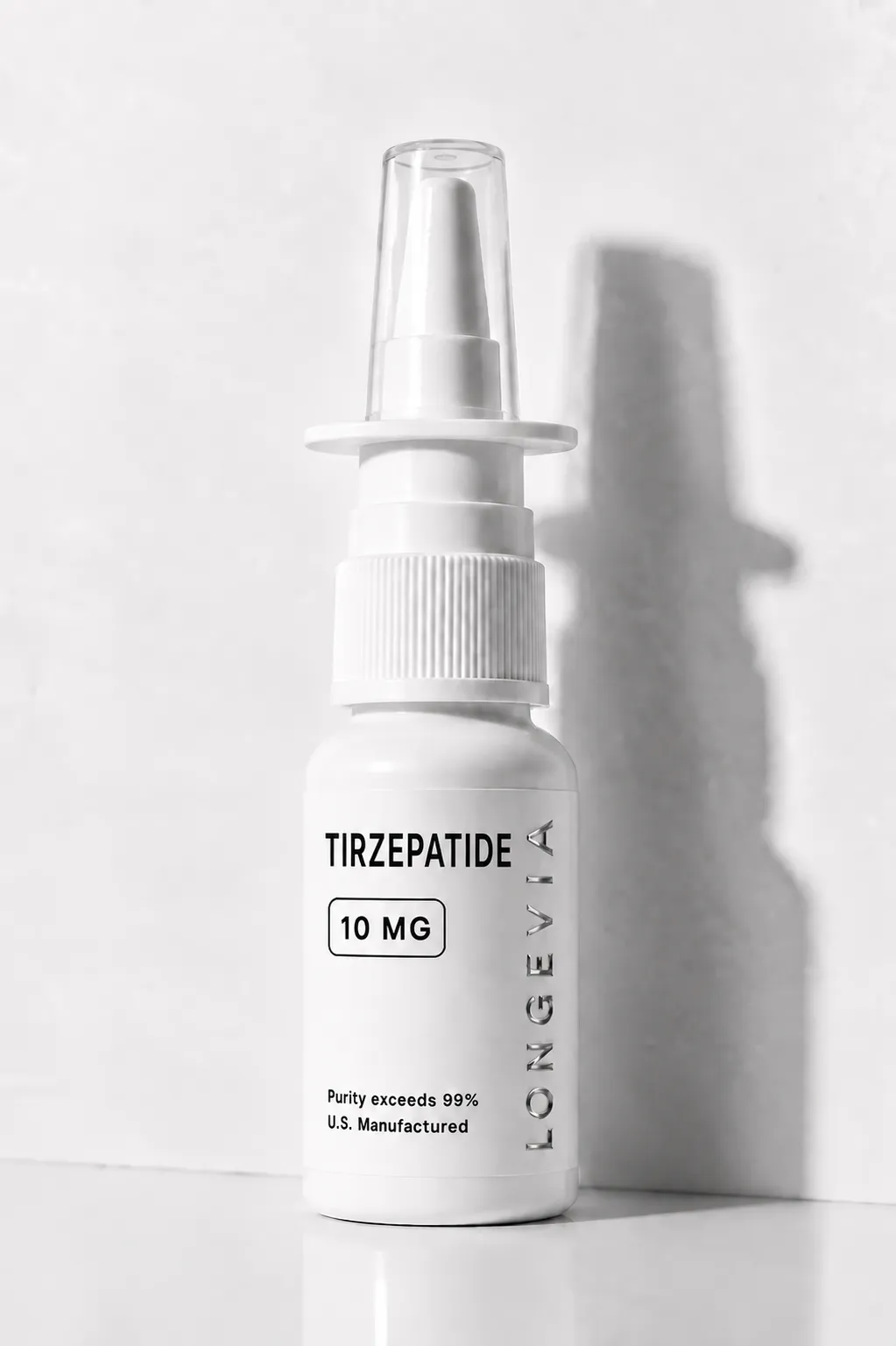
Tirzepatide — Spray
Longevia Research supplies Tirzepatide (LY3298176, CAS 2023788-19-2) in 10mg, 20mg, 30mg, and 60mg quantities in a 45-spray research format. A synthetic 39-amino-acid dual GIP and GLP-1 receptor agonist peptide investigated in incretin biology, pancreatic islet signaling, glucose homeostasis, metabolic research, and cardiometabolic pharmacology. Research Use Only.
$144.00
Slide to add
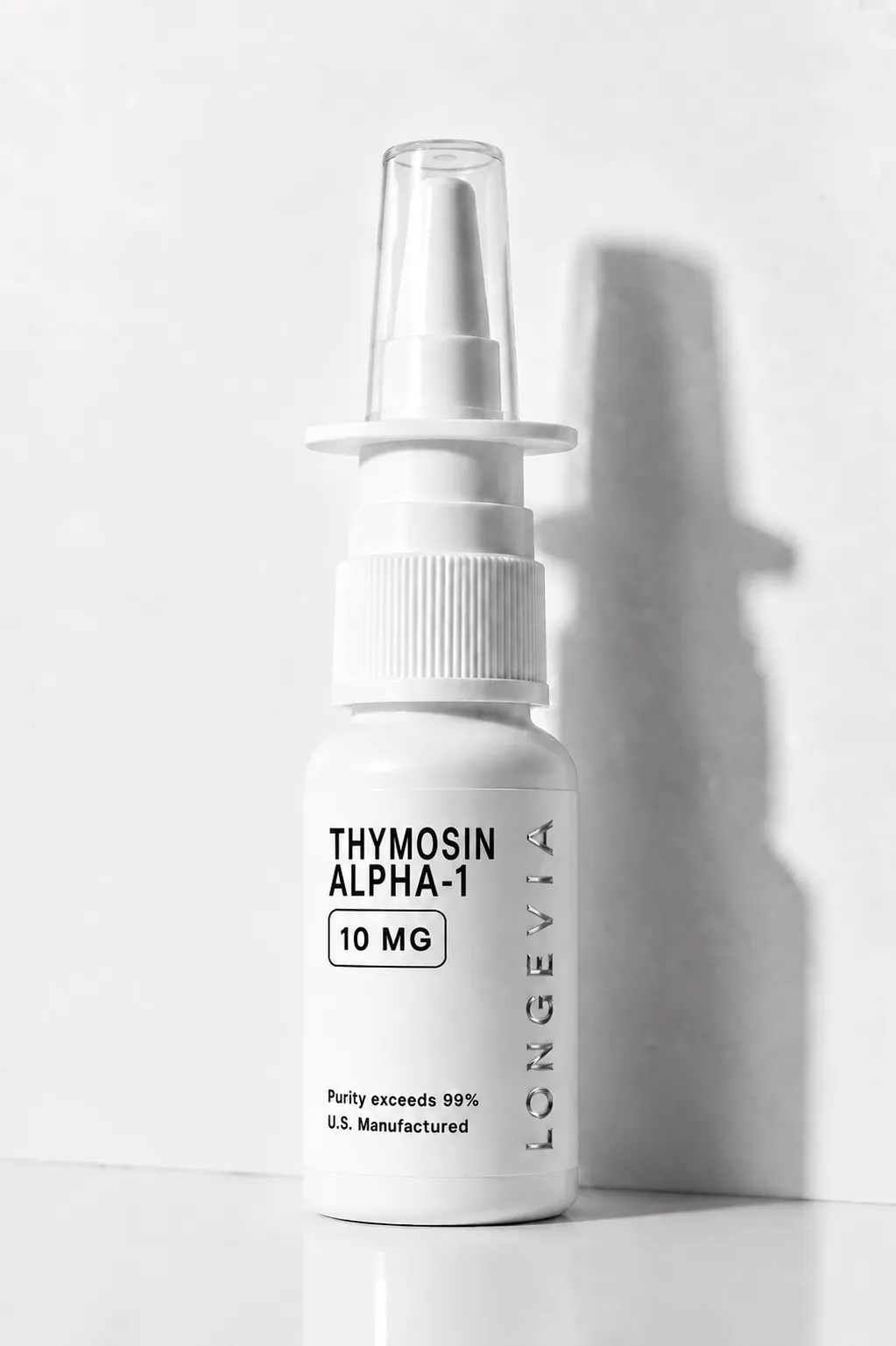
Thymosin Alpha-1 — Spray
Longevia Research supplies Thymosin Alpha-1 (Tα1 / TA-1, CAS 62304-98-7) 10mg in a 45-spray research format. A synthetic 28-amino-acid N-terminally acetylated peptide corresponding to the N-terminal region of prothymosin alpha, studied in TLR signaling, innate immunity, adaptive immune responses, dendritic cell biology, and clinical immunology research. Research Use Only.
$189.00
Slide to add
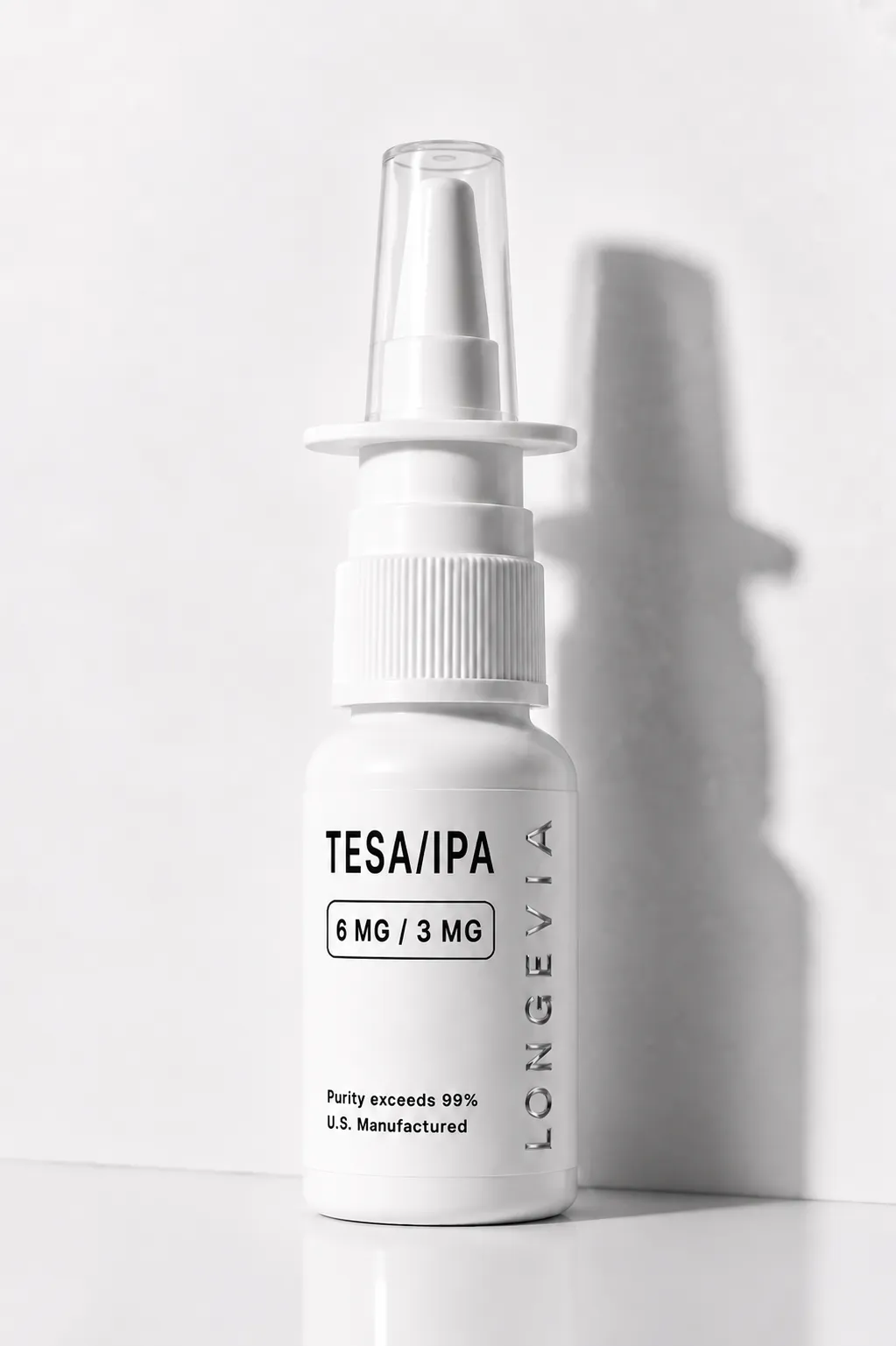
Tesa/IPA — Spray
Longevia Research supplies Tesa/IPA — a two-peptide research formulation containing Tesamorelin (CAS 218949-48-5), a synthetic GHRH analog, and Ipamorelin (CAS 170851-70-4), a growth hormone secretagogue associated with GHS-R/ghrelin receptor signaling. Available in 6mg/3mg and 13mg/3mg compositions, 45 sprays. Research Use Only.
$225.00
Slide to add
Product FAQs
Find answers to common questions regarding storage, reconstitution, and testing guidelines for this specific compound.