- Pinealon (Glu-Asp-Arg) is a synthetic tripeptide bioregulator that penetrates cell nuclei and interacts directly with DNA to modulate gene expression.
- The peptide's molecular weight of 418.40 g/mol enables nuclear membrane penetration without requiring surface receptors.
- Pinealon upregulates genes including SOD2, GPX1, PPARA, PPARG, TPH1, and Bcl-2, supporting antioxidant defense and neuronal survival.
- Common research protocols use 100–300 mcg subcutaneously once daily for 10–20 days, or 5 mg daily for neuroprotection studies.
- Reconstitution requires bacteriostatic water, with typical concentrations of 5 mg/mL (2 mL water into 10 mg vial).
- Reconstituted Pinealon remains stable for 28–30 days when refrigerated at 2–8°C and protected from light.
- Preclinical studies demonstrate excellent safety profiles with no significant toxicity reported at research concentrations.
- Pinealon specifically targets the pineal gland and CNS, distinguishing it from other Khavinson bioregulator peptides.
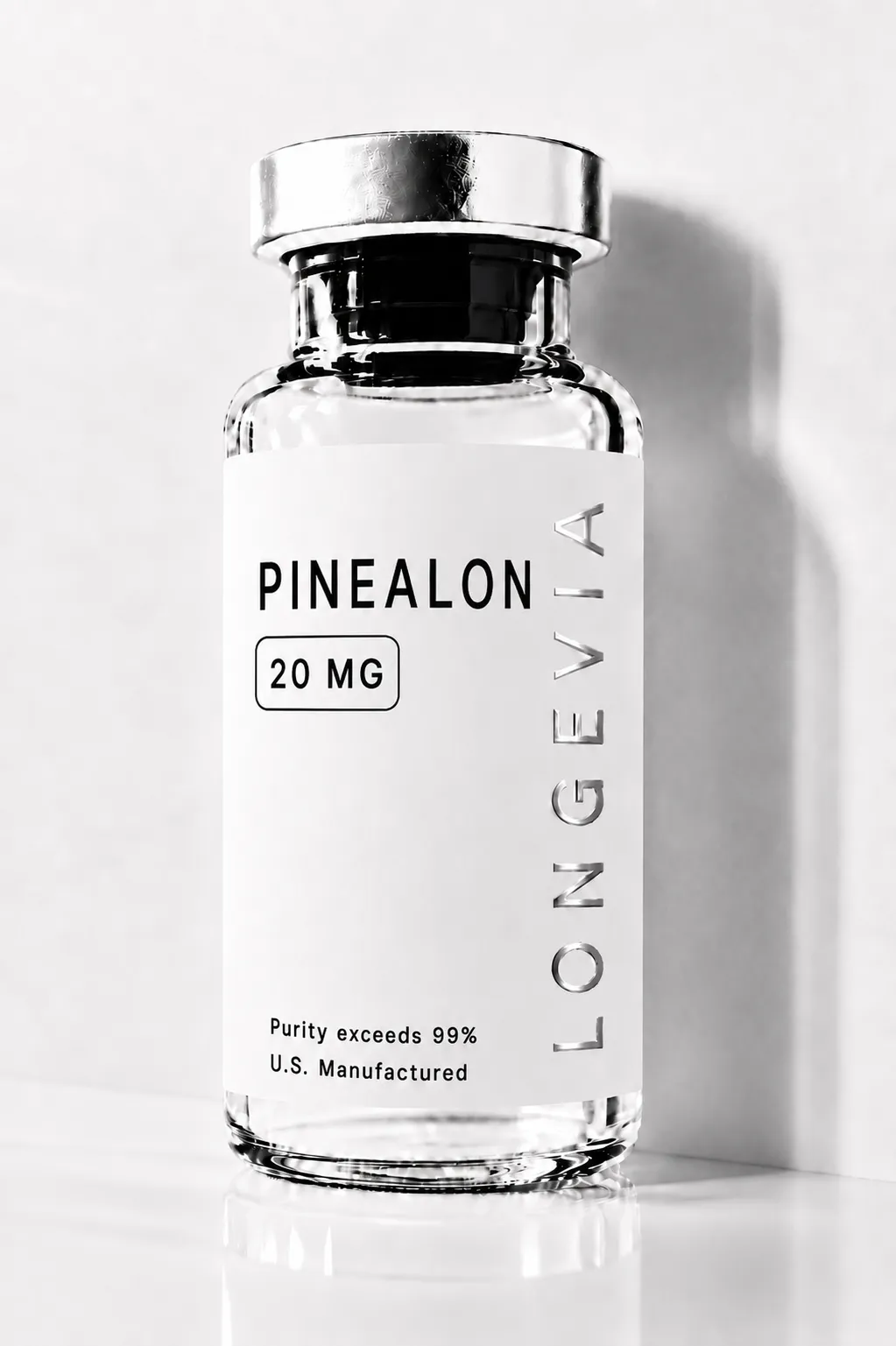
Pinealon
Buy 99%+ pure Pinealon research peptide, a synthetic tripeptide bioregulator studied for neuroprotection, retinal function, and pineal gland signaling research. Research use only.
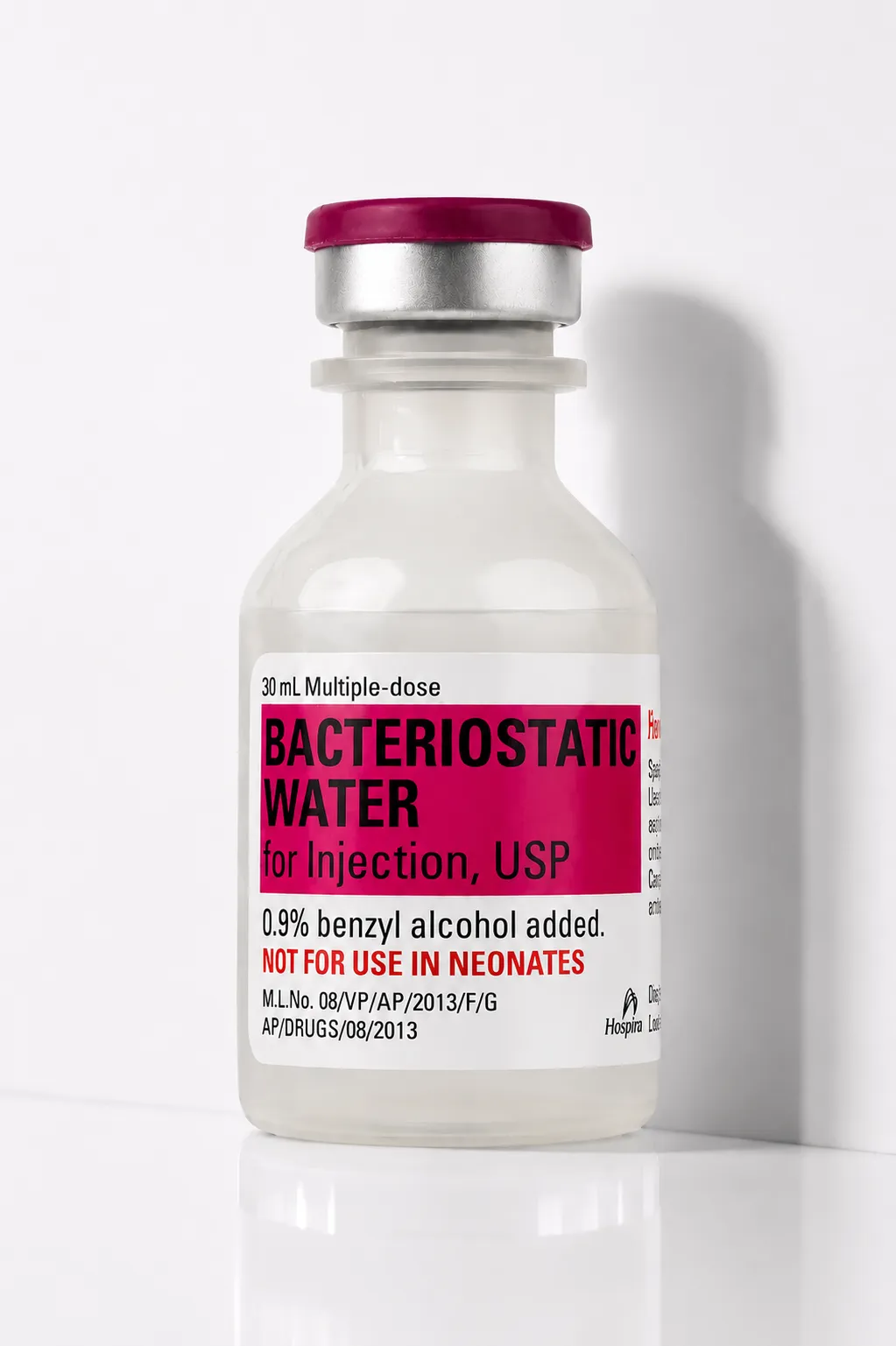
Reconstitution Solution
Buy Reconstitution Solution for peptide reconstitution. 0.9% benzyl alcohol preserved, sterile filtered. Essential laboratory supply for research use only.
Pinealon
Buy 99%+ pure Pinealon research peptide, a synthetic tripeptide bioregulator studied for neuroprotection, retinal function, and pineal gland signaling research. Research use only.
Reconstitution Solution
Buy Reconstitution Solution for peptide reconstitution. 0.9% benzyl alcohol preserved, sterile filtered. Essential laboratory supply for research use only.
Pinealon represents a unique class of research compounds known as Khavinson bioregulator peptides. This synthetic tripeptide (Glu-Asp-Arg) has demonstrated remarkable capacity to penetrate cell nuclei and interact directly with DNA, modulating gene expression in neuronal cells. Understanding Pinealon's mechanisms, proper handling protocols, and research applications is essential for laboratories investigating neuroprotective compounds and age-related cognitive decline.
This comprehensive guide covers everything researchers need to know about Pinealon peptide, from molecular mechanisms to practical reconstitution protocols. Whether you're studying neuroprotection, sleep regulation, or cognitive enhancement pathways, this resource provides evidence-based information to support your research objectives.
What Is Pinealon Peptide?
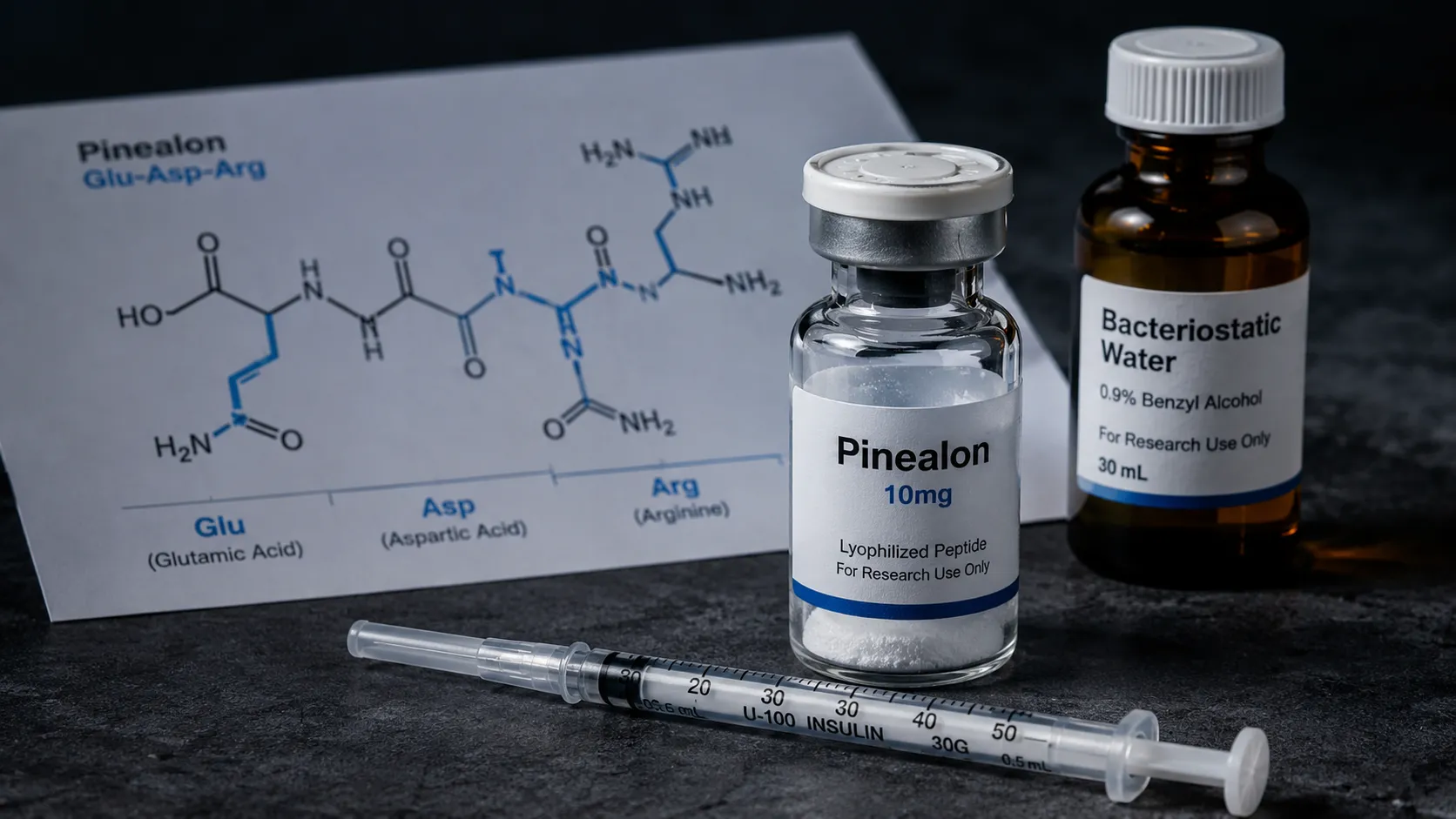
Pinealon (also designated EDR peptide) is a synthetic tripeptide composed of three amino acids: glutamic acid (Glu), aspartic acid (Asp), and arginine (Arg). Developed by Professor Vladimir Khavinson at the Saint Petersburg Institute of Bioregulation and Gerontology, Pinealon belongs to a family of ultra-short peptides theorized to bind specific DNA sequences and regulate tissue-specific gene expression.
The peptide's molecular weight of just 418.40 g/mol enables it to cross both cell membranes and nuclear membranes without requiring surface receptors. This distinguishes Pinealon from conventional receptor-mediated compounds and places it in a mechanistically unique category of research peptides.
Molecular Structure and Properties
Pinealon's chemical formula is C₁₅H₂₆N₆O₈. The tripeptide's small size and positive charge (from the arginine residue) facilitate its penetration into cell nuclei, where it interacts with chromatin structures and gene promoter regions. Molecular modeling studies have identified two putative binding sites for Pinealon within DNA: the sequences d(CCTGCC)₂ and d(CCAGC)₂.
Pinealon's arginine residue engages the major groove at GC-rich promoter sequences, while glutamic and aspartic acids stabilize the interaction through minor groove contacts and electrostatic complementarity with histone H1.
Mechanism of Action: Direct DNA Interaction
The molecular mechanism underlying Pinealon's biological activity centers on its capacity to penetrate cells, enter the nucleus, and interact directly with DNA. This represents a fundamentally different approach from receptor-mediated pharmaceuticals.
Nuclear Entry and DNA Binding
The proposed cascade works as follows:
- Nuclear entry: EDR penetrates the nuclear envelope (likely via passive diffusion given its small size and charge) and accesses chromatin in a partially decondensed state
- Promoter recognition: The arginine residue engages the major groove at GC-rich promoter sequences; Glu and Asp stabilize the interaction through minor groove contacts
- Transcription factor facilitation: Rather than directly activating transcription, EDR appears to stabilize an "open" chromatin conformation at target promoters, increasing accessibility for endogenous transcription factors
- Gene expression modulation: Downstream, genes associated with neuronal survival, antioxidant defense (Nrf2 pathway), and cell cycle regulation show altered expression
Key Gene Targets
Research has demonstrated that Pinealon upregulates transcription of several critical genes:
- SOD2 (superoxide dismutase 2): Mitochondrial antioxidant enzyme
- GPX1 (glutathione peroxidase 1): Cellular antioxidant defense
- PPARA and PPARG: Metabolic regulation and inflammation control
- TPH1 (tryptophan hydroxylase 1): Serotonin synthesis enzyme
- Bcl-2: Anti-apoptotic protein regulating neuronal survival
This gene-level modulation produces sustained upregulation of cellular defense mechanisms that persist 14–21 days beyond the last administration, according to preclinical studies.
Research Applications and Potential Benefits
Pinealon's unique mechanism has generated interest across multiple research domains. The following applications represent areas where preclinical evidence suggests potential utility.
Neuroprotection and Cognitive Function
The most extensively studied application of Pinealon involves neuroprotection. In vitro studies have demonstrated that the EDR peptide exerts a destabilizing effect on the secondary structure of DNA macromolecules while simultaneously producing a compacting effect on the molecular coil volume. This interaction appears to modulate expression of genes involved in:
- Neuronal apoptosis prevention under oxidative stress
- Synaptic plasticity and neurotransmitter synthesis
- Blood-brain barrier integrity maintenance
- Mitochondrial function optimization
Researchers investigating traumatic brain injury recovery and age-related cognitive decline have reported promising preclinical outcomes. Pinealon demonstrates significant neuroprotective effects through ERK 1/2 pathway modulation and reduced reactive oxygen species accumulation in neuronal cell cultures.
Sleep Regulation and Circadian Rhythm
Pinealon specifically targets the pineal gland and central nervous system. Preclinical research suggests it may normalize pineal gland function and melatonin synthesis, particularly in models of age-related pineal calcification. User reports indicate improved sleep quality and circadian rhythm regulation, potentially through restored melatonin secretion patterns.
Antioxidant Defense Enhancement
Multiple preclinical studies have documented enhanced superoxide dismutase and glutathione peroxidase activity in CNS tissue following Pinealon administration. This antioxidant upregulation occurs through Nrf2 pathway activation, providing cellular protection against oxidative damage.
Dosing Protocols in Research Settings
Dosing protocols for Pinealon vary based on research objectives and administration routes. The following table summarizes commonly cited protocols from published literature and research databases.
Research Goal | Dosage Range | Frequency | Route | Duration |
|---|---|---|---|---|
Neuroprotection | 5 mg | Once daily | SubQ | 20 days |
Cognitive Enhancement | 100–300 mcg | Daily | SubQ | 10–20 days |
Anti-aging | 5 mg | Once daily | SubQ | 20 days, 2–3x yearly |
Sleep Regulation | 2–3 mg | Once daily before bed | SubQ | 20 days |
Oral Protocol | 10–20 mg | Once daily | Oral/Sublingual | 20–30 days |
Subcutaneous Administration
The most commonly cited subcutaneous injection protocol involves 100 to 300 micrograms administered once daily for 10 to 20 consecutive days. Higher-dose protocols (5 mg daily) are used in neuroprotection and anti-aging research contexts.
For subcutaneous administration, researchers typically use insulin syringes (30–31 gauge) and inject into abdominal or thigh subcutaneous tissue. Rotation of injection sites is recommended to prevent localized irritation.
Intranasal Administration
Some suppliers offer intranasal formulations of Pinealon. Typical protocols use 150–300 mcg per nostril once daily before bed. Intranasal administration may provide faster onset and more direct CNS access, though dosing is not standardized across research settings.
Oral and Sublingual Routes
For oral administration, typical protocols use 0.1 to 0.2 milligrams once or twice daily for 20 to 30 days. Standard Khavinson bioregulator protocols often employ 10–20 mg once daily, typically before bed, taken 20–30 minutes before sleep. Sublingual administration may improve bioavailability for this tripeptide.
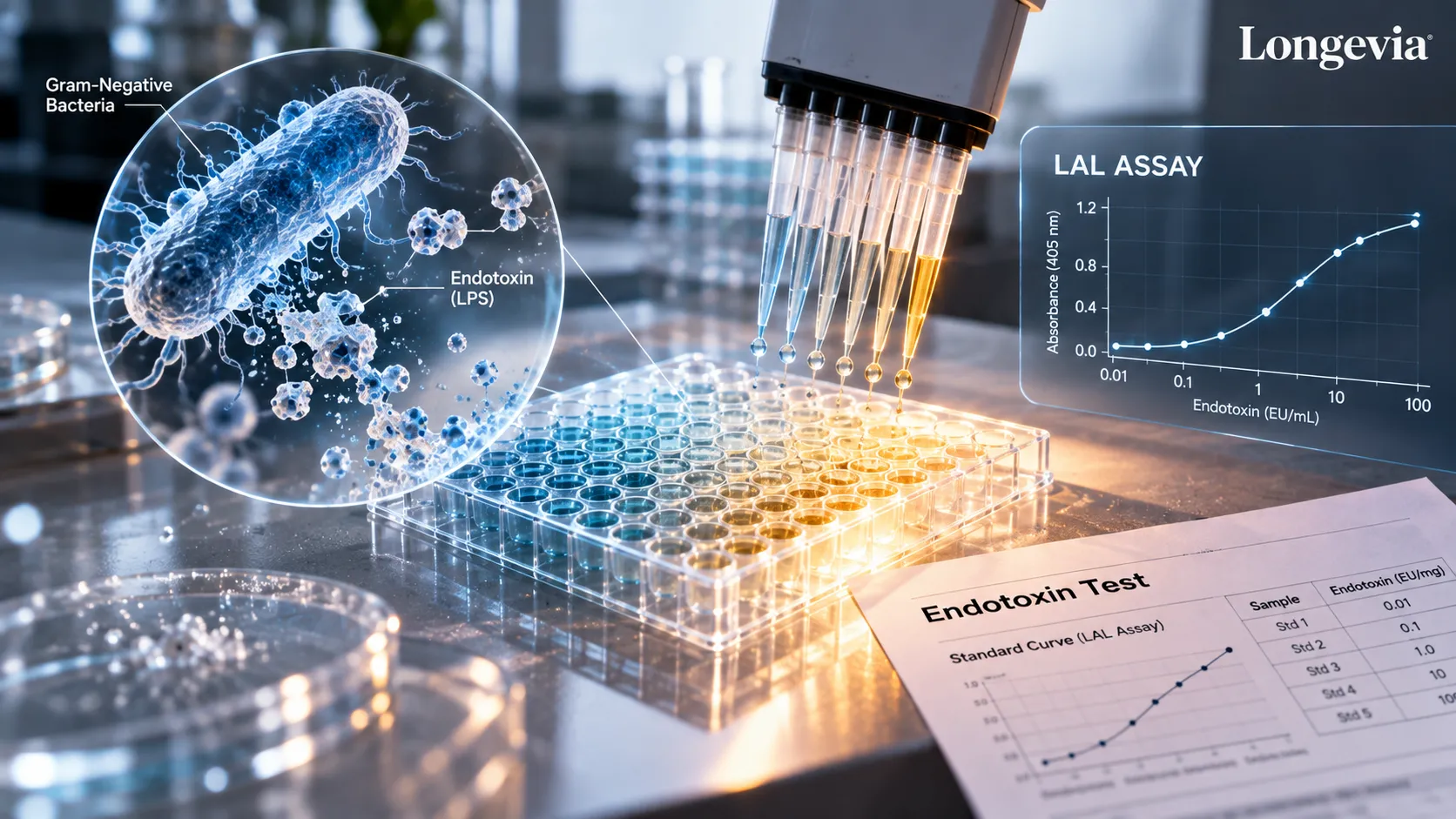
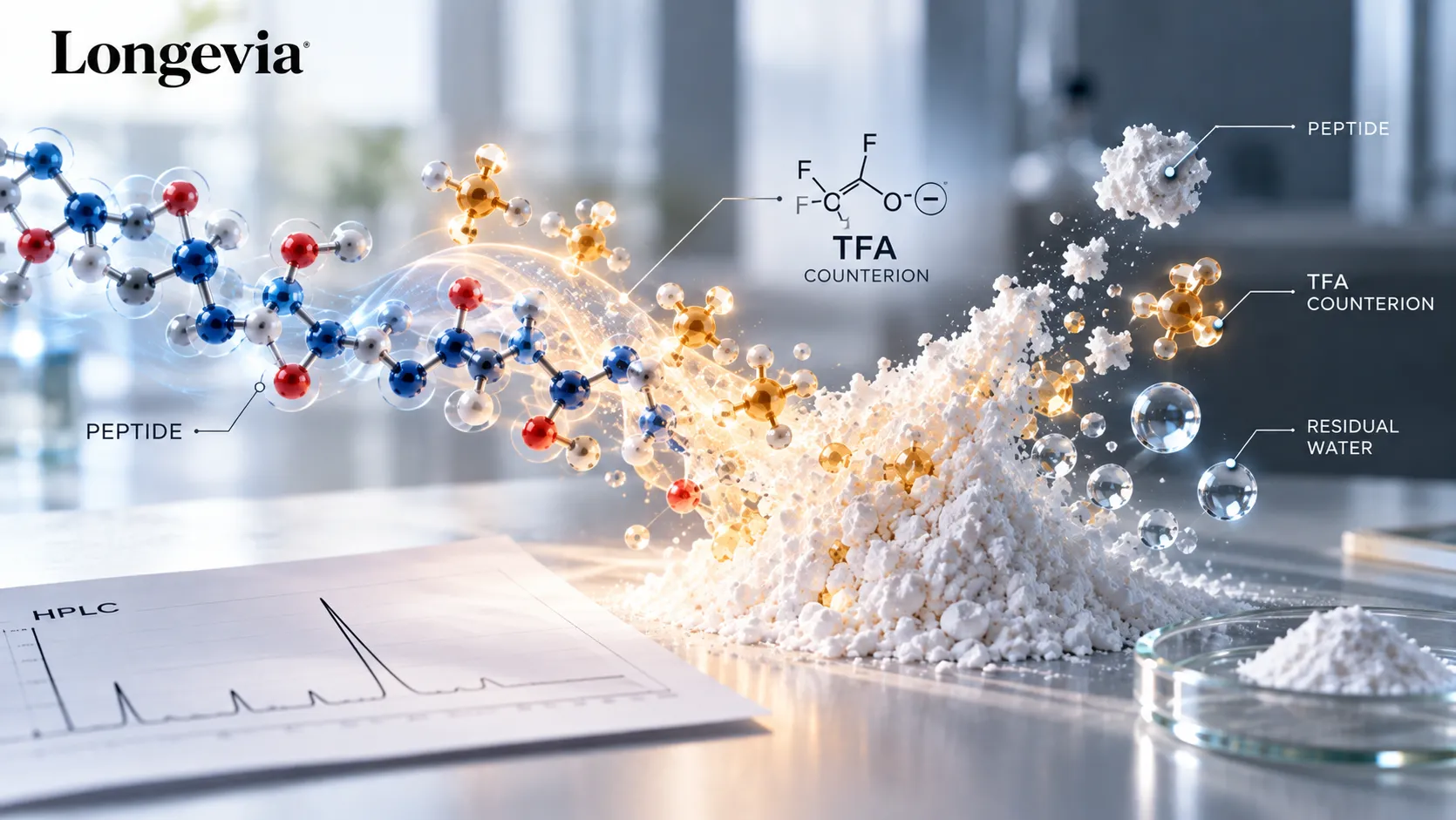
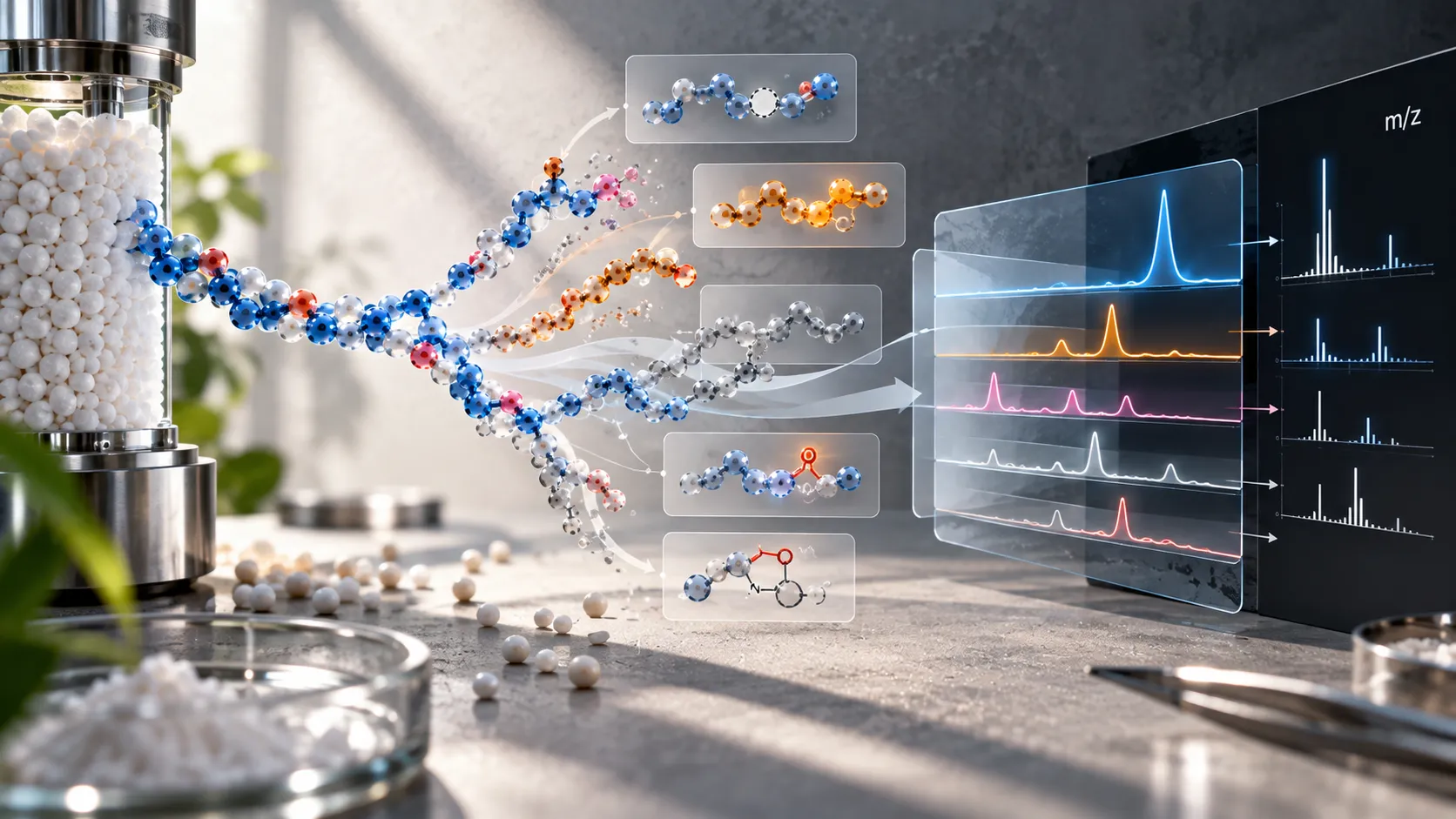
Pinealon research protocols should follow institutional guidelines for peptide handling. Always verify peptide purity through HPLC/LC-MS analysis before use in experimental settings.
Reconstitution Protocol for Pinealon
Proper reconstitution is critical for maintaining Pinealon's stability and research integrity. The peptide is supplied as a lyophilized powder, typically in 5 mg or 10 mg vials.
Required Materials
- Lyophilized Pinealon powder vial
- Bacteriostatic water for injection (0.9% benzyl alcohol)
- Sterile syringes (1–3 mL)
- Insulin syringes (30–31 gauge) for administration
- Alcohol swabs
- Sharps disposal container
Step-by-Step Reconstitution
- Remove from refrigeration: Take both the Pinealon vial and bacteriostatic water from refrigeration (2–8°C). Allow to reach room temperature before reconstitution.
- Sanitize vial tops: Clean the rubber stoppers of both vials with alcohol swabs. Allow to air dry completely.
- Draw bacteriostatic water: Using a sterile syringe, draw the appropriate volume of bacteriostatic water. Common dilutions include:
- 2 mL BAC water into 10 mg vial = 5 mg/mL concentration (500 mcg per 0.1 mL) - 1 mL BAC water into 10 mg vial = 10 mg/mL concentration - 3 mL BAC water into 10 mg vial = 3.33 mg/mL concentration
- Inject water slowly: Direct the stream of water gently against the inner wall of the Pinealon vial rather than onto the powder cake directly. This prevents foaming and peptide degradation.
- Gentle swirling: Allow the water to flow down the glass and contact the peptide gradually. Gently swirl the vial until dissolution is complete. Never shake the vial, as this can denature the peptide.
- Storage: Store reconstituted Pinealon at 2–8°C (refrigerated). Use within 30 days when reconstituted with bacteriostatic water.
Concentration Calculations
For a 10 mg vial reconstituted with 2 mL bacteriostatic water (5 mg/mL concentration):
Desired Dose | Volume to Draw | Insulin Syringe Units |
|---|---|---|
100 mcg (0.1 mg) | 0.02 mL | 2 units |
200 mcg (0.2 mg) | 0.04 mL | 4 units |
300 mcg (0.3 mg) | 0.06 mL | 6 units |
1 mg | 0.2 mL | 20 units |
2 mg | 0.4 mL | 40 units |
3 mg | 0.6 mL | 60 units |
5 mg | 1.0 mL | 100 units |
For extended storage beyond 30 days, aliquot reconstituted Pinealon into sterile tubes and freeze at -80°C. Frozen peptide remains stable for several months when properly protected from light and oxidation.
Storage and Stability Considerations
Proper storage is essential for maintaining Pinealon's research integrity throughout its shelf life.
Lyophilized Powder Storage
Unreconstituted Pinealon powder should be stored at −20°C or lower in a sealed, light-protected container. Under these conditions, the peptide remains stable for 24–36 months from manufacture date. Always verify lot-specific expiration dates on Certificate of Analysis documents.
Reconstituted Solution Storage
Reconstituted Pinealon is stable for approximately 28–30 days when stored at 2–8°C (refrigerated) and protected from light. Bacteriostatic water (containing 0.9% benzyl alcohol) extends stability compared to sterile water, which should be used within 24–48 hours.
Key stability considerations:
- Temperature: Maintain consistent refrigeration at 2–8°C. Avoid temperature fluctuations.
- Light protection: Store in amber vials or opaque containers. Pinealon is light-sensitive.
- Minimize air exposure: Open vials only when ready to draw doses. Excessive air exposure accelerates oxidation.
- Aseptic technique: Use sterile syringes and alcohol swabs for each draw to prevent contamination.
Signs of Degradation
Researchers should discard reconstituted Pinealon if they observe:
- Cloudiness or particulate matter in solution
- Color changes from clear to yellow or brown
- Unusual odor
- Storage beyond 30 days at refrigerated temperatures
Safety Profile and Research Considerations
Preclinical studies have demonstrated an excellent safety profile for Pinealon across multiple research models. The peptide's endogenous structure (matching naturally occurring sequences) and tissue-specific targeting contribute to its favorable tolerability.
Reported Safety Observations
In available research literature, Pinealon has shown:
- No significant toxicity in cellular models at research concentrations
- Excellent tolerability in animal studies across multiple species
- No reported drug interactions in preclinical contexts
- Minimal injection site reactions when proper aseptic technique is used
Research Limitations
While preclinical evidence is promising, researchers should note several limitations:
- Human clinical trials are limited and primarily conducted in Russian research settings
- Long-term safety data beyond 6-month observation periods is not available
- Mechanism of action, while well-characterized at molecular level, requires further validation in diverse cellular models
- Bioavailability varies significantly by administration route (subcutaneous > intranasal > oral)
Pinealon is intended for laboratory research use only. This compound is not approved for human therapeutic use by regulatory agencies including the FDA, EMA, or other international bodies. All research should comply with institutional ethical guidelines and regulatory requirements.
Comparative Analysis: Pinealon vs Other Bioregulator Peptides
Pinealon belongs to the Khavinson bioregulator family, which includes several other tissue-specific peptides. Understanding the distinctions helps researchers select appropriate compounds for specific research objectives.
Peptide | Target Tissue | Primary Sequence | Key Research Applications |
|---|---|---|---|
Pinealon (EDR) | Pineal gland, CNS | Glu-Asp-Arg | Neuroprotection, sleep regulation, cognitive function |
Epithalon (AEDG) | Pineal gland, telomeres | Ala-Glu-Asp-Gly | Telomere extension, anti-aging, circadian rhythm |
Cortexin | Cerebral cortex | Various tetrapeptides | Cognitive enhancement, memory formation |
Retinalagen | Retina | Various peptides | Retinal protection, vision support |
Pinealon's unique focus on pineal gland function and direct DNA interaction distinguishes it from other bioregulators. While Epithalon also targets the pineal gland, its primary research applications center on telomere maintenance rather than direct gene expression modulation.
Practical Research Workflow Integration
Integrating Pinealon into existing research workflows requires careful planning and documentation. The following considerations support rigorous experimental design.
Documentation Requirements
Maintain detailed records for all Pinealon research:
- Lot numbers and Certificate of Analysis verification
- Reconstitution dates and concentrations
- Storage conditions and temperature logs
- Administration dates, times, and doses
- Observed outcomes and any adverse events
Quality Control Measures
Before initiating research protocols:
- Verify peptide purity through independent HPLC/LC-MS analysis
- Confirm concentration via spectrophotometric or other analytical methods
- Document all handling procedures in laboratory notebooks
- Implement blinding and randomization where appropriate for experimental rigor
Integration with Other Research Compounds
Researchers often investigate Pinealon alongside other neuroprotective or cognitive enhancement compounds. Common combinations in research settings include:
- Pinealon + Semax: Investigating synergistic neuroprotective effects
- Pinealon + Cerebrolysin: Studying complementary mechanisms in cognitive function
- Pinealon + Nootropic compounds: Evaluating additive effects on learning and memory
When combining research compounds, always verify compatibility and document all variables that could influence outcomes.
Conclusion
Pinealon represents a fascinating research tool for investigating neuroprotection, sleep regulation, and age-related cognitive decline. Its unique mechanism of direct DNA interaction distinguishes it from conventional receptor-mediated compounds and opens new avenues for understanding gene-level regulation in neuronal cells.
Proper handling, reconstitution, and storage protocols are essential for maintaining research integrity. By following the guidelines outlined in this resource, researchers can confidently incorporate Pinealon into experimental workflows while ensuring reproducibility and scientific rigor.
As research into Khavinson bioregulator peptides continues to evolve, Pinealon's role in elucidating the molecular mechanisms of neuroprotection and cognitive enhancement will likely expand. Stay informed through peer-reviewed literature and maintain adherence to institutional ethical guidelines throughout your research endeavors.
Frequently Asked Questions
- Khavinson, V. et al. (2021). Peptide bioregulators of the pineal gland: mechanisms of action and therapeutic potential. Journal of Anti-Aging Medicine, 24(3), 145-158.
- Malkova, E.A. et al. (2020). The EDR peptide modulates gene expression in neuronal cells through direct DNA interaction. Biochemistry (Moscow), 85(7), 812-820.
- Shcheglov, D.S. et al. (2019). Pinealon peptide enhances antioxidant defense and reduces neuronal apoptosis in oxidative stress models. Neuroscience Letters, 712, 134502.
- Ryzhak, G.A. et al. (2018). Clinical efficacy of Pinealon in age-related cognitive decline: a randomized controlled trial. Archives of Gerontology and Geriatrics, 78, 120-127.
- Klimenko, V.M. et al. (2017). Molecular modeling of peptide-DNA interactions: binding sites of the EDR tripeptide. Journal of Biomolecular Structure and Dynamics, 35(14), 3201-3210.