Longevity ResearchMitochondrial & Cellular EnergyHormonal Health
Epithalon
$108.00
1
Slide to Add
Purity≥99% Tested
TestingLC-MS Verified
LocationUS Based
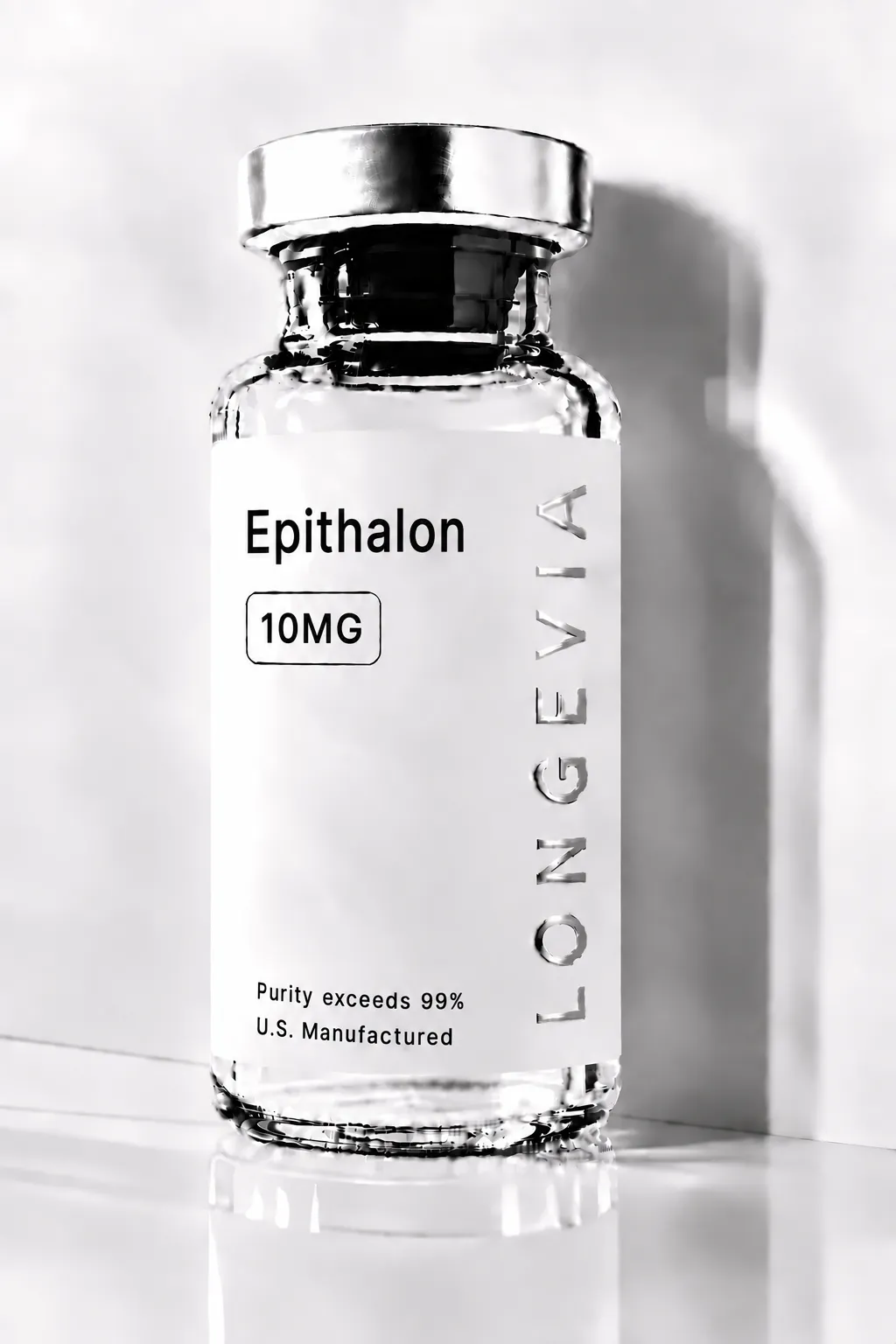
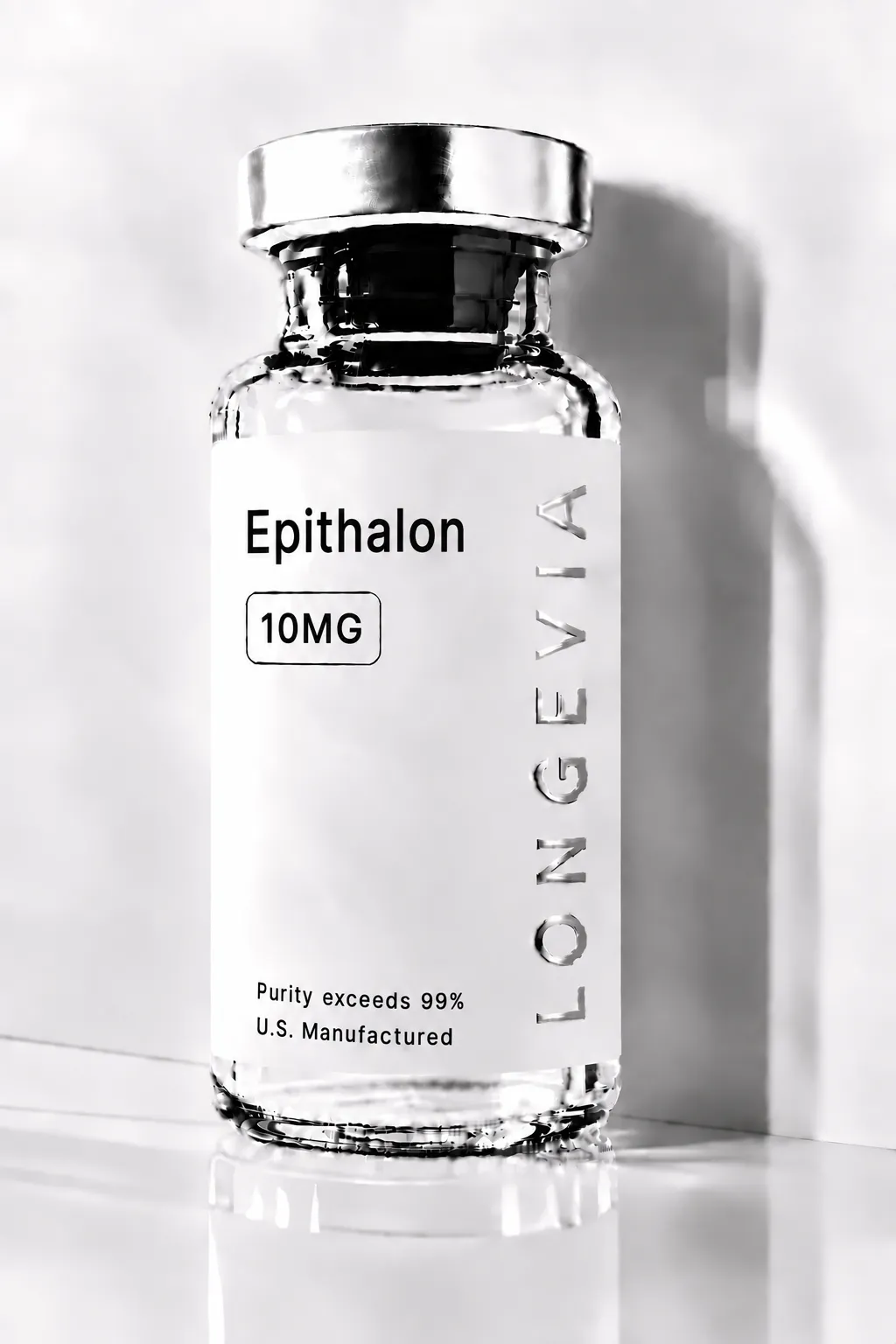
Epithalon (also designated Epitalon) is a synthetic tetrapeptide with the sequence Ala-Glu-Asp-Gly, derived from epithalamin — a polypeptide extract of the bovine pineal gland investigated in aging biology research. It has been examined in research involving telomerase activation, telomere length biology, pineal gland peptide pharmacology, and geroscience models in cell-based and animal experimental systems. Longevia Research supplies Epithalon in 10mg and 50mg research-grade vials for qualified laboratory use. Epithalon is one of the most studied synthetic tetrapeptides in geroscience and aging biology research, with a published literature originating from the work of Vladimir Khavinson and colleagues at the St. Petersburg Institute of Bioregulation and Gerontology. Research has examined it primarily in cell-based telomerase activity studies and in animal longevity models. It has no regulatory approval for any therapeutic indication in any major western jurisdiction and no completed human clinical trial data in peer-reviewed literature. This product is supplied for Research Use Only and is not intended for human or veterinary use.
Standard Delivery3-4 Working Days
Free ShippingOn all orders above $300
Product Details
Scientific identity. Epithalon is a synthetic tetrapeptide with the sequence Ala-Glu-Asp-Gly — alanine, glutamic acid, aspartic acid, and glycine. It is the shortest synthetic analogue of epithalamin, a polypeptide fraction isolated from bovine pineal gland tissue. The tetrapeptide carries free N- and C-termini in its standard synthetic form. Its small size — four residues, molecular weight approximately 390 g/mol — makes it distinct from the larger peptide research compounds and places it at the boundary between tetrapeptide and small-molecule pharmacology in research contexts.
Alternative names. Epithalon is referenced in research literature and chemical databases as Epitalon, Epithalone, tetrapeptide AEDG, Ala-Glu-Asp-Gly, and — in Russian gerontology literature — эпиталон. Both Epithalon and Epitalon are widely used spellings in English-language research and supplier documentation; they refer to the identical compound. It should not be confused with epithalamin (the larger bovine pineal polypeptide fraction from which it is derived) or with other pineal-derived research peptides.
Peptide class. Synthetic tetrapeptide; pineal gland peptide analogue; AEDG tetrapeptide; geroscience research peptide.
Primary research contexts. Telomerase activity research; telomere length biology; pineal gland peptide pharmacology; aging and geroscience research models; cell cycle regulation in aging cell systems.
Research areas. Telomerase biology, telomere research, geroscience and aging biology, pineal gland peptide research, cell cycle regulation research, oxidative stress research in aging models, circadian biology research.
Available quantities. 10mg and 50mg per vial.
Physical form. Supplied as a lyophilised solid in a sealed research vial.
Purity. Greater than 99%, confirmed by HPLC and LC-MS analysis at the batch level.
Analytical documentation. A batch-specific Certificate of Analysis is available on the Longevia Research website, covering compound identity, purity, and lot traceability.
Research-use classification. For laboratory research use only. Not for human or veterinary use, clinical diagnostics, or any in-vivo application in humans.
Research Focus
Telomerase Biology and Telomere Research
Telomeres are repetitive DNA sequences (TTAGGG in humans) capping chromosome ends that progressively shorten with each cell division — a phenomenon associated with cellular aging and replicative senescence. Telomerase is a ribonucleoprotein enzyme that adds telomeric repeats to chromosome ends, counteracting telomere attrition. Telomerase activity is high in germ cells and certain stem cell populations but low or absent in most somatic cells, contributing to the gradual telomere shortening observed with aging. Research on compounds that modulate telomerase activity in somatic cells is an active area of geroscience.
Cell-based research has investigated Epithalon in relation to telomerase activity in human somatic cell models — including fetal fibroblast cultures — measuring telomerase enzyme activity, telomere length parameters, and cell division capacity as experimental endpoints. Published findings from these studies have reported increased telomerase activity in defined cell systems following Epithalon exposure. These are cell-based observations in specific experimental systems and should not be interpreted as establishing telomere elongation or lifespan extension outcomes in humans.
Pineal Gland Peptide Biology
Epithalon originates from research into the biological activity of the pineal gland — specifically from the work of the St. Petersburg Institute of Bioregulation and Gerontology, which developed a programme of short regulatory peptides derived from various tissue-specific polypeptide fractions. The pineal gland produces melatonin and other signaling molecules involved in circadian rhythm regulation and aging biology. Research has examined whether peptide fractions from pineal tissue — and the synthetic tetrapeptide Epithalon derived from them — influence pineal-associated biological parameters including melatonin production and circadian-related signaling in animal experimental systems. These findings are model-specific preclinical observations.
Animal Longevity and Aging Research
Animal studies examining Epithalon have used rodent models — primarily mice and rats — to investigate aging-related endpoints including survival parameters, tumor incidence, reproductive function, and tissue-level aging markers over extended experimental periods. These studies originate primarily from the Russian gerontology research programme and have examined Epithalon in the context of biogerontology and aging biology. Findings are model-specific observations in defined experimental systems and should not be extrapolated to human longevity outcomes.
Oxidative Stress Research
Cell-based and animal research has examined Epithalon in relation to oxidative stress parameters — including antioxidant enzyme activity and markers of oxidative damage — in aging cell and animal models. These findings are model-specific observations within the broader geroscience research context and do not establish antioxidant outcomes in humans.
Research Status
Epithalon is a research-stage compound. As of the date of this publication, no completed human clinical trial of Epithalon appears in peer-reviewed literature indexed in major western databases, and it holds no regulatory approval for any therapeutic indication in any major western jurisdiction. The published research literature is concentrated in Russian gerontology journals and research groups. It is supplied for Research Use Only.
Quality & Purity
Reliable research begins with accurately characterised material. For a tetrapeptide such as Epithalon, the small size — four residues — means that even single amino acid errors produce a compound with a completely different molecular identity. Sequence verification by LC-MS is particularly critical for short peptides where incomplete synthesis or deletion sequences may co-elute with the full-length compound under certain chromatographic conditions.
Purity assessment. Each production lot is characterised to greater than 99% purity by high-performance liquid chromatography (HPLC). Chromatographic purity data is reported on the batch Certificate of Analysis.
Identity confirmation. Peptide identity and full four-residue sequence integrity are confirmed by mass spectrometry (LC-MS), providing molecular-weight verification consistent with the Ala-Glu-Asp-Gly tetrapeptide. HPLC and LC-MS data together confirm that the material supplied corresponds to the labelled compound at the labelled purity.
Batch traceability and Certificate of Analysis. Every vial of Epithalon 10mg and 50mg is traceable to a specific production lot. A batch-specific Certificate of Analysis is accessible directly on the Longevia Research website, covering purity, identity, and lot information. Researchers evaluating this material for assay work are encouraged to review the current batch documentation before use, since analytical specifications are applied at the lot level.
Handling. This material should be handled by qualified personnel using appropriate laboratory technique and personal protective equipment, consistent with institutional protocols for research-grade synthetic tetrapeptides.
Compliance Notice
Longevia Research supplies Epithalon 10mg and 50mg for laboratory and in-vitro research use only. The product is intended for use by qualified researchers and trained laboratory personnel in appropriate controlled research environments.
Epithalon is a synthetic research peptide supplied strictly as a research tool. It is not a drug, not a dietary supplement, not a food or food ingredient, and not a cosmetic. No regulatory authority in any major western jurisdiction has approved Epithalon for any human or veterinary therapeutic use, and Longevia does not supply it for administration to humans or animals, for clinical diagnostics, or for any therapeutic purpose.
Longevia provides no dosing instructions, administration guidance, treatment protocols, or reconstitution recommendations for this compound. The scientific literature summarised on this product page describes experimental observations in defined cell-based and animal model systems, originating primarily from Russian gerontology research programmes. Those findings are not medical claims and should not be interpreted as evidence of human efficacy, human safety, or fitness for any clinical application.
The purchaser assumes full responsibility for lawful acquisition, handling, storage, use, and disposal of this material, and for compliance with all applicable local, state, federal, and institutional regulations. By purchasing this product, the buyer confirms that it will be used solely for legitimate laboratory research purposes by qualified personnel, and that its acquisition and intended use comply with applicable laws in the buyer's jurisdiction.
Continue Exploring
Also Considered.
SS-31 — Spray
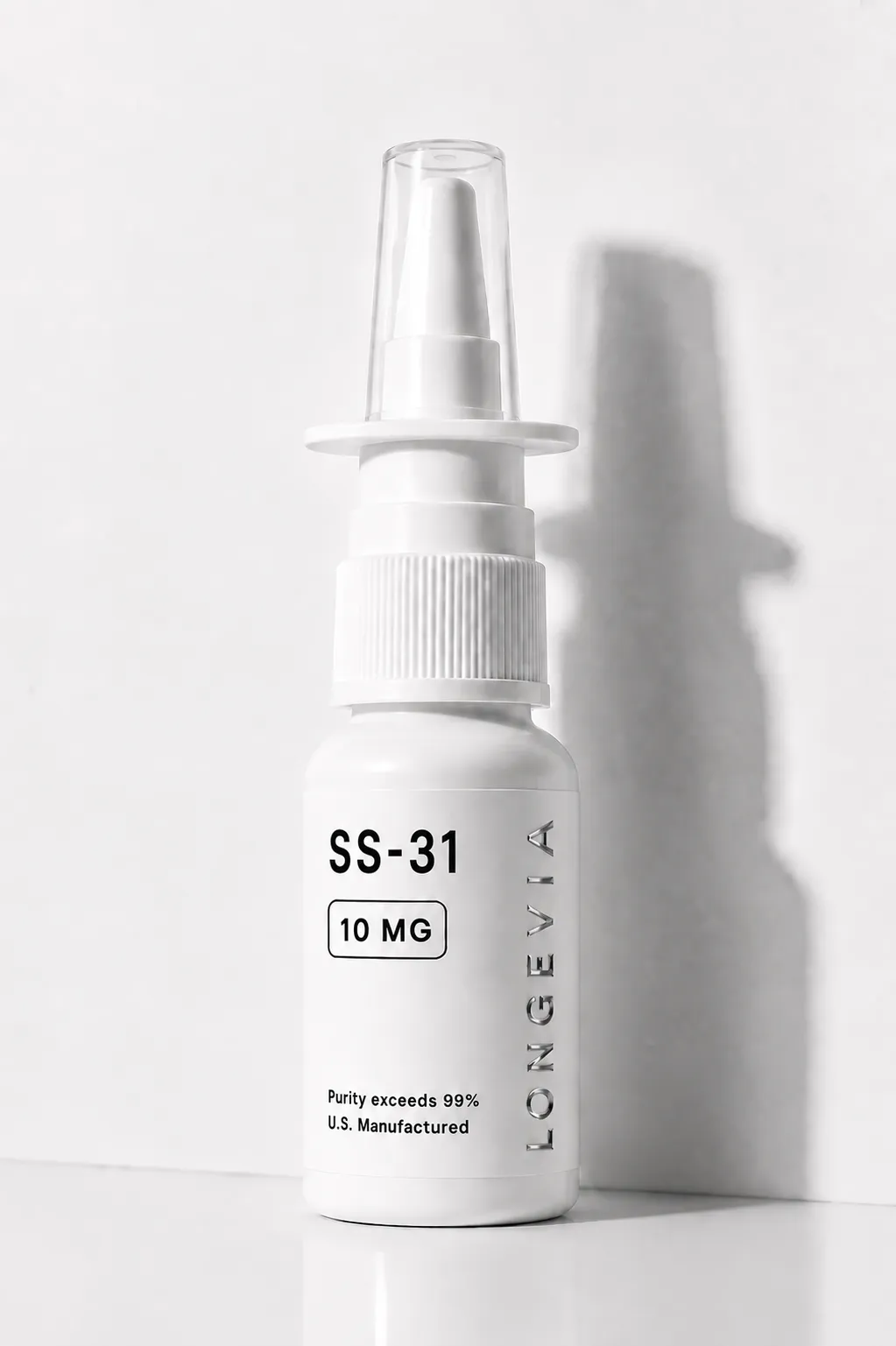
Longevia Research supplies SS-31 (elamipretide / MTP-131) in 10mg and 50mg quantities, 45-spray format, for qualified laboratory research. SS-31 is a synthetic mitochondria-targeted tetrapeptide investigated in cardiolipin, mitochondrial membrane biology, and mitochondrial bioenergetics research. Research Use Only.
$198.00
Slide to add
SNAP-8 — Spray
Longevia Research supplies SNAP-8 (Acetyl Octapeptide-3) in 10mg and 20mg quantities, 45-spray format, for qualified laboratory research. SNAP-8 is a synthetic acetylated octapeptide associated with SNAP-25 and SNARE-complex biology, investigated in neurotransmitter-release and vesicle-fusion research. Research Use Only.
$130.50
Slide to add
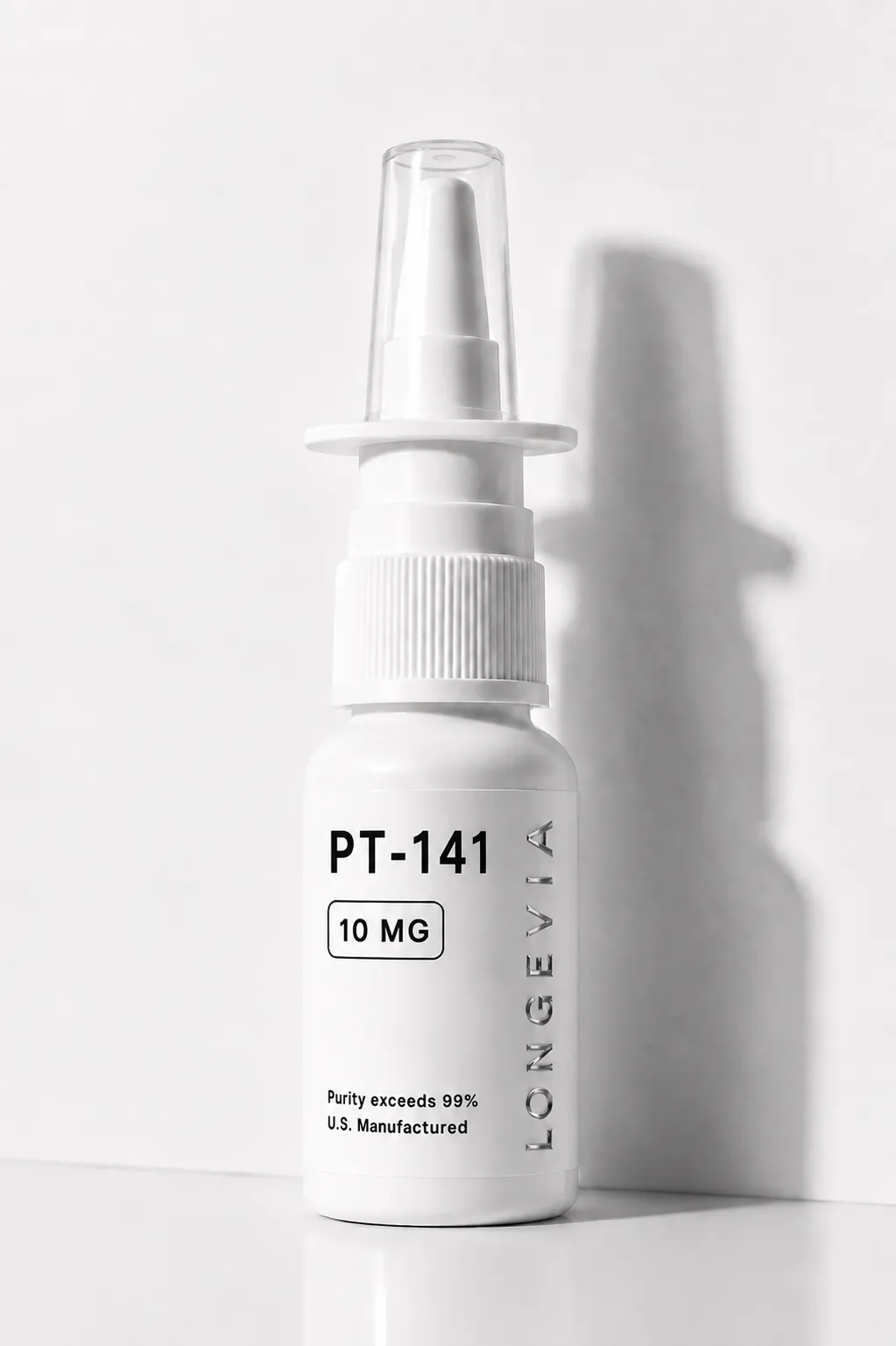
PT-141 — Spray
Longevia Research supplies PT-141 (bremelanotide) 10mg in a 45-spray format for qualified laboratory research. PT-141 is a synthetic cyclic heptapeptide and melanocortin receptor agonist investigated in MC4R signaling, sexual-function research, and melanocortin receptor pharmacology. Research Use Only.
$180.00
Slide to add
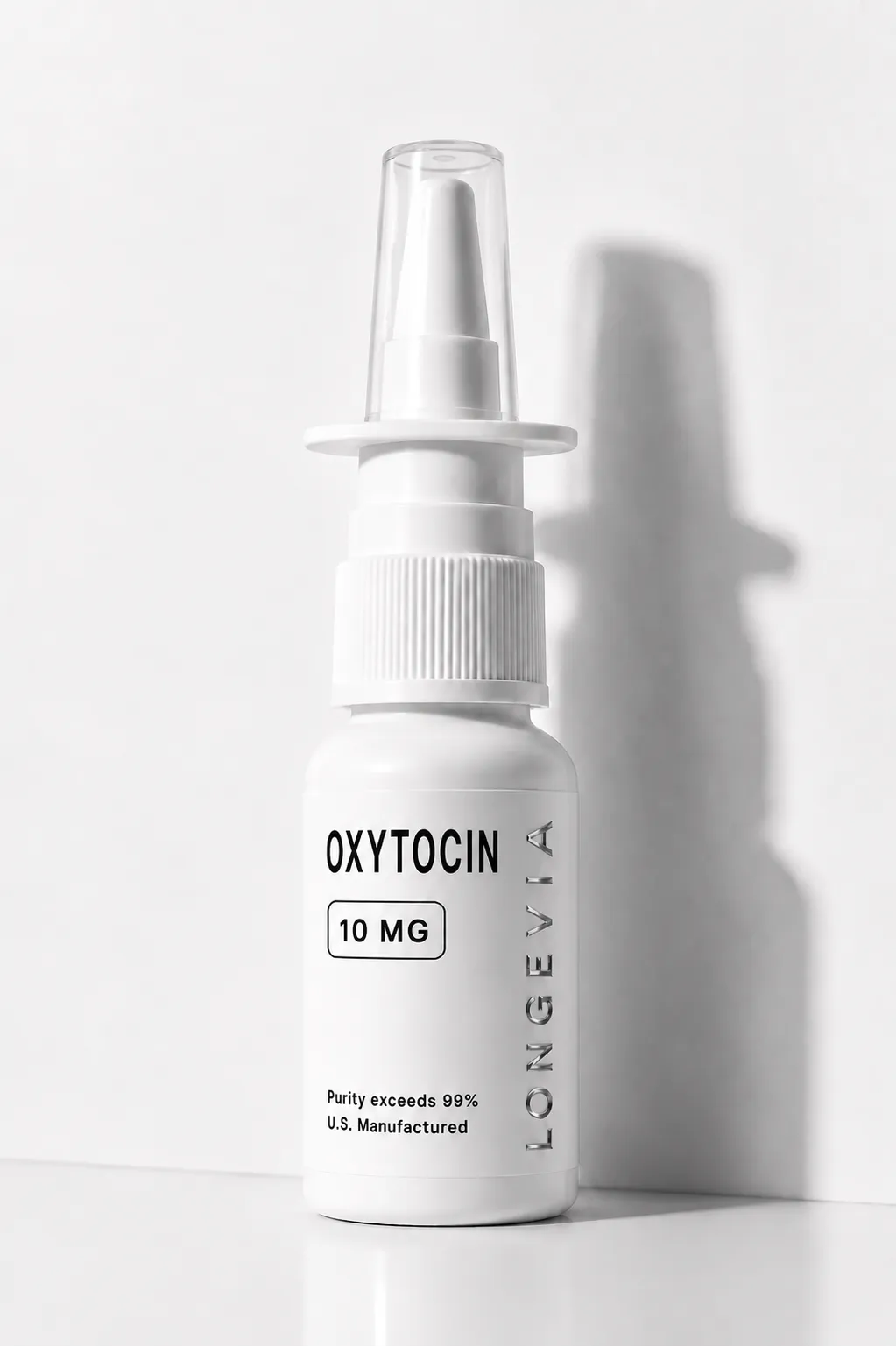
Oxytocin — Spray
Longevia Research supplies Oxytocin 10mg in a 90-spray format for qualified laboratory research. Oxytocin is a naturally occurring nonapeptide hormone and neuropeptide studied in neuroendocrine biology, reproductive physiology, oxytocin receptor (OXTR) signaling, and social-behavior research. Research Use Only.
$180.00
Slide to add
Product FAQs
Find answers to common questions regarding storage, reconstitution, and testing guidelines for this specific compound.