- Glutathione (GSH) is a tripeptide antioxidant that regulates melanogenesis, protects against oxidative stress, and supports skin health through multiple mechanisms.
- Clinical trials demonstrate modest skin-lightening effects with oral GSH at 250–500 mg/day for 8–12 weeks, particularly on sun-exposed areas.
- Glutathione inhibits tyrosinase activity, shifts eumelanin to pheomelanin production, and downregulates melanogenesis-related gene expression.
- Reconstituted glutathione is stable for only 72 hours at 2–8°C when protected from light, requiring careful handling and storage protocols.
- Oral and topical glutathione formulations show excellent safety profiles, while IV glutathione carries safety concerns and lacks efficacy evidence.
- Current research limitations include small sample sizes, short durations, inconsistent endpoints, and lack of long-term safety data.
- Lyophilized glutathione remains stable for 24–36 months at −20°C, but reconstituted solutions oxidize rapidly to GSSG.
- Combination therapies (GSH + vitamin C + niacinamide) may provide synergistic skin-lightening effects through multiple pathways.
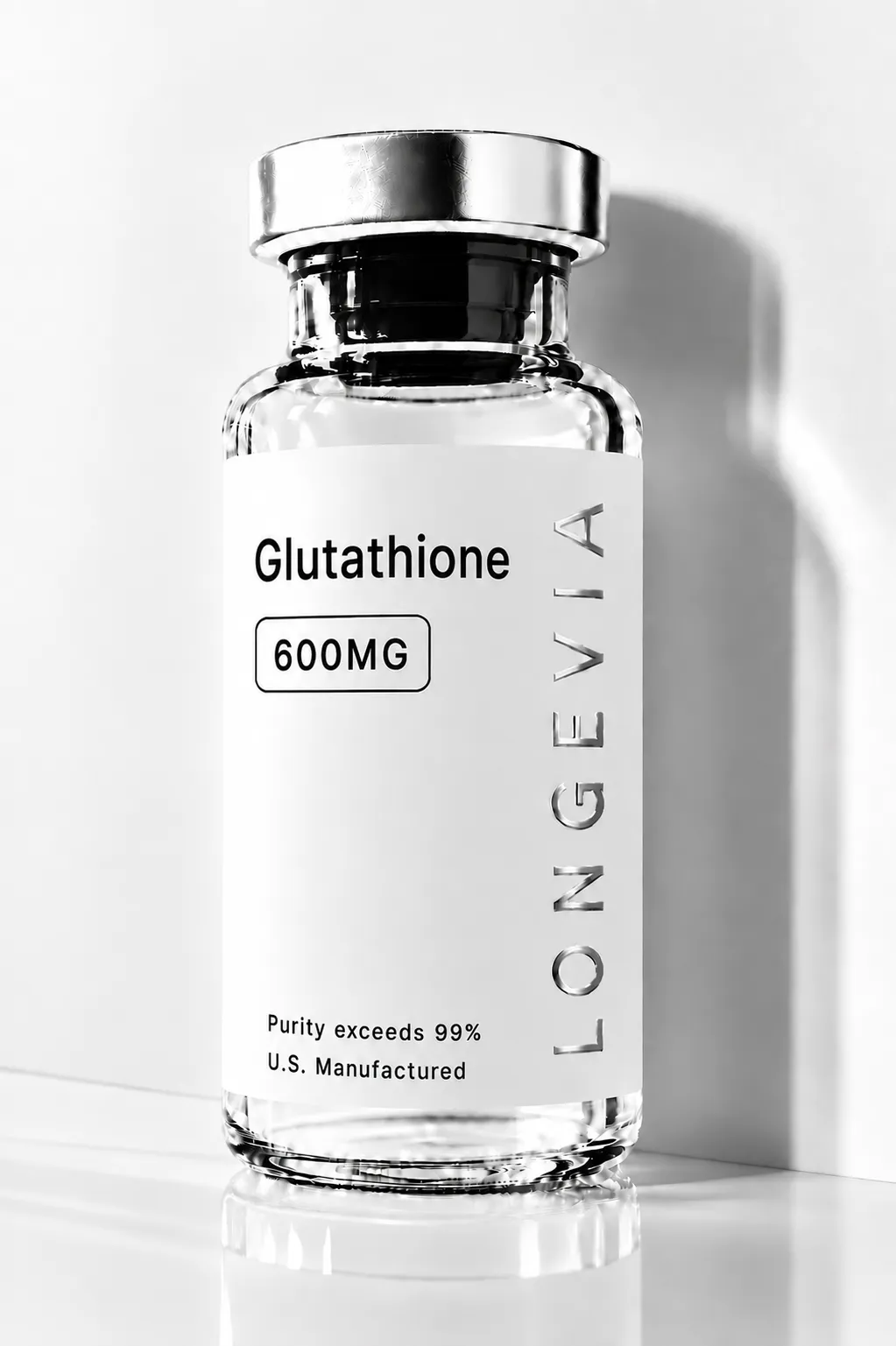
Glutathione
Glutathione (GSH) is a naturally occurring tripeptide antioxidant investigated in research involving oxidative stress biology, glutathione redox cycling, cellular thiol biochemistry, and antioxidant enzyme systems. 600mg and 1500mg vial. Research Use Only — Longevia Research.
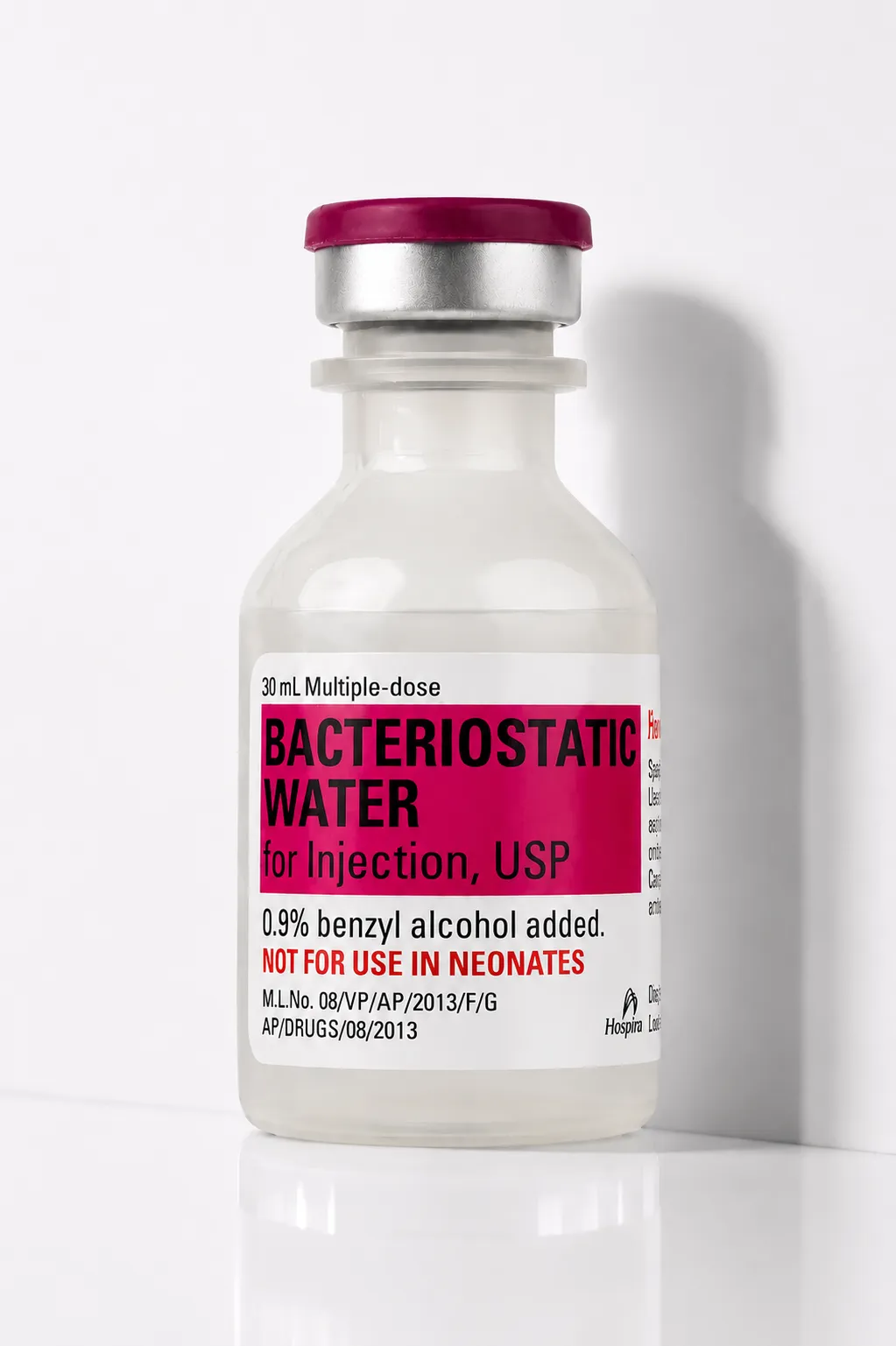
Reconstitution Solution
Buy Reconstitution Solution for peptide reconstitution. 0.9% benzyl alcohol preserved, sterile filtered. Essential laboratory supply for research use only.
Glutathione
Glutathione (GSH) is a naturally occurring tripeptide antioxidant investigated in research involving oxidative stress biology, glutathione redox cycling, cellular thiol biochemistry, and antioxidant enzyme systems. 600mg and 1500mg vial. Research Use Only — Longevia Research.
Reconstitution Solution
Buy Reconstitution Solution for peptide reconstitution. 0.9% benzyl alcohol preserved, sterile filtered. Essential laboratory supply for research use only.
Glutathione (GSH) has emerged as one of the most researched compounds in dermatology and skin science. This tripeptide antioxidant plays a central role in maintaining intracellular redox balance, regulating melanogenesis, and protecting against oxidative stress. Despite widespread interest in glutathione's skin-lightening and anti-aging properties, the scientific evidence presents a nuanced picture that researchers must carefully evaluate.
This comprehensive review examines glutathione's mechanisms of action in skin biology, evaluates clinical evidence for dermatological applications, and provides detailed reconstitution and handling protocols for laboratory research. Understanding both the potential benefits and current limitations is essential for researchers investigating this multifaceted compound.
What Is Glutathione?
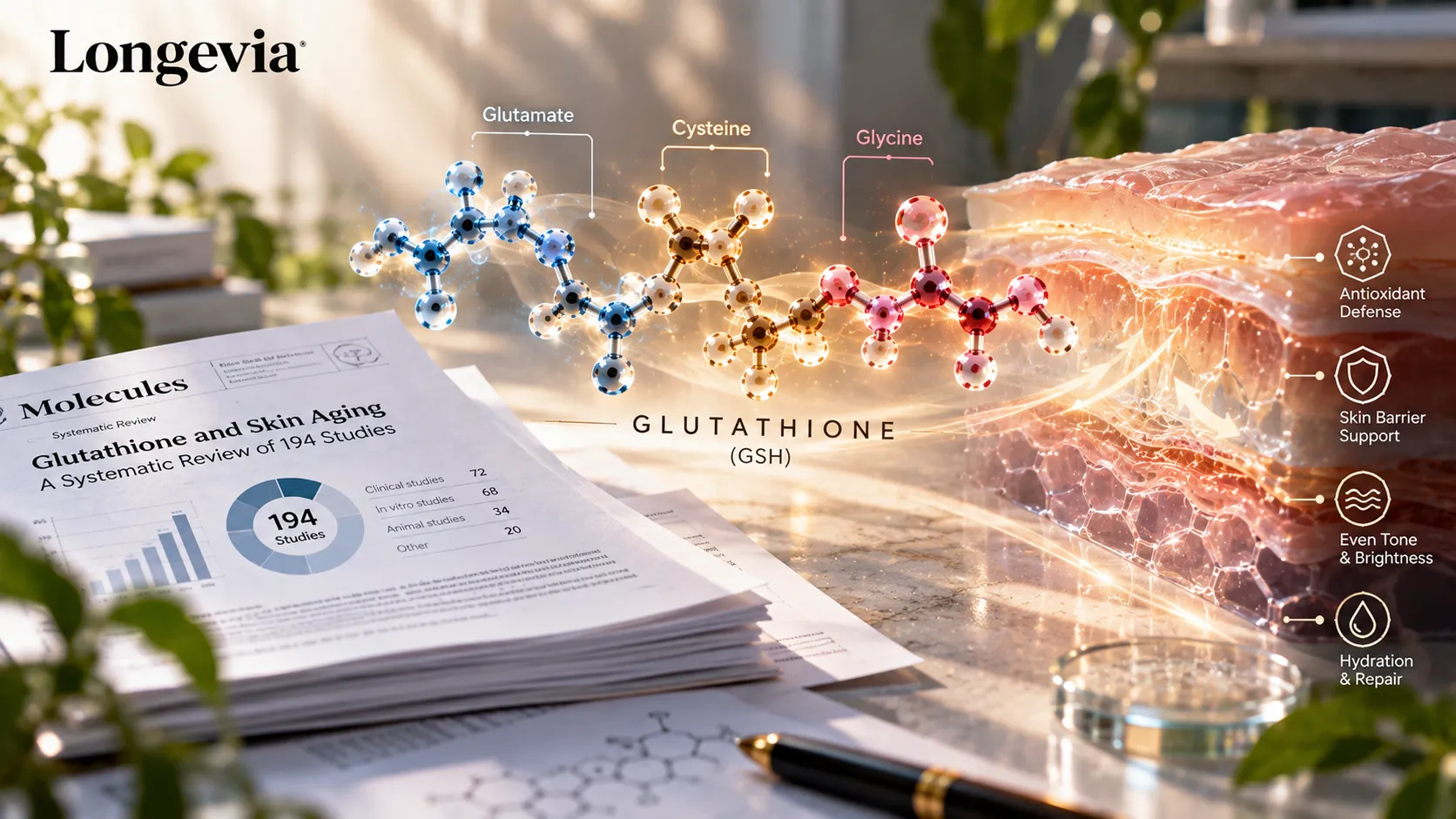
Glutathione is a low molecular weight thiol-tripeptide composed of three amino acids: glutamate, cysteine, and glycine. It exists in two primary forms: reduced glutathione (GSH) and oxidized glutathione (GSSG). The reduced form represents the biologically active antioxidant that neutralizes reactive oxygen species and maintains cellular redox homeostasis.
Glutathione is present in virtually all mammalian tissues, with particularly high concentrations in the liver, kidneys, and skin. In epidermal cells, glutathione serves as the primary intracellular antioxidant, protecting against UV-induced oxidative damage and regulating melanin synthesis pathways.
Molecular Properties
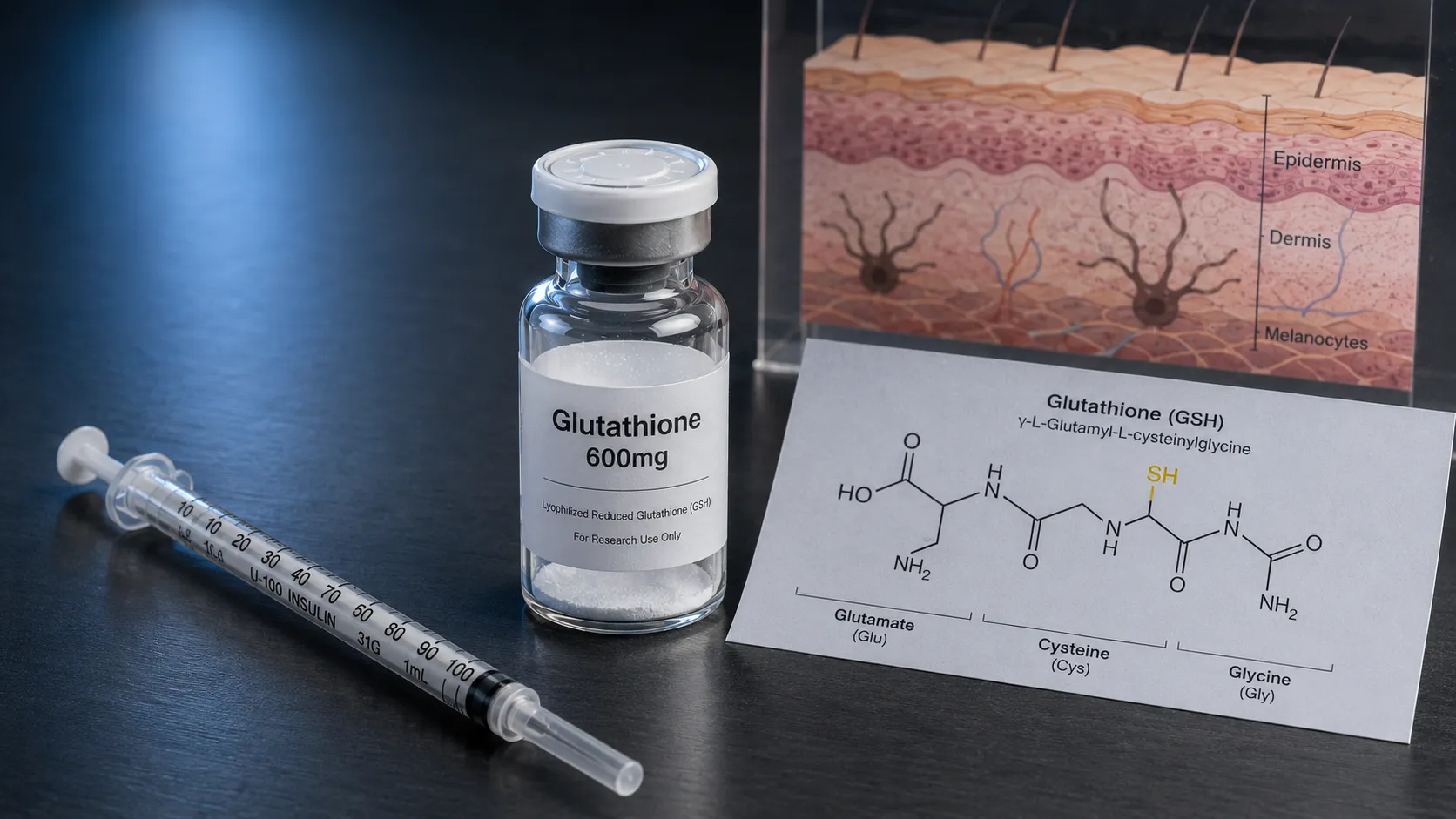
Glutathione's chemical formula is C₁₀H₁₇N₃O₆S, with a molecular weight of 307.33 g/mol. The cysteine residue's thiol (-SH) group is responsible for glutathione's antioxidant activity, donating electrons to neutralize free radicals and reactive oxygen species.
The ratio of reduced (GSH) to oxidized (GSSG) glutathione serves as a key indicator of cellular oxidative stress. Under normal conditions, cells maintain a GSH:GSSG ratio greater than 100:1. During oxidative stress, this ratio decreases as GSH is consumed and converted to GSSG.
Reduced glutathione (GSH) is the preferred form for dermatological research. The oxidized form (GSSG) has limited bioavailability and must be converted back to GSH intracellularly to exert antioxidant effects.
Mechanisms of Action in Skin Biology
Glutathione influences skin physiology through multiple interconnected pathways. Understanding these mechanisms is essential for designing rigorous research protocols.
Antioxidant Defense and Redox Regulation
Glutathione's primary function involves neutralizing reactive oxygen species (ROS) generated by UV exposure, environmental pollutants, and metabolic processes. The thiol group donates electrons to free radicals, preventing oxidative damage to cellular components including:
- Lipid membranes (preventing lipid peroxidation)
- Proteins (preventing carbonylation and misfolding)
- DNA (preventing strand breaks and mutations)
- Melanocytes (regulating melanogenesis)
Glutathione peroxidase enzymes catalyze the reduction of hydrogen peroxide and lipid peroxides using GSH as a cofactor, producing GSSG as a byproduct. Glutathione reductase then regenerates GSH from GSSG using NADPH as an electron donor, completing the antioxidant cycle.
Melanogenesis Regulation
Glutathione's antimelanogenic effects occur through several mechanisms:
- Direct tyrosinase inhibition: GSH binds to tyrosinase's active site, inhibiting the enzyme's ability to convert tyrosine to DOPA and subsequently to melanin.
- Eumelanin to pheomelanin shift: Glutathione conjugates with DOPAquinone, diverting melanin synthesis from dark eumelanin (brown-black pigment) toward lighter pheomelanin (yellow-red pigment).
- Tyrosinase downregulation: GSH suppresses tyrosinase gene expression at the transcriptional level, reducing overall enzyme production.
- MITF pathway modulation: Glutathione influences microphthalmia-associated transcription factor (MITF), a master regulator of melanocyte function and melanogenesis.
These mechanisms collectively contribute to glutathione's skin-lightening effects observed in clinical studies.
Anti-Aging and Collagen Support
Beyond pigmentation, glutathione supports skin health through:
- Collagen synthesis: GSH protects fibroblasts from oxidative damage, maintaining their capacity to produce collagen and elastin.
- Matrix metalloproteinase inhibition: Glutathione suppresses MMP expression, preventing collagen degradation.
- Inflammation modulation: GSH regulates NF-κB and other inflammatory pathways, reducing chronic inflammation that accelerates skin aging.
- UV protection: Intracellular GSH absorbs UV radiation and neutralizes UV-induced ROS, providing photoprotection.
Clinical Evidence: Benefits and Limitations
The clinical evidence for glutathione's dermatological applications has grown substantially over the past decade. However, researchers must critically evaluate study quality, sample sizes, and methodological rigor.
Skin Lightening and Pigmentation
Multiple randomized controlled trials (RCTs) have investigated glutathione's skin-lightening efficacy. The following table summarizes key findings from published literature:
Study | Formulation | Dosage | Duration | Outcomes |
|---|---|---|---|---|
Watanabe et al. (2014) | Oral GSH | 250 mg/day | 12 weeks | Significant reduction in melanin index on sun-exposed areas |
Handog et al. (2016) | Oral GSH | 500 mg/day | 8 weeks | Significant skin lightening on face and sun-exposed areas |
Arjinpathra & Asawanonda (2012) | Topical GSH | 2% cream | 10 weeks | Moderate skin lightening, improved skin elasticity |
Sonthayanon et al. (2020) | Oral GSH | 250 mg twice daily | 12 weeks | Significant melanin index reduction vs placebo |
A 2020 systematic review concluded that oral glutathione at doses of 250–500 mg/day demonstrates modest but statistically significant skin-lightening effects, particularly on sun-exposed areas. However, effects are not uniform across all body sites and may not be sustained after discontinuation.
Current evidence of glutathione's skin-lightening effect remains inconclusive due to study quality limitations, small sample sizes (typically 30–60 participants), and inconsistent findings across trials. More rigorous, long-term studies are needed.
Anti-Aging Effects
Several studies have evaluated glutathione's effects on skin aging parameters:
- Wrinkle reduction: Oral GSH (250 mg/day) improved skin wrinkle scores compared to placebo in middle-aged women after 12 weeks.
- Skin elasticity: Both oral and topical glutathione demonstrated improvements in skin elasticity measurements.
- UV spot reduction: Some studies report decreased UV-induced hyperpigmentation with glutathione supplementation.
However, these anti-aging effects are generally modest and require sustained supplementation. Most studies span only 4–12 weeks, limiting conclusions about long-term efficacy.
Antioxidant and Photoprotective Effects
Glutathione's role in photoprotection is well-established at the cellular level. Clinical studies demonstrate:
- Increased skin GSH levels following oral supplementation
- Reduced UV-induced erythema in glutathione-treated groups
- Lower markers of oxidative stress in skin biopsies
These findings support glutathione's mechanistic role in skin photoprotection, though clinical relevance for preventing photoaging requires further investigation.
Limitations of Current Research
Despite promising findings, several critical limitations constrain confidence in glutathione's dermatological applications.
Bioavailability Concerns
Oral glutathione faces significant bioavailability challenges:
- Gastric degradation: GSH is susceptible to hydrolysis by gastric enzymes and acidic pH.
- Intestinal metabolism: Peptidases in the small intestine break down GSH into constituent amino acids.
- Limited absorption: Intact GSH absorption across the intestinal epithelium is limited, though some studies suggest transporter-mediated uptake.
Despite these barriers, clinical trials demonstrate that oral GSH increases blood and tissue glutathione levels, suggesting some intact absorption or efficient resynthesis from absorbed precursors.
Study Design Limitations
Key methodological issues in existing research include:
- Small sample sizes: Most RCTs include 30–60 participants, limiting statistical power.
- Short duration: Studies typically span 4–12 weeks, insufficient for assessing long-term efficacy and safety.
- Single-center designs: Most trials are conducted at single institutions, limiting generalizability.
- Inconsistent endpoints: Studies use varied measures (melanin index, subjective brightness, chromameter readings), complicating comparisons.
- Lack of histological data: Few studies include skin biopsies to assess structural changes.
Inconsistent Efficacy Across Populations
Glutathione's effects vary by:
- Baseline skin tone: Darker skin types may show more pronounced lightening effects.
- Age: Middle-aged subjects (40–60 years) demonstrate more consistent responses than younger adults.
- Sun exposure: Effects are more evident on sun-exposed vs sun-protected areas.
- Genetic factors: Polymorphisms in glutathione-related enzymes may influence individual responses.
IV Glutathione: Safety Concerns
Intravenous glutathione has gained popularity in cosmetic clinics, particularly in Asia. However, evidence does not support its efficacy for skin lightening, and safety concerns exist:
- Lack of RCT evidence: No high-quality trials demonstrate IV glutathione's superiority over oral or topical routes.
- Adverse events: Case reports describe serious adverse events including thyroid dysfunction, renal impairment, and severe cutaneous reactions.
- Regulatory warnings: Several health authorities have issued warnings against IV glutathione for cosmetic use.
IV glutathione is contraindicated for cosmetic skin-lightening purposes due to lack of efficacy evidence and potential safety risks. Oral and topical formulations have better-established safety profiles.
Reconstitution Protocol for Research Use
For laboratory research investigating glutathione's dermatological mechanisms, proper reconstitution and handling are critical for maintaining stability and experimental integrity.
Required Materials
- Lyophilized reduced glutathione (GSH) powder
- Bacteriostatic water for injection or sterile water
- Phosphate-buffered saline (PBS), pH 7.0–7.4 (for cell culture applications)
- Sterile syringes (1–3 mL)
- Insulin syringes (30–31 gauge) for precise dosing
- Alcohol swabs
- Amber vials for storage (light-protected)
- Refrigeration system (2–8°C)
- Freezer (-80°C for long-term storage)
Step-by-Step Reconstitution
- Prepare workspace: Work in a sterile environment (laminar flow hood for cell culture applications). Sanitize all surfaces with 70% ethanol.
- Remove from storage: Take lyophilized glutathione from −20°C storage. Allow to reach room temperature before opening to prevent condensation.
- Sanitize vials: Clean the rubber stoppers of both glutathione and diluent vials with alcohol swabs. Allow to air dry completely.
- Select diluent:
- For general research: Bacteriostatic water (0.9% benzyl alcohol) - For cell culture: Sterile PBS, pH 7.0–7.4 - Avoid: Diluents containing metal ions (accelerate oxidation)
- Draw diluent: Using a sterile syringe, draw the appropriate volume. Common reconstitution volumes:
- 600 mg vial + 2 mL = 300 mg/mL concentration - 600 mg vial + 3 mL = 200 mg/mL concentration - 1000 mg vial + 2 mL = 500 mg/mL concentration
- Inject slowly: Direct the stream of water gently against the inner wall of the glutathione vial. Avoid aiming directly at the powder cake to prevent foaming.
- Gentle swirling: Swirl the vial gently until the powder is completely dissolved. Never shake, as this introduces oxygen and accelerates oxidation.
- Aliquot if needed: For extended storage, aliquot into sterile amber vials to minimize repeated freeze-thaw cycles.
- Storage: Store reconstituted glutathione at 2–8°C (refrigerated) and protect from light. Use within 72 hours for optimal stability.
Concentration Calculations
For a 600 mg vial reconstituted with 2 mL diluent (300 mg/mL concentration):
Desired Dose | Volume to Draw | Insulin Syringe Units |
|---|---|---|
50 mg | 0.167 mL | 17 units |
100 mg | 0.33 mL | 33 units |
150 mg | 0.5 mL | 50 units |
200 mg | 0.67 mL | 67 units |
250 mg | 0.83 mL | 83 units |
300 mg | 1.0 mL | 100 units |
For cell culture applications, prepare fresh glutathione solutions immediately before use. Stock solutions can be prepared at 100 mM in PBS, filter-sterilized, and stored at -80°C for up to 1 month.
Stability and Storage Considerations
Glutathione's stability is highly dependent on storage conditions, formulation, and exposure to oxidizing agents.
Lyophilized Powder Storage
Unreconstituted glutathione powder should be stored at −20°C or lower in a sealed, light-protected container with minimal headspace. Under these conditions, the peptide remains stable for 24–36 months from manufacture date. Always verify lot-specific expiration dates on Certificate of Analysis documents.
Key storage requirements:
- Temperature: Maintain consistent freezing at −20°C or lower
- Light protection: Store in opaque containers or amber vials
- Moisture control: Keep desiccant packets in storage containers
- Minimal headspace: Reduce oxygen exposure in sealed vials
Reconstituted Solution Stability
Reconstituted glutathione is highly susceptible to oxidation. Stability varies by formulation:
Formulation | Storage Condition | Stability Duration |
|---|---|---|
Bacteriostatic water | 2–8°C, light-protected | 72 hours |
Sterile water | 2–8°C, light-protected | 24–48 hours |
PBS (pH 7.4) | 2–8°C, light-protected | 7–14 days |
PBS + nitrogen blanket | -80°C, frozen | Several months |
Critical stability factors:
- Oxidation: GSH rapidly oxidizes to GSSG in solution, especially with air exposure
- Light sensitivity: UV and visible light accelerate oxidation
- Temperature: Higher temperatures increase oxidation rate
- pH: Neutral to slightly acidic pH (6.0–7.4) optimizes stability
- Metal contamination: Trace metals (copper, iron) catalyze oxidation
Reconstituted glutathione should be used within 72 hours when stored at 2–8°C. Discard solutions that develop yellow or brown discoloration, indicating oxidation to GSSG.
Maximizing Stability
To extend reconstituted glutathione stability:
- Minimize air exposure: Open vials only when ready to draw doses. Use nitrogen blankets for long-term storage.
- Light protection: Always store in amber vials or opaque containers.
- Cold chain: Maintain consistent refrigeration at 2–8°C. Avoid temperature fluctuations.
- Aliquoting: Divide into single-use aliquots to avoid repeated freeze-thaw cycles.
- Antioxidant additives: Some formulations include EDTA or other chelators to sequester metal ions.
For long-term storage of reconstituted glutathione:
- Aliquot into sterile amber vials
- Flush with nitrogen gas to displace oxygen
- Freeze immediately at -80°C
- Frozen GSH remains stable for several months under these conditions
Research Applications in Dermatology
Glutathione's multifaceted mechanisms support diverse research applications in dermatology and skin science.
Hyperpigmentation Disorders
Researchers investigate glutathione for:
- Melasma: Evaluating GSH's ability to reduce melanin index and improve melasma severity scores
- Post-inflammatory hyperpigmentation (PIH): Assessing prevention of PIH following acne or procedures
- Solar lentigines: Studying effects on sun-induced age spots
- General skin brightening: Quantifying overall skin tone lightening
Typical research protocols use oral GSH at 250–500 mg/day for 8–12 weeks, with melanin index measurements at baseline and endpoint.
Photoaging and UV Protection
Glutathione research in photoaging includes:
- UV-induced oxidative stress: Measuring GSH depletion and recovery following UV exposure
- Photoprotection: Evaluating whether GSH supplementation reduces UV erythema and DNA damage
- Matrix metalloproteinase expression: Assessing GSH's effects on UV-induced MMP upregulation
- Collagen preservation: Quantifying collagen content in GSH-treated vs control skin
Wound Healing and Tissue Regeneration
Emerging research explores glutathione's role in:
- Fibroblast function: GSH supports fibroblast proliferation and collagen synthesis
- Oxidative stress mitigation: Reducing ROS at wound sites accelerates healing
- Inflammation modulation: GSH regulates inflammatory cytokines in wound environments
- Scar formation: Investigating whether GSH reduces hypertrophic scarring
Comparative Studies
Researchers often compare glutathione to other skin-lightening agents:
- Vitamin C: Both are antioxidants, but GSH has additional melanogenesis-regulating effects
- Niacinamide: Different mechanisms (GSH inhibits tyrosinase; niacinamide inhibits melanosome transfer)
- Kojic acid: GSH has better safety profile but potentially less potent lightening effects
- Hydroquinone: GSH is safer but less effective for severe hyperpigmentation
Combination therapies (GSH + vitamin C + niacinamide) may provide synergistic effects by targeting multiple pigmentation pathways simultaneously.
Safety Profile and Adverse Events
Glutathione demonstrates a favorable safety profile across multiple administration routes, though important considerations exist.
Oral Glutathione
Oral GSH is well-tolerated in clinical trials at doses up to 500 mg/day for 12 weeks. Reported adverse events are mild and infrequent:
- Gastrointestinal discomfort (bloating, cramping) in <5% of subjects
- Rare allergic reactions
- No significant changes in laboratory parameters (liver function, kidney function, complete blood count)
Long-term safety data beyond 6 months is limited, though no concerning trends have emerged from available studies.
Topical Glutathione
Topical formulations (creams, serums) at concentrations of 1–4% show excellent tolerability:
- Minimal irritation or sensitization
- No reported systemic absorption concerns
- Suitable for sensitive skin types
However, topical GSH has limited penetration into deeper skin layers, potentially reducing efficacy compared to oral administration.
Intravenous Glutathione
IV glutathione carries higher risks:
- Thyroid dysfunction: Case reports of altered thyroid hormone levels
- Renal impairment: Rare instances of kidney dysfunction
- Severe cutaneous reactions: Stevens-Johnson syndrome and toxic epidermal necrolysis (extremely rare)
- Air embolism: Risk associated with IV administration technique
- Infection: Potential for bloodstream infections with improper technique
Given the lack of efficacy evidence and potential safety concerns, IV glutathione is not recommended for cosmetic or dermatological research purposes.
Contraindications and Precautions
Researchers should exercise caution in subjects with:
- Asthma: Inhaled glutathione may trigger bronchospasm (not relevant for oral/topical routes)
- Pregnancy and lactation: Insufficient safety data
- Chemotherapy: GSH may interfere with certain chemotherapeutic agents' oxidative mechanisms
- Zinc deficiency: Long-term GSH supplementation may lower zinc levels (monitor in extended studies)
Practical Research Workflow Integration
Integrating glutathione into dermatological research requires careful planning and standardization.
Documentation Requirements
Maintain detailed records for all glutathione research:
- Lot numbers and Certificate of Analysis verification
- Reconstitution dates, concentrations, and storage conditions
- Administration routes, doses, and timing
- Subject compliance monitoring (for clinical studies)
- Adverse event reporting
Quality Control Measures
Before initiating research protocols:
- Verify glutathione purity through HPLC analysis (should be >98% for research grade)
- Confirm reduced form (GSH) vs oxidized form (GSSG) ratio
- Test for heavy metals and microbial contamination
- Document all handling procedures in laboratory notebooks
- Implement blinding and randomization for clinical trials
Standardized Outcome Measures
For skin lightening studies, use validated endpoints:
- Melanin index: Measured by chromameter or mexameter
- **L* value**: Lightness component of CIELAB color space
- Subjective assessments: Investigator and subject global improvement scores
- Photographic documentation: Standardized lighting and positioning
- Histological analysis: Skin biopsies for melanin content and tyrosinase expression (when ethically approved)
For anti-aging studies:
- Wrinkle severity: Validated scales (e.g., Wrinkle Severity Rating Scale)
- Skin elasticity: Cutometer measurements
- Hydration: Corneometer readings
- Collagen density: Ultrasound or biopsy analysis
Conclusion
Glutathione represents a biologically plausible and mechanistically well-characterized compound for dermatological research. Its roles in antioxidant defense, melanogenesis regulation, and anti-aging are supported by substantial preclinical evidence and growing clinical data.
However, researchers must approach glutathione studies with appropriate skepticism regarding current evidence limitations. Small sample sizes, short study durations, and inconsistent methodologies constrain confidence in reported benefits. Rigorous, well-designed trials are needed to establish glutathione's true efficacy and optimal use parameters.
For laboratory researchers, proper handling, reconstitution, and storage protocols are essential for maintaining glutathione's stability and experimental integrity. By following the guidelines outlined in this resource and adhering to institutional ethical standards, researchers can contribute meaningful data to the evolving understanding of glutathione's dermatological applications.
As research continues to clarify glutathione's mechanisms and clinical relevance, this tripeptide will likely remain a focal point in skin science, antioxidant biology, and anti-aging research.
Frequently Asked Questions
- Watanabe, F. et al. (2014). Effects of oral supplementation with glutathione on skin properties: a randomized, double-blind, placebo-controlled study. Journal of Clinical and Aesthetic Dermatology, 7(10), 22-27.
- Handog, F.B. et al. (2016). Oral glutathione 500 mg/day is effective and safe for skin lightening: a randomized, double-blind, placebo-controlled study. Journal of Drugs in Dermatology, 15(6), 736-742.
- Arjinpathra, N. & Asawanonda, P. (2012). Glutathione as an oral whitening agent: a randomized, double-blind, placebo-controlled study. Journal of Dermatological Treatment, 23(2), 97-102.
- Sonthayanon, P. et al. (2020). Systemic glutathione as a skin-whitening agent in adults: a systematic review. Journal of Evidence-Based Complementary & Alternative Medicine, 2020, 8547960.
- Weschaler, J. et al. (2018). Glutathione as a skin-lightening agent: Facts, myths, evidence and controversies. Indian Journal of Dermatology, Venereology and Leprology, 84(3), 270-276.
- Zitka, O. et al. (2016). Redox homeostasis and glutathione determination in dermatological research. Redox Biology, 8, 100-108.