Immune RegulationMitochondrial & Cellular EnergyLongevity Research
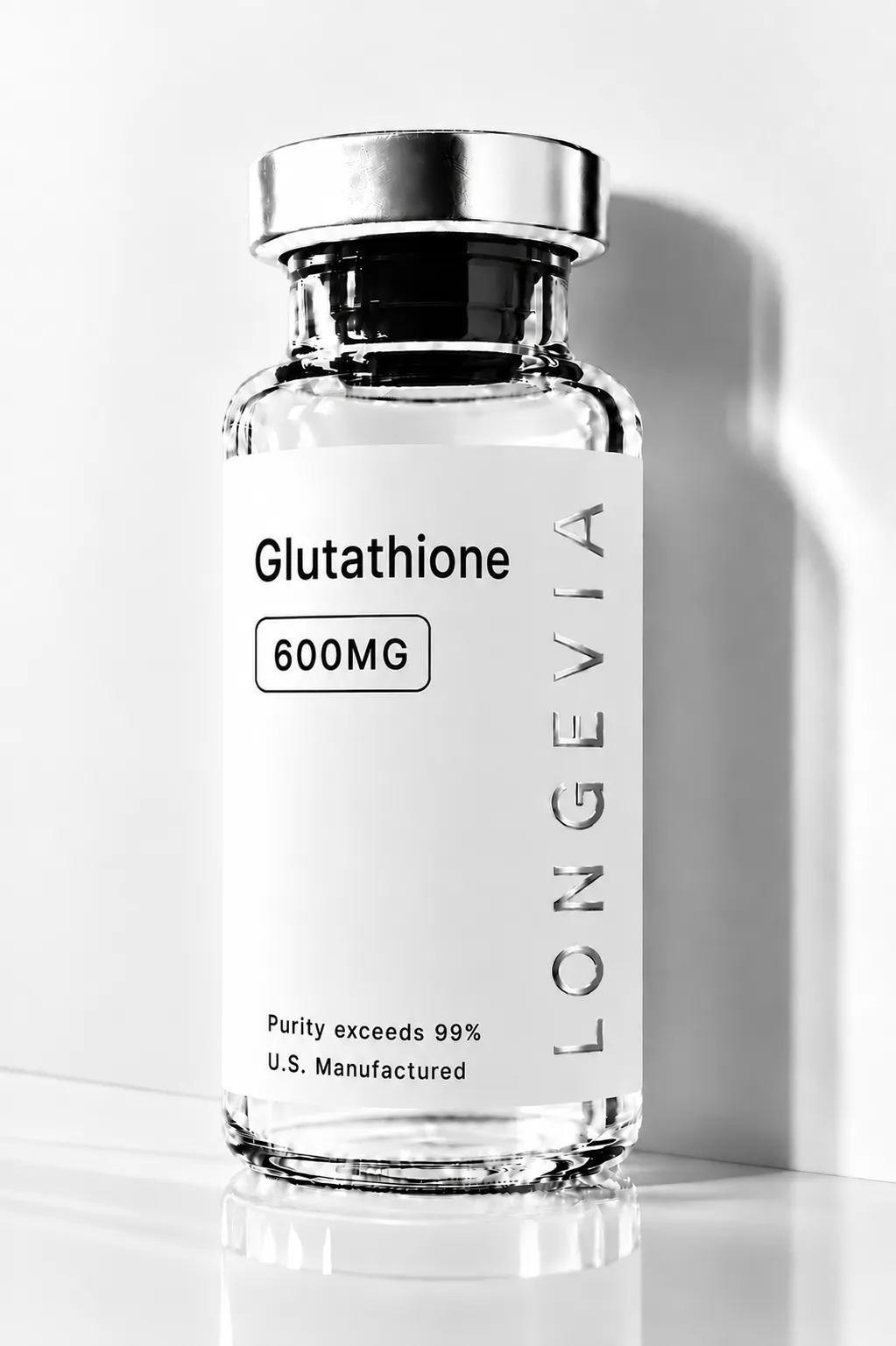
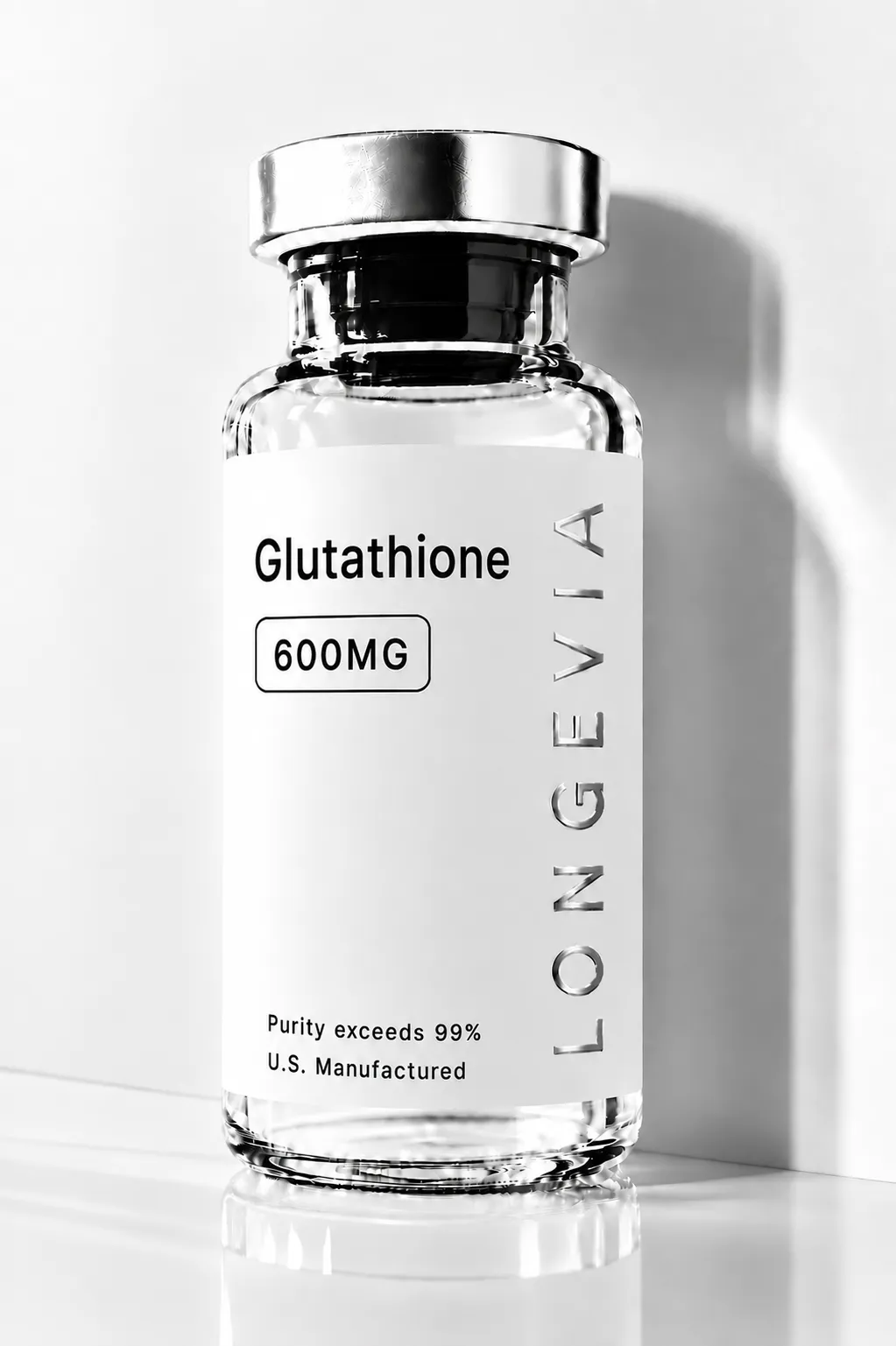
Glutathione
$108.00
1
Slide to Add
Purity≥99% Tested
TestingLC-MS Verified
LocationUS Based
Glutathione is a naturally occurring tripeptide antioxidant studied extensively in laboratory research for its central role in cellular antioxidant defense, redox homeostasis, and oxidative stress regulation. Our research-grade Glutathione is manufactured in its reduced form, the biologically active state most relevant to redox biology investigations, with each batch verified for purity and molecular integrity before release. Investigators studying free radical scavenging, detoxification pathways, and cellular protection mechanisms rely on consistent, high-purity material to generate reproducible results. Every vial is lyophilized and sealed under conditions designed to preserve stability during storage and shipping. This compound is intended strictly for in-vitro and laboratory research use by qualified professionals.
Standard Delivery3-4 Working Days
Free ShippingOn all orders above $300
Comprehensive Product Details
Scientific identity: Glutathione is a tripeptide with the sequence γ-L-Glu-L-Cys-Gly — an unusual gamma-peptide bond connecting glutamate to cysteine through the glutamate side-chain carboxyl rather than the standard alpha-carboxyl. This gamma-peptide linkage makes glutathione resistant to most intracellular proteases and distinguishes it structurally from conventional alpha-linked tripeptides. The free thiol group on the cysteine residue is the chemically active site responsible for glutathione's reducing and nucleophilic properties. Reduced glutathione (GSH) is the biologically active form; oxidised glutathione (GSSG) is the disulfide dimer produced following ROS neutralisation, regenerated back to GSH by glutathione reductase in the presence of NADPH.
Primary research contexts. Oxidative stress biology; cellular redox homeostasis; glutathione peroxidase (GPx) and glutathione reductase (GR) enzyme system research; xenobiotic detoxification; thiol biochemistry; GSH/GSSG ratio measurements in cellular models.
Research areas: Oxidative stress and antioxidant research, cellular redox biology, thiol biochemistry, glutathione enzyme system pharmacology, mitochondrial biology, disease-associated glutathione depletion models, xenobiotic and toxicology research, neurochemistry research.
Product quantity: 600mg and 1500mg per vial.
Purity: Greater than 99%, confirmed by HPLC and analytical characterisation at the batch level.
Analytical documentation: A batch-specific Certificate of Analysis is available on the Longevia Research website, covering compound identity, purity, and lot traceability.
Research-use classification: For laboratory research use only. Not for human or veterinary use, clinical diagnostics, compounding, or any injectable application.
Advanced Research Focus
Glutathione Redox Biology
Glutathione is the central hub of cellular redox homeostasis. In its reduced form (GSH), it donates electrons to neutralise reactive oxygen species — including hydrogen peroxide, lipid peroxides, and peroxynitrite — in reactions catalysed by glutathione peroxidase (GPx) enzymes, producing oxidised glutathione (GSSG) as the byproduct. GSSG is regenerated to GSH by glutathione reductase (GR) using NADPH as the electron donor. The GSH/GSSG ratio is a widely used quantitative indicator of cellular oxidative stress status in research, with a high GSH/GSSG ratio indicating a reduced (healthy) redox state and a low ratio indicating oxidative stress. Cell-based and animal research examining this ratio under various experimental conditions constitutes a significant component of the glutathione literature.
Glutathione Enzyme Systems
Glutathione functions as an essential cofactor for multiple enzyme families. Glutathione peroxidases (GPx1–8) use GSH to reduce peroxides; glutathione S-transferases (GSTs) conjugate GSH to electrophilic substrates for xenobiotic detoxification; glutaredoxins use the GSH/GSSG couple for protein thiol reduction and redox signaling. Research examining these enzyme systems uses glutathione as a substrate, cofactor, and biochemical reference standard. The 1500mg quantity supplied in this vial supports high-volume biochemical assay work, enzyme kinetics studies, and cell culture supplementation experiments requiring substantial amounts of reference-grade GSH.
Mitochondrial Glutathione Research
Mitochondria maintain a distinct glutathione pool — mitochondrial GSH (mGSH) — that is essential for mitochondrial function and ROS management within the electron transport chain. Depletion of mGSH is associated with mitochondrial oxidative stress in experimental models. Research has examined mGSH in relation to mitochondrial membrane integrity, cytochrome c release, and apoptosis signaling in cell-based systems. This research area intersects with the mitochondrial biology studied in relation to SS-31, MOTS-C, and related compounds.
Disease-Associated Glutathione Depletion Research
Experimental models of numerous disease states are associated with glutathione depletion — including models of Parkinson's disease, HIV, cystic fibrosis, cardiovascular disease, and aging. Research has used glutathione supplementation in cell-based and animal systems to investigate whether restoring GSH levels modulates experimental endpoints in these disease models. These are preclinical research findings in defined experimental systems and do not establish therapeutic outcomes for glutathione administration in human disease.
Human Research
Glutathione has been investigated in human clinical research across multiple formulations — oral, intravenous, intranasal, nebulised, and topical — in studies examining oxidative stress markers, GSH/GSSG ratios, and disease-specific endpoints in defined populations. Findings vary substantially by formulation, route of administration, population, and measured outcome. Oral glutathione has shown mixed results in raising systemic GSH levels across studies, attributed to degradation during gastrointestinal transit. No injectable glutathione product holds current US FDA approval for any therapeutic indication.
Uncompromising Quality Standards
Reliable research begins with accurately characterised material. For reduced glutathione, that means confirming identity, purity, and reduced thiol form at the batch level — because even partial oxidation to GSSG produces a substantially different compound with a different molecular weight, different biochemical properties, and different behaviour in GSH/GSSG ratio assays. Research-grade glutathione must be verified as the reduced GSH form rather than the oxidised GSSG dimer.
Purity assessment: Each production lot is characterised to greater than 99% purity by HPLC. Chromatographic purity data is reported on the batch Certificate of Analysis.
Identity and form confirmation: Compound identity and reduced thiol status are confirmed by analytical characterisation, providing molecular-weight verification consistent with reduced L-glutathione (GSH, MW 307.32 g/mol) rather than GSSG (MW 612.63 g/mol). The batch COA confirms the identity and reduced form of the material supplied.
Batch traceability and Certificate of Analysis: Every vial of Glutathione 600mg and 1500mg is traceable to a specific production lot. A batch-specific Certificate of Analysis is accessible directly on the Longevia Research website, covering purity, identity, and lot information. Researchers are strongly encouraged to review the current batch documentation before use, since glutathione's sensitivity to oxidation makes batch-level verification particularly important for this compound.
Handling: Glutathione is sensitive to oxidation — exposure to air, light, and moisture can degrade the reduced thiol to GSSG. This material should be handled by qualified personnel using appropriate laboratory technique under conditions that minimise oxidative exposure, stored per the COA recommendations, and aliquoted appropriately to prevent repeated freeze-thaw cycling of the bulk material.
Legal & Compliance Notice
Longevia Research supplies Glutathione 1500mg for laboratory and analytical research use only. The product is intended for use by qualified researchers and trained laboratory personnel in appropriate controlled research environments.
Glutathione is a naturally occurring tripeptide supplied strictly as a research compound. It is not a drug, not a dietary supplement, not a food additive, and not a cosmetic in this formulation. While glutathione holds GRAS (generally recognised as safe) status from the US FDA for use in food products, and while pharmaceutical glutathione formulations hold approval for specific indications in Japan and certain other jurisdictions, no such designation applies to the Longevia Research research vial. Glutathione supplied in this vial has not been manufactured to injectable drug standards and is not supplied for injectable, intravenous, intramuscular, or any other parenteral use. The FDA has issued warnings regarding the use of non-pharmaceutical-grade glutathione in compounded injectable preparations; this product is not supplied for compounding or for any injectable application.
Longevia provides no dosing instructions, administration guidance, treatment protocols, or reconstitution recommendations for human or veterinary use. The scientific literature summarised on this product page describes experimental observations in defined biochemical, cell-based, and animal research systems. Those findings are not medical claims and should not be interpreted as evidence of human efficacy, human safety, or fitness for any clinical application from this product.
The purchaser assumes full responsibility for lawful acquisition, handling, storage, use, and disposal of this material, and for compliance with all applicable local, state, federal, and institutional regulations. By purchasing this product, the buyer confirms that it will be used solely for legitimate laboratory research purposes by qualified personnel, and that its acquisition and intended use comply with applicable laws in the buyer's jurisdiction.
Continue Exploring
Also Considered.
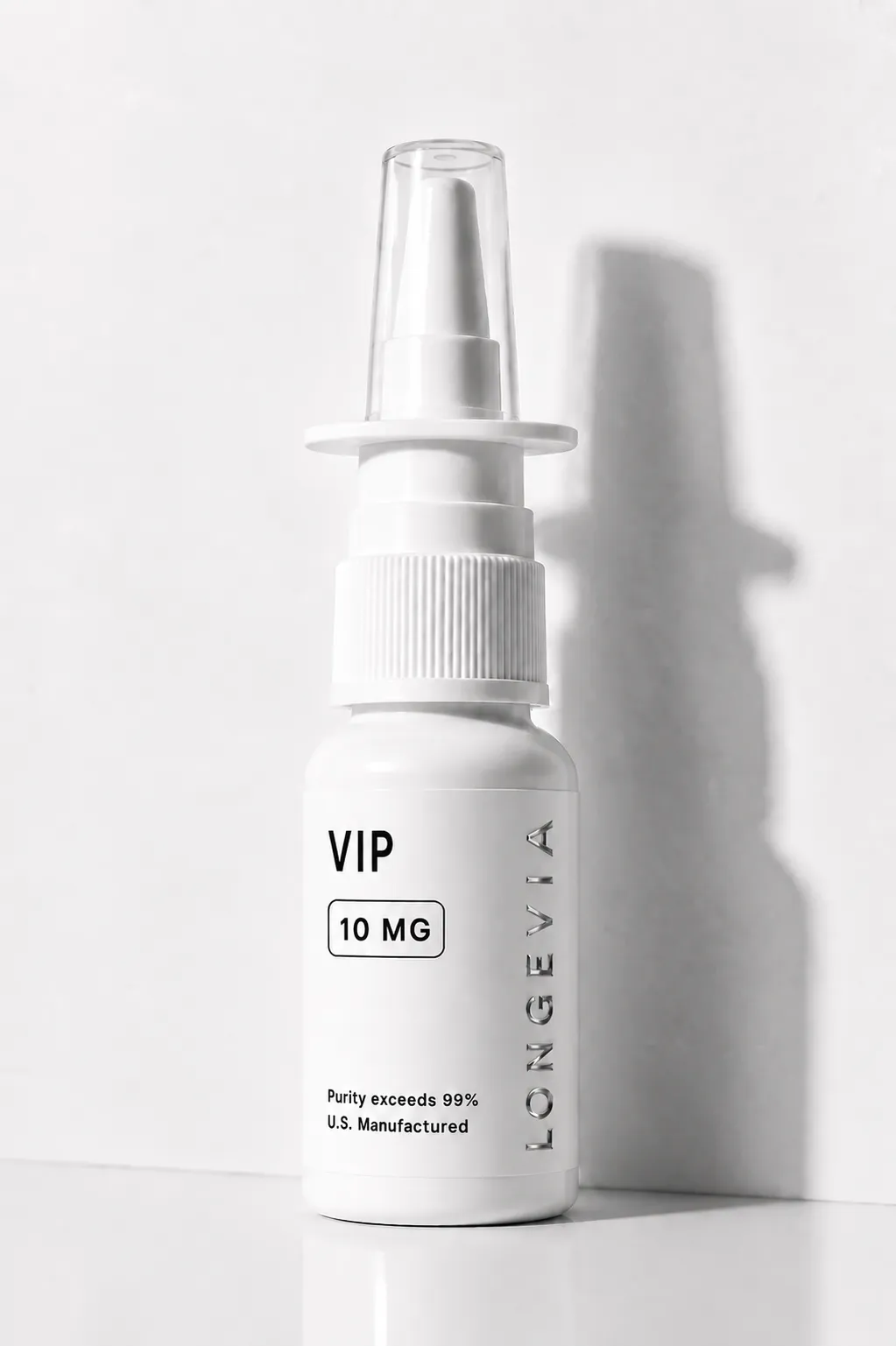
VIP Spray
Longevia Research supplies VIP (Vasoactive Intestinal Peptide, CAS 40077-57-4) 10mg in a 90-spray research format. A naturally occurring 28-amino-acid endogenous neuropeptide studied in VPAC1/VPAC2 receptor pharmacology, gastrointestinal neurobiology, vascular signaling, neuroendocrine research, circadian biology, and immunological signaling. Research Use Only.
$211.50
Slide to add
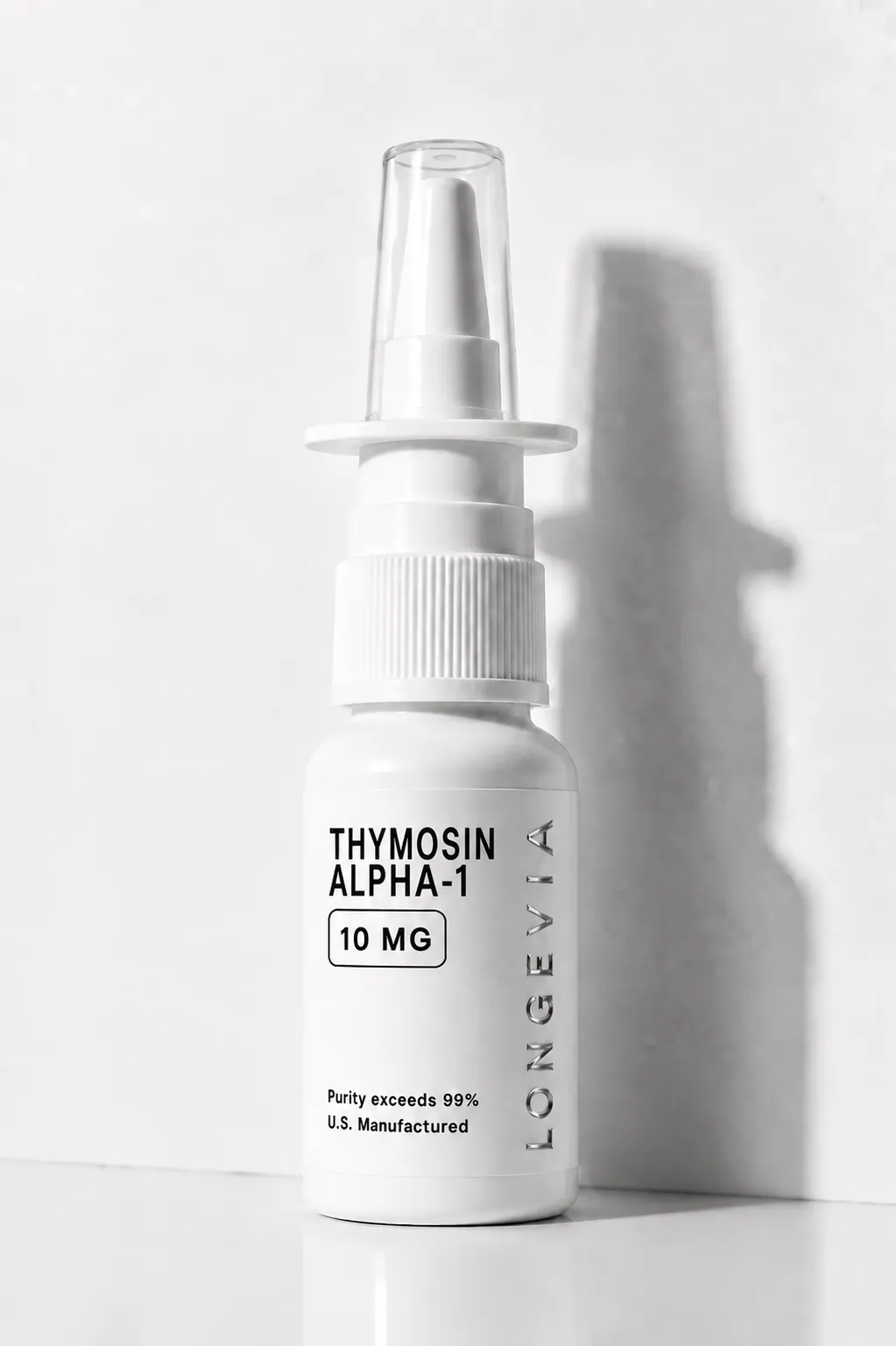
Thymosin Alpha-1 — Spray
Longevia Research supplies Thymosin Alpha-1 (Tα1 / TA-1, CAS 62304-98-7) 10mg in a 45-spray research format. A synthetic 28-amino-acid N-terminally acetylated peptide corresponding to the N-terminal region of prothymosin alpha, studied in TLR signaling, innate immunity, adaptive immune responses, dendritic cell biology, and clinical immunology research. Research Use Only.
$189.00
Slide to add
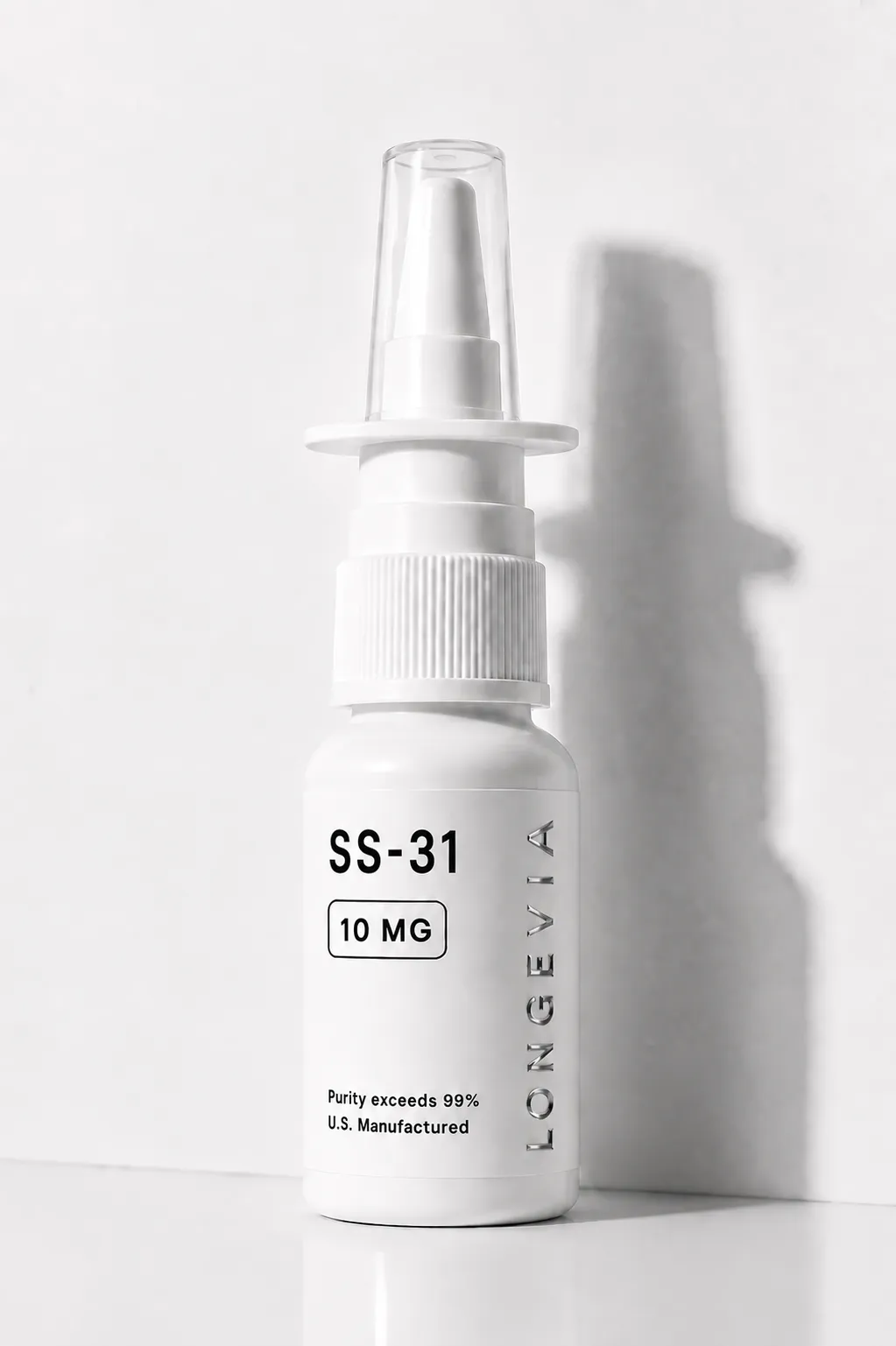
SS-31 — Spray
Longevia Research supplies SS-31 (elamipretide / MTP-131) in 10mg and 50mg quantities, 45-spray format, for qualified laboratory research. SS-31 is a synthetic mitochondria-targeted tetrapeptide investigated in cardiolipin, mitochondrial membrane biology, and mitochondrial bioenergetics research. Research Use Only.
$198.00
Slide to add
SNAP-8 — Spray
Longevia Research supplies SNAP-8 (Acetyl Octapeptide-3) in 10mg and 20mg quantities, 45-spray format, for qualified laboratory research. SNAP-8 is a synthetic acetylated octapeptide associated with SNAP-25 and SNARE-complex biology, investigated in neurotransmitter-release and vesicle-fusion research. Research Use Only.
$130.50
Slide to add
Product FAQs
Find answers to common questions regarding storage, reconstitution, and testing guidelines for this specific compound.