Cognitive & NootropicLongevity Research
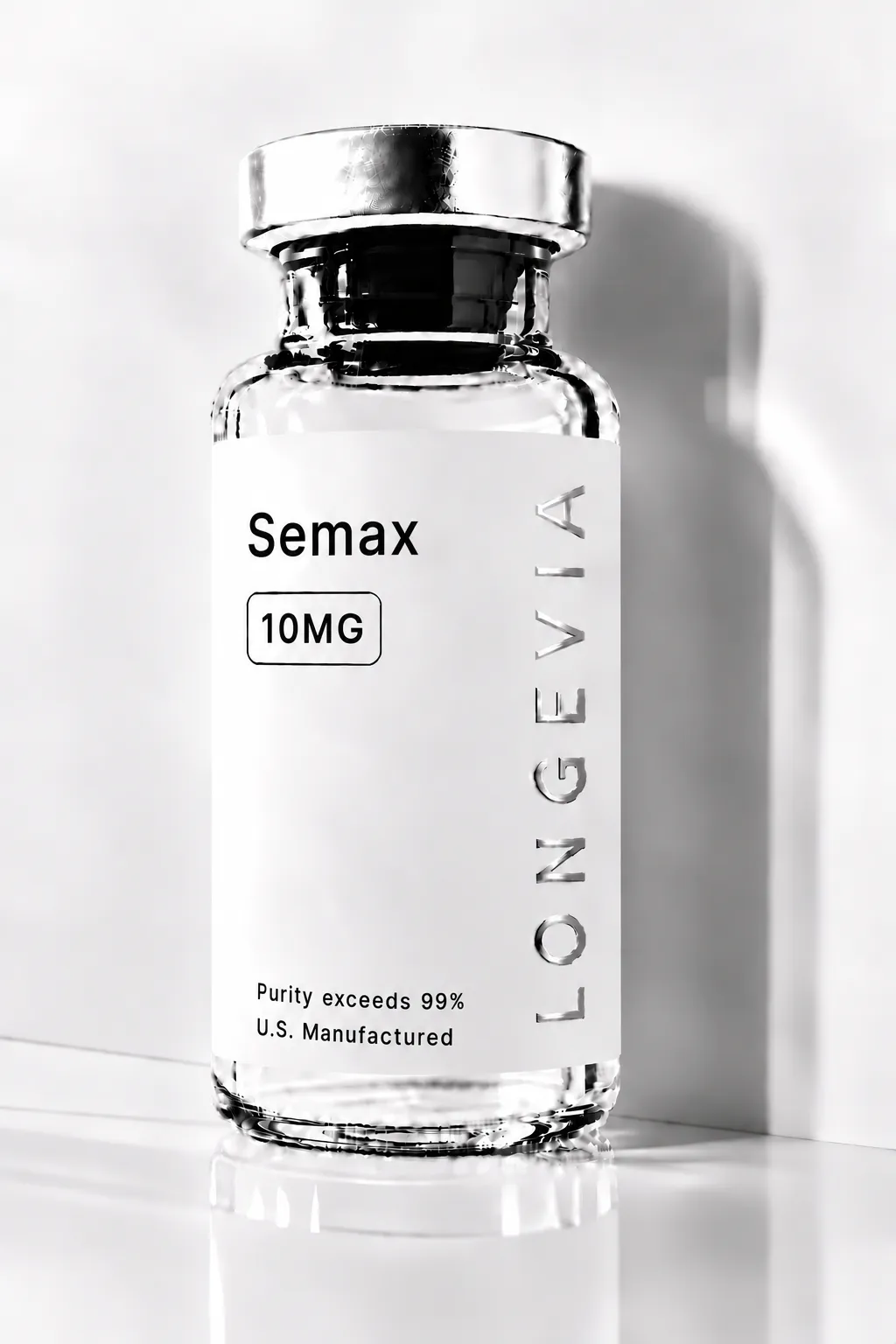
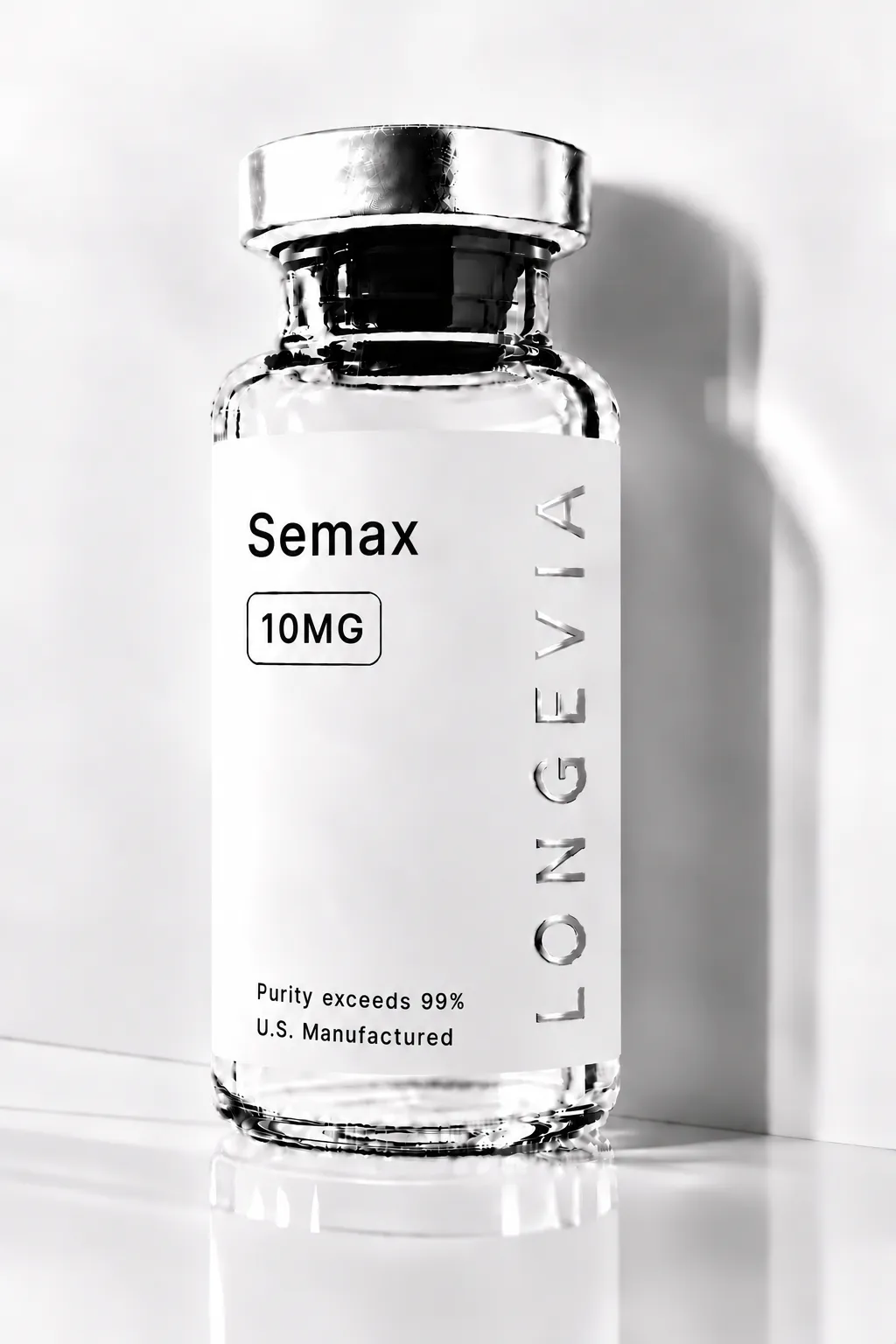
Semax
$103.50
1
Slide to Add
Purity≥99% Tested
TestingLC-MS Verified
LocationUS Based
Semax is a synthetic heptapeptide analogue of the adrenocorticotropic hormone (ACTH) core sequence — specifically derived from ACTH(4–7) with a C-terminal Pro-Gly-Pro extension that improves metabolic stability relative to the native tetrapeptide fragment. It belongs to the melanocortin peptide family and has been investigated in research involving neuropeptide signaling, BDNF-related pathways, melanocortin receptor biology, and central nervous system models. Longevia Research supplies Semax in 10mg and 30mg research-grade vials for qualified laboratory use. Semax has been the subject of pharmaceutical development and clinical investigation in Russia, where it has been used in specific regulated clinical contexts. This product is supplied for Research Use Only and is not intended for human or veterinary use.
Standard Delivery3-4 Working Days
Free ShippingOn all orders above $300
Comprehensive Product Details
Scientific identity: Semax is a heptapeptide with the sequence Met-Glu-His-Phe-Pro-Gly-Pro. It is derived from the ACTH(4–7) tetrapeptide core — Met-Glu-His-Phe — which corresponds to the biologically active region shared between ACTH and α-MSH and responsible for melanocortin receptor engagement. The C-terminal Pro-Gly-Pro tripeptide extension present in Semax is not derived from the native ACTH sequence but was introduced to substantially reduce susceptibility to exopeptidase degradation, extending the functional half-life of the peptide in biological systems relative to the native ACTH(4–7) fragment. The proline residues in this extension resist carboxypeptidase cleavage, contributing to the improved metabolic stability of Semax in experimental systems.
Peptide class: Synthetic heptapeptide; ACTH(4–7) core sequence analogue; melanocortin-related neuropeptide; POMC-derived peptide analogue with C-terminal stability extension.
Primary research context: ACTH(4–7) melanocortin core sequence pharmacology; BDNF-related neuropeptide signaling; central nervous system research models examining neuroprotective and neurotrophin-related pathways.
Research areas: Neuropeptide pharmacology, ACTH core sequence biology, melanocortin receptor research, BDNF pathway research, central nervous system signaling models, peptide metabolic stability research, POMC-derived peptide biology.
Available quantities: 10mg and 30mg per vial.
Purity: Greater than 99%, confirmed by HPLC and LC-MS analysis at the batch level.
Analytical documentation: A batch-specific Certificate of Analysis is available on the Longevia Research website, covering compound identity, purity, and lot traceability.
Research-use classification: For laboratory research use only. Not for human or veterinary use, clinical diagnostics, or any in-vivo application in humans outside of regulated research settings.
Advanced Research Focus
ACTH(4–7) Core Sequence and Melanocortin Biology
The ACTH(4–7) tetrapeptide — Met-Glu-His-Phe — corresponds to the shared pharmacophore region of both ACTH and α-MSH, both derived from the POMC precursor. This core sequence has been studied in relation to melanocortin receptor engagement, with the His-Phe dipeptide representing a key recognition motif for melanocortin receptor binding. Semax preserves this core tetrapeptide intact and has been investigated in melanocortin receptor research contexts, though its receptor selectivity profile and binding affinity across MC1R through MC5R subtypes differ from those of longer melanocortin analogues such as Melanotan 1 and Melanotan 2. Research examining Semax in melanocortin receptor contexts should account for these differences in sequence length and binding characteristics.
BDNF Pathway Research
A significant area of Semax research has examined its relationship with brain-derived neurotrophic factor (BDNF) expression and signaling in experimental systems. Animal studies have investigated changes in BDNF mRNA and protein levels in brain regions following Semax administration, with findings from rodent models suggesting BDNF-related pathway engagement in specific CNS tissues. BDNF is a member of the neurotrophin family signaling through TrkB receptors and p75NTR, with well-characterised roles in neuronal survival, synaptic plasticity, and CNS development research. The proposed relationship between Semax and BDNF pathway activity represents a research hypothesis characterised in defined animal experimental systems; the molecular mechanism connecting ACTH(4–7) sequence engagement to BDNF expression changes remains an active area of investigation.
Central Nervous System Research Models
Semax has been examined in a range of CNS experimental models including ischemia-related research in rodents, models of oxidative stress in neural cell systems, and behavioral research paradigms. These studies have used Semax as a neuropeptide research tool in preclinical CNS biology. Findings are model-specific and derive from defined cell-based and animal experimental systems; they should not be interpreted as establishing neuroprotective outcomes in humans.
Pharmaceutical Development and Clinical Context
Semax has been the subject of pharmaceutical development in Russia, where it has been investigated in specific regulated clinical contexts including cerebrovascular research. Russian regulatory history and clinical use context should be distinguished from regulatory approval frameworks in the EU, US, or other major jurisdictions — Semax does not hold FDA or EMA approval for any indication. Published clinical findings from Russian research contexts concern pharmaceutical-grade formulations under specific regulatory conditions and do not establish the safety, efficacy, or bioavailability of the Longevia Research research vial.
Uncompromising Quality Standards
Reliable research begins with accurately characterised material. For a heptapeptide such as Semax, that means confirming the full seven-residue sequence — including the C-terminal Pro-Gly-Pro extension — and purity at the batch level. Loss of any C-terminal residue produces a truncated peptide with a different stability profile and potentially different receptor engagement characteristics that can confound neuropeptide pharmacology and CNS signaling experiments.
Purity assessment: Each production lot is characterised to greater than 99% purity by high-performance liquid chromatography (HPLC). Chromatographic purity data is reported on the batch Certificate of Analysis.
Identity confirmation: Peptide identity and full sequence integrity — including the Pro-Gly-Pro C-terminal extension — are confirmed by mass spectrometry (LC-MS), providing molecular-weight verification consistent with the complete heptapeptide. HPLC and LC-MS data together confirm that the material supplied corresponds to the labelled compound at the labelled purity.
Batch traceability and Certificate of Analysis: Every vial of Semax 10mg and 30mg is traceable to a specific production lot. A batch-specific Certificate of Analysis is accessible directly on the Longevia Research website, covering purity, identity, and lot information. Researchers evaluating this material for assay work are encouraged to review the current batch documentation before use, since analytical specifications are applied at the lot level.
Handling: This material should be handled by qualified personnel using appropriate laboratory technique and personal protective equipment, consistent with institutional protocols for research-grade synthetic neuropeptides.
Legal & Compliance Notice
Longevia Research supplies Semax 10mg and 30mg for laboratory and in-vitro research use only. The product is intended for use by qualified researchers and trained laboratory personnel in appropriate controlled research environments.
Semax is a synthetic research peptide supplied strictly as a research tool. It is not a drug, not a dietary supplement, not a food or food ingredient, and not a cosmetic. Semax does not hold FDA or EMA approval for any therapeutic indication. References to its pharmaceutical use in Russian clinical contexts concern regulated formulations under specific regulatory frameworks that do not apply to the Longevia Research research vial, which is not a pharmaceutical product and has not been evaluated by any regulatory authority for safety or efficacy in this formulation.
Longevia provides no dosing instructions, administration guidance, treatment protocols, or reconstitution recommendations for this compound. The scientific literature summarised on this product page describes experimental observations in defined cell-based, animal, and limited clinical research systems. Those findings are not medical claims and should not be interpreted as evidence of human efficacy, human safety, or fitness for any clinical application from this product.
The purchaser assumes full responsibility for lawful acquisition, handling, storage, use, and disposal of this material, and for compliance with all applicable local, state, federal, and institutional regulations. By purchasing this product, the buyer confirms that it will be used solely for legitimate laboratory research purposes by qualified personnel, and that its acquisition and intended use comply with applicable laws in the buyer's jurisdiction.
Continue Exploring
Also Considered.
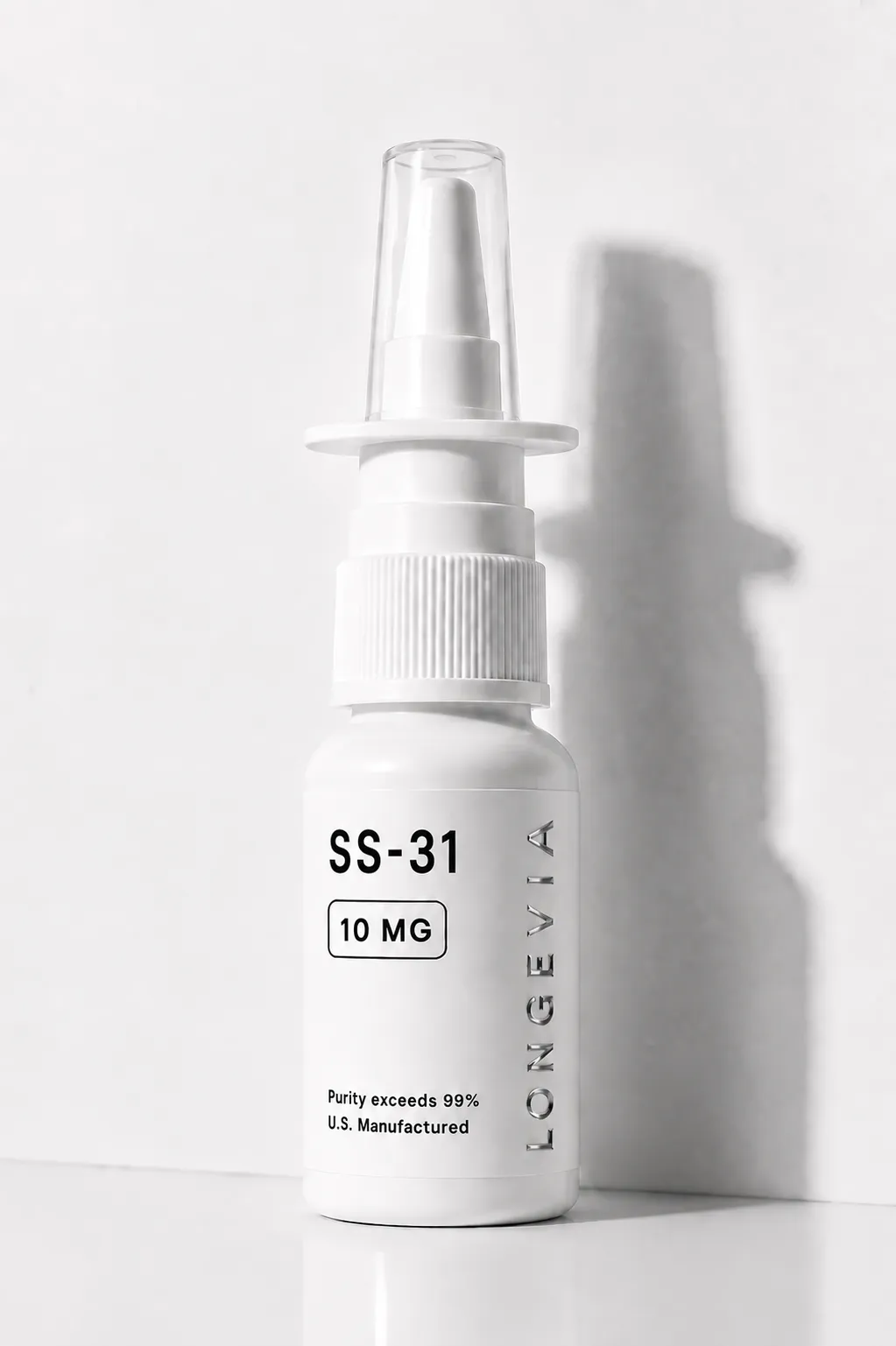
SS-31 — Spray
Longevia Research supplies SS-31 (elamipretide / MTP-131) in 10mg and 50mg quantities, 45-spray format, for qualified laboratory research. SS-31 is a synthetic mitochondria-targeted tetrapeptide investigated in cardiolipin, mitochondrial membrane biology, and mitochondrial bioenergetics research. Research Use Only.
$198.00
Slide to add
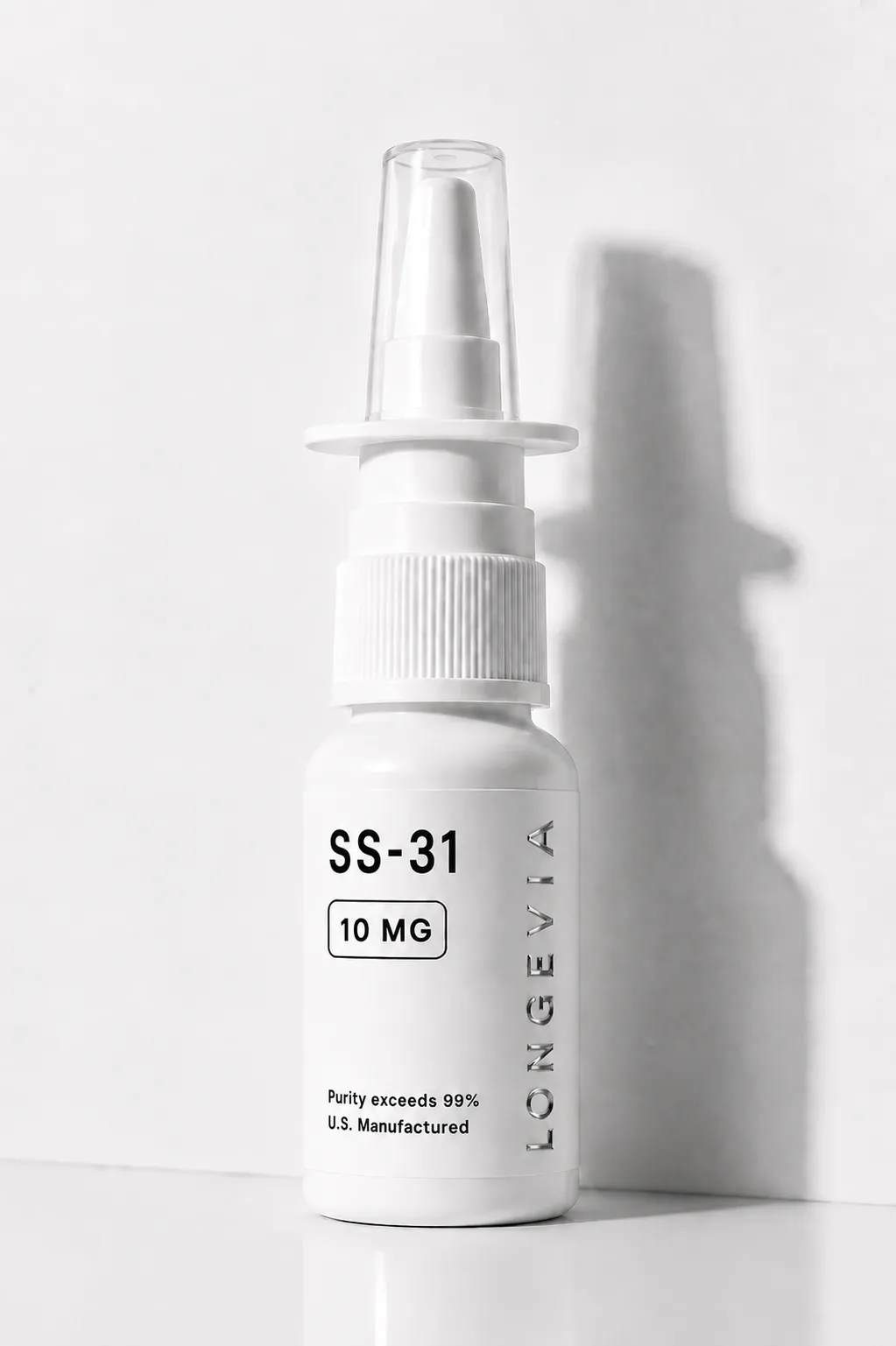
SNAP-8 — Spray
Longevia Research supplies SNAP-8 (Acetyl Octapeptide-3) in 10mg and 20mg quantities, 45-spray format, for qualified laboratory research. SNAP-8 is a synthetic acetylated octapeptide associated with SNAP-25 and SNARE-complex biology, investigated in neurotransmitter-release and vesicle-fusion research. Research Use Only.
$130.50
Slide to add
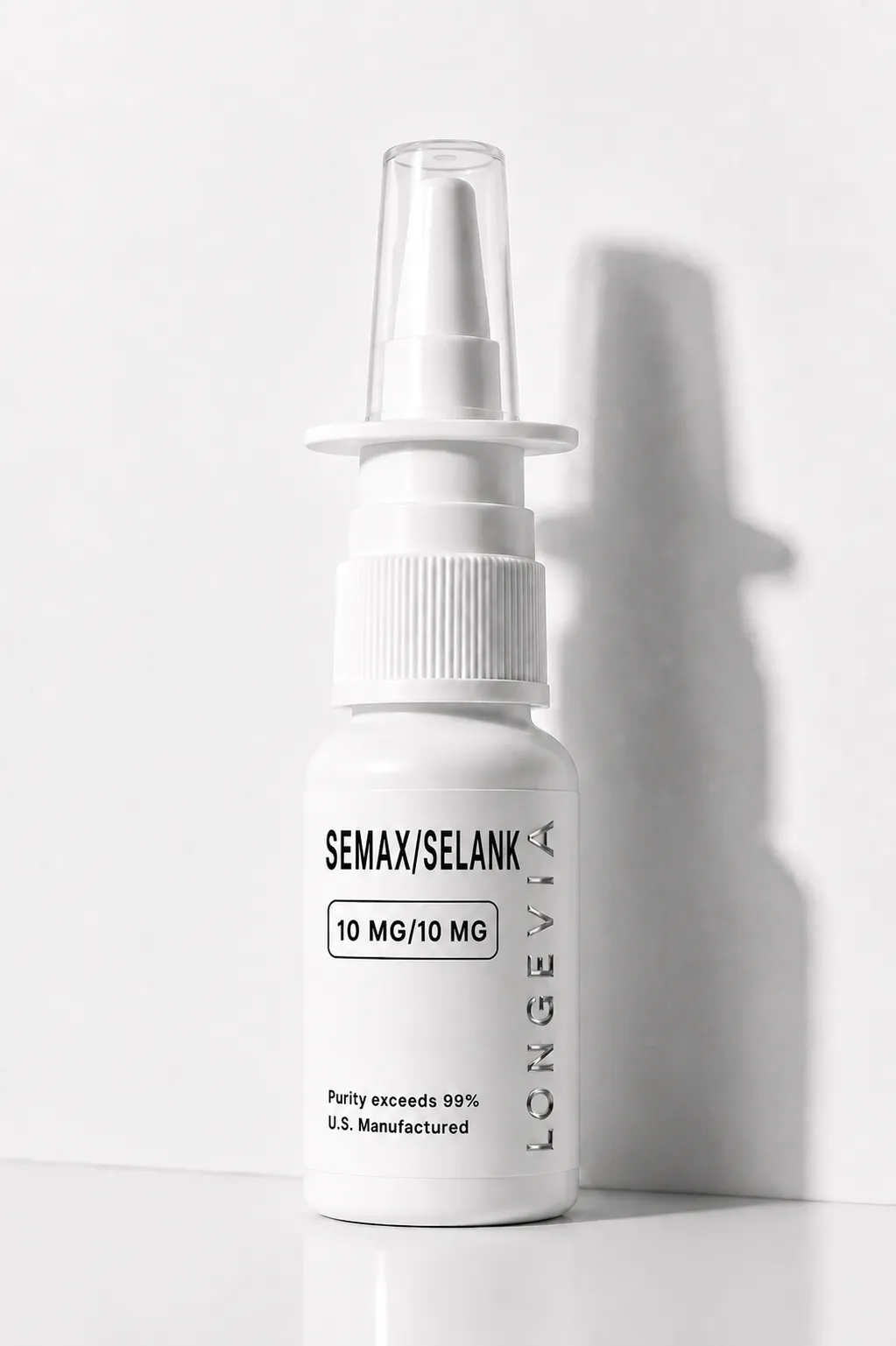
Semax/Selank — Spray
Longevia Research supplies a Semax/Selank research formulation (10mg/10mg, 90 sprays) containing two distinct synthetic heptapeptides investigated in neurobiology, neurotrophic signaling, neuroimmune research, and peptide signaling biology. Research Use Only.
$184.50
Slide to add

Semax — Spray
Longevia Research supplies Semax in 10mg and 30mg quantities, 90-spray format, for qualified laboratory research. Semax is a synthetic heptapeptide derived from ACTH(4–7) investigated in neurobiology, neurotrophic signaling, BDNF research, and cerebral ischemia models. Research Use Only.
$148.50
Slide to add
Product FAQs
Find answers to common questions regarding storage, reconstitution, and testing guidelines for this specific compound.