Metabolic ResearchLongevity Research
Semaglutide
$90.00
1
Slide to Add
Purity≥99% Tested
TestingLC-MS Verified
LocationUS Based
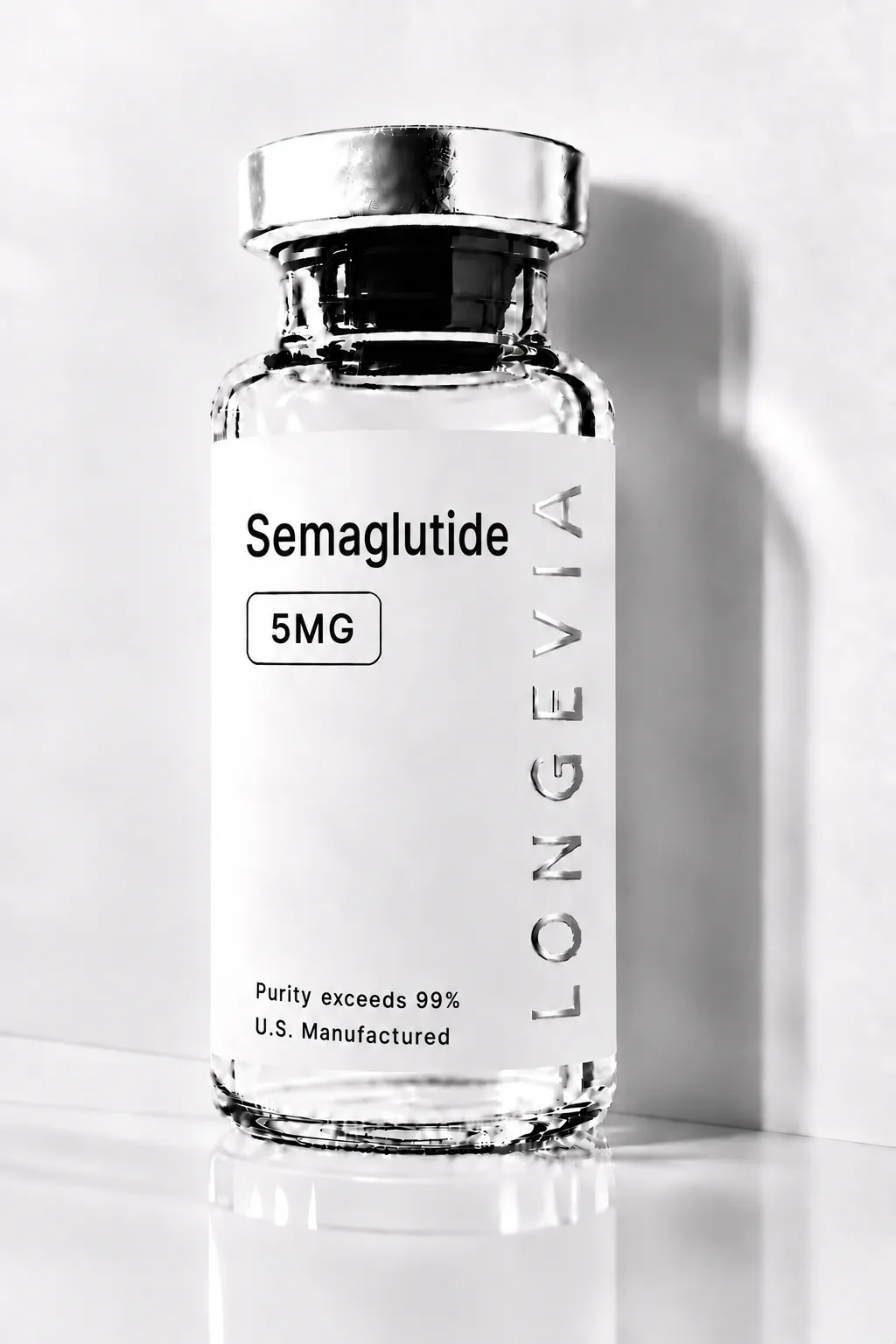
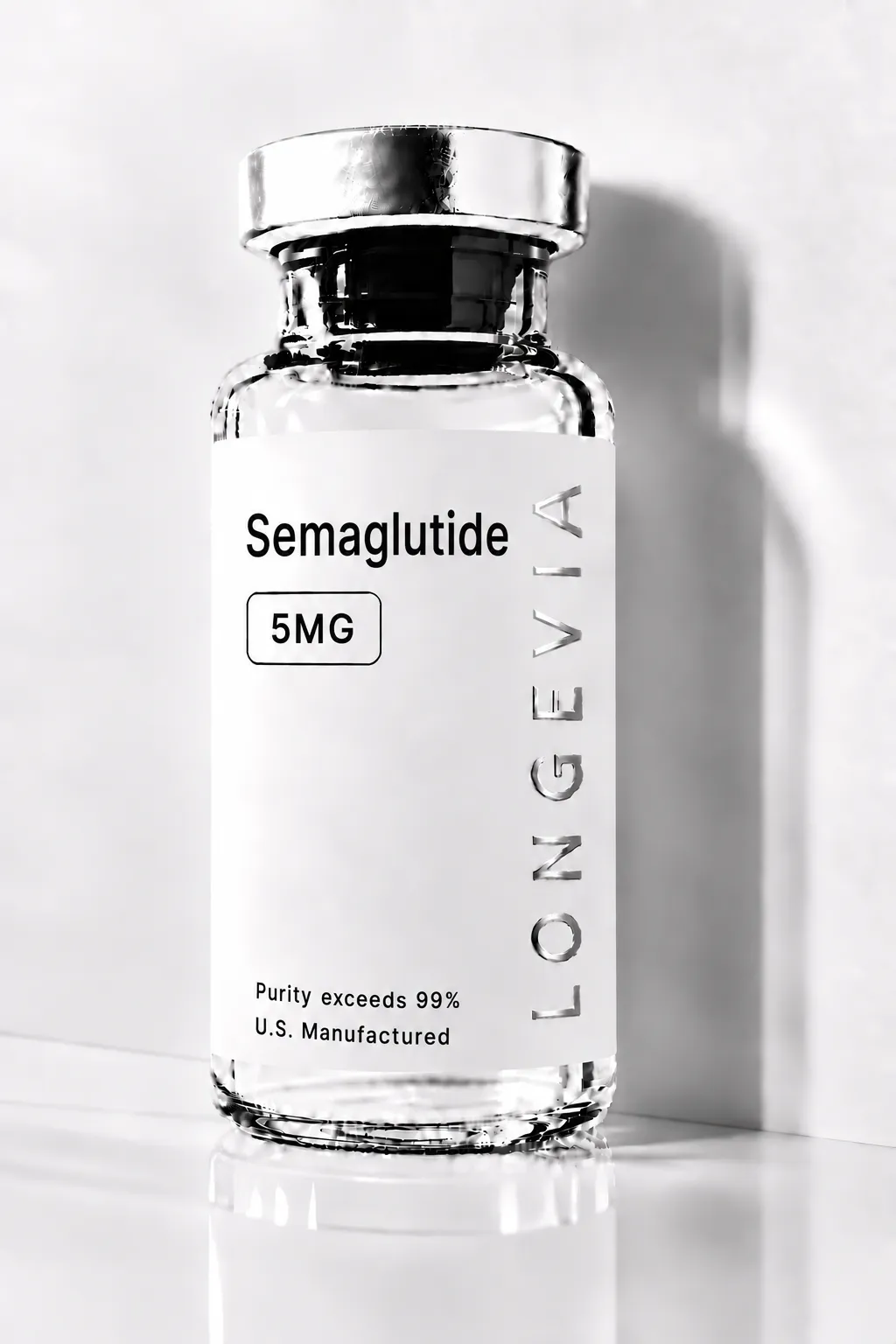
Semaglutide is a synthetic 31-amino-acid GLP-1 receptor agonist peptide structurally based on native glucagon-like peptide-1 (GLP-1) with modifications that confer DPP-IV resistance, albumin binding, and extended circulating half-life in experimental systems. It incorporates an Aib⁸ substitution for DPP-IV resistance, an Arg³⁴Lys substitution eliminating a potential trypsin cleavage site, and a C₁₈ fatty diacid chain conjugated via a linker to Lys²⁶ enabling non-covalent albumin binding. Research has examined semaglutide in GLP-1 receptor (GLP-1R) pharmacology, glucose-dependent insulin secretion models, pancreatic beta cell biology, and incretin signaling. Longevia Research supplies semaglutide in 5mg, 10mg, 20mg, and 30mg research-grade vials for qualified laboratory use.
Standard Delivery3-4 Working Days
Free ShippingOn all orders above $300
Comprehensive Product Details
Scientific identity: Semaglutide is a 31-amino-acid GLP-1 analogue constructed on the native GLP-1(7–37) backbone with three structural modifications. The Aib⁸ substitution (α-aminoisobutyric acid replacing Ala⁸) blocks DPP-IV cleavage at the His⁷-Aib⁸ N-terminal bond — the primary degradation site of native GLP-1. The Arg³⁴Lys substitution eliminates a trypsin cleavage site, improving overall proteolytic stability. A C₁₈ fatty diacid chain is conjugated via a two-OEG (mini-PEG) spacer and gamma-glutamic acid linker to Lys²⁶, enabling reversible, non-covalent albumin binding that extends circulating half-life to approximately one week in human pharmacokinetic studies — substantially longer than earlier GLP-1 analogues such as liraglutide.
Peptide class: Synthetic GLP-1 receptor agonist; fatty acid-conjugated GLP-1 analogue; incretin mimetic peptide; long-acting class B GPCR agonist.
Primary research target: GLP-1 receptor (GLP-1R) — a class B G protein-coupled receptor coupled to Gαs-mediated cAMP signaling, expressed in pancreatic beta cells, the central nervous system, the gastrointestinal tract, the heart, and other metabolically relevant tissues.
Research areas: GLP-1R pharmacology, incretin signaling research, glucose-dependent insulin secretion models, pancreatic beta cell biology, fatty acid-conjugated peptide pharmacology and albumin-binding research, GLP-1 analogue structure-activity studies, metabolic biology research.
Available quantities: 5mg, 10mg, 20mg, 30mg per vial.
Purity: Greater than 99%, confirmed by HPLC and LC-MS analysis at the batch level.
Analytical documentation: A batch-specific Certificate of Analysis is available on the Longevia Research website, covering compound identity, purity, and lot traceability.
Research-use classification: For laboratory research use only. Not for human or veterinary use, clinical diagnostics, compounding, or any in-vivo application in humans.
Advanced Research Focus
GLP-1 Receptor Biology
Glucagon-like peptide-1 (GLP-1) is an incretin hormone secreted from intestinal L-cells in response to nutrient ingestion. It acts on GLP-1R — a class B GPCR — on pancreatic beta cells to potentiate glucose-dependent insulin secretion, suppress glucagon release, and slow gastric emptying in experimental and clinical systems. GLP-1R is also expressed in the hypothalamus, brainstem, heart, kidney, and gastrointestinal tract, reflecting a broad biology that extends beyond pancreatic incretin signaling. Semaglutide is studied as a potent, long-acting GLP-1R agonist tool compound in research examining this receptor's pharmacology across multiple tissue systems.
Structural Modifications and Half-Life Extension
The pharmacological profile distinguishing semaglutide from earlier GLP-1 analogues — particularly liraglutide — is primarily its extended half-life, achieved through the two-OEG spacer linker and C₁₈ fatty diacid chain at Lys²⁶. Liraglutide uses a C₁₆ fatty acid with a shorter linker, producing a plasma half-life of approximately 13 hours. Semaglutide's longer and more hydrophilic linker system produces a plasma half-life of approximately one week in human studies, enabling once-weekly dosing in pharmaceutical contexts. In research settings, this structural difference makes semaglutide and liraglutide useful comparative tools for studying the pharmacological consequences of different albumin-binding strategies on GLP-1R engagement duration.
Central Nervous System and Appetite Research
GLP-1R expression in hypothalamic and brainstem nuclei — including the arcuate nucleus and nucleus tractus solitarius — has motivated research into GLP-1R agonist effects on appetite regulation and energy homeostasis in animal models. Preclinical studies have examined semaglutide in rodent models measuring food intake, body weight trajectories, and central GLP-1R-mediated signaling parameters. These animal findings informed the clinical development of Wegovy for weight management and are model-specific observations that cannot be directly extrapolated to human outcomes.
Human Clinical Research and Regulatory Status
Semaglutide has one of the most extensive human clinical research records of any incretin peptide. The SUSTAIN programme (subcutaneous Ozempic, type 2 diabetes), STEP programme (subcutaneous Wegovy, obesity), PIONEER programme (oral Rybelsus, type 2 diabetes), and SELECT programme (cardiovascular outcomes) collectively represent a large body of regulated clinical trial data. These trials concern pharmaceutical-grade formulations under defined regulatory conditions and do not establish the safety, efficacy, pharmacokinetic equivalence, or bioavailability of the Longevia Research research vial.
Uncompromising Quality Standards
Reliable research begins with accurately characterised material. For a 31-amino-acid fatty acid-conjugated peptide such as semaglutide, that means confirming sequence integrity, fatty acid conjugation completeness, linker structure, and purity at the batch level — because unconjugated or partially modified forms produce structurally distinct compounds with substantially different receptor binding duration and albumin-binding profiles that can confound GLP-1R pharmacology and half-life research.
Purity assessment: Each production lot is characterised to greater than 99% purity by high-performance liquid chromatography (HPLC). Chromatographic purity data is reported on the batch Certificate of Analysis.
Identity confirmation: Peptide identity, fatty acid conjugation, and linker integrity are confirmed by mass spectrometry (LC-MS), providing molecular-weight verification consistent with the fully conjugated form. HPLC and LC-MS data together confirm that the material supplied corresponds to the labelled compound at the labelled purity.
Batch traceability and Certificate of Analysis: Every vial of Semaglutide — across all four quantity variants — is traceable to a specific production lot. A batch-specific Certificate of Analysis is accessible directly on the Longevia Research website, covering purity, identity, and lot information. Researchers evaluating this material for assay work are encouraged to review the current batch documentation before use, since analytical specifications are applied at the lot level.
Handling: This material should be handled by qualified personnel using appropriate laboratory technique and personal protective equipment, consistent with institutional protocols for research-grade fatty acid-conjugated synthetic peptides.
Legal & Compliance Notice
Longevia Research supplies Semaglutide — in 5mg, 10mg, 20mg, and 30mg vials — for laboratory and in-vitro research use only. The product is intended for use by qualified researchers and trained laboratory personnel in appropriate controlled research environments.
Semaglutide is a synthetic research peptide supplied strictly as a research tool. It is not a drug, not a dietary supplement, not a food or food ingredient, and not a cosmetic. While semaglutide is the active pharmaceutical ingredient in FDA-approved drug products — Ozempic, Wegovy, and Rybelsus, all marketed by Novo Nordisk — those approvals apply exclusively to regulated pharmaceutical formulations manufactured, tested, and distributed under pharmaceutical regulatory frameworks. No such approval applies to the Longevia Research research vial, which is not a pharmaceutical product, is not manufactured under pharmaceutical quality systems, and has not been evaluated by any regulatory authority for safety or efficacy in humans in this formulation.
This product is not supplied for compounding, reformulation, or preparation for human administration. Longevia provides no dosing instructions, administration guidance, treatment protocols, or reconstitution recommendations for this compound. The scientific and clinical literature summarised on this product page describes observations from defined preclinical and regulated clinical research systems. Those findings are not medical claims and should not be interpreted as evidence of human efficacy, human safety, or fitness for any clinical application from this product.
The purchaser assumes full responsibility for lawful acquisition, handling, storage, use, and disposal of this material, and for compliance with all applicable local, state, federal, and institutional regulations — including regulations specific to the handling of pharmaceutical active ingredients as research compounds. By purchasing this product, the buyer confirms that it will be used solely for legitimate laboratory research purposes by qualified personnel, and that its acquisition and intended use comply with applicable laws in the buyer's jurisdiction.
Continue Exploring
Also Considered.
Tirzepatide — Spray
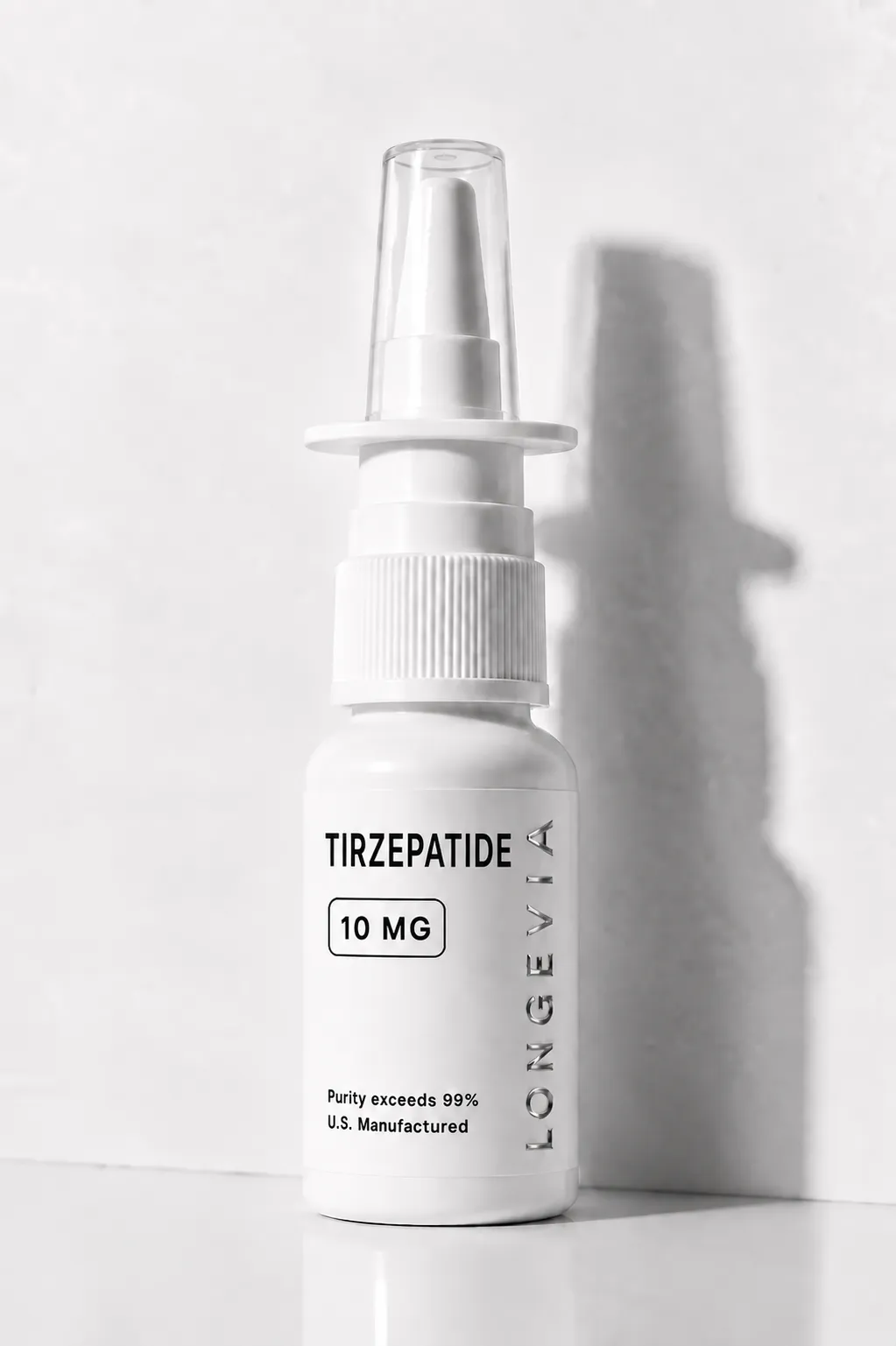
Longevia Research supplies Tirzepatide (LY3298176, CAS 2023788-19-2) in 10mg, 20mg, 30mg, and 60mg quantities in a 45-spray research format. A synthetic 39-amino-acid dual GIP and GLP-1 receptor agonist peptide investigated in incretin biology, pancreatic islet signaling, glucose homeostasis, metabolic research, and cardiometabolic pharmacology. Research Use Only.
$144.00
Slide to add
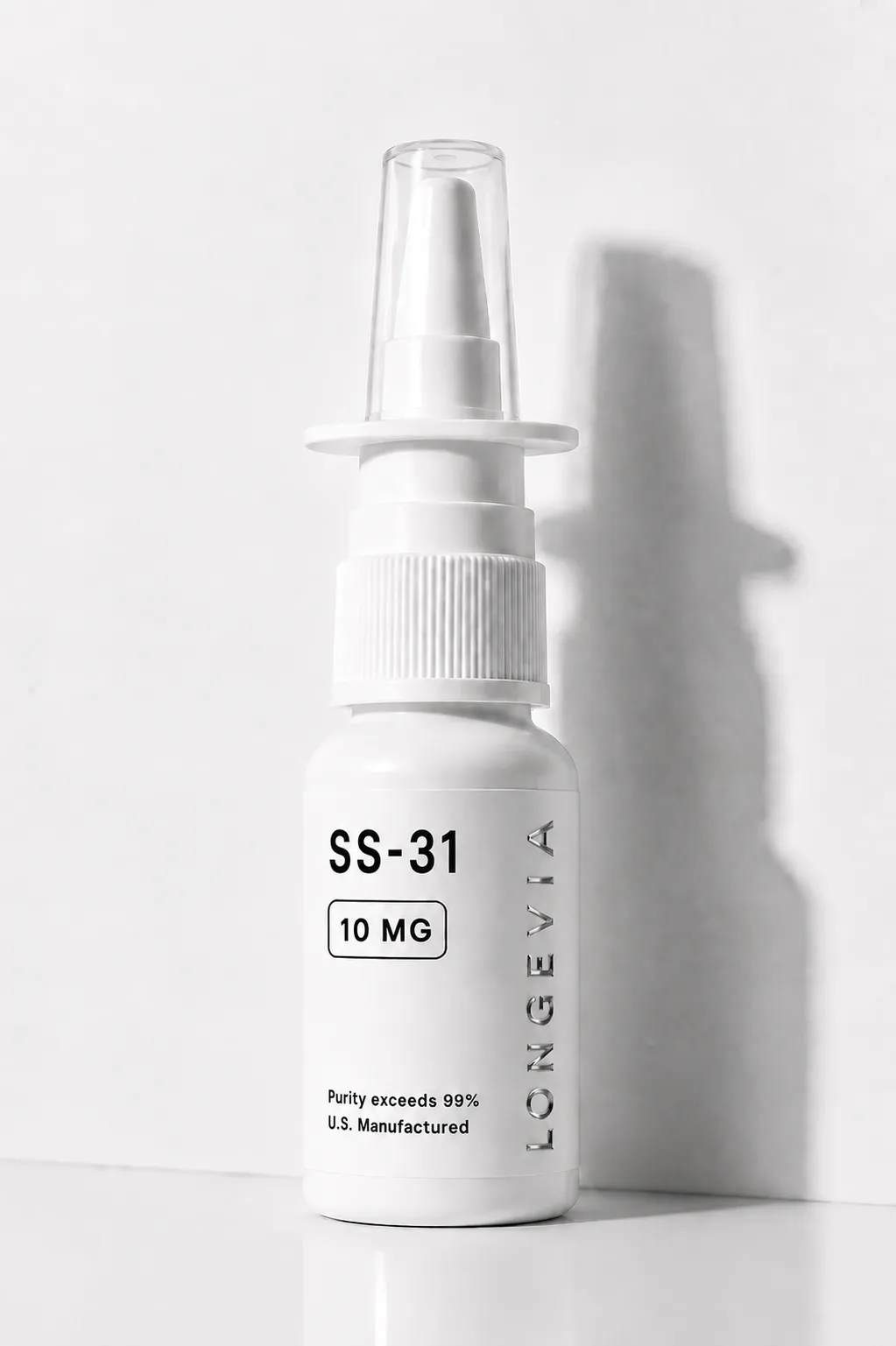
SS-31 — Spray
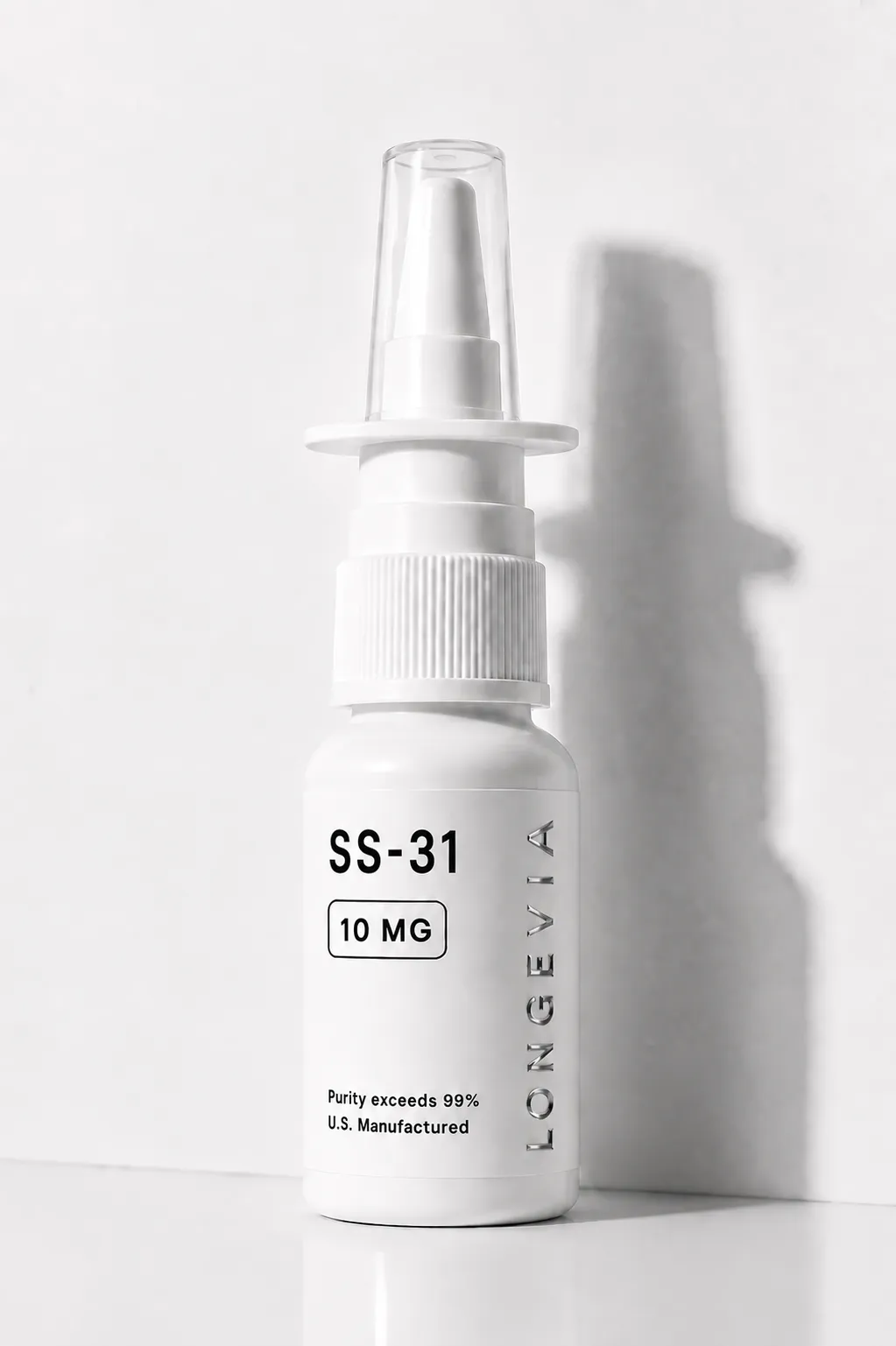
Longevia Research supplies SS-31 (elamipretide / MTP-131) in 10mg and 50mg quantities, 45-spray format, for qualified laboratory research. SS-31 is a synthetic mitochondria-targeted tetrapeptide investigated in cardiolipin, mitochondrial membrane biology, and mitochondrial bioenergetics research. Research Use Only.
$198.00
Slide to add
SNAP-8 — Spray
Longevia Research supplies SNAP-8 (Acetyl Octapeptide-3) in 10mg and 20mg quantities, 45-spray format, for qualified laboratory research. SNAP-8 is a synthetic acetylated octapeptide associated with SNAP-25 and SNARE-complex biology, investigated in neurotransmitter-release and vesicle-fusion research. Research Use Only.
$130.50
Slide to add
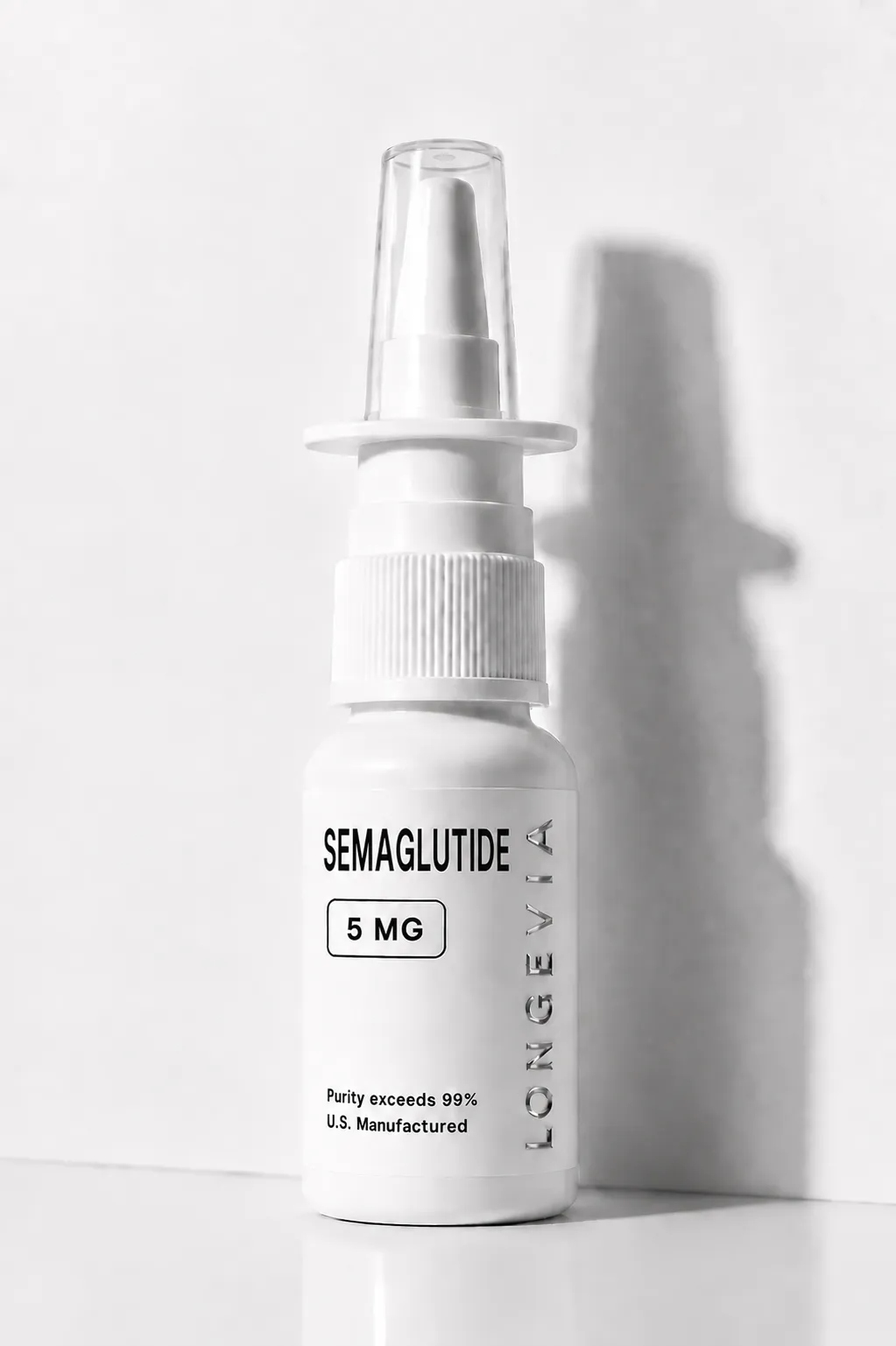
Semaglutide — Sprays
Longevia Research supplies Semaglutide in 5mg, 10mg, 20mg, and 30mg quantities, 45-spray format, for qualified laboratory research. Semaglutide is a synthetic modified GLP-1 analog and GLP-1 receptor agonist investigated in metabolic, endocrine, and incretin signaling research. Research Use Only.
$135.00
Slide to add
Product FAQs
Find answers to common questions regarding storage, reconstitution, and testing guidelines for this specific compound.