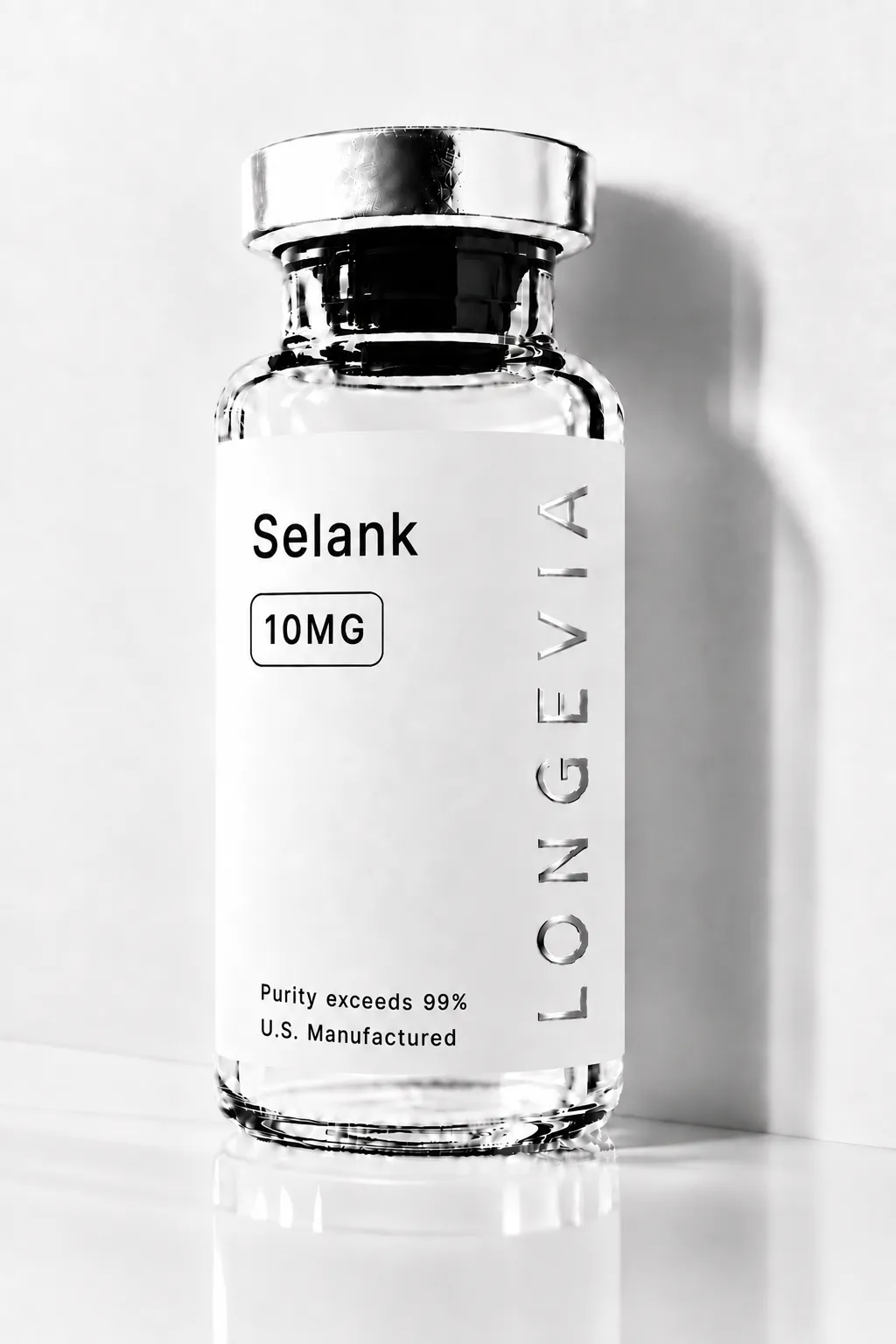
Cognitive & NootropicImmune Regulation
Selank
$103.50
1
Slide to Add
Purity≥99% Tested
TestingLC-MS Verified
LocationUS Based
Selank is a synthetic heptapeptide derived from the immunomodulatory tetrapeptide tuftsin and one of the most extensively studied neuropeptides in neurotransmitter and cognitive neuroscience research. This high-purity sequence offers unparalleled stability and molecular integrity. Researchers investigating GABAergic signaling pathways, neurotransmitter metabolism, enkephalinase inhibition, and stress-response neurophysiology will find this compound an essential research asset. Each batch is synthesized using automated SPPS and purified by HPLC. The resulting lyophilized powder demonstrates exceptional solubility and reconstitution consistency across experimental protocols. This compound is intended strictly for in-vitro and laboratory research use.
Standard Delivery3-4 Working Days
Free ShippingOn all orders above $300
Comprehensive Product Details
Scientific Identity: Selank (also indexed as TP-7, Selanc, and PL14736 in chemical databases) is a synthetic linear heptapeptide — a seven-amino-acid research compound produced by chemical synthesis rather than biological extraction. It was designed as a structurally elaborated analogue of tuftsin, the endogenous tetrapeptide released from IgG by two sequential enzymes (leukokinase and tuftsinase) and known for its immunostimulatory properties. By retaining the Thr-Lys-Pro-Arg core and appending Pro-Gly-Pro at the C-terminus, the Selank structure incorporates three proline residues — at positions 3, 5, and 7 of the heptapeptide — which impose conformational constraints that resist proteolytic degradation and contribute to the molecule's extended half-life relative to tuftsin.
Compound Classification: Synthetic linear heptapeptide. Tuftsin analogue. GABAergic research tool compound.
Product Quantity: 10mg per vial.
Purity and Analytical Documentation: A batch-specific Certificate of Analysis is available on the Longevia Research website, covering peptide identity, purity, and lot traceability. Researchers are encouraged to review current batch documentation before incorporating the material into experimental protocols.
Research-Use Classification: For laboratory research use only. Not for human or veterinary use, clinical diagnostics, or any in-vivo application in humans.
Advanced Research Focus
Research Background: Selank and Tuftsin-Derived Research
Selank is a synthetic heptapeptide with the sequence Thr-Lys-Pro-Arg-Pro-Gly-Pro (TKPRPGP). It was developed as a synthetic analogue of the naturally occurring tetrapeptide tuftsin (Thr-Lys-Pro-Arg), and has subsequently been investigated across several areas of neurobiological, behavioural, and immunological research.
Research interest in Selank has focused particularly on GABAergic signalling, neurotrophic pathways, stress-related behavioural models, and interactions between neurological and immune signalling systems.
GABAergic Signalling Research
GABA is the principal inhibitory neurotransmitter in the central nervous system, with its effects mediated primarily through GABA-A and GABA-B receptors.
Preclinical research has investigated Selank in relation to GABAergic signalling at both molecular and gene-expression levels. A 2018 radioligand study reported that Selank altered GABA binding in a manner described by the authors as positive allosteric modulation, rather than direct receptor agonism. These findings provide a mechanistic basis for continued investigation but do not establish a fully characterised receptor mechanism in humans.
Other experimental work has examined changes in expression of GABA-A receptor subunits, transporters, and associated signalling components following Selank administration. Such findings are model- and protocol-dependent and should not be interpreted as evidence of a defined clinical mechanism.
Neurotrophic and CNS Research
Selank has also been investigated in research involving brain-derived neurotrophic factor (BDNF) and other molecular markers associated with neuronal plasticity and stress-related biology. Animal studies have examined changes in BDNF expression or content in brain regions including the hippocampus and prefrontal cortex under specific experimental conditions.
Human neuroimaging research provides additional, although limited, evidence of CNS activity. A 2020 study involving 52 healthy participants used resting-state fMRI to examine functional connectivity following Selank administration and reported changes involving amygdala- and temporal-cortex connectivity. The study measured neuroimaging endpoints rather than clinical efficacy.
Stress and Behavioural Research
Preclinical studies have investigated Selank using established animal models of anxiety-like and stress-related behaviour, including elevated-plus-maze, open-field, and conflict paradigms. Additional research has examined Selank in specific pharmacological models, including experimental opioid withdrawal.
These studies provide information about behavioural responses under controlled laboratory conditions but do not establish that the same effects occur in humans or that Selank is an established treatment for anxiety, stress, or withdrawal.
Enkephalin and Immunological Research
Selank has also been studied in relation to the endogenous enkephalin system. In-vitro research has reported inhibition of enkephalin-degrading enzyme activity by Selank and related fragments, providing one proposed mechanism for its interaction with endogenous neuropeptide signalling.
As a tuftsin-derived compound, Selank has additionally been investigated in immunological research involving cytokine signalling and interactions between immune and nervous-system pathways. These findings remain primarily experimental and should be interpreted according to the specific assay or model used.
Human Research and Regulatory Context
Selank has been investigated in human studies, particularly in Russia. Published clinical research has included patients with generalized anxiety disorder and neurasthenia, including a study comparing Selank with medazepam. These studies provide human research data but are limited in scale and have not established the compound as an internationally approved therapeutic.
In the United States, Selank is not FDA-approved as a therapeutic drug. FDA's current compounding-safety materials identify selank acetate (TP-7) as a substance for which important human safety information is lacking and note potential concerns including immunogenicity and peptide-related impurities. Regulatory status can change, so institutions should verify current requirements before sourcing or handling the material.
Longevia Research supplies Selank for laboratory research purposes only. The material is not presented as a product for human administration, treatment, or diagnosis.
Uncompromising Quality Standards
For a short-chain synthetic peptide such as Selank, analytical documentation at the batch level is essential for experimental reproducibility. Selank's seven-residue sequence and three proline residues make sequence confirmation and purity documentation particularly important, since truncated sequences or incomplete coupling at proline-containing positions are among the common impurities in synthetic peptide production.
Peptide identity. Each production lot of Longevia's Selank is characterised by mass spectrometric analysis, confirming that the molecular ion is consistent with the Selank sequence (C₃₃H₅₇N₁₁O₉, approximately 751.9 g/mol as free peptide). This distinguishes the correct heptapeptide from deletion analogues, truncation products, or other sequence-related impurities.
Purity assessment. Chromatographic purity analysis quantifies the target compound relative to all UV-absorbing species in the chromatogram. Purity data is documented on the batch Certificate of Analysis.
Synthesis. Selank is produced by solid-phase peptide synthesis, the standard methodology for synthetic research peptides of this class, followed by purification and lyophilisation to yield a stable solid research material.
Batch traceability and Certificate of Analysis. Every vial of Selank 10mg is traceable to a specific production lot. A batch-specific Certificate of Analysis is accessible on the Longevia Research website. Researchers are encouraged to consult the current batch documentation before use.
Storage. Lyophilised peptide research materials should be stored under conditions that prevent moisture uptake and photodegradation. Specific storage conditions for this lot are confirmed on the batch Certificate of Analysis and product labelling.
Legal & Compliance Notice
Longevia Research supplies Selank 10mg for laboratory and in-vitro research use only. The product is intended for qualified researchers and trained laboratory personnel working in appropriate controlled research environments.
Selank is a synthetic research peptide supplied strictly as a laboratory research tool. It is not a drug, not a dietary supplement, not a food or food ingredient, and not a cosmetic. Selank is not approved for human or veterinary therapeutic use by the FDA or any other major regulatory authority outside the Russian Federation. Longevia does not supply this product for administration to humans or animals, for clinical diagnostics, or for any therapeutic purpose.
No therapeutic, diagnostic, or efficacy claims are made for this product. The scientific literature referenced on this page describes experimental observations in defined preclinical, cell-based, and human research contexts. Those observations apply to the investigational compound studied under those specific conditions. They do not establish that the Longevia research material is safe, effective, or fit for any human application. References to research findings — including Russian clinical data on Selank — are provided for scientific context only and do not constitute claims about Longevia's product.
Longevia provides no dosing instructions, reconstitution guidance for administration, treatment protocols, cycle recommendations, or human-use information. The purchaser assumes full responsibility for lawful acquisition, handling, storage, use, and disposal of this material, and for compliance with all applicable local, state, federal, and institutional regulations.
Continue Exploring
Also Considered.
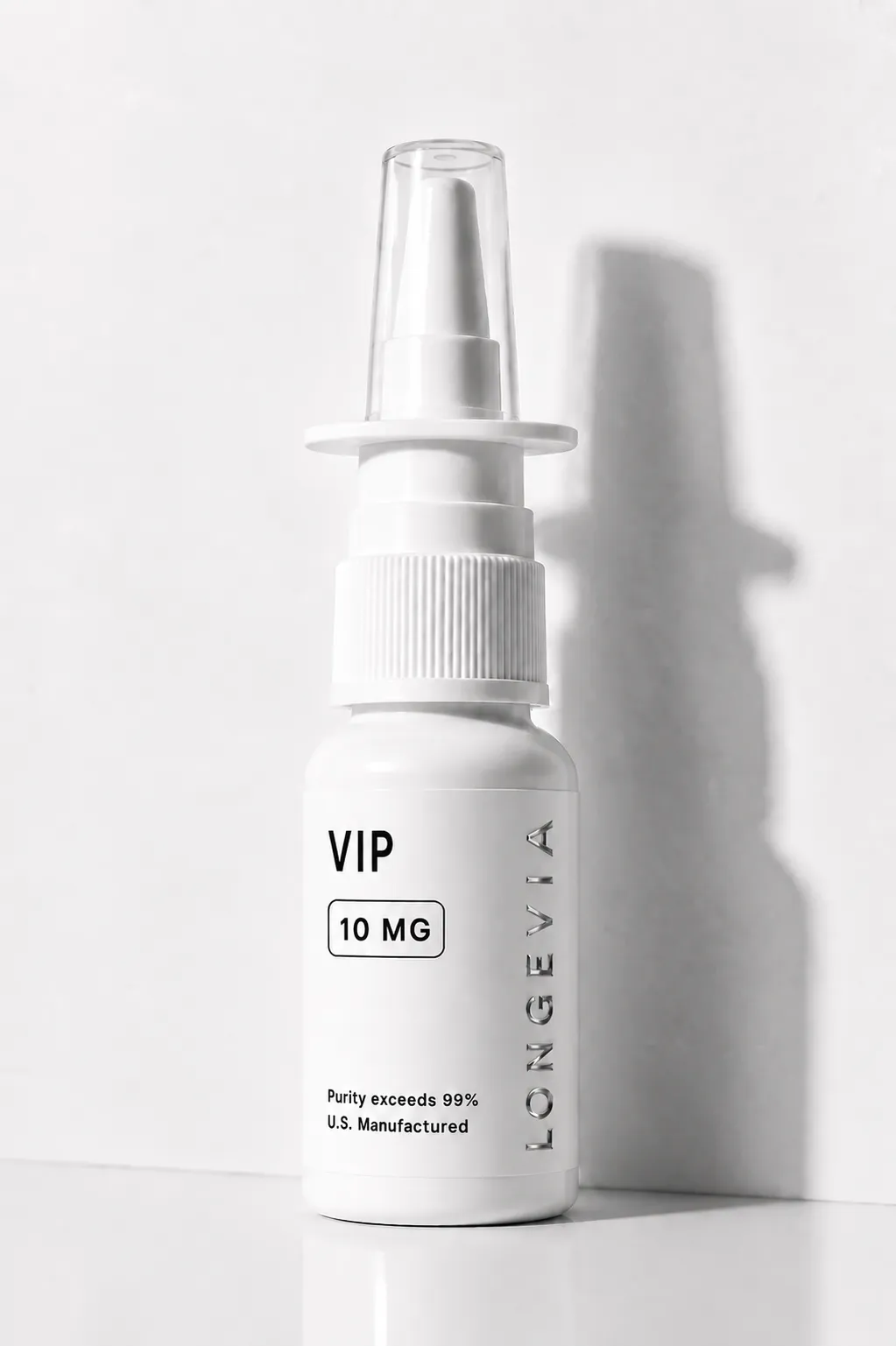
VIP Spray
Longevia Research supplies VIP (Vasoactive Intestinal Peptide, CAS 40077-57-4) 10mg in a 90-spray research format. A naturally occurring 28-amino-acid endogenous neuropeptide studied in VPAC1/VPAC2 receptor pharmacology, gastrointestinal neurobiology, vascular signaling, neuroendocrine research, circadian biology, and immunological signaling. Research Use Only.
$211.50
Slide to add
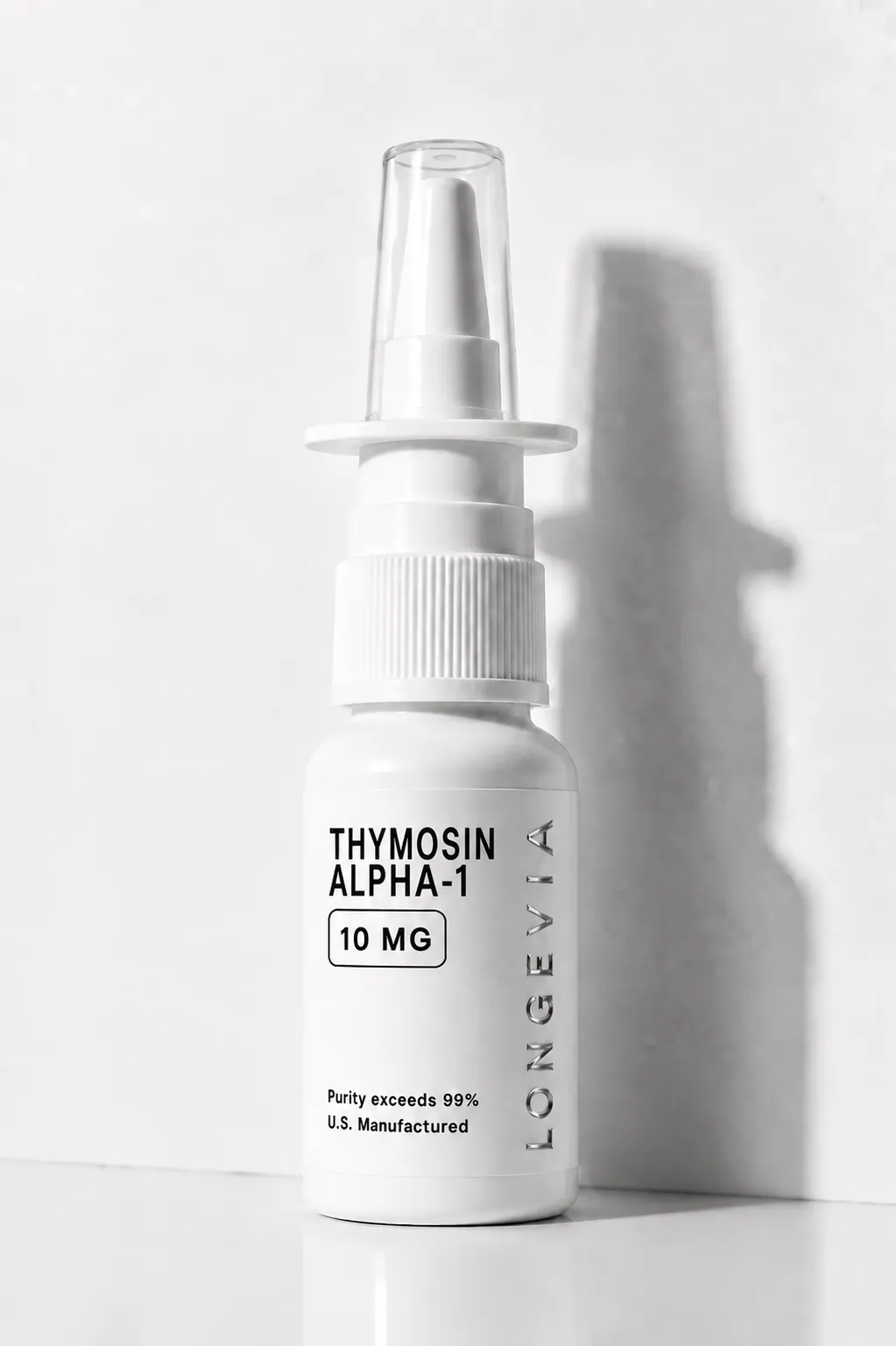
Thymosin Alpha-1 — Spray
Longevia Research supplies Thymosin Alpha-1 (Tα1 / TA-1, CAS 62304-98-7) 10mg in a 45-spray research format. A synthetic 28-amino-acid N-terminally acetylated peptide corresponding to the N-terminal region of prothymosin alpha, studied in TLR signaling, innate immunity, adaptive immune responses, dendritic cell biology, and clinical immunology research. Research Use Only.
$189.00
Slide to add
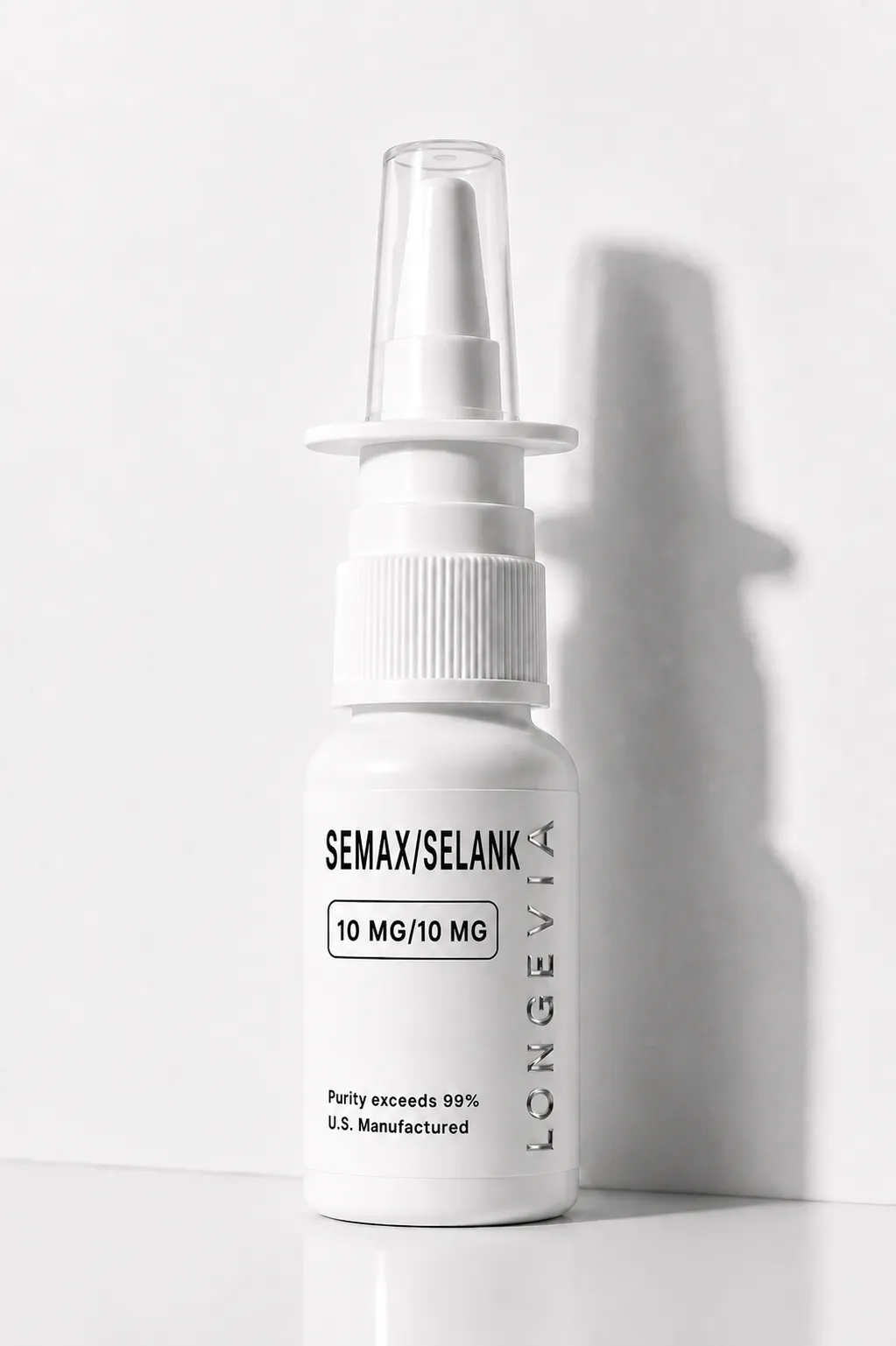
Semax/Selank — Spray
Longevia Research supplies a Semax/Selank research formulation (10mg/10mg, 90 sprays) containing two distinct synthetic heptapeptides investigated in neurobiology, neurotrophic signaling, neuroimmune research, and peptide signaling biology. Research Use Only.
$184.50
Slide to add
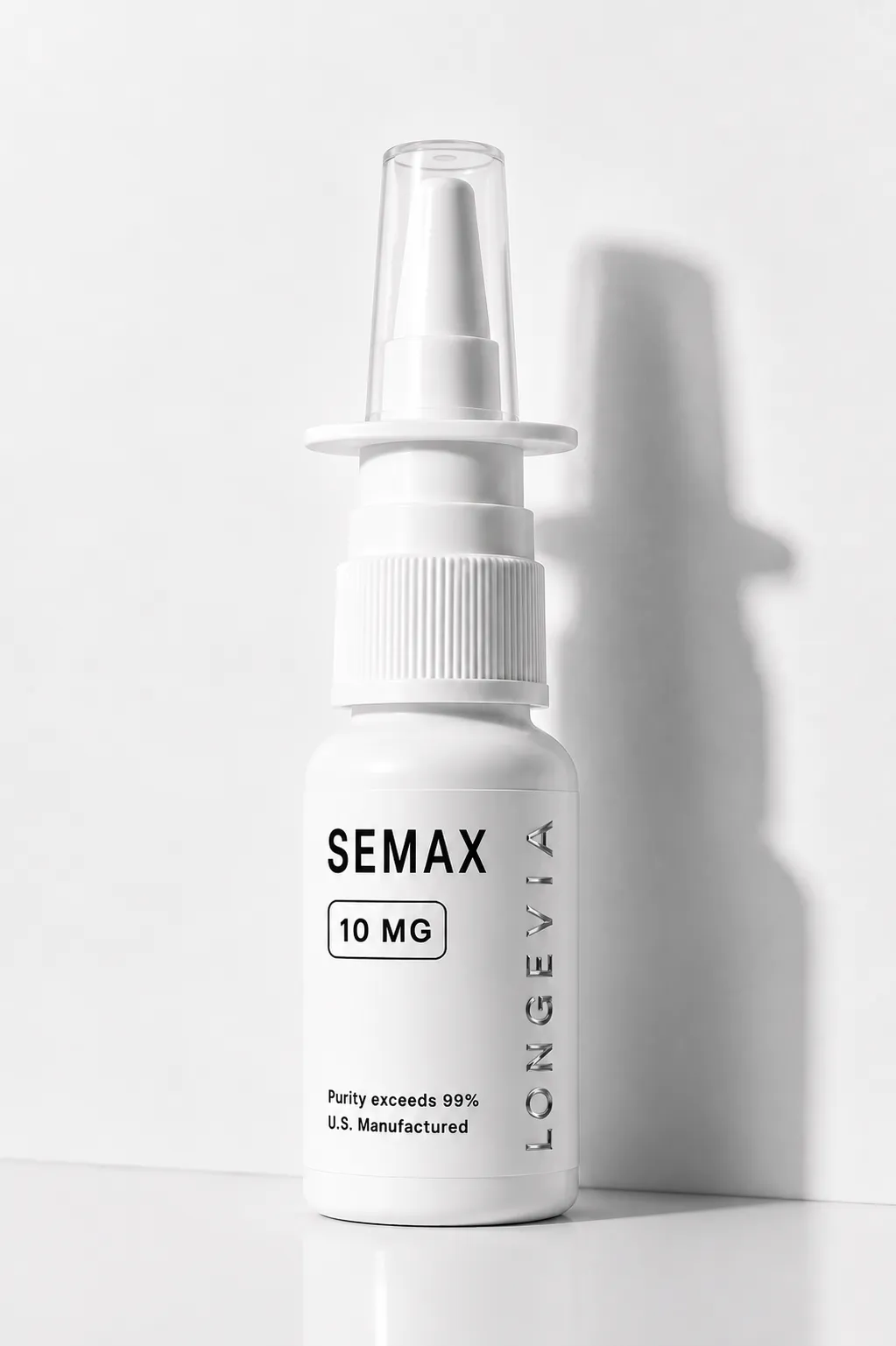
Semax — Spray
Longevia Research supplies Semax in 10mg and 30mg quantities, 90-spray format, for qualified laboratory research. Semax is a synthetic heptapeptide derived from ACTH(4–7) investigated in neurobiology, neurotrophic signaling, BDNF research, and cerebral ischemia models. Research Use Only.
$148.50
Slide to add
Product FAQs
Find answers to common questions regarding storage, reconstitution, and testing guidelines for this specific compound.