Metabolic ResearchMitochondrial & Cellular Energy
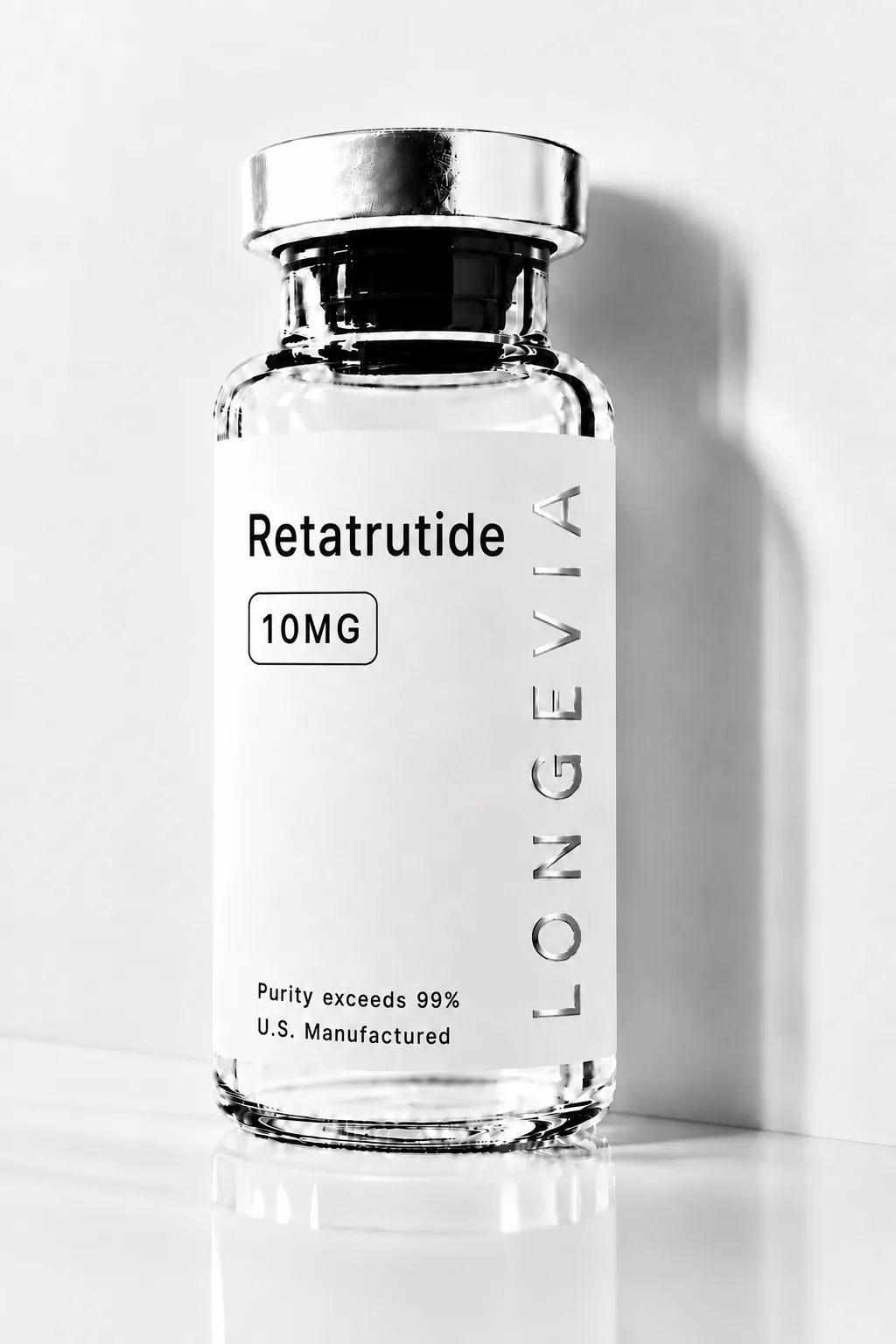
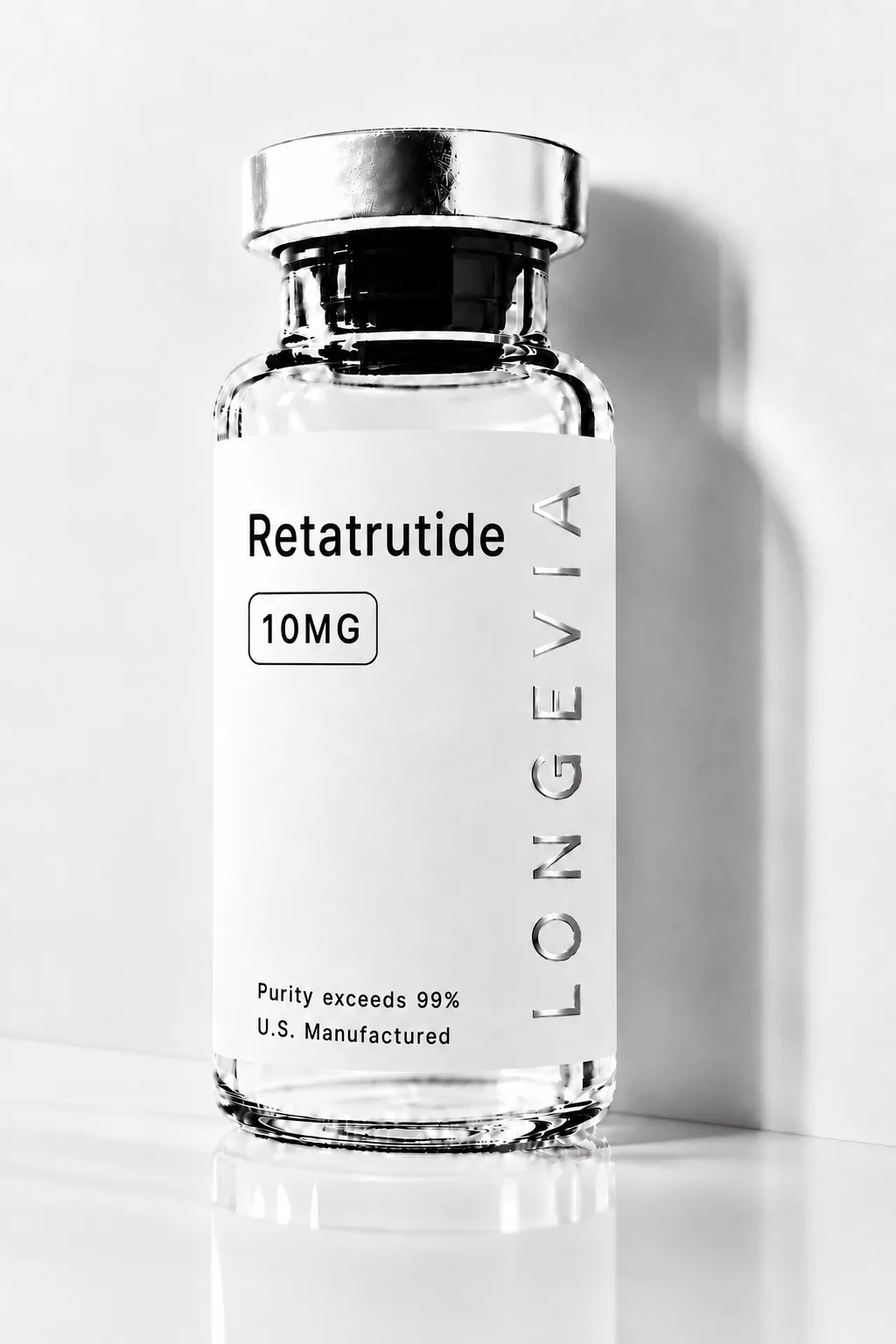
Retatrutide 10mg–60mg
$121.50
1
Slide to Add
Retatrutide is an investigational synthetic peptide designed to simultaneously activate three G-protein-coupled receptors central to metabolic homeostasis: the glucagon-like peptide-1 receptor (GLP-1R), the glucose-dependent insulinotropic polypeptide receptor (GIPR), and the glucagon receptor (GCGR). Developed by Eli Lilly and Company, it represents the first triple receptor agonist of its class to enter advanced clinical investigation and is among the most extensively studied investigational compounds currently in the obesity and metabolic pharmacology research pipeline. Longevia Research supplies Retatrutide as a laboratory research material in vial formats of 10mg, 20mg, 30mg, and 60mg
Standard Delivery3-4 Working Days
Free ShippingOn all orders above $300
Comprehensive Product Details
Scientific Identity: Retatrutide is a synthetic lipidated peptide developed to engage three metabolically relevant G-protein-coupled receptors simultaneously. Its structural design draws on the GIP peptide backbone as a scaffold, modified to incorporate GLP-1 receptor activity and the additional glucagon receptor engagement that distinguishes it from dual-agonist compounds such as tirzepatide. The molecule is conjugated to a C20 fatty diacid moiety, which enables albumin binding and extends the compound's circulating half-life — a structural feature shared with other long-acting incretin-based research tools.
Receptor Activity
Retatrutide functions as a simultaneous agonist at three receptor systems:
GLP-1 receptor (GLP-1R): Human GLP-1R EC₅₀ reported at approximately 0.775 nM in published in-vitro characterisation work.
GIP receptor (GIPR): Human GIPR EC₅₀ reported at approximately 0.064 nM — the highest-potency target in the reported receptor panel, reflecting the GIP-scaffold origin of the molecule.
Glucagon receptor (GCGR): Human GCGR EC₅₀ reported at approximately 5.79 nM. GCGR engagement is the pharmacological feature that most clearly differentiates Retatrutide from dual GLP-1/GIP agonists.
These EC₅₀ values derive from published in-vitro receptor pharmacology assays conducted by Coskun and colleagues (Cell Metabolism, 2022) and should be interpreted as laboratory characterisation data, not as indicators of human clinical potency or as a basis for any administration-related calculation.
Product Vial Sizes: Longevia Research supplies Retatrutide in four vial sizes: 10mg, 20mg, 30mg, and 60mg. These designations refer to the quantity of research material per vial. They do not represent dosing quantities, clinical equivalents, or any recommendation for use in living systems.
Research-Use Classification: For laboratory research use only. Not for human or veterinary use, clinical diagnostics, or any in-vivo application in humans. This material is investigational and has not been approved by any regulatory authority for human therapeutic use.
Advanced Research Focus
This compound's primary research applications center around complex neuroendocrine pathways, systemic metabolic regulation, and localized tissue regeneration models. Recent literature indicates significant potential in modulating receptor-specific transcription factors and downstream kinase cascades. In laboratory environments, studies frequently observe enhanced expression of key metabolic markers and accelerated cellular turnover in isolated fibroblasts and myogenic precursor cells. It is highly recommended for use in comparative pharmacological profiling, where its structural analogs can be evaluated against wild-type peptide sequences. Investigators should note its rapid binding kinetics and dose-dependent activation thresholds, making it ideal for titration assays and threshold mapping.
Uncompromising Quality Standards
Research into a compound at Retatrutide's stage of development depends on the integrity of the research material. The structural complexity of a lipidated synthetic peptide — with its requirement for correct amino acid sequence, accurate conjugation of the fatty acid moiety, and verified overall composition — makes analytical documentation particularly important for experimental reproducibility.
Identity confirmation. Compound identity should be confirmed at the sequence and mass level by mass spectrometry, verifying that the molecular ion observed is consistent with Retatrutide's expected molecular weight. This distinguishes the target compound from truncated sequences, unmodified peptide backbone, or improperly lipidated material.
Batch traceability and Certificate of Analysis. A batch-specific Certificate of Analysis is available on the Longevia Research website, covering the analytical characterisation and lot information for this product. Researchers are encouraged to review current batch documentation before use.
Storage. Specific storage conditions for this lot are confirmed on the batch Certificate of Analysis and product labelling. Longevia recommends consulting the COA for lot-specific guidance. Lyophilised peptide research materials of this structural class are typically sensitive to moisture, light, and temperature; researchers should follow the COA's storage recommendations and institutional protocols for peptide research compounds.
Legal & Compliance Notice
Longevia Research supplies Retatrutide for laboratory and in-vitro research use only. The product is intended for qualified researchers and trained laboratory personnel working in appropriate controlled research environments.
This material is not an approved drug. It is not a dietary supplement, food, food ingredient, or cosmetic. No regulatory authority has approved Retatrutide for human or veterinary therapeutic use. Longevia does not supply this product for administration to humans or animals, for clinical diagnostics, or for any therapeutic application.
Scientific literature and clinical trial results referenced on this page describe findings from research into the investigational compound Retatrutide — they do not establish that the Longevia research material is safe, effective, pharmaceutical-grade, or equivalent to clinical-trial material. Clinical trial outcomes are the results of specific trials conducted under defined protocols; they are not product claims.
Longevia provides no dosing instructions, reconstitution guidance for administration, treatment protocols, cycle recommendations, or human-use information of any kind. The purchaser assumes full responsibility for lawful acquisition, handling, storage, use, and disposal of this material, and for compliance with all applicable local, state, federal, and institutional regulations. By purchasing this product, the buyer confirms it will be used solely for legitimate laboratory research purposes by qualified personnel in compliance with applicable law.
Continue Exploring
Also Considered.
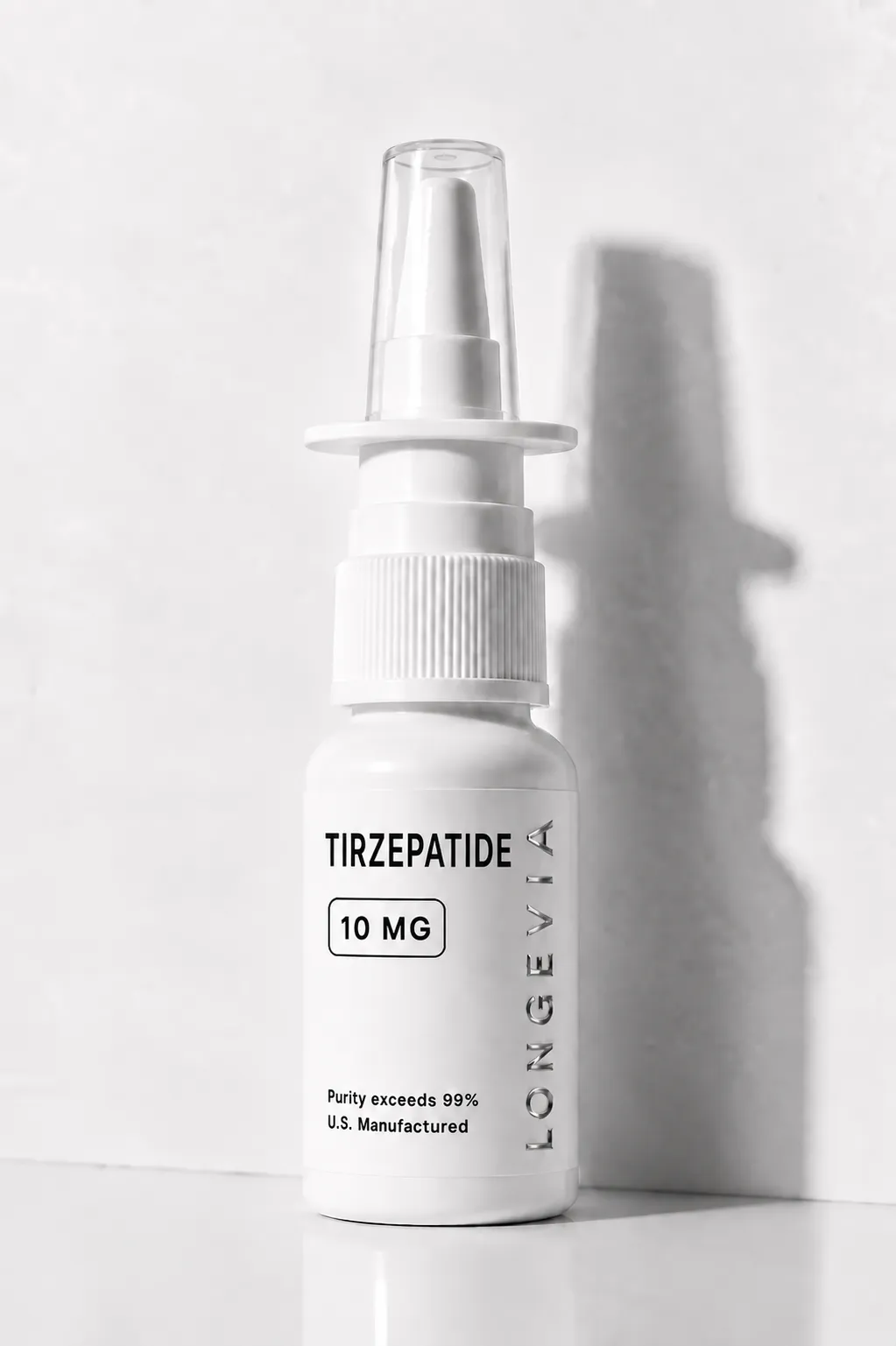
Tirzepatide — Spray
Longevia Research supplies Tirzepatide (LY3298176, CAS 2023788-19-2) in 10mg, 20mg, 30mg, and 60mg quantities in a 45-spray research format. A synthetic 39-amino-acid dual GIP and GLP-1 receptor agonist peptide investigated in incretin biology, pancreatic islet signaling, glucose homeostasis, metabolic research, and cardiometabolic pharmacology. Research Use Only.
$144.00
Slide to add
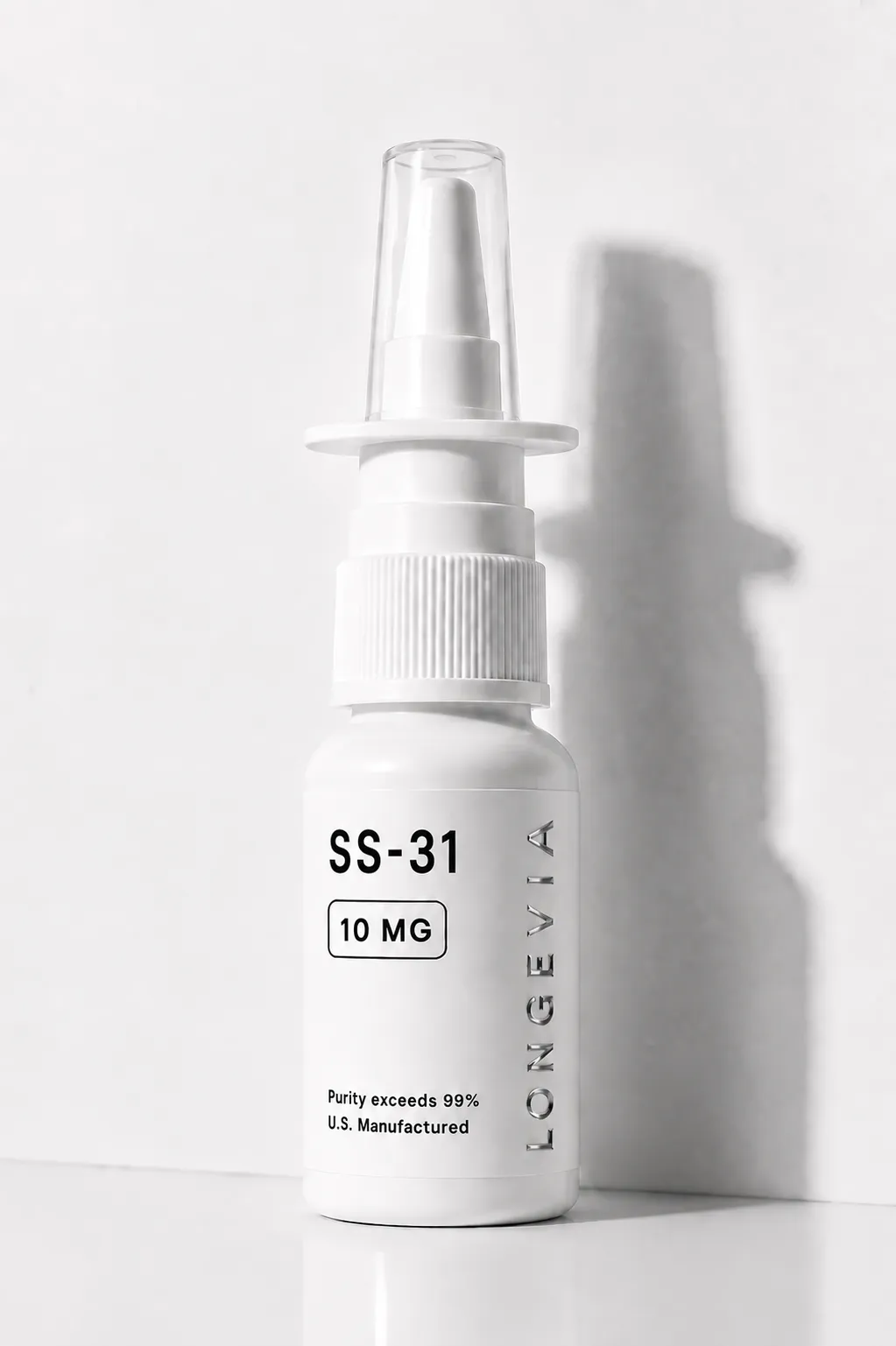
SS-31 — Spray
Longevia Research supplies SS-31 (elamipretide / MTP-131) in 10mg and 50mg quantities, 45-spray format, for qualified laboratory research. SS-31 is a synthetic mitochondria-targeted tetrapeptide investigated in cardiolipin, mitochondrial membrane biology, and mitochondrial bioenergetics research. Research Use Only.
$198.00
Slide to add

Semaglutide — Sprays
Longevia Research supplies Semaglutide in 5mg, 10mg, 20mg, and 30mg quantities, 45-spray format, for qualified laboratory research. Semaglutide is a synthetic modified GLP-1 analog and GLP-1 receptor agonist investigated in metabolic, endocrine, and incretin signaling research. Research Use Only.
$135.00
Slide to add
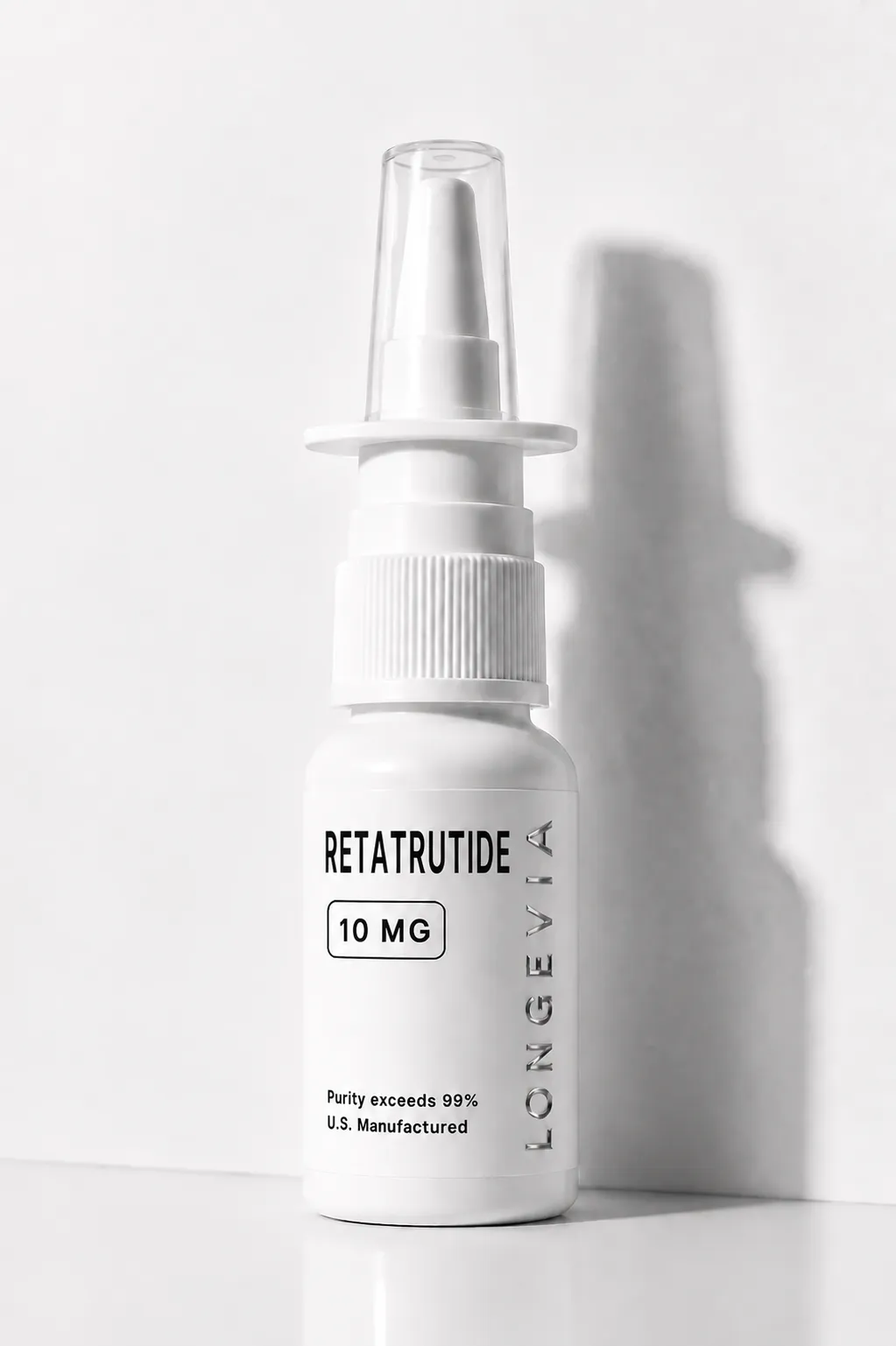
Retatrutide — Spray
Longevia Research supplies Retatrutide in 10mg, 20mg, 30mg, and 60mg quantities, 45-spray format, for qualified laboratory research. Retatrutide is an investigational synthetic peptide-based triple receptor agonist (GIPR/GLP-1R/GCGR) studied in metabolic signaling and clinical trials. Research Use Only.
$166.50
Slide to add
Product FAQs
Find answers to common questions regarding storage, reconstitution, and testing guidelines for this specific compound.