Mitochondrial & Cellular EnergyMetabolic ResearchLongevity Research
NAD⁺
$117.00
1
Slide to Add
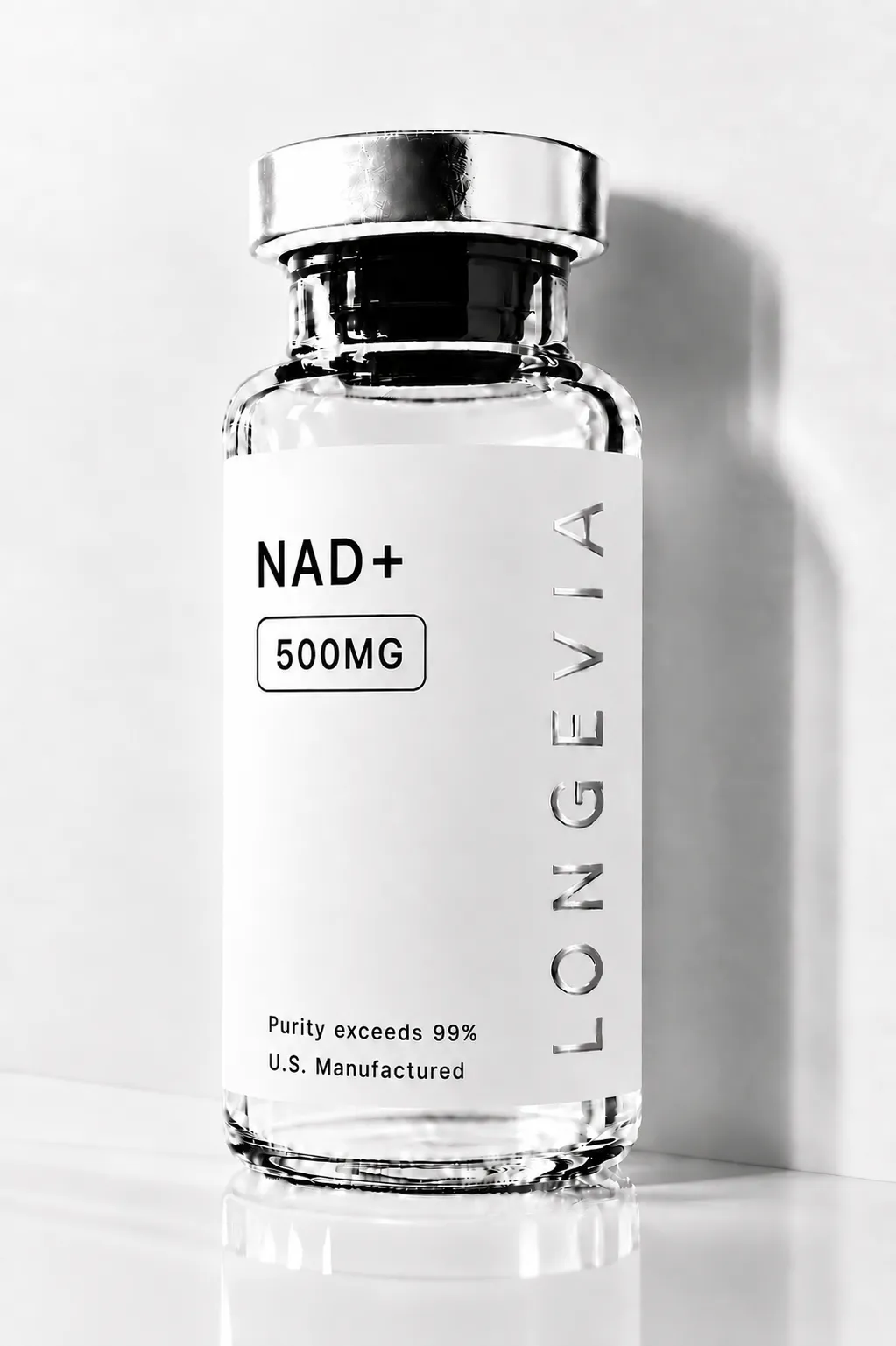
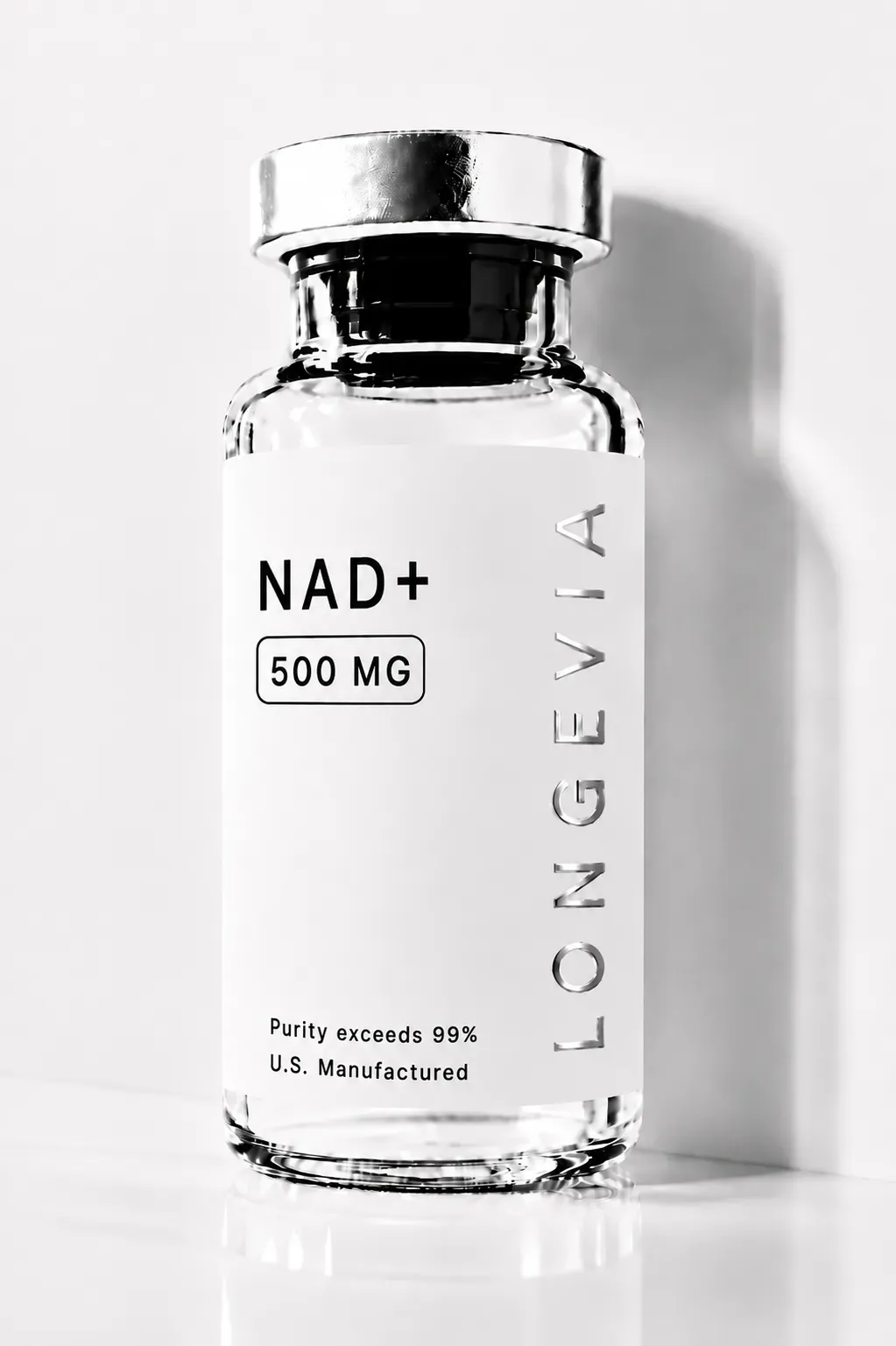
NAD⁺ (nicotinamide adenine dinucleotide, oxidised form) is a naturally occurring dinucleotide coenzyme found in all living cells, where it functions as a central mediator of cellular energy metabolism, redox chemistry, and enzymatic signaling. It serves as a hydride-transfer coenzyme in over 400 enzymatic reactions — most critically in the citric acid cycle and oxidative phosphorylation — and as a substrate consumed by NAD⁺-dependent signaling enzymes including sirtuins (SIRTs), poly(ADP-ribose) polymerases (PARPs), and cyclic ADP-ribose synthases (CD38/CD157). Research has examined NAD⁺ across cellular energy metabolism, sirtuin biology, PARP enzyme systems, mitochondrial function, and NAD⁺ homeostasis models. Longevia Research supplies NAD⁺ in 500mg and 1000mg research-grade vials for qualified laboratory use. NAD⁺ is one of the most extensively characterised coenzymes in biochemistry — essential to cellular life and studied across multiple research disciplines including metabolism, aging biology, DNA repair research, and circadian biology. Its cellular concentration declines with aging in multiple tissues in animal and human observational studies, generating substantial research interest in NAD⁺ homeostasis and the biology of NAD⁺-dependent enzymes. This product is supplied for Research Use Only and is not intended for human or veterinary use.
Standard Delivery3-4 Working Days
Free ShippingOn all orders above $300
Product Details
Scientific identity. NAD⁺ is a dinucleotide comprising nicotinamide mononucleotide (NMN) linked through a pyrophosphate bond to adenosine monophosphate (AMP). The nicotinamide ring carries a quaternary nitrogen with a permanent positive charge — reflected in the "⁺" designation. In its reduced form (NADH), the nicotinamide ring accepts a hydride ion, carrying a hydrogen and two electrons as the primary electron carrier in cellular metabolism. The NAD⁺/NADH ratio is a fundamental measure of cellular redox state. NAD⁺ is also the substrate consumed — rather than reduced — by sirtuins, PARPs, and CD38/CD157, which cleave the glycosidic bond releasing nicotinamide and generating ADP-ribose or related products.
Compound class. Naturally occurring dinucleotide coenzyme; pyridine nucleotide; hydride-transfer coenzyme; NAD⁺-dependent enzyme substrate; cellular energy metabolism central mediator.
Primary research targets. Sirtuin deacylases (SIRT1–7); poly(ADP-ribose) polymerases (PARP1, PARP2); cyclic ADP-ribose synthases (CD38, CD157); NAD⁺-dependent dehydrogenases in glycolysis, TCA cycle, and oxidative phosphorylation.
Research areas. Cellular energy metabolism, sirtuin biology and epigenetic regulation, PARP enzyme and DNA repair research, mitochondrial function, NAD⁺ homeostasis and aging biology, circadian rhythm biology, NAD⁺ biosynthesis pathway research, metabolic regulation.
Available quantities. 500mg and 1000mg per vial.
Physical form. Supplied as a powder in a sealed research vial.
Purity. Greater than 99%, confirmed by HPLC and analytical characterisation at the batch level.
Analytical documentation. A batch-specific Certificate of Analysis is available on the Longevia Research website, covering compound identity, purity, and lot traceability.
Research-use classification. For laboratory research use only. Not for human or veterinary use, clinical diagnostics, or any therapeutic application.
Research Focus
NAD⁺ as Coenzyme and Signaling Substrate
NAD⁺ occupies a dual role in cellular biology — as a hydride-transfer coenzyme in oxidation-reduction reactions and as a substrate consumed by NAD⁺-dependent signaling enzymes. In its coenzyme role, NAD⁺/NADH cycling drives the TCA cycle, glycolysis, and oxidative phosphorylation — the central ATP-generating pathways of cellular energy metabolism. In its signaling substrate role, NAD⁺ is cleaved by sirtuins, PARPs, and CD38/CD157, generating nicotinamide and ADP-ribose products that regulate protein deacetylation, DNA repair signaling, and calcium signaling respectively. The total cellular NAD⁺ pool must support both roles, creating a research framework for understanding how NAD⁺ availability influences both energy metabolism and signaling pathway activity simultaneously.
Sirtuin Biology Research
Sirtuins (SIRT1–7) are NAD⁺-dependent protein deacylases that remove acyl modifications — primarily acetyl groups — from lysine residues on histones and other proteins, linking NAD⁺ availability to epigenetic regulation, mitochondrial function, and stress response signaling. Research has examined sirtuin activity in relation to cellular NAD⁺ concentration, establishing that sirtuin activity is sensitive to fluctuations in NAD⁺ availability — a finding that has generated substantial research interest in NAD⁺ homeostasis as a potential regulator of sirtuin-mediated biology. Cell-based and animal studies have investigated SIRT1, SIRT3, and other sirtuin family members in metabolic regulation, mitochondrial biogenesis, DNA repair, and aging biology. These are experimental findings in defined research systems.
PARP Enzyme and DNA Repair Research
PARP1 and PARP2 are NAD⁺-consuming enzymes that catalyse the addition of poly(ADP-ribose) chains to target proteins in response to DNA strand breaks — a primary DNA damage response mechanism. PARP activation consumes substantial quantities of NAD⁺ under conditions of DNA damage, potentially depleting cellular NAD⁺ pools in high-damage scenarios. Research examining the relationship between NAD⁺ availability, PARP activity, and DNA repair outcomes has used NAD⁺ as both a substrate reference and a supplement in cell-based DNA damage research systems.
NAD⁺ Decline and Aging Biology Research
Human observational and animal studies have reported declining NAD⁺ levels with aging in multiple tissues — including skeletal muscle, liver, and brain — in defined study populations and animal experimental systems. Research has investigated potential mechanisms including increased CD38 NADase activity, reduced NAD⁺ biosynthesis, and increased PARP consumption in aging cells. These observational and mechanistic findings provide the biological context for research into NAD⁺ homeostasis as an aging biology research topic. The relationship between NAD⁺ supplementation and aging-associated endpoints in experimental systems remains an active area of investigation.
NAD⁺ Biosynthesis Pathways
Cellular NAD⁺ is maintained through three biosynthesis routes: the Preiss-Handler pathway (from nicotinic acid/niacin); the de novo synthesis pathway (from tryptophan); and the salvage pathway (from nicotinamide, NMN, or NR). Research examining these pathways uses NAD⁺ as both a product reference standard and a direct substrate in reconstituted enzyme assay systems. The NNMT inhibitor 5-Amino-1MQ — also available in the Longevia Research catalog — operates at the intersection of the salvage pathway by competing with nicotinamide for NNMT-mediated methylation, illustrating the interconnected research context for NAD⁺ pathway biology.
Quality & Purity
Reliable research begins with accurately characterised material. For NAD⁺, the critical quality parameters are chemical identity — confirming NAD⁺ (oxidised form) rather than NADH, NADP⁺, or degradation products including ADP-ribose and nicotinamide — and purity, since NAD⁺ is susceptible to hydrolysis under acidic conditions and heat, generating ADP-ribose and nicotinamide as breakdown products that can interfere with enzyme kinetics assays.
Purity assessment. Each production lot is characterised to greater than 99% purity by HPLC. Chromatographic purity data is reported on the batch Certificate of Analysis.
Identity confirmation. Compound identity confirming the oxidised NAD⁺ form — distinct from NADH, NADP⁺, and hydrolysis products — is confirmed by analytical characterisation at the batch level. The batch COA confirms identity and purity data for the supplied material.
Batch traceability and Certificate of Analysis. Every vial of NAD⁺ 500mg and 1000mg is traceable to a specific production lot. A batch-specific Certificate of Analysis is accessible directly on the Longevia Research website, covering purity, identity, and lot information. Researchers evaluating this material for enzyme kinetics or cell-based assay work are encouraged to review the current batch documentation before use.
Handling. NAD⁺ is susceptible to hydrolytic degradation under acidic conditions and elevated temperatures. This material should be stored under conditions that minimise moisture and heat exposure, handled by qualified personnel using appropriate laboratory technique, and aliquoted appropriately to prevent repeated freeze-thaw cycling of the bulk material, consistent with institutional protocols for research-grade nucleotide coenzymes.
Compliance Notice
Longevia Research supplies NAD⁺ 500mg and 1000mg for laboratory and analytical research use only. The product is intended for use by qualified researchers and trained laboratory personnel in appropriate controlled research environments.
NAD⁺ is a naturally occurring coenzyme supplied strictly as a research tool. It is not a drug, not a dietary supplement, not a food additive, and not a cosmetic in this formulation. While NAD⁺ precursors including NMN and NR are marketed as dietary supplements in the US, and while intravenous NAD⁺ is used in certain clinical contexts, the Longevia Research research vial carries no such designation and has not been evaluated by any regulatory authority for safety or efficacy in this formulation.
Longevia provides no dosing instructions, administration guidance, treatment protocols, or reconstitution recommendations for human or veterinary use. The scientific literature summarised on this product page describes experimental observations in defined biochemical, cell-based, and animal research systems. Those findings are not medical claims and should not be interpreted as evidence of human efficacy, human safety, or fitness for any clinical application from this product.
The purchaser assumes full responsibility for lawful acquisition, handling, storage, use, and disposal of this material, and for compliance with all applicable local, state, federal, and institutional regulations. By purchasing this product, the buyer confirms that it will be used solely for legitimate laboratory research purposes by qualified personnel, and that its acquisition and intended use comply with applicable laws in the buyer's jurisdiction.
Continue Exploring
Also Considered.
Tirzepatide — Spray
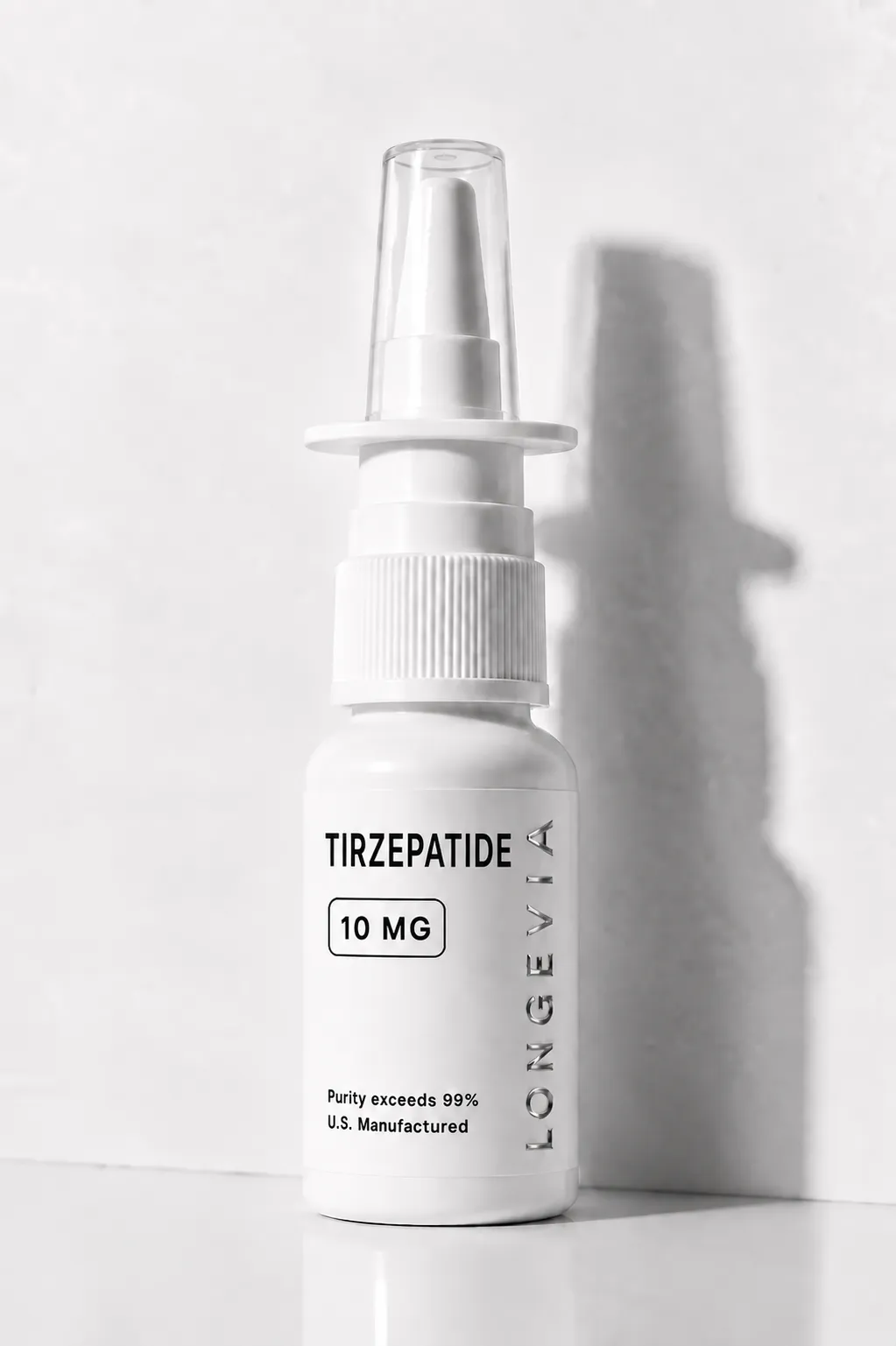
Longevia Research supplies Tirzepatide (LY3298176, CAS 2023788-19-2) in 10mg, 20mg, 30mg, and 60mg quantities in a 45-spray research format. A synthetic 39-amino-acid dual GIP and GLP-1 receptor agonist peptide investigated in incretin biology, pancreatic islet signaling, glucose homeostasis, metabolic research, and cardiometabolic pharmacology. Research Use Only.
$144.00
Slide to add
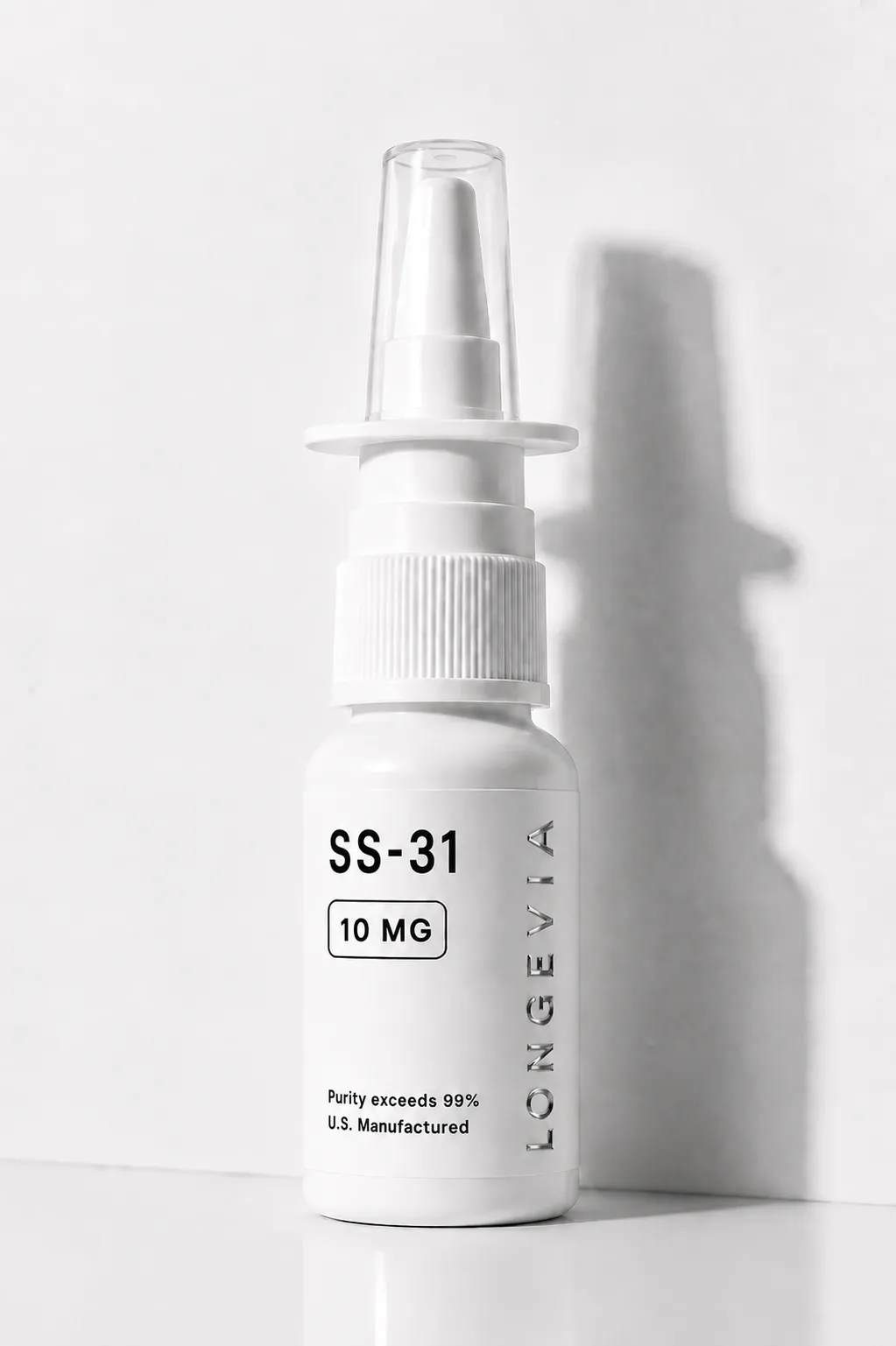
SS-31 — Spray
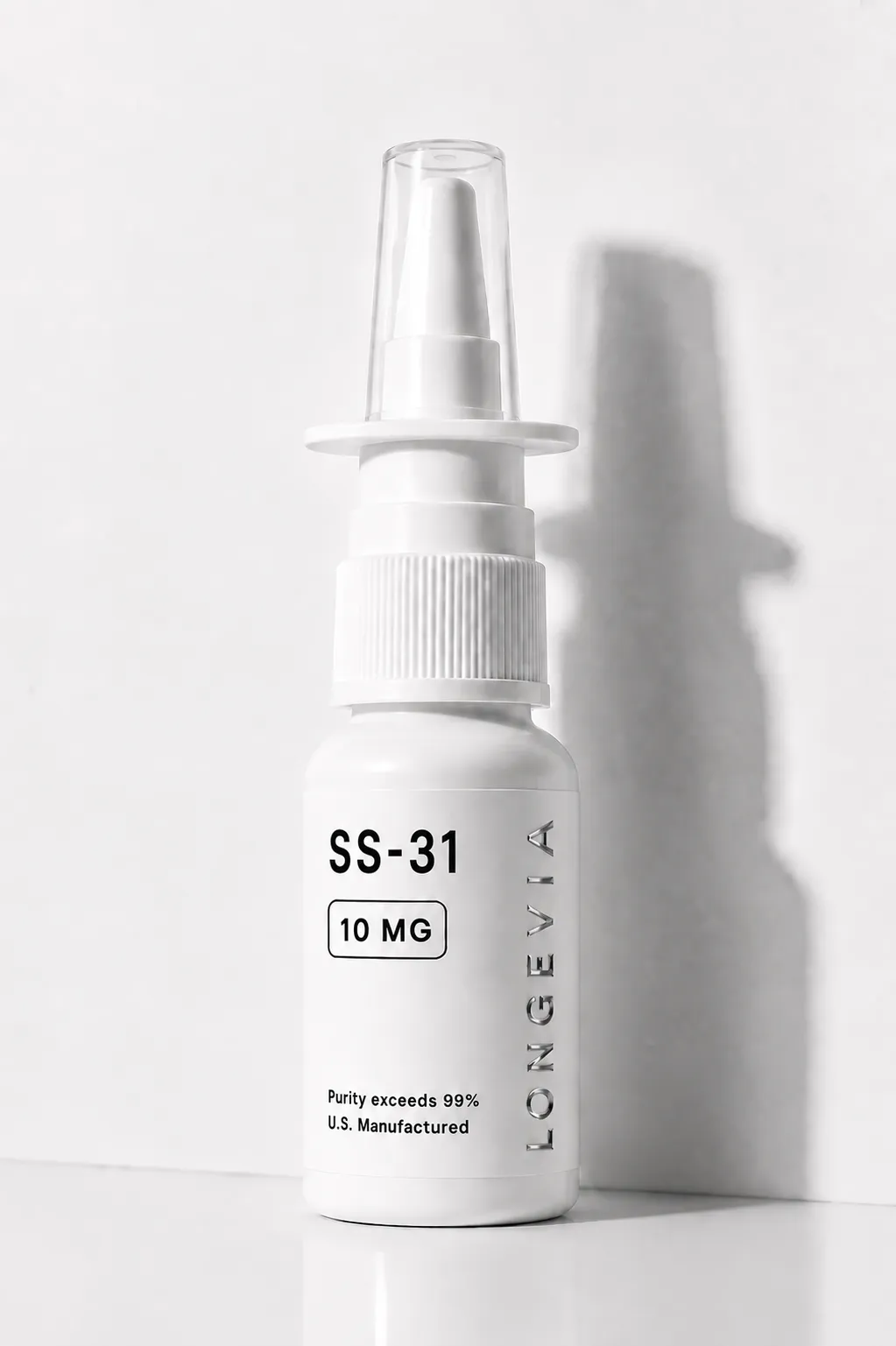
Longevia Research supplies SS-31 (elamipretide / MTP-131) in 10mg and 50mg quantities, 45-spray format, for qualified laboratory research. SS-31 is a synthetic mitochondria-targeted tetrapeptide investigated in cardiolipin, mitochondrial membrane biology, and mitochondrial bioenergetics research. Research Use Only.
$198.00
Slide to add
SNAP-8 — Spray
Longevia Research supplies SNAP-8 (Acetyl Octapeptide-3) in 10mg and 20mg quantities, 45-spray format, for qualified laboratory research. SNAP-8 is a synthetic acetylated octapeptide associated with SNAP-25 and SNARE-complex biology, investigated in neurotransmitter-release and vesicle-fusion research. Research Use Only.
$130.50
Slide to add
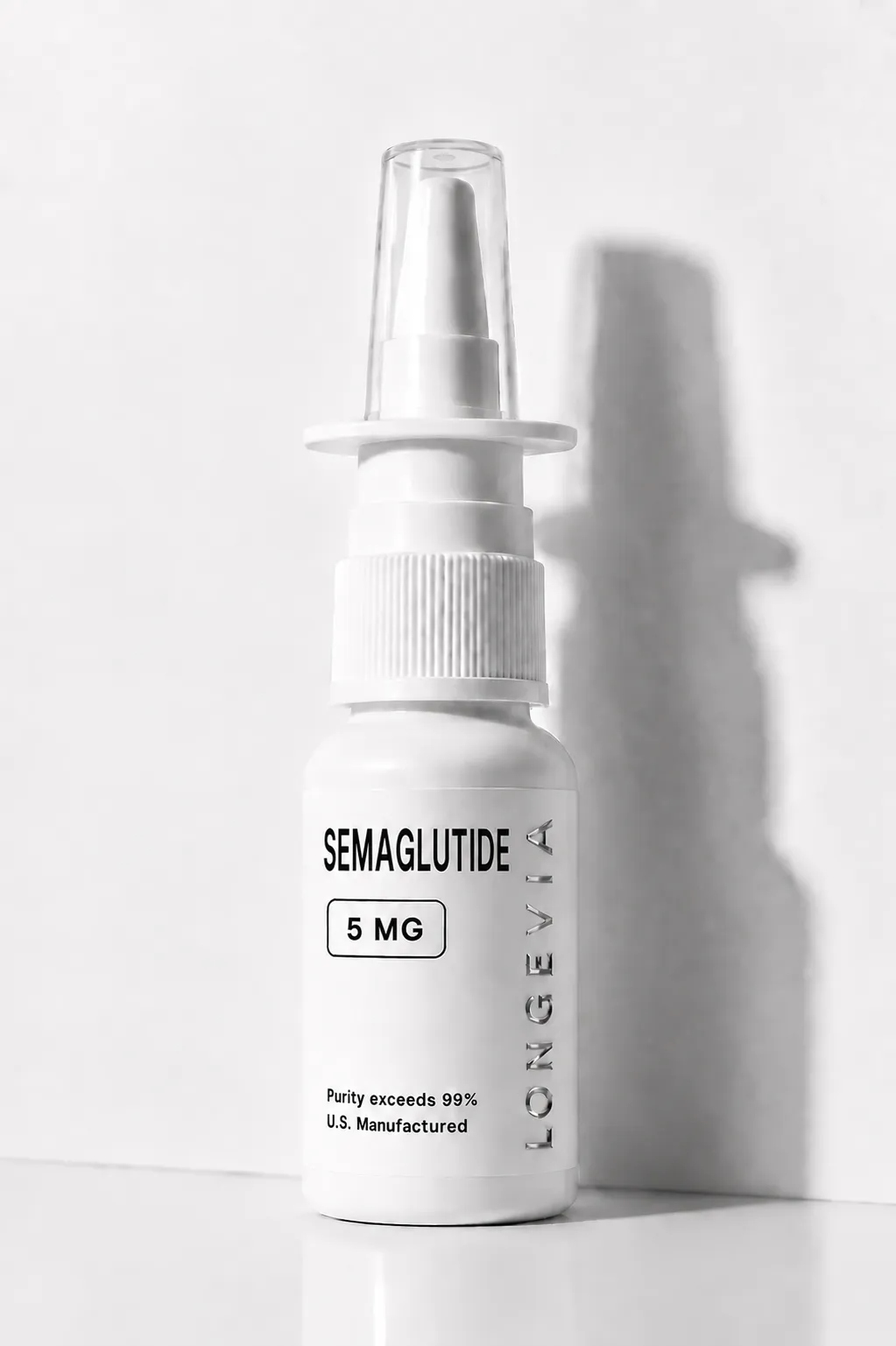
Semaglutide — Sprays
Longevia Research supplies Semaglutide in 5mg, 10mg, 20mg, and 30mg quantities, 45-spray format, for qualified laboratory research. Semaglutide is a synthetic modified GLP-1 analog and GLP-1 receptor agonist investigated in metabolic, endocrine, and incretin signaling research. Research Use Only.
$135.00
Slide to add
Product FAQs
Find answers to common questions regarding storage, reconstitution, and testing guidelines for this specific compound.