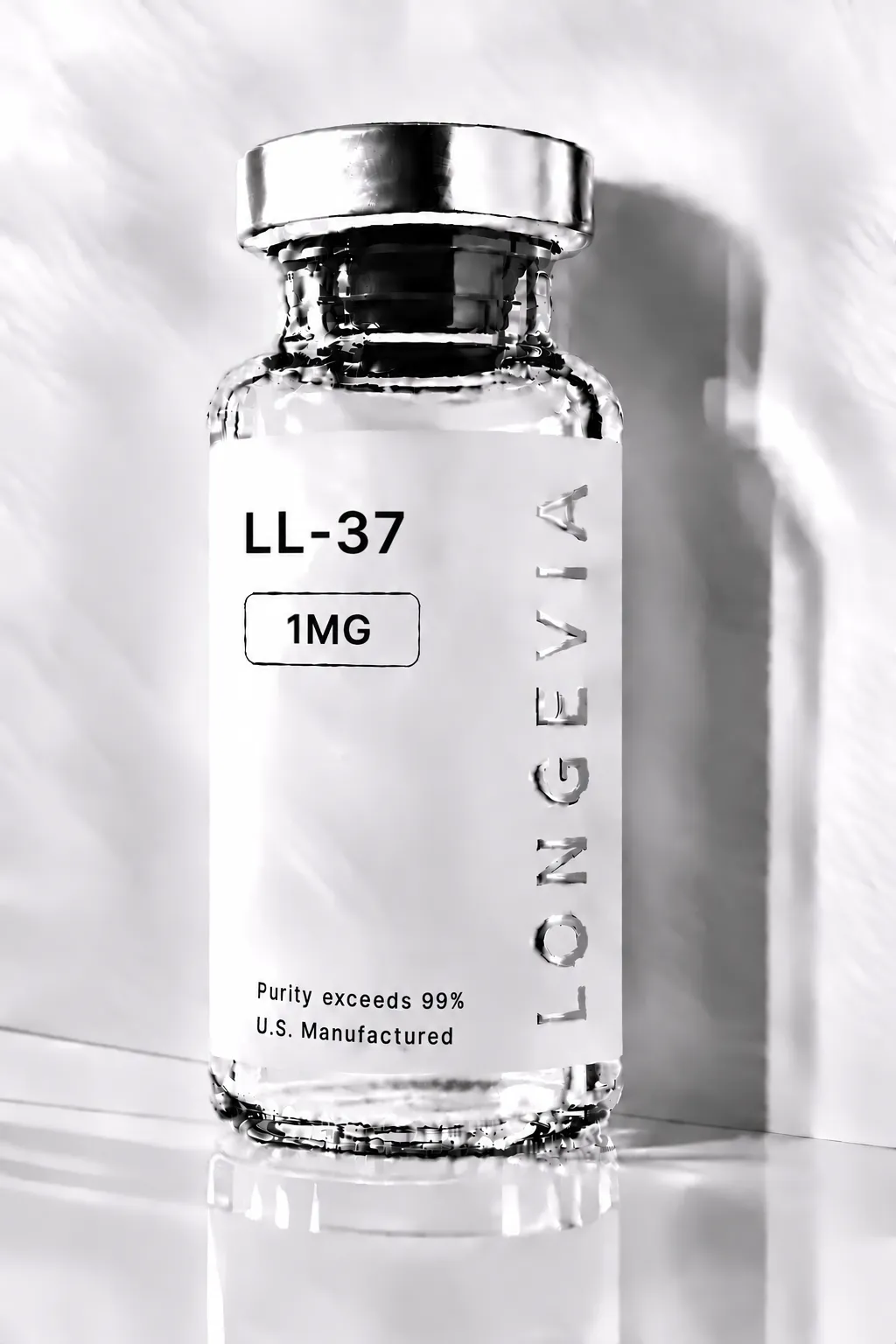
Immune RegulationLongevity Research
LL-37
$112.50
1
Slide to Add
Purity≥99% Tested
TestingLC-MS Verified
LocationUS Based
LL-37 is a synthetic 37-amino-acid cationic amphipathic peptide — the only known human cathelicidin antimicrobial peptide — derived from the C-terminal domain of the hCAP-18 precursor protein (human cationic antimicrobial protein of 18 kDa). It has been extensively investigated in innate immunity research, antimicrobial biology, immunomodulatory signaling, and wound biology experimental models. Longevia Research supplies LL-37 in a 1mg research-grade vial for qualified laboratory use. LL-37 occupies a unique position in innate immunity research as the sole member of the cathelicidin family expressed in humans — in contrast to rodents, which express multiple cathelicidins. This species distinction is an important methodological consideration when interpreting cross-species experimental findings. Research has examined LL-37 in direct antimicrobial assays, receptor-mediated immunomodulatory signaling, wound biology models, and cancer biology research. The 1mg quantity reflects LL-37's standard supply scale for research applications given its role as a direct antimicrobial and signaling peptide in defined experimental systems. This product is supplied for Research Use Only and is not intended for human or veterinary use.
Standard Delivery3-4 Working Days
Free ShippingOn all orders above $300
Product Details
Scientific identity. LL-37 is a 37-amino-acid cationic amphipathic helical peptide with the sequence Leu-Leu-Gly-Asp-Phe-Phe-Arg-Lys-Ser-Lys-Glu-Lys-Ile-Gly-Lys-Glu-Phe-Lys-Arg-Ile-Val-Gln-Arg-Ile-Lys-Asp-Phe-Leu-Arg-Asn-Leu-Val-Pro-Arg-Thr-Glu-Ser. The designation "LL-37" reflects both its length (37 amino acids) and its N-terminal dipeptide (Leu-Leu). It adopts an amphipathic α-helical secondary structure in membrane-mimicking environments — a conformation central to its proposed direct membrane-disrupting antimicrobial activity. The high positive charge (net charge approximately +6 at physiological pH) and amphipathic helix geometry are characteristic structural features studied in relation to its membrane selectivity in experimental systems.
LL-37 is generated endogenously by proteolytic cleavage of the hCAP-18 precursor by serine proteases — primarily kallikreins in skin and proteinase 3 in neutrophils. hCAP-18/LL-37 is expressed in neutrophils, epithelial cells of the skin, gut, lung, and reproductive tract, and is upregulated in response to infection and inflammation. These expression contexts define the primary biological research settings for LL-37.
Peptide class. Synthetic human cathelicidin; cationic antimicrobial peptide (AMP); host defence peptide; amphipathic α-helical peptide; hCAP-18-derived innate immunity peptide.
Primary research contexts. Innate immune signaling; direct antimicrobial activity research; toll-like receptor pathway modulation; wound biology and epithelial cell migration research; immunomodulatory cytokine research; cancer biology research.
Research areas. Innate immunity and host defence peptide research, antimicrobial peptide biology, toll-like receptor signaling, wound biology and epithelial migration research, cathelicidin biology, inflammatory signaling research, cancer biology research.
Product quantity. 1mg per vial.
Physical form. Supplied as a lyophilised solid in a sealed research vial.
Purity. Greater than 99%, confirmed by HPLC and LC-MS analysis at the batch level.
Analytical documentation. A batch-specific Certificate of Analysis is available on the Longevia Research website, covering compound identity, purity, and lot traceability.
Research-use classification. For laboratory research use only. Not for human or veterinary use, clinical diagnostics, or any in-vivo application in humans.
Research Focus
Cathelicidin Biology and Innate Immunity
LL-37 is the sole human cathelicidin — a family of antimicrobial peptides characterised by a conserved N-terminal cathelin domain in their precursor proteins and a highly variable C-terminal antimicrobial domain. In humans, a single gene (CAMP) encodes hCAP-18, from which LL-37 is released by proteolytic processing. LL-37 is stored in the secondary granules of neutrophils and is expressed in epithelial cells lining barrier tissues — skin, gut, lung, and reproductive tract — where it serves as a first-line innate immune defence. Research has characterised LL-37 as a multifunctional host defence peptide with both direct antimicrobial properties and immunomodulatory signaling activity, placing it at the intersection of innate immunity and inflammatory regulation.
Direct Antimicrobial Research
Published biochemical and cell-based research has examined LL-37's direct antimicrobial activity against a range of bacterial, viral, and fungal organisms in defined assay systems. The proposed mechanism involves the peptide's amphipathic α-helical structure enabling membrane insertion and disruption of microbial membranes — a non-specific physical mechanism studied in relation to its selectivity for microbial over mammalian membranes in experimental systems. Minimum inhibitory concentration (MIC) studies have characterised LL-37's activity against gram-positive and gram-negative bacterial models in defined assay conditions. These are antimicrobial assay findings in specific experimental systems.
Toll-Like Receptor and Immunomodulatory Signaling Research
Beyond direct antimicrobial activity, research has examined LL-37 in relation to toll-like receptor (TLR) signaling — specifically its proposed ability to modulate TLR2, TLR4, TLR7, and TLR9 pathway activation in immune cell models. Published research has characterised LL-37 as capable of both activating and inhibiting TLR-dependent signaling depending on the experimental context, cell type, and concentration — reflecting its complex immunomodulatory profile. LL-37 has also been examined in relation to purinergic receptor signaling and EGFR transactivation in epithelial cell systems. These signaling findings are model-specific observations in defined cell systems.
Wound Biology and Epithelial Research
Cell-based research has examined LL-37 in models of epithelial cell migration, proliferation, and barrier function — contexts relevant to wound biology. Studies in keratinocyte and intestinal epithelial cell models have measured migration rates, proliferation markers, and barrier integrity parameters following LL-37 exposure under defined experimental conditions. These findings are cell-based observations and should not be interpreted as establishing wound healing outcomes in humans.
Cancer Biology Research
LL-37 has been examined in cancer biology research contexts given its expression in various tumour-associated environments and its complex effects on cell proliferation, apoptosis, and immune signaling in defined cancer cell lines. Published findings include both pro- and anti-tumour activity observations in different cancer cell models, reflecting the context-dependent nature of LL-37's biological activity. These are preliminary cell-line observations carrying no implication for disease treatment.
Research Status
LL-37 has no regulatory approval for any therapeutic indication in any jurisdiction. It has been investigated in early-phase human clinical research for specific applications including wound biology and respiratory research. Published human findings concern pharmaceutical-grade formulations under regulated conditions and do not establish the safety, efficacy, or bioavailability of the Longevia Research research vial. It is supplied for Research Use Only.
Quality & Purity
Reliable research begins with accurately characterised material. For a 37-amino-acid cationic peptide such as LL-37, that means confirming full sequence integrity and purity at the batch level. LL-37's high positive charge and amphipathic character make it prone to aggregation and non-specific surface binding under certain conditions — properties that are intrinsic to its biology but also relevant to handling and storage protocols for research use. Additionally, the full 37-residue sequence must be verified, as truncated fragments have substantially different antimicrobial and immunomodulatory activity profiles in experimental systems.
Purity assessment. Each production lot is characterised to greater than 99% purity by high-performance liquid chromatography (HPLC). Chromatographic purity data is reported on the batch Certificate of Analysis.
Identity confirmation. Peptide identity and full 37-residue sequence integrity are confirmed by mass spectrometry (LC-MS), providing molecular-weight verification consistent with the complete LL-37 sequence. HPLC and LC-MS data together confirm that the material supplied corresponds to the labelled compound at the labelled purity.
Batch traceability and Certificate of Analysis. Every vial of LL-37 1mg is traceable to a specific production lot. A batch-specific Certificate of Analysis is accessible directly on the Longevia Research website, covering purity, identity, and lot information. Researchers evaluating this material for antimicrobial or immunomodulatory assays are encouraged to review the current batch documentation before use.
Handling. LL-37's cationic amphipathic character makes it prone to adsorption onto certain laboratory surfaces and to aggregation at high concentrations. This material should be handled by qualified personnel using appropriate laboratory technique — including low-binding tubes and pipette tips where applicable — and personal protective equipment, consistent with institutional protocols for research-grade cationic antimicrobial peptides.
Compliance Notice
Longevia Research supplies LL-37 1mg for laboratory and in-vitro research use only. The product is intended for use by qualified researchers and trained laboratory personnel in appropriate controlled research environments.
LL-37 is a synthetic research peptide supplied strictly as a research tool. It is not a drug, not a dietary supplement, not a food or food ingredient, and not a cosmetic. No regulatory authority has approved LL-37 for any human or veterinary therapeutic use, and Longevia does not supply it for administration to humans or animals, for clinical diagnostics, or for any therapeutic purpose.
Longevia provides no dosing instructions, administration guidance, treatment protocols, or reconstitution recommendations for this compound. The scientific literature summarised on this product page describes experimental observations in defined cell-based, animal, and limited human research systems. Those findings are not medical claims and should not be interpreted as evidence of human efficacy, human safety, or fitness for any clinical application.
The purchaser assumes full responsibility for lawful acquisition, handling, storage, use, and disposal of this material, and for compliance with all applicable local, state, federal, and institutional regulations. By purchasing this product, the buyer confirms that it will be used solely for legitimate laboratory research purposes by qualified personnel, and that its acquisition and intended use comply with applicable laws in the buyer's jurisdiction.
Continue Exploring
Also Considered.
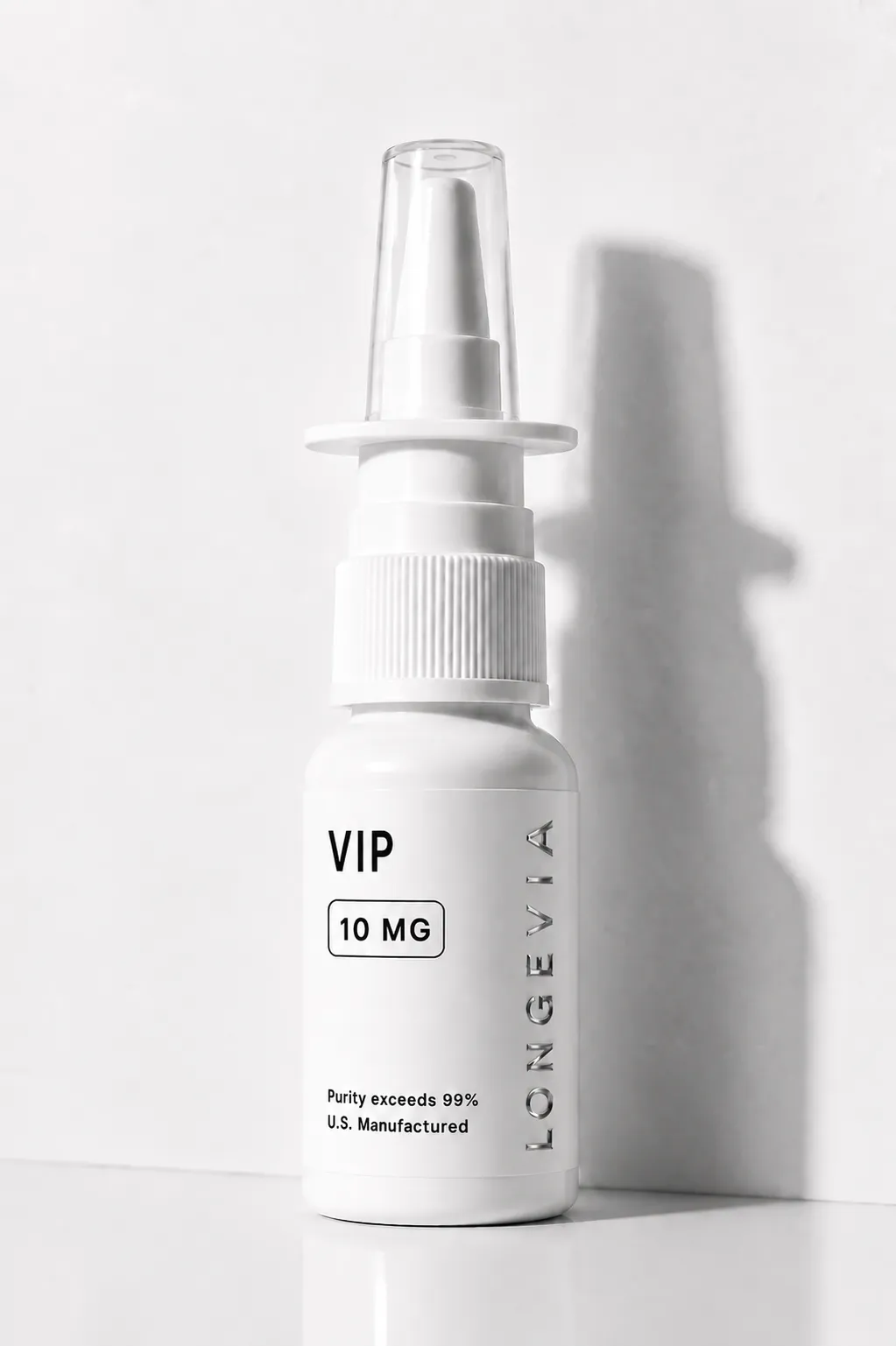
VIP Spray
Longevia Research supplies VIP (Vasoactive Intestinal Peptide, CAS 40077-57-4) 10mg in a 90-spray research format. A naturally occurring 28-amino-acid endogenous neuropeptide studied in VPAC1/VPAC2 receptor pharmacology, gastrointestinal neurobiology, vascular signaling, neuroendocrine research, circadian biology, and immunological signaling. Research Use Only.
$211.50
Slide to add
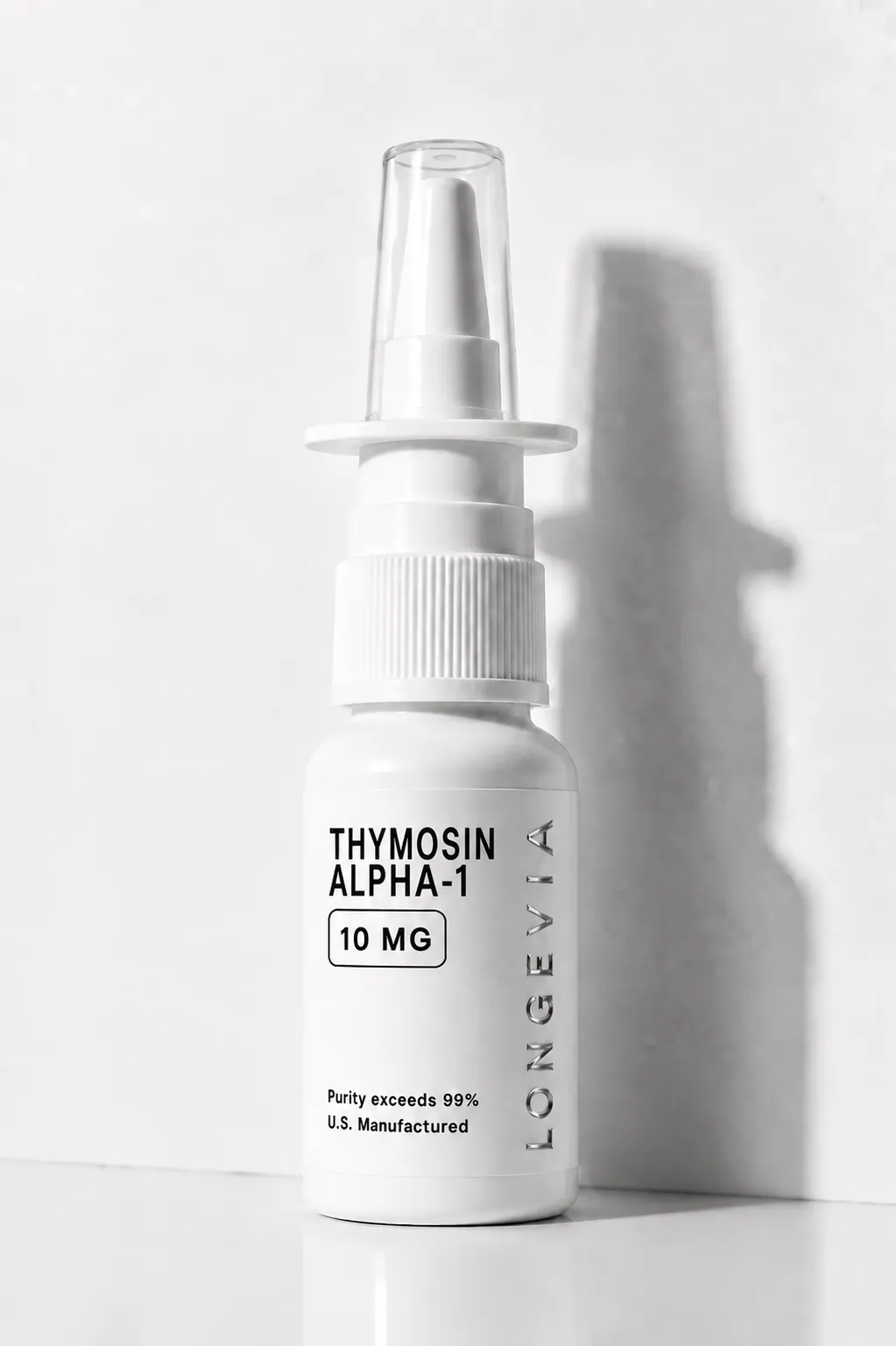
Thymosin Alpha-1 — Spray
Longevia Research supplies Thymosin Alpha-1 (Tα1 / TA-1, CAS 62304-98-7) 10mg in a 45-spray research format. A synthetic 28-amino-acid N-terminally acetylated peptide corresponding to the N-terminal region of prothymosin alpha, studied in TLR signaling, innate immunity, adaptive immune responses, dendritic cell biology, and clinical immunology research. Research Use Only.
$189.00
Slide to add
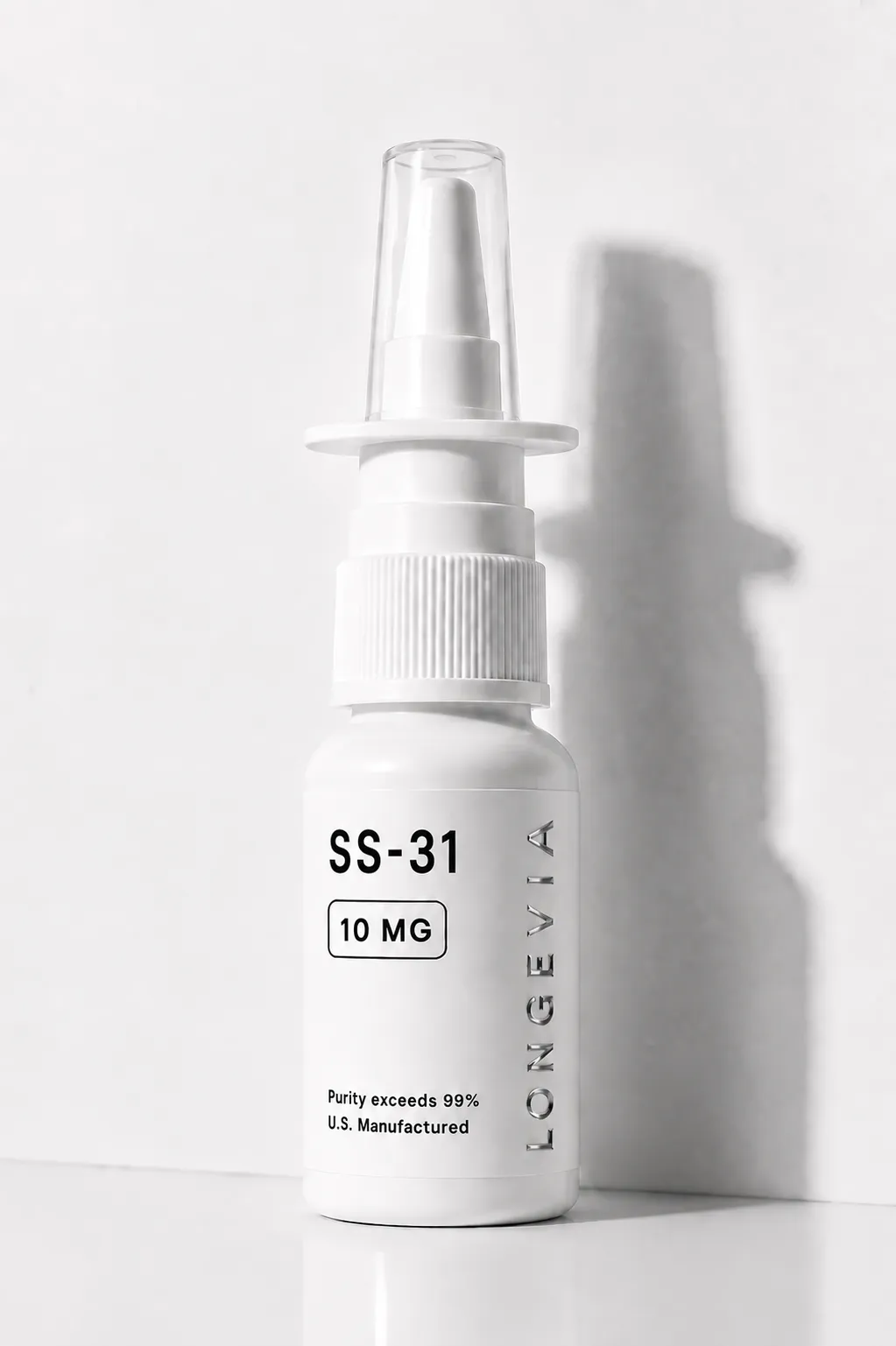
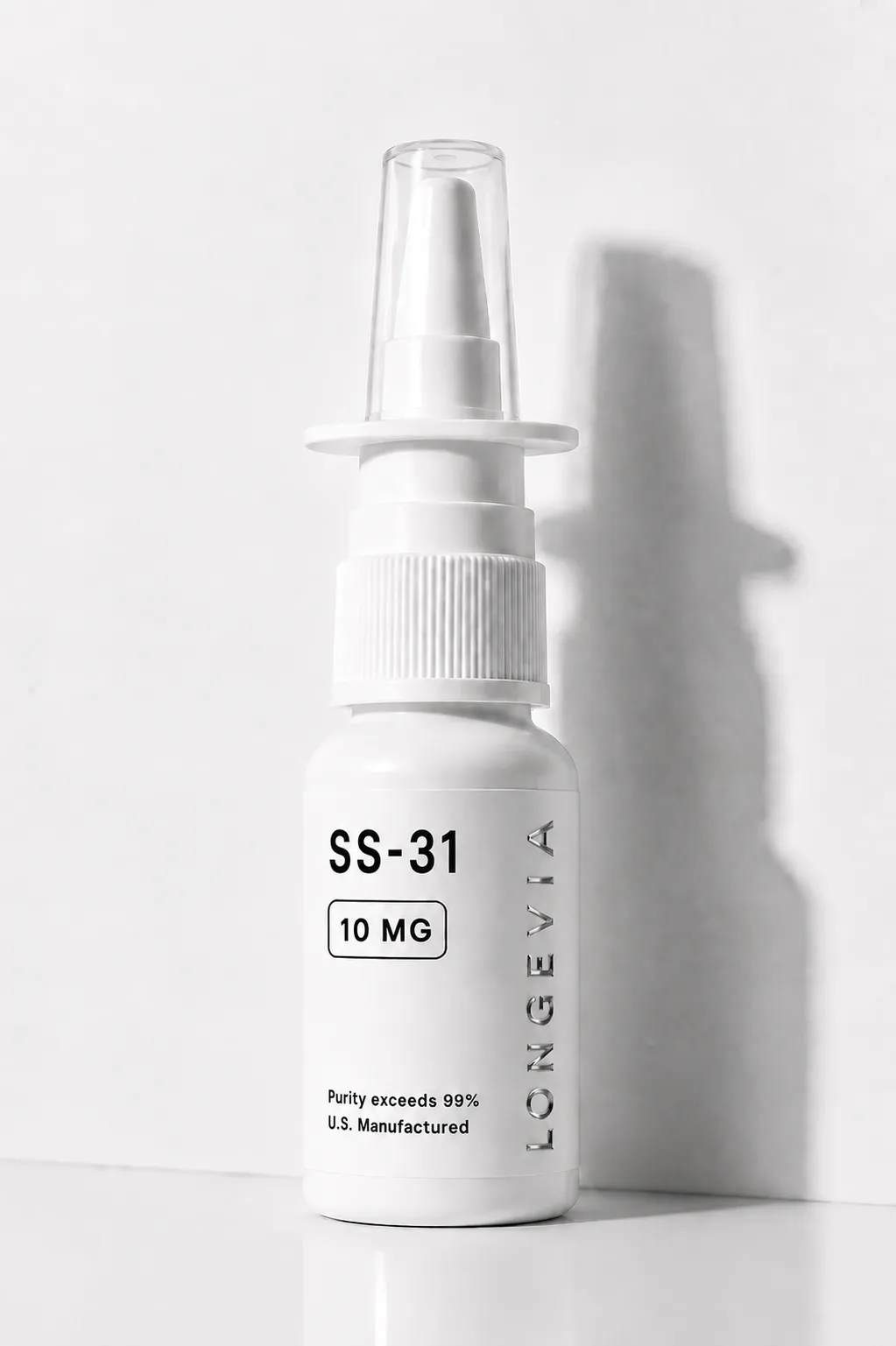
SS-31 — Spray
Longevia Research supplies SS-31 (elamipretide / MTP-131) in 10mg and 50mg quantities, 45-spray format, for qualified laboratory research. SS-31 is a synthetic mitochondria-targeted tetrapeptide investigated in cardiolipin, mitochondrial membrane biology, and mitochondrial bioenergetics research. Research Use Only.
$198.00
Slide to add
SNAP-8 — Spray
Longevia Research supplies SNAP-8 (Acetyl Octapeptide-3) in 10mg and 20mg quantities, 45-spray format, for qualified laboratory research. SNAP-8 is a synthetic acetylated octapeptide associated with SNAP-25 and SNARE-complex biology, investigated in neurotransmitter-release and vesicle-fusion research. Research Use Only.
$130.50
Slide to add
Product FAQs
Find answers to common questions regarding storage, reconstitution, and testing guidelines for this specific compound.