Recovery & Tissue RepairLongevity Research
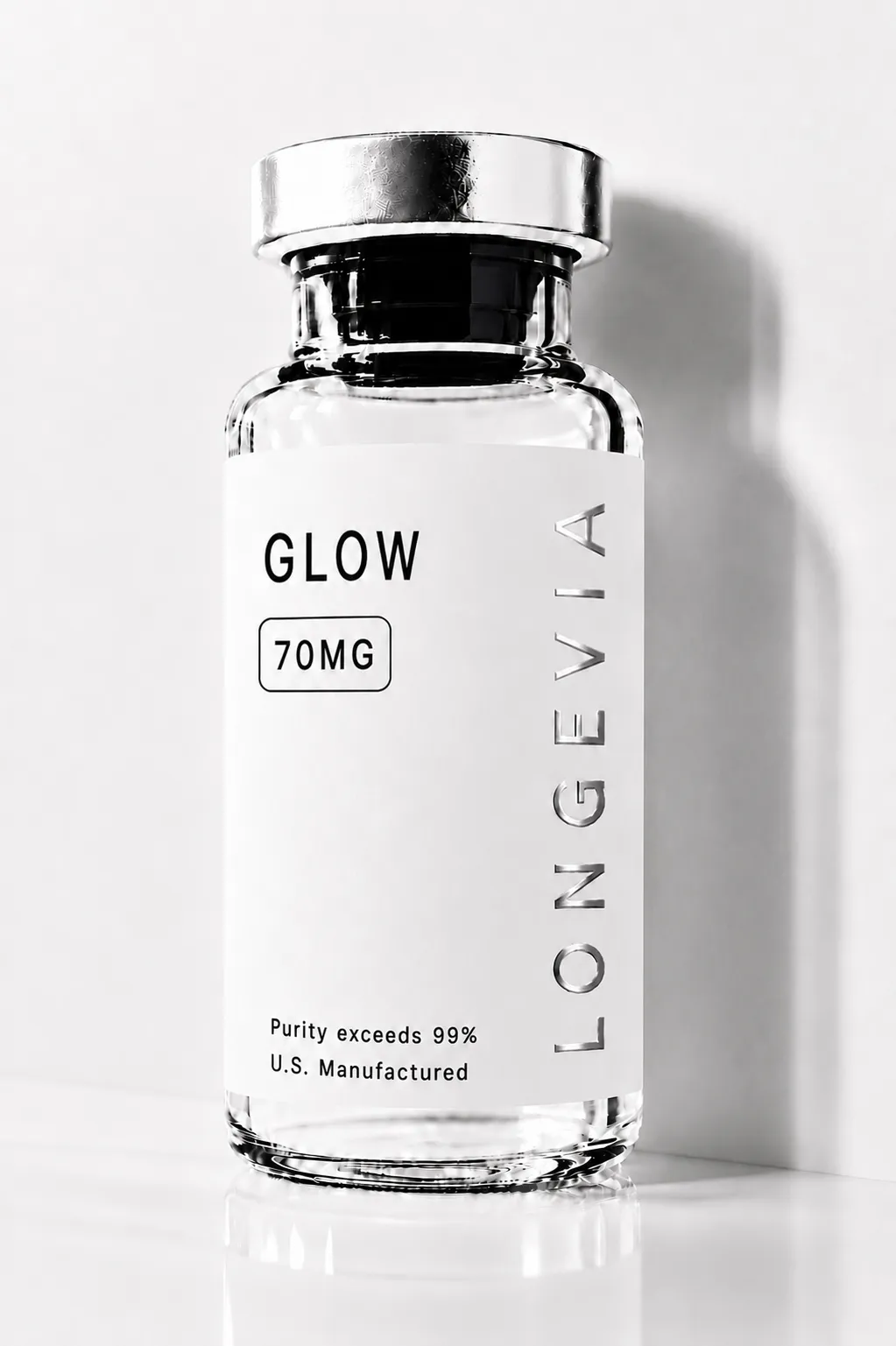
GLOW — 70mg Blend Vial
$125.00
1
Slide to Add
GLOW is a proprietary research blend vial containing three independently characterised research peptides: GHK-Cu (glycyl-L-histidyl-L-lysine·Cu²⁺, 50mg), BPC-157 (body protection compound pentadecapeptide, 10mg), and TB-500 (Thymosin Beta-4 fragment, residues 17–23, Ac-LKKTETQ, 10mg). Each component has its own established preclinical research profile — GHK-Cu in copper metallopeptide chemistry, fibroblast biology, and extracellular matrix remodeling; BPC-157 in VEGF-mediated angiogenesis, nitric oxide signaling, and gastrointestinal and musculoskeletal tissue models; and TB-500 in actin sequestration, cellular motility, and anti-fibrotic tissue biology. Longevia Research supplies GLOW in a single 70mg research-grade vial for qualified laboratory use. Each peptide retains its individual molecular identity and pharmacological characteristics within the blend. All three are preclinical research compounds with no regulatory approval for any therapeutic indication and no completed human clinical trial data in peer-reviewed literature. This product is supplied for Research Use Only and is not intended for human or veterinary use.
Standard Delivery3-4 Working Days
Free ShippingOn all orders above $300
Product Details
Scientific identity — GHK-Cu component. GHK-Cu (Gly-His-Lys·Cu²⁺) is a naturally occurring copper-binding tripeptide found in human plasma, coordinating copper(II) via the histidine imidazole, N-terminal amine, and deprotonated amide nitrogen in a stable square-planar complex. It is the most extensively characterised member of the His-Lys copper peptide family, with a published research profile spanning fibroblast biology, collagen and elastin synthesis, MMP/TIMP expression, VEGF-mediated angiogenesis, and gene expression studies.
Scientific identity — BPC-157 component. BPC-157 (Gly-Glu-Pro-Pro-Pro-Gly-Lys-Pro-Ala-Asp-Asp-Ala-Gly-Leu-Val) is a synthetic 15-amino-acid pentadecapeptide derived from a partial sequence of body protection compound, a protein isolated from human gastric juice. It is a linear peptide without disulfide bridges, notable for its proline-rich N-terminal region. Research has examined it in VEGF upregulation, eNOS/nitric oxide signaling, growth factor receptor pathways, and gastrointestinal and musculoskeletal tissue models.
Scientific identity — TB-500 component. TB-500 is a synthetic peptide fragment corresponding to residues 17–23 of Thymosin Beta-4 (Tβ4) — the actin-binding domain sequence Ac-Leu-Lys-Lys-Thr-Glu-Thr-Gln (Ac-LKKTETQ). The LKKTET motif is the core G-actin sequestration sequence of Tβ4, studied in relation to cytoskeletal dynamics, cellular motility, and anti-fibrotic tissue biology in experimental systems.
Blend composition.
Primary research contexts.
GHK-Cu: Copper metallopeptide chemistry; fibroblast and extracellular matrix biology; collagen synthesis; angiogenesis; gene expression research
BPC-157: VEGF-mediated angiogenesis; nitric oxide/eNOS signaling; tendon, ligament, and gastrointestinal tissue models
TB-500: G-actin sequestration; cytoskeletal dynamics; cellular motility; anti-fibrotic tissue biology
Research areas. Extracellular matrix biology, angiogenesis research, fibroblast biology, actin cytoskeleton research, copper metallopeptide chemistry, tissue biology research models, cellular motility research, anti-fibrotic signaling models.
Physical form. Supplied as a lyophilised solid in a sealed research vial.
Purity. Each peptide component characterised to greater than 99% individual purity, confirmed by HPLC and LC-MS analysis at the batch level.
Analytical documentation. A batch-specific Certificate of Analysis is available on the Longevia Research website, covering identity, purity, and lot traceability for all three peptide components.
Research-use classification. For laboratory research use only. Not for human or veterinary use, clinical diagnostics, or any in-vivo application in humans.
Research Focus
GHK-Cu: Fibroblast Biology and Extracellular Matrix Research
GHK-Cu has one of the most extensive fibroblast research profiles of any copper metallopeptide. Cell-based studies have examined it in dermal fibroblast models measuring collagen type I and III synthesis, elastin production, glycosaminoglycan deposition, and MMP/TIMP expression as markers of extracellular matrix remodeling activity. Transcriptome-level studies have characterised gene expression changes associated with GHK-Cu in fibroblast systems, with findings spanning extracellular matrix genes, inflammatory signaling, and DNA repair pathways. GHK-Cu is also found endogenously in human plasma — with circulating levels reported to decline with aging — providing the biological context for its research relevance in wound and tissue biology. These are cell-based and observational findings in defined experimental systems.
BPC-157: Angiogenesis and Nitric Oxide Signaling Research
BPC-157 research has concentrated on angiogenesis — specifically VEGF upregulation and endothelial cell proliferation — in ischemic and injured tissue models including tendon, ligament, and gastrointestinal systems in rodent experimental designs. The proposed extracellular mechanism — promoting vascular supply to avascular or poorly vascularised tissues through VEGF-mediated endothelial activation — complements GHK-Cu's proposed intracellular fibroblast activity in the context of tissue biology research. BPC-157 has also been examined in relation to eNOS activation and nitric oxide signaling in cell-based systems. All findings are preclinical observations in defined experimental systems.
TB-500: Actin Dynamics and Cellular Motility Research
TB-500's LKKTET actin-binding motif mediates G-actin sequestration — reducing actin filament polymerisation and increasing cytoskeletal fluidity in experimental cell systems. Research has examined TB-500 in fibroblast, endothelial cell, and keratinocyte migration studies, measuring lamellipodia formation and cellular displacement as indicators of motility. Animal studies have investigated anti-fibrotic properties — including suppression of myofibroblast differentiation and collagen scar formation — in cardiac and musculoskeletal tissue injury models. These intracellular actin-mediated effects are mechanistically distinct from BPC-157's extracellular vascular signaling and GHK-Cu's copper-mediated fibroblast activity.
Three-Component Research Context
The GLOW blend combines three peptides with proposed mechanisms operating through distinct, non-competing pathways in tissue biology research: GHK-Cu through copper-dependent fibroblast signaling and extracellular matrix gene regulation; BPC-157 through extracellular VEGF-mediated vascular supply and growth factor receptor signaling; and TB-500 through intracellular actin cytoskeletal dynamics and cellular motility. Research examining multi-peptide experimental systems may use this combination as a tool for investigating these three pathways simultaneously in defined cell-based or animal tissue models. Combined-peptide interactions in biological systems are a separate research question from each peptide's independent literature and require direct experimental verification.
Research Status
All three components are preclinical research compounds. No completed human clinical trial data is available in peer-reviewed literature for BPC-157 or TB-500, and no human clinical trial of exogenous GHK-Cu administration appears in peer-reviewed literature. None of the three components holds regulatory approval for any therapeutic indication in any jurisdiction. All published controlled findings derive from cell-based and animal experimental systems.
Quality & Purity
Reliable research begins with accurately characterised material. For a three-component blend vial containing a copper metallopeptide, a proline-rich pentadecapeptide, and a short acetylated heptapeptide fragment, that means confirming the sequence integrity, complexation status, and purity of each component individually at the batch level. The three compounds have different analytical requirements: GHK-Cu requires copper complexation verification; BPC-157 requires full 15-residue sequence confirmation given synthesis challenges in its proline-rich N-terminal region; TB-500 requires N-terminal acetylation confirmation for the short 7-residue fragment.
Purity assessment. Each peptide component is characterised to greater than 99% individual purity by high-performance liquid chromatography (HPLC). Chromatographic purity data for all three components is reported on the batch Certificate of Analysis.
Identity confirmation. The identity of GHK-Cu, BPC-157, and TB-500 is confirmed by mass spectrometry (LC-MS), providing molecular-weight verification consistent with the copper-coordinated complex, complete pentadecapeptide, and acetylated heptapeptide fragment respectively. HPLC and LC-MS data together confirm that all three materials correspond to their labelled compounds at their labelled purities.
Batch traceability and Certificate of Analysis. Every vial of GLOW 70mg is traceable to a specific production lot. A batch-specific Certificate of Analysis is accessible directly on the Longevia Research website, covering purity, identity, and lot information for all three components. Researchers are encouraged to review the current batch documentation before use.
Handling. This material should be handled by qualified personnel using appropriate laboratory technique and personal protective equipment, consistent with institutional protocols for research-grade peptide blends containing metallopeptide and synthetic peptide components.
Compliance Notice
Longevia Research supplies GLOW 70mg Blend for laboratory and in-vitro research use only. The product is intended for use by qualified researchers and trained laboratory personnel in appropriate controlled research environments.
GLOW is a proprietary research blend containing three synthetic research peptides — GHK-Cu, BPC-157, and TB-500 — supplied strictly as a research tool. It is not a drug, not a dietary supplement, not a food or food ingredient, and not a cosmetic. No regulatory authority has approved any of the three component peptides for human or veterinary therapeutic use in this formulation, and Longevia does not supply this product for administration to humans or animals, for clinical diagnostics, or for any therapeutic purpose.
Longevia provides no dosing instructions, administration guidance, treatment protocols, or reconstitution recommendations for this combination product. The scientific literature summarised on this product page describes experimental observations exclusively in defined biochemical, cell-based, and animal model systems. Those findings are not medical claims and should not be interpreted as evidence of human efficacy, human safety, or fitness for any clinical application.
The purchaser assumes full responsibility for lawful acquisition, handling, storage, use, and disposal of this material, and for compliance with all applicable local, state, federal, and institutional regulations. By purchasing this product, the buyer confirms that it will be used solely for legitimate laboratory research purposes by qualified personnel, and that its acquisition and intended use comply with applicable laws in the buyer's jurisdiction.
Continue Exploring
Also Considered.
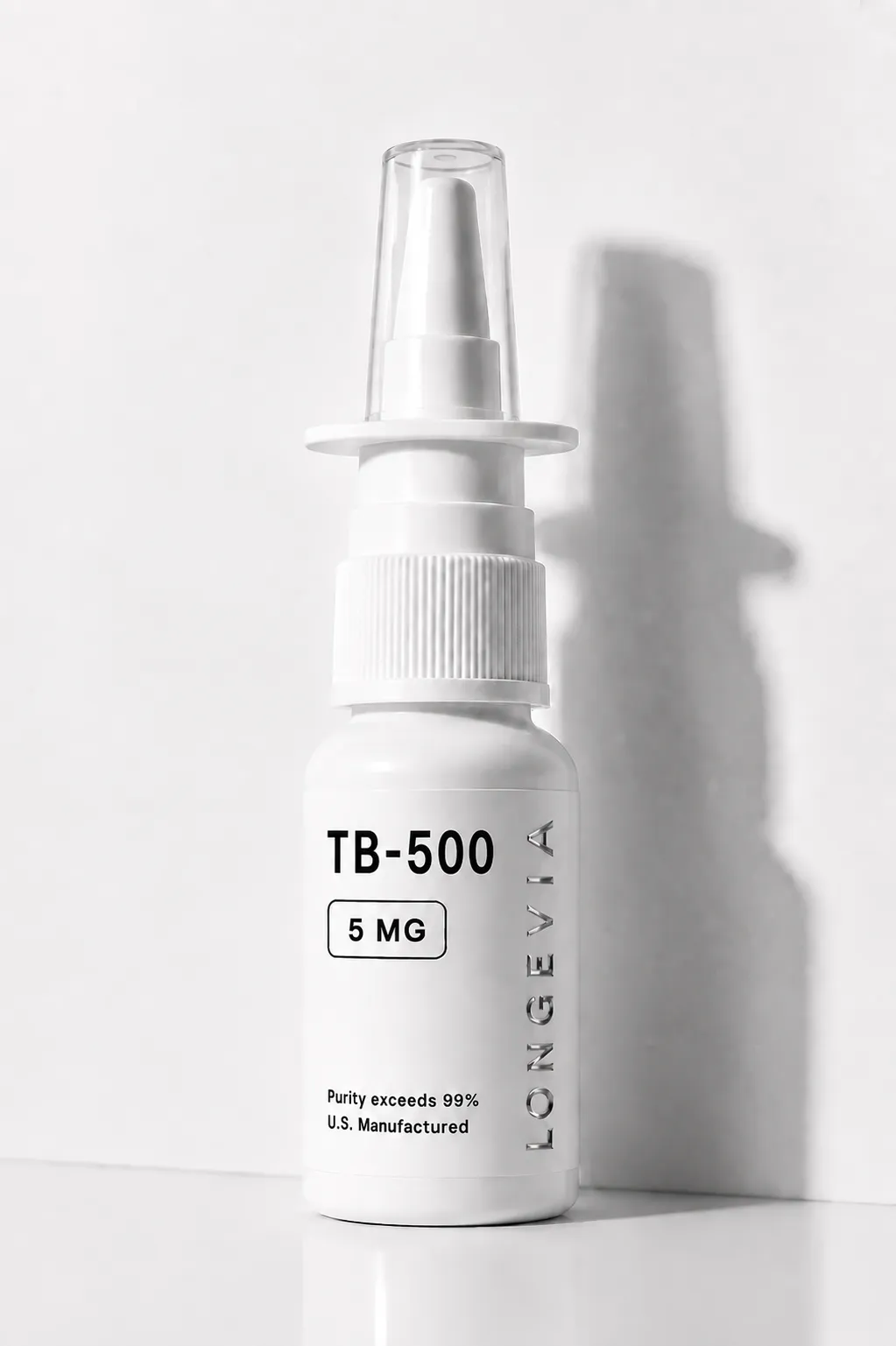
TB-500 — Spray
Longevia Research supplies TB-500 in 5mg and 10mg quantities in a 45-spray format for qualified laboratory research. TB-500 is a synthetic acetylated heptapeptide (Ac-LKKTETQ, CAS 885340-08-9) corresponding to the actin-binding domain of thymosin beta-4, investigated in G-actin sequestration, cytoskeletal dynamics, cell migration, and tissue biology research. Research Use Only.
$189.00
Slide to add
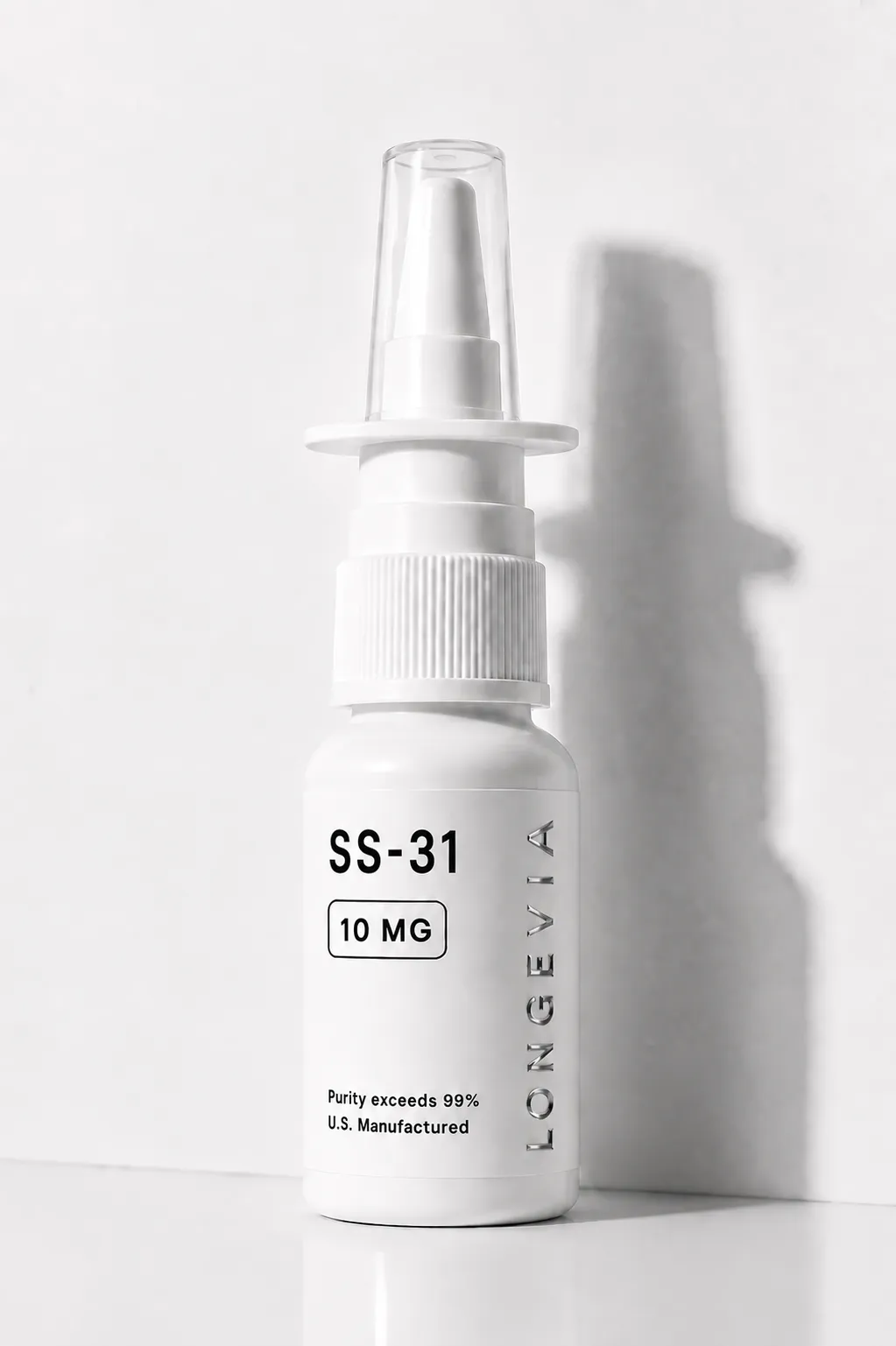
SS-31 — Spray
Longevia Research supplies SS-31 (elamipretide / MTP-131) in 10mg and 50mg quantities, 45-spray format, for qualified laboratory research. SS-31 is a synthetic mitochondria-targeted tetrapeptide investigated in cardiolipin, mitochondrial membrane biology, and mitochondrial bioenergetics research. Research Use Only.
$198.00
Slide to add
SNAP-8 — Spray
Longevia Research supplies SNAP-8 (Acetyl Octapeptide-3) in 10mg and 20mg quantities, 45-spray format, for qualified laboratory research. SNAP-8 is a synthetic acetylated octapeptide associated with SNAP-25 and SNARE-complex biology, investigated in neurotransmitter-release and vesicle-fusion research. Research Use Only.
$130.50
Slide to add
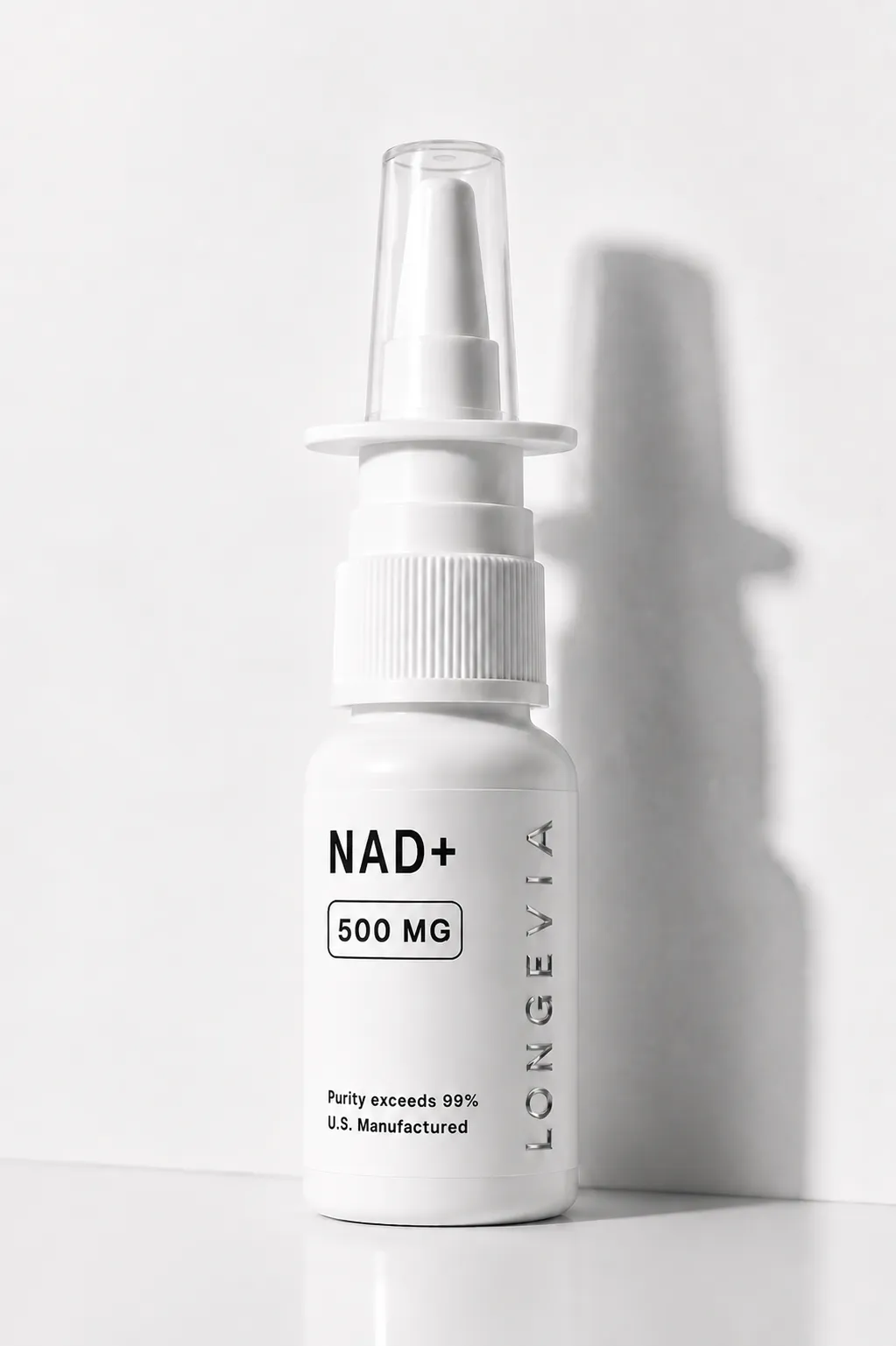
NAD+ Spray
Longevia Research supplies NAD+ (nicotinamide adenine dinucleotide) in 500mg and 1000mg quantities, 45-spray format, for qualified laboratory research. NAD+ is a redox-active dinucleotide coenzyme central to cellular metabolism, mitochondrial biology, sirtuin and PARP research. Research Use Only.
$162.00
Slide to add
Product FAQs
Find answers to common questions regarding storage, reconstitution, and testing guidelines for this specific compound.