Hormonal Health
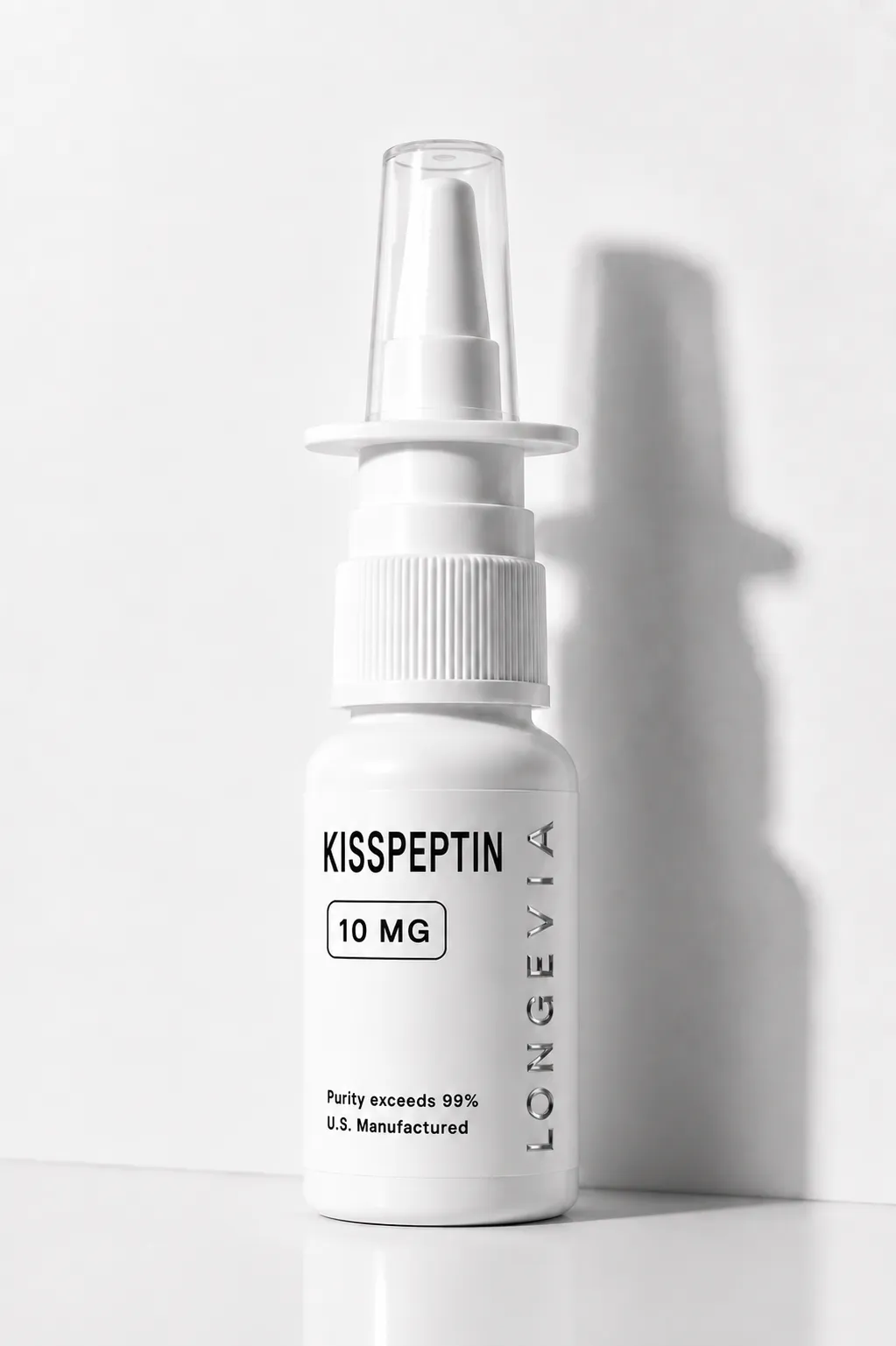
Kisspeptin 10mg — 45 Sprays
$252.00
1
Slide to Add
Purity≥99% Tested
TestingLC-MS Verified
LocationUS Based
Kisspeptin refers to a family of neuroendocrine signaling compounds encoded by the KISS1 gene — a locus originally identified in cancer research as a metastasis-associated gene before its products were recognized as regulators of reproductive neuroendocrinology. Biologically active kisspeptin forms are generated by proteolytic processing of the KISS1 precursor protein and include multiple isoforms of different lengths, among which kisspeptin-54 (Kp-54, also called metastin) and kisspeptin-10 (Kp-10) have been most extensively characterized in the published literature. All biologically active kisspeptin forms share a conserved C-terminal decaamino acid sequence essential for binding and activating the kisspeptin receptor KISS1R (also known as GPR54) — a G protein-coupled receptor expressed prominently on GnRH neurons in the hypothalamus. Kisspeptin–KISS1R signaling has been investigated as an important upstream regulatory mechanism in the hypothalamic-pituitary-gonadal (HPG) axis through both genetic and pharmacological research. Longevia Research supplies kisspeptin as 10mg per bottle in a liquid spray format — 45 sprays per bottle — for qualified laboratory and scientific research purposes only. Because the KISS1 gene produces multiple biologically active forms with distinct molecular identities, researchers whose experimental design depends on a specific isoform should confirm the molecular form from available analytical documentation before use.
Standard Delivery3-4 Working Days
Free ShippingOn all orders above $300
Product Details
Scientific identity
Kisspeptin is a family of neuroendocrine signaling compounds derived from the KISS1 gene (also written KiSS-1 or KISS-1), which encodes a 145-amino-acid precursor protein in humans. Proteolytic processing generates multiple biologically active isoforms, including kisspeptin-54 (Kp-54, CAS 374683-17-7) and kisspeptin-10 (Kp-10, CAS 374683-15-5). Kisspeptin-10 — the shortest fully active isoform — has the sequence Tyr-Asn-Trp-Asn-Ser-Phe-Gly-Leu-Arg-Phe-NH₂, molecular formula C₆₃H₈₃N₁₇O₁₄, and molecular weight of approximately 1,302.44 g/mol.
Compound class
KISS1-derived neuroendocrine signaling compound family; KISS1R agonist. Kisspeptin is classified as a Research Use Only material and is not a drug, dietary supplement, food, or cosmetic.
Isoform note
All biologically active kisspeptin isoforms share the conserved C-terminal decaamino acid sequence (Tyr-Asn-Trp-Asn-Ser-Phe-Gly-Leu-Arg-Phe-NH₂) required for KISS1R engagement, with the terminal Arg-Phe-NH₂ motif identified as particularly critical for receptor binding. Isoforms differ in length, molecular weight, and pharmacokinetic properties in experimental systems. Researchers should confirm the specific isoform present in this preparation from available analytical documentation prior to use in experiments where molecular identity is experimentally significant.
Primary molecular target
KISS1R (also designated GPR54) — a Class A Gq/11-coupled G protein-coupled receptor expressed prominently on GnRH neurons in the hypothalamus.
Product content
10mg per bottle; 45 sprays per bottle.
Physical form
Liquid research spray.
Purity
Research-grade. Researchers are encouraged to review available analytical documentation prior to incorporating this compound into laboratory workflows.
Analytical documentation
A batch-specific Certificate of Analysis is available on the Longevia Research website, covering compound identity, purity, and lot traceability.
Research-use classification
Research Use Only. Not approved for human or veterinary use. Not intended for administration to humans or animals.
Research Focus & Mechanism Overview
Receptor biology: KISS1R/GPR54 signaling. KISS1R is a seven-transmembrane Gq/11-coupled GPCR that mediates all known cellular effects of kisspeptin isoforms. Agonist binding activates phospholipase C, generating IP3 and DAG, which mobilizes intracellular calcium from the endoplasmic reticulum and activates protein kinase C. In GnRH neuron experimental systems, kisspeptin-induced calcium transients have been associated with membrane depolarization and action potential firing in electrophysiological studies. KISS1R has also been reported to activate MAPK/ERK signaling through both G protein-dependent and β-arrestin-dependent mechanisms, though the relative contributions of these pathways in different cell types remain under investigation. KISS1R is expressed at high levels on GnRH neurons in the hypothalamic arcuate nucleus, the receptor population considered most relevant to kisspeptin's reproductive neuroendocrine functions based on genetic and pharmacological evidence.
HPG-axis and GnRH research context
The pivotal importance of kisspeptin–KISS1R signaling in reproductive biology was established through human genetic studies reporting that loss-of-function mutations in KISS1 or KISS1R cause isolated hypogonadotropic hypogonadism — a failure of pubertal development and reproductive function attributable to absent or impaired GnRH secretion. Subsequent research characterized arcuate nucleus KNDy neurons (co-expressing Kisspeptin, Neurokinin B, and Dynorphin) as central components of the GnRH pulse generator. In this framework, kisspeptin signaling to GnRH neurons drives pulsatile GnRH release, which drives pulsatile LH and FSH secretion from the pituitary. It is important to note that kisspeptin is positioned upstream of GnRH in this cascade — it is not GnRH, LH, FSH, or a sex steroid, and research documenting kisspeptin-driven gonadotropin changes in experimental systems describes modulation of a complex multi-step signaling cascade rather than direct gonadal action.
Key research areas
Published research involving kisspeptin spans KISS1R receptor pharmacology, GnRH neuron electrophysiology, hypothalamic neuroendocrine circuit biology, puberty and developmental reproductive research, and HPG-axis regulation in animal models and human pharmacological studies. Cell-based KISS1R receptor pharmacology studies have characterized binding kinetics, calcium mobilization potency, and receptor internalization for kisspeptin-10 and kisspeptin-54. Controlled human pharmacological research — primarily from the Dhillo group at Imperial College London — has examined kisspeptin-10 and kisspeptin-54 administered by intravenous infusion in healthy volunteers and individuals with hypothalamic amenorrhea, characterizing acute LH secretory responses. Additional research areas include kisspeptin in placental biology, metabolic-reproductive axis interactions in animal models, and KISS1 gene expression in cancer biology contexts. All findings are from specific experimental or investigational research contexts and do not establish human therapeutic efficacy or safety for this product.
Distinction from related compounds and important context
Kisspeptin is structurally and functionally distinct from GnRH, LH, FSH, hCG, and sex steroids. Human clinical research findings from investigational kisspeptin formulations administered under defined routes and medical supervision do not establish the safety, efficacy, or bioavailability of the Longevia Research spray preparation. The physiological roles of endogenous kisspeptin in HPG-axis regulation represent established scientific knowledge about the endogenous hormone system — they do not constitute evidence that this product produces any particular physiological or therapeutic outcome in humans.
Quality & Purity Standards
Quality in kisspeptin research material requires specific consideration of the peptide family's inherent nomenclature complexity. Because "kisspeptin" encompasses multiple biologically active isoforms with different molecular identities, the foundational analytical requirement for any kisspeptin research preparation is establishing which specific isoform is present in the preparation — prior to any assessment of purity or biological activity.
Isoform identity confirmation: For kisspeptin research material, the first analytical question is which molecular form is present: kisspeptin-10 (C₆₃H₈₃N₁₇O₁₄, MW ~1,302.44 g/mol), kisspeptin-54, or another member of the kisspeptin family. These have substantially different molecular weights — approximately 1,302 g/mol for kisspeptin-10 versus approximately 6,000+ g/mol for kisspeptin-54 — making mass spectrometric analysis an effective tool for isoform identification. Researchers planning experiments that depend on a specific isoform should confirm the molecular form from available analytical documentation before use.
Mass spectrometric identity confirmation: Mass spectrometry — particularly electrospray ionization approaches — provides molecular weight confirmation at a resolution sufficient to distinguish kisspeptin-10 from kisspeptin-54 and from potential truncation or deletion products. This analysis is particularly important given the nomenclature ambiguity around "kisspeptin" and the pharmacological significance of the C-terminal Arg-Phe-NH₂ motif for KISS1R engagement. Confirmation of the C-terminal amide, which is present in all biologically active kisspeptin isoforms, is also analytically relevant.
Sequence integrity: For kisspeptin-10, the intact 10-residue sequence (Tyr-Asn-Trp-Asn-Ser-Phe-Gly-Leu-Arg-Phe-NH₂) includes two tryptophan residues (note: Trp is at position 3 of the Kp-10 sequence and is susceptible to oxidation under certain conditions) and an Asn residue prone to deamidation. Analytical approaches addressing the integrity of these residues — such as HPLC with UV detection at 280 nm for Trp-containing peptides, or LC-MS for deamidation monitoring — are relevant quality considerations for kisspeptin-10 research materials.
Chromatographic purity assessment: High-performance liquid chromatography provides quantitative purity assessment, separating kisspeptin from truncated forms, oxidized variants, and synthesis-related impurities. HPLC combined with mass spectrometric detection provides comprehensive characterization of a kisspeptin preparation.
KISS1R activity: For cell biology applications, the biological activity of kisspeptin preparations — their ability to activate KISS1R and stimulate intracellular calcium mobilization in KISS1R-expressing cell systems — is a relevant functional quality parameter. Researchers may wish to verify KISS1R activity prior to use in experiments where the compound's pharmacological function is central to the experimental design.
Batch traceability: Linking experimental results to a defined, analytically characterized batch of kisspeptin is essential for reproducible research. This is particularly important when results from experiments using kisspeptin will be interpreted in the context of published literature, where the specific isoform and purity of the preparation should be documented.
Longevia Research is committed to supplying research compounds that support rigorous scientific inquiry. Researchers are encouraged to review available analytical documentation for this product — including confirmation of the specific kisspeptin isoform — prior to incorporating it into laboratory workflows.
Compliance Notice
Kisspeptin 10mg — 45 Sprays is supplied by Longevia Research strictly for research and laboratory use only. This product is not approved by the FDA or any global regulatory authority for human consumption, veterinary use, or therapeutic application. It is not a drug, dietary supplement, food, or cosmetic, and it is not manufactured, labeled, or sold as any of these under any applicable regulatory framework.
Kisspeptin is a family of KISS1-derived neuroendocrine signaling peptides, and the endogenous kisspeptin signaling system plays established roles in reproductive neuroendocrinology and HPG-axis regulation. The existence of these physiological roles — and the published experimental and clinical pharmacology literature documenting kisspeptin's effects in specific experimental models and controlled human research settings — does not establish that the Longevia Research kisspeptin spray produces any therapeutic or physiological benefit in users. Evidence from clinical research involving specific kisspeptin formulations administered by defined routes under medical supervision does not automatically apply to this spray product.
No claims made regarding kisspeptin on this website are intended to diagnose, treat, cure, or prevent any disease or medical condition in humans or animals. The research findings summarized on this page arise from biochemical studies, cell-based experiments, animal model research, and controlled human pharmacological investigations of endogenous kisspeptin biology and experimental kisspeptin isoform pharmacology. These findings do not establish human therapeutic efficacy or safety for the Longevia Research kisspeptin spray preparation for any application — including fertility, testosterone production, ovulation, reproductive health, puberty regulation, or any other consumer or clinical outcome.
This product is sold exclusively to qualified researchers, laboratories, and scientific institutions for in-vitro and non-clinical laboratory research purposes. It is not intended for personal use, self-administration, resale for human consumption, or any application outside of a controlled research environment. Purchasers are responsible for ensuring that the acquisition, possession, handling, storage, use, and disposal of this compound are conducted in full compliance with all applicable local, state, federal, and international laws and institutional policies governing research chemicals.
By purchasing Kisspeptin 10mg — 45 Sprays from Longevia Research, the buyer confirms they are acquiring the product for legitimate scientific research purposes, agrees to handle and store it in accordance with applicable laboratory safety standards, and assumes full responsibility for compliance with all laws and regulations governing the purchase and use of research chemicals in their jurisdiction.
Continue Exploring
Also Considered.
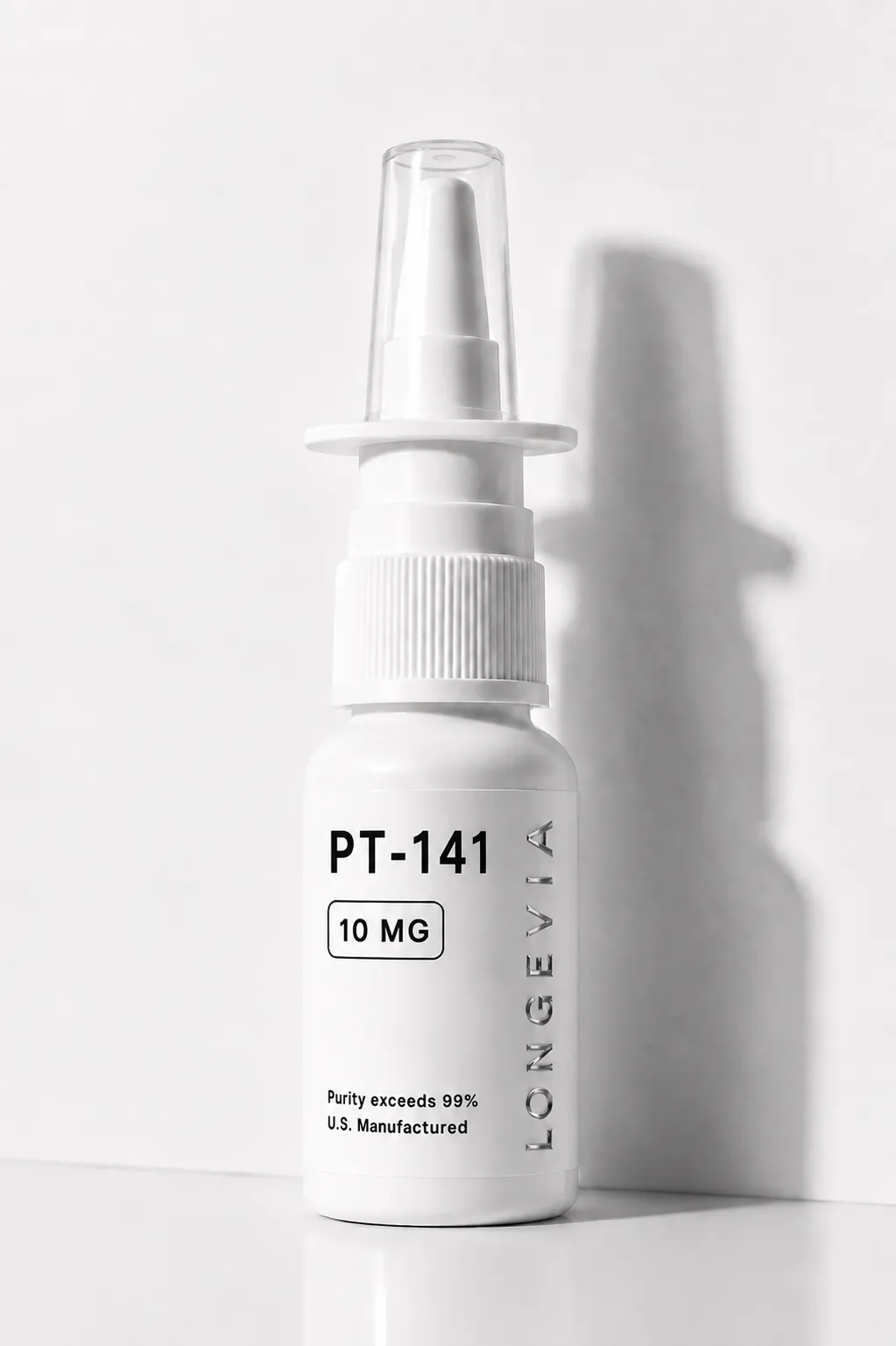
PT-141 10mg — 45 Sprays
Longevia Research supplies PT-141 (bremelanotide) 10mg in a 45-spray format for qualified laboratory research. PT-141 is a synthetic cyclic heptapeptide and melanocortin receptor agonist investigated in MC4R signaling, sexual-function research, and melanocortin receptor pharmacology. Research Use Only.
$180.00
Slide to add
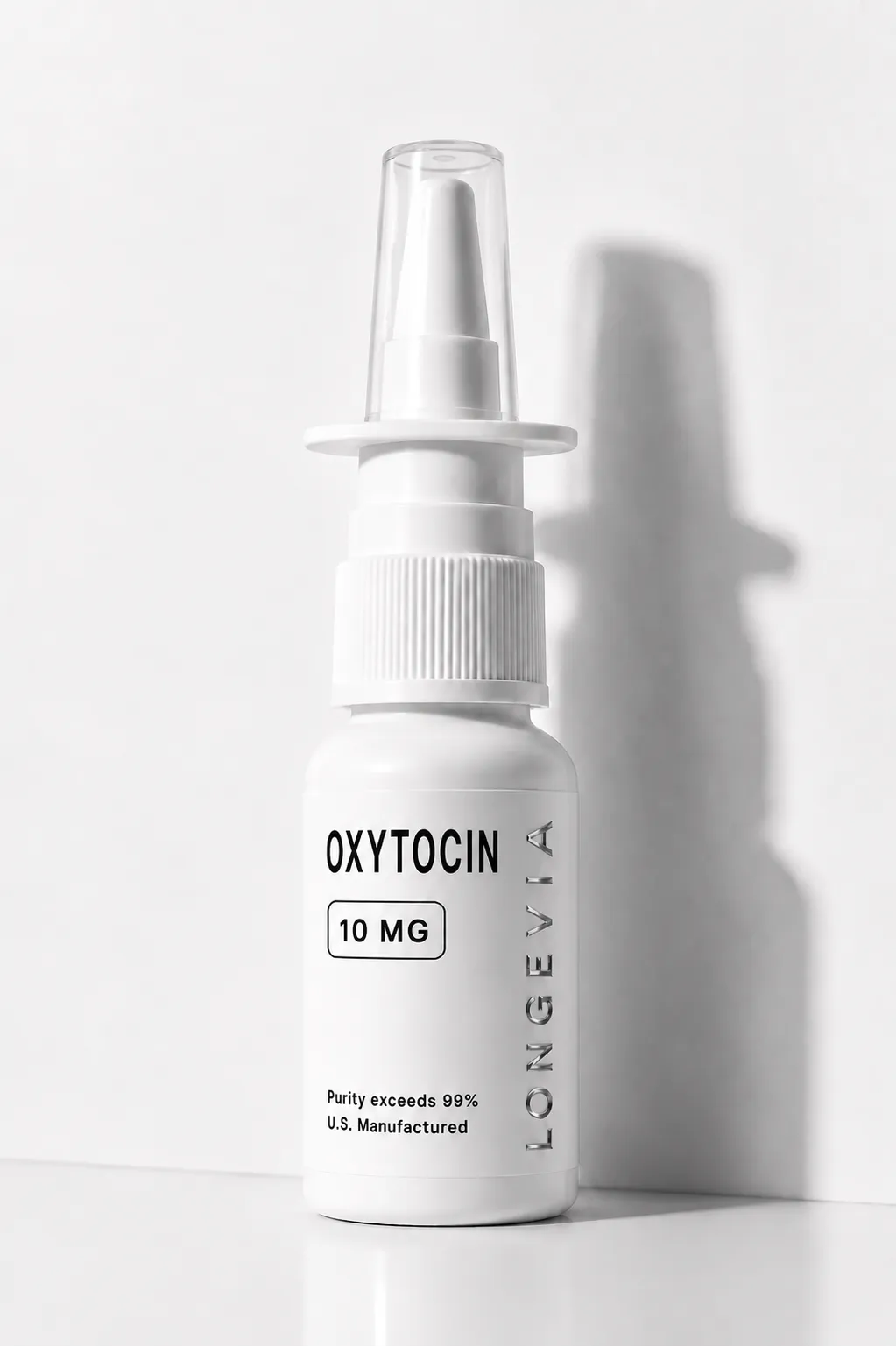
Oxytocin 10mg — 90 Sprays
Longevia Research supplies Oxytocin 10mg in a 90-spray format for qualified laboratory research. Oxytocin is a naturally occurring nonapeptide hormone and neuropeptide studied in neuroendocrine biology, reproductive physiology, oxytocin receptor (OXTR) signaling, and social-behavior research. Research Use Only.
$180.00
Slide to add
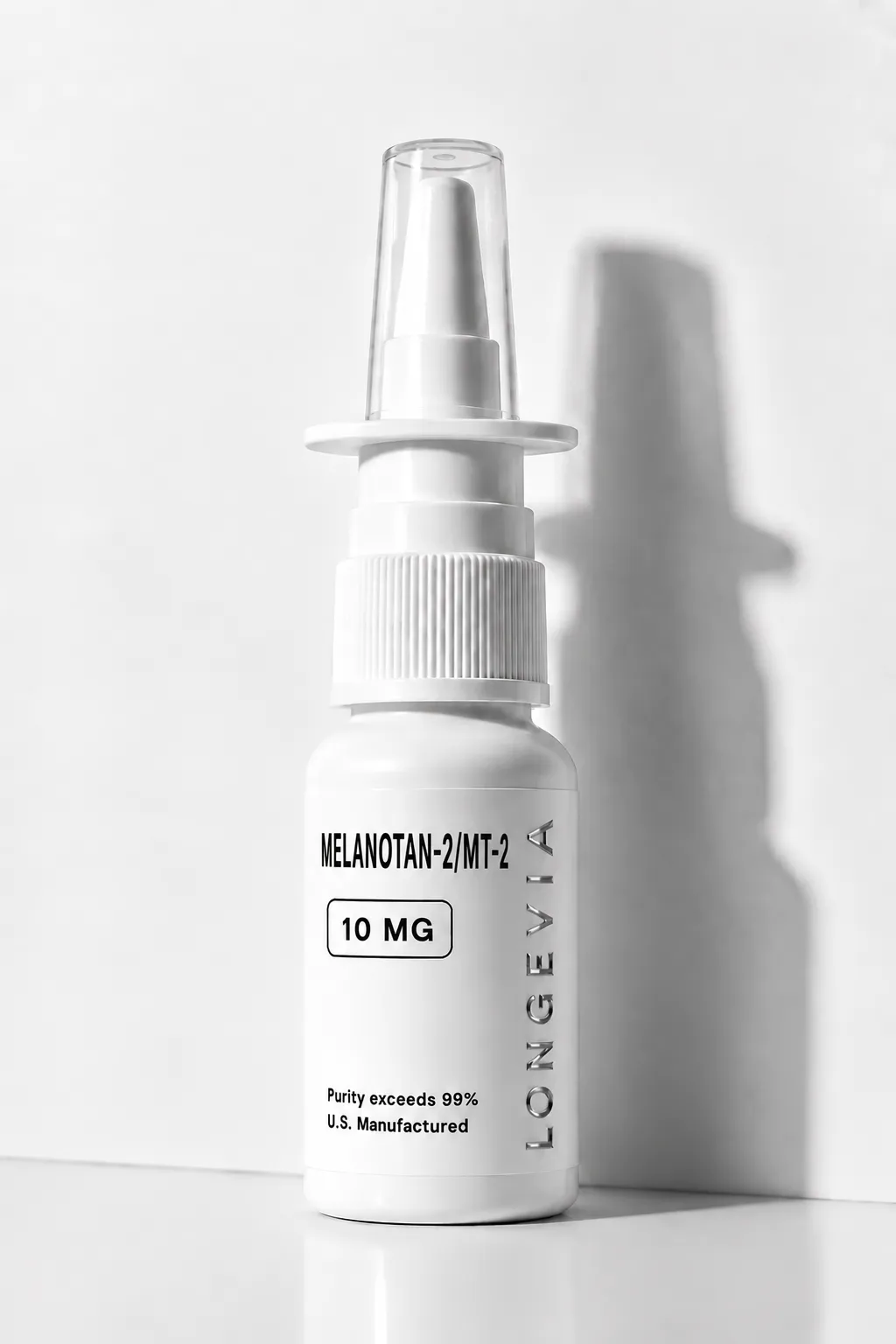
Melanotan-II 10mg — 45 Sprays
Longevia Research supplies Melanotan-II (Melanotan 2, MT-II) 10mg in a 45-spray format for qualified laboratory research. Melanotan-II is a synthetic cyclic melanocortin peptide analogue investigated for activity at MC1R, MC3R, MC4R, and MC5R in receptor pharmacology and pigmentation research. Research Use Only.
$148.50
Slide to add
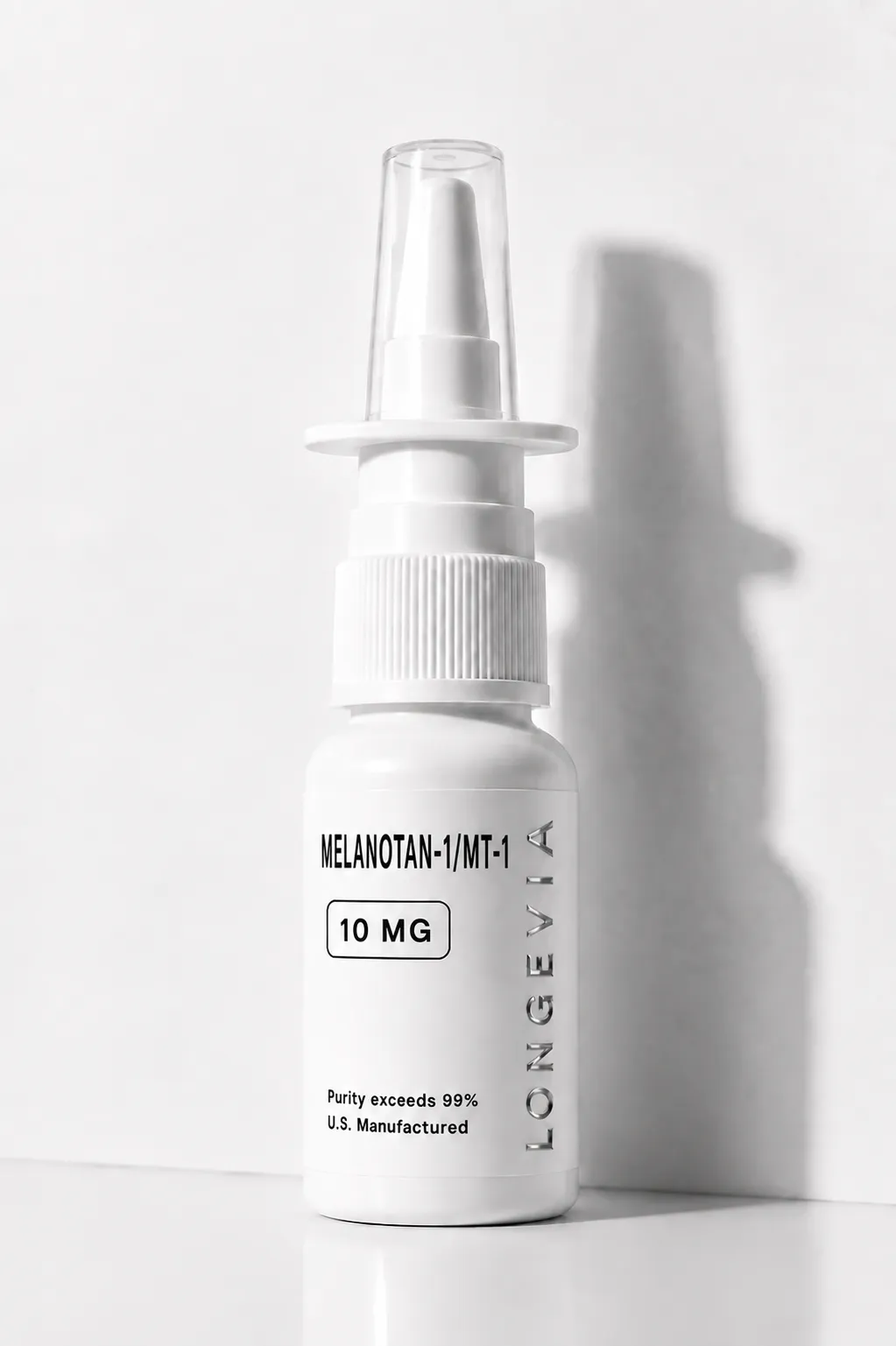
Melanotan-1 10mg — 45 Sprays
Longevia Research supplies Melanotan-1 (Melanotan I, MT-1) 10mg in a 45-spray format for qualified laboratory research. Melanotan-1 is a synthetic α-MSH analogue and melanocortin research peptide studied in relation to MC1R signaling, melanogenesis, and pigmentation biology. Research Use Only.
$144.00
Slide to add
Product FAQs
Find answers to common questions regarding storage, reconstitution, and testing guidelines for this specific compound.