Hormonal Health
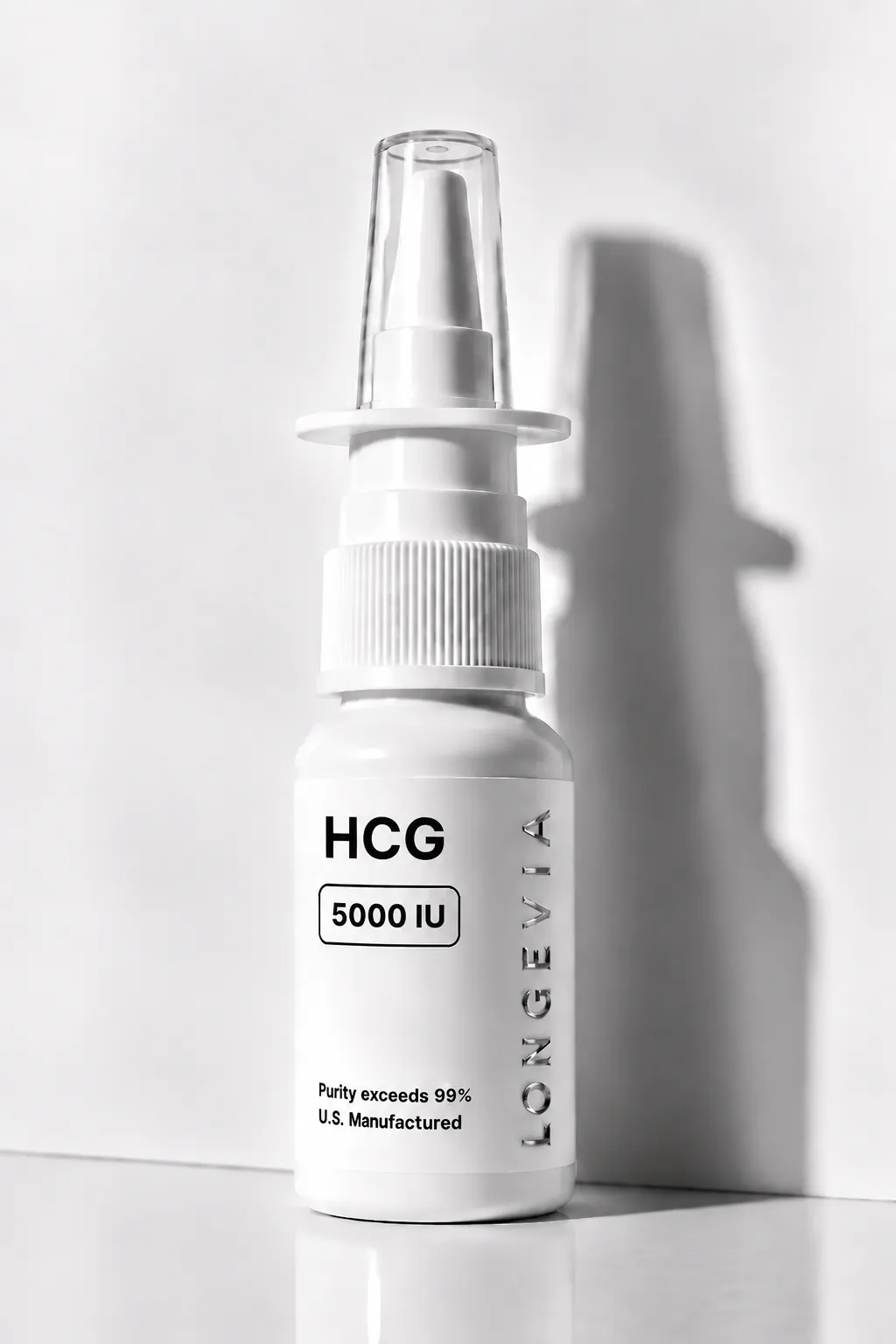
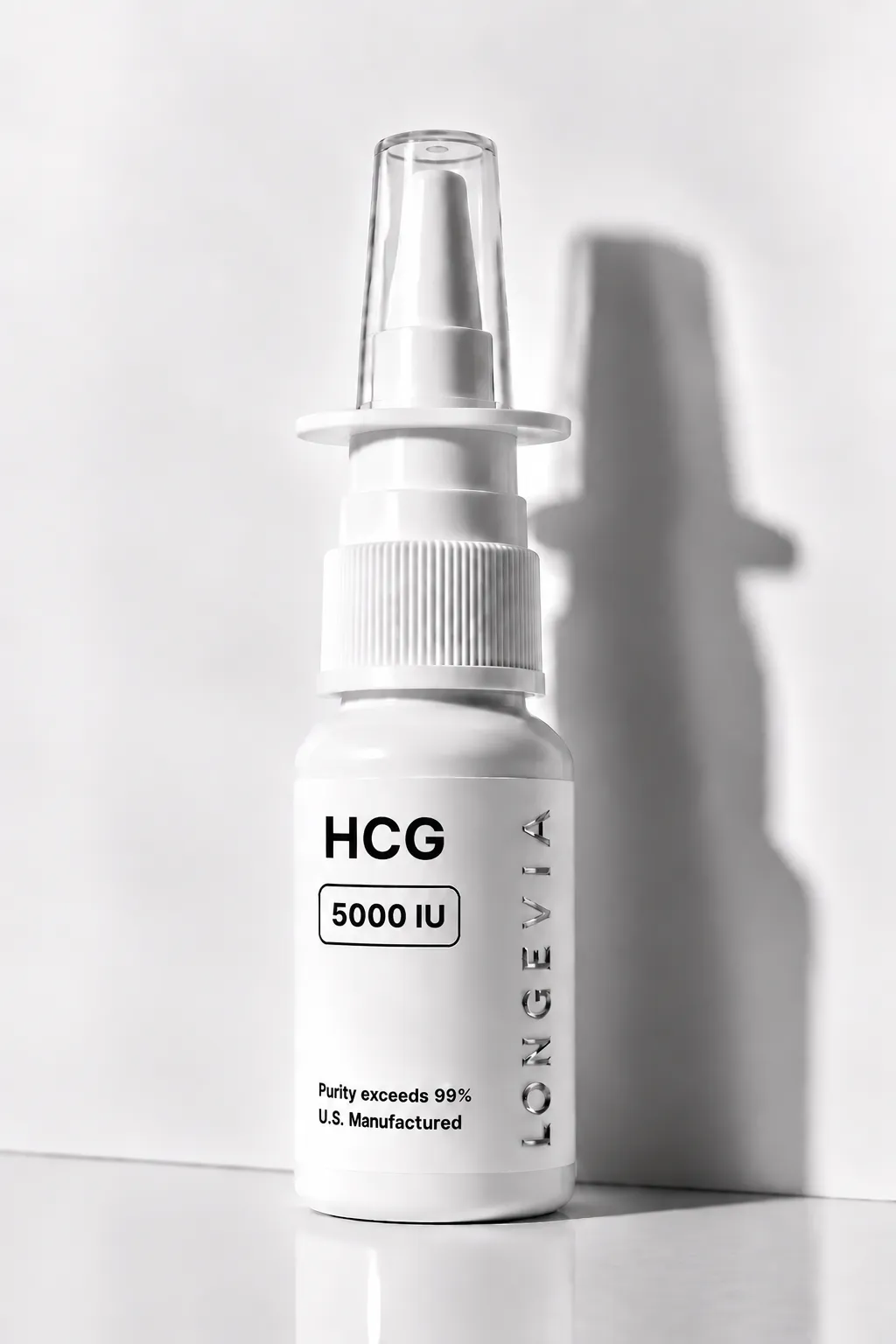
HCG 5000 IU / 10000 IU — 45 Sprays
$153.00
1
Slide to Add
Purity≥99% Tested
TestingLC-MS Verified
LocationUS Based
HCG (human chorionic gonadotropin) is a naturally occurring heterodimeric glycoprotein gonadotropin hormone composed of two distinct polypeptide subunits: an alpha subunit shared in structure with luteinizing hormone (LH), follicle-stimulating hormone (FSH), and thyroid-stimulating hormone (TSH); and a beta subunit specific to hCG that confers its biological identity and receptor specificity. hCG binds and activates the luteinizing hormone/choriogonadotropin receptor (LHCGR) — a G protein-coupled receptor also targeted by endogenous LH — and has been extensively investigated in research contexts including gonadotropin biology, reproductive endocrinology, LHCGR-mediated signaling, Leydig-cell and steroidogenic biology, and placental biology. Longevia Research supplies hCG in two stated potency variants — 5000 IU and 10000 IU — each in a liquid spray format containing 45 sprays per bottle, for qualified laboratory and scientific research purposes only.
Standard Delivery3-4 Working Days
Free ShippingOn all orders above $300
Product Details
Scientific identity
HCG (human chorionic gonadotropin; CAS 9002-61-3) is a naturally occurring heterodimeric glycoprotein gonadotropin hormone produced primarily by syncytiotrophoblast cells of the human placenta. It is a member of the glycoprotein hormone family alongside LH, FSH, and TSH.
Compound class
Glycoprotein hormone; gonadotropin; heterodimeric protein hormone. hCG is not a synthetic research peptide, steroid hormone, or small-molecule compound. Classified as a Research Use Only material and is not a drug, dietary supplement, food, or cosmetic in this context.
Subunit structure
hCG is a non-covalent heterodimer of two polypeptide subunits. The alpha subunit (92 amino acids) is structurally shared with LH, FSH, and TSH and is biologically inactive in isolation; biological specificity is conferred entirely by the beta subunit. The beta subunit (145 amino acids) is specific to hCG and includes a unique 24-amino-acid C-terminal extension — not present in LH — carrying 4 O-linked oligosaccharide chains that are responsible for hCG's substantially longer serum half-life relative to LH. Both subunits must be non-covalently associated for full LHCGR binding and activation; individual subunits have substantially lower receptor affinity than the intact heterodimer.
Glycosylation and molecular weight
The total hCG heterodimer carries 6 carbohydrate chains — 2 N-linked on the alpha subunit, 2 N-linked on the beta subunit, and 4 O-linked in the beta C-terminal extension. Glycan heterogeneity is a fundamental biochemical property of glycoprotein hormones, meaning the molecular weight of hCG cannot be expressed as a single precise figure; the intact heterodimer is typically cited at approximately 36,700–38,000 Da (~36.7–38 kDa), with variability reflecting carbohydrate content differences rather than a product quality issue.
Distinction from LH
hCG and LH share the LHCGR receptor and the common alpha subunit but are distinct hormones with different beta subunits and substantially different pharmacokinetic profiles. hCG's serum half-life (~24–36 hours) is far longer than LH's (~20–60 minutes) due to the unique C-terminal beta subunit extension, producing sustained rather than pulsatile LHCGR signaling. Research findings from LH studies should not be directly transferred to hCG without appropriate consideration of these differences.
Biological activity units
The 5000 IU and 10000 IU designations represent stated biological potency in International Units, not a direct mass quantity. IU values cannot be converted to mg or mcg using a universal factor without preparation-specific and assay-specific information.
Product content: Available in two variants: 5000 IU per bottle and 10000 IU per bottle; 45 sprays per bottle for both variants.
Physical form: Liquid research spray.
Purity: Research-grade.
Analytical documentation
A batch-specific Certificate of Analysis is available on the Longevia Research website, covering hormone identity, biological potency, and lot traceability.
Research-use classification
Research Use Only. Not approved for human or veterinary use in this form. Not intended for administration to humans or animals outside of qualified research contexts.
Research Focus & Mechanism Overview
Research background
Human chorionic gonadotropin is one of the most extensively studied human hormones in biomedical science. Its importance derives from its central role in human reproductive biology — specifically as the primary endocrine signal through which the developing conceptus maintains the corpus luteum during early pregnancy, sustaining progesterone production until the placenta assumes steroidogenic function in the luteo-placental shift — and from its value as a pharmacological tool for studying the LHCGR signaling axis and gonadal biology. The exponential rise in hCG production during the first trimester and subsequent decline after placental steroidogenesis is established make hCG measurement a central tool in pregnancy monitoring research and clinical obstetrics, and its production by trophoblastic neoplasms makes it a sensitive tumor marker in gynecological oncology research.
Molecular target and mechanism
LHCGR is a Class A GPCR belonging to the leucine-rich repeat-containing GPCR family, characterized by a large extracellular leucine-rich repeat domain that accommodates the glycoprotein hormone ligand — a structurally distinct feature from smaller-ligand GPCRs that has been characterized by X-ray crystallography and cryo-EM. hCG binding primarily activates Gs protein coupling, stimulating adenylate cyclase to produce cAMP from ATP. Elevated intracellular cAMP activates PKA, which phosphorylates substrates including steroidogenic acute regulatory protein (StAR) and transcription factors such as CREB — driving downstream steroidogenic and gene-regulatory responses in gonadal cell experimental systems. In Leydig-cell systems, PKA-mediated StAR phosphorylation facilitates the rate-limiting step of steroidogenesis — cholesterol transfer into the inner mitochondrial membrane — and activates transcriptional regulators governing steroidogenic enzyme gene expression. These are cellular-level biochemical findings from Leydig-cell experimental systems and do not directly constitute evidence of clinical testosterone production outcomes from this product. At higher receptor occupancy, LHCGR has also been reported to couple to Gq/11 proteins, activating phospholipase C and generating IP3 and DAG; ERK1/2 and AKT signaling have also been examined in various LHCGR-expressing cell contexts. The sustained LHCGR occupancy produced by hCG relative to pulsatile LH signaling — attributable to the O-linked carbohydrate chains in the unique C-terminal beta extension — has been studied in relation to receptor desensitization, steroidogenic output kinetics, and gene-expression profiles in gonadal cell experimental systems.
Key research areas
Published research spans cell-based and biochemical studies using Leydig-cell cultures, granulosa-cell cultures, and trophoblast/choriocarcinoma cell lines characterizing the cAMP/PKA signaling cascade, receptor desensitization kinetics, and steroidogenic enzyme induction; animal model research using rodent models and transgenic/knockout systems — including LHCGR knockout mice — to establish physiological roles of LHCGR signaling in reproductive function; structural biology studies characterizing the hCG-LHCGR complex and individual subunits; ovarian biology research examining granulosa-cell signaling, follicular maturation, luteinization, and corpus-luteum function; placental biology research examining trophoblast hCG biosynthesis, corpus-luteum maintenance mechanisms, and placental-uterine signaling; and receptor pharmacology research using hCG as a reference agonist for studying GPCR activation mechanisms, G protein selectivity, and second-messenger signaling dynamics in gonadotropin biology. All preclinical findings are reported to provide scientific context and do not constitute evidence of human therapeutic efficacy or safety for this product.
Human research and regulatory context
hCG has been extensively studied in human subjects as both an endogenous hormone and in clinical research involving pharmaceutical hCG formulations, with established approved medical uses in fertility treatment and certain male hypogonadal conditions. Three critical distinctions apply when considering this literature in relation to the Longevia Research product. First, the general human physiology and endocrinology literature establishes the biology of the hormone at a population level — it does not validate this preparation. Second, clinical research has used specifically formulated, regulatory-approved pharmaceutical preparations administered by defined routes (typically intramuscular or subcutaneous injection) in defined patient populations; these findings cannot be assumed to apply to a spray formulation for which no pharmacokinetic or bioavailability data are stated. Third and most importantly: the human clinical literature concerning hCG generally and pharmaceutical hCG formulations specifically does not establish the safety, efficacy, bioavailability, or pharmacokinetics of the Longevia Research HCG spray product. This product is supplied strictly as a Research Use Only material; its clinical equivalence to approved pharmaceutical hCG products should not be assumed.
Quality & Purity Standards
Quality in glycoprotein hormone research material requires a fundamentally different analytical framework from that applied to synthetic research peptides. Unlike a synthetic peptide defined by a single invariant amino acid sequence and calculable molecular weight, hCG is a heterodimeric glycoprotein with inherent molecular heterogeneity arising from its carbohydrate content. This structural complexity means that quality characterization of hCG research material must address several dimensions simultaneously.
Identity confirmation — subunit verification: Confirmation that the supplied material contains the hCG-specific beta subunit — distinguishable from LH beta, FSH beta, and TSH beta — is fundamental to establishing that the material is genuine hCG rather than a related gonadotropin. Immunological characterization using anti-hCG and anti-hCGβ antibodies, or mass spectrometric analysis at the subunit level, provides the primary analytical basis for identity verification.
Biological potency characterization: Because hCG activity is expressed in International Units, meaningful potency characterization requires an appropriate biological or reference-based method — such as an in-vitro receptor-binding assay or a validated immunoassay calibrated against a WHO reference standard — rather than simple mass-based purity assessment. Biological activity units and mass-based purity are complementary but distinct analytical parameters, and both are relevant to research use.
Molecular heterogeneity and glycosylation: The glycan heterogeneity of hCG — which gives rise to a molecular weight range of approximately 36.7–38 kDa rather than a single precise value — means that mass spectrometric characterization of hCG research material typically yields a characteristic molecular weight distribution or charge-state envelope rather than a single peak. Researchers should interpret mass spectrometric data for glycoprotein hormones differently from data for homogeneous synthetic peptides.
Dimer integrity: Biologically active hCG requires non-covalent association of the alpha and beta subunits. Dissociation into individual subunits reduces biological activity substantially, as isolated subunits have much lower receptor affinity than the intact heterodimer. Analytical methods confirming the intact heterodimer status — such as native mass spectrometry, size-exclusion chromatography under non-denaturing conditions, or non-denaturing gel electrophoresis — are relevant quality parameters for research use.
Chromatographic characterization: Reversed-phase HPLC provides a measure of the peptide backbone purity of the hormone following glycoprotein denaturation and reduction, while size-exclusion chromatography can assess the intact dimeric form. Both approaches are complementary characterization tools for glycoprotein research materials.
Batch traceability: Linking experimental results to a defined, analytically characterized batch of hCG is a prerequisite for reproducible research. Batch-specific documentation supports data integrity and compliance with institutional requirements governing research material use.
Longevia Research is committed to supplying research materials that support rigorous scientific inquiry. Researchers are encouraged to review available analytical documentation for this product prior to incorporating it into laboratory workflows.
Compliance Notice
HCG 5000 IU / 10000 IU — 45 Sprays is supplied by Longevia Research strictly for research and laboratory use only. This product is not approved by the FDA or any global regulatory authority for human consumption, veterinary use, or therapeutic application in this form. It is not a drug, dietary supplement, food, or cosmetic, and it is not manufactured, labeled, or sold as any of these under any applicable regulatory framework.
While human chorionic gonadotropin is a naturally occurring human hormone and pharmaceutical hCG formulations have established medical uses, those clinical applications pertain to specifically formulated, regulatory-approved pharmaceutical products administered through defined routes under medical supervision. The Longevia Research HCG spray product has not been approved by any regulatory authority, and the clinical evidence base for pharmaceutical hCG formulations does not automatically extend to this product. The bioavailability, pharmacokinetics, safety, and efficacy of this specific preparation through its spray format have not been established in published clinical research.
No claims made regarding this hCG preparation on this website are intended to diagnose, treat, cure, or prevent any disease or medical condition in humans or animals. Research findings described on this page — whether from biochemical assays, cell-based studies, animal models, or human physiological and clinical research involving hCG generally — do not establish human efficacy or safety for the Longevia Research HCG spray product for any application, including fertility, testosterone production, reproductive health, athletic performance, or any other consumer or therapeutic outcome.
This product is sold exclusively to qualified researchers, laboratories, and scientific institutions for in-vitro and non-clinical laboratory research purposes. It is not intended for personal use, self-administration, resale for human consumption, or any application outside of a controlled research environment. Purchasers are responsible for ensuring that the acquisition, possession, handling, storage, use, and disposal of this compound are conducted in full compliance with all applicable local, state, federal, and international laws and institutional policies governing research materials.
By purchasing HCG 5000 IU / 10000 IU — 45 Sprays from Longevia Research, the buyer confirms they are acquiring the product for legitimate scientific research purposes, agrees to handle and store it in accordance with applicable laboratory safety standards, and assumes full responsibility for compliance with all laws and regulations governing the purchase and use of research materials in their jurisdiction.
Continue Exploring
Also Considered.
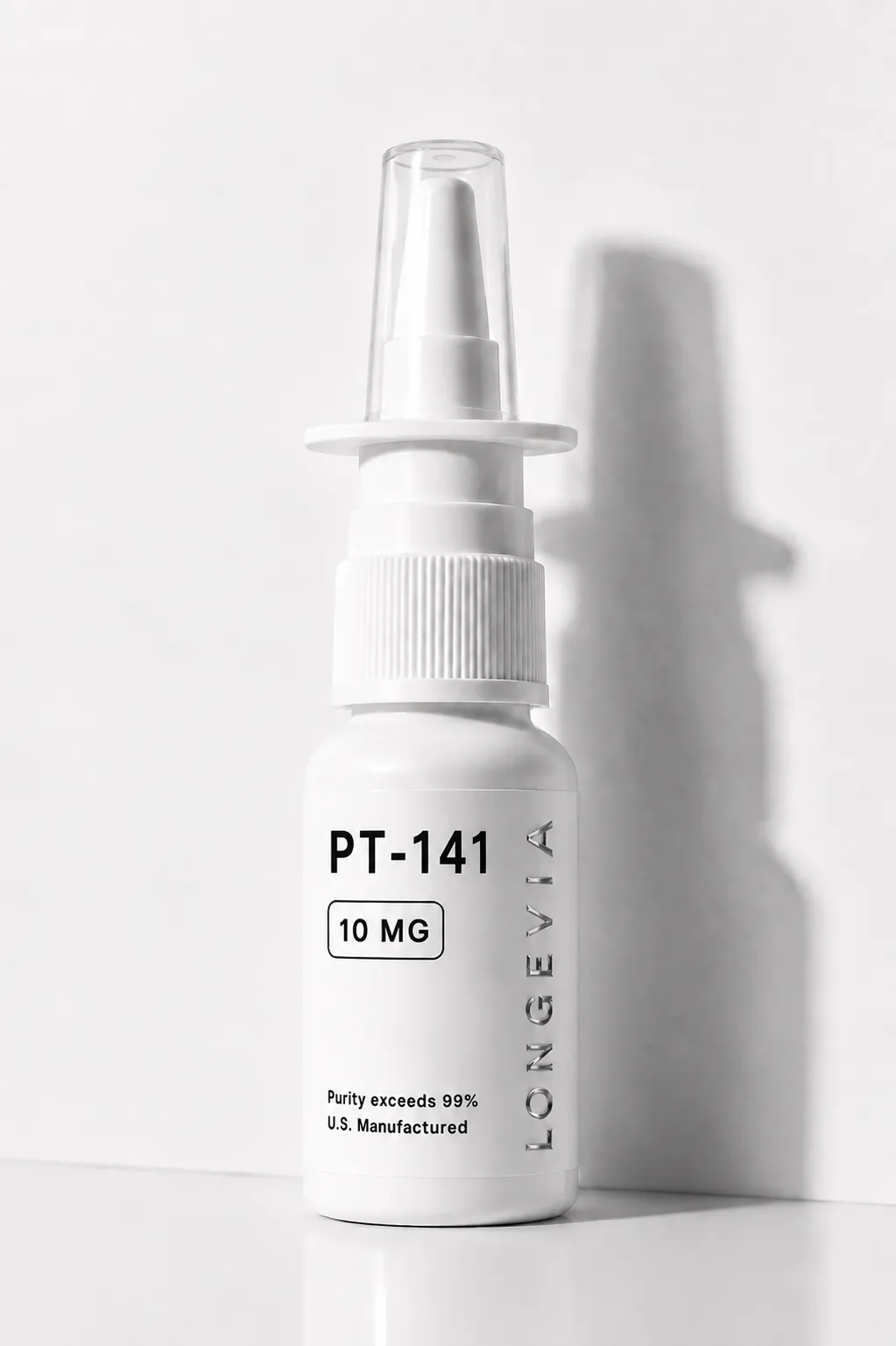
PT-141 10mg — 45 Sprays
Longevia Research supplies PT-141 (bremelanotide) 10mg in a 45-spray format for qualified laboratory research. PT-141 is a synthetic cyclic heptapeptide and melanocortin receptor agonist investigated in MC4R signaling, sexual-function research, and melanocortin receptor pharmacology. Research Use Only.
$180.00
Slide to add
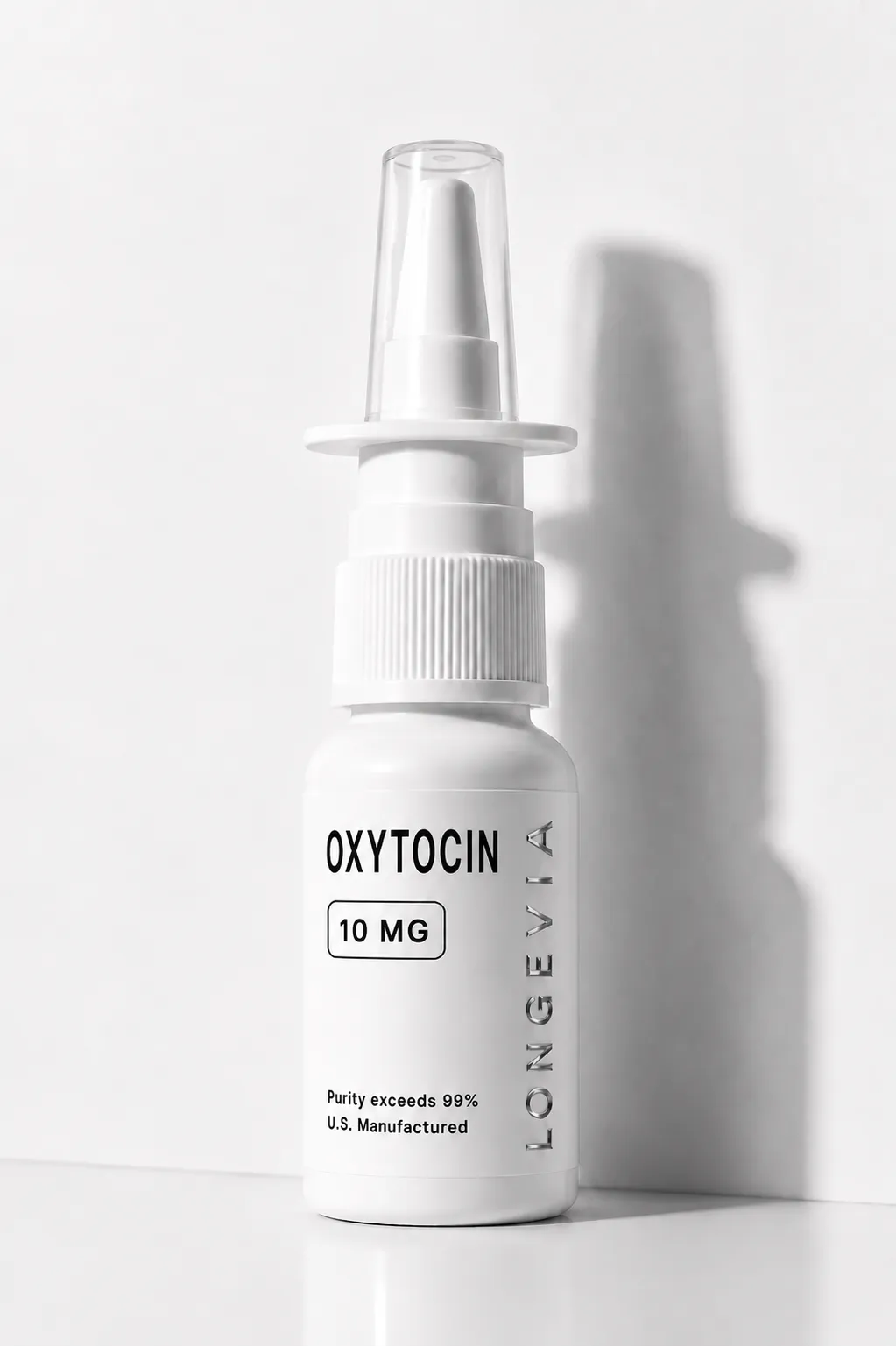
Oxytocin 10mg — 90 Sprays
Longevia Research supplies Oxytocin 10mg in a 90-spray format for qualified laboratory research. Oxytocin is a naturally occurring nonapeptide hormone and neuropeptide studied in neuroendocrine biology, reproductive physiology, oxytocin receptor (OXTR) signaling, and social-behavior research. Research Use Only.
$180.00
Slide to add
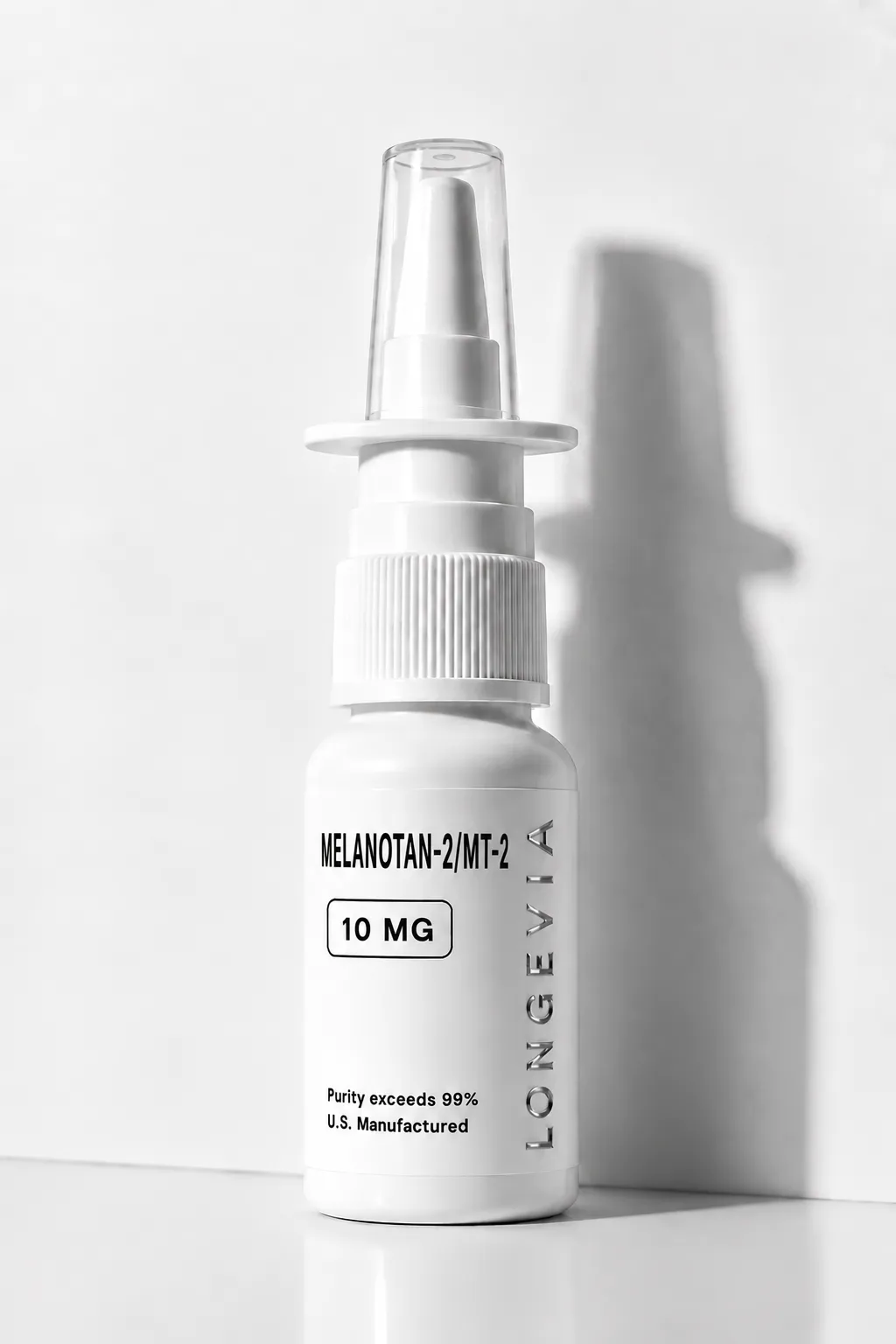
Melanotan-II 10mg — 45 Sprays
Longevia Research supplies Melanotan-II (Melanotan 2, MT-II) 10mg in a 45-spray format for qualified laboratory research. Melanotan-II is a synthetic cyclic melanocortin peptide analogue investigated for activity at MC1R, MC3R, MC4R, and MC5R in receptor pharmacology and pigmentation research. Research Use Only.
$148.50
Slide to add
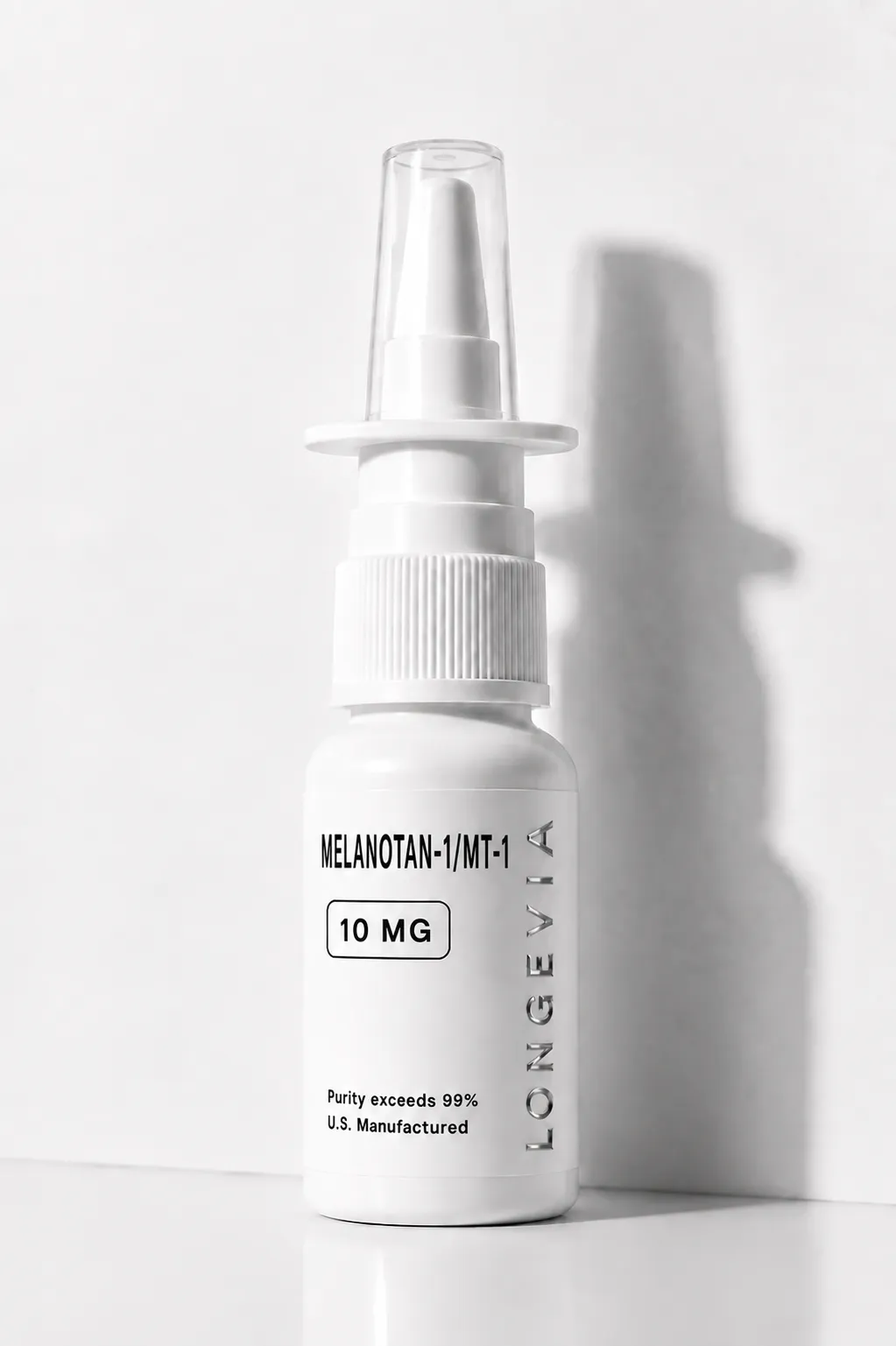
Melanotan-1 10mg — 45 Sprays
Longevia Research supplies Melanotan-1 (Melanotan I, MT-1) 10mg in a 45-spray format for qualified laboratory research. Melanotan-1 is a synthetic α-MSH analogue and melanocortin research peptide studied in relation to MC1R signaling, melanogenesis, and pigmentation biology. Research Use Only.
$144.00
Slide to add
Product FAQs
Find answers to common questions regarding storage, reconstitution, and testing guidelines for this specific compound.