Metabolic Research
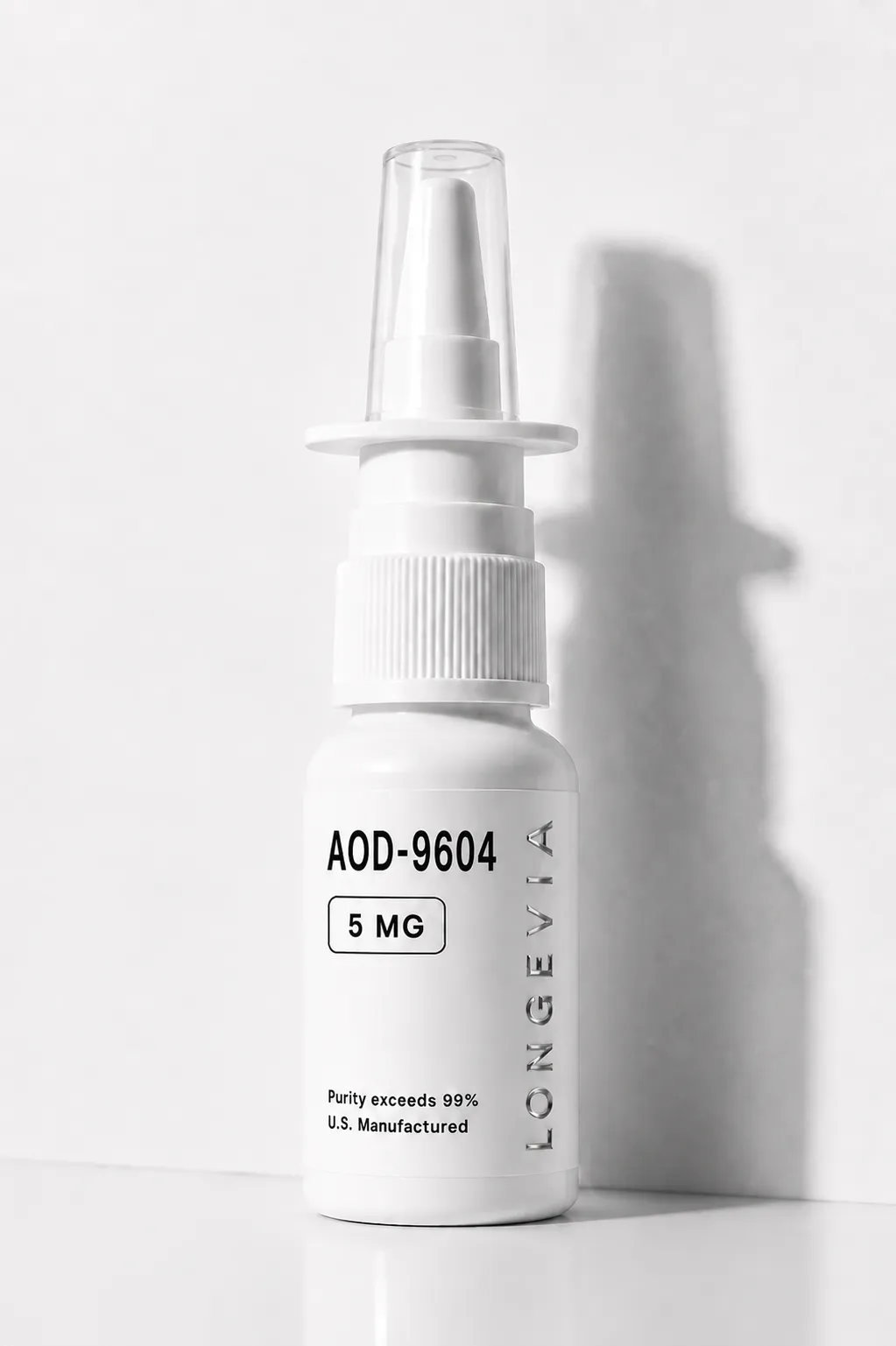
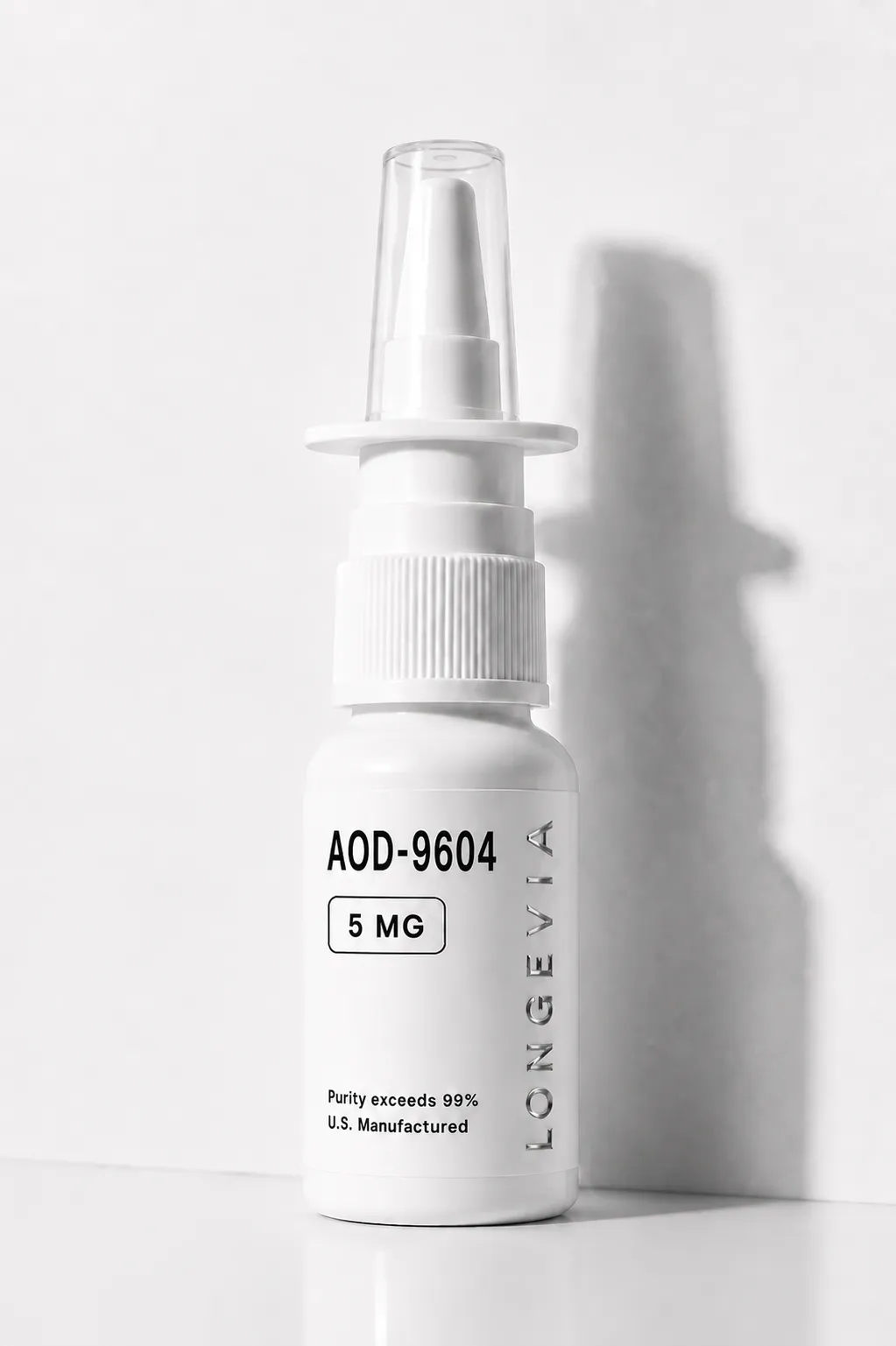
AOD-9604 5mg / 10mg Spray
$189.00
1
Slide to Add
Purity≥99% Tested
TestingLC-MS Verified
LocationUS Based
AOD-9604 is a synthetic 16-residue research compound derived from the C-terminal region of human growth hormone (hGH), specifically corresponding to residues 176 through 191 of the 191-amino-acid hGH sequence, with one structural modification: an N-terminal tyrosine replaces the native phenylalanine at position 176. This substitution distinguishes AOD-9604 from the unmodified hGH Fragment 176–191 (a related but chemically distinct compound with CAS 66004-57-7) and gives each its own molecular identity. AOD-9604 does not bind growth hormone receptors and does not produce growth hormone receptor-mediated effects in experimental systems; its research interest centres on the lipid metabolism and adipocyte biology associated with the C-terminal domain of hGH, independently of the receptor-binding activity of the full-length hormone. Researchers have investigated AOD-9604 in biochemical and metabolic model systems examining lipid utilisation, adipocyte activity, and related signalling pathways. The compound was developed in the 1990s at Monash University in Australia and has been evaluated in both preclinical and clinical research settings. Longevia Research supplies AOD-9604 as a laboratory research material in two formats: a 5mg spray and a 10mg spray, each containing 45 sprays. This product is supplied strictly for in-vitro, analytical, and other controlled non-clinical laboratory research. It is not a drug, dietary supplement, food ingredient, or cosmetic, and it is not intended for human or veterinary use. No dosing, spray-frequency, or administration guidance is provided.
Standard Delivery3-4 Working Days
Free ShippingOn all orders above $300
Product Details
Scientific Identity
AOD-9604 is the common designation for the synthetic peptide Tyr-Leu-Arg-Ile-Val-Gln-Cys-Arg-Ser-Val-Glu-Gly-Ser-Cys-Gly-Phe — a 16-amino-acid sequence corresponding to the C-terminal region of human growth hormone, with tyrosine at the N-terminus. The name derives from its original developmental designation as "Anti-Obesity Drug" at Metabolic Pharmaceuticals Ltd. (Australia). An intramolecular disulfide bridge connects the two cysteine residues at positions 7 and 15 of the sequence, producing a constrained ring conformation that is central to the molecule's three-dimensional structure and analytical identity.
Distinction from HGH Fragment 176–191. AOD-9604 and HGH Fragment 176–191 share a common parent sequence but are distinct compounds. HGH Fragment 176–191 has phenylalanine at the N-terminus (the native hGH residue at position 176); AOD-9604 has tyrosine at that position. This single residue difference produces different molecular weights and different CAS numbers. Research findings attributed to one compound should not be automatically applied to the other.
Molecular Information
Note on molecular weight and salt form. The value above (approximately 1,815 g/mol) represents the free peptide form. AOD-9604 is also commercially encountered as an acetate salt; the salt form has a different total molecular weight. Researchers performing quantitative experiments should confirm the specific form in their material from the batch Certificate of Analysis.
Available Formats
The 5mg and 10mg designations refer to the total quantity of AOD-9604 per product. The quantity per individual spray is documented on the product label and batch Certificate of Analysis for each format. Longevia provides no dosing, spray-frequency, or administration guidance.
Research-Use Classification
Research Use Only. Not for human or veterinary use, clinical diagnostics, therapeutic administration, or any in-vivo application in humans.
Research Focus & Mechanism Overview
Research Origin and Molecular Context
The investigation of C-terminal hGH fragments grew from structure-function research into human growth hormone conducted in the 1990s. Full-length hGH is a 191-amino-acid protein that produces multiple, structurally separable biological effects: its N-terminal domain drives the anabolic, growth-promoting, and insulin-antagonising effects mediated through the GH receptor and downstream IGF-1 production, while the C-terminal domain was identified as the region associated with the hormone's lipid metabolism activity. This functional dissociation — the idea that different domains of the same protein might carry separable biological activities — motivated the development of isolated fragments as research tools.
Professor Frank Ng and colleagues at Monash University identified the C-terminal hGH fragment (residues 176–191) as the domain associated with lipid metabolism signalling, and synthesised AOD-9604 — the tyrosine-modified version of this fragment — to investigate that activity independently of the receptor-binding and growth-promoting functions of full-length hGH. The tyrosine substitution at the N-terminus was introduced to improve synthetic stability while preserving the metabolic signalling under investigation.
AOD-9604 does not bind the growth hormone receptor. In experimental systems where full-length hGH acts through GH receptor occupancy and downstream IGF-1 elevation, AOD-9604 produces none of these effects. This receptor independence is a defining pharmacological feature of the compound as a research tool, allowing investigators to study the lipid-metabolism-associated C-terminal hGH domain activity in isolation.
Lipid and Metabolic Research
Preclinical rodent models. The foundational AOD-9604 research was conducted in obese mouse and rat models. Heffernan and colleagues, publishing in Endocrinology (2001; PMID 11713213), examined AOD-9604 in both wild-type diet-induced obese mice and in beta-3 adrenergic receptor (β₃-AR) knockout mice. In wild-type animals, chronic treatment was associated with changes in fat mass and lipid metabolism parameters without the IGF-1 elevation produced by full-length hGH. Critically, in β₃-AR knockout mice — animals lacking the receptor subtype associated with adipose tissue lipid mobilisation — the lipid-metabolism effects of AOD-9604 were absent. This knockout experiment provided evidence consistent with β₃-adrenergic receptor involvement in mediating the compound's adipocyte-level effects in that rodent model.
A separate study by Ng and colleagues (Hormone Research, 2000; PMID 11146367) conducted metabolic investigations of AOD-9604 in rodent systems, examining how the compound influenced lipid utilisation and fat oxidation parameters relative to vehicle controls. These are animal-model findings; they do not establish equivalent effects in humans.
Adipocyte cell biology. In cell-based research, investigators have examined AOD-9604's interaction with adipocytes — the fat-storing cells of adipose tissue — and relevant signalling pathways. These in-vitro studies have examined endpoints including lipid accumulation, lipolytic enzyme activity, and receptor-mediated signalling in cell culture systems under defined experimental conditions.
Growth Hormone Receptor Independence and Pharmacological Distinction
A consistent finding across AOD-9604 experimental work is the absence of the classical growth hormone receptor effects — specifically, AOD-9604 does not produce measurable IGF-1 elevation in experimental systems, in contrast to full-length hGH. This distinction is pharmacologically significant for research design: AOD-9604 allows investigation of the lipid-metabolism-associated C-terminal hGH domain biology without the confounding anabolic and glycaemic effects that accompany full GH receptor activation.
Researchers studying the structure-function relationships of hGH have used AOD-9604 alongside other fragments and the full hormone to map which biological activities are attributable to which structural domains. This comparative pharmacology approach has contributed to the understanding of domain-specific signalling within the hGH molecule.
Cartilage and Connective Tissue Research
More recently, AOD-9604 has been examined in experimental models beyond lipid metabolism. A 2015 study by Kwon and Park, published in Annals of Clinical and Laboratory Science (PMID 26275694), examined intra-articular administration of AOD-9604 in a rabbit osteoarthritis model, evaluating cartilage tissue parameters in that animal system. These findings represent a distinct and more recent research context — preliminary preclinical data in a different tissue setting — and do not establish therapeutic benefit in human joint disease.
Human Clinical Research History
AOD-9604 has been evaluated in human clinical trials, constituting one of the more substantial clinical research records for any compound in the synthetic growth hormone fragment category. Approximately six controlled trials enrolled more than 900 participants, examining AOD-9604 in populations including adults with obesity. Across those trials, the compound's safety profile was broadly comparable to placebo, with no significant GH receptor-associated adverse effects — consistent with its receptor-independent mechanism.
The pivotal efficacy trial — a Phase IIb study with 536 participants — did not demonstrate statistically significant fat loss relative to placebo at the doses tested. Development for an obesity indication was terminated by the developer (Metabolic Pharmaceuticals Ltd.) in 2007. There is no established therapeutic indication for AOD-9604, and no New Drug Application has been filed with the FDA or equivalent regulatory authorities. Clinical data should not be interpreted as evidence of therapeutic efficacy, and the Longevia research material is not the compound evaluated in those clinical trials.
Regulatory and Anti-Doping Status
AOD-9604 holds no regulatory approval for human therapeutic use in any jurisdiction. In December 2024, the FDA's Pharmacy Compounding Advisory Committee voted against recommending AOD-9604 for inclusion on the Section 503A bulk drug substances list, closing the lawful compounding pathway that had previously been available in the United States. No current 503A or 503B pharmaceutical compounding pathway for AOD-9604 exists in the US.
AOD-9604 appears on the World Anti-Doping Agency (WADA) Prohibited List under category S2.2.3 (growth hormone releasing factors and related peptides). Researchers and investigators subject to anti-doping oversight should note this classification independently of any laboratory research context.
Australia's Therapeutic Goods Administration (TGA) granted AOD-9604 a status as a food ingredient in 2012 — a food safety evaluation, not a therapeutic approval, and not applicable to the Longevia research material.
Quality & Purity Standards
For a synthetic research compound containing an intramolecular disulfide bridge, analytical quality documentation must address both the linear sequence integrity and the folded, cyclised form. The Cys7–Cys15 disulfide bridge in AOD-9604 is a defining structural feature: incorrectly reduced (open-chain) material would produce a different mass spectrometric signature and potentially different behaviour in experimental assays.
Identity and structural confirmation. Each production lot of Longevia's AOD-9604 spray is characterised by mass spectrometric analysis, verifying the observed molecular ion against the expected mass for the cyclised, disulfide-bonded form (C₇₈H₁₂₃N₂₃O₂₃S₂, approximately 1,815.1 g/mol). The disulfide isotope pattern and the mass difference between reduced and oxidised forms provide analytical confirmation of the bridge status.
Purity assessment. Chromatographic purity analysis quantifies the target AOD-9604 compound relative to all other UV-absorbing species, including uncyclised linear material, truncation products, and synthesis-related impurities. Purity data is documented on the batch Certificate of Analysis for each format.
Batch traceability and Certificate of Analysis. Every production lot of the AOD-9604 5mg and 10mg spray formats is traceable to a specific batch. Batch-specific Certificates of Analysis are accessible on the Longevia Research website, covering compound identity, purity, and lot information. Researchers are encouraged to review current batch documentation before use.
Storage. Specific storage conditions and stability information for each format and lot are confirmed on the batch Certificate of Analysis and product labelling. Disulfide-bonded peptide research materials can be sensitive to reducing conditions, oxidative stress, light, and temperature; researchers should follow the COA's lot-specific guidance and institutional protocols.
Compliance Notice
Longevia Research supplies AOD-9604 spray for laboratory and in-vitro research use only. Both the 5mg and 10mg formats are intended for qualified researchers and trained laboratory personnel working in appropriate controlled research environments.
AOD-9604 is a synthetic research compound supplied strictly as a laboratory research tool. It is not a drug, not a dietary supplement, not a food or food ingredient, and not a cosmetic. No regulatory authority has approved AOD-9604 for human or veterinary therapeutic use. In December 2024, the FDA's Pharmacy Compounding Advisory Committee voted against recommending AOD-9604 for the 503A bulk drug substances list; no current pharmaceutical compounding pathway for this compound exists in the United States. Longevia does not supply this product for administration to humans or animals, for clinical diagnostics, or for any therapeutic application.
The spray format does not alter the Research Use Only status of this material. No dosing instructions, spray-frequency guidance, administration protocols, or usage recommendations are provided.
The scientific and clinical literature referenced on this page describes experimental observations from defined research contexts. Clinical trial results do not establish that the Longevia research material is safe or effective for any human application, nor that it is equivalent to any investigated pharmaceutical formulation. The purchaser assumes full responsibility for lawful acquisition, handling, storage, use, and disposal of this material, and for compliance with all applicable local, state, federal, and institutional regulations.
Continue Exploring
Also Considered.
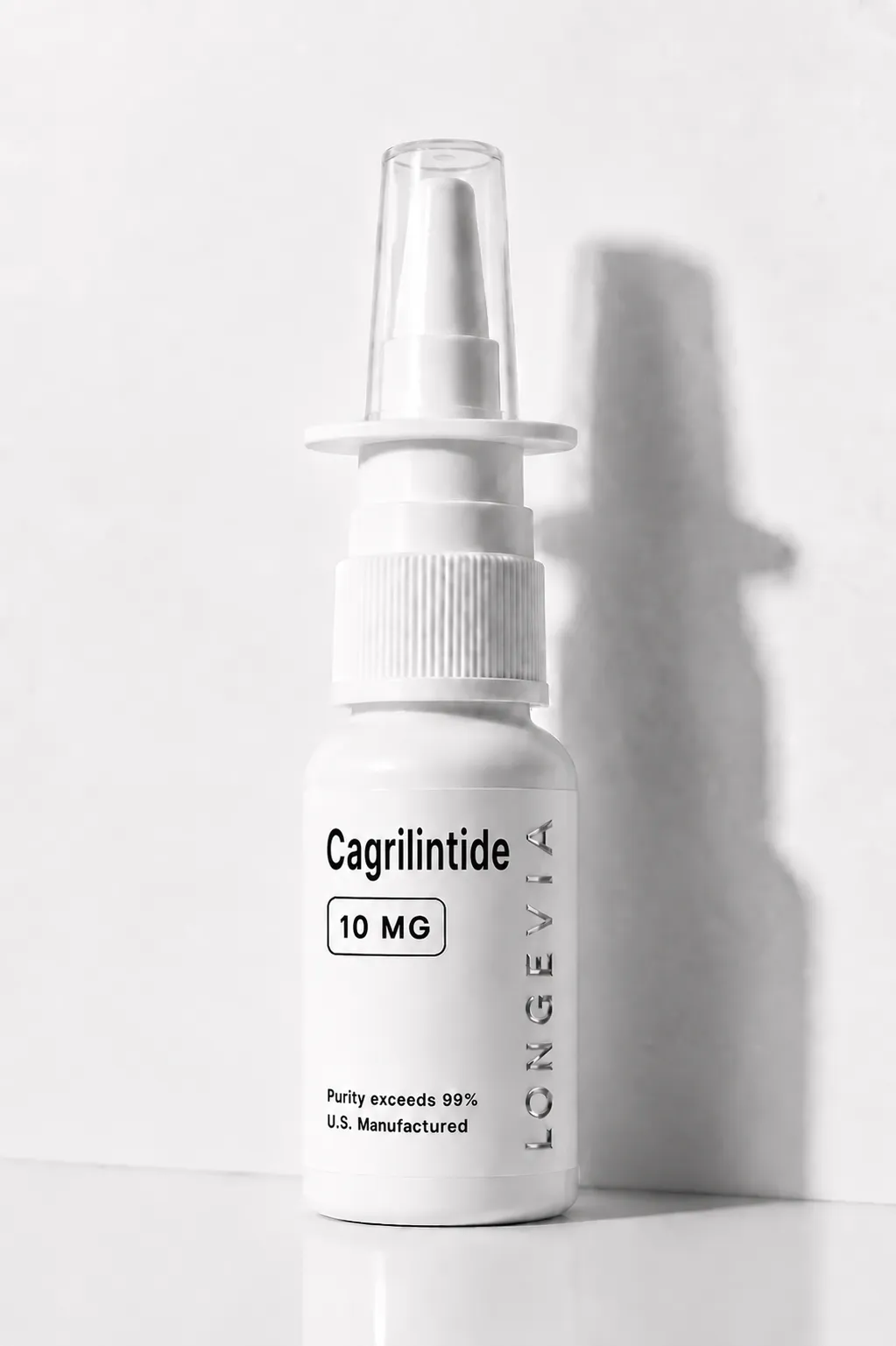
Cagrilintide 10mg Spray
Cagrilintide 10mg spray — 45 sprays of long-acting acylated amylin analogue (AM833, CAS 1415456-99-3, ~4,409 Da). Supplied by Longevia Research for laboratory use only. Batch COA available.
$202.50
Slide to add
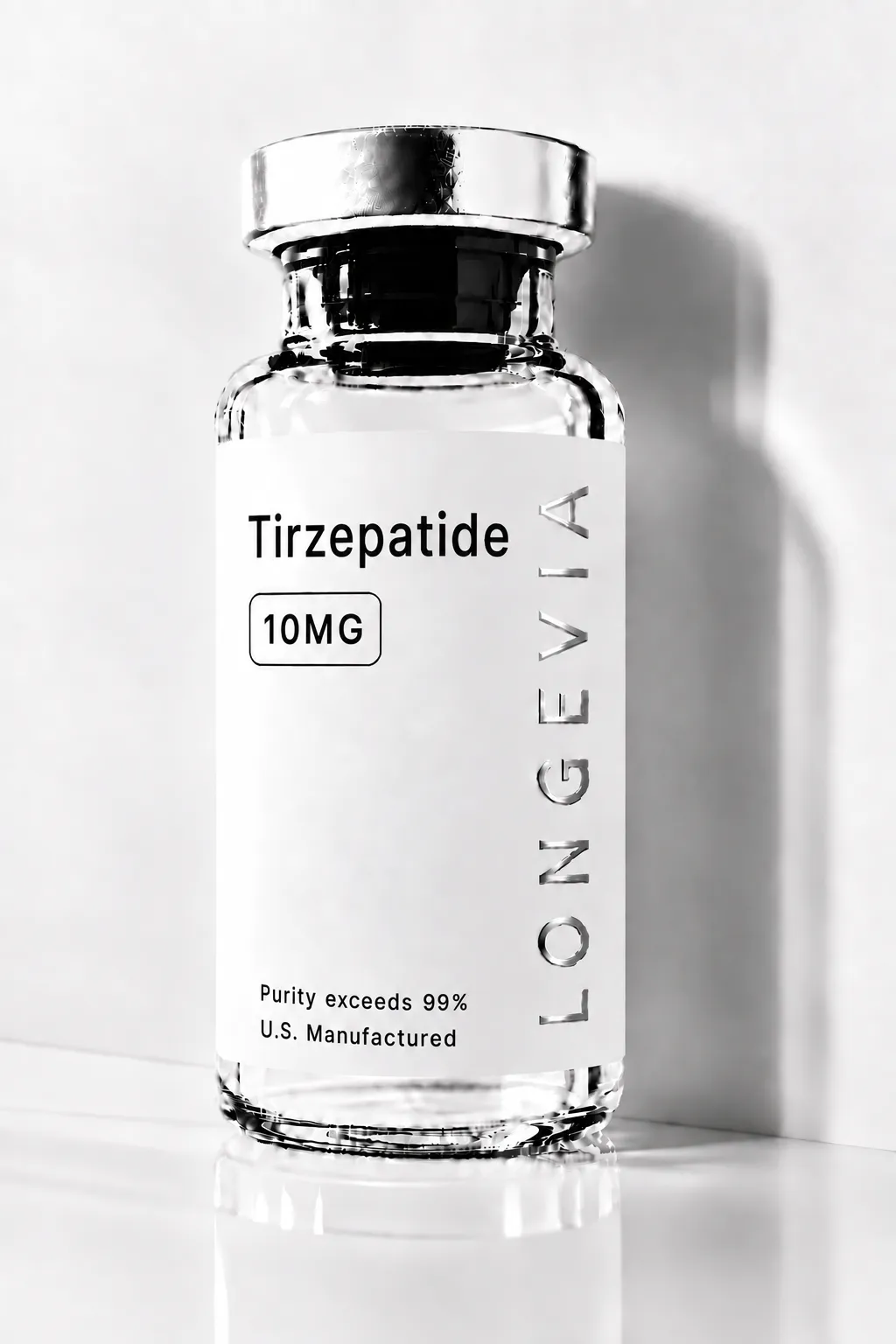
Tirzepatide
Tirzepatide is a synthetic dual GIP and GLP-1 receptor agonist peptide investigated in research involving incretin receptor pharmacology, glucose-dependent insulin secretion, and metabolic signaling biology. Available in 10mg, 20mg, 30mg, and 60mg vials. Research Use Only — Longevia Research.
$99.00
Slide to add
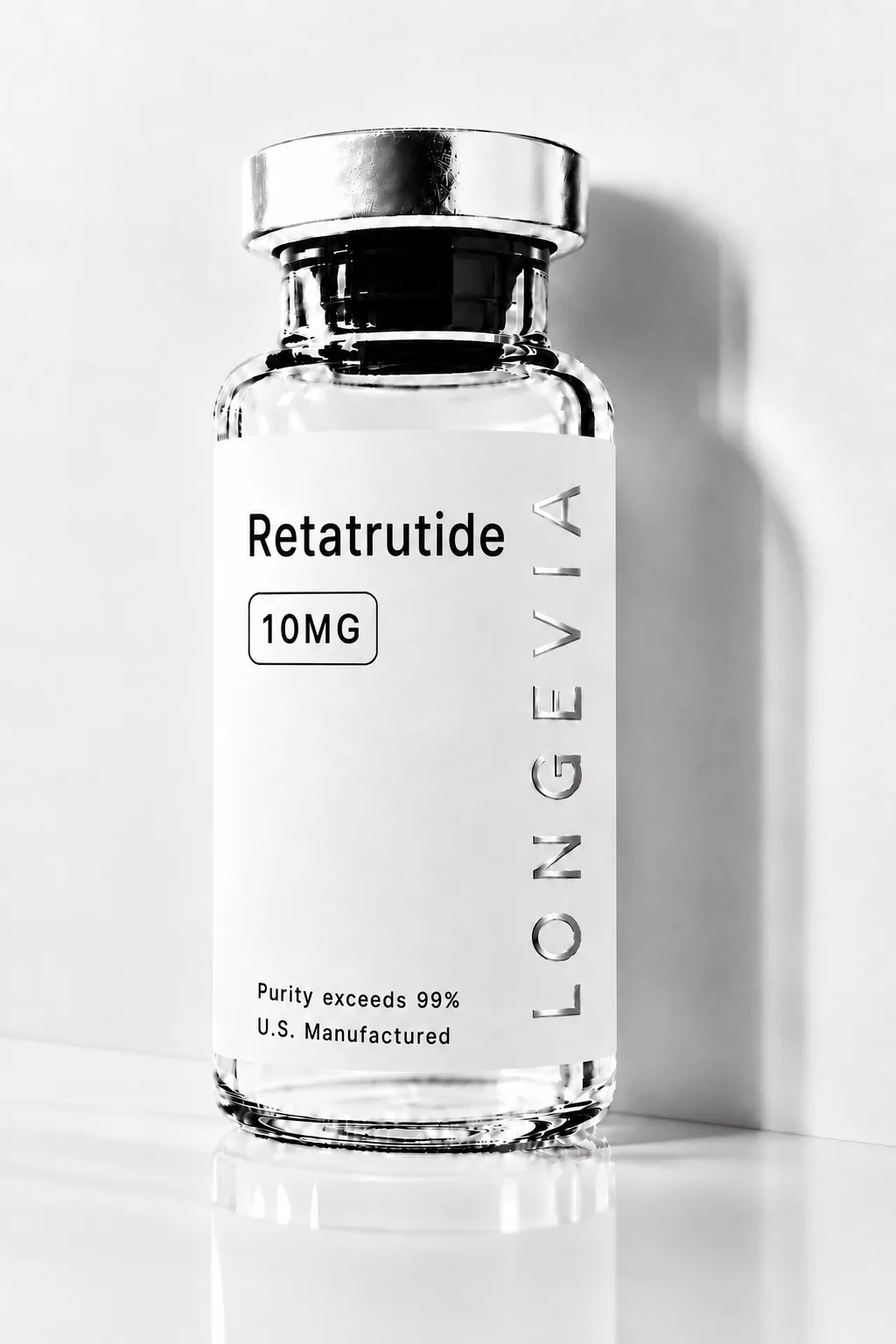
Retatrutide 10mg–60mg
Retatrutide (LY3437943) — an investigational GLP-1/GIP/glucagon triple receptor agonist supplied by Longevia Research in 10mg, 20mg, 30mg and 60mg vials for laboratory use only.
$121.50
Slide to add
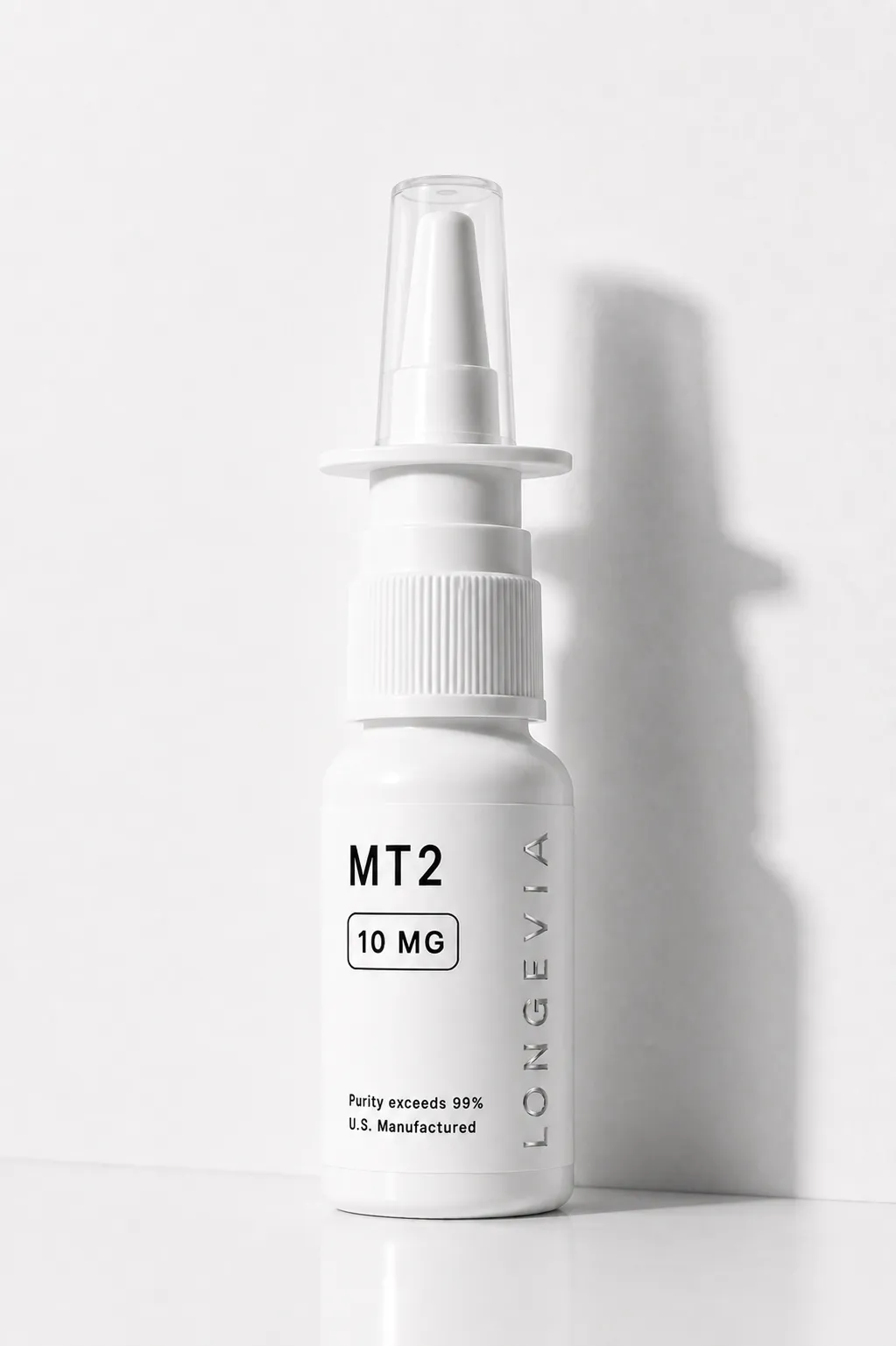
MT-2 Spray
Buy MT-2 Spray, a research-grade Melanotan II preparation in a convenient spray format for melanocortin receptor and pigmentation pathway research. COA-verified, 99%+ purity. Research use only.
$80.00
Slide to add
Product FAQs
Find answers to common questions regarding storage, reconstitution, and testing guidelines for this specific compound.